
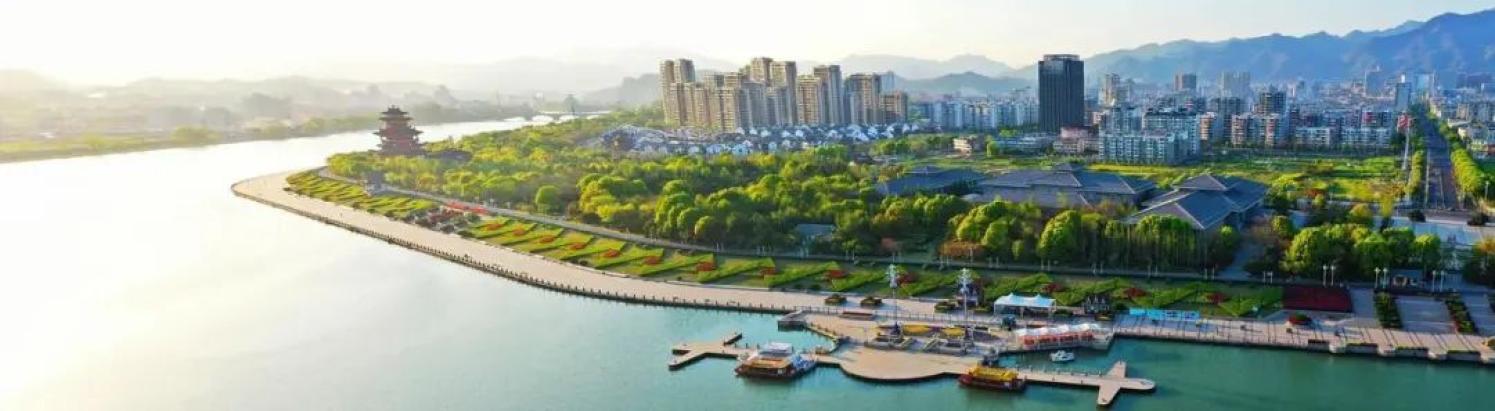
Lishui, located in the southwest of Zhejiang Province at the border of Zhejiang and Fujian, is the largest prefecture-level city in Zhejiang. It has a subtropical monsoon climate with distinct seasons, warm and humid, and a forest coverage rate of 81.7%, earning it the nickname 'Green Valley of Zhejiang'. The terrain is mainly mountainous and hilly, with the Ou River running through the entire area, providing an exceptional ecological environment.
Lishui has a long history, with human activity dating back over 4,000 years. During the Spring and Autumn and Warring States periods, it belonged to the Yue State. In the Sui Dynasty, Chuzhou was established, later renamed Kuozhou in the Tang Dynasty, and then reverted to Chuzhou. In the Ming and Qing dynasties, it was Chuzhou Prefecture. After liberation, Lishui Prefecture was established. As an old revolutionary base in southwestern Zhejiang, Lishui has a profound red cultural heritage.
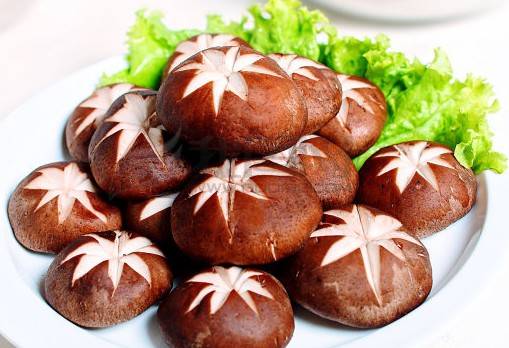
Lishui boasts diverse culture and is known as the 'Hometown of Chinese Folk Art'. It is home to national intangible cultural heritages such as Longquan Celadon, Qingtian Stone Carving, and Suichang Black Pottery. The She ethnic culture is distinctive, with Jingning being the only She Autonomous County in China. Local cuisine features mountain delicacies and fresh fish from the Ou River, such as Jinyun Sesame Cake, Qingtang Sugar Cake, and Longquan Mushrooms.
In recent years, Lishui has adhered to the development philosophy that 'lucid waters and lush mountains are invaluable assets', vigorously developing eco-tourism, green agriculture, and high-end manufacturing. With the opening of high-speed rail, transportation has become more convenient, and scenic spots like Ancient Weir and Painting Town, Yunhe Rice Terraces are famous far and wide. Urban infrastructure is continuously improving, making Lishui an eco-leisure tourism destination in the Yangtze River Delta region.
The best time to visit 丽水 is Spring (April-May) and Autumn (September-November).
Spring (April-May): Lishui has a mild climate with blooming flowers. Especially during the irrigation season of Yunhe Rice Terraces, the mirror-like terraces reflect clouds and mist, making it the best time for photography.
Summer (June-August): Although hot, the mountainous areas are cool, suitable for escaping the heat. You can experience rafting and water activities, but be aware of typhoons.
Autumn (September-November): Clear skies and crisp air, with forests turning colors and rice terraces turning golden. It's a great time to enjoy autumn scenery and taste harvest cuisine.
In the ninth year of Kaihuang reign of Emperor Wen of Sui, prefectures were abolished and states were established. Chuzhou was set up, marking the beginning of formal administrative divisions in Lishui.
The Chinese Workers' and Peasants' Red Army Advance Division entered southwestern Zhejiang, establishing guerrilla bases, and Lishui became an old revolutionary base area.
Recommended places to visit
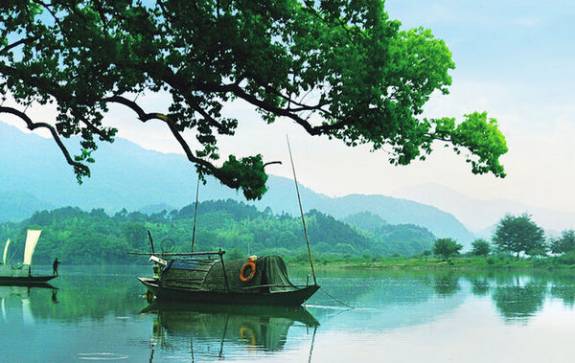
Located in Bihu Town and Dagangtou Town, Liandu District, it consists of the ancient weir and the painting village. The ancient weir is Tongji Weir, built in the Southern Dynasties and still irrigating today; the painting village is a Barbizon oil painting base with picturesque scenery.
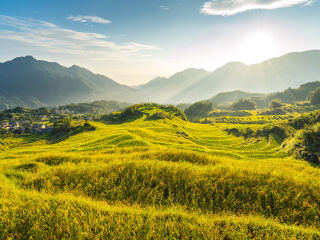
Located in Chongtou Town, Yunhe County, it is known as 'China's most beautiful terraced fields' and is the largest terraced field group in East China. The scenery varies with seasons, especially famous for sunrise and sea of clouds.
Explore rich intangible cultural heritage and traditional crafts
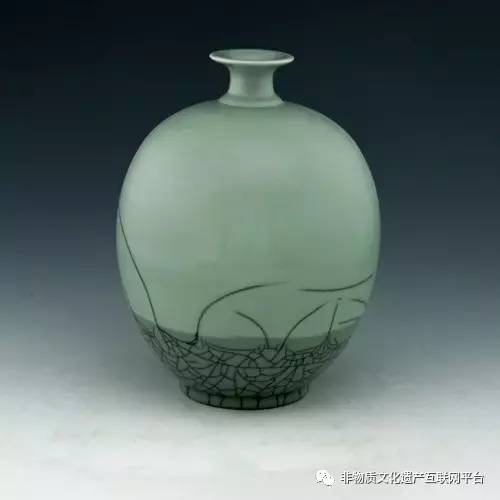
The traditional firing technique of Longquan celadon was inscribed on the first batch of National Intangible Cultural Heritage List. Its 'Ge Kiln' and 'Di Kiln' are world-famous.
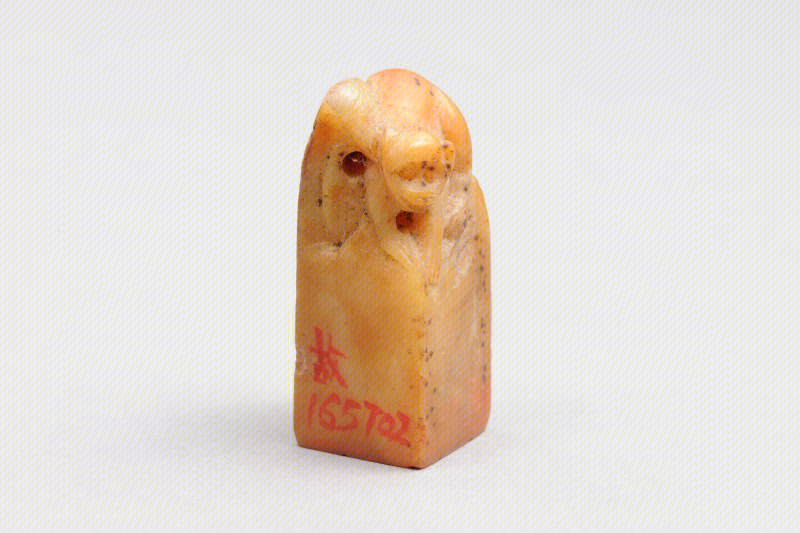
Qingtian stone carving uses Qingtian stone as material, with superb carving skills and wide-ranging themes. It was inscribed on the first batch of National Intangible Cultural Heritage List.
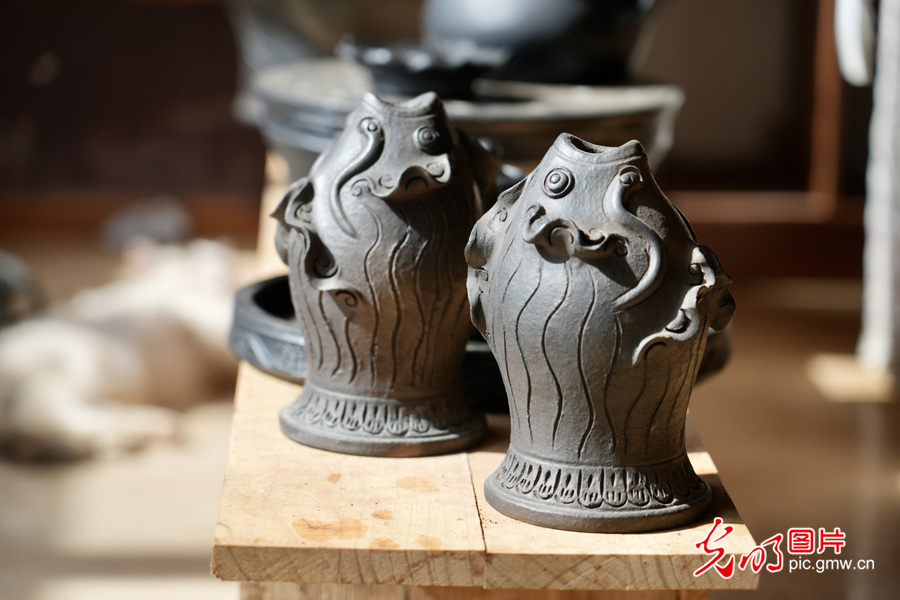
The firing technique of Suichang black pottery was inscribed on the National Intangible Cultural Heritage Representative List. Its unique carburizing process gives the pottery a glossy black finish.
Must-know transportation for exploring the city
Lishui Railway Station is located in the urban area, served by the Jinhua-Wenzhou Railway, with direct access to major cities such as Hangzhou, Shanghai, and Beijing. Hangzhou to Lishui takes about 1.5 hours.
Second-class seat from Hangzhou to Lishui about 100 yuan
Lishui East and West Bus Stations have buses to counties and surrounding provinces, convenient for traveling to Yunti Rice Terraces, Xiandu, and other scenic spots.
Short-distance within city 10-30 yuan, cross-city 50-150 yuan
Lishui currently has no civil airport. The nearest airports are Wenzhou Longwan International Airport (about 2 hours drive) or Hangzhou Xiaoshan International Airport (about 3 hours drive).
Airport bus from Wenzhou to Lishui about 60 yuan
Taste the most authentic and popular local specialties
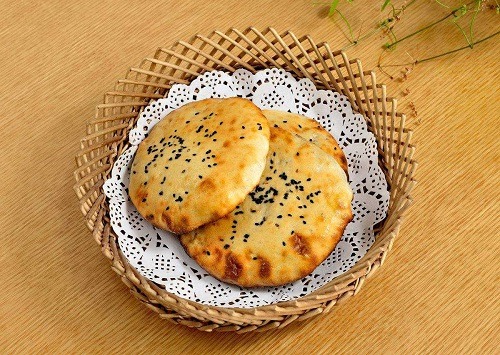
A traditional snack of Jinyun County, filled with preserved mustard greens and pork, with a crispy crust and savory filling. It is the most representative delicacy of Lishui.
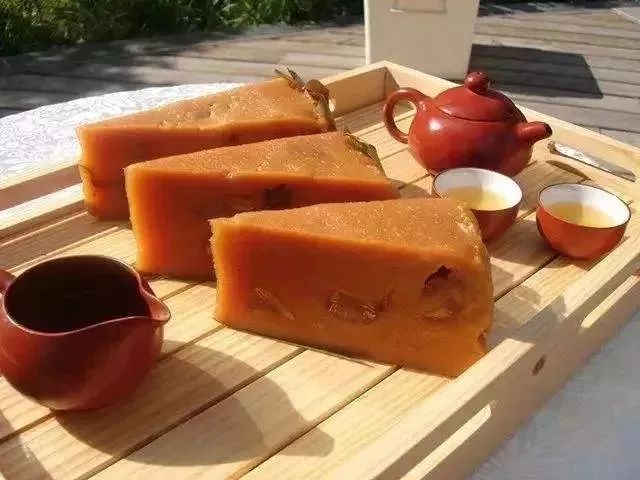
A traditional pastry of Qingtian County, made from glutinous rice flour, brown sugar, and pork, steamed to a sweet and soft texture, essential for the New Year.
With the approval of the State Council, Lishui Prefecture was abolished and Lishui City was established as a prefecture-level city. The original county-level Lishui City was renamed Liandu District.
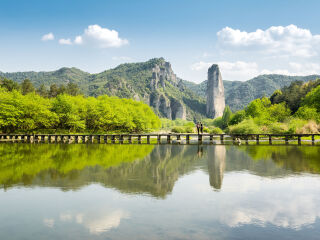
Located in Jinyun County, it got its name because Emperor Xuanzong of Tang exclaimed 'It is truly the capital of immortals.' With Dinghu Peak as the core, the landscape is magnificent, and it is a filming location for TV dramas such as 'The Journey of Flower'.
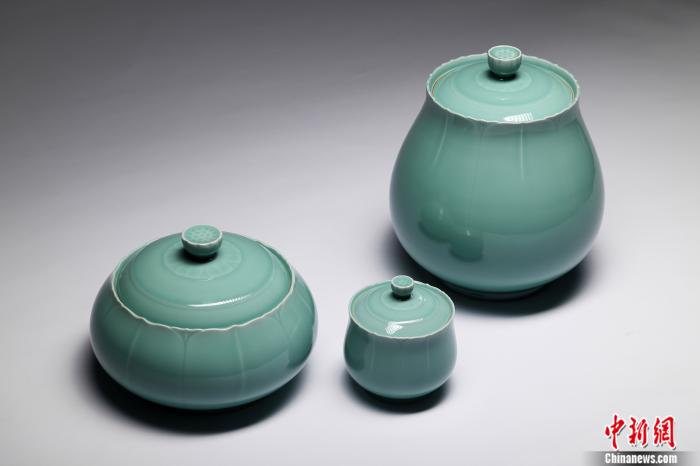
Located in Shangyang Town, Longquan City, it is a celadon-themed town in China. Visitors can visit the celadon museum, experience making celadon, and feel the thousand-year celadon culture.
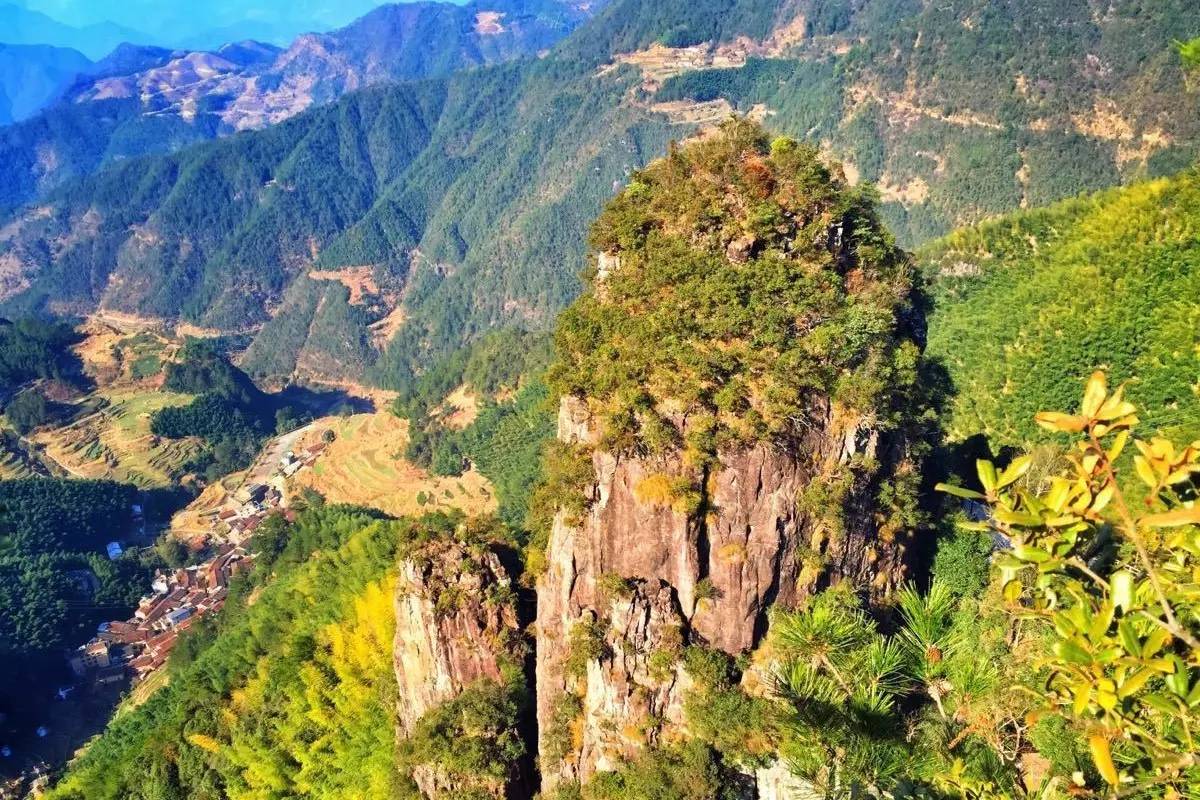
Located in Suichang County, it is famous for strange peaks, sea of clouds, terraced fields, waterfalls, and bamboo forests, making it a paradise for photography enthusiasts.
A specialty of Longquan City, mainly cultivated on logs, with thick flesh and rich aroma, excellent for cooking, known as the 'king of mushrooms'.
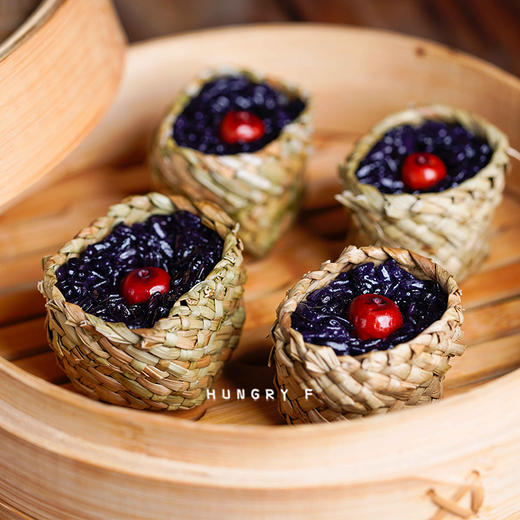
A traditional She ethnic dish in Jingning, made by steaming glutinous rice soaked in the juice of Vaccinium bracteatum leaves, black in color, fragrant and delicious, with health benefits.
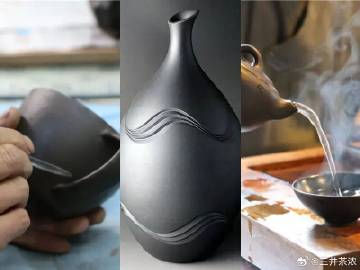
A specialty of Suichang County, made from local unique clay, fired to a glossy black color, with exquisite craftsmanship, serving as both practical utensils and artworks.