
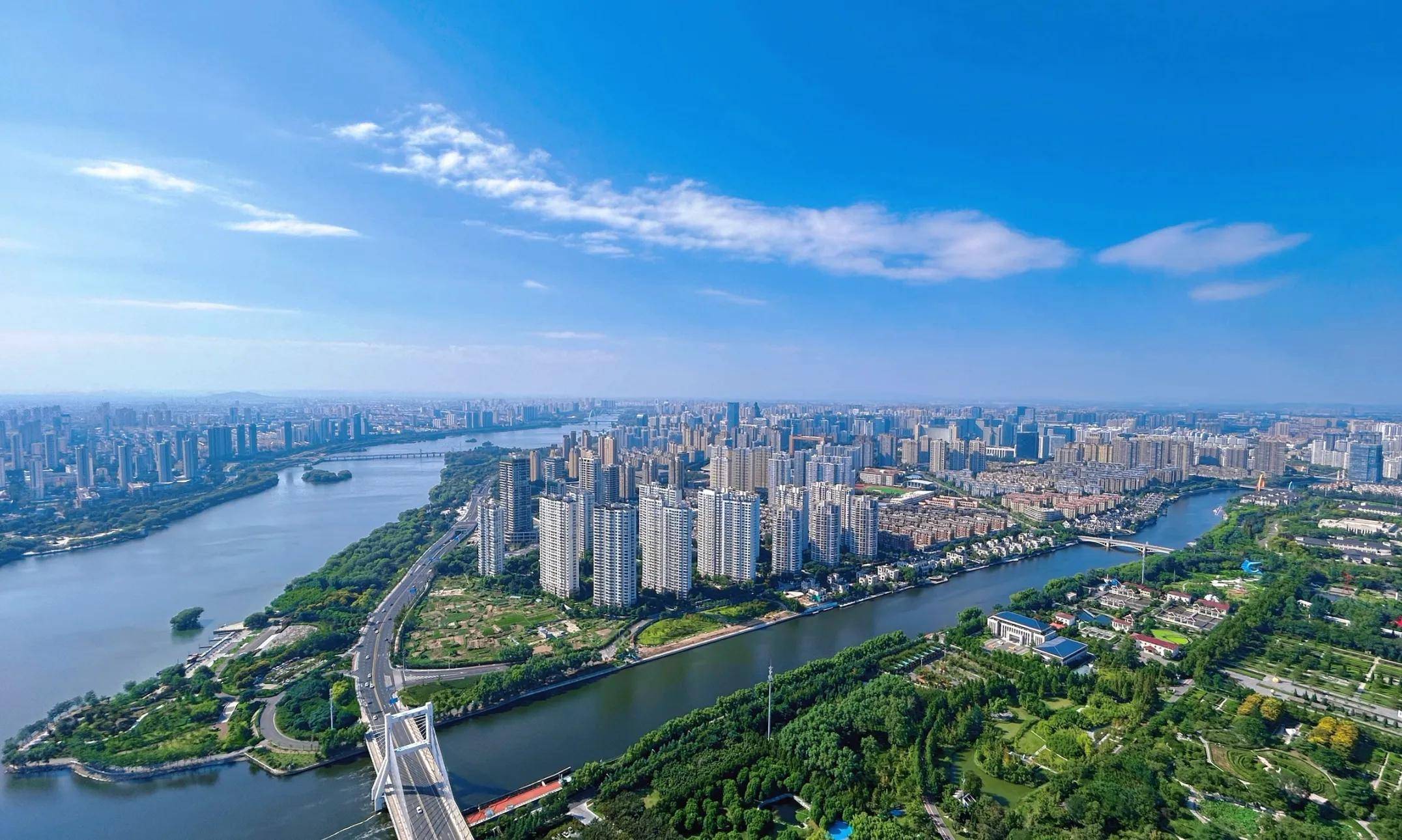
Linyi is located in the southeast of Shandong Province, nestled in the Yimeng Mountains and bordering the Yellow Sea to the east. It has a warm temperate monsoon climate with four distinct seasons and abundant rainfall.
Linyi has a long history and is one of the important birthplaces of Chinese civilization. Ancient human activities date back 400,000 to 500,000 years. During the Spring and Autumn Period, it was part of the State of Lu. It is the hometown of historical figures such as Wang Xizhi, the Sage of Calligraphy, and Zhuge Liang, the Sage of Wisdom.
Linyi boasts profound cultural heritage, including the Yimeng Spirit and revolutionary culture. Its cuisine is represented by dishes like Yimeng Guanggun Chicken, Linyi Stir-fried Chicken, and Sa (a thick soup), known for their rich and distinctive flavors.
Linyi has developed rapidly in modern times and is a famous commercial and logistics center in China, home to large wholesale markets like Linyi Mall. In recent years, urban construction has continuously improved, and the economy has sustained growth, making it an important city in southern Shandong.
The best time to visit 临沂 is Spring and Autumn (March-May, September-November).
Spring (March-May) has pleasant temperatures and blooming flowers, making it a great time for flower viewing and outdoor activities.
Autumn (September-November) has clear skies and ripe fruits, suitable for mountain climbing and tasting local cuisine.
Summer is hot and rainy, while winter is cold and dry, offering a less enjoyable travel experience.
Fossils and stone tools of ancient humans were discovered in Linyi, proving that humans lived here as early as 400,000 to 500,000 years ago.
The Linyi area was part of the State of Lu during the Spring and Autumn period, an important southern frontier of Lu.
During the Anti-Japanese War, the Yimeng Mountain Revolutionary Base was established, becoming one of the important revolutionary bases in East China.
Recommended places to visit

A national 5A-level scenic area, including Yishan and Mengshan, with beautiful natural scenery and a revolutionary sacred site.
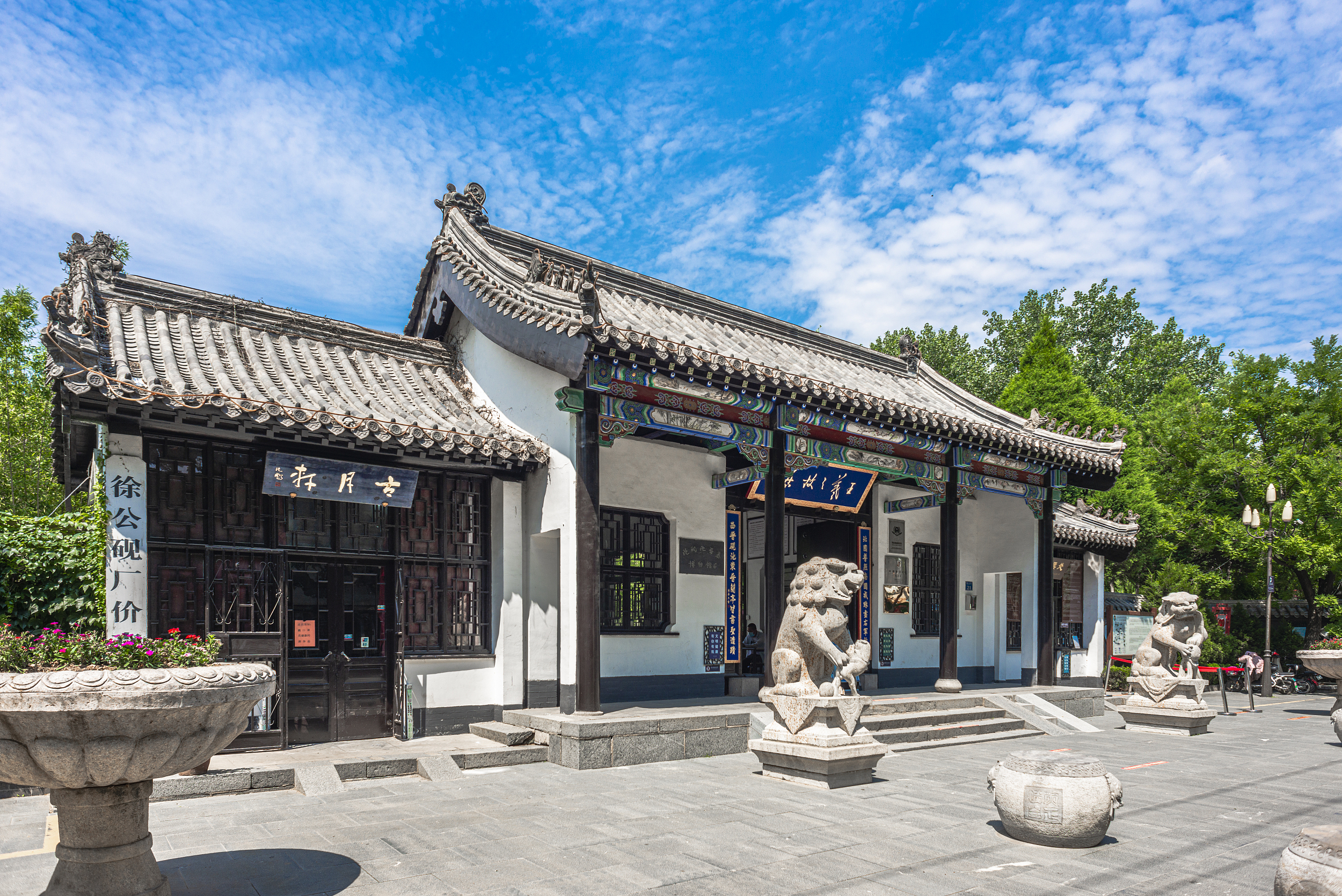
The birthplace of Wang Xizhi, the Sage of Calligraphy, featuring historical sites such as the Ink Washing Pool and Book Drying Terrace.
Explore rich intangible cultural heritage and traditional crafts
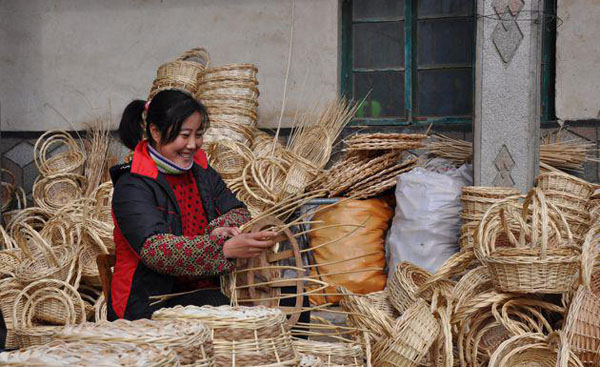
A traditional handicraft of Linyi, using willow branches to weave various daily items and artworks, with a long history.
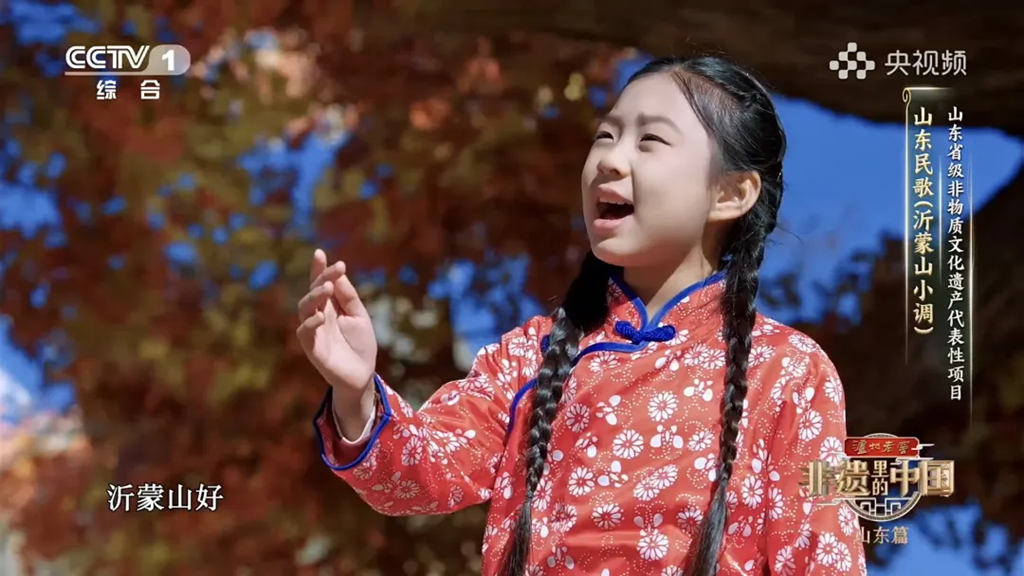
A classic folk song of Shandong, originating from Linyi, with beautiful melody, sung nationwide.
Must-know transportation for exploring the city
Domestic routes to major cities like Beijing, Shanghai, Guangzhou; international routes to South Korea, Thailand, etc.
Varies by route
Intersection of Beijing-Shanghai High-Speed Railway Second Line and Lunan High-Speed Railway, direct to Beijing, Shanghai, Jinan, Qingdao, etc.
Second class about 100-300 RMB
City bus routes cover major attractions and commercial areas, fare 1-2 RMB, some routes support mobile payment.
1-2 RMB
Taste the most authentic and popular local specialties
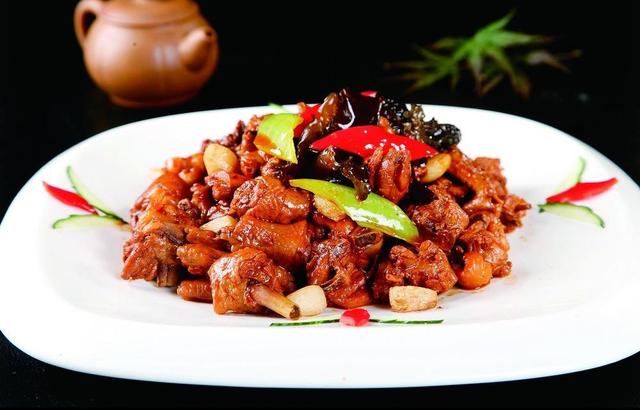
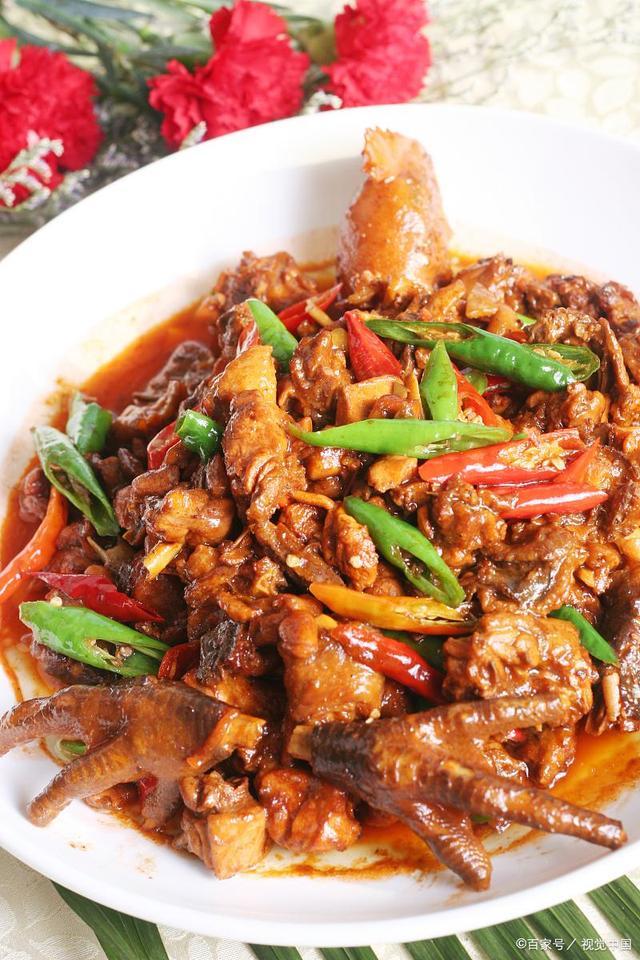
Made with local free-range chicken, stir-fried with chili and Sichuan pepper, tender and spicy.
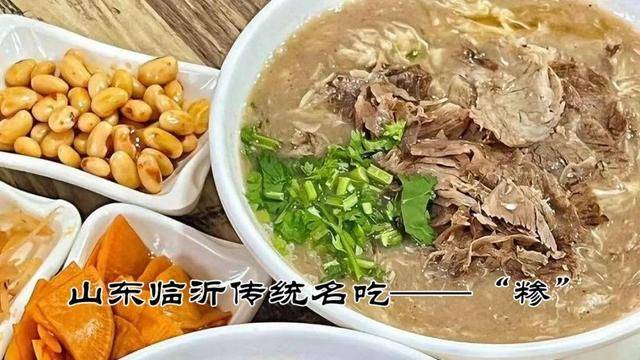
A thick soup made from chicken or beef, with wheat kernels and flour, rich in flavor.
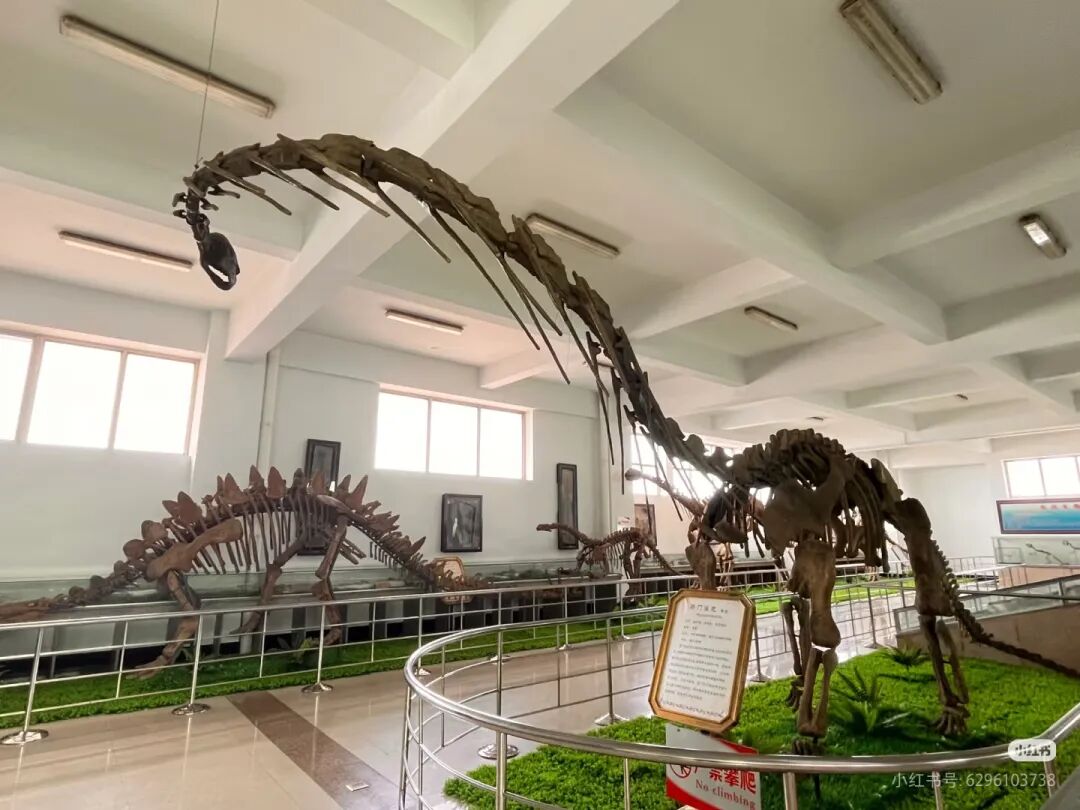
Houses a large collection of dinosaur fossils, especially dinosaur footprint fossils discovered in Linyi.
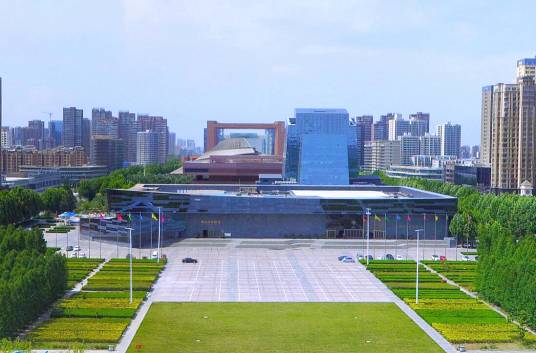
A large science education base with multiple interactive exhibition areas.
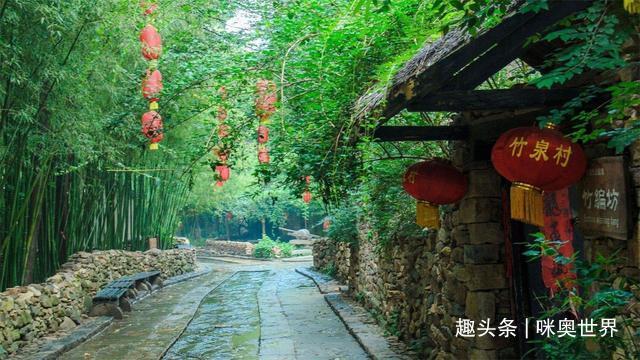
A rare bamboo forest and spring village in northern China, a national 4A-level scenic area.
Made with free-range roosters from the Yimeng Mountains, stewed with a unique process, delicious.
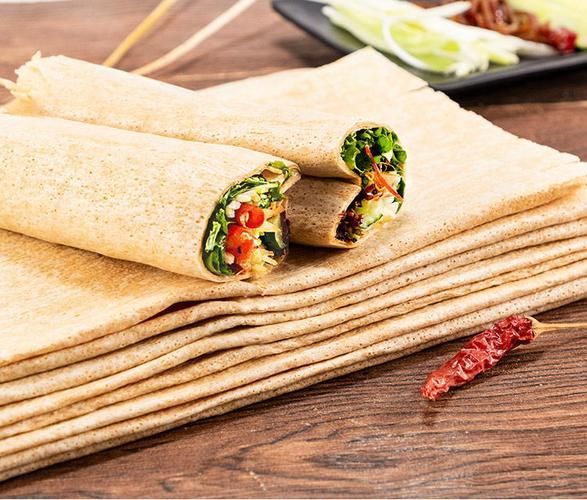
Made from millet or corn batter, spread thin and cooked, crispy and can be rolled with vegetables.
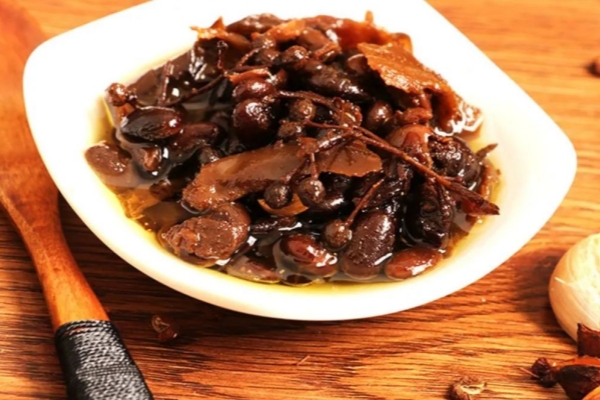
A traditional specialty of Linyi, made from fermented black beans with various ingredients, unique flavor.