
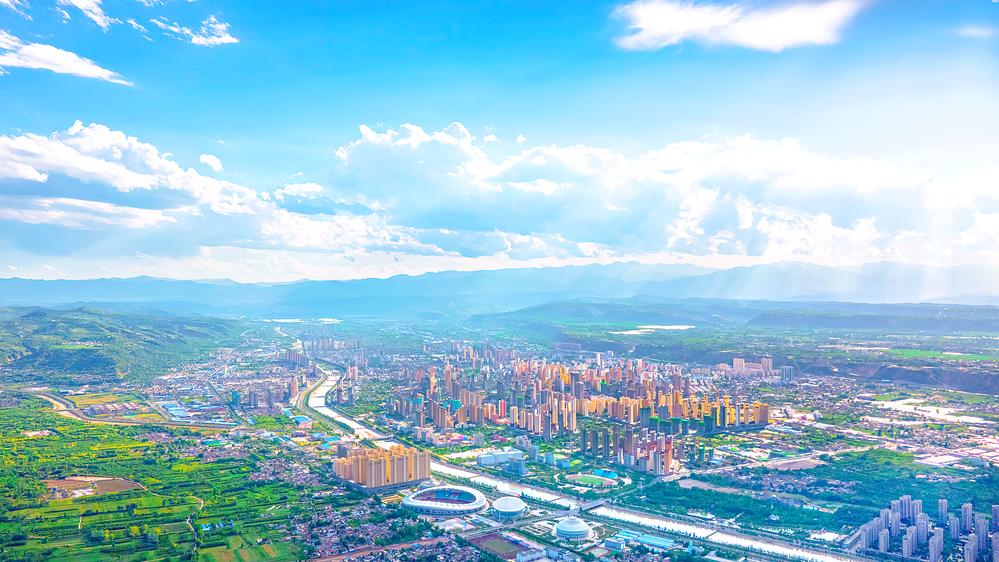
Linxia City, the capital of Linxia Hui Autonomous Prefecture, is located in the central southwest of Gansu Province, at the transition zone between the Loess Plateau and the Qinghai-Tibet Plateau, with an average altitude of about 1,900 meters. It has a temperate continental climate with four distinct seasons, an annual average temperature of about 8°C, cool summers, and dry, cold winters.
Linxia, historically known as Hezhou, has a long history and was an important node on the southern route of the ancient Silk Road. It has been a multi-ethnic settlement since the Qin and Han dynasties, flourished in trade during the Tang and Song dynasties, and became a major center for the tea-horse trade in the Ming and Qing dynasties. The Linxia Hui Autonomous Prefecture was established in 1956, and many historical relics remain.
Linxia is a Hui-majority area with a strong Islamic culture and mosques scattered throughout. Its distinctive cuisine features Hezhou Eight Treasure Tea, hand-grabbed lamb, liangpi (cold noodles), and tianpeizi (sweet fermented grain). Linxia is also the hometown of Chinese Hua'er folk songs, which are recognized as a national intangible cultural heritage.
Today, Linxia actively develops its cultural tourism industry, with Bafang Shisan Alley becoming a city landmark. It also promotes modern agriculture and trade logistics, transforming the urban and rural landscape. Linxia is building itself into a trade hub facing Central and West Asia and a destination for ethnic cultural tourism.
The best time to visit 临夏 is Best travel time is from May to October.
Spring (March-May) sees rising temperatures and blooming flowers, especially during the Peony Culture Festival in April when Linxia's purple-spotted peonies are famous, perfect for flower viewing.
Summer (June-August) is cool and pleasant, with average temperatures around 20°C, making it a summer resort. Visitors can participate in folk activities like the Hua'er Festival.
Autumn (September-October) has clear skies and crisp air, with fruits like Linxia big apricots and winter pears ripening, ideal for food tasting and outdoor excursions.
After Qin Shihuang unified the six states, Baohan County was established in the Linxia area under Longxi Commandery, marking the beginning of central governance over Linxia.
In the third year of Hongwu (1370), the Ming Dynasty established Hezhou Guard, making it a key military town and tea-horse trade center in the northwest, ushering in Linxia's golden age.
Recommended places to visit
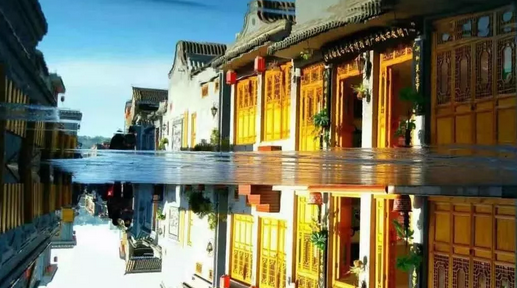
Linxia's city card, consisting of eight mosques and thirteen alleys, blending traditional Hui brick and wood carving art, showcasing the folk customs of ancient Hezhou.
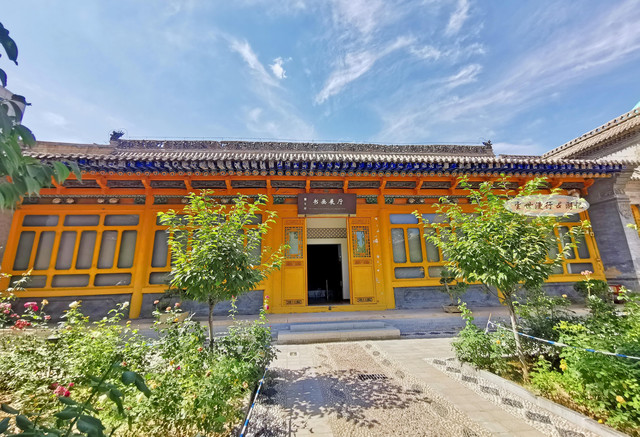
Originally the residence of Ma Buqing, a warlord of the Kuomintang, it is a grand view of Chinese brick carving art. The brick carvings, wood carvings, and paintings are exquisite, earning it the title 'Brick Carving Museum'.
Explore rich intangible cultural heritage and traditional crafts
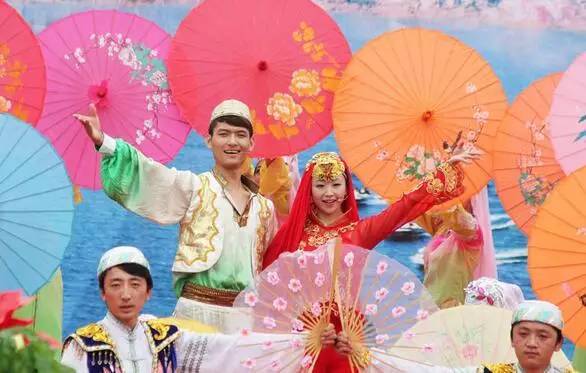
Linxia is the hometown of Chinese Hua'er, a folk song form popular in the northwest. Linxia Hua'er, represented by Hezhou Ling, features high-pitched and lingering tunes, and is listed as a national intangible cultural heritage.
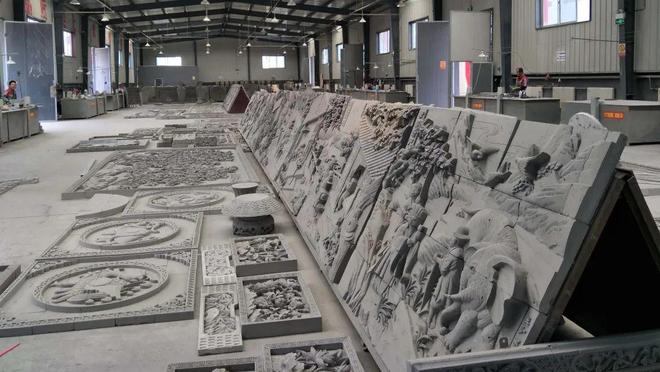
Linxia brick carving is a traditional Hui architectural decorative art, known for its fine carving and rich patterns, widely used in mosques and houses, listed as a national intangible cultural heritage.
Must-know transportation for exploring the city
About 150 km from Linxia City, with direct bus service to Linxia taking about 2.5 hours. Alternatively, take a high-speed train from the airport to Lanzhou West Station, then transfer to a bus to Linxia.
Airport bus about 80 RMB
Linxia Station is in the southern suburbs of Linxia City, with regular trains to Lanzhou, Xining, Chengdu, etc. Lanzhou to Linxia takes about 2.5 hours.
Lanzhou to Linxia hard seat about 30 RMB
The main long-distance bus station in Linxia City, with buses to Lanzhou, Hezuo, Xining, etc. Buses from Lanzhou to Linxia run every 30 minutes, about 2 hours.
Lanzhou to Linxia about 35 RMB
Taste the most authentic and popular local specialties
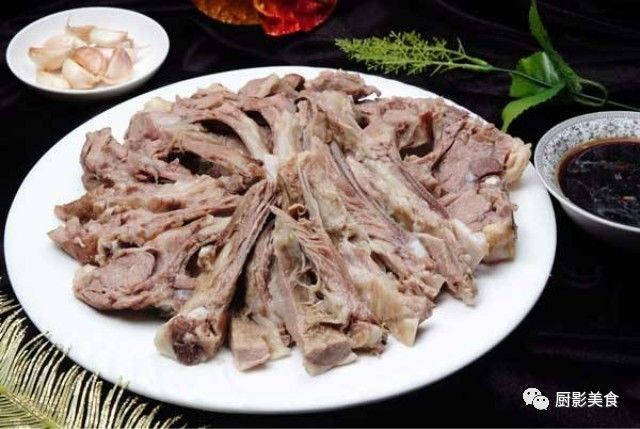
Linxia's most famous traditional dish, made with local high-quality lamb, boiled in plain water, served with pepper salt, tender and without gamey taste.
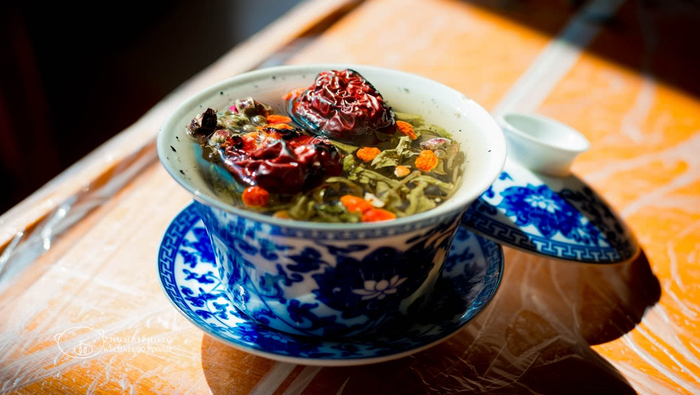
Traditional Hui health tea, based on tea leaves, with eight ingredients including goji berries, longan, red dates, chrysanthemum, and rock sugar, sweet and delicious.
In November 1956, Linxia Hui Autonomous Prefecture was officially established with Linxia City as its capital, marking a new chapter of regional ethnic autonomy.
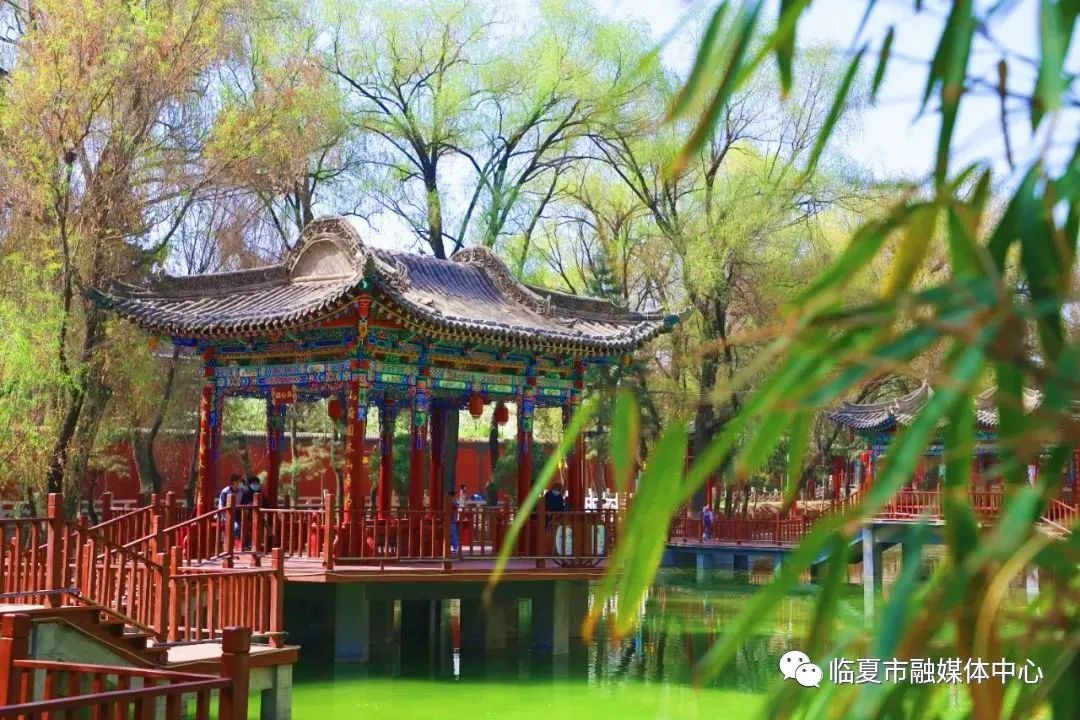
Linxia's earliest garden architecture, featuring pavilions, bridges, and flowing water in Jiangnan garden style, a popular leisure spot for locals.
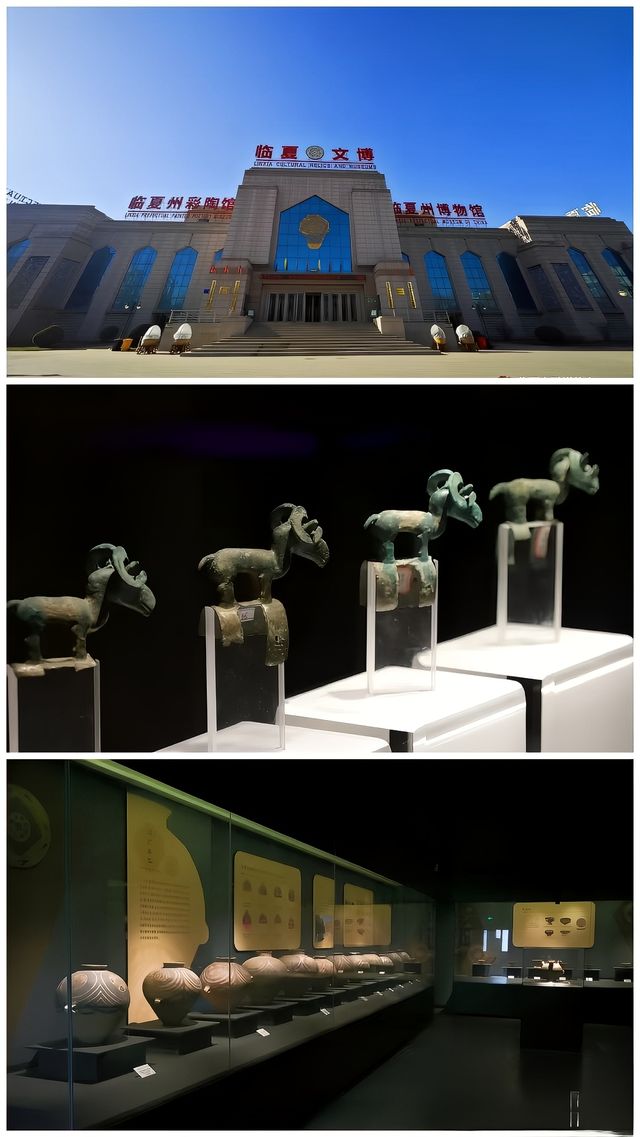
Houses a large collection of Majiayao culture painted pottery, an important showcase of China's painted pottery culture, with the largest collection in the country.
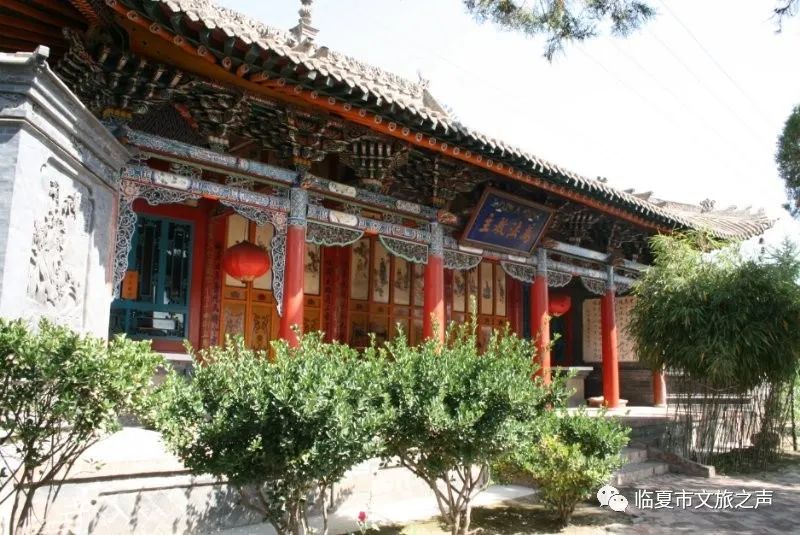
A Taoist temple built in the Tang Dynasty, located in the northern suburbs of Linxia City, built on a hillside with grand scale, a famous Taoist holy site in Northwest China.
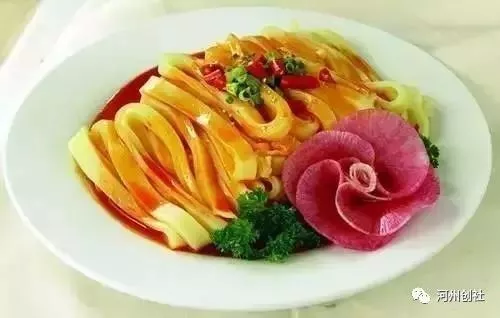
Linxia specialty snack, made by washing gluten from flour and steaming, cut into strips, served with vinegar, garlic water, chili oil, etc., smooth and tangy.
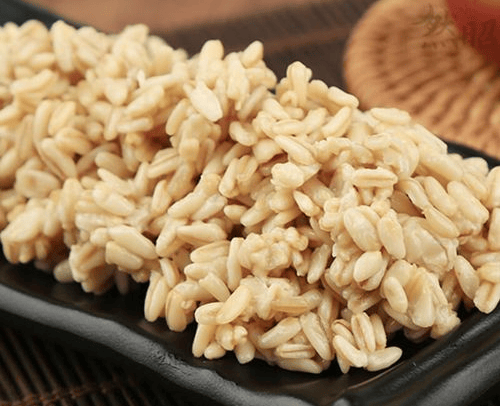
A sweet dessert made from fermented wheat or highland barley, sweet and sour with a wine aroma, best served chilled in summer, refreshing and digestive.
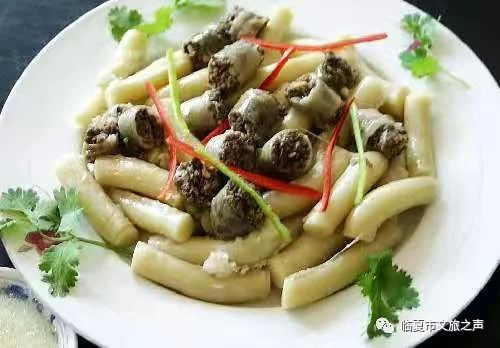
Traditional Hui snack, made by stuffing minced lamb and offal into sheep intestines, steamed, then sliced and pan-fried until crispy outside and tender inside, fragrant without being greasy.