
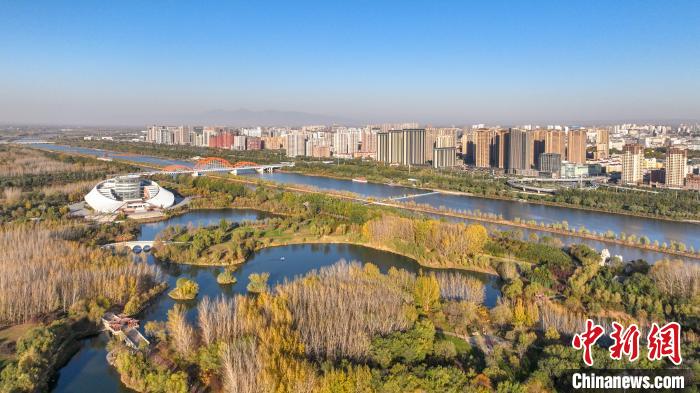
Linfen is located in the southwestern part of Shanxi Province, situated on the middle reaches of the Yellow River and along the Fen River. It is bordered by the Taiyue Mountains to the east and the Yellow River to the west. The city has a temperate continental monsoon climate with four distinct seasons, an average annual temperature of around 12°C, and precipitation of about 500 mm. The Loess Plateau features a landscape of ravines and gullies, forming unique tablelands, ridges, and hills.
Linfen, historically known as Pingyang, is one of the important birthplaces of Chinese civilization. Legend has it that Emperor Yao established his capital here, ushering in a golden age of peace and prosperity. During the Spring and Autumn period, it belonged to the State of Jin; in the Warring States period, it was part of Wei; and in the Qin and Han dynasties, it was established as a commandery. During the Ming and Qing dynasties, it flourished due to the Shanxi merchants, earning the reputation of being a key city in southern Shanxi.
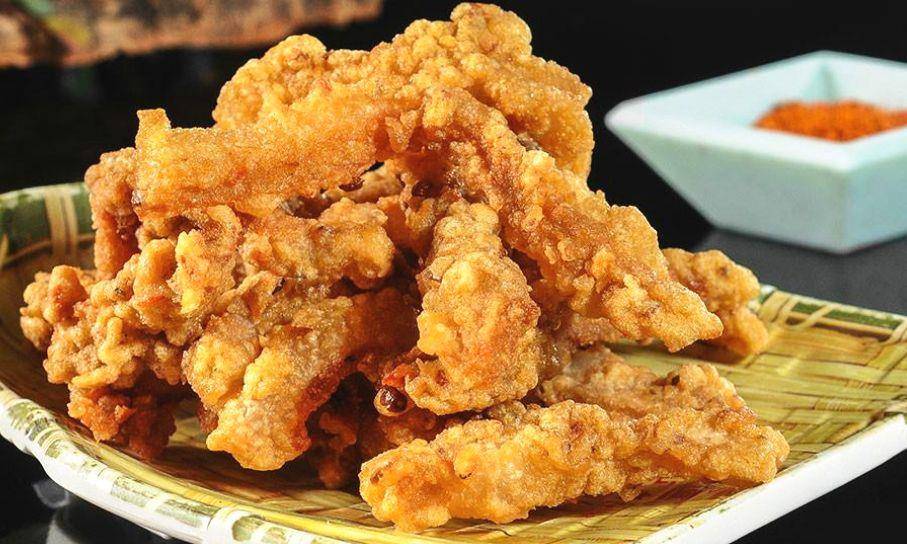
Linfen has a rich cultural heritage. It is the birthplace of the powerful and majestic Weifeng Drum Music of southern Shanxi. Local operas such as Pu Opera and Meihu Opera are distinct and unique. The cuisine is mainly based on noodles, with famous dishes including Beef Ball Noodles, Wu’s Smoked Meat, and Hongtong Crispy Pork. The Dingcun and Taosi archaeological sites reveal ancient civilizations.
Modern Linfen is an important energy and heavy chemical base in Shanxi Province, with well-developed coal and coking industries. In recent years, it has been actively transforming and developing its cultural tourism industry, building the brand of 'Capital of Yao'. The city is changing rapidly, with high-speed rail, an airport, and other transportation facilities well-established, making it a major transportation hub in southern Shanxi.
The best time to visit 临汾 is Spring (April-May) and Autumn (September-October).
Spring (April-May) has pleasant temperatures and blooming flowers, making it the best time to visit ancient sites like Yao Temple and Huamen. Various temple fairs are held, offering a taste of folk culture.
Summer (June-August) is hot, but the Hukou Waterfall is at its fullest and most majestic, making it the best period to view the waterfall. Remember to protect yourself from the sun and heat.
Autumn (September-October) is crisp and cool, with red leaves covering the mountains, ideal for hiking and outdoor activities. The Hongtong Big Pagoda Tree Ancestor Memorial Garden is particularly beautiful then.
Legend has it that Emperor Yao, one of the Five Emperors, established his capital in Linfen (ancient Pingyang), initiating the abdication system and making Pingyang the political center of Chinese civilization.
The Linfen area belonged to the State of Jin. Duke Wen of Jin achieved hegemony here, making Jin one of the Five Hegemons of the Spring and Autumn period.
Recommended places to visit
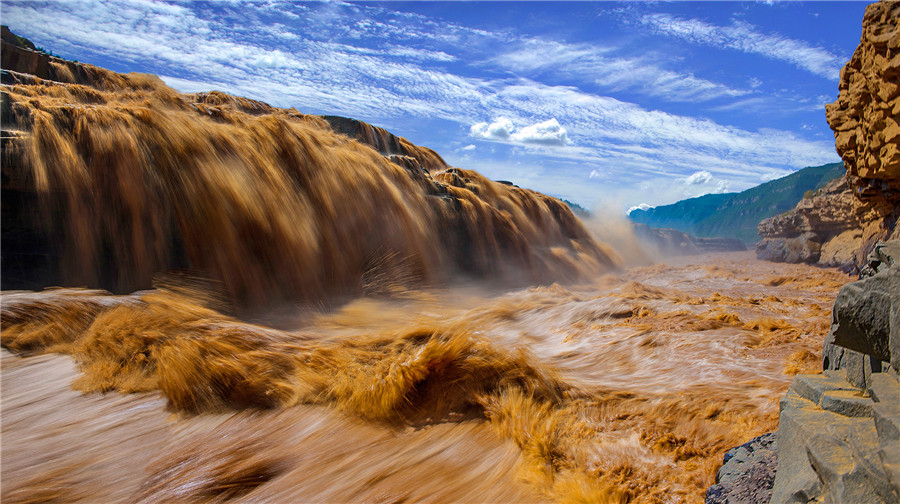
The only yellow waterfall on the Yellow River, known as a 'wonder of the Yellow River'. The water is swift with a huge drop, magnificent in scale. It is a national scenic area.
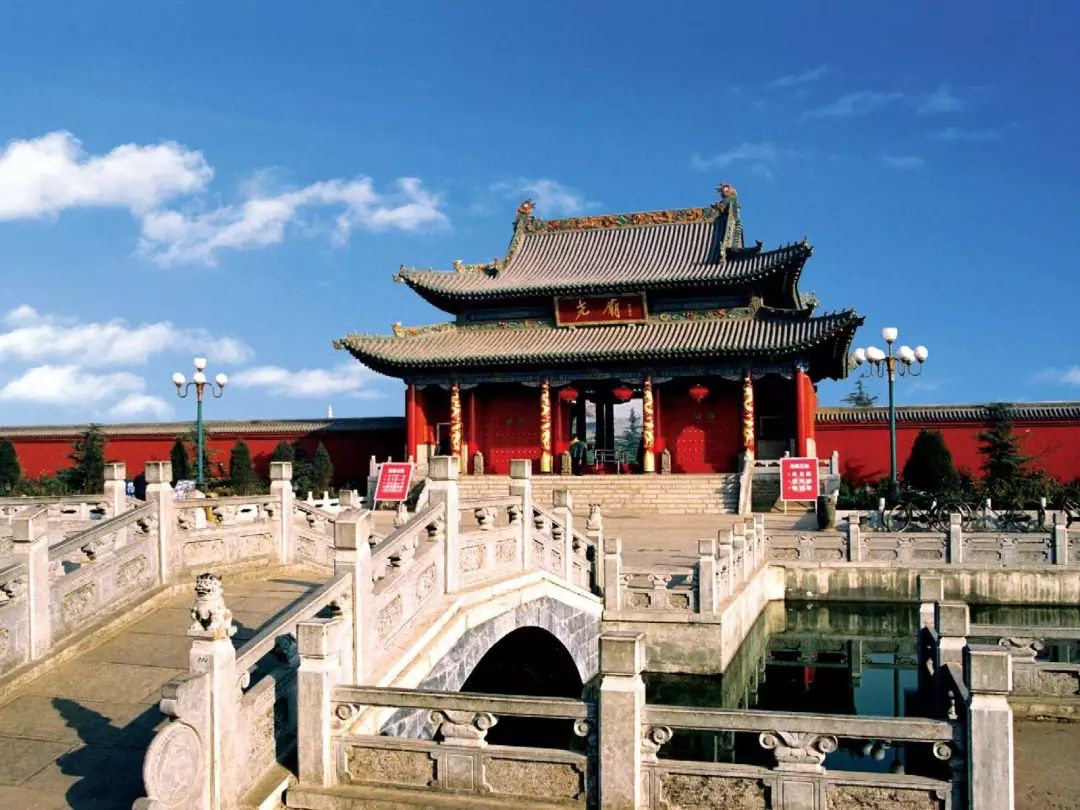
A temple commemorating Emperor Yao, first built in the Jin Dynasty, with existing buildings rebuilt in the Qing Dynasty. The temple features ancient cypress trees and many steles, an important symbol of Chinese civilization.
UNESCO World Heritage Sites
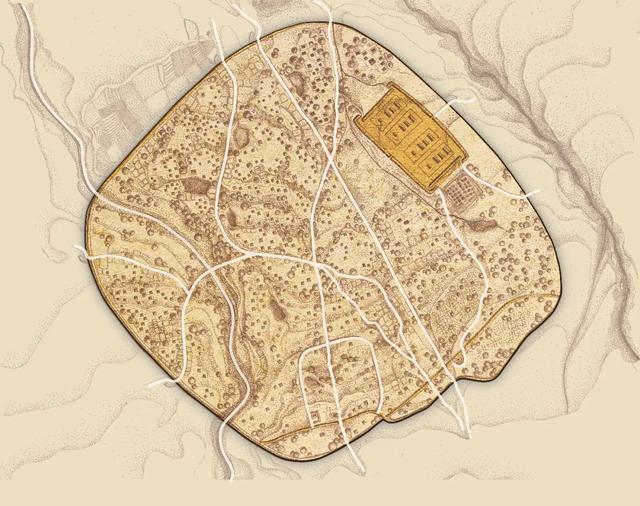
A late Neolithic site dating back 4,300-3,900 years, believed to be the location of 'Yao Capital'. Discovered an observatory, palace foundations, etc., an important site for the origin of Chinese civilization.

A Middle Paleolithic site with numerous stone tools and ancient human fossils, filling an important gap in the study of ancient humans in China.
Explore rich intangible cultural heritage and traditional crafts
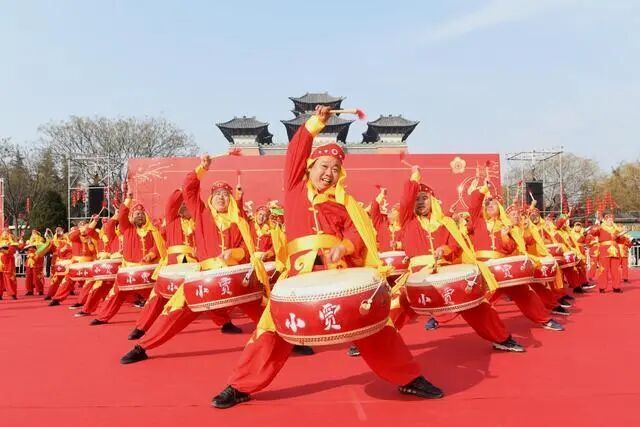
A traditional drum and gong music popular in Linfen area, with powerful rhythms and magnificent momentum, known as 'the first drum under heaven'. Listed as a national intangible heritage in 2006.
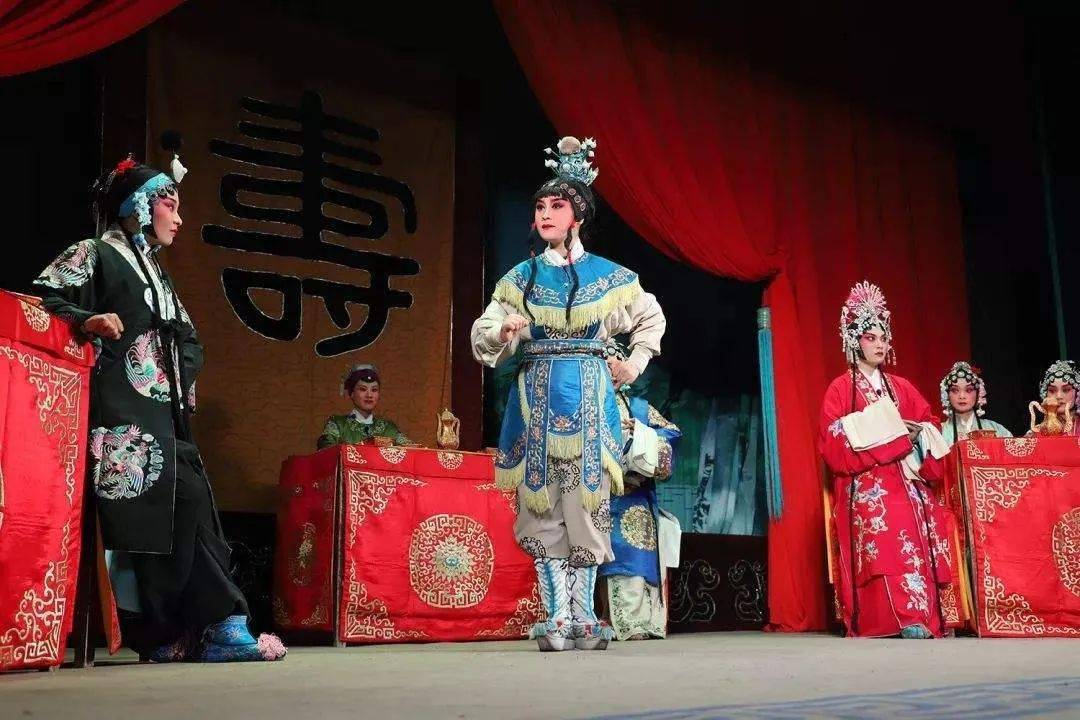
One of the four major Bangzi operas in Shanxi, originating in Linfen and Yuncheng areas. The singing is high-pitched and passionate, the performance rough and bold. Listed as a national intangible heritage in 2006.
Must-know transportation for exploring the city
Located in Yaodu District, Linfen, with flights to major domestic cities like Beijing, Shanghai, Guangzhou, Shenzhen. About 20 km from the city center.
Varies by route
A stop on the Datong-Xi'an HSR, with direct access to Taiyuan, Xi'an, Beijing, etc. Multiple bus lines connect the station to the city.
HSR ticket about 100 RMB to Xi'an, 150 RMB to Taiyuan
City bus routes cover major attractions and areas. Fare is 1-2 RMB. Some routes accept Alipay QR code.
1-2 RMB
Taste the most authentic and popular local specialties
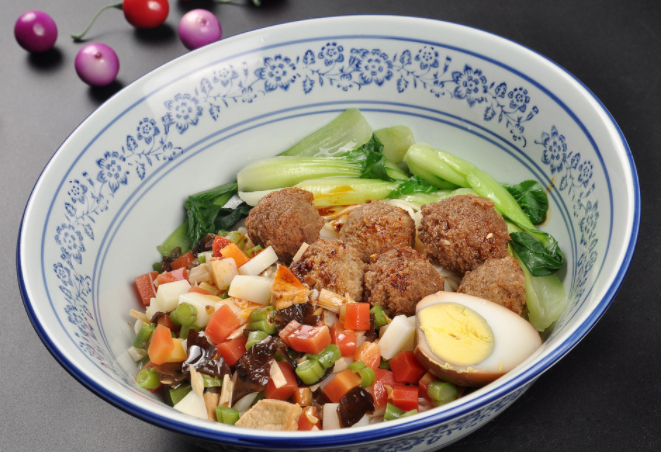
The most representative noodle dish in Linfen. Beef balls are chewy, noodles are firm, and the soup is spicy and flavorful.
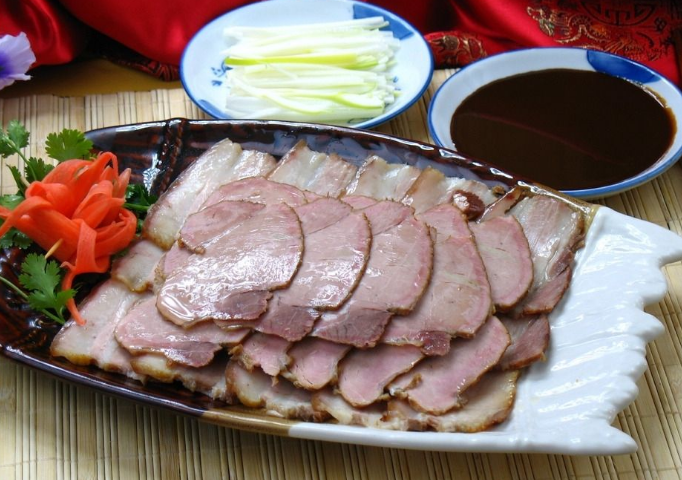
A century-old brand, smoked with a variety of spices. Bright red color, fat but not greasy, lean but not dry.
During the Ming Dynasty, people were relocated from the Big Pagoda Tree in Hongtong County to various parts of the country. Linfen became a distribution center for migrants, and Chinese descendants worldwide come here to seek their roots.
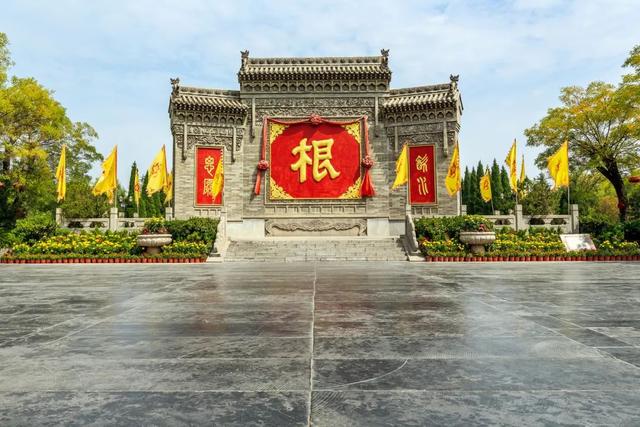
A Ming Dynasty migration site, a sacred place for Chinese descendants worldwide to seek their roots. The garden features ancient pagoda trees and vivid migration reliefs.
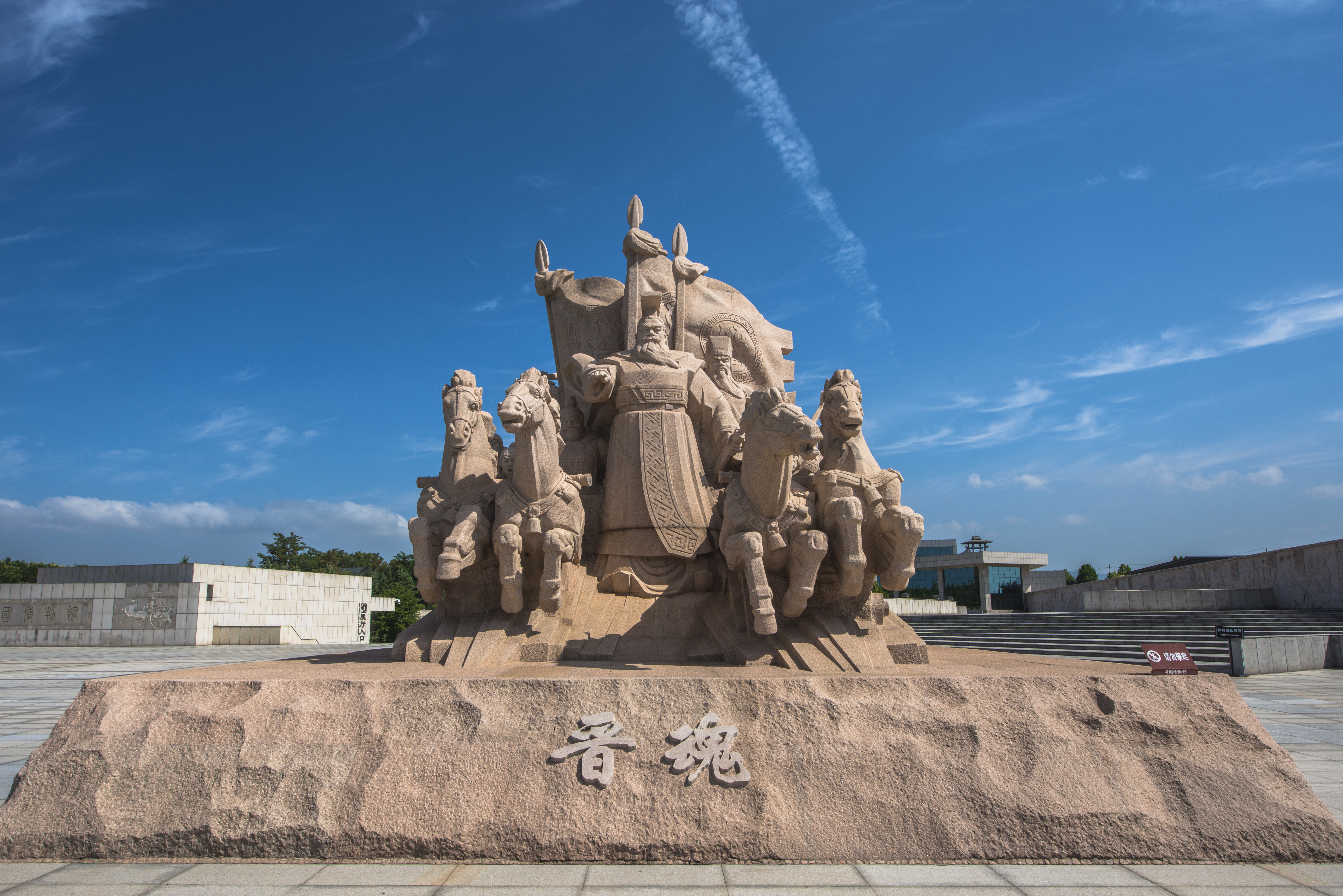
Built on the Qucun-Tianma site, it displays historical artifacts of the State of Jin. The collection includes bronzes, jades, and other precious relics, an important window to understand Jin culture.
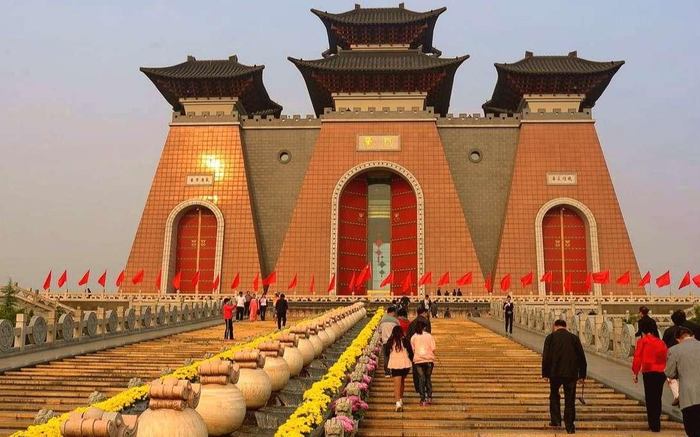
The First Gate under Heaven, a monument to Chinese civilization. The gate is 50 meters high, with magnificent architecture, displaying 5,000 years of Chinese history inside.
A specialty of Hongtong, crispy on the outside and tender inside. Served with pepper salt, very fragrant.
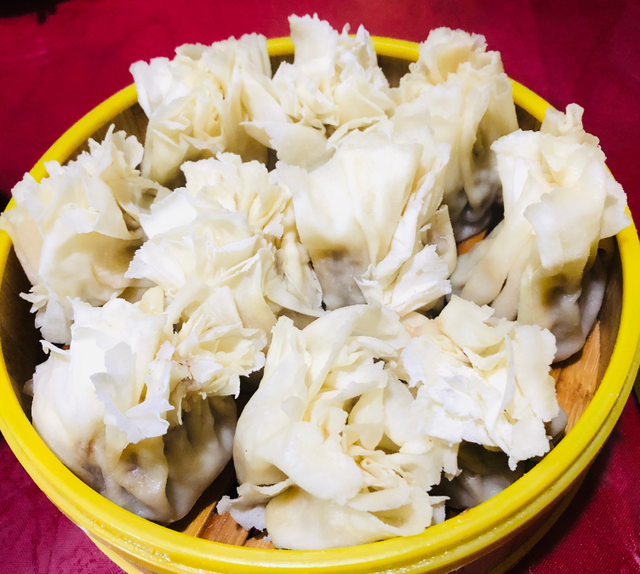
Thin skin with generous filling, shaped like a pomegranate. The classic filling is lamb and green onion, best eaten with vinegar.
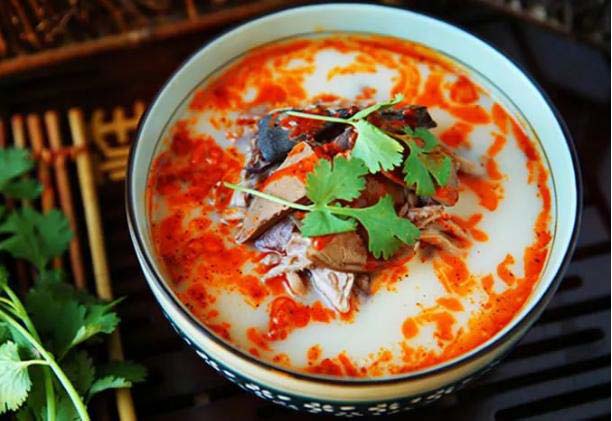
A specialty of Quwo, the soup is white and fresh, lamb is tender, served with baked flatbread, warms the stomach.