
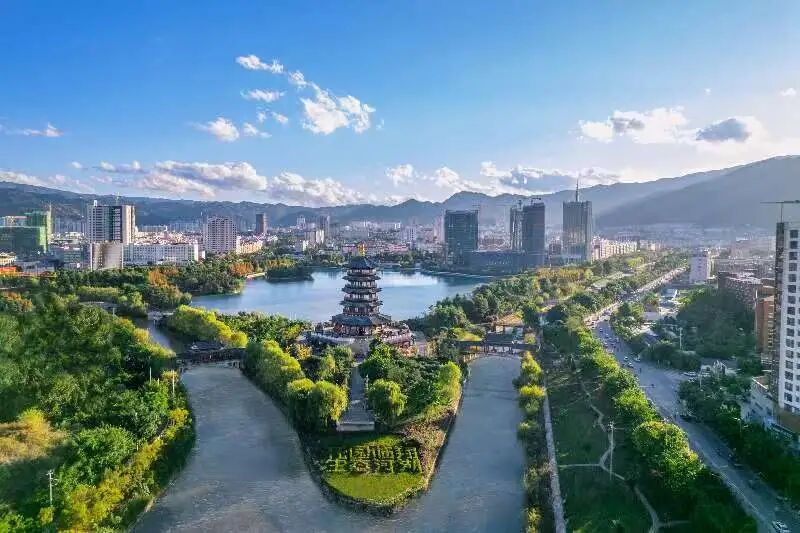
Lincang, located in southwestern Yunnan Province, lies between the Lancang and Nujiang rivers, with the Tropic of Cancer crossing its southern part. It has a subtropical low-latitude mountain monsoon climate, with spring-like weather year-round and an average annual temperature of 18.5°C, earning it the title 'City of Eternal Spring.'
Historically known as 'Mianning,' Lincang was an important post on the Ancient Tea Horse Road. During the Western Han Dynasty, it belonged to the Ailao territory, and in the Eastern Han, it was part of Yongchang Commandery. It was under the rule of Nanzhao and Dali Kingdoms during the Tang and Song dynasties, and chieftain systems were established in the Ming and Qing. Lincang Prefecture was established in 1954, and it was upgraded to a prefecture-level city in 2003.
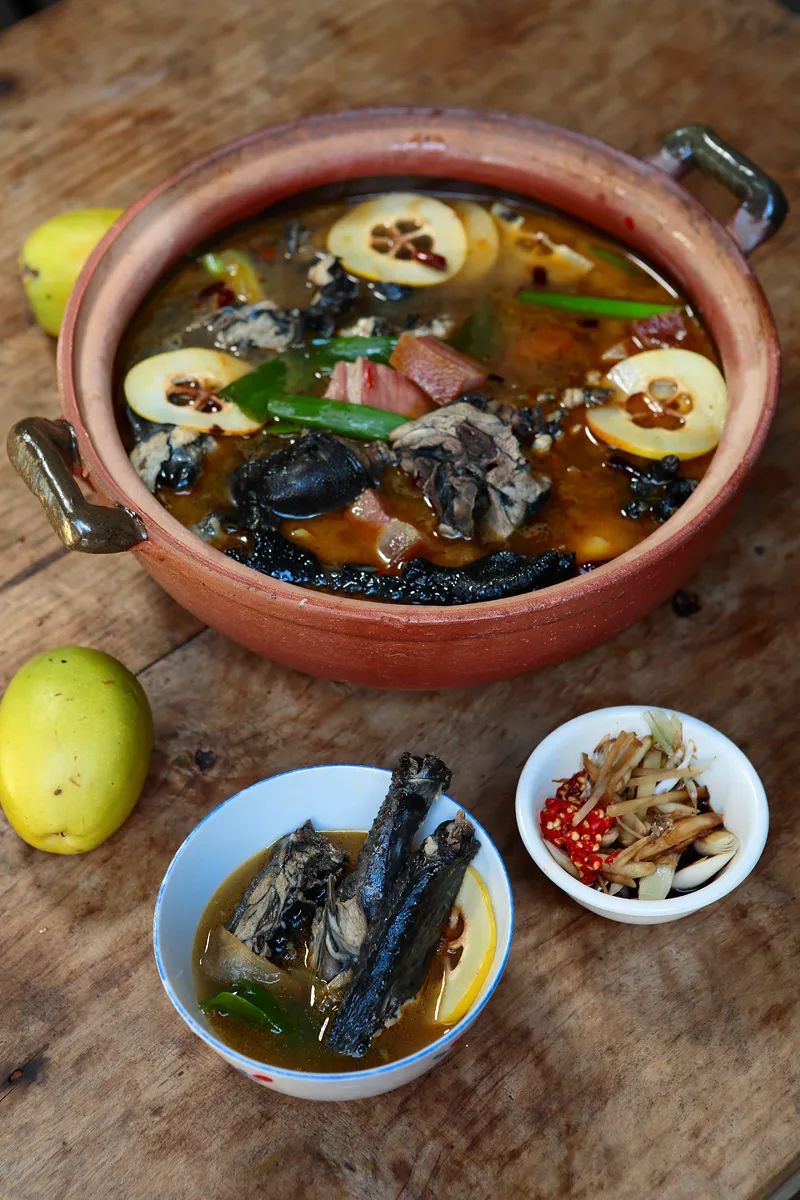
Lincang is the birthplace of Wa culture, featuring unique festivals such as the 'Mo Ni Hei' Carnival and the Wooden Drum Festival. Its cuisine is represented by Wa-style chicken porridge, Dai-style sape (a bitter salad), and Lincang ham and papaya chicken. With a profound tea culture, it is an important production area for Pu'er tea.
In recent years, Lincang has developed rapidly, with tea, sugar, and flue-cured tobacco as pillar industries, actively building a 'National Sustainable Development Agenda Innovation Demonstration Zone.' Transportation is improving, with Lincang Airport in operation, the Dali-Lincang Railway open, and the China-Myanmar international corridor under construction.
The best time to visit 临沧 is All year round, best from November to April.
Lincang has a mild climate with little seasonal variation, suitable for travel all year round. Winters are warm, summers are cool, with no extreme temperatures.
From November to April is the dry season with less rainfall and plenty of sunshine, ideal for outdoor activities and festivals, such as the Wa 'Mo Ni Hei' Carnival during the Spring Festival.
From May to October is the rainy season, but rains are mostly showers. The air is fresh, and the countryside is charming. It's also a great time to taste fresh tea and wild mushrooms.
Emperor Wu of Western Han established Yizhou Commandery, and Lincang was part of Ailao territory.
The Nanzhao Kingdom established the Yinsheng Military Command in the Lincang area, governing present-day Lincang and surrounding regions.
With approval from the State Council, Lincang Prefecture was abolished and Lincang City was established.
Recommended places to visit
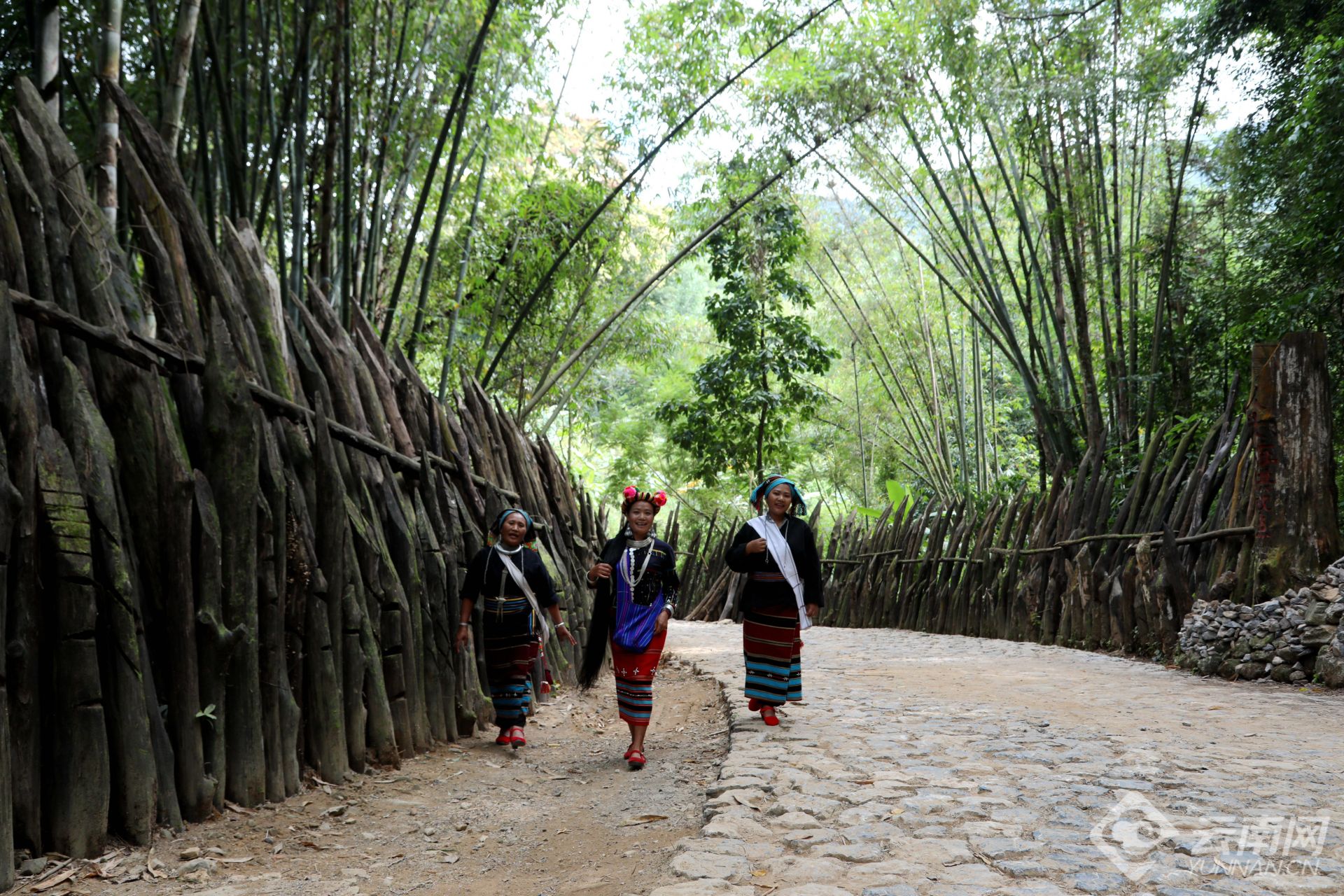
The last primitive Wa tribe village in China, preserving intact Wa architecture, culture, and customs, known as the 'Museum of Wa History and Culture'.
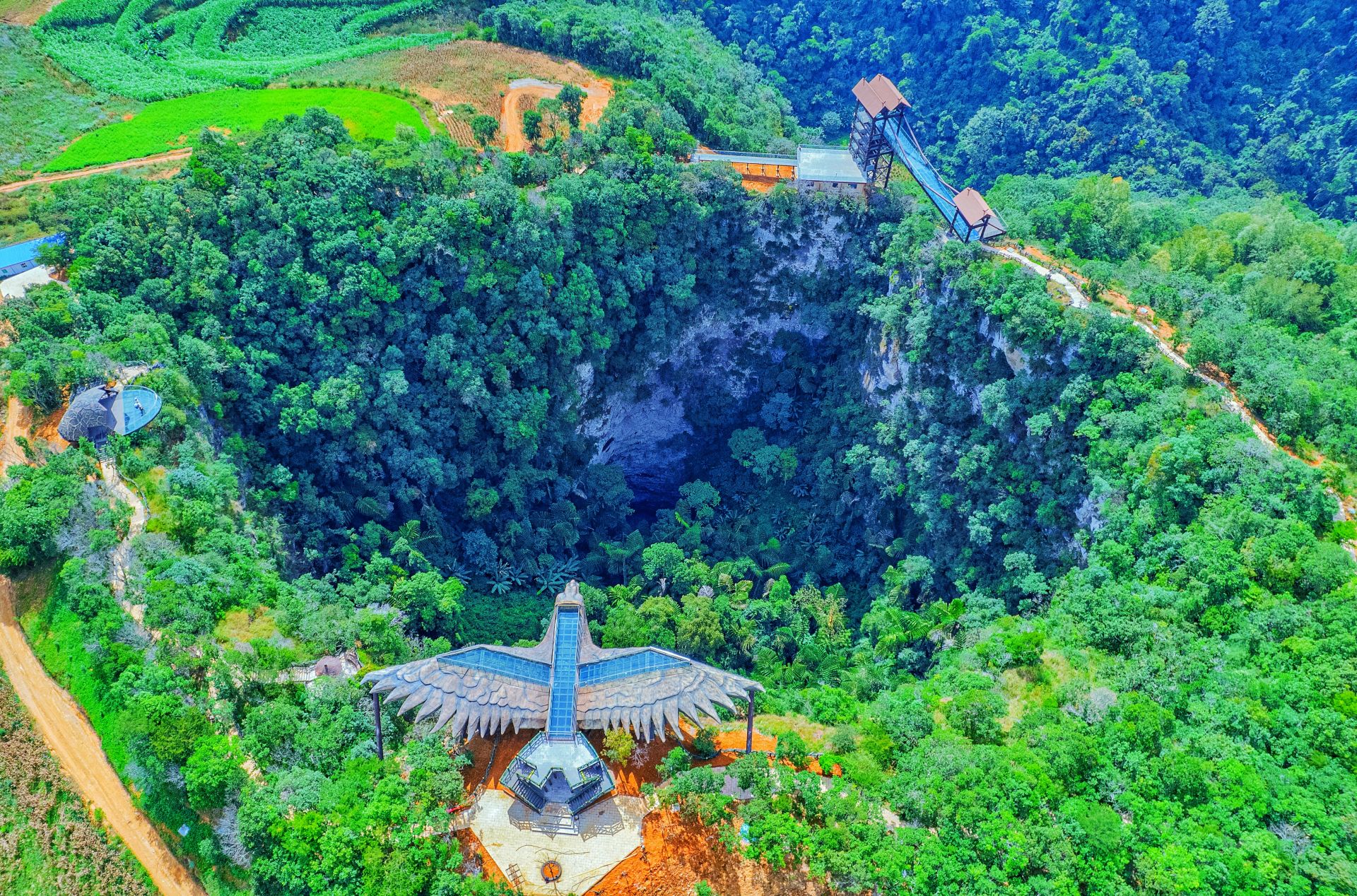
A group of cliff paintings dating back over 3,000 years, distributed in multiple sites in Cangyuan County, depicting the life of ancient Wa ancestors, a national cultural relic protection unit.
Explore rich intangible cultural heritage and traditional crafts
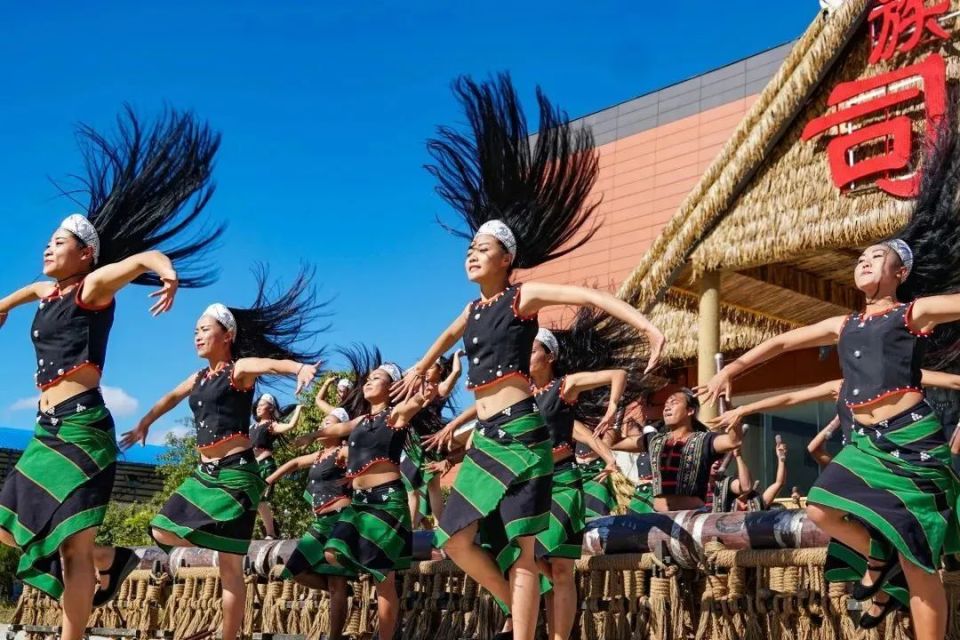
A traditional Wa dance accompanied by wooden drums, with vigorous movements depicting labor and sacrificial scenes, listed as national intangible cultural heritage.
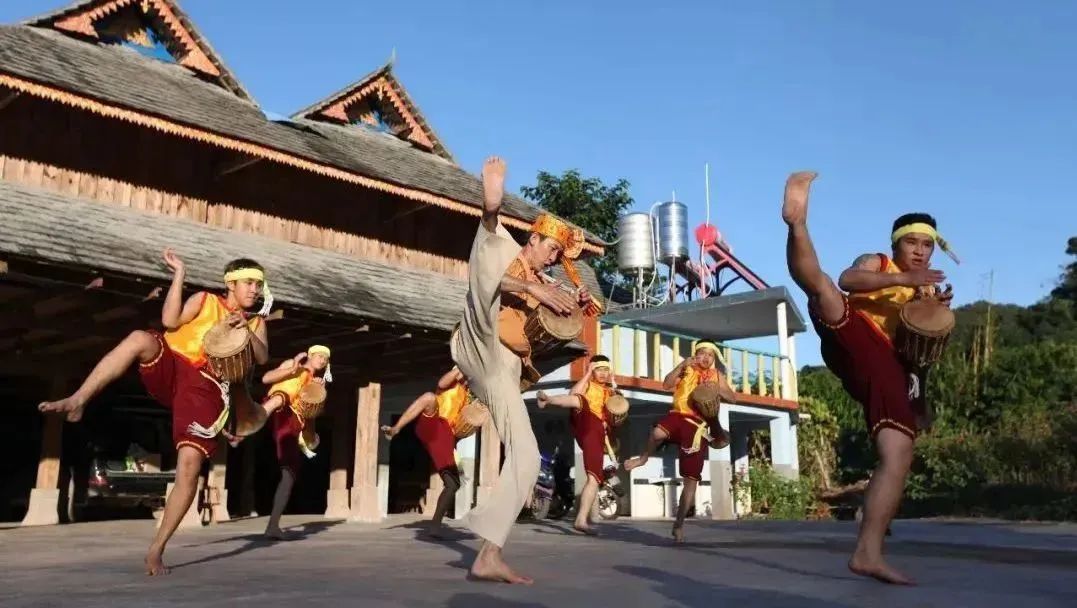
A Dai traditional dance where dancers carry and play elephant-foot drums, with lively rhythms, commonly seen during Water Splashing Festival, listed as national intangible cultural heritage.
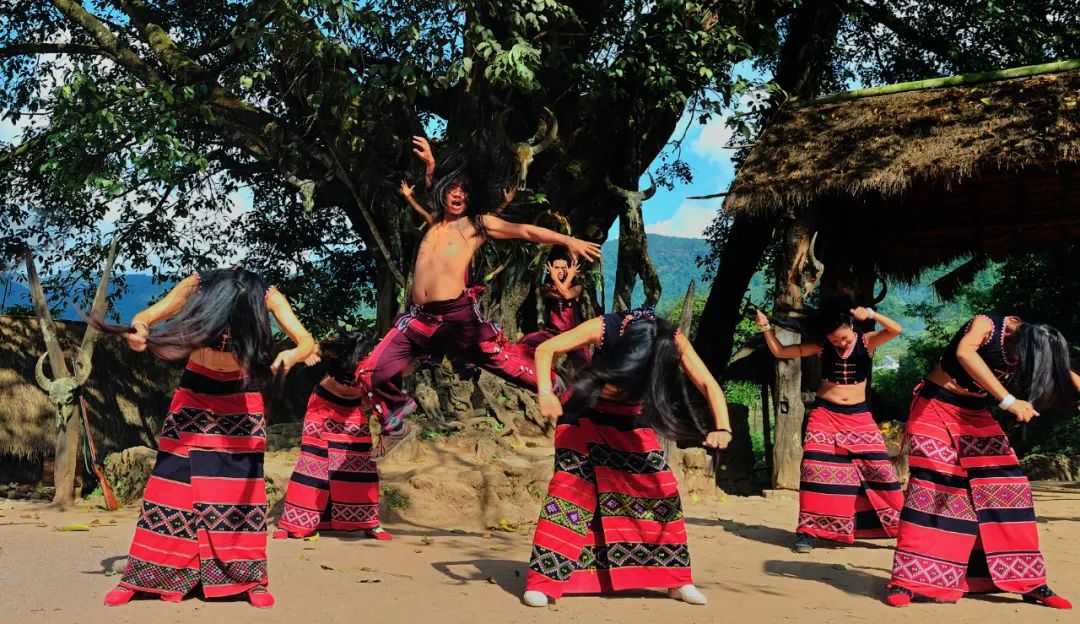
A traditional Lahu dance accompanied by the hulusheng (gourd mouth organ), with light steps expressing harvest joy, listed as provincial intangible cultural heritage.
Must-know transportation for exploring the city
Located in Linxiang District, about 20 km from city center, with flights to Kunming, Chengdu, Chongqing, Guangzhou, etc.
Kunming to Lincang approx. 600 RMB
Terminal of Dali-Lincang Railway, high-speed trains to Kunming, Dali, etc. Second-class seat from Kunming to Lincang about 246 RMB.
Kunming to Lincang second-class seat approx. 246 RMB
City bus routes cover main areas, fare 1-2 RMB, mobile payment accepted. Taxis and ride-hailing also available.
1-2 RMB
Taste the most authentic and popular local specialties
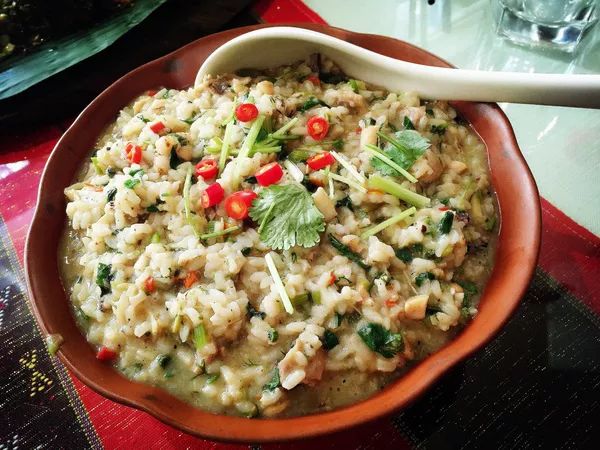
A traditional Wa dish made by boiling chicken, rice, and spices into a mushy rice, soft and fragrant.
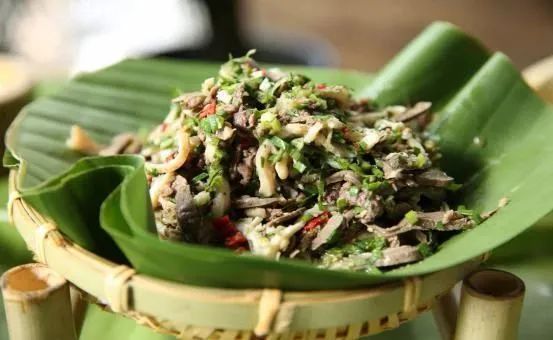
A Dai specialty cold dish made with cow's bile, chives, and spices, bitter with a sweet aftertaste, refreshing.
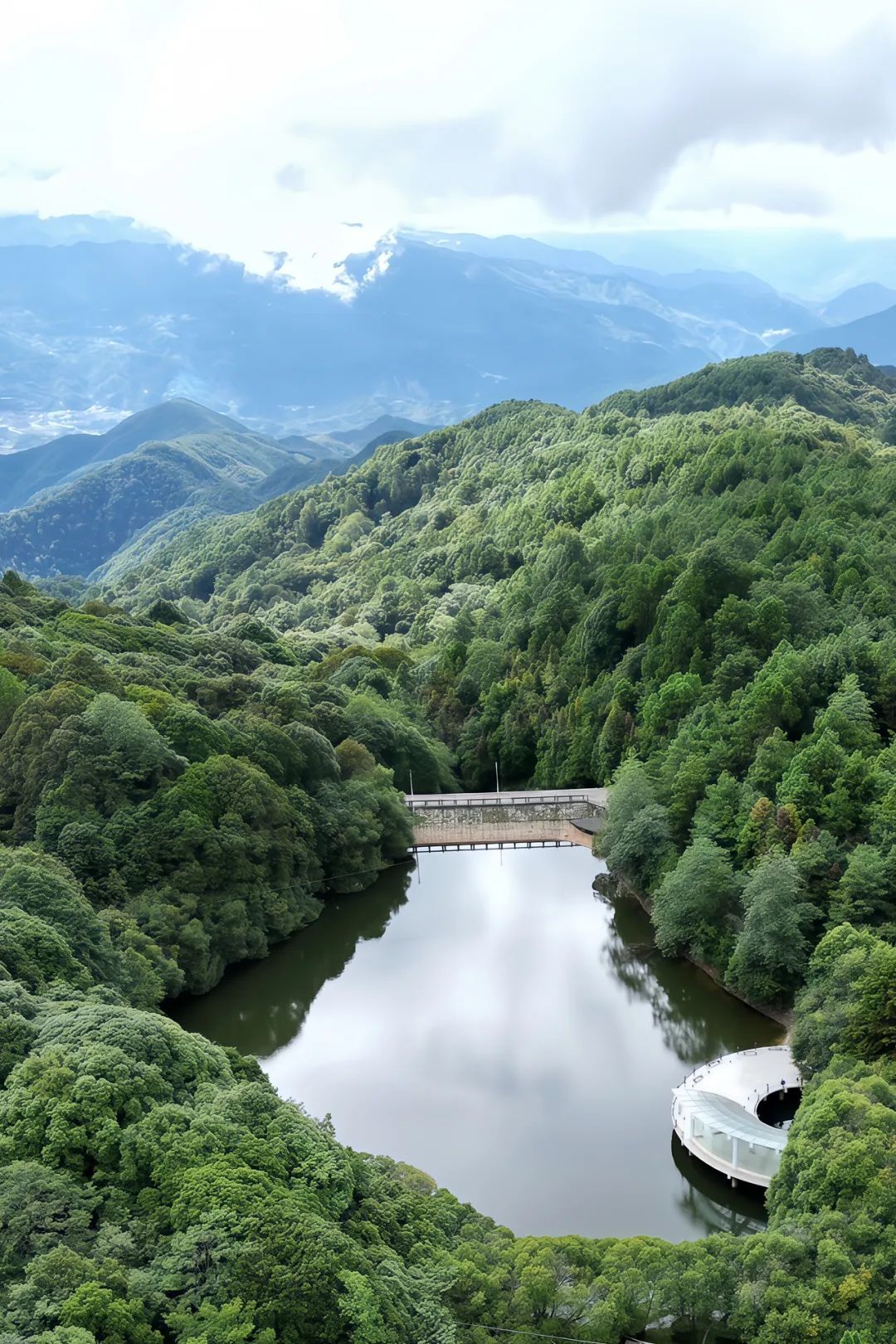
Named after five peaks resembling five old men, with high forest coverage, waterfalls, streams, rare plants and animals, a natural oxygen bar.
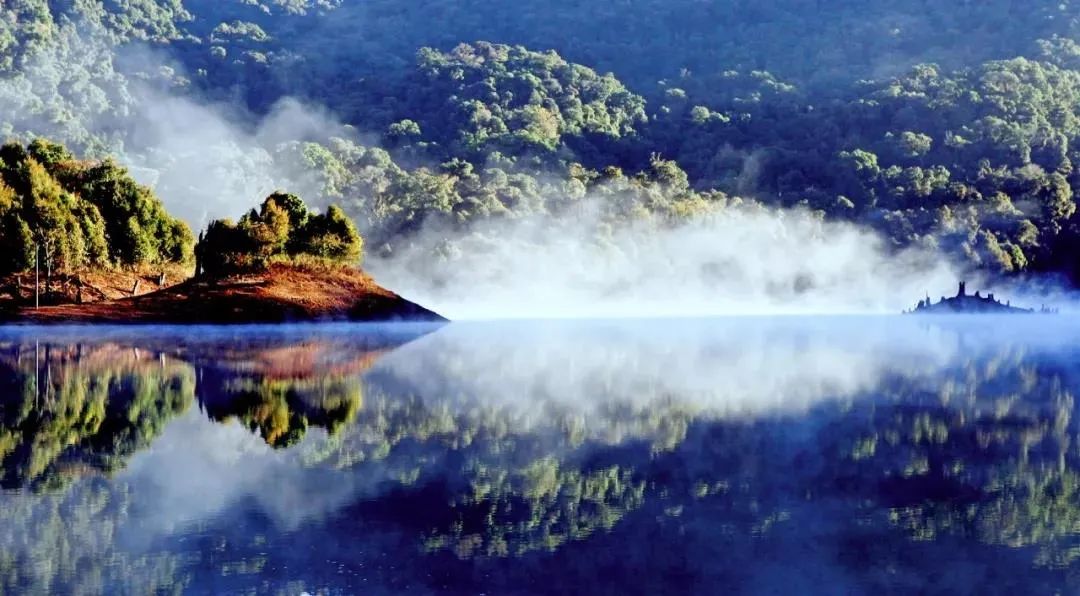
A national nature reserve mainly protecting rare wildlife such as Asian elephants and gibbons, and tropical rainforest ecosystems.
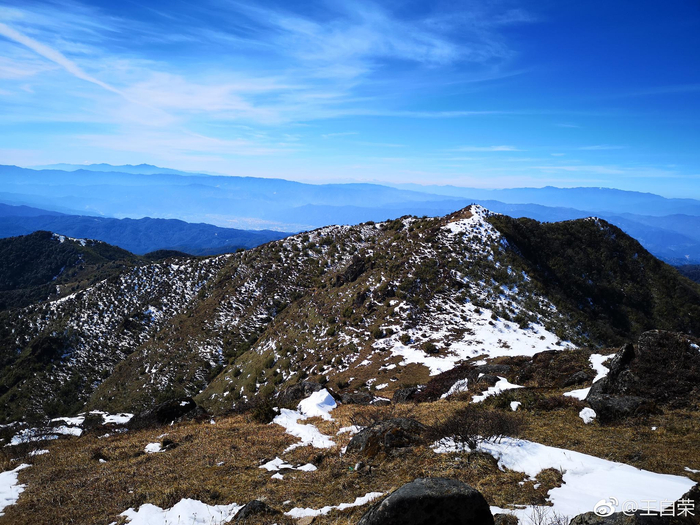
Located in Linxiang District, elevation 3429m, with alpine meadows, rhododendron seas, primeval forest, snow scenery in winter.
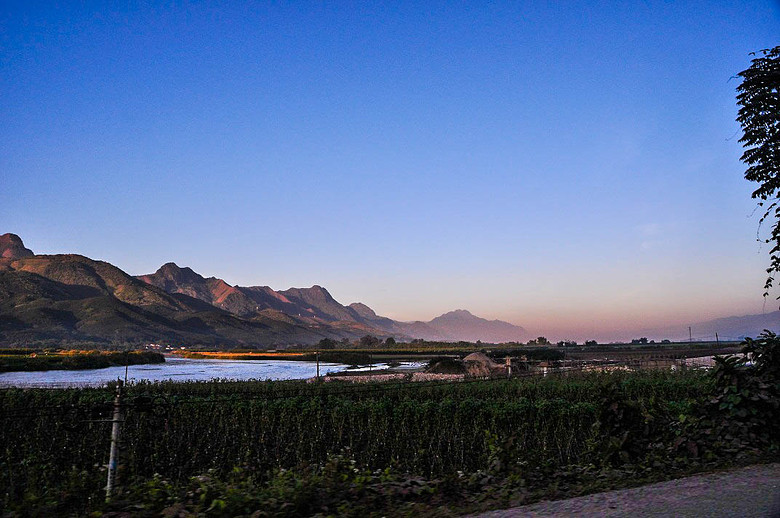
A Dai settlement with tropical scenery, featuring Nanting River rafting, Dai bamboo houses, and Buddhist temples, a border tourism destination.
Stewed local ham and sour papaya with free-range chicken, sour and appetizing soup, tender meat.
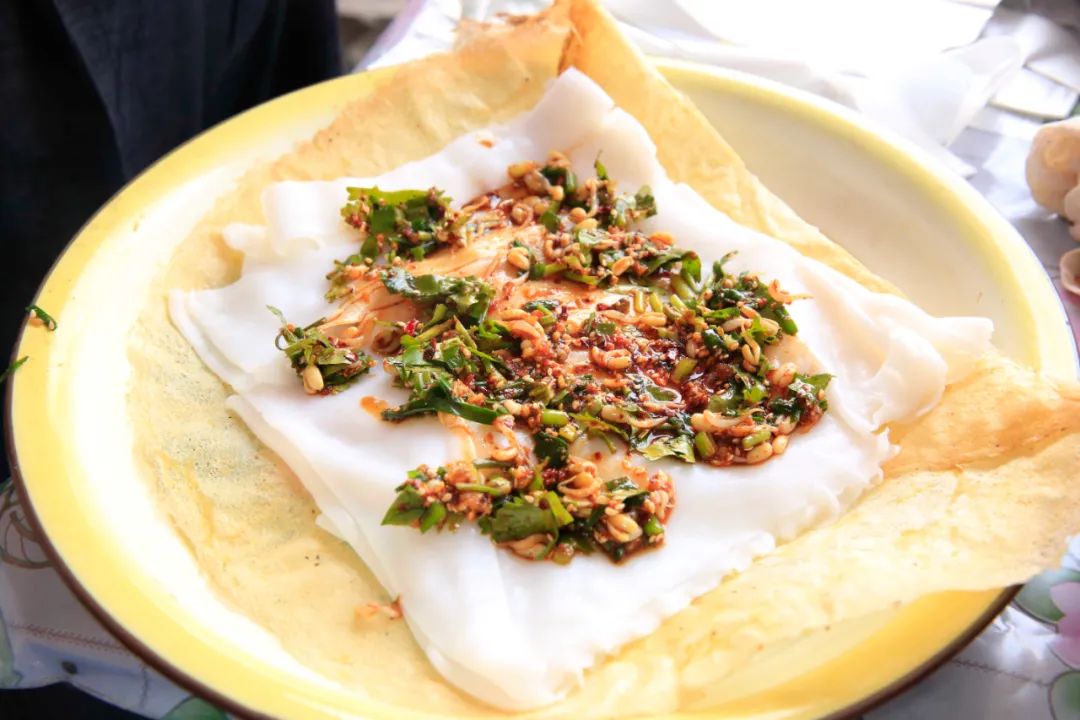
A street snack in Lincang, thin rice pancake rolled with bean sprouts, peanuts, chili sauce, crispy and delicious.
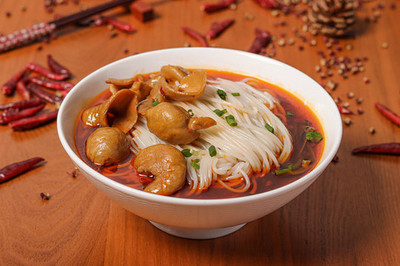
A specialty of Yunxian, broth made from free-range chicken, smooth rice noodles topped with chicken pieces and pickled vegetables.
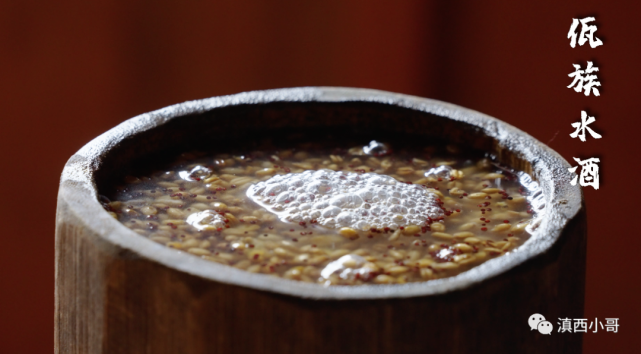
A homemade low-alcohol wine by the Wa people, fermented from glutinous rice, sweet and sour, refreshing, essential for festivals.