
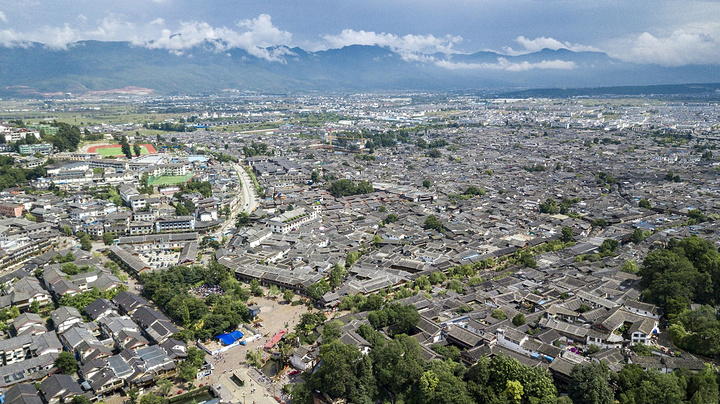
Lijiang is located in the northwest of Yunnan Province, at the junction of the Qinghai-Tibet Plateau and the Yunnan-Guizhou Plateau, with an average altitude of about 2,400 meters. It has a low-latitude plateau monsoon climate with small temperature differences between seasons and distinct dry and wet seasons. The annual average temperature is 12.6-19.8°C, with no severe cold in winter and no extreme heat in summer.
Lijiang has a long history. During the Warring States period, it belonged to Shu Commandery of the Qin State. In the late Song Dynasty, Lijiang Prefecture was established. During the rule of the Mu family chieftains in the Ming Dynasty, the Old Town of Lijiang gradually took shape and flourished. In 1997, Lijiang Old Town was inscribed on the World Heritage List, becoming a famous historical and cultural city in China.
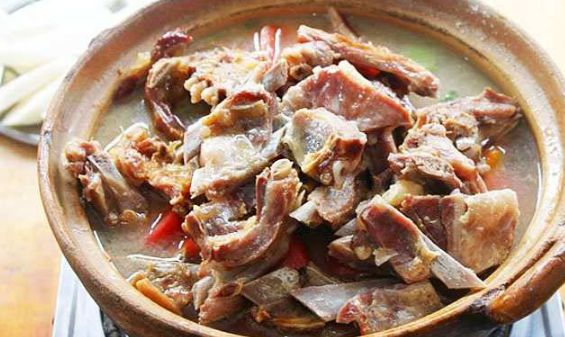
Lijiang is the cultural center of the Naxi people. Dongba script is the only living pictographic script in the world. Local specialties include Lijiang baba (a type of pastry), chickpea jelly, and preserved pork rib hotpot. In the old town, Naxi ancient music performances and Dongba paper making can be seen everywhere.
Modern Lijiang has become an internationally renowned tourist city, with Lijiang Sanyi International Airport and multiple expressways. Tourism is the pillar industry, while highland characteristic agriculture and biomedical industries are also developing. Balancing the preservation of the old town with tourism development remains a continuous challenge.
The best time to visit 丽江 is Suitable all year round, best in spring and autumn.
Spring (March-May): Temperatures warm up, flowers bloom, especially rapeseed flowers in March and azaleas in April, creating charming scenery.
Summer (June-August): Cool and pleasant for escaping the heat, but it is the rainy season, so rain gear is needed. July-August is the peak tourist season with tight accommodation.
Autumn (September-November): Clear skies and crisp air, colorful scenery, best for photography and outdoor activities.
Kublai Khan's southern campaign against the Dali Kingdom, the Naxi chieftain Mailiang submitted, and Lijiang Circuit was established, marking the beginning of the name 'Lijiang'.
On February 3, 1996, a 7.0-magnitude earthquake struck Lijiang, causing severe damage but also prompting the reconstruction and preservation of the old town.
UNESCO listed the Old Town of Lijiang as a World Cultural Heritage site, making it a major international tourist destination.
Recommended places to visit
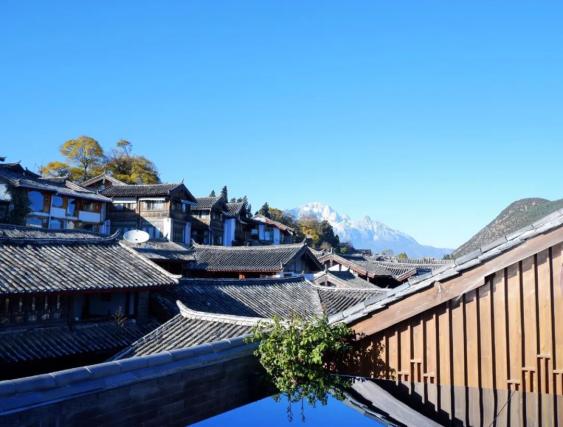
A UNESCO World Heritage site, built in the late Song Dynasty. Centered on Sifang Street, it features bridges, waterways, and traditional Naxi houses.
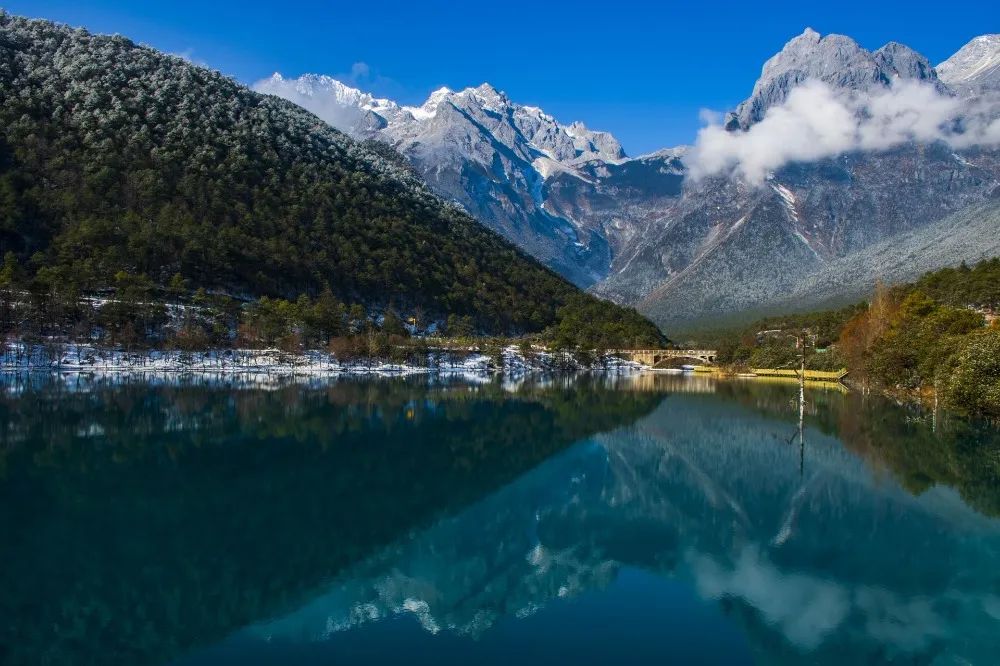
The southernmost large snow mountain in the Northern Hemisphere. Its main peak, Shanzidou, is 5,596 meters high, with attractions like Glacier Park and Blue Moon Valley.
UNESCO World Heritage Sites
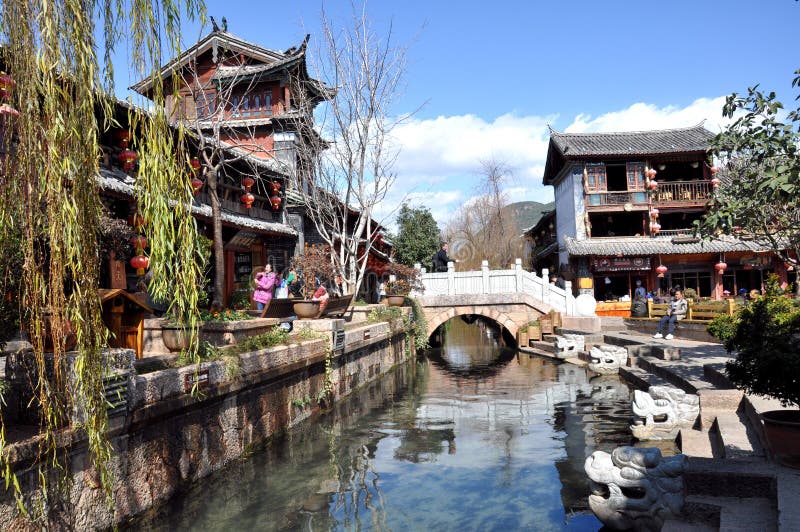
UNESCO World Cultural Heritage, one of the best-preserved ancient towns of ethnic minorities in China.
Explore rich intangible cultural heritage and traditional crafts

Dongba script is a pictographic script used by the Naxi people, inscribed on the UNESCO Memory of the World Register.

Traditional Naxi music, incorporating elements of Taoist, Confucian, and Naxi folk music.
Must-know transportation for exploring the city
About 28 km from the old town, with flights to major domestic cities and some international destinations.
Airport shuttle 20 yuan, taxi about 80 yuan
Located on Nankou Road in the old town district, with high-speed trains to Kunming, Dali, etc.
Second class to Kunming about 220 yuan
Multiple bus routes connect the old town, Shuhe Ancient Town, and major attractions, fare 1-2 yuan.
1-2 yuan
Taste the most authentic and popular local specialties
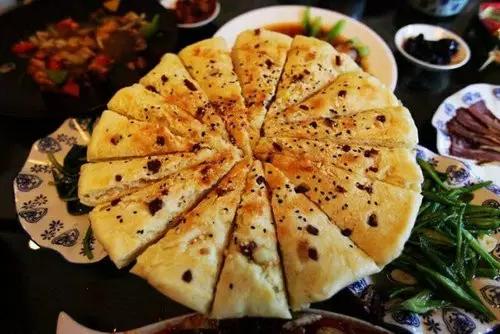
Traditional Naxi pastry, crispy outside and soft inside, available in sweet and savory flavors.
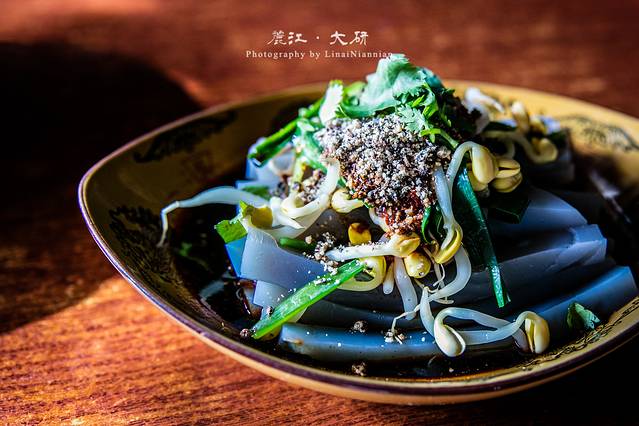
Jelly made from local chicken beans, smooth and delicious, served with chili, vinegar, and other seasonings.
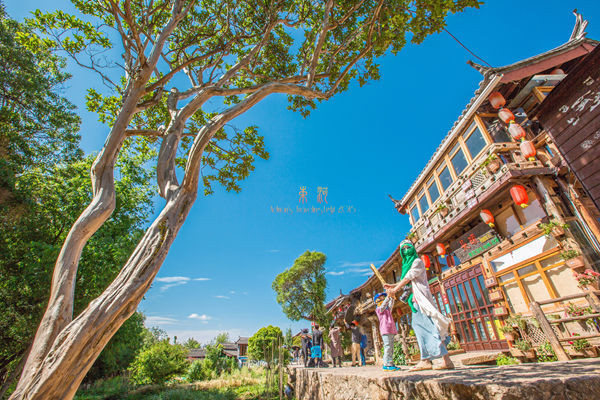
A quieter Naxi ancient town than Lijiang Old Town, an important post on the Ancient Tea Horse Road.
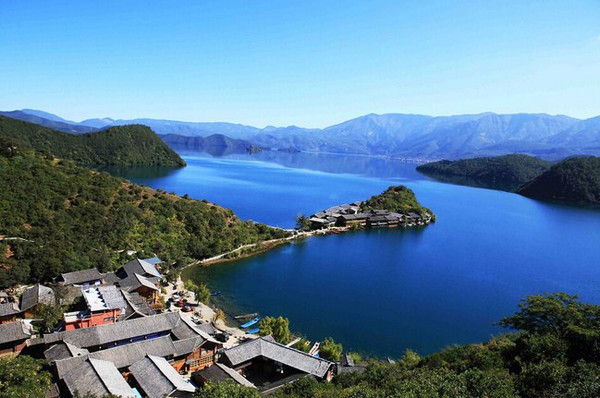
A plateau lake on the border of Yunnan and Sichuan, famous for the matriarchal culture of the Mosuo people.
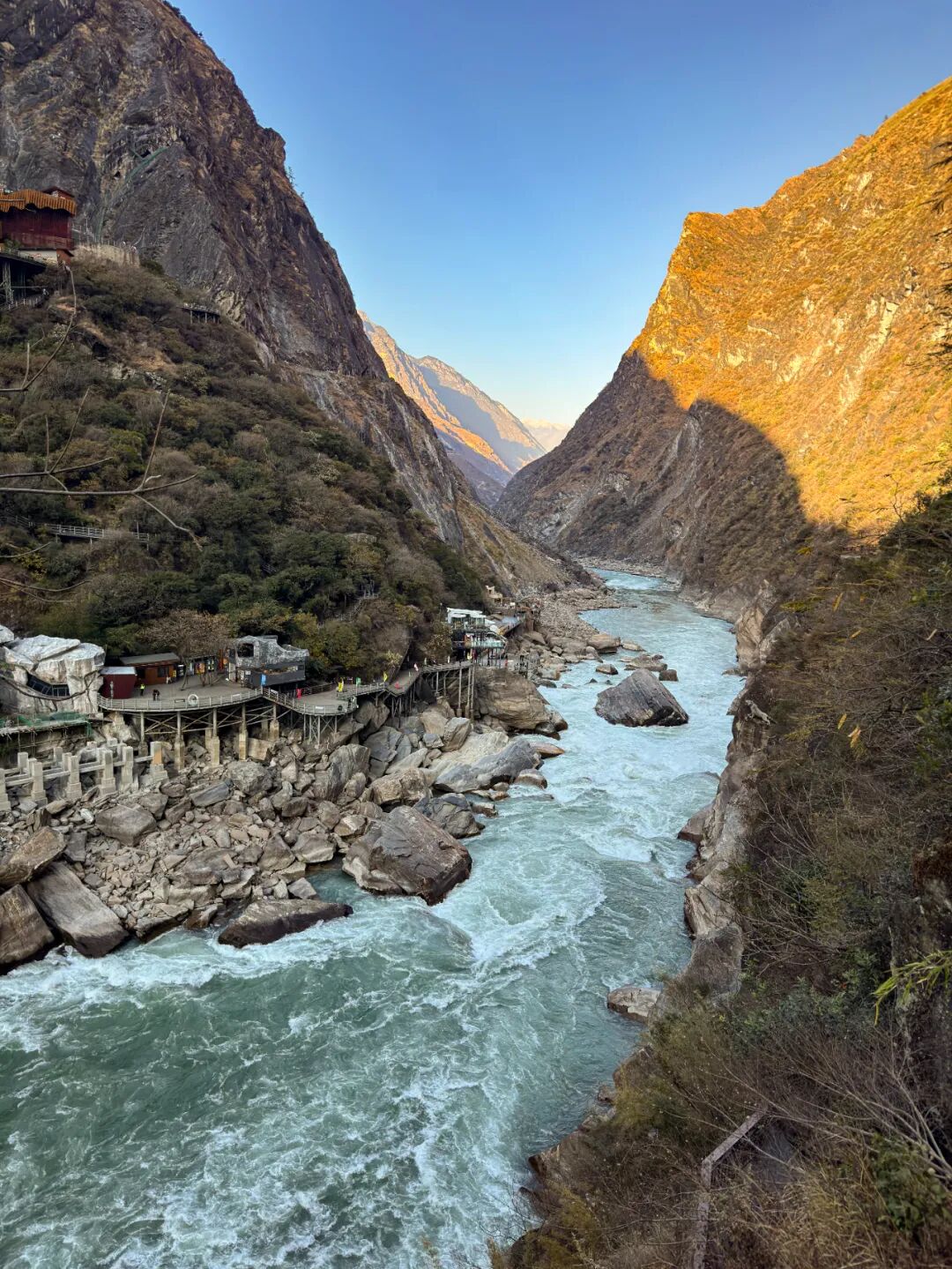
One of the deepest gorges in the world, where the Jinsha River rushes through a narrow gap. A popular hiking destination.
Lijiang specialty hotpot, using cured and air-dried pork ribs as the main ingredient, with a rich broth.
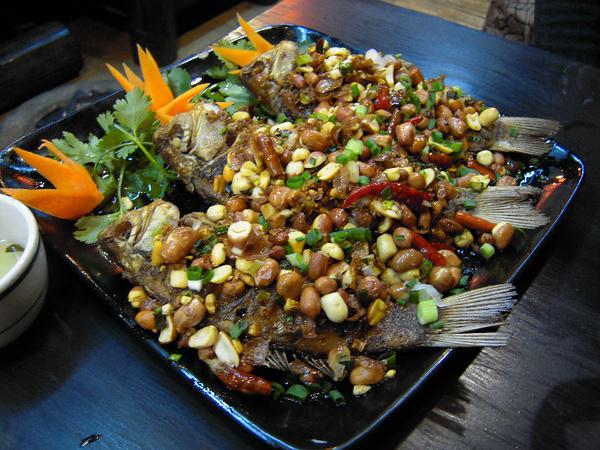
Grilled local crucian carp seasoned with chili, Sichuan pepper, and other spices, crispy outside and tender inside.
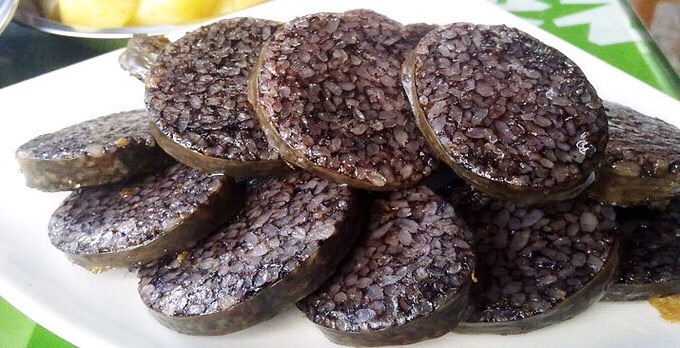
Traditional Naxi snack, made by stuffing pig blood, rice, and spices into casings and boiling.