
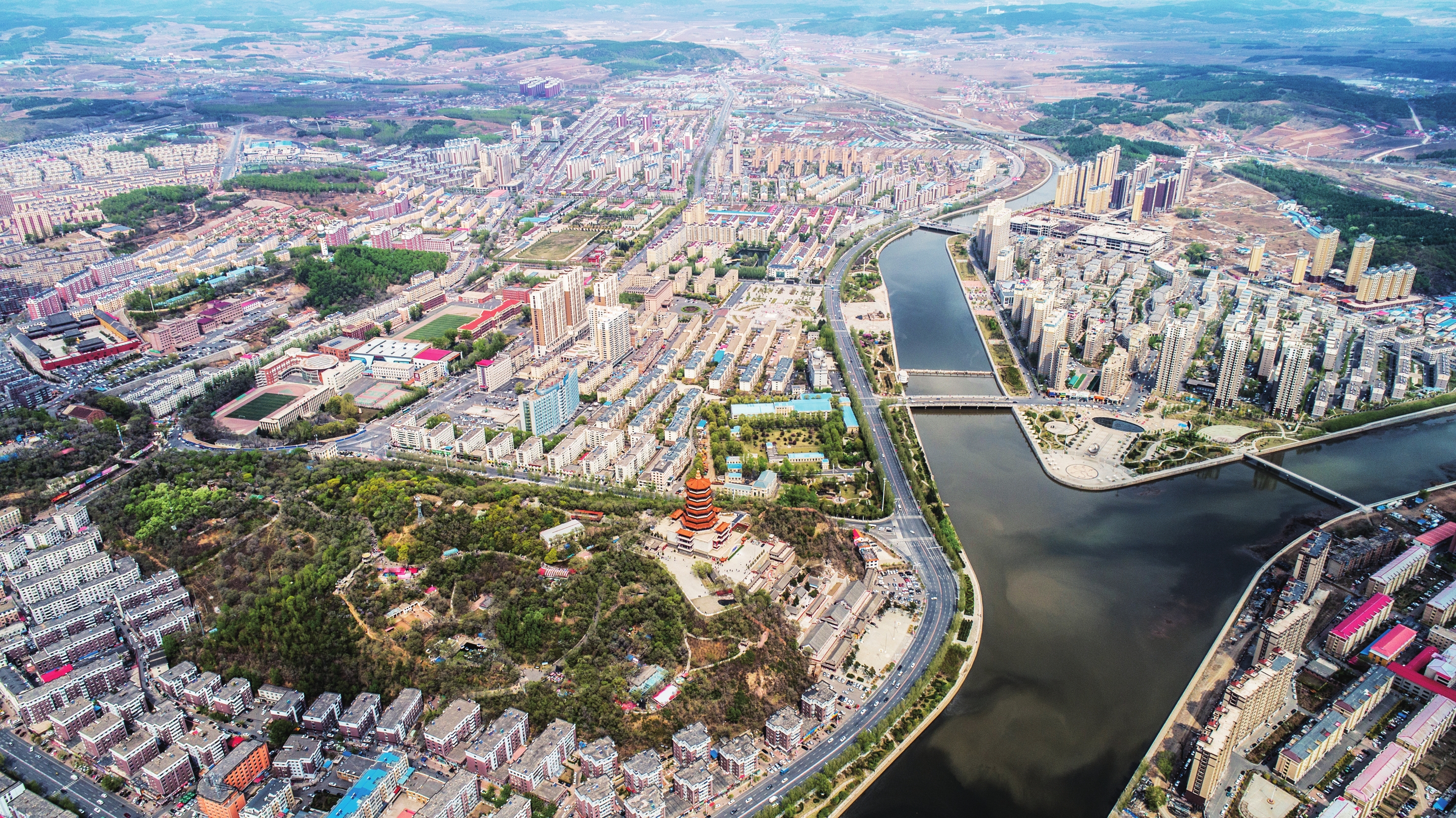
Liaoyuan City is located in the south-central part of Jilin Province, at the source of the Dongliao River. It has a temperate continental monsoon climate with four distinct seasons: dry and windy springs, warm and rainy summers, cool and clear autumns, and cold, long winters.
Liaoyuan's history dates back to the Han Dynasty. During the Qing Dynasty, it was an imperial hunting ground. In 1902, it was established as a county, named after its location at the source of the Dongliao River. It was once an important coal base in Northeast China and has now transformed into an eco-friendly livable city.
Liaoyuan is one of the birthplaces of the Manchu ethnic group, preserving intangible cultural heritage such as Manchu paper-cutting and Errenzhuan (a form of folk performance). Local specialties include Liaoyuan sauerkraut, sika deer feast, and sticky bean buns, with rich flavors that reflect the boldness of Northeast China.
Modern Liaoyuan focuses on textiles, new materials, and pharmaceutical health industries, with a provincial-level economic development zone. The city boasts high green coverage and is a national garden city, striving to become a key node city in southern Jilin.
The best time to visit 辽源 is Best in autumn, with pleasant weather and picturesque scenery.
Spring (April-May): Temperatures rise but windy and dusty, suitable for viewing peach and apricot blossoms.
Summer (June-August): Warm and rainy, suitable for summer retreat, enjoy rafting on the Dongliao River.
Autumn (September-October): Clear and crisp, colorful forests, best for photography and outdoor activities.
In the 28th year of Guangxu, Xi'an County (now Liaoyuan) was established, named after its location at the source of the Dongliao River.
To avoid duplicate name with Xi'an in Shaanxi, it was renamed Liaoyuan City in 1952 with State Council approval, meaning 'source of the Dongliao River'.
In August 1983, Liaoyuan was upgraded to a prefecture-level city, governing Longshan and Xi'an districts, and Dongfeng and Dongliao counties.
Recommended places to visit
Showcasing Liaoyuan's history and Manchu culture, with rich collections including Qing Dynasty artifacts and modern historical relics.

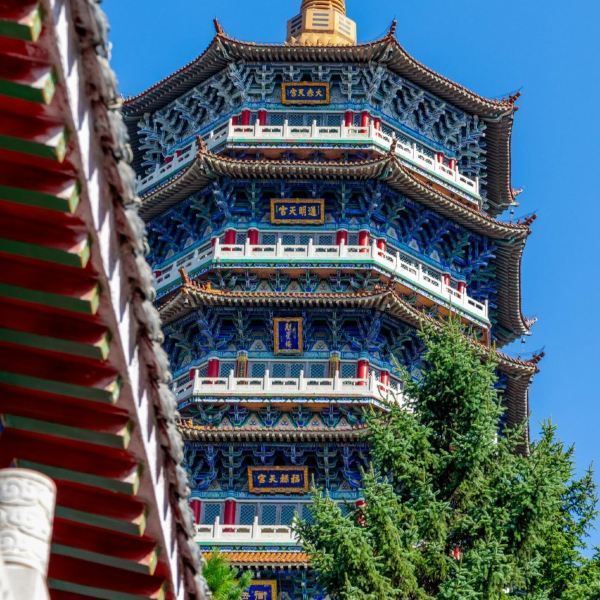
Located in the city center, the mountain resembles a dragon's head; climbing to the top offers a panoramic view of the city, with ancient sites like Kuixing Tower.
Explore rich intangible cultural heritage and traditional crafts
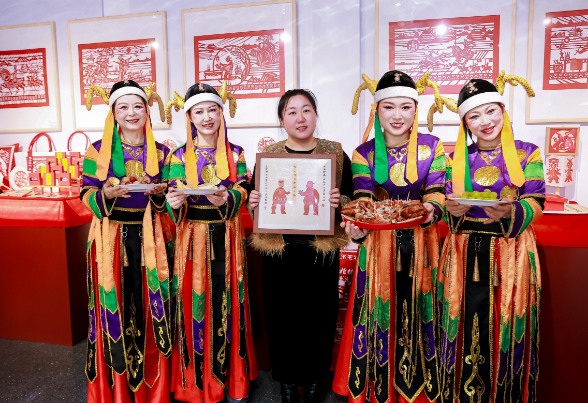
Liaoyuan Manchu paper-cutting features bold and rustic styles, with themes from Manchu mythology and daily life, listed as a national intangible cultural heritage.
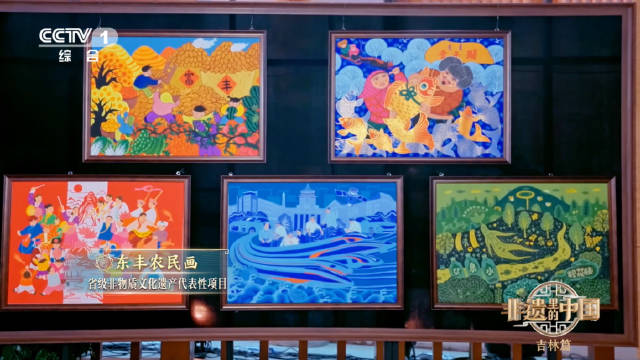
Dongfeng peasant paintings are vibrant in color and full in composition, reflecting rural life, listed as a Jilin provincial intangible cultural heritage.
Must-know transportation for exploring the city
Liaoyuan Railway Station has bullet trains to Changchun, Shenyang, etc. High-speed rail to Changchun takes about 1 hour.
Second-class seat to Changchun about 50 yuan
Bus routes cover main urban areas, fare 1-2 yuan, mobile payment accepted.
1-2 yuan
Liaoyuan has no civil airport; fly to Changchun Longjia International Airport (about 2 hours drive), then transfer by high-speed rail or bus.
High-speed rail from Changchun to Liaoyuan about 50 yuan
Taste the most authentic and popular local specialties
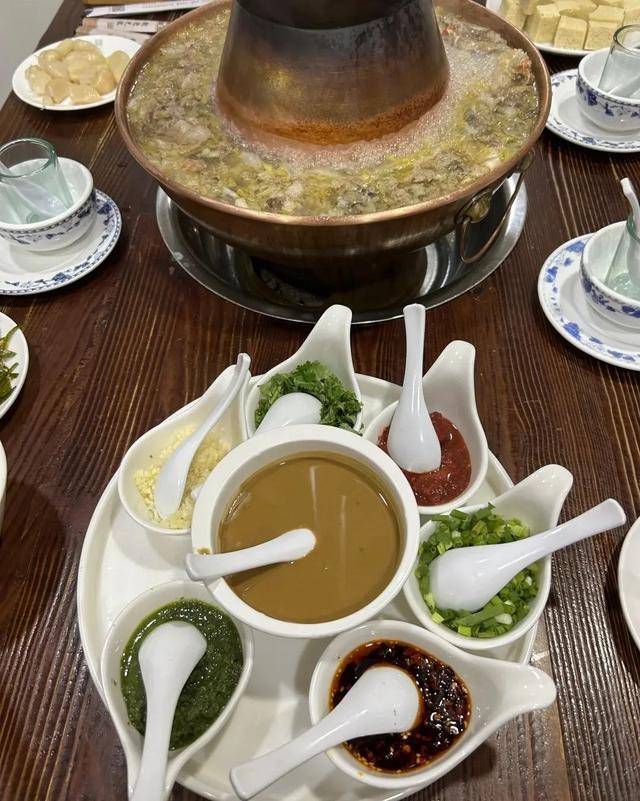
Traditional fermented Chinese cabbage, sour and crispy, often used in stews and dumplings, a winter staple.
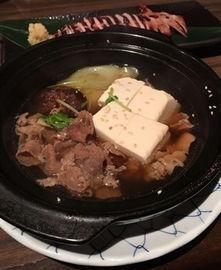
Made from local sika deer, featuring venison and velvet antler soup, nourishing and healthy.
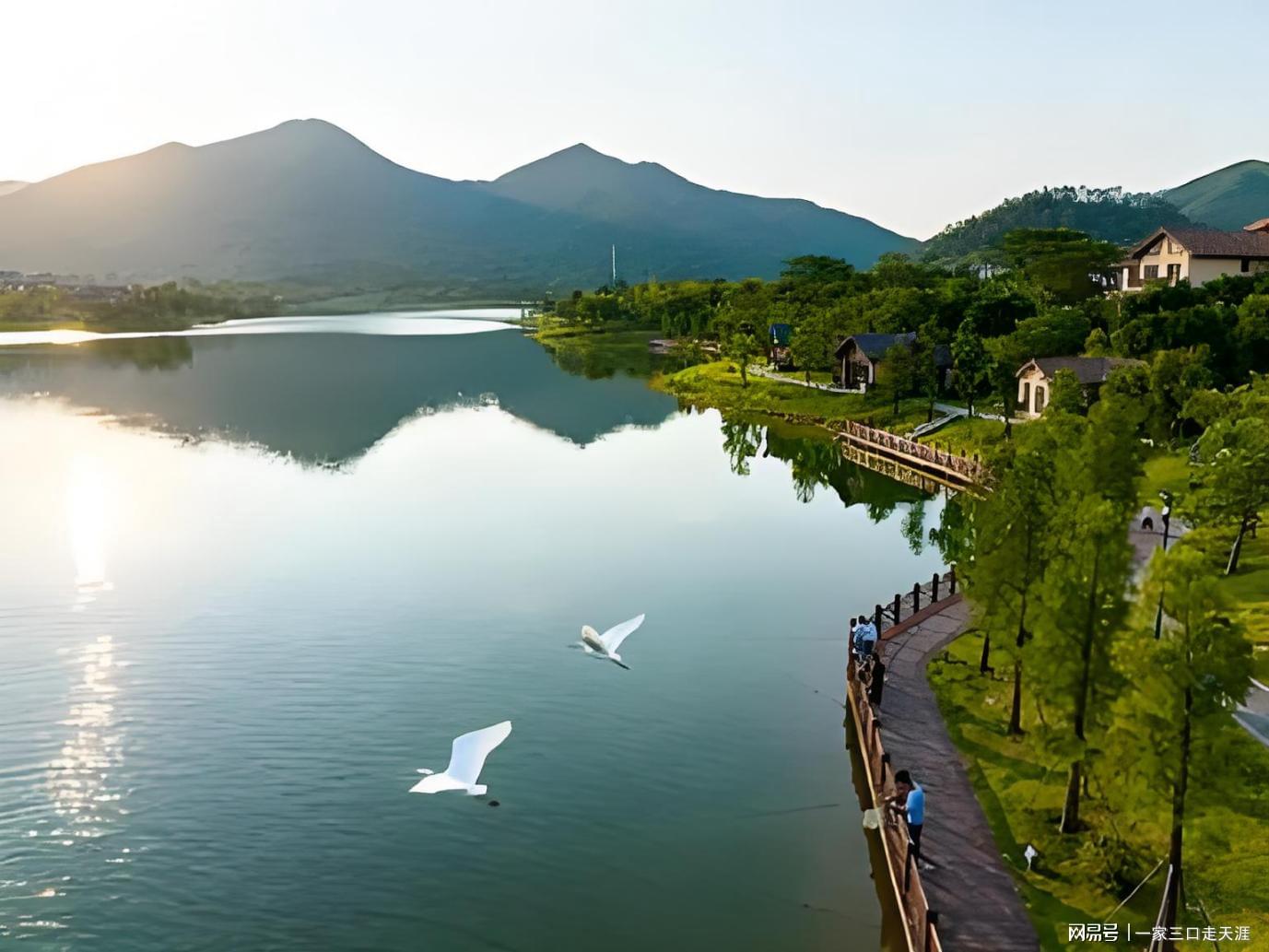
National wetland park featuring lakes, forests, and wetlands, a paradise for bird-watching and leisure.
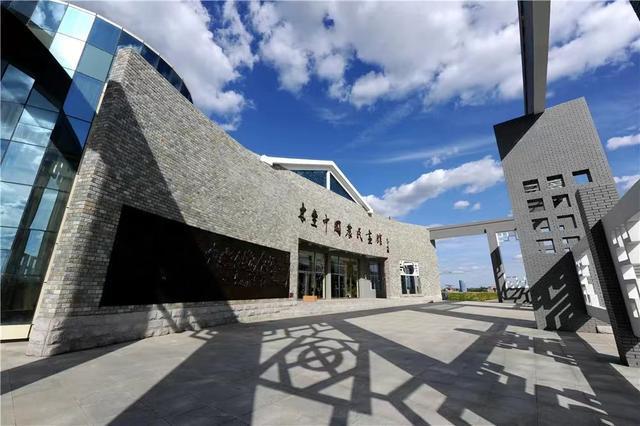
Showcasing peasant paintings from Dongfeng County, with vibrant colors and rural themes, designated as 'Hometown of Chinese Peasant Paintings' by the Ministry of Culture.
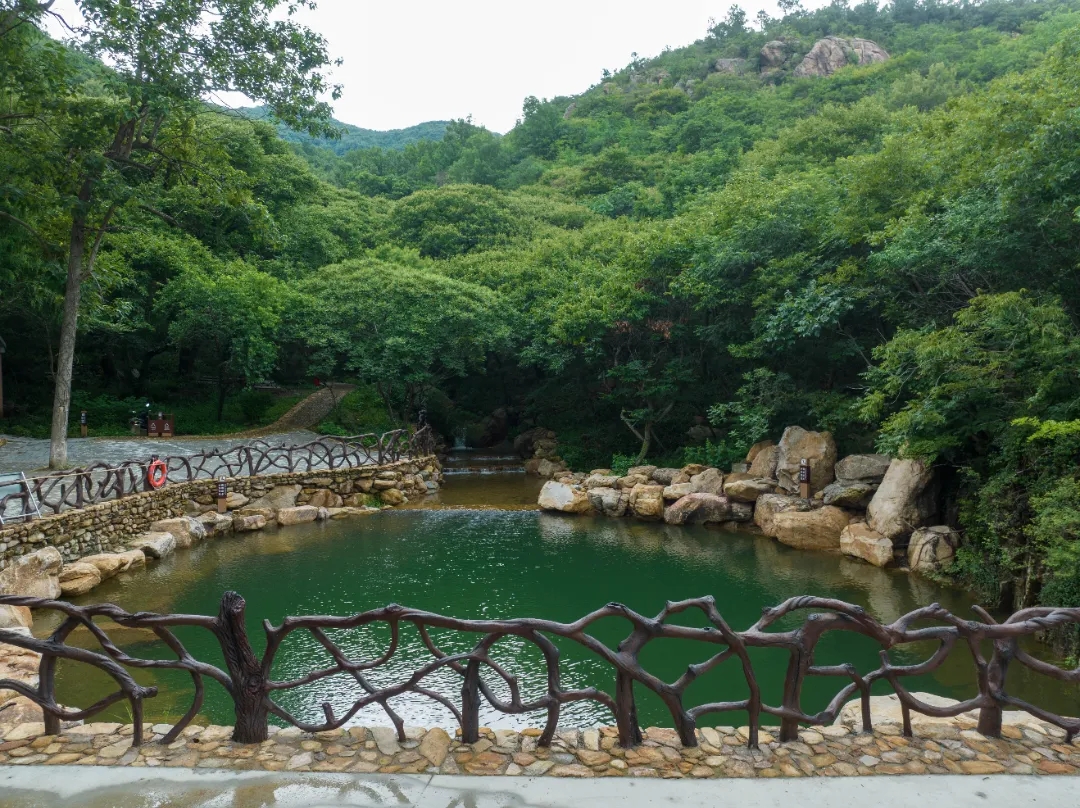
Centered around a reservoir, combining mountain and water sightseeing, leisure fishing, dining and entertainment in a tranquil environment.
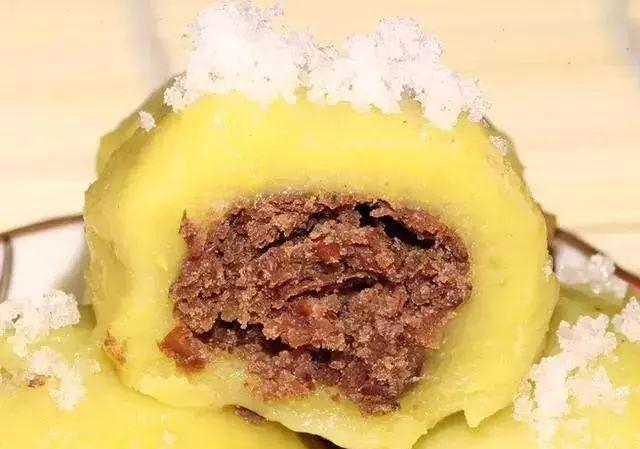
Traditional Manchu food, made from yellow rice flour with red bean paste, steamed, soft and sweet.
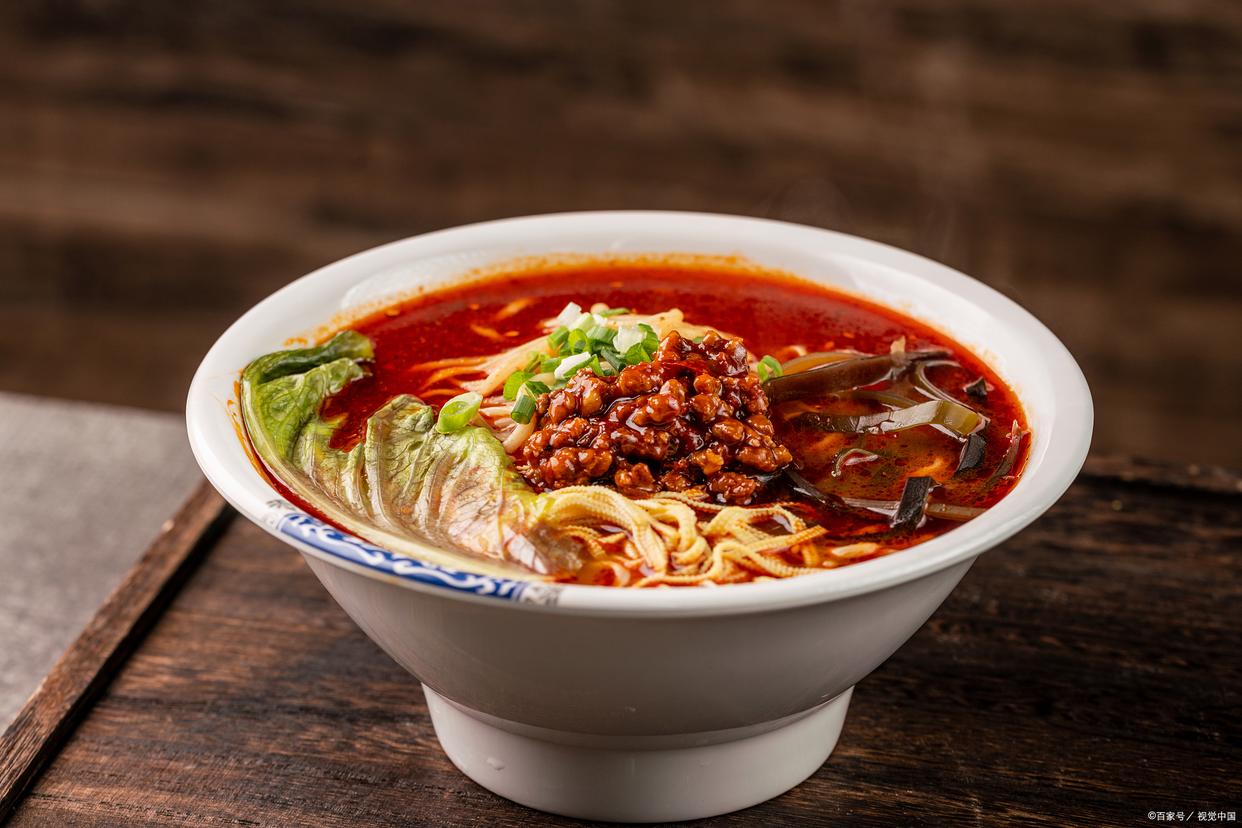
Korean-style cold noodles, chewy noodles with sweet and sour icy broth, perfect for summer.
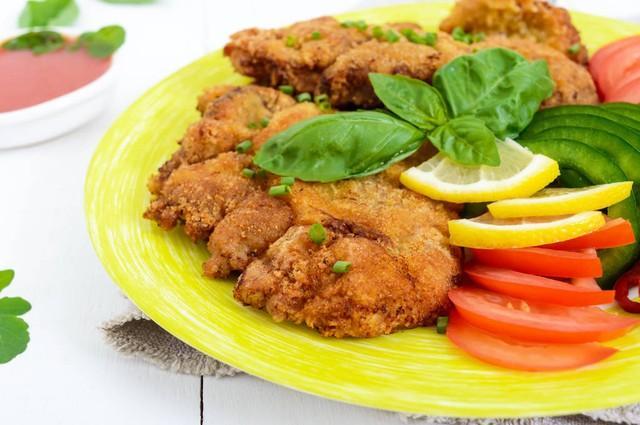
Classic Northeast dish, pork tenderloin coated in starch and deep-fried until crispy, then tossed in sweet and sour sauce.