
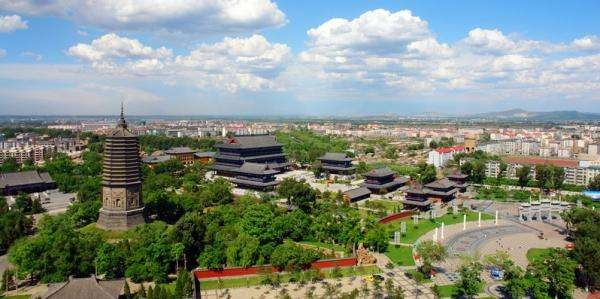
Liaoyang is located in central Liaoning Province, nestled against the Liaodong Mountains to the east and overlooking the Liaohe Plain to the west. It has a temperate monsoon climate with four distinct seasons, an average annual temperature of 8.4°C, and annual precipitation of about 700 mm.
Liaoyang, known as Xiangping in ancient times, has a history of over 2,300 years and is one of the earliest cities in Northeast China. During the Warring States period, it belonged to the State of Yan and later became the seat of Liaodong Commandery. In the Qing Dynasty, it served as the auxiliary capital of Shengjing, leaving behind numerous historical relics.
Liaoyang’s culture is diverse, blending Manchu, Han, and Korean ethnic characteristics. The Liaoyang White Pagoda is an iconic landmark. Intangible cultural heritages such as Liaoyang Drum Music and Liaoyang Yangge Dance are rich. Local cuisine is represented by Laobian Dumplings and Xiaotun Lamb Soup, known for their rich flavors.
Today, Liaoyang is an important part of the central Liaoning city cluster, with petrochemicals and equipment manufacturing as its leading industries. It is also vigorously developing cultural tourism, becoming a key tourist destination in Northeast China.
The best time to visit 辽阳 is Spring and Autumn (April-May, September-October).
Spring (April-May): The weather warms up, flowers bloom, perfect for outdoor walks and flower viewing. Liaoyang White Pagoda Park and the banks of the Taizi River are picturesque.
Summer (June-August): Warm and humid, with occasional heavy rain. Experience the greenery and vitality of Liaoyang, but be prepared for sun and rain.
Autumn (September-October): Clear and crisp, with colorful autumn leaves, the best season for visiting historical sites and tasting local food. Winter is cold and dry, suitable for ice and snow activities.
During the Warring States period, the Yan State established Liaodong Commandery in the Liaoyang area, with Xiangping (now Liaoyang) as its seat, marking the beginning of Liaoyang as a political center in Northeast China.
After capturing Liaoyang, Nurhaci of the Later Jin moved the capital from Hetu Ala to Liaoyang and built Dongjing City, making Liaoyang the political center of the Later Jin.
Recommended places to visit
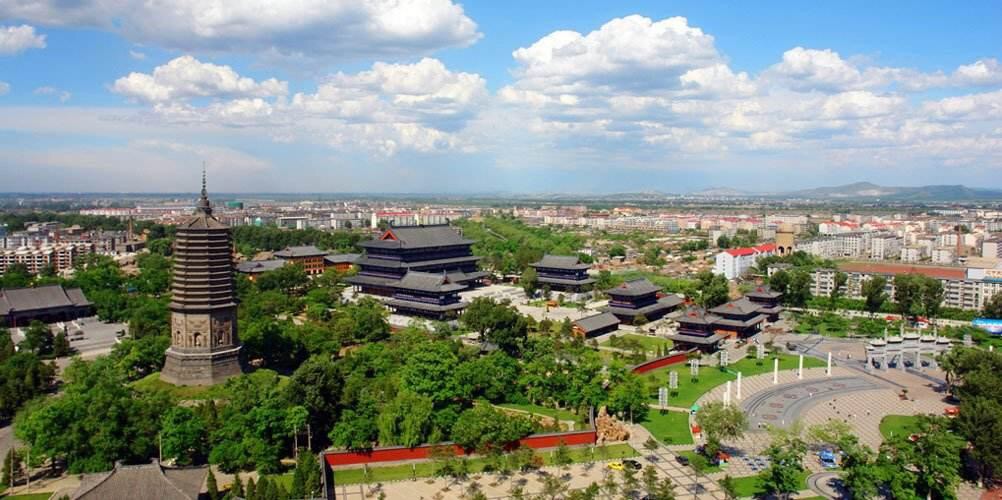
A national key cultural relic protection unit, built in the Liao Dynasty, 71 meters high, the tallest ancient pagoda in Northeast China. With its white body and elegant shape, it is the landmark of Liaoyang.
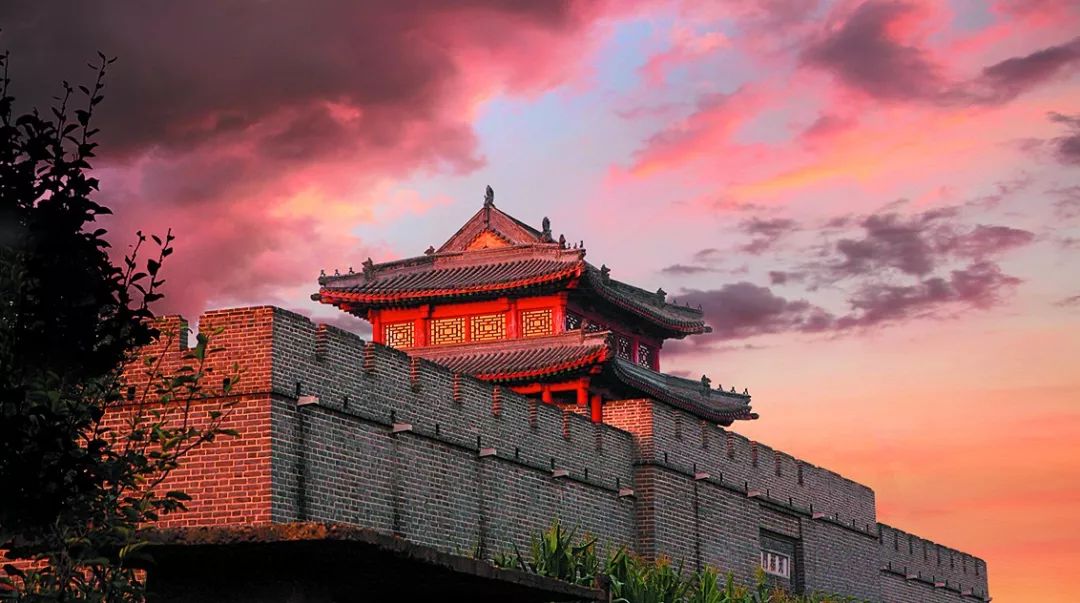
The site of the Later Jin capital built by Nurhaci, an important place for studying Manchu and Qing history. Remains include city walls and gates, with attractions like Tianyou Gate.
Explore rich intangible cultural heritage and traditional crafts
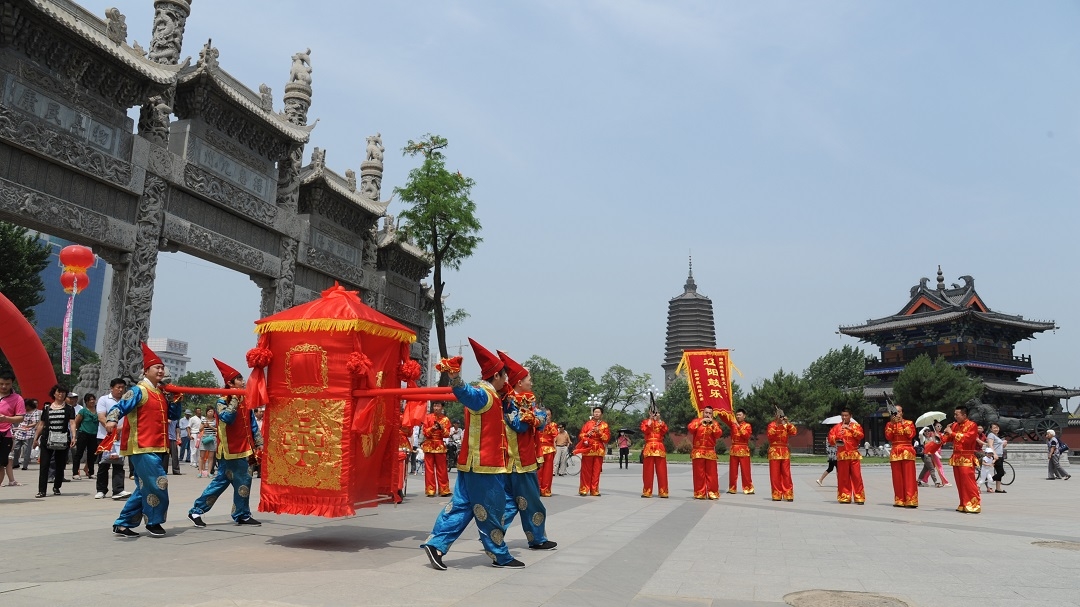
Traditional folk music of Liaoyang, featuring suona, drums, gongs, etc., with passionate melodies, often played at festivals, weddings, and funerals.
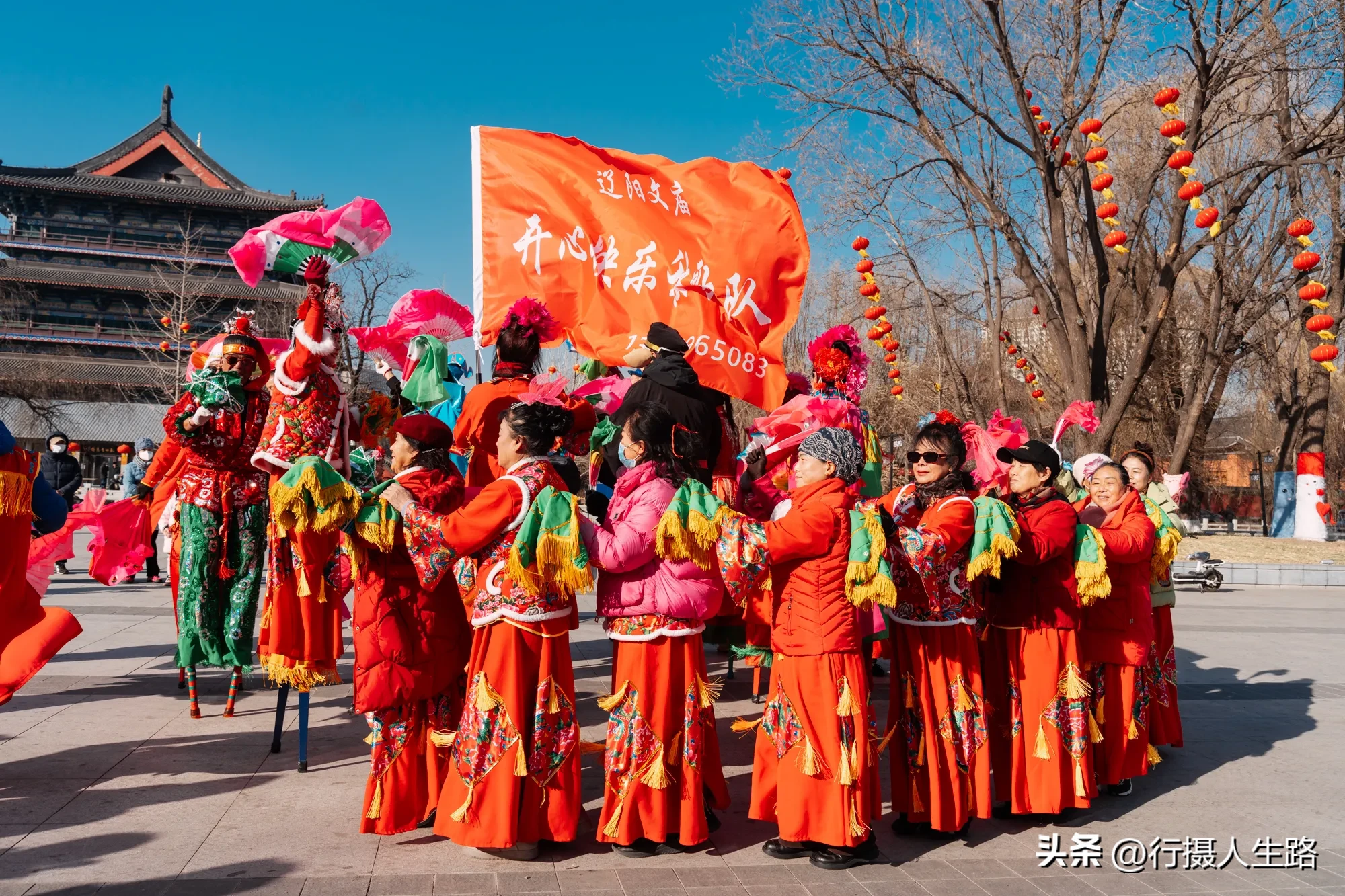
A popular folk dance in Liaoyang, with exaggerated and humorous movements, colorful costumes, accompanied by drums and suona, full of Northeast characteristics.
Must-know transportation for exploring the city
Liaoyang Station is on the Harbin-Dalian high-speed line. About 30 minutes from Shenyang, 1.5 hours from Dalian. Fares vary by distance.
Shenyang-Liaoyang second class about 30 CNY
City buses cover major attractions and commercial areas. Fare 1-2 CNY, some routes accept Alipay.
1-2 CNY
Liaoyang has no airport. The nearest is Shenyang Taoxian International Airport, about 70 km away. Airport shuttles or high-speed rail connect to Liaoyang.
Airport shuttle to Liaoyang about 40 CNY
Taste the most authentic and popular local specialties
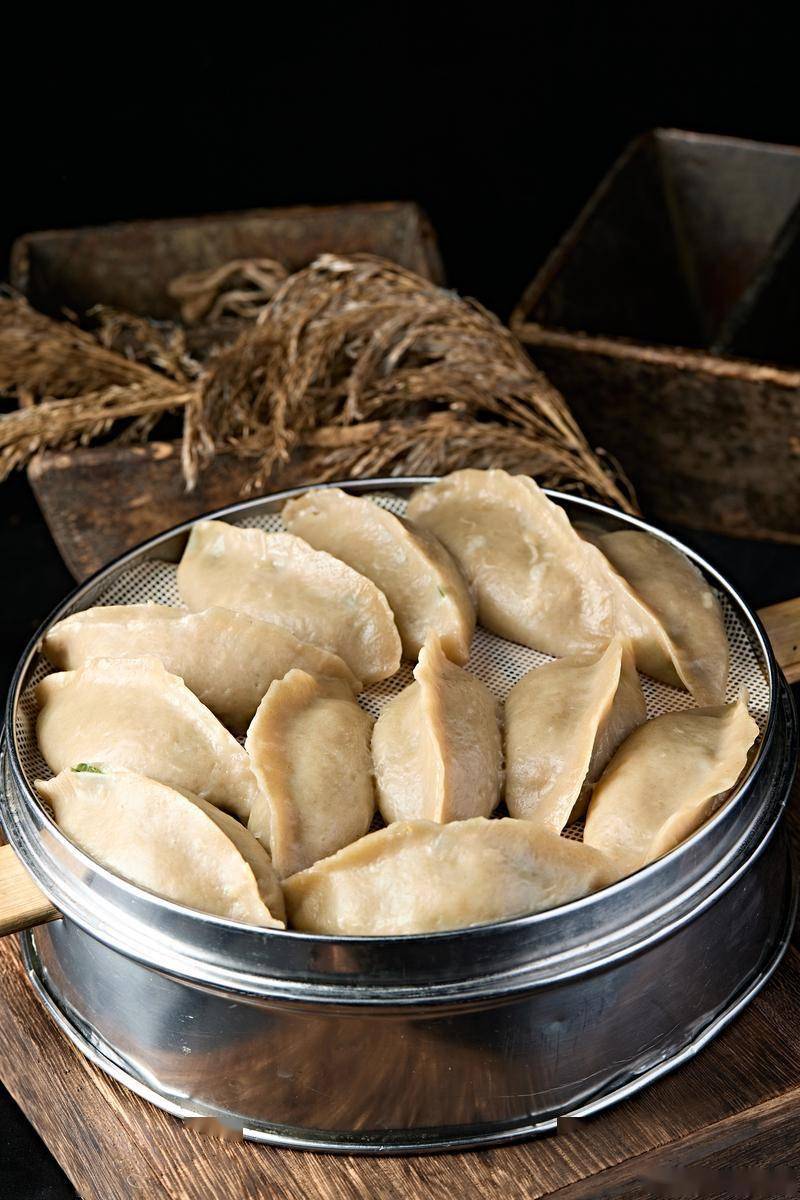
A traditional Liaoyang delicacy known for thin skin, generous filling, and juicy flavor. Fillings include pork, shrimp, chives, etc., suitable for steaming or boiling.
A specialty from Xiaotun Town, Liaoyang, made by simmering local mutton over low heat, resulting in a rich white broth. Served with baked flatbread, it warms and nourishes.
During the Russo-Japanese War, Liaoyang became a major battlefield, witnessing the fierce Battle of Liaoyang, which caused great damage to the city and influenced the modern pattern of Northeast China.
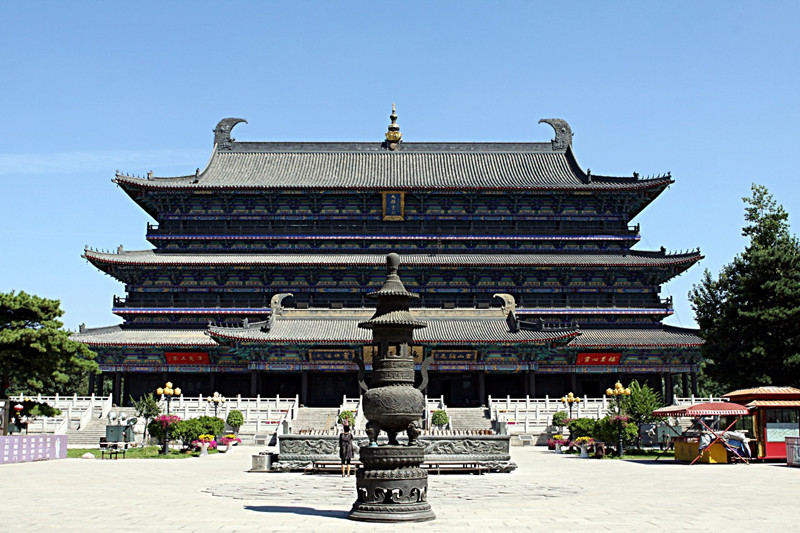
First built in the Eastern Han Dynasty, one of the earliest Buddhist temples in Northeast China. It houses the world's largest wooden seated Buddha, about 21 meters high, magnificent.
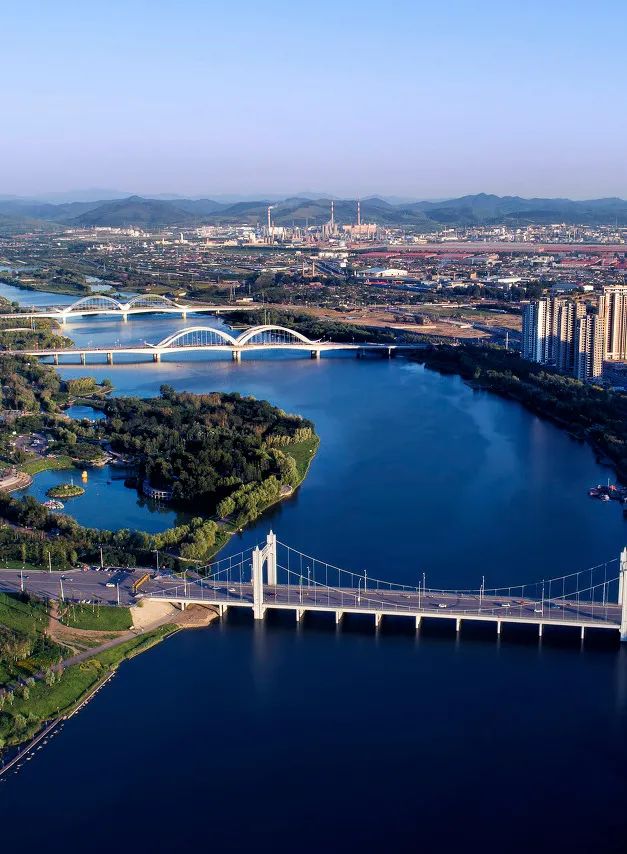
A waterfront park along the Taizi River, with beautiful scenery, ideal for walking and cycling. Cherry blossoms in spring, green trees in summer, red leaves in autumn.
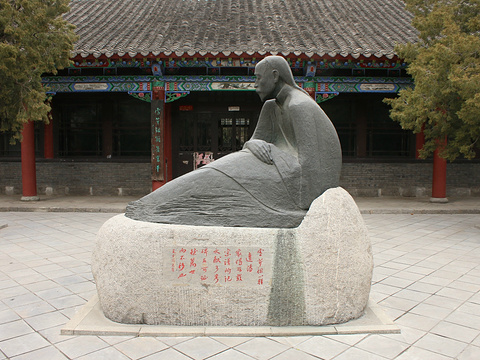
Located in the old city of Liaoyang, it exhibits the life and works of Cao Xueqin, author of 'Dream of the Red Chamber'. Liaoyang is his ancestral home, and the hall holds precious artifacts.
A traditional Liaoyang pastry named for its pagoda shape. Made from white sugar and sesame, it is crispy and sweet, a popular local souvenir.
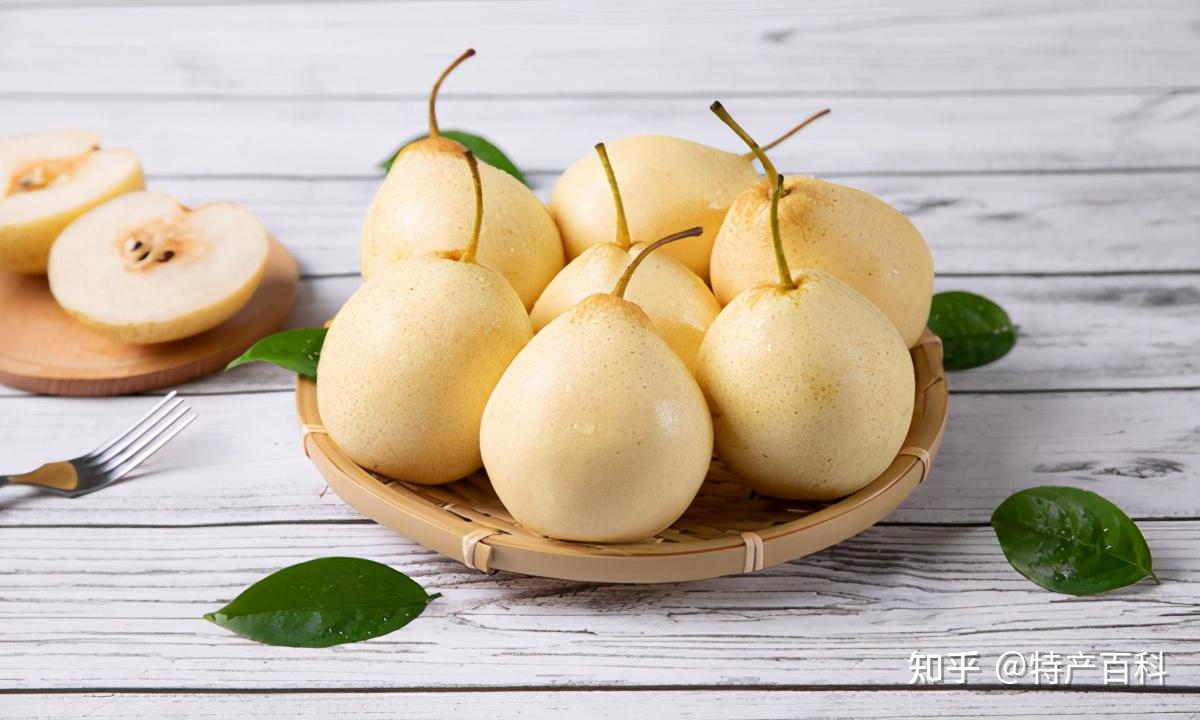
A specialty fruit of Liaoyang, with golden skin, tender juicy flesh, and rich aroma. Ripens in autumn, eaten fresh or processed into pear paste.
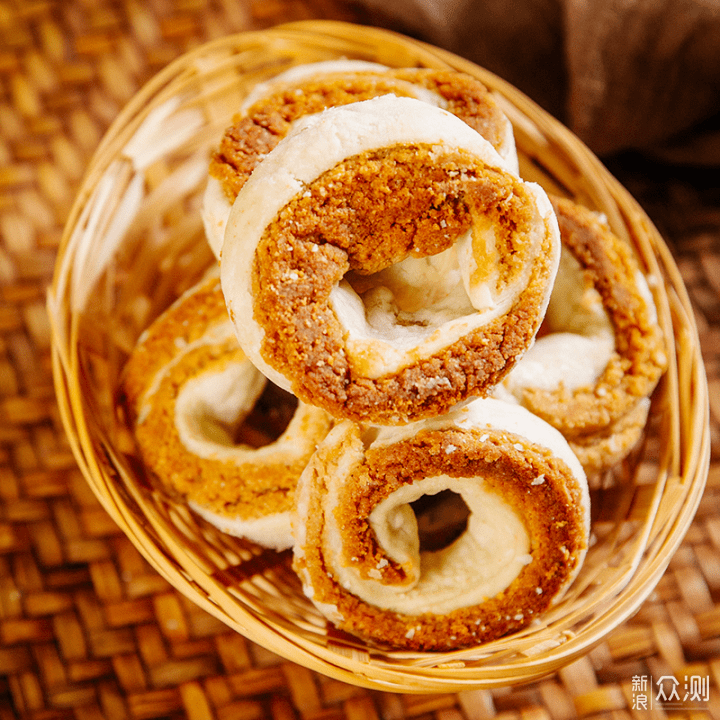
A Liaoyang specialty snack shaped like a cylinder, with crispy crust and filling of scallions and minced meat, savory and delicious, a favorite breakfast.