
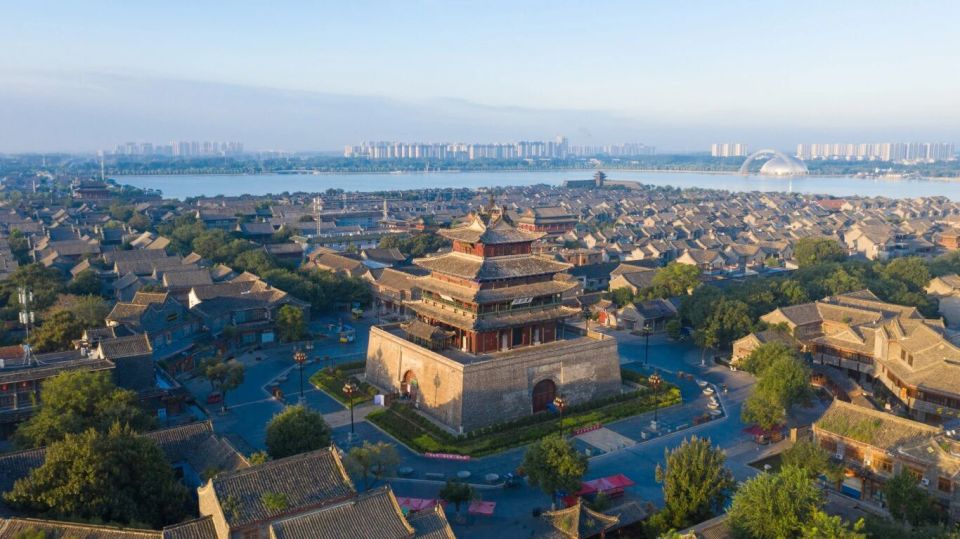
Liaocheng is located in the western part of Shandong Province, at the junction of Hebei, Shandong, and Henan provinces, on the north bank of the Yellow River. It has a temperate monsoon climate with four distinct seasons: windy and dry springs, hot and rainy summers, cool and crisp autumns, and cold winters with little snow.
Liaocheng has a long history and is one of the important birthplaces of Chinese civilization. During the Spring and Autumn period, it was a key city in the west of the State of Qi. In the Ming and Qing dynasties, it flourished due to the Grand Canal's grain transport, earning the reputation of 'a metropolis north of the Yangtze.'
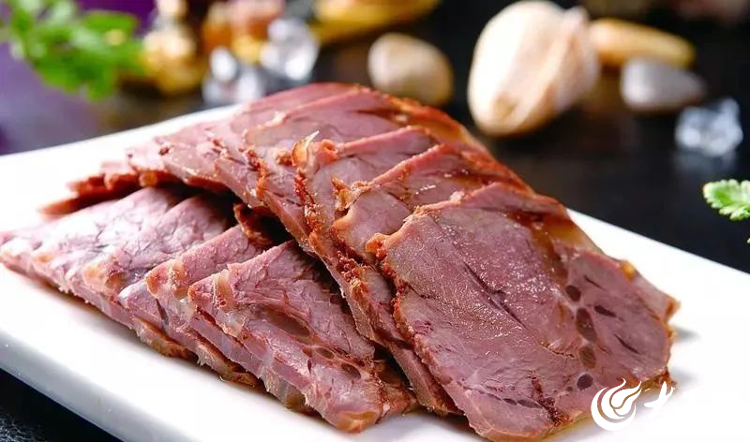
Liaocheng is rich in cultural heritage and is an important carrier of Water Margin culture, canal culture, and revolutionary culture. Local specialties include Liaocheng Guada (pan-fried pastry), Linqing Shaomai (steamed dumplings), and Gaotang donkey meat, each with unique flavors.
Today, Liaocheng has developed into a modern eco-friendly city, with pillar industries such as new energy vehicles, biomedicine, and high-end equipment manufacturing, while vigorously promoting the integrated development of culture and tourism.
The best time to visit 聊城 is Best in spring and autumn with pleasant weather.
Spring (March-May): Temperatures warm up, flowers bloom, suitable for outdoor outings, but windy with sand, need protection.
Autumn (September-November): Clear skies and cool weather, golden season for visiting Dongchang Lake and Canal scenic spots.
Summer (June-August): Hot and rainy, but can enjoy water activities; winter (December-February) cold, suitable for hot springs and indoor activities.
Liaocheng first appeared in Zuo Zhuan as a western city of the State of Qi, later underwent changes and name changes.
Kublai Khan ordered the excavation of the Huitong River, making Liaocheng an important node of the Grand Canal, with commercial prosperity and cultural flourishing.
The Liaocheng section of the Jinan-Zhengzhou high-speed railway opened, ushering Liaocheng into the high-speed rail era and accelerating integration into the provincial capital economic circle.
Recommended places to visit
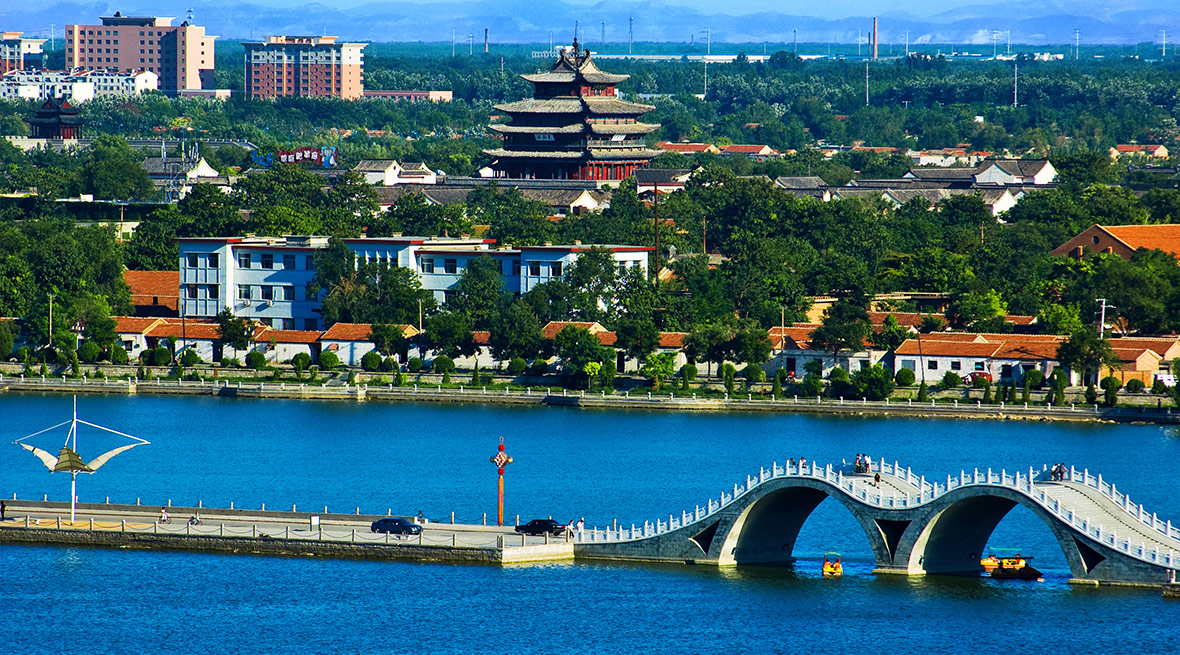
National 4A-level scenic area, the largest urban lake in northern China. The lake is expansive, surrounded by ancient city, canal, and wetland landscapes, and can be toured by boat.
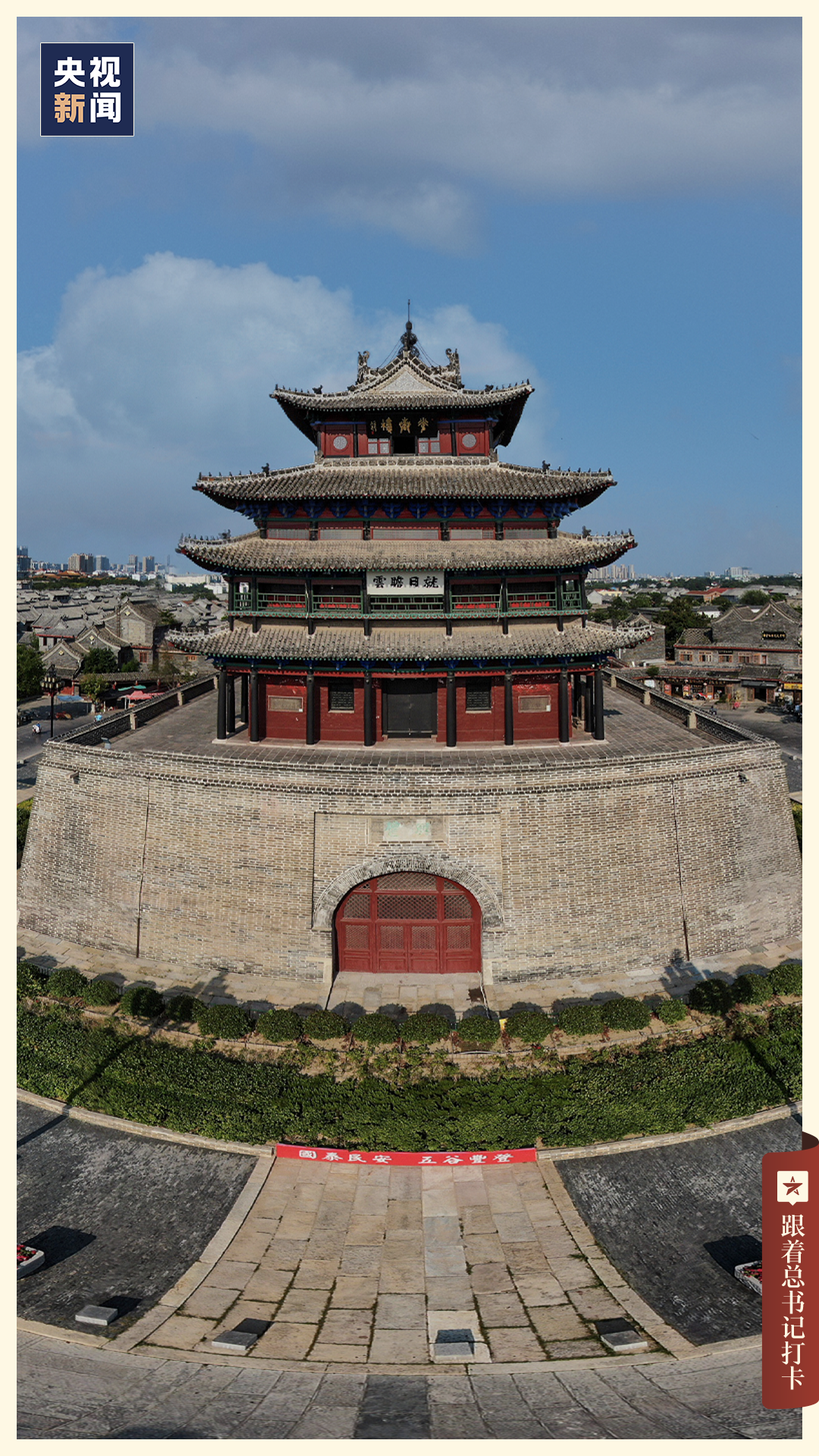
National 4A-level scenic area, built in 1374 (Ming Dynasty). It is one of the oldest and tallest existing wooden pavilions in China, praised as 'even the Yellow Crane Tower and Yueyang Tower would bow in admiration'.
Explore rich intangible cultural heritage and traditional crafts

National intangible cultural heritage. Liaocheng acrobatics have a long history and exquisite skills, including bowl balancing, tightrope walking, contortion, etc., renowned nationwide.
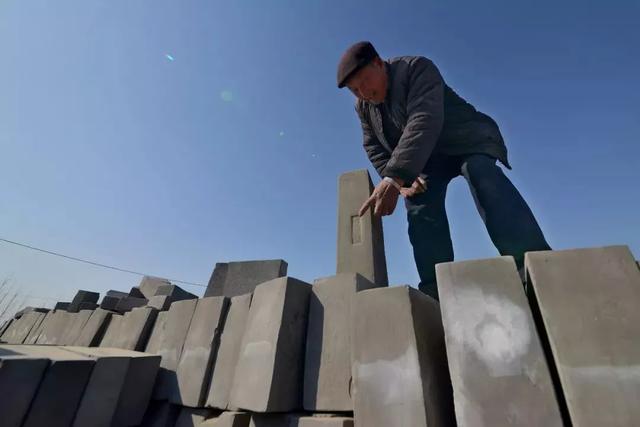
National intangible cultural heritage. Linqing tribute bricks were specially made for imperial buildings in Ming and Qing dynasties, hard in texture, producing sound when struck, and no holes when broken.
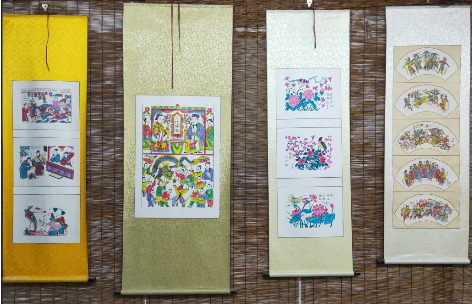
National intangible cultural heritage, originating in the Ming dynasty, known for bold lines, bright colors, and rich themes, a treasure of folk art.
Must-know transportation for exploring the city
Liaocheng Station is a conventional railway station, while Liaocheng West Station is a high-speed rail station. Lines such as Jinan-Zhengzhou HSR and Beijing-Kowloon Railway pass through, providing direct access to Beijing, Shanghai, Jinan, Zhengzhou, etc.
HSR second class to Jinan about 60 yuan
Liaocheng Bus Terminal is located in Dongchangfu District, with buses to destinations within Shandong and neighboring provinces. City bus routes cover major attractions.
City bus 2 yuan
Liaocheng has no civil airport. The nearest is Jinan Yaoqiang International Airport, about 1.5 hours by car. You can take airport bus or high-speed rail to Jinan West Station and then transfer.
Taste the most authentic and popular local specialties
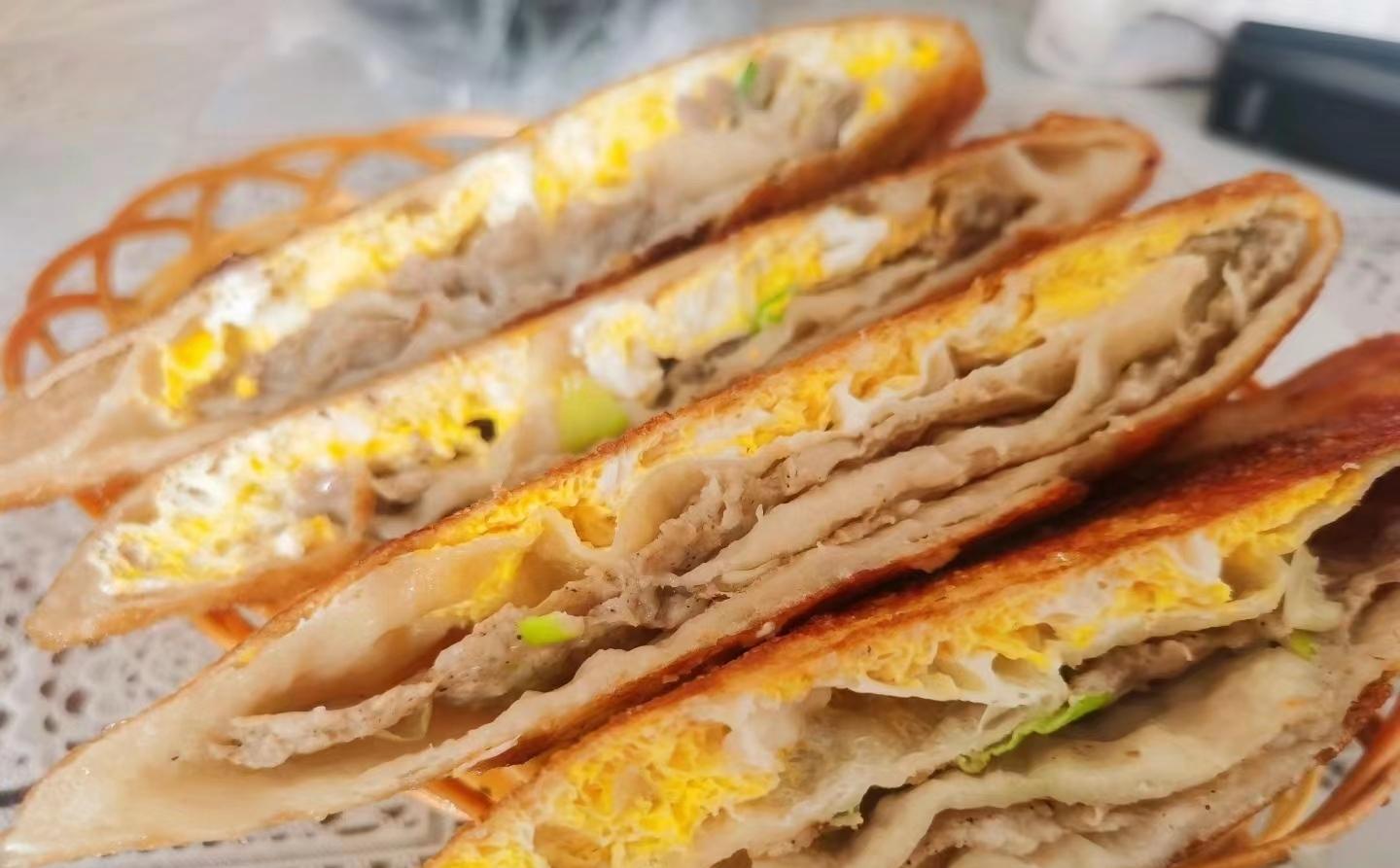
A pan-fried pastry with crispy skin and fillings such as meat and eggs. Shaped like a large dumpling, it is a popular breakfast choice.
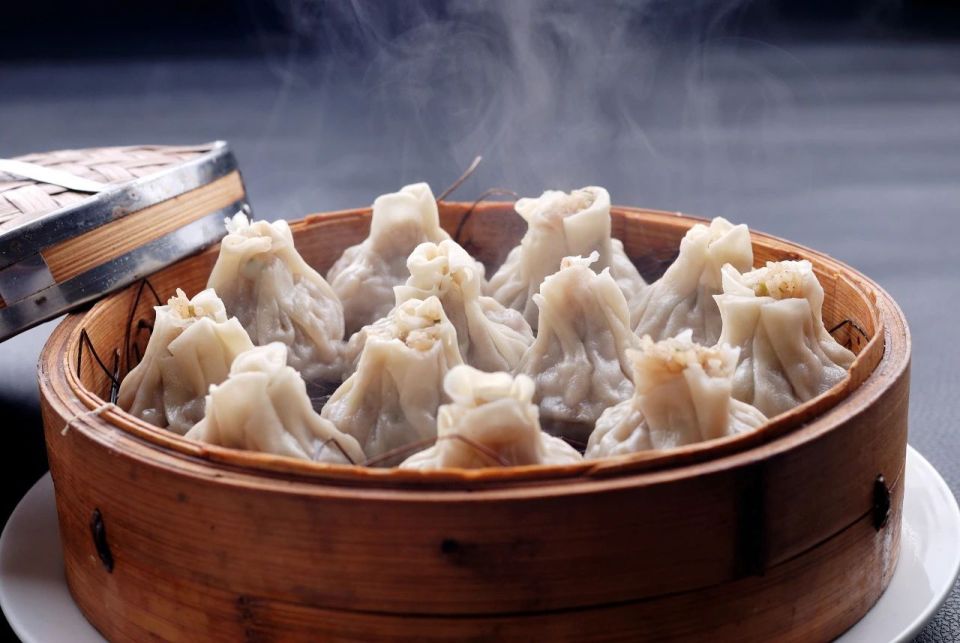
A specialty snack of Linqing, with thin wrappers and abundant fillings, shaped like pomegranate flowers on top, steamed to perfection.
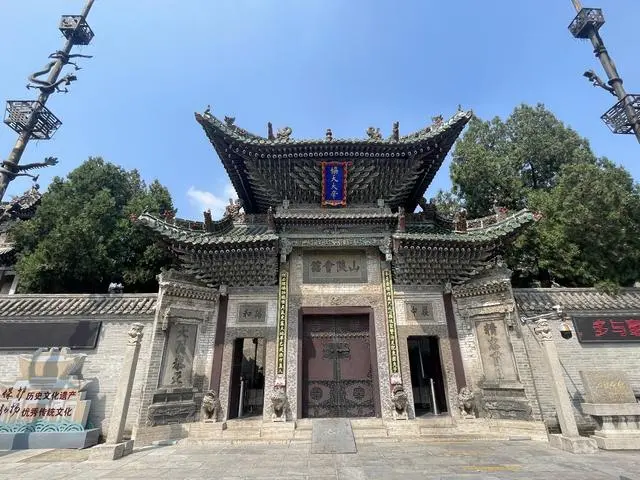
National key cultural relic protection unit, built in 1743 (Qing Dynasty). Funded by merchants from Shanxi and Shaanxi provinces, it features exquisite architecture with superb wood carvings, stone carvings, and colored paintings.
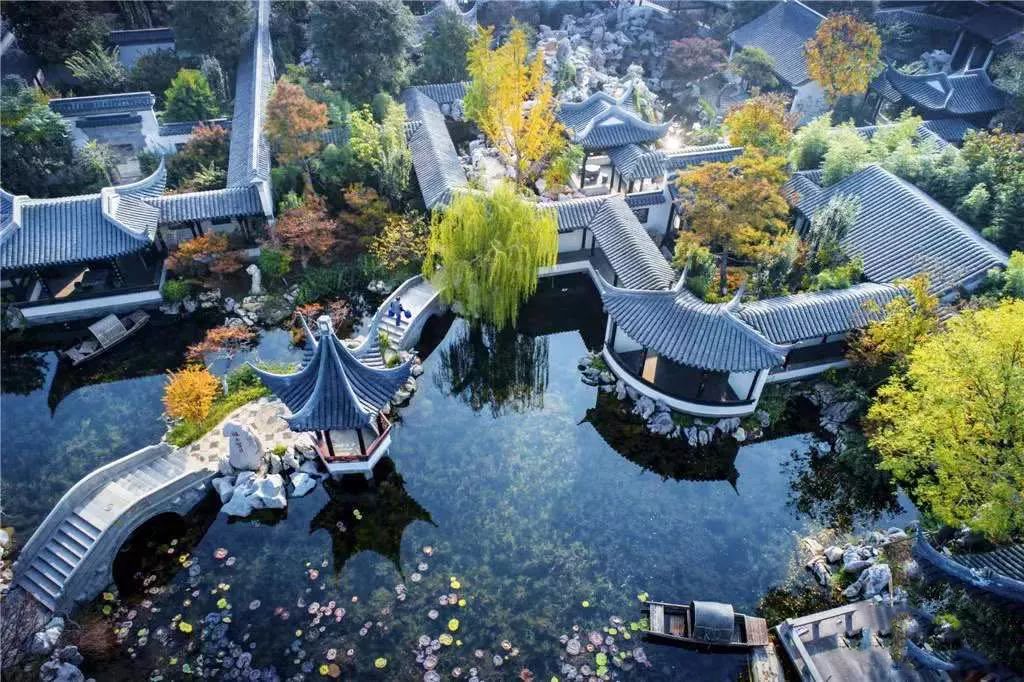
Located in the center of Dongchang Lake, the ancient city is square-shaped with Guangyue Tower at its center and four main streets radiating outwards. It retains Ming and Qing style architecture, offering a glimpse of ancient city scenery.
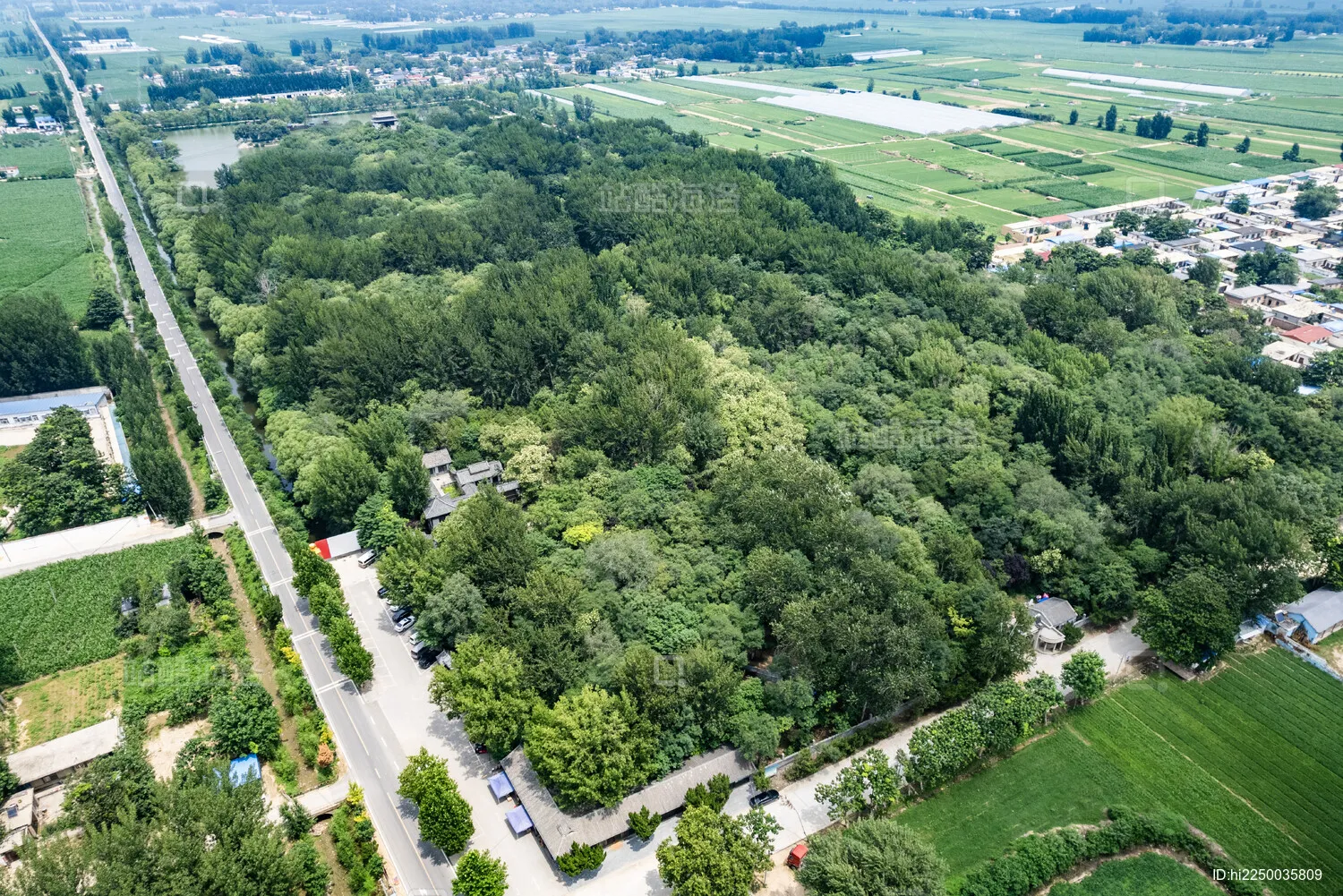
National 4A-level scenic area, famous for the story of Wu Song fighting the tiger in 'Water Margin'. Attractions include the Mountain God Temple, Wu Song's tiger-fighting site, and a forest of steles.
Airport bus to Liaocheng about 80 yuan
Specialty of Gaotang County, made from high-quality donkey meat braised in aged broth. Tender and rich in flavor, as the saying goes: 'Dragon meat in heaven, donkey meat on earth'.
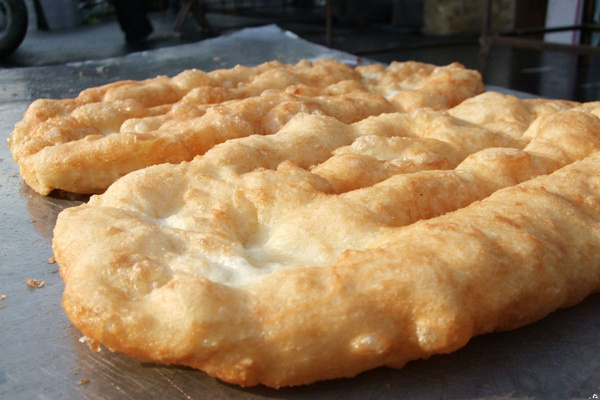
Traditional fried dough in Liaocheng, made from eight strips of dough stuck together and fried until crispy. Often eaten with soymilk.
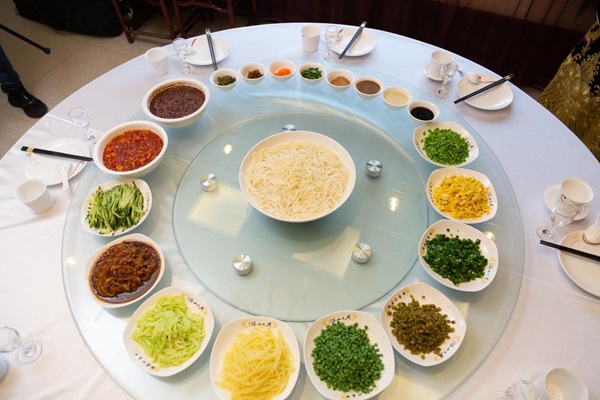
A specialty noodle dish in Linqing, with chewy noodles served with over ten kinds of toppings and sauces, mixed together for rich flavors.