
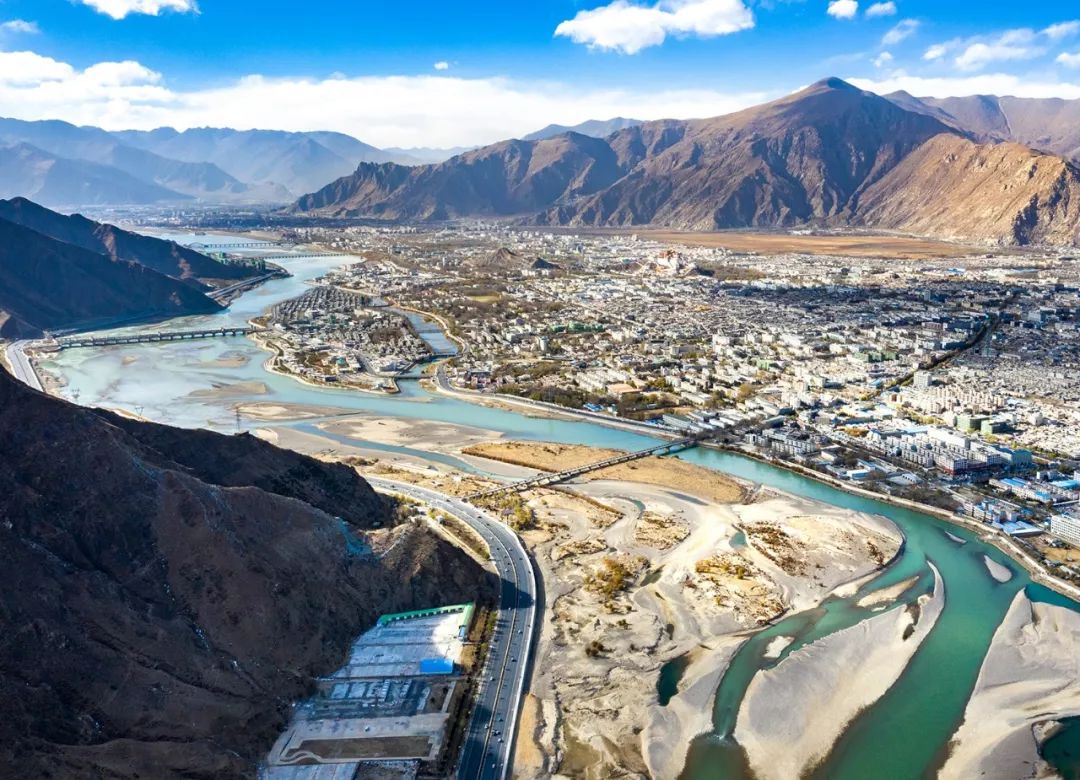
Lhasa is located in the central part of the Tibet Autonomous Region, nestled in the hinterland of the Qinghai-Tibet Plateau at an average altitude of 3,650 meters. Known as the 'City of Sunlight,' it enjoys a plateau temperate semi-arid climate with abundant sunshine year-round, large diurnal temperature differences, cold and dry winters, and cool, rainy summers.
Lhasa has a long history, founded in the 7th century as the capital of the Tubo Kingdom. After Songtsen Gampo unified Tibet, he built the Potala Palace and Jokhang Temple, promoting the spread of Buddhism. Following its peaceful liberation in 1951, Lhasa became the political, economic, and cultural center of the Tibet Autonomous Region.
Lhasa's culture is centered on Tibetan Buddhism, with unique intangible cultural heritages such as Thangka painting, Tibetan opera, and Tibetan medicine. Local cuisine is primarily Tibetan, featuring butter tea, tsampa, yak meat, and Tibetan noodles, which are rich in flavor and nutrition.
Modern Lhasa balances the preservation of traditional culture with active development of tourism and infrastructure. The opening of the Qinghai-Tibet Railway has greatly boosted economic growth, transforming the city's appearance while maintaining its strong religious atmosphere and unique ethnic charm.
The best time to visit 拉萨 is The best time to visit Lhasa is from June to September.
From June to September, Lhasa experiences mild weather and higher oxygen levels, ideal for outdoor activities. Although there is more rainfall, it mostly occurs at night, leaving sunny days with lush vegetation and beautiful scenery.
From October to February is winter, cold and dry but with plenty of sunshine. Fewer tourists make it a good time to experience traditional Tibetan festivals like Losar (Tibetan New Year).
From March to May is spring, with rising temperatures but windy and occasionally snowy. It is suitable for photographers to capture the unique highland landscapes.
After unifying Tibet, Songtsen Gampo moved the capital to Lhasa and built the Potala Palace and Jokhang Temple, marking Lhasa as the political and religious center of the Tubo Kingdom.
The Central People's Government and the local government of Tibet signed the 'Seventeen-Point Agreement', leading to the peaceful liberation of Tibet and a new historical stage for Lhasa.
Recommended places to visit
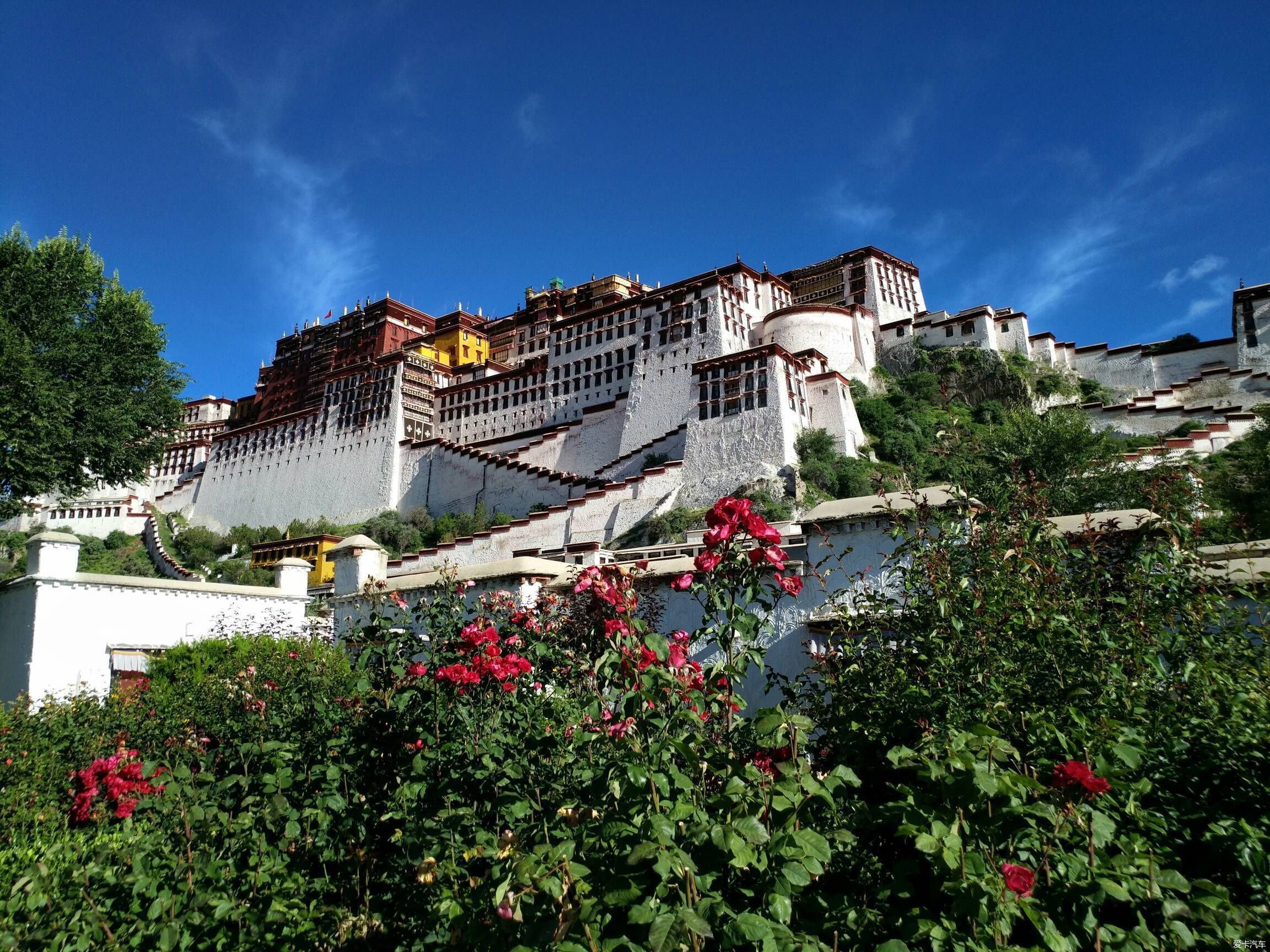
A UNESCO World Heritage site, built in the 7th century by Songtsen Gampo for his marriage to Princess Wencheng. It is 117 meters high with 13 stories, an outstanding example of Tibetan architecture and a symbol of the union of politics and religion in Tibet.
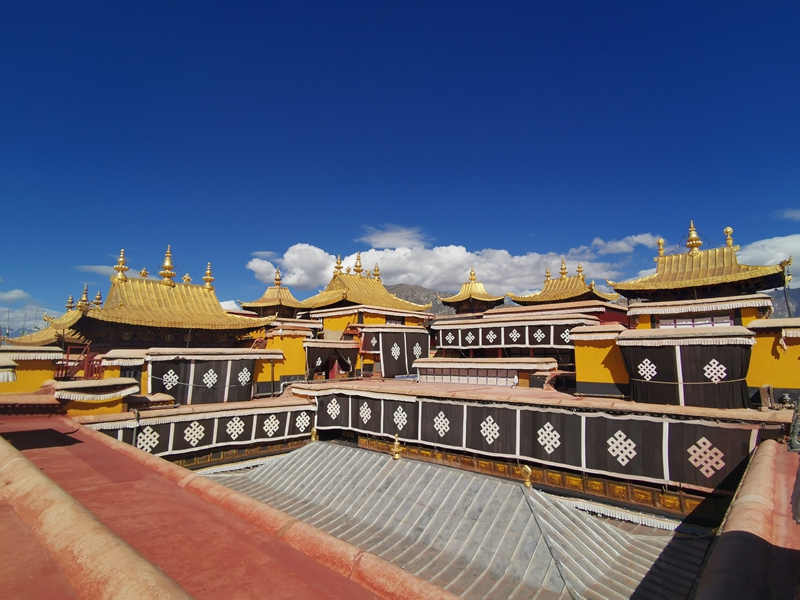
The most sacred temple in Tibetan Buddhism, built in the 7th century, housing a statue of Buddha at age 12. In front is the famous Tang-Tibet Alliance Stele, a pilgrimage destination for devotees.
UNESCO World Heritage Sites
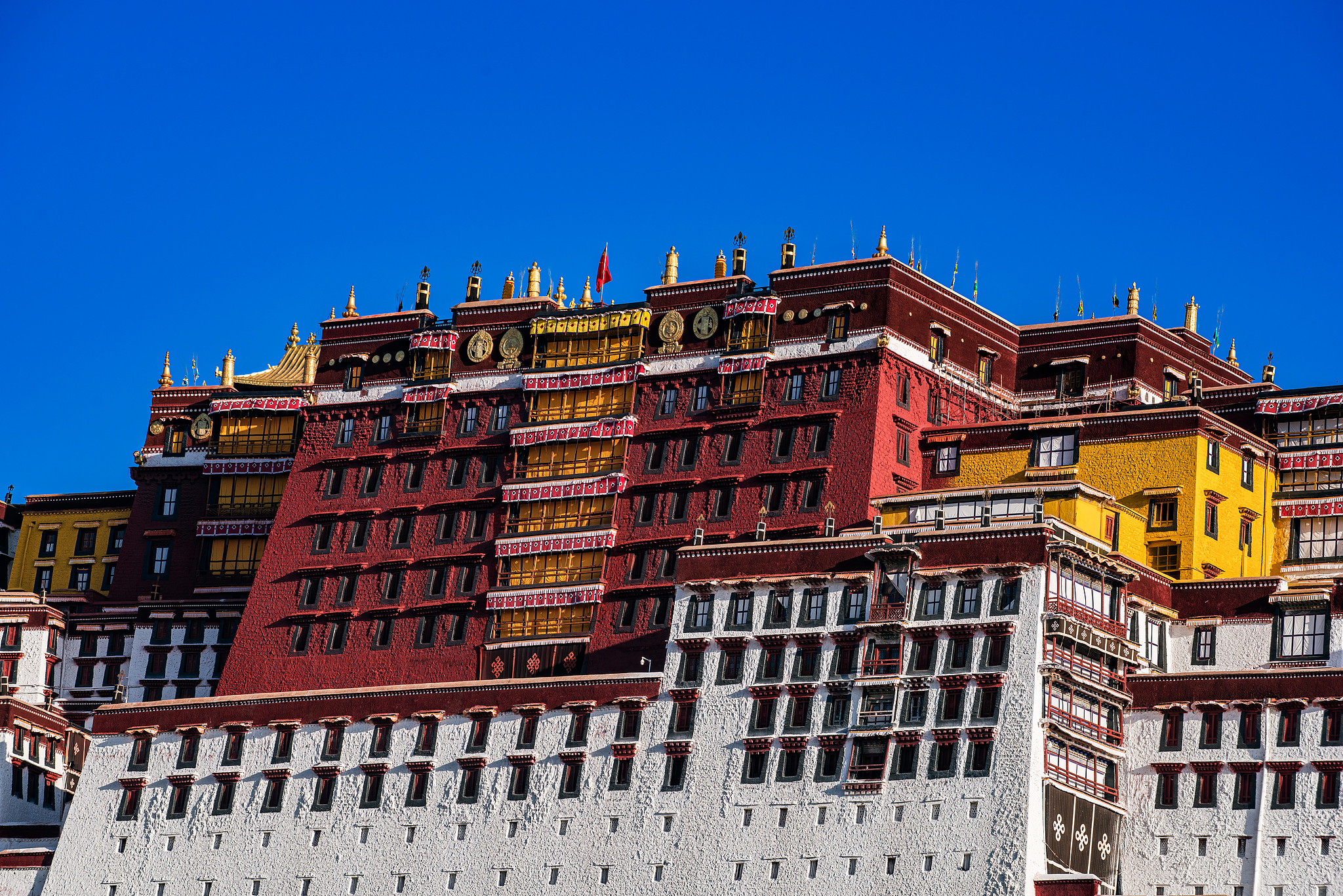
Comprising the Potala Palace, Jokhang Temple, and Norbulingka, it is the pinnacle of Tibetan architectural art, reflecting the tradition of unified political and religious authority in Tibet.
Explore rich intangible cultural heritage and traditional crafts
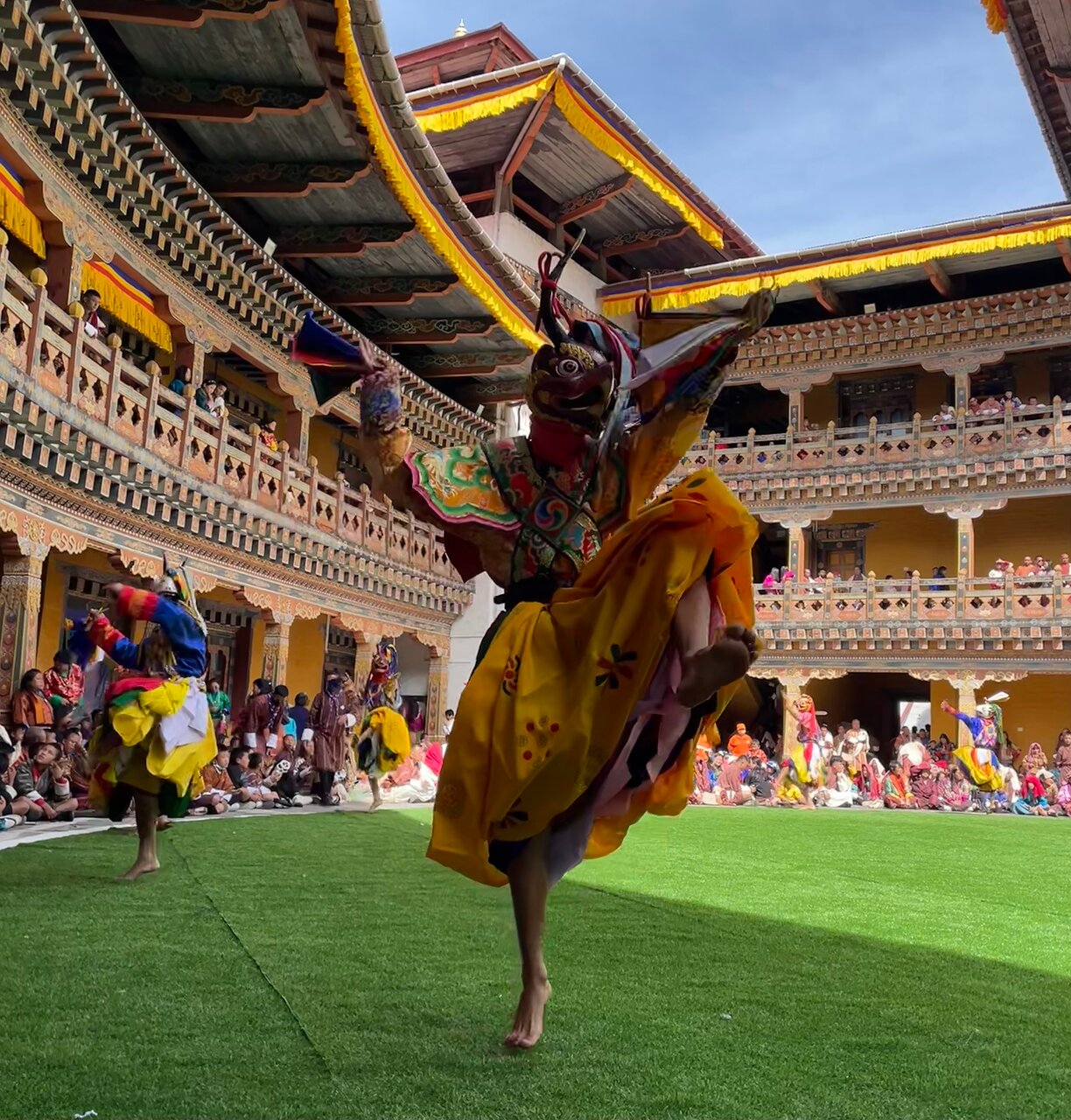
Called 'Ache Lhamo' in Tibetan, it is a traditional Tibetan drama combining song, dance, masks, and religious stories, with unique performance forms.
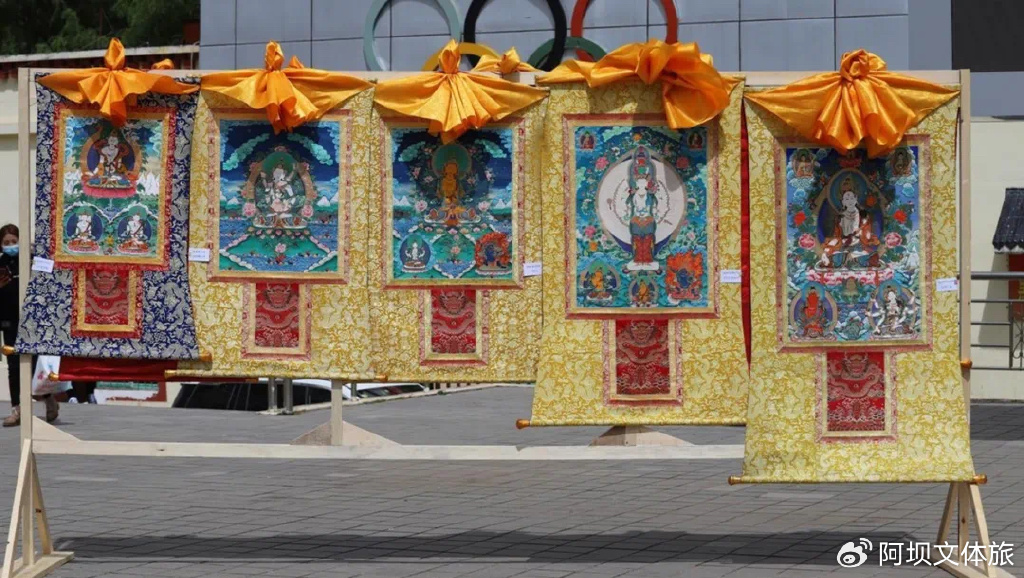
Tibetan painting art, using mineral pigments on cotton or silk to depict Buddhas, mandalas, etc., with vibrant colors and exquisite craftsmanship.
Must-know transportation for exploring the city
Located about 65 km southwest of Lhasa, with flights to major domestic cities like Beijing, Chengdu, Shanghai, and international routes to Kathmandu.
Economy class about 800-2000 CNY
Located southwest of Lhasa, the terminus of the Qinghai-Tibet Railway, with trains to Xining, Beijing, Chengdu, etc. Plateau trains are equipped with oxygen supply systems.
Hard seat about 400 CNY, hard sleeper about 700 CNY
Lhasa has multiple bus routes covering major attractions and commercial areas. Fare is 1 CNY, some routes accept mobile payment.
1 CNY
Taste the most authentic and popular local specialties
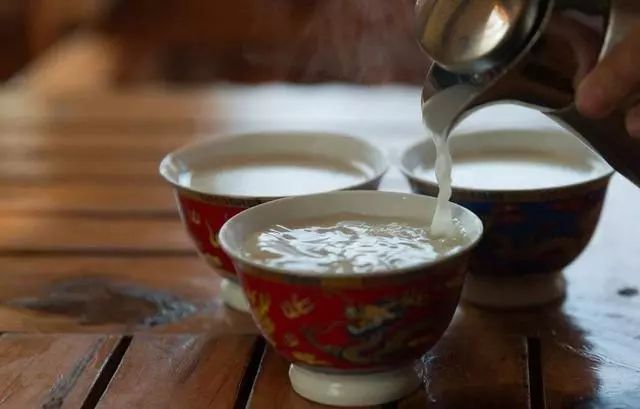
Traditional Tibetan drink made from butter, brick tea, and salt, salty and fragrant, helps keep warm and refresh.
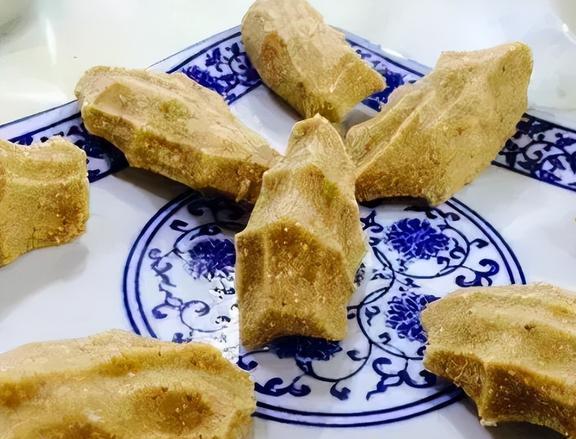
Tibetan staple food made from roasted barley flour, mixed with butter tea or yogurt into a dough, nutritious.
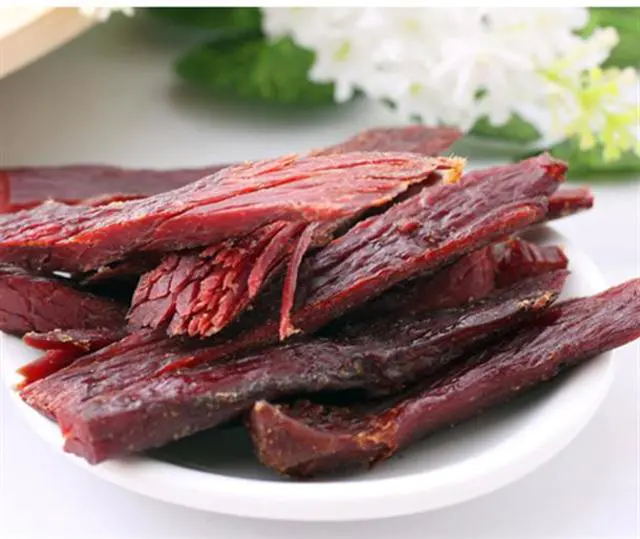
Highland specialty, tender meat with low fat and high protein. Common preparations include dried yak meat and yak meat hotpot.
The Qinghai-Tibet Railway was fully opened, ending Lhasa's history without a railway, greatly boosting economic development and tourism in Tibet.
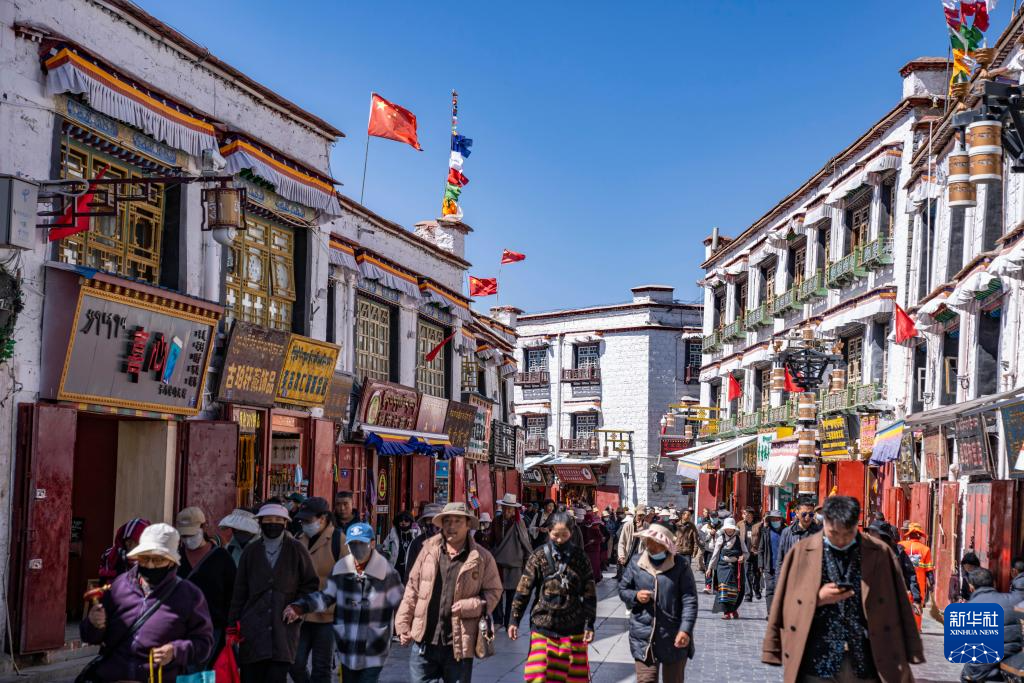
A kora (circumambulation) path around Jokhang Temple and the busiest commercial street in Lhasa. Lined with shops selling Tibetan jewelry, Thangka, incense, etc., it's a great place to experience Tibetan culture.
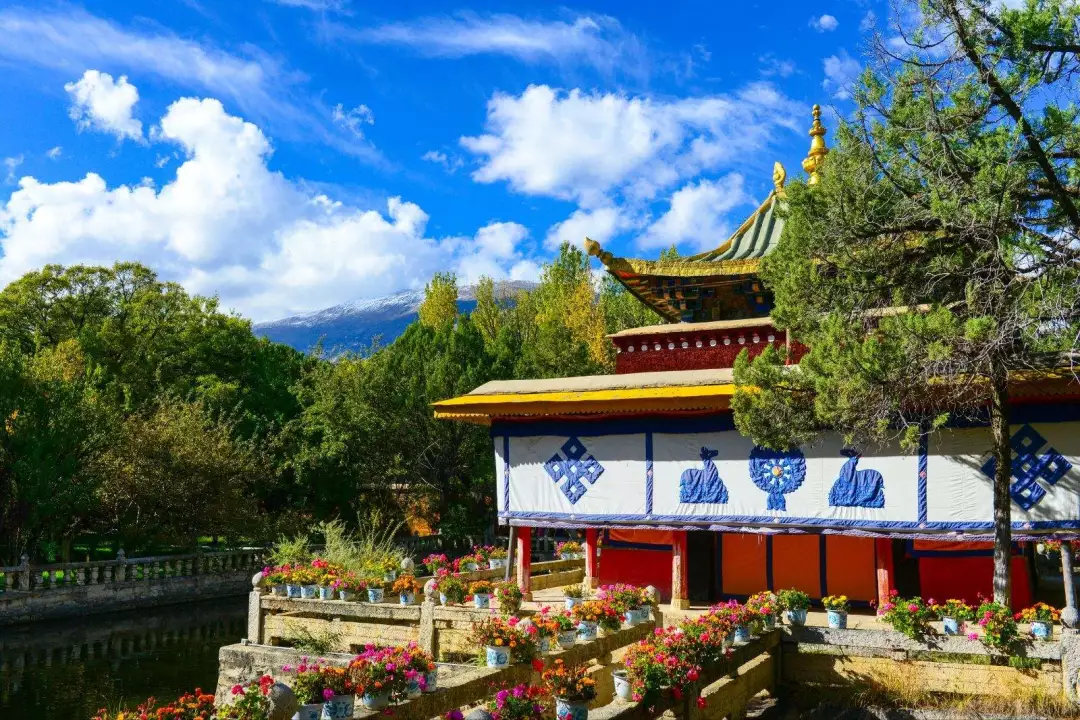
A UNESCO World Heritage site, the summer palace of successive Dalai Lamas, built in the 18th century. With pavilions, gardens, and lush vegetation, it is the largest man-made garden in Tibet, known as the 'Summer Palace of the Plateau'.
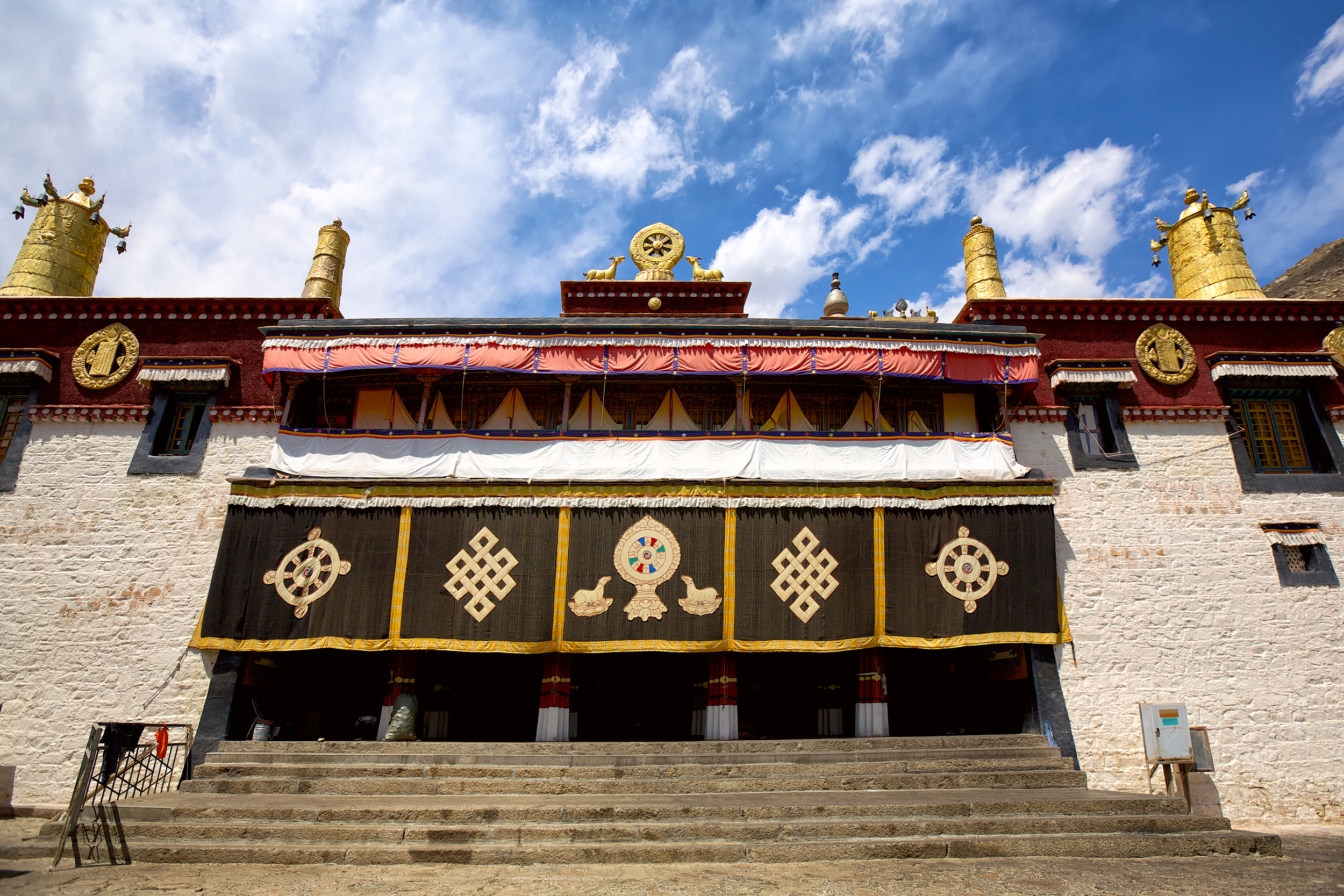
One of the six great monasteries of the Gelug school of Tibetan Buddhism, built in 1419. Famous for its debating sessions, where monks engage in lively debates under the trees every afternoon.
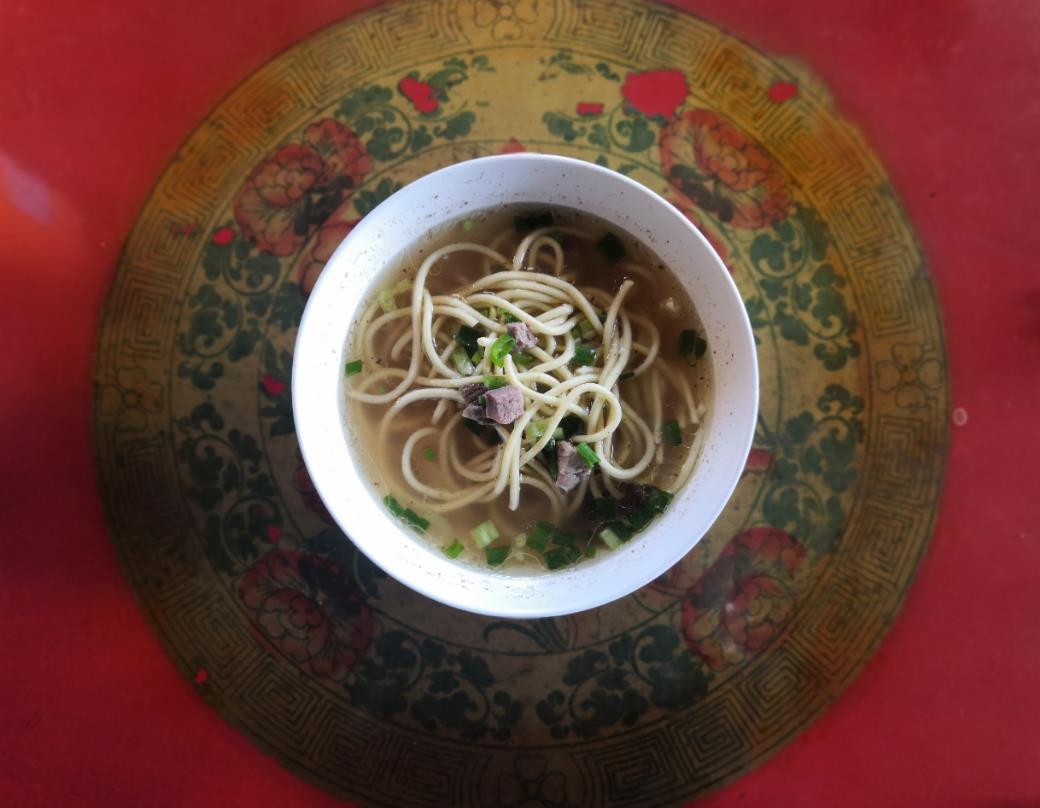
Tibetan-style noodles in a broth made from yak bones, chewy noodles topped with yak meat cubes and scallions, simple and delicious.
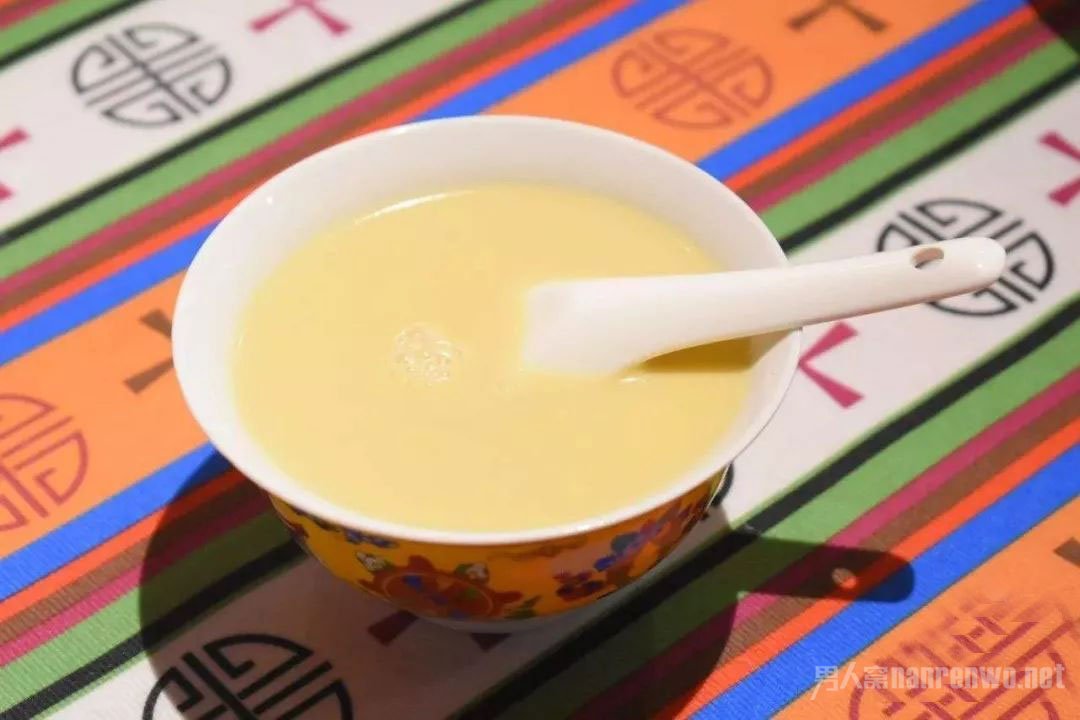
Common street drink in Lhasa, made from black tea, milk, and sugar, sweet and creamy, similar to milk tea.