
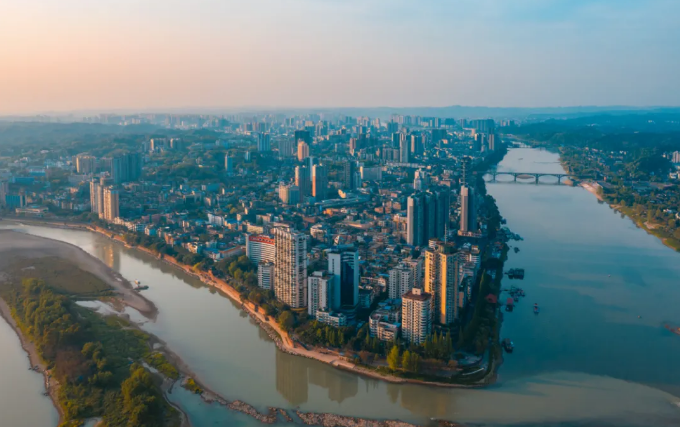
Leshan is located in the south-central part of Sichuan Province, at the confluence of the Min, Qingyi, and Dadu Rivers. It has a subtropical humid monsoon climate with four distinct seasons and abundant rainfall, with an average annual temperature of about 17°C.
With a long history, Leshan was known as Jiazhou in ancient times. As early as the Spring and Autumn period, it was part of the Shu Kingdom. The Sui Dynasty established Jiazhou, and it was elevated to a prefecture in the Qing Dynasty. Leshan is one of the important birthplaces of Shu culture, and many historical figures, such as the Song Dynasty writer Su Shi and modern painter Xu Beihong, have deep connections with Leshan.
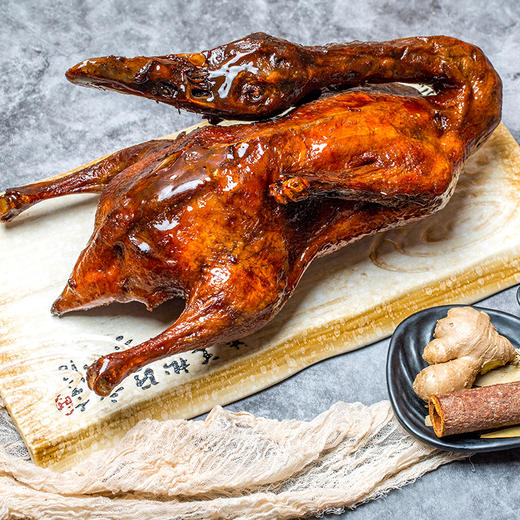
Leshan's culture is distinctive, with Buddhist culture being the most prominent. The Leshan Giant Buddha is the world's largest stone-carved Maitreya Buddha. Leshan cuisine is renowned, with representative dishes such as Qiaojiao beef, Bōbō chicken, and sweet-skinned duck, known for their fresh, spicy, and numbing flavors and diverse ingredients.
Modern Leshan is an important industrial and tourist city in Sichuan Province, with its economy dominated by tourism, manufacturing, and agriculture. The city is undergoing rapid development, with a well-established transportation network including high-speed rail and an airport, and is progressing towards becoming an international tourist destination.
The best time to visit 乐山 is Spring and Autumn (March-May, September-November).
Spring (March-May): Moderate temperatures, flowers in bloom, ideal for visiting the Leshan Giant Buddha and surrounding natural scenery.
Autumn (September-November): Clear and crisp weather, pleasant for hiking, especially the stunning autumn colors on Mount Emei.
Summer (June-August) is hot but suitable for water activities; winter (December-February) is cold, good for hot springs.
In 713, the first year of the Kaiyuan era of Tang Dynasty, monk Haitong initiated the carving of the Leshan Giant Buddha to tame the river, which took 90 years to complete in 803.
In 1996, the Leshan Giant Buddha, together with Mount Emei, was inscribed as a UNESCO World Cultural and Natural Heritage site.
In 2018, the Leshan section of the Chengdu-Guiyang high-speed railway opened, ushering Leshan into the high-speed rail era and greatly boosting tourism.
Recommended places to visit
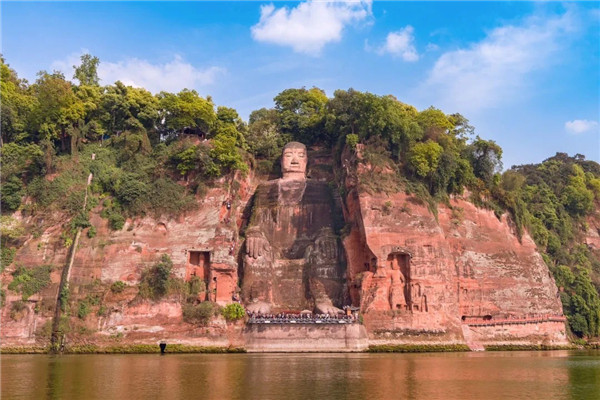
The world's largest stone-carved Maitreya Buddha, 71 meters tall, located at the confluence of the Min, Qingyi, and Dadu rivers.
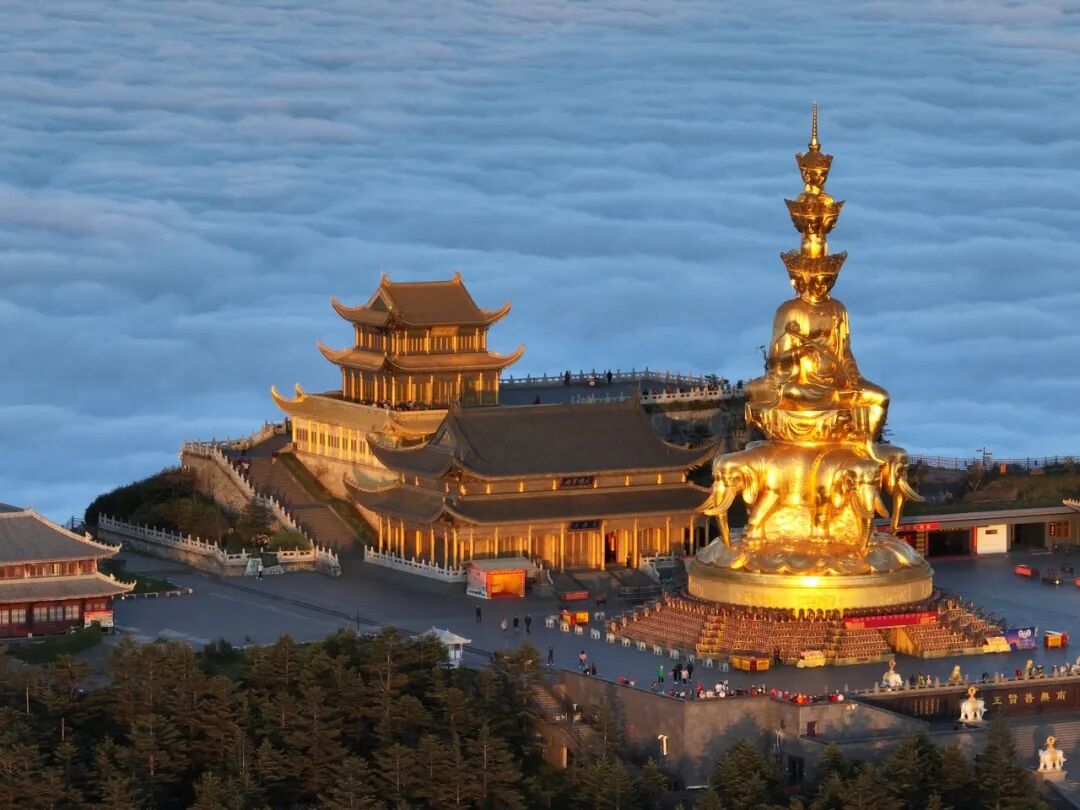
One of China's four sacred Buddhist mountains, famous for its beautiful natural scenery and long Buddhist culture.
UNESCO World Heritage Sites
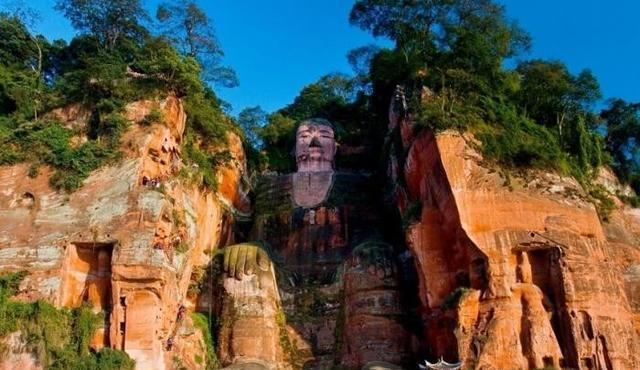
UNESCO World Cultural and Natural Heritage site, including the sacred Buddhist mountain Emei and the world's largest stone Buddha.
Must-know transportation for exploring the city
About 120 km from Leshan, accessible by airport bus or high-speed rail directly to Leshan.
Airport bus about 50 CNY, high-speed rail about 50 CNY
Served by Chengdu-Guiyang and Chengdu-Mianyang-Leshan intercity railways, about 1 hour from Chengdu.
Second-class seat from Chengdu to Leshan about 54 CNY
City bus routes cover major attractions, fare 1-2 CNY, some lines support mobile payment.
1-2 CNY
Taste the most authentic and popular local specialties
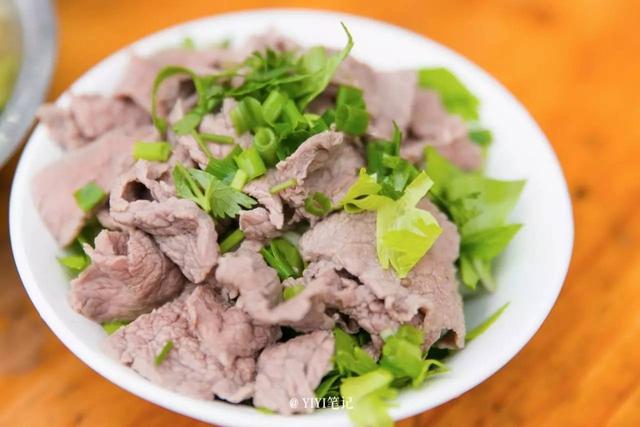
A traditional Leshan dish, beef offal stewed with various Chinese herbs, served with a spicy dipping powder.
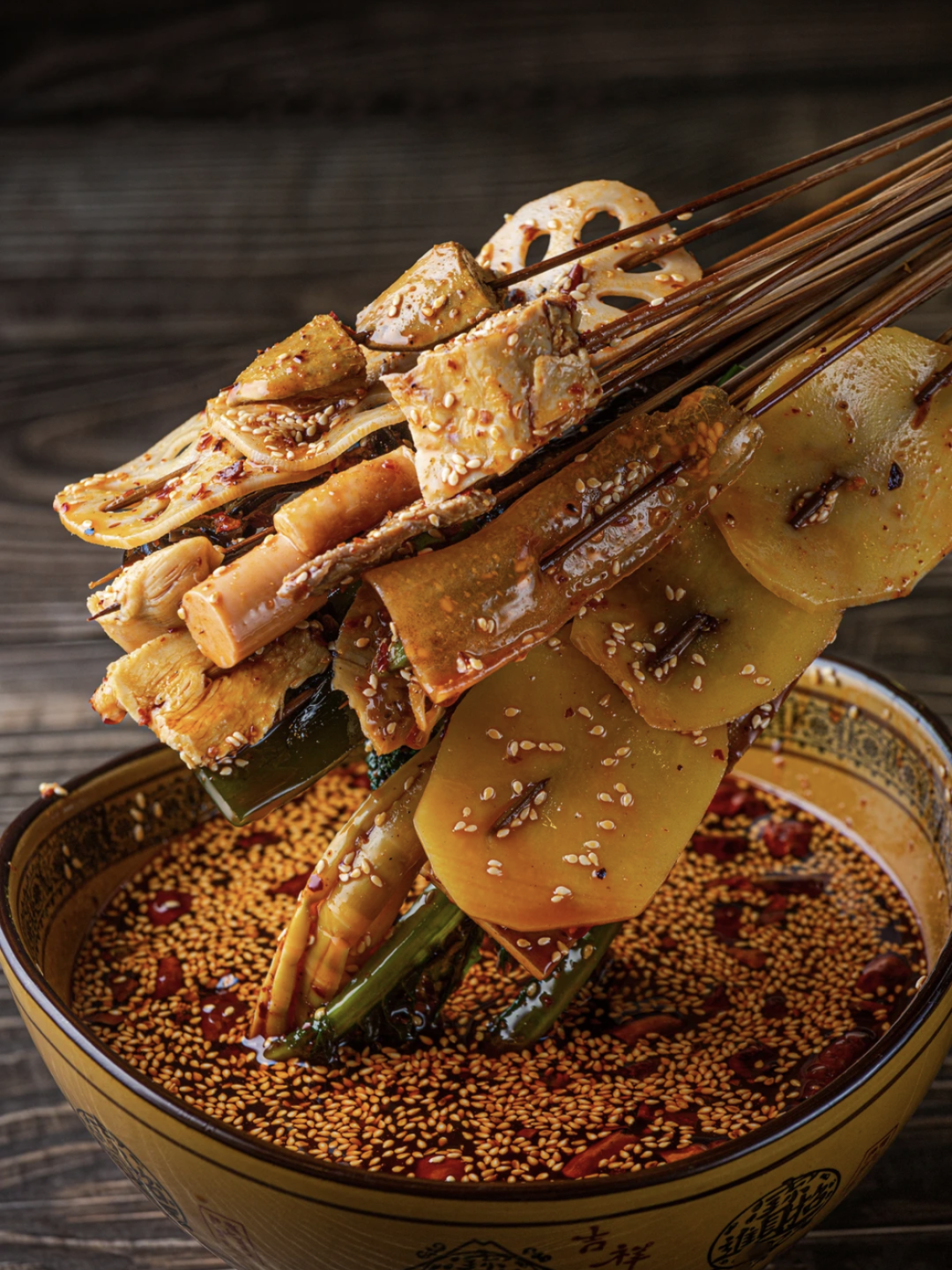
Cold pot skewers, various ingredients boiled and soaked in spicy red oil, flavorful and spicy.
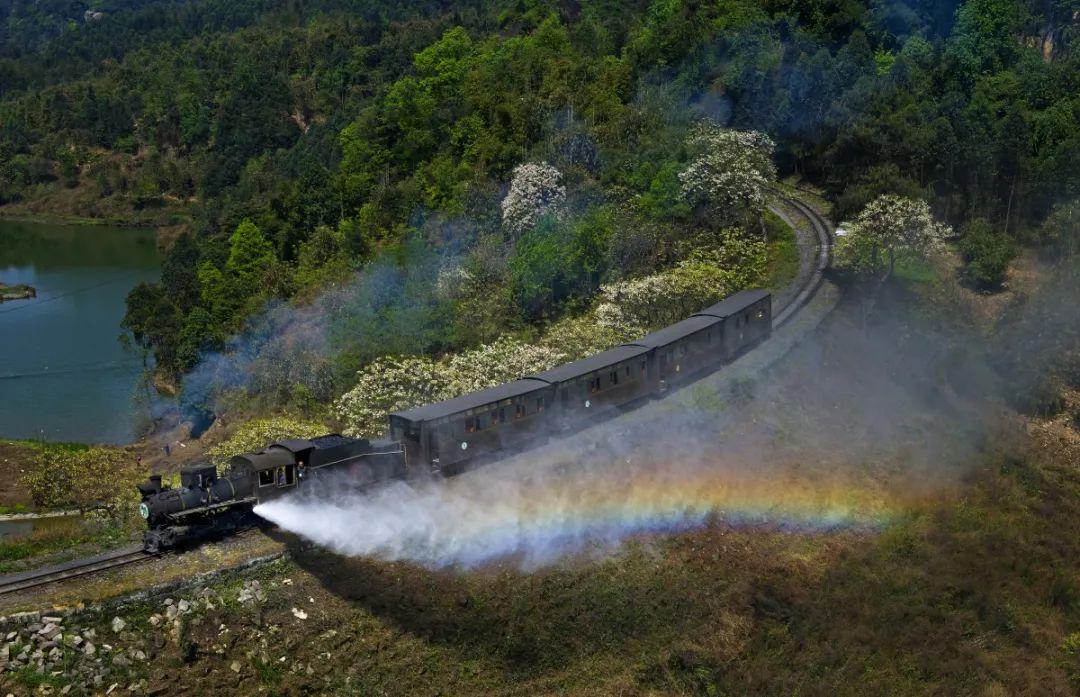
The world's only operational narrow-gauge steam train, running through rapeseed fields and mountainous areas.
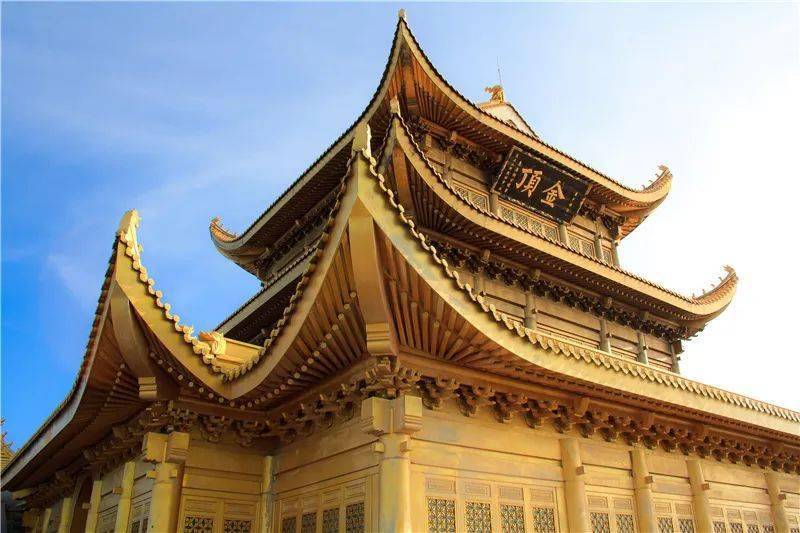
The highest peak of Mount Emei at 3079 meters, offering spectacular views of sea of clouds, sunrise, and Buddha's halo.
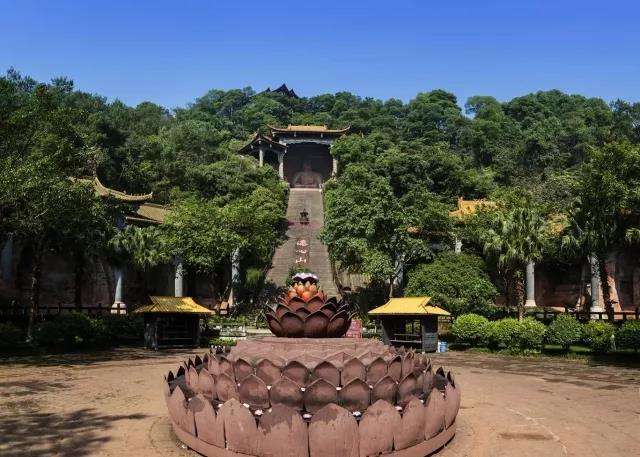
A large tourist attraction integrating Buddhist culture and carving art, featuring many exquisite Buddha statues.
A special braised duck with honey-glazed skin, reddish-brown color, crispy skin and tender meat, balanced sweet and salty.
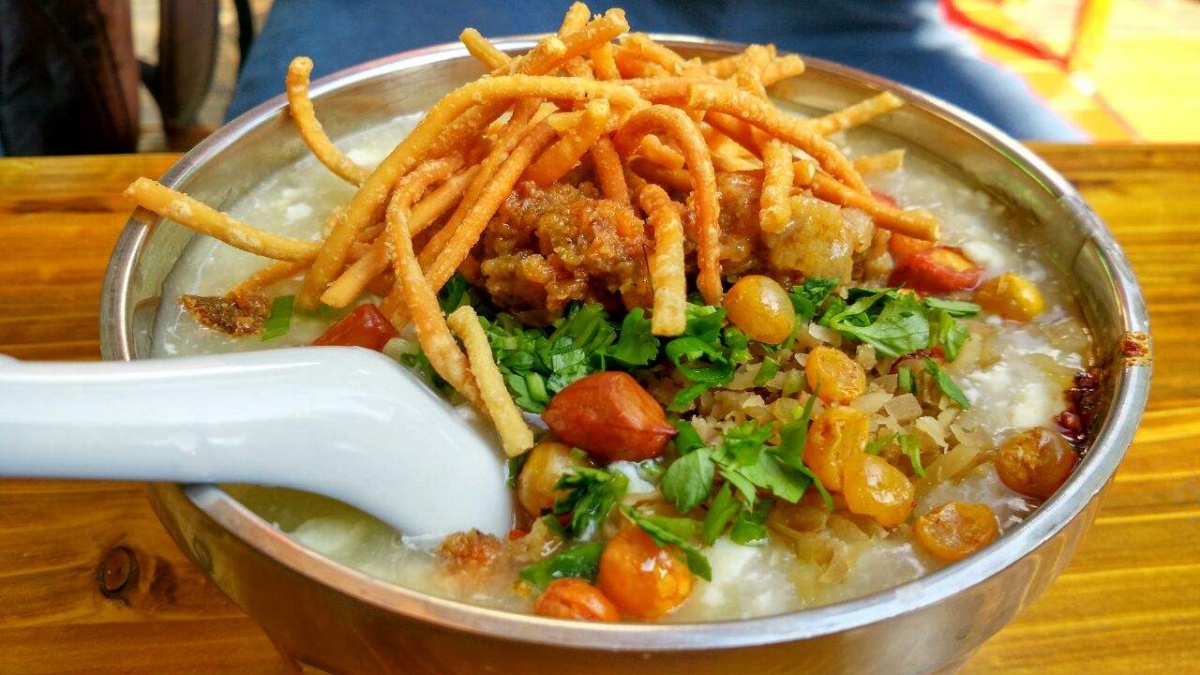
Leshan-style tofu pudding with bone broth base, topped with tofu curd, vermicelli, beef, etc., rich in texture.
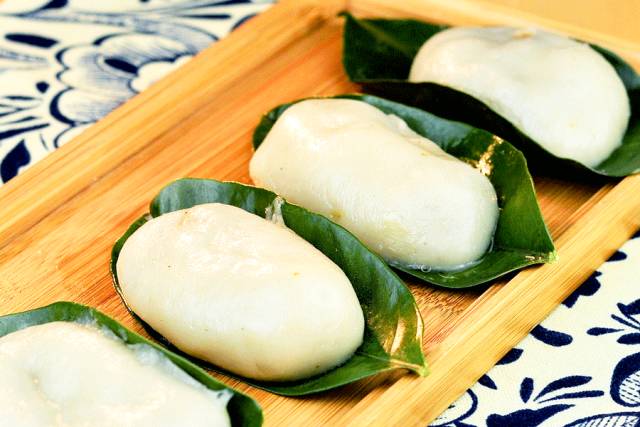
Glutinous rice dough wrapped around meat filling, steamed in banana leaves, fragrant and chewy.