
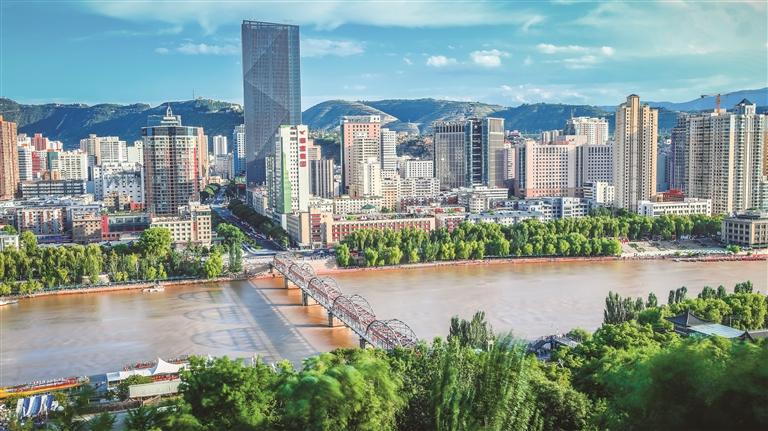
Lanzhou, the capital of Gansu Province, is located in northwestern China along the upper reaches of the Yellow River. Surrounded by mountains on both sides, the river flows through the city, forming a unique basin-like terrain. It has a temperate continental climate with four distinct seasons: cool summers and dry, cold winters, with an average annual temperature of about 10°C.
With a long history, Lanzhou was originally known as Jincheng, founded in 86 BC as an important hub on the ancient Silk Road. The Han dynasty envoy Zhang Qian and the Tang dynasty monk Xuanzang both passed through here. During the Ming dynasty, the Prince of Su moved to Lanzhou, and in the Qing dynasty it became the seat of the Gansu Governor. In modern times, it was a key industrial center in northwest China.
Lanzhou boasts a diverse culture blending Central Plains, Western Regions, and ethnic minority influences. The cultures of the Yellow River, the Silk Road, and Islam converge here. The cuisine is famous for beef noodles, along with local specialties like liangpi (cold noodles), hui douzi (sweet pea soup), and hand-grabbed lamb. The locals are warm and hospitable, with a unique Yellow River charm and the Lanzhou dialect.
Modern Lanzhou is an important industrial base and transportation hub in northwest China, with thriving sectors such as petrochemicals, equipment manufacturing, and biomedicine. Lanzhou New Area is a national-level development zone, and the city's metro system is now operational. In recent years, ecological improvements have made the Yellow River Scenic Belt a city highlight, boosting tourism appeal.
The best time to visit 兰州 is The best travel time is spring and autumn (April to June and September to November).
Spring (April to June): Temperatures rise, the banks of the Yellow River are lush with flowers and willows, making it a great time for outings and flower viewing. There are fewer tourists, providing a comfortable travel experience.
Autumn (September to November): The weather is crisp, and melons and fruits are fragrant. Lanzhou's specialties such as Bailan melon and lily are in harvest, making it the best season to taste local food.
Summer (July to August) is relatively cool but can have occasional high temperatures; winter (December to February) is dry and cold but offers ice and snow activities and authentic winter cuisine.
Jincheng County was established in the Western Han Dynasty, marking the beginning of Lanzhou's city history and becoming an important node on the Silk Road.
During the Kangxi period of the Qing Dynasty, Lanzhou officially became the capital of Gansu Province, and has since been the political, economic, and cultural center of the province.
Recommended places to visit
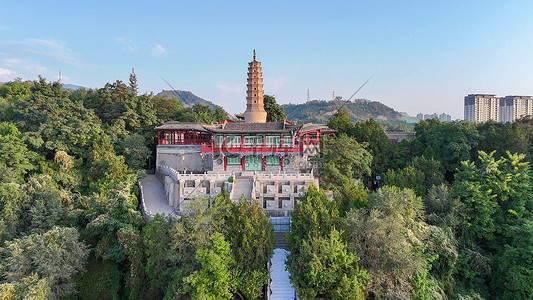
Located on the north bank of the Yellow River, named after the white pagoda on the hill. Climbing the mountain offers a panoramic view of Lanzhou and the Yellow River Iron Bridge, one of Lanzhou's iconic attractions.
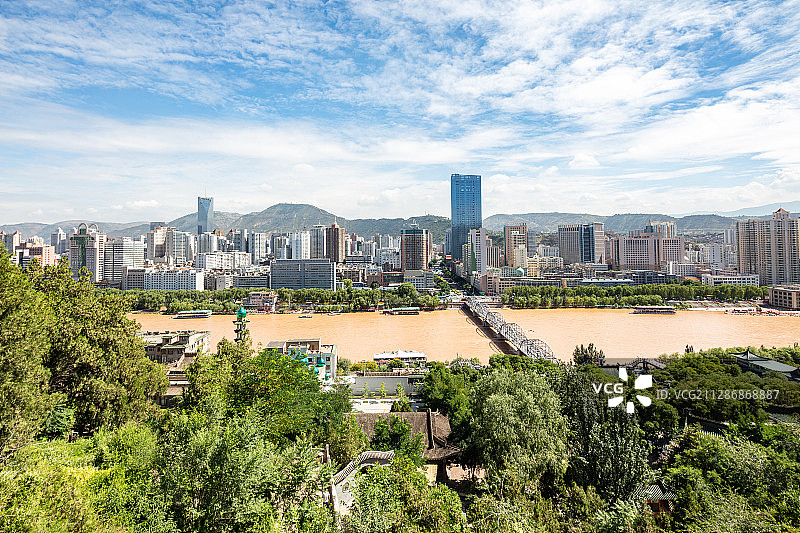
Commonly known as the Yellow River Iron Bridge, built in 1907, it is the first iron bridge over the Yellow River. Now a pedestrian bridge, its night view is enchanting.
UNESCO World Heritage Sites
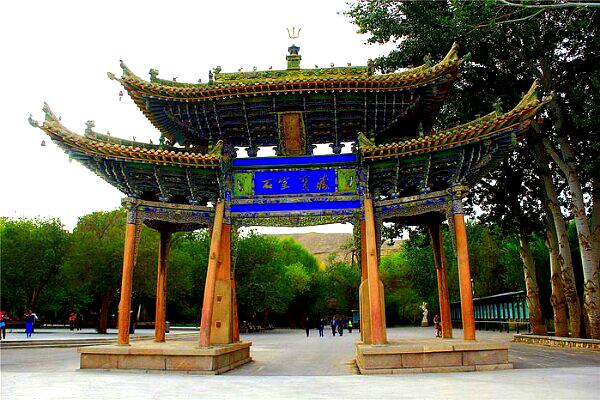
Located in Dunhuang, Gansu, about 1100 km from Lanzhou, it is the largest and richest Buddhist art sanctuary in the world. Although not in Lanzhou city, it is often included in Lanzhou tour itineraries as a Gansu representative.
Explore rich intangible cultural heritage and traditional crafts
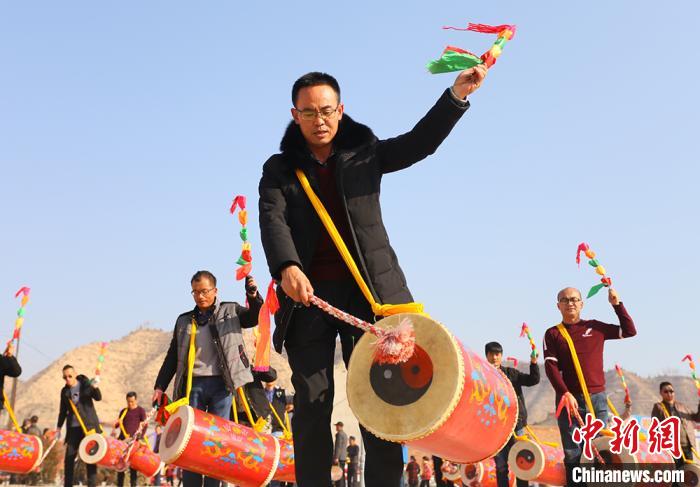
A traditional dance in Lanzhou area, with powerful drumbeats and bold movements, used for festival blessings, a national intangible cultural heritage.
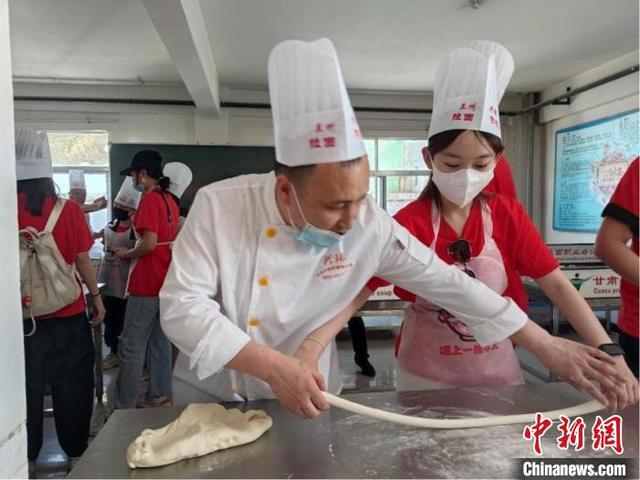
The traditional craftsmanship of Lanzhou beef noodles, including ingredient selection, dough mixing, pulling, and broth seasoning, listed as Gansu provincial intangible cultural heritage.
Must-know transportation for exploring the city
Located in Lanzhou New Area, about 70 km from city center, with domestic and international flights. Accessible by airport bus, intercity railway, or taxi.
Airport bus 30 RMB, intercity railway 20 RMB
Major high-speed rail station connecting Xi'an, Urumqi, Xining, etc., a northwest railway hub. Accessible by metro line 1 and buses.
High-speed rail fare depends on distance
Extensive bus network covering the city, fare 1-2 RMB, some lines are BRT. Supports QR code payment.
1-2 RMB
Taste the most authentic and popular local specialties
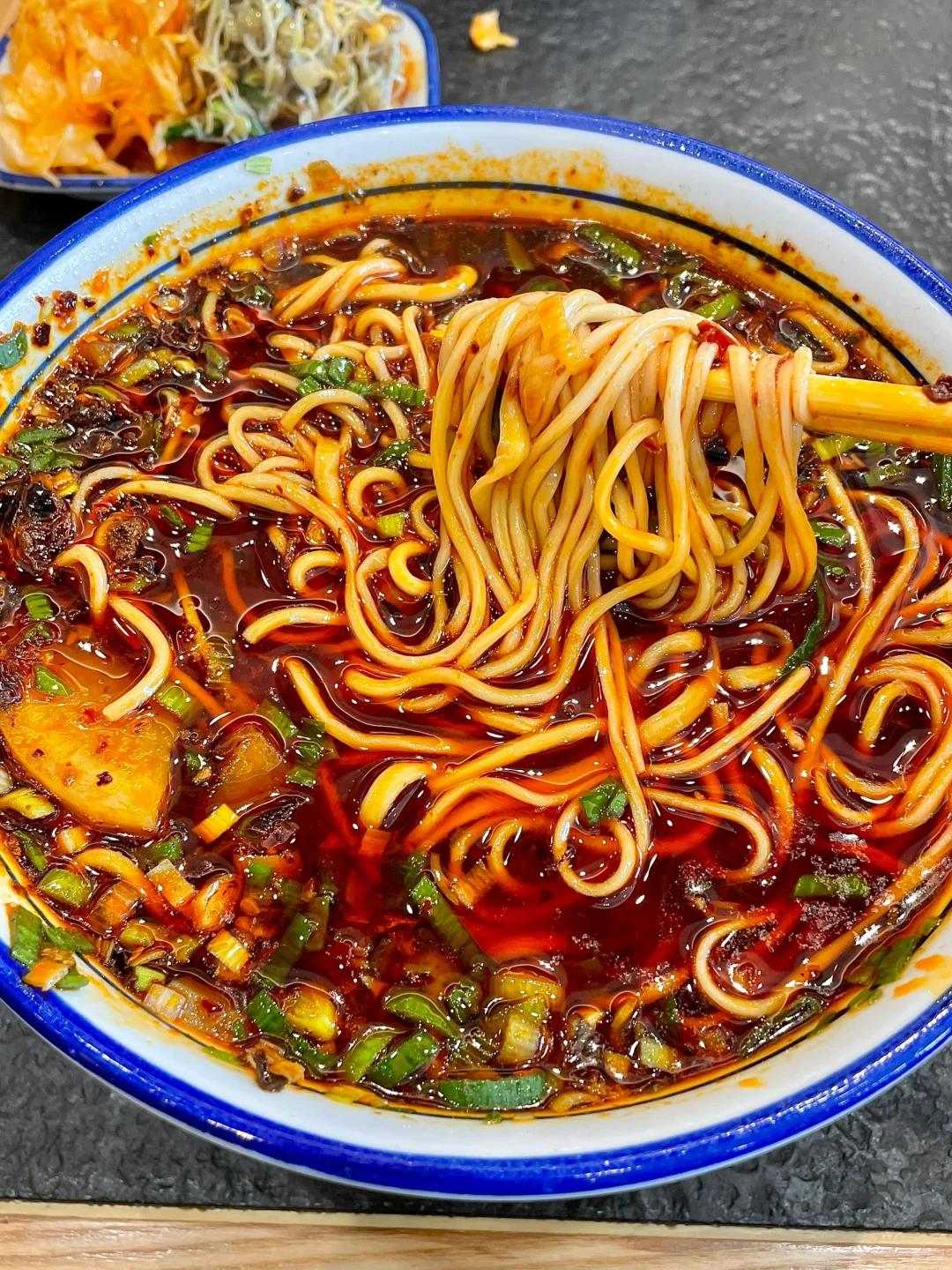
The most famous Lanzhou dish, featuring clear broth, white radish, red chili, green garlic sprouts, and yellow noodles.

Cold noodles made from flour, cut into strips and mixed with vinegar, chili oil, garlic paste, etc., smooth and chewy.
The railway from Tianshui to Lanzhou opened, connecting to the Longhai Railway, greatly improving Lanzhou's transportation and promoting industrial development.
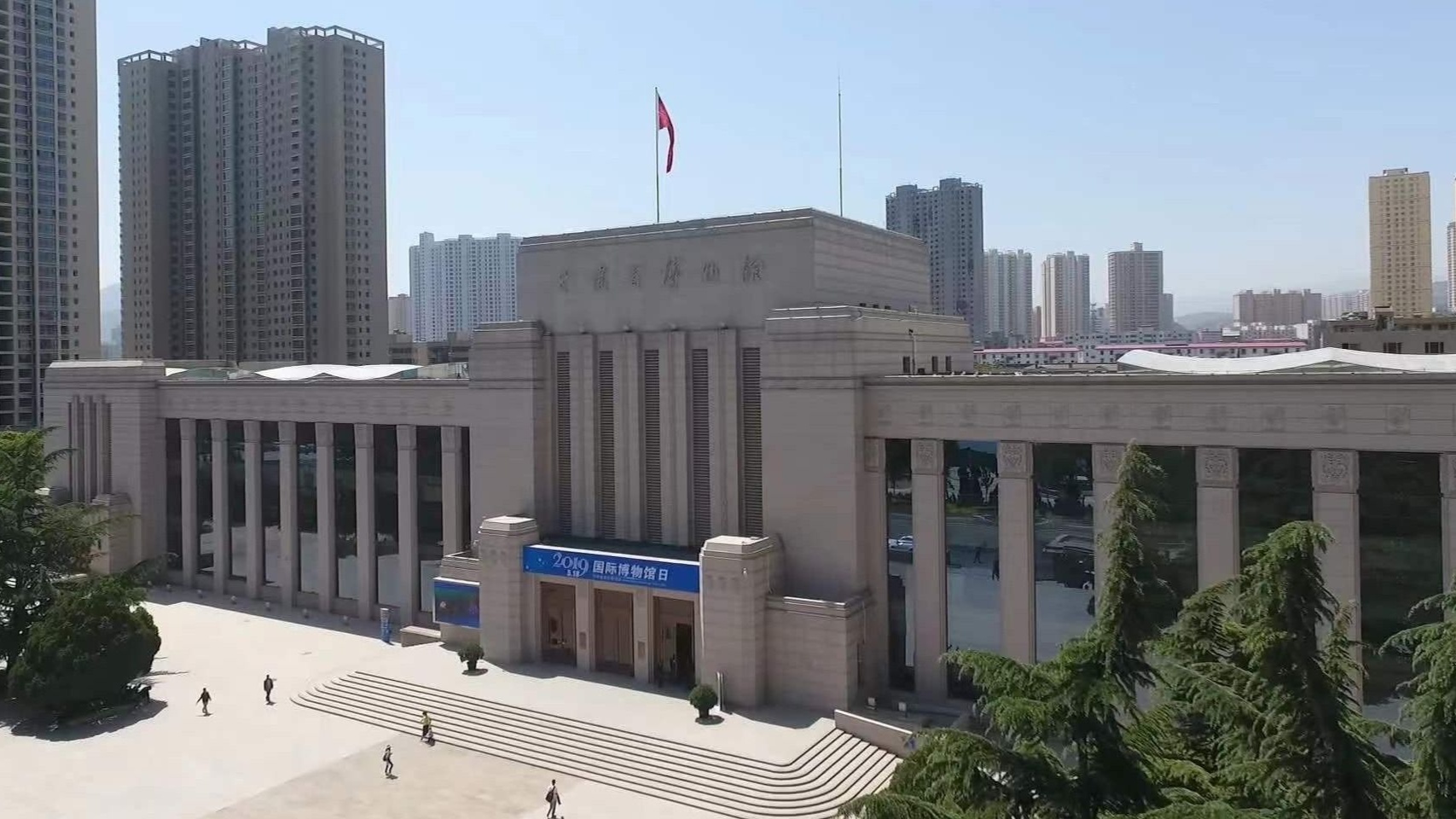
A national first-class museum with rich collections, famous for Majiayao painted pottery, Han dynasty bamboo slips, and Silk Road artifacts.
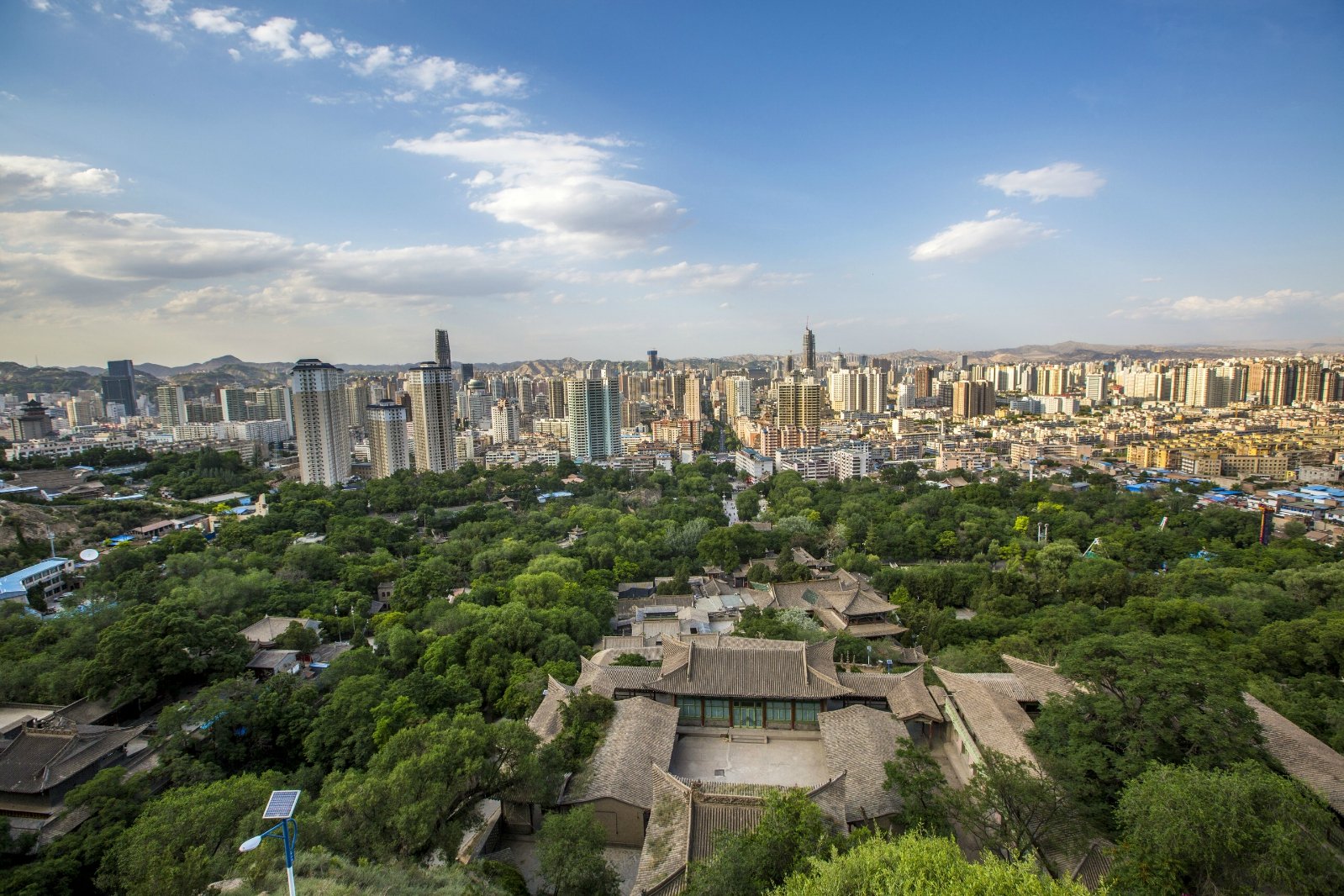
Named after five springs: Ganlu, Juyue, Mozi, Hui, and Meng. It is Lanzhou's oldest park, featuring Ming and Qing architecture.
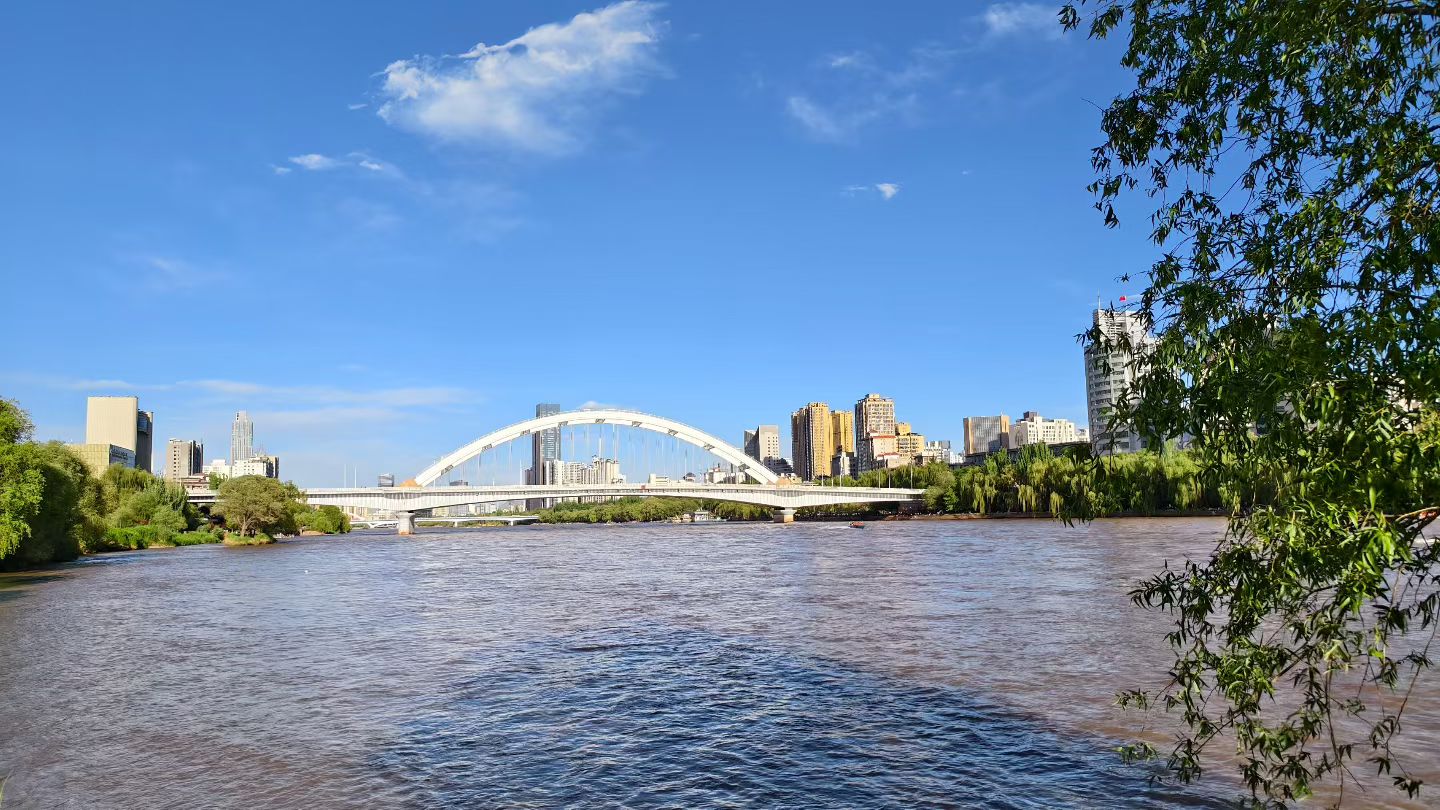
A riverside park built along both banks of the Yellow River, about 40 km long, including attractions such as the Waterwheel Garden and the Yellow River Mother Sculpture.
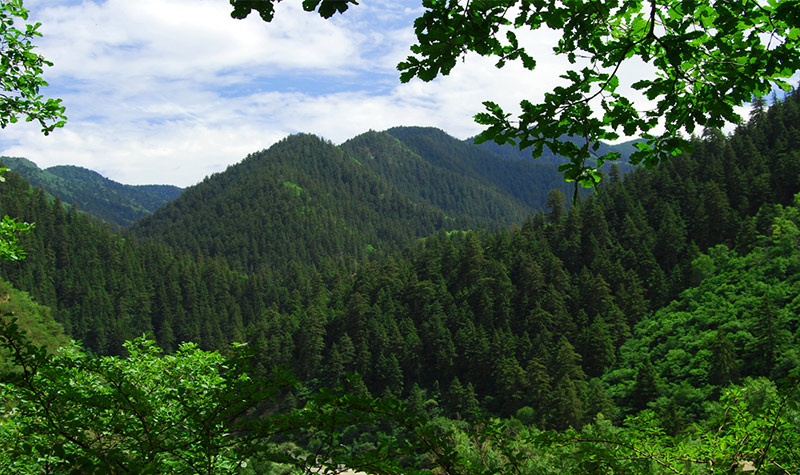
A national 4A scenic area in Yuzhong County, known as 'the number one mountain in Longyou', famous for forests and snow scenery, a summer resort.
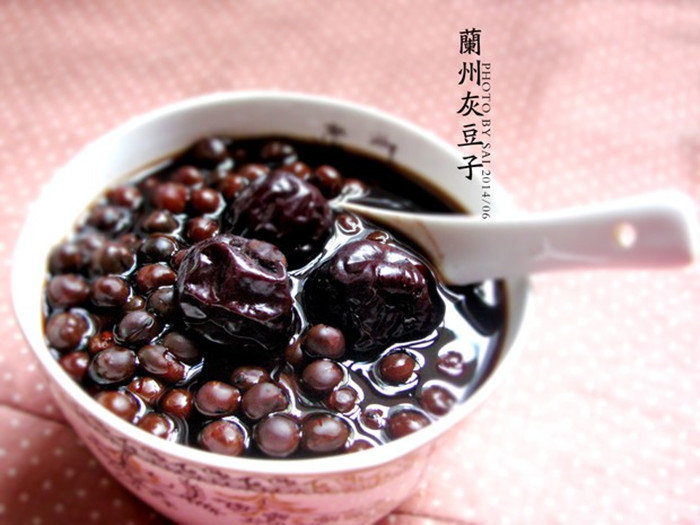
A sweet soup made from gray peas, with red dates and sugar, thick and smooth, a traditional winter dessert.
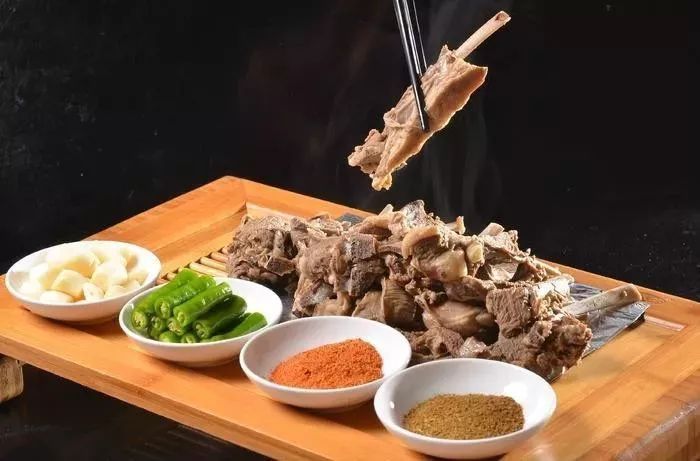
Selected high-quality lamb from Gansu, boiled in plain water and eaten with pepper salt, tender and flavorful.
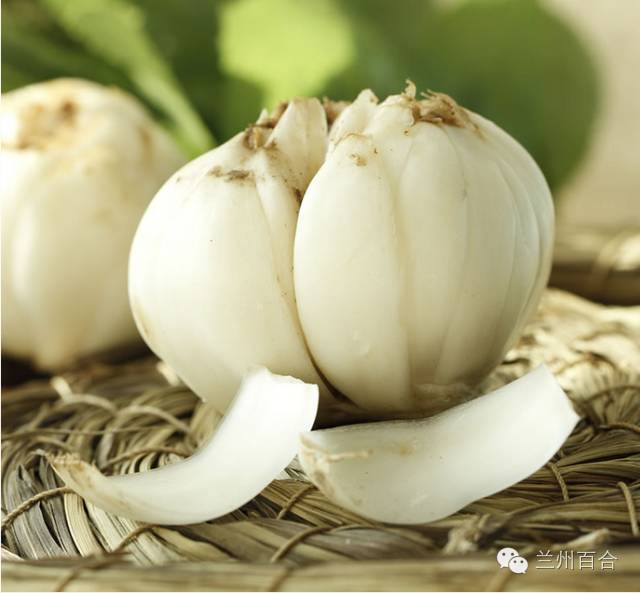
A Lanzhou specialty, with large, thick, white petals, can be steamed or stir-fried, sweet and sticky, beneficial for lung health.
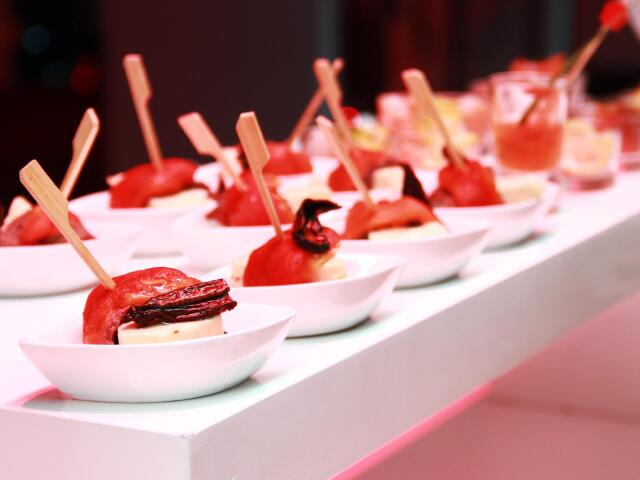
A hot drink made from Lanzhou winter pear, rock sugar, red dates, and wolfberries, a winter warmer.