
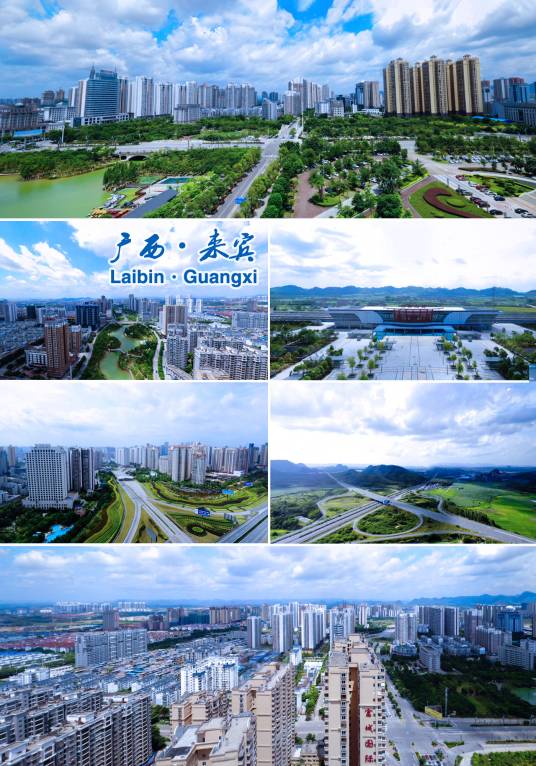
Laibin is located in the central part of Guangxi Zhuang Autonomous Region, along the Hongshui River. It lies near the Tropic of Cancer and features a subtropical monsoon climate with distinct seasons and abundant rainfall. The annual average temperature is 20.3°C.
Laibin has a long history. It belonged to Guilin Commandery in the Qin Dynasty and was established as a prefecture in the Tang Dynasty. In 1956, Laibin County was established, and it was upgraded to a prefecture-level city in 2002. It is an important birthplace of Pangu culture.
Laibin is a Zhuang-concentrated area, with Zhuang people accounting for about 75% of the population. It boasts unique Zhuang songs, Zhuang brocade, and Shigong opera. Local cuisine features Luosifen (snail rice noodles), bamboo tube rice, and five-color glutinous rice.
In recent years, Laibin has leveraged the Hongshui River resources to develop eco-tourism, built the Sanjiangkou New District, and advanced modern agriculture and new energy industries. The city's landscape is changing rapidly.
The best time to visit 来宾 is Spring and autumn are the best seasons to visit Laibin.
Spring (March to May) has pleasant temperatures and blooming flowers, ideal for outdoor activities and flower viewing.
Autumn (September to November) is cool with beautiful Hongshui River scenery, great for photography and hiking.
Summer is hot and rainy, winter mild and dry. Summer offers water activities, winter features Zhuang festivals.
After Qin Shi Huang unified Lingnan, the area of present-day Laibin came under the jurisdiction of Guilin Prefecture.
In 1956, with the approval of the State Council, Laibin County was established, under the jurisdiction of Liuzhou Prefecture.
In December 2002, the State Council approved the abolition of Liuzhou Prefecture and Laibin County, and established Laibin as a prefecture-level city.
Recommended places to visit
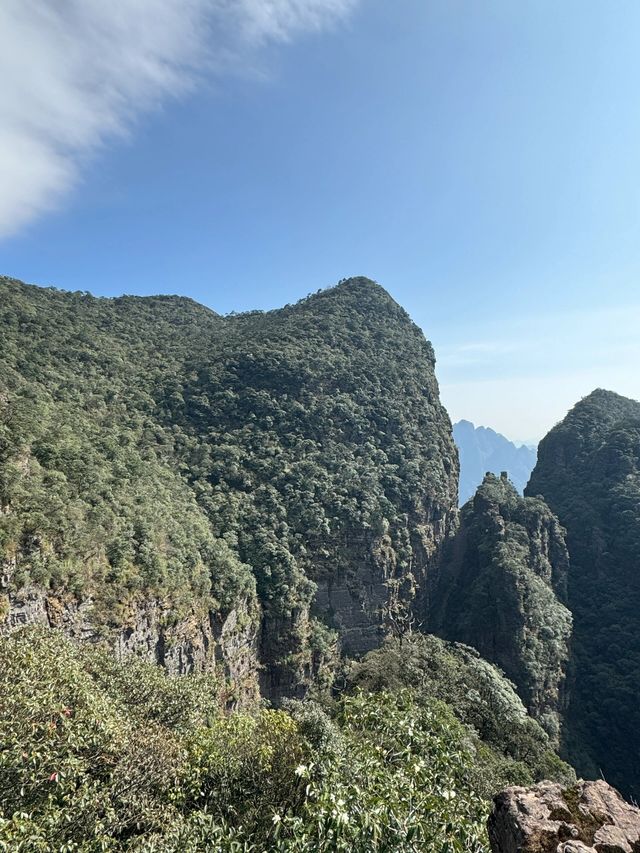
Shengtang Mountain, located in Jinxiu Yao Autonomous County, is 1,979 meters above sea level, the third highest peak in Guangxi, known for Danxia landforms and sea of clouds. It is a national 4A scenic area.
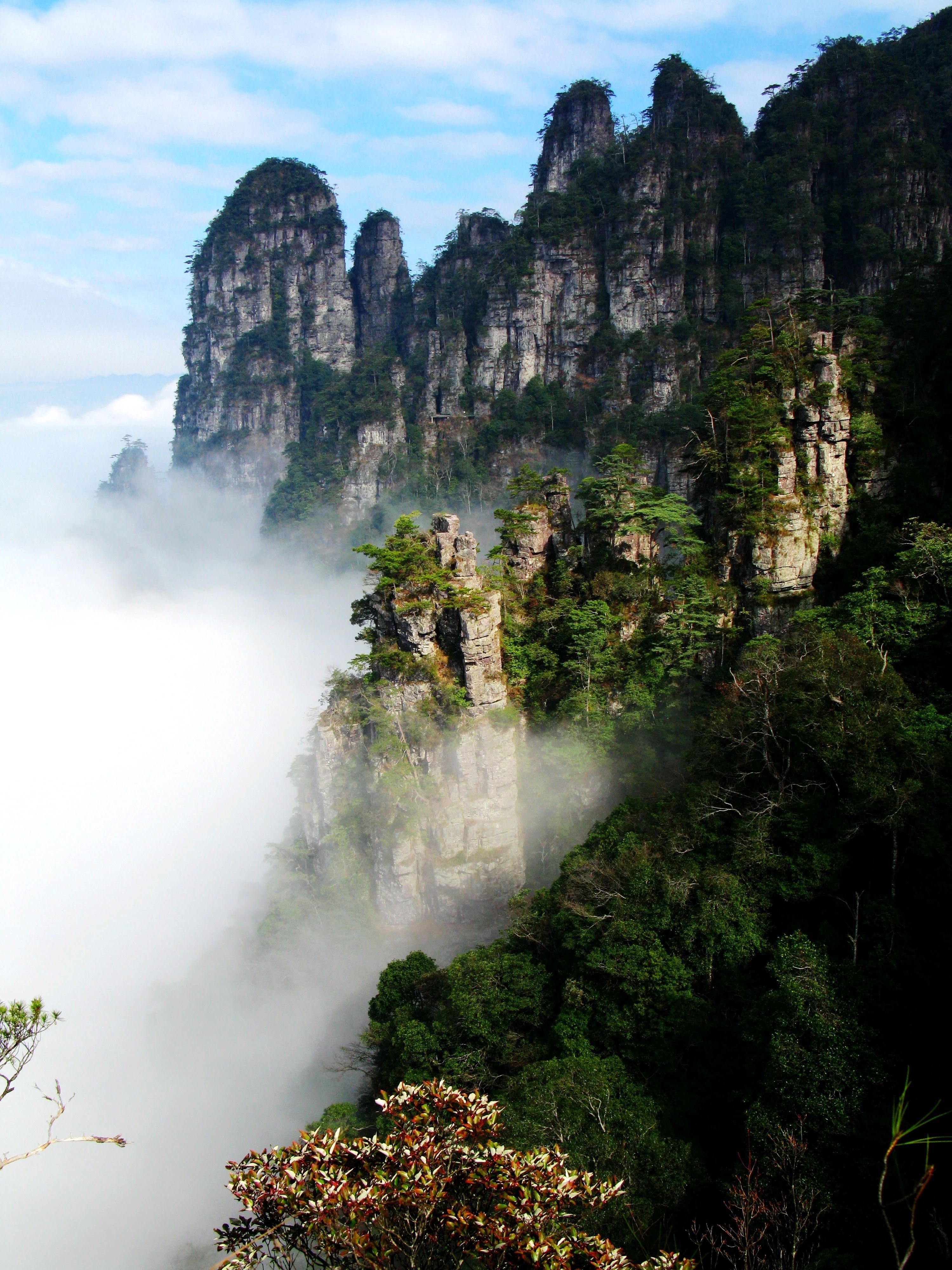
Lotus Mountain, located in Jinxiu County, is famous for its unique Danxia peak forest and Yao culture. It is a national 4A scenic area.
Explore rich intangible cultural heritage and traditional crafts
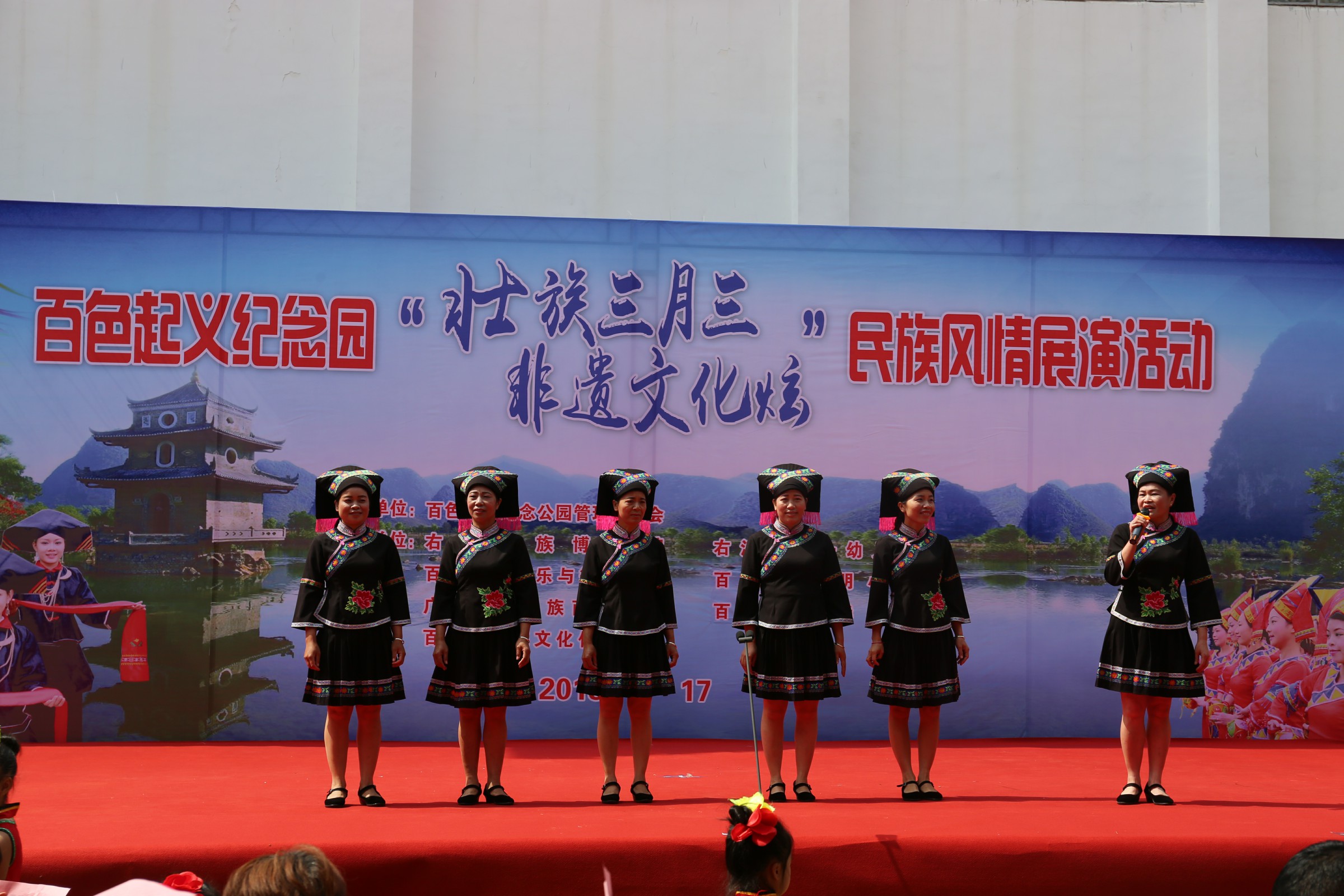
The Zhuang San Yue San Festival is a traditional song festival held on the third day of the third lunar month, featuring antiphonal singing and throwing embroidered balls. Laibin, as a Zhuang area, celebrates it grandly.
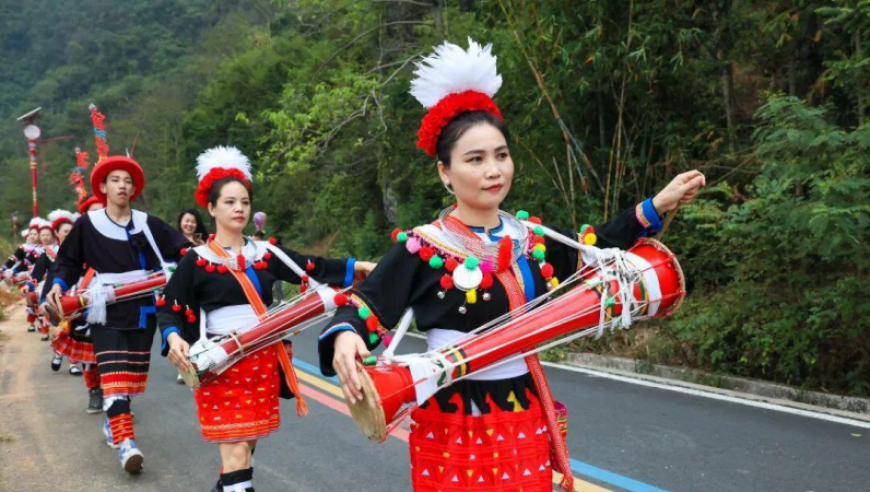
The Yao Panwang Festival is a traditional festival to commemorate the ancestor Panwang, held on the 16th day of the tenth lunar month, with rituals, songs, and dances. Jinxiu Yao Autonomous County is an important inheritance site.
Must-know transportation for exploring the city
Laibin North Station is located in the city, with high-speed trains to Nanning, Liuzhou, Guilin, Guangzhou, etc., offering convenient transportation.
About 70 RMB from Nanning to Laibin
Laibin city has multiple bus routes covering major attractions and commercial areas, with fares of 1-2 RMB.
1-2 RMB
Laibin has no civil airport. Visitors can fly to Nanning Wuxu International Airport or Guilin Liangjiang International Airport, then transfer by high-speed rail or bus to Laibin.
About 60 RMB from Nanning to Laibin by bus
Taste the most authentic and popular local specialties
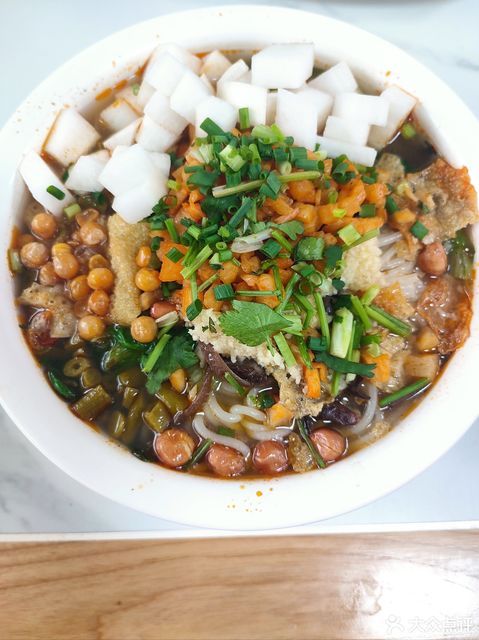
Luosifen is the most representative dish of Laibin, featuring sour, spicy, and savory snail soup with rice noodles, served with pickled bamboo shoots, tofu skin, etc.
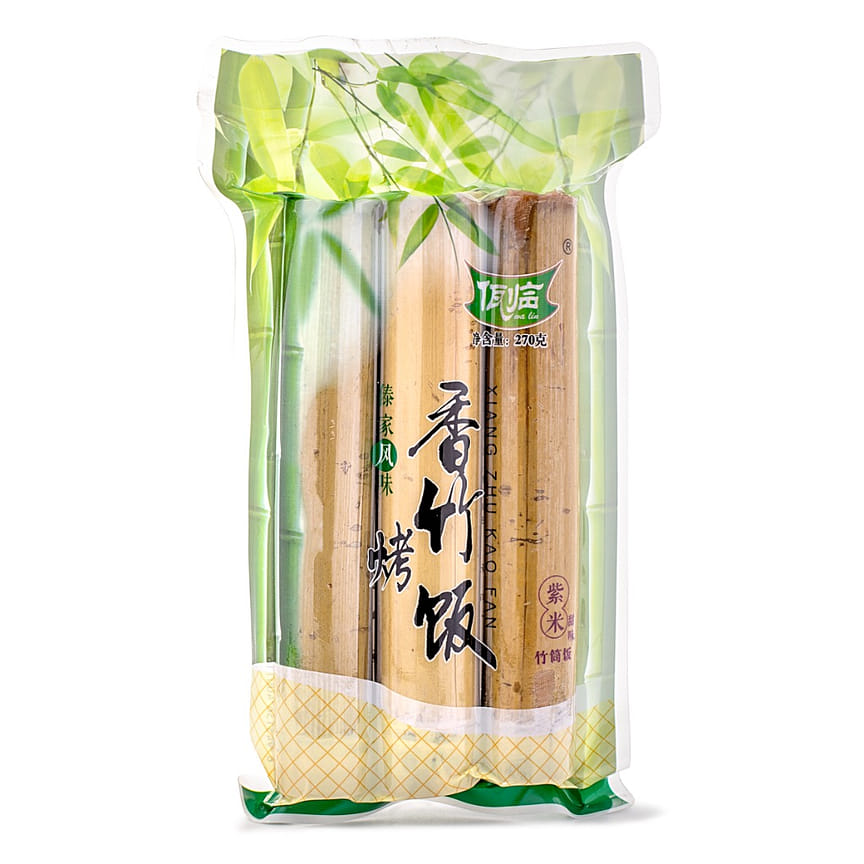
Bamboo rice is made by grilling glutinous rice and ingredients in bamboo tubes, giving it a fragrant bamboo aroma. It is a traditional Zhuang dish.
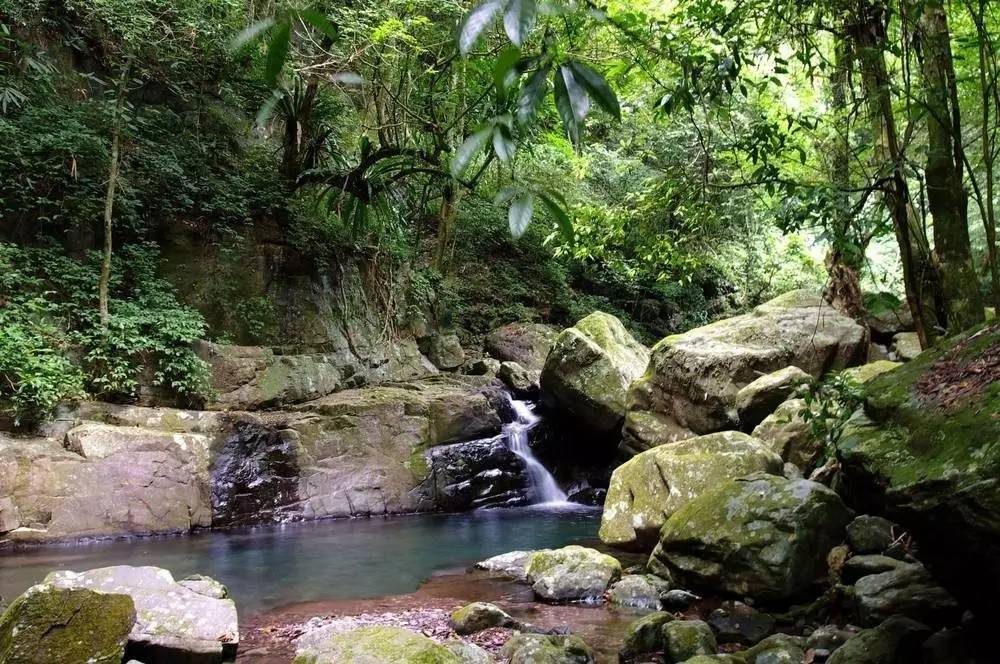
Baiya Grand Canyon, located in Wuxuan County, is known for its canyon, waterfalls, and primitive forest. It is a national 4A scenic area.
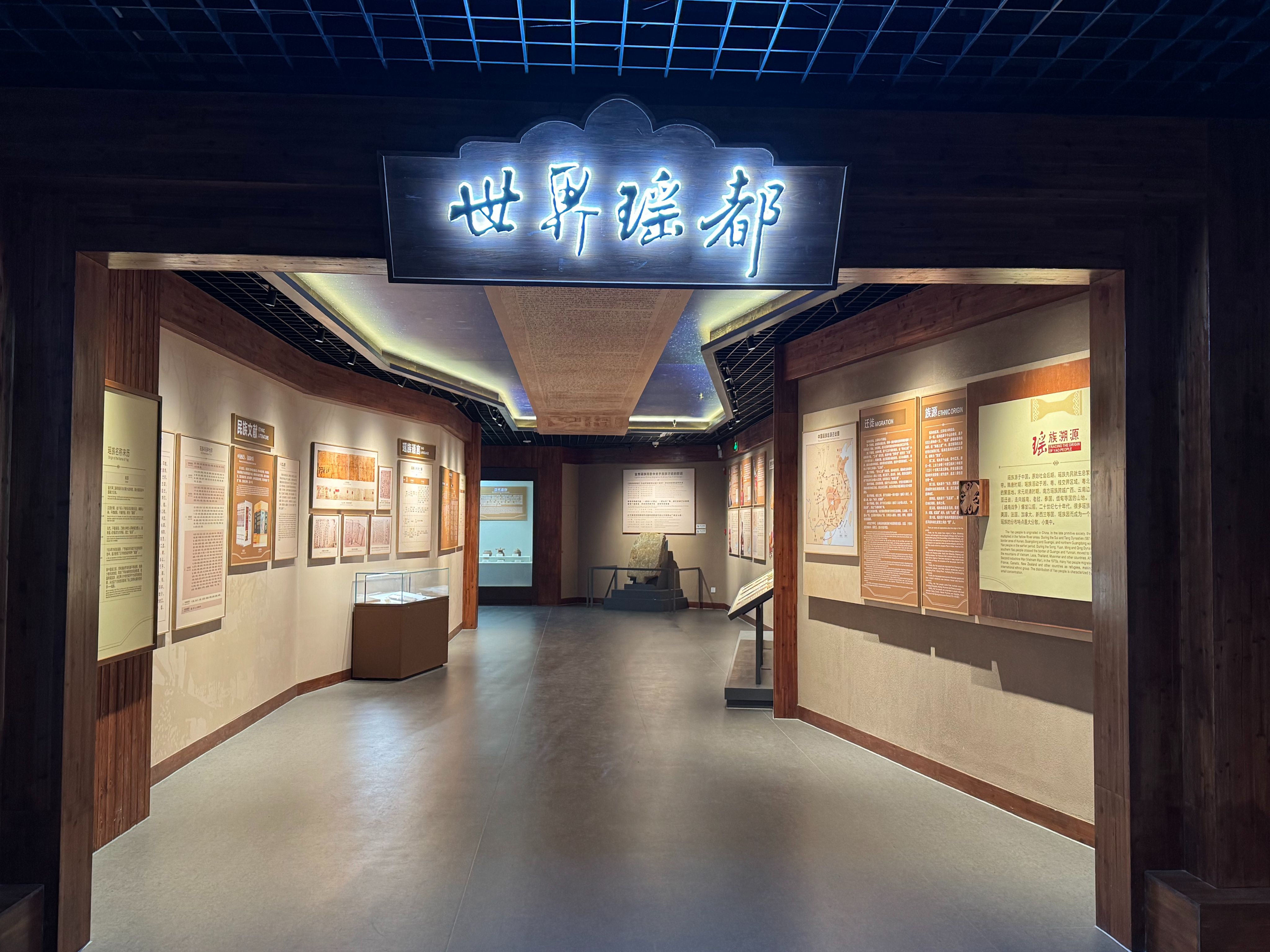
Jinxiu Yao Museum is the first Yao museum in China, showcasing Yao history, culture, and costumes.
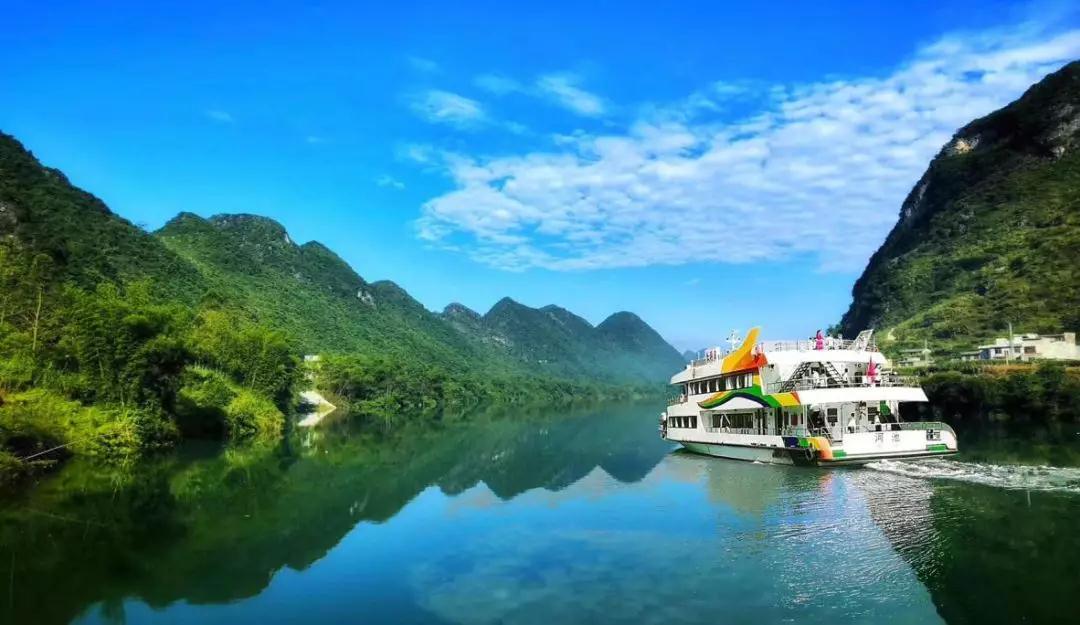
The Hongshui River Hundred-li Gallery is a scenic belt along both banks of the Hongshui River, known for its strange peaks, clear water, and rural scenery.
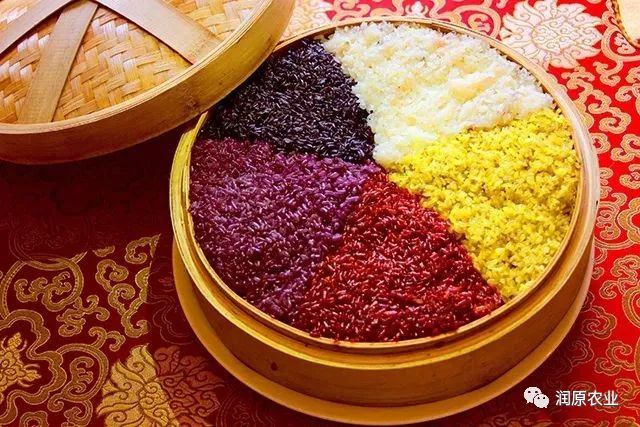
Five-color glutinous rice is dyed with natural plant dyes in five colors, an essential food for the Zhuang San Yue San festival.
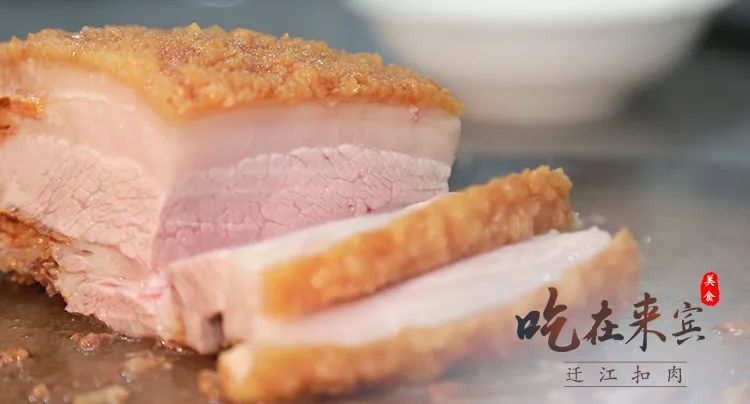
Laibin braised pork belly uses pork belly as the main ingredient, through boiling, frying, and steaming, resulting in tender meat that is fatty but not greasy.
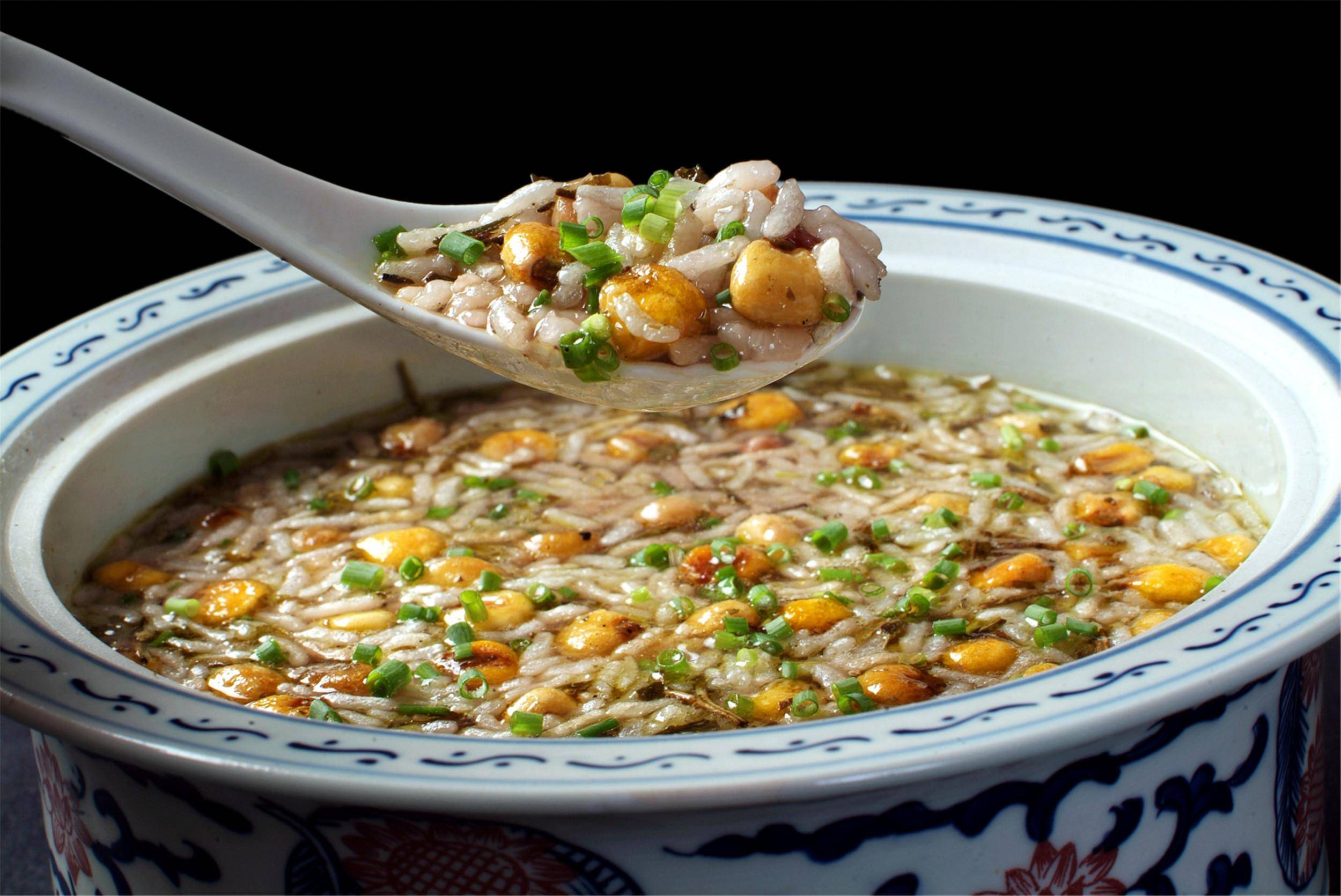
Yao oil tea is made by pounding tea leaves, ginger, and garlic, then boiling, served with fried rice and peanuts. It is a traditional Yao hospitality drink.