
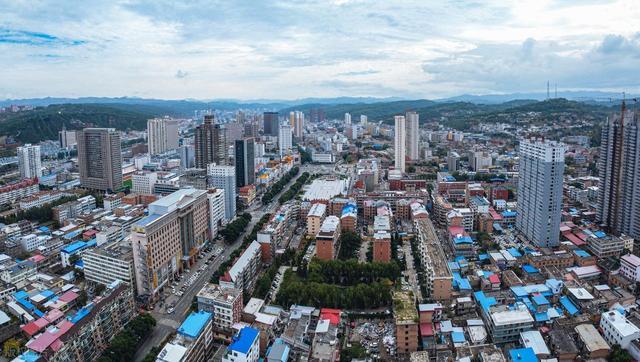
Lüliang City is located in western Shanxi Province, in the middle reaches of the Yellow River and the hinterland of the Loess Plateau. The terrain is higher in the east and lower in the west, with a temperate continental monsoon climate and four distinct seasons: dry and windy spring, hot and rainy summer, cool and pleasant autumn, and cold with little snow in winter.
Lüliang has a long history, with administrative divisions dating back to the Spring and Autumn period, making it one of the important birthplaces of Chinese civilization. During the Anti-Japanese War and the Liberation War, Lüliang was an old revolutionary base area, producing heroes like Liu Hulan and leaving behind a rich red cultural heritage.
Lüliang has a unique culture, represented by Fenjiu culture, Yellow River culture, and Loess culture. Local cuisine is mainly based on noodles, such as knife-cut noodles and oat noodle rolls, with specialty dishes like Fenjiu beef and Yellow River carp, offering distinctive flavors.
Modern Lüliang relies on resources such as coal and bauxite for industrial development, while actively transitioning to green industries like cultural tourism and modern agriculture. Urban infrastructure is constantly improving, and the transportation network is becoming increasingly convenient, moving towards an ecologically livable city.
The best time to visit 吕梁 is Spring and Autumn (April-May, September-October).
Spring (April-May) sees rising temperatures and blooming apricot and peach blossoms, ideal for outings and visiting Qikou Ancient Town.
Summer (June-August) is hot and rainy, but mountainous areas are cool; you can go to North Wudang Mountain for summer retreat and experience Yellow River rafting.
Autumn (September-October) is crisp and clear with colorful forests, the best time to enjoy the Loess Plateau autumn scenery and taste harvest delicacies.
During the Spring and Autumn period, the Lüliang area belonged to the State of Jin, later under the State of Zhao, serving as a meeting point between the Central Plains and northern ethnic groups.
In 1947, 15-year-old heroine Liu Hulan was killed by Kuomintang reactionaries in Wenshui County, Lüliang. Mao Zedong inscribed for her 'A great life, a glorious death.'
In 1971, Lüliang Prefecture was officially established, and in 2003 it was upgraded to a prefecture-level city, Lüliang City.
Recommended places to visit
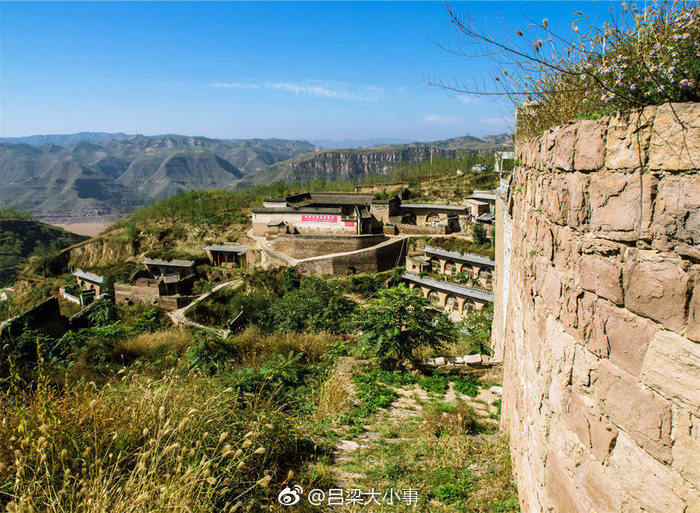
Located in Lin County, Qikou Ancient Town is a historic town on the Yellow River, preserving many ancient buildings from the Ming and Qing dynasties, known as 'the first town on the winding Yellow River.'

Mount Wudang (North) is a famous Taoist mountain in Fangshan County, known for its steep terrain and ancient architecture, reputed as 'the number one mountain in Shanxi.'
Explore rich intangible cultural heritage and traditional crafts
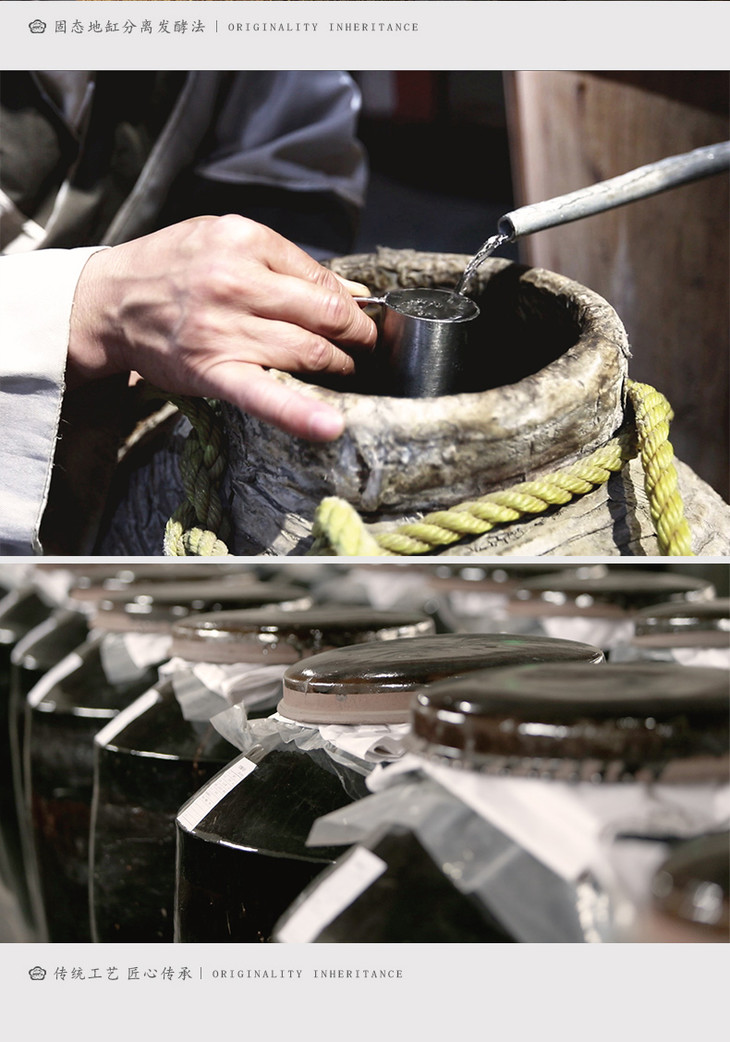
The Fenjiu brewing technique is a national intangible cultural heritage, using a double-clear steaming process, with a long history, known as 'the source of national liquor.'
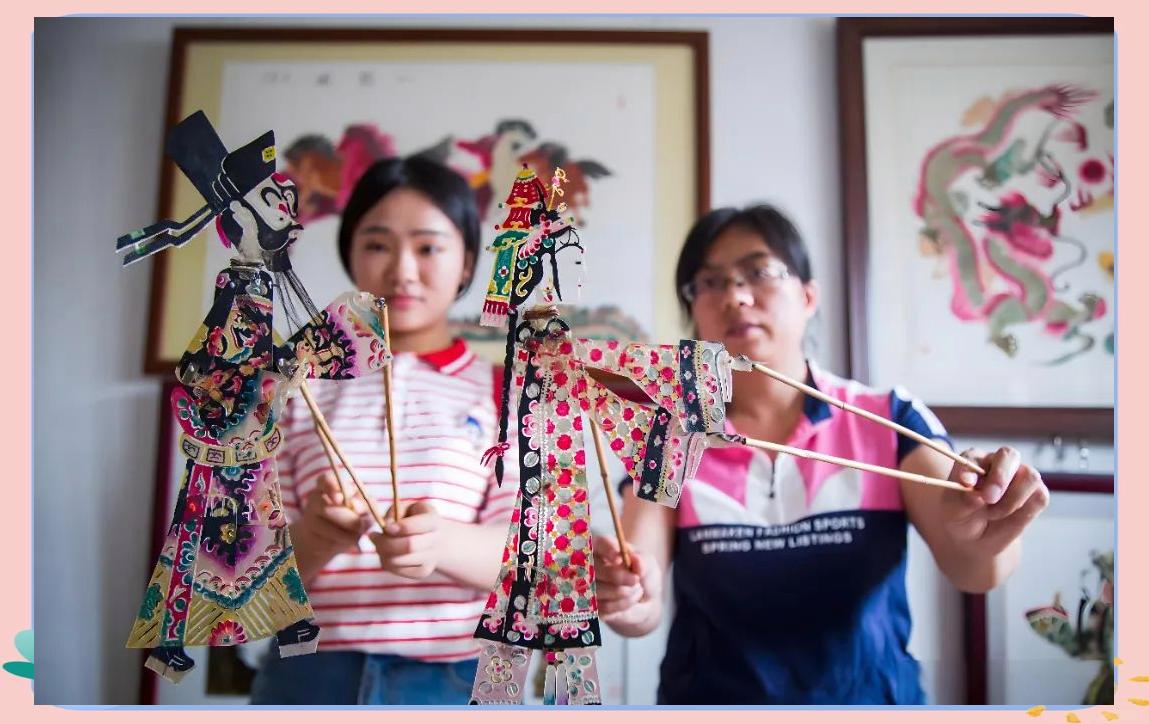
Xiaoyi shadow puppetry is a national intangible cultural heritage, using cowhide carvings, performed with local opera tunes, unique in style.
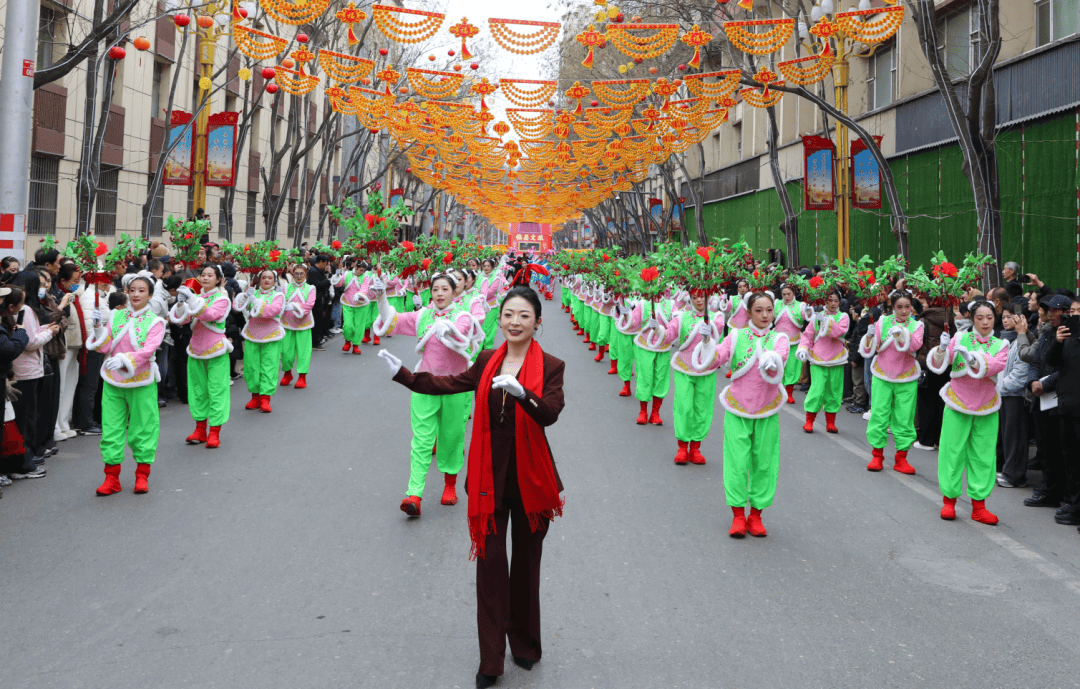
Lin County Santou Yangge is a national intangible cultural heritage, using umbrellas as props, singing and dancing, a living inheritance of Yellow River culture.
Must-know transportation for exploring the city
Lüliang Airport is located in Fangshan County, with flights to major cities like Beijing, Shanghai, and Guangzhou. Airport buses go directly to the city center.
Ticket prices vary
Lüliang Railway Station is located in Lishi District, an important stop on the Taiyuan-Zhongwei-Yinchuan Railway, with direct trains to Taiyuan, Xi'an, Yinchuan, etc. High-speed rail is under construction.
High-speed rail ticket: about 100-200 RMB
City bus routes cover main urban areas and attractions, fare 1-2 RMB, some routes support mobile payment.
1-2 RMB
Taste the most authentic and popular local specialties
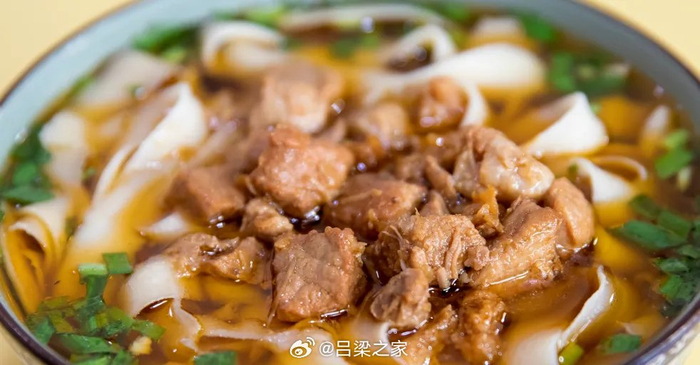
Traditional Shanxi noodle dish, noodles are thick in the middle and thin at the edges, shaped like willow leaves, chewy texture, served with various toppings.
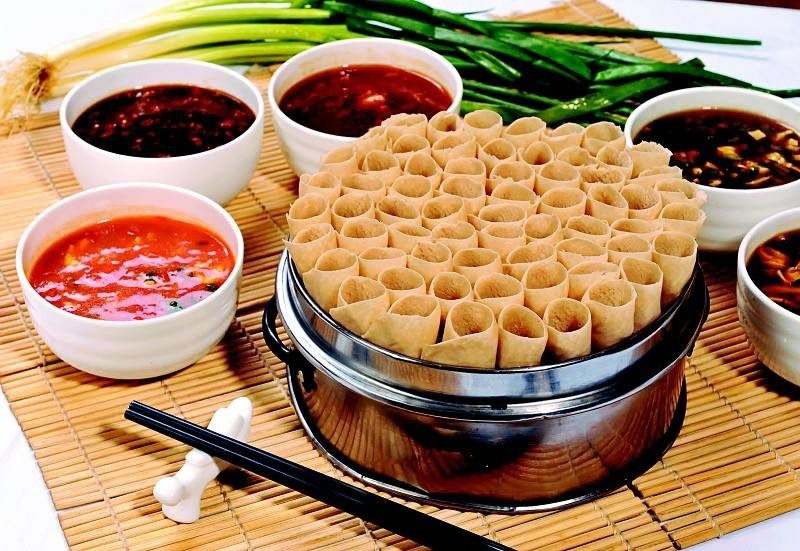
Rolled oat noodles, steamed and served with lamb soup or vinegar garlic sauce, chewy texture.
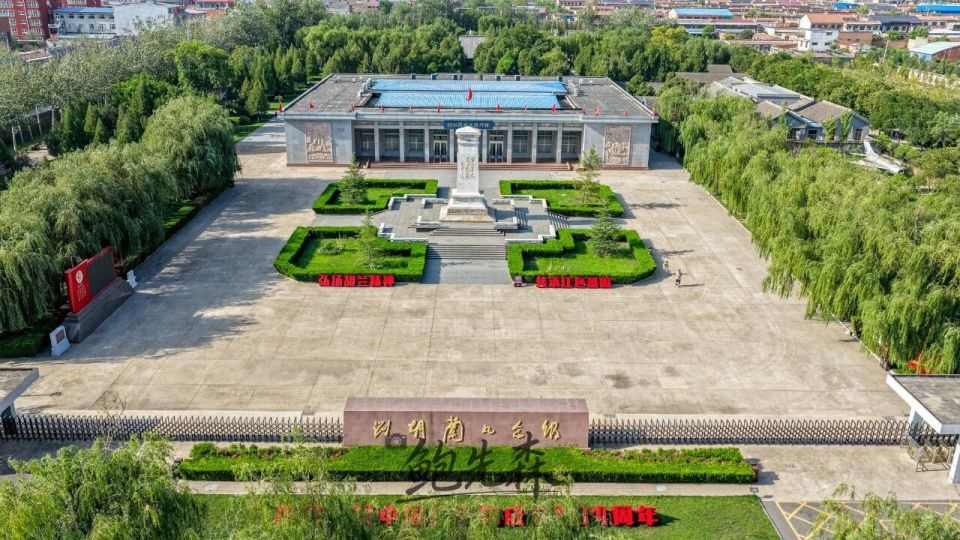
Located in Wenshui County, it commemorates the heroine Liu Hulan, displaying her life story and relics, serving as a patriotic education base.
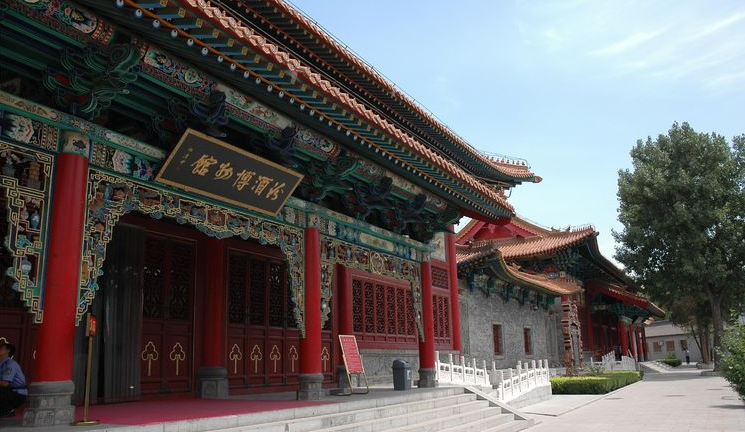
Located in Fenyang City, it is the birthplace of China's famous liquor Fenjiu, showcasing its brewing history and techniques, with opportunities to taste the raw liquor.
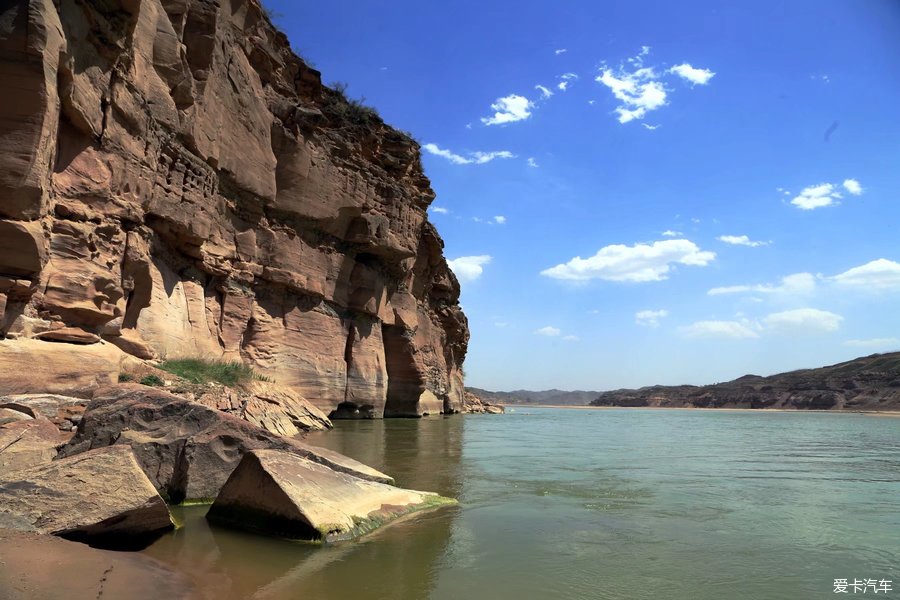
Located on the banks of the Yellow River in Lin County, it is a natural stone wall relief formed by water erosion, with various shapes resembling a gallery.
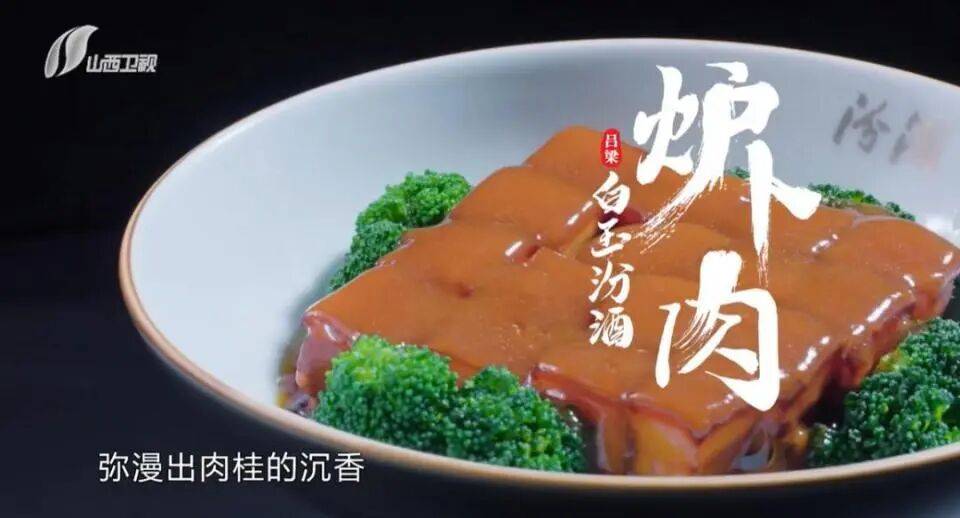
Beef marinated in Fenjiu and then braised, rich in wine aroma, tender meat, a local specialty cold dish.
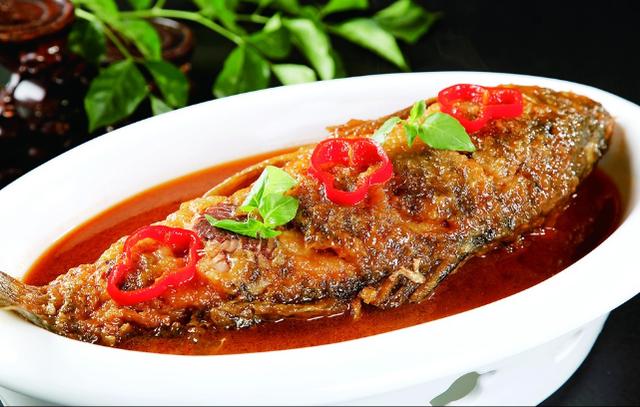
Specialty of the Yellow River, tender and delicious, often braised or steamed, a banquet delicacy.
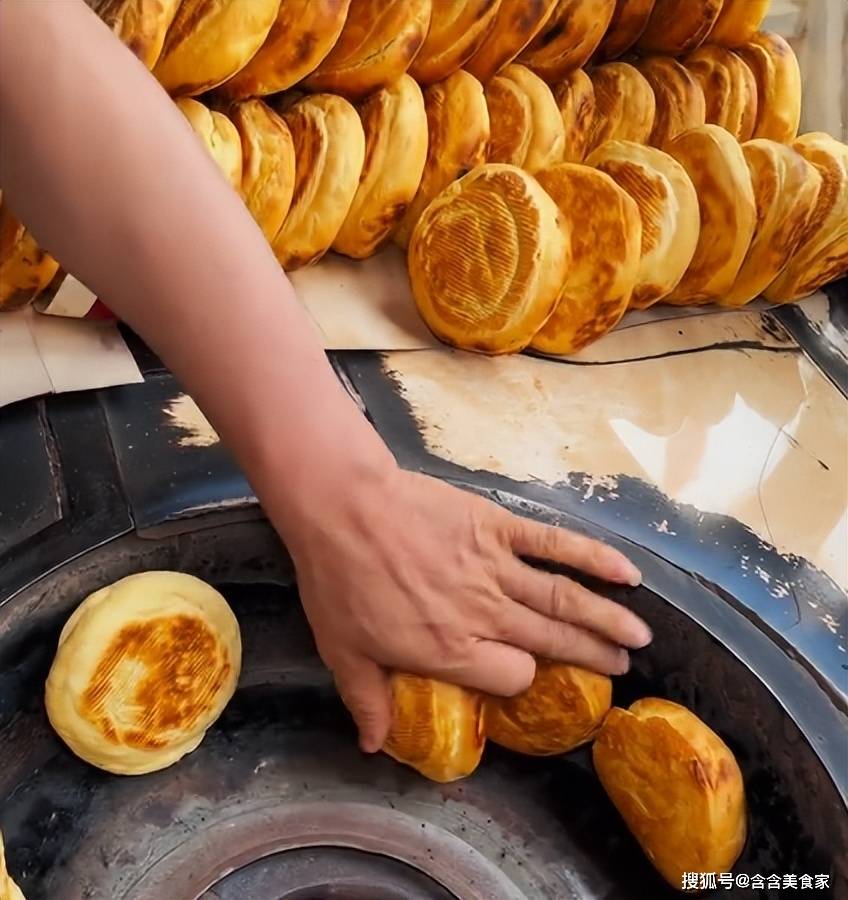
Traditional snack from Xiaoyi City, crispy crust with various fillings, including meat and sweet fillings.