
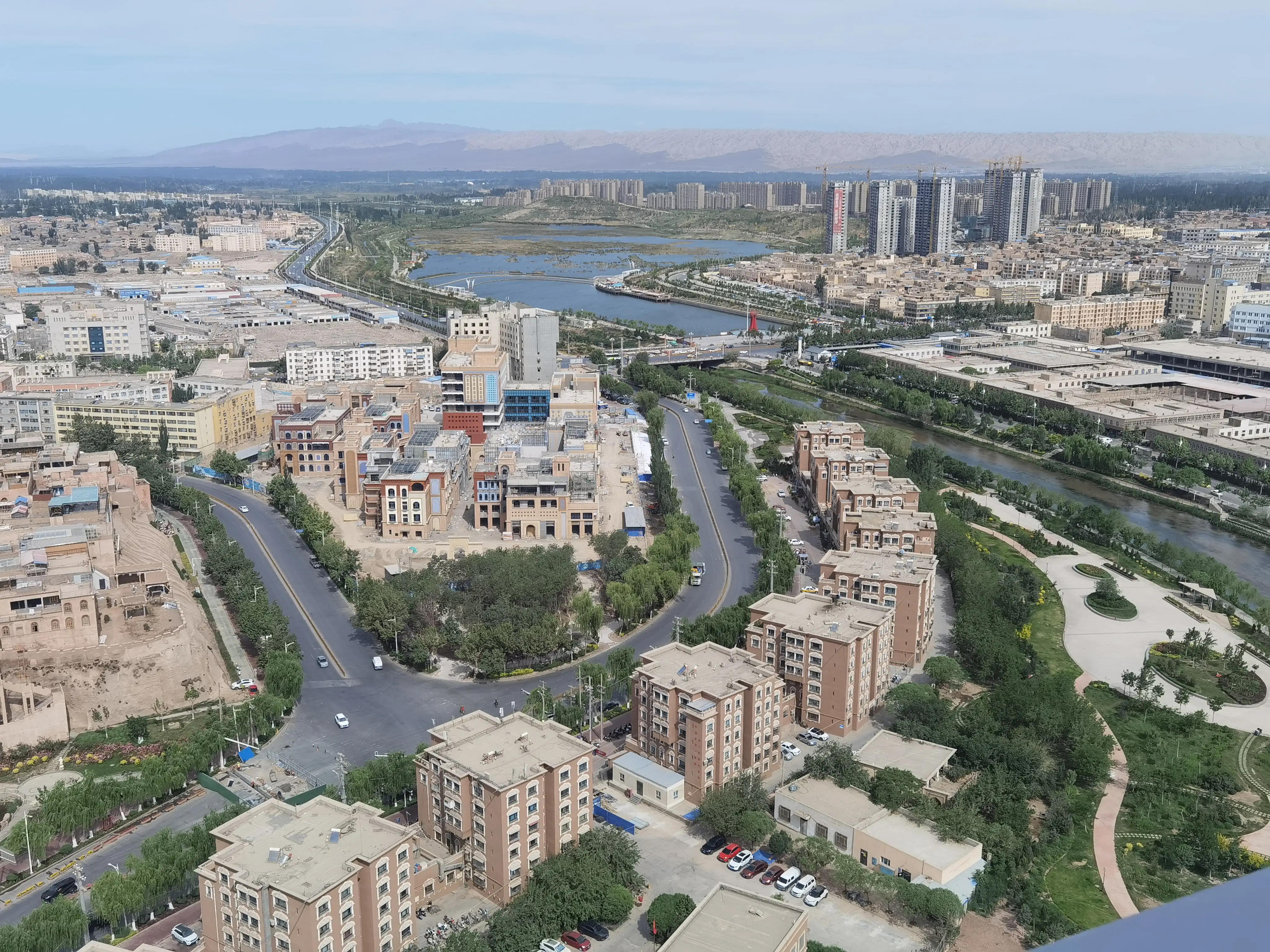
Kashgar is located in southwestern Xinjiang, at the western edge of the Tarim Basin and the eastern foot of the Pamir Plateau. It has a warm temperate continental arid climate with four distinct seasons, large temperature differences between day and night, and scarce rainfall.
Kashgar has a long history and was an important hub on the ancient Silk Road, with a history of over 2,000 years. Zhang Qian visited here during his mission to the Western Regions in the 2nd century BC, making it a meeting point of Eastern and Western civilizations.
Kashgar is culturally diverse with strong Uyghur characteristics. Atlas silk and Muqam music are famous. Local cuisine includes lamb kebabs, pilaf, pulled noodles, and baked buns, all with unique flavors.
Today, Kashgar is a special economic zone undergoing rapid modernization. The old city renovation preserves traditional features, while the new district boasts high-rise buildings. Tourism is booming, making it a popular destination in Xinjiang.
The best time to visit 喀什 is Best in spring and autumn, hot summer, cold winter.
Spring (April-May) has pleasant temperatures, apricot blossoms bloom, good for flower viewing.
Autumn (September-October) is cool, fruits are abundant, you can experience fruit picking.
Summer is hot and dry, winter is cold and windy, but you can experience different seasonal charms.
Zhang Qian, on the order of Emperor Wu of Han, visited Kashgar (then known as Shule) and opened the Silk Road.
Kashgar became an important city of the Karakhanid Khanate, and Islam began to spread.
The Qing government established Xinjiang Province, and Kashgar became a key city in southern Xinjiang.
Recommended places to visit
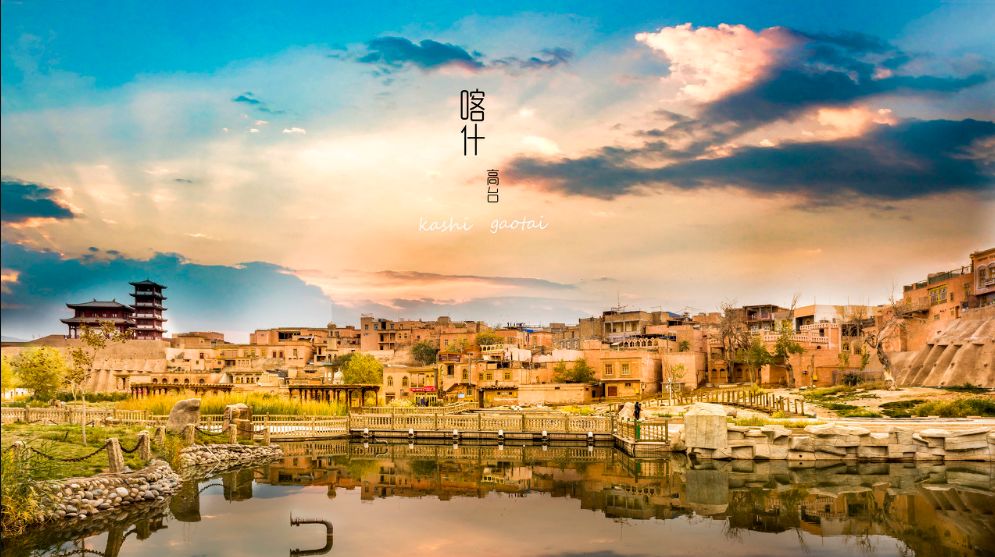
National 5A scenic spot, one of the largest raw earth building complexes in the world, with crisscrossing streets and strong Uyghur culture.
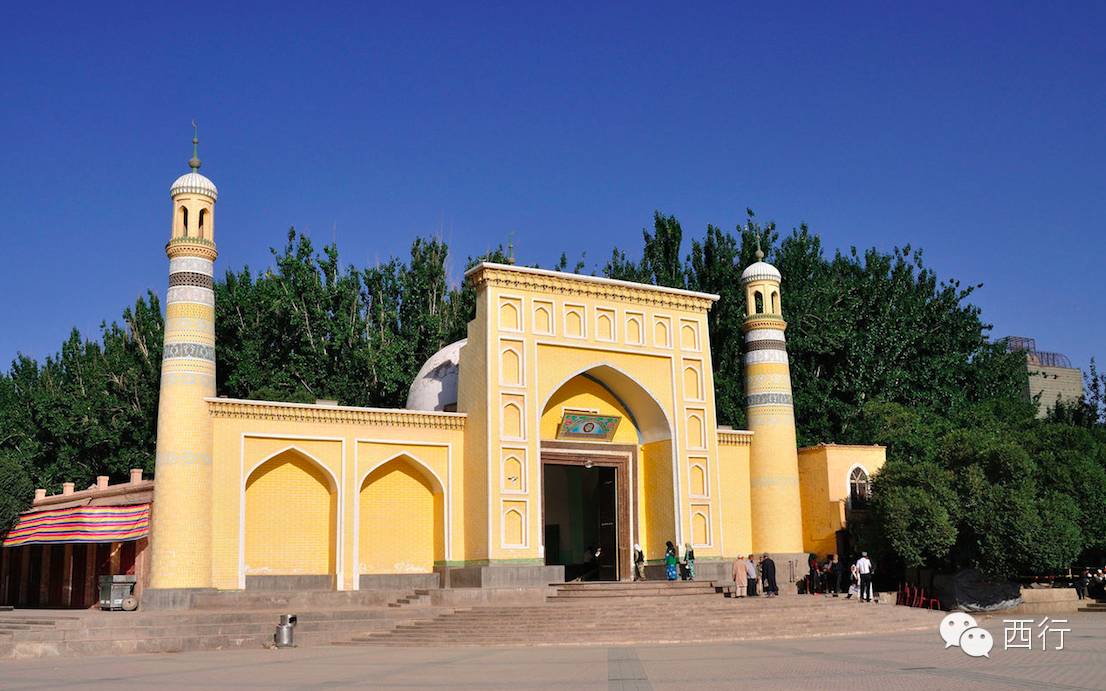
The largest mosque in Xinjiang, built in 1442, an important Islamic site with magnificent architecture.
Explore rich intangible cultural heritage and traditional crafts
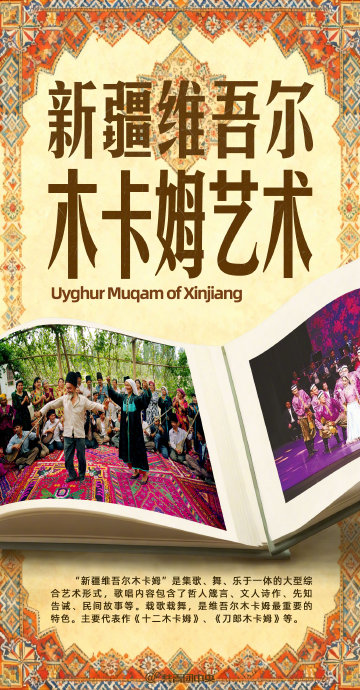
UNESCO Intangible Cultural Heritage of Humanity, integrating song, dance, and music.
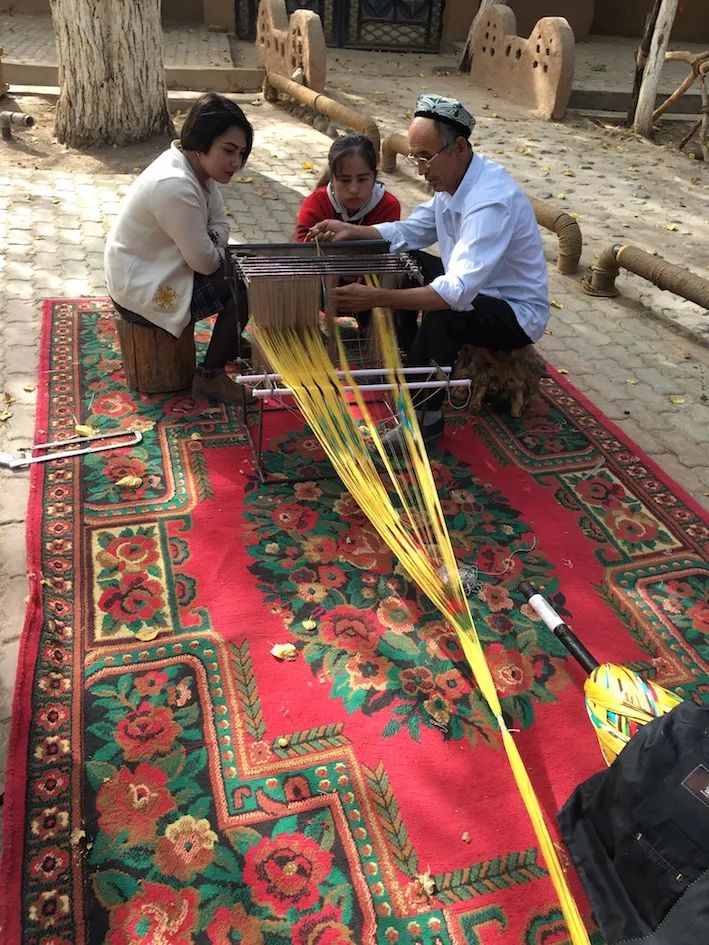
National intangible cultural heritage, with brilliant colors and unique patterns.
Must-know transportation for exploring the city
Flights to major domestic cities like Urumqi, Beijing, Shanghai.
About 500-1500 RMB
Connects to Urumqi, Hotan, etc., with high-speed and regular trains.
About 100-300 RMB
Multiple bus routes cover major attractions and downtown areas, cheap fares.
1-2 RMB
Taste the most authentic and popular local specialties
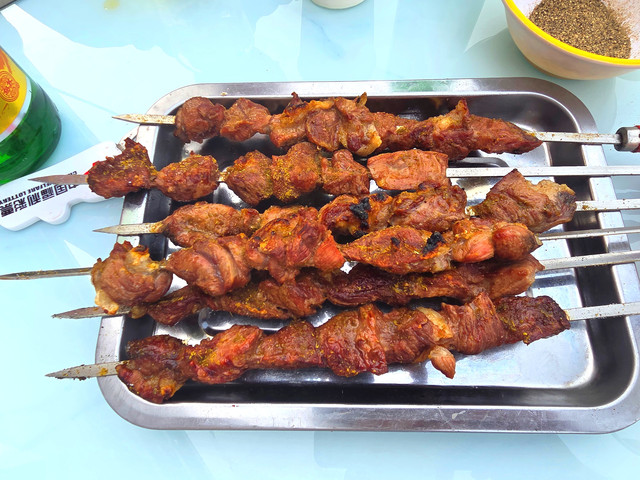
Xinjiang specialty, grilled over charcoal, crispy outside and tender inside, aromatic.
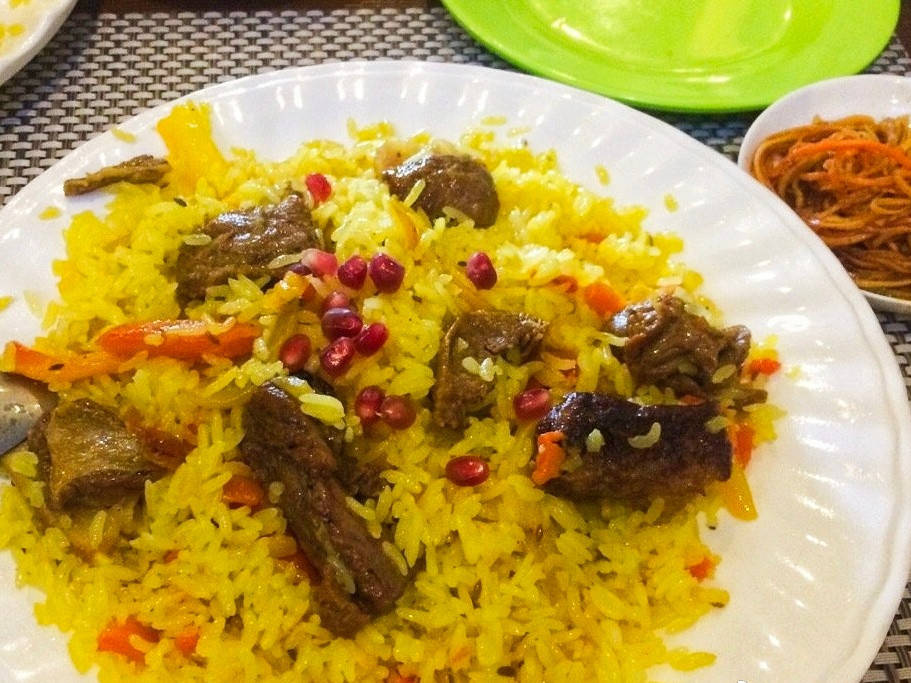
Stewed with lamb, carrots, and rice, shiny and fragrant, one of Xinjiang's staple foods.
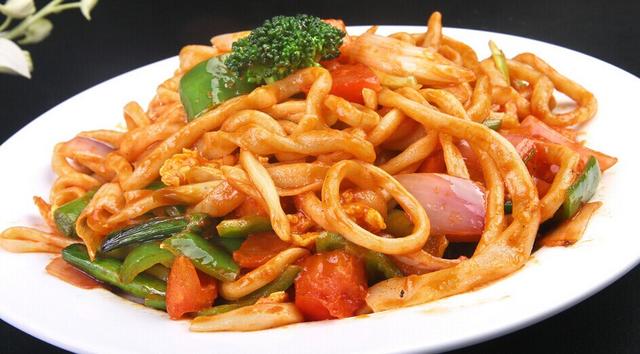
Hand-pulled noodles, chewy and smooth, stir-fried with lamb and vegetables.
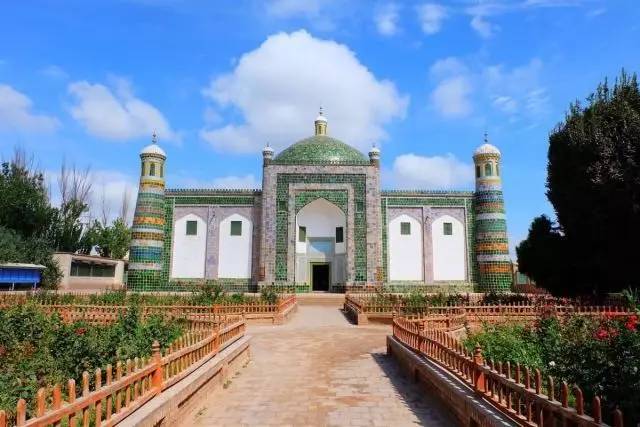
Legendary tomb of the Fragrant Concubine, a consort of Emperor Qianlong, with exquisite Uyghur-style architecture.
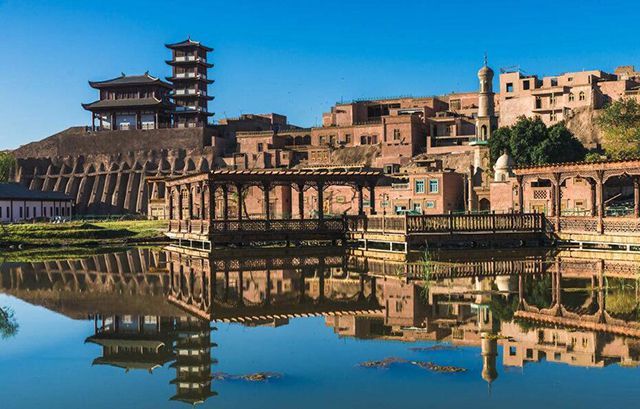
Ancient houses built on a high platform with over 600 years of history, a microcosm of Kashgar's old city.
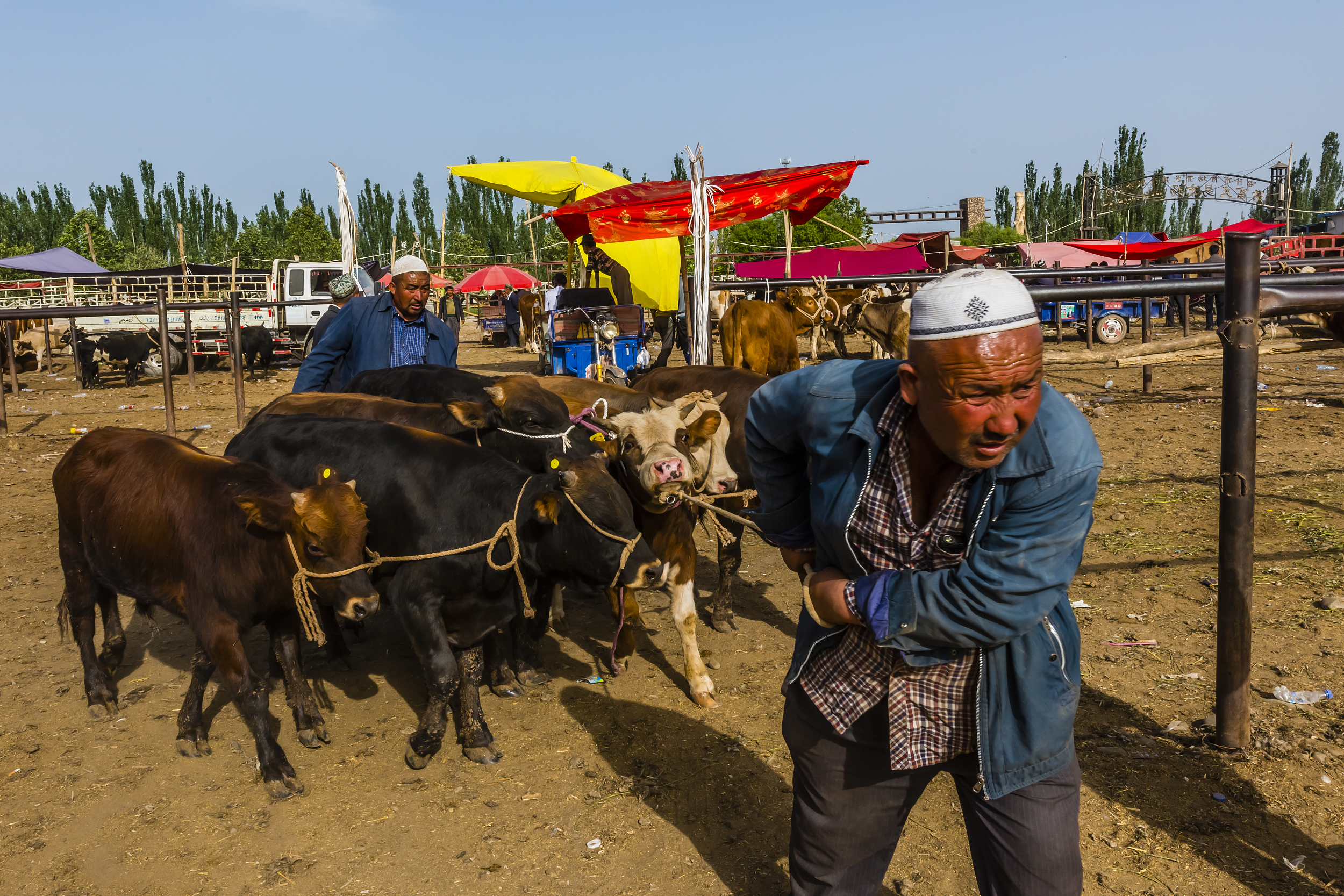
The largest bazaar in Central Asia, with a wide variety of goods, a great place to experience local life.
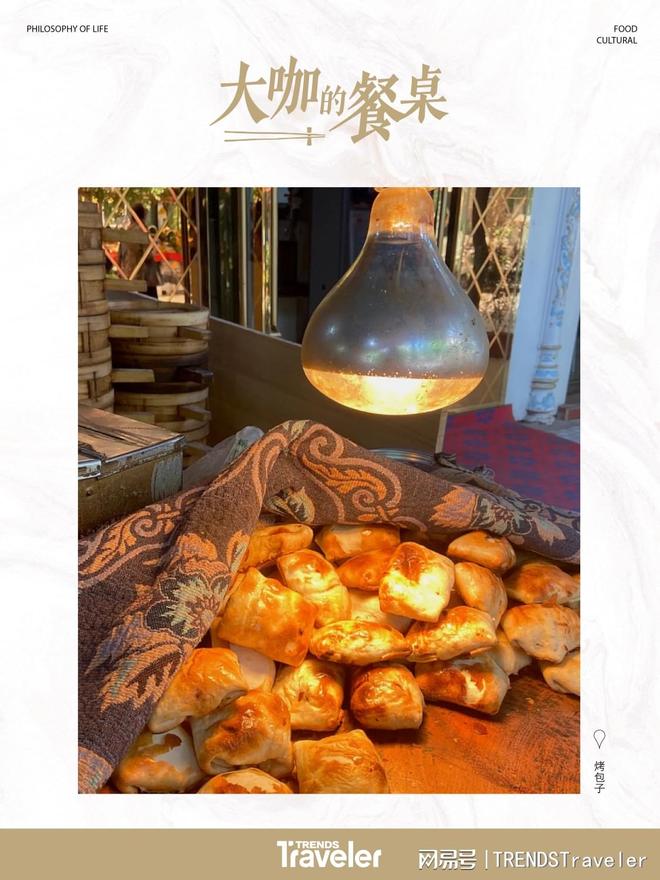
Filled with lamb and onion, crispy crust, baked in a tandoor.
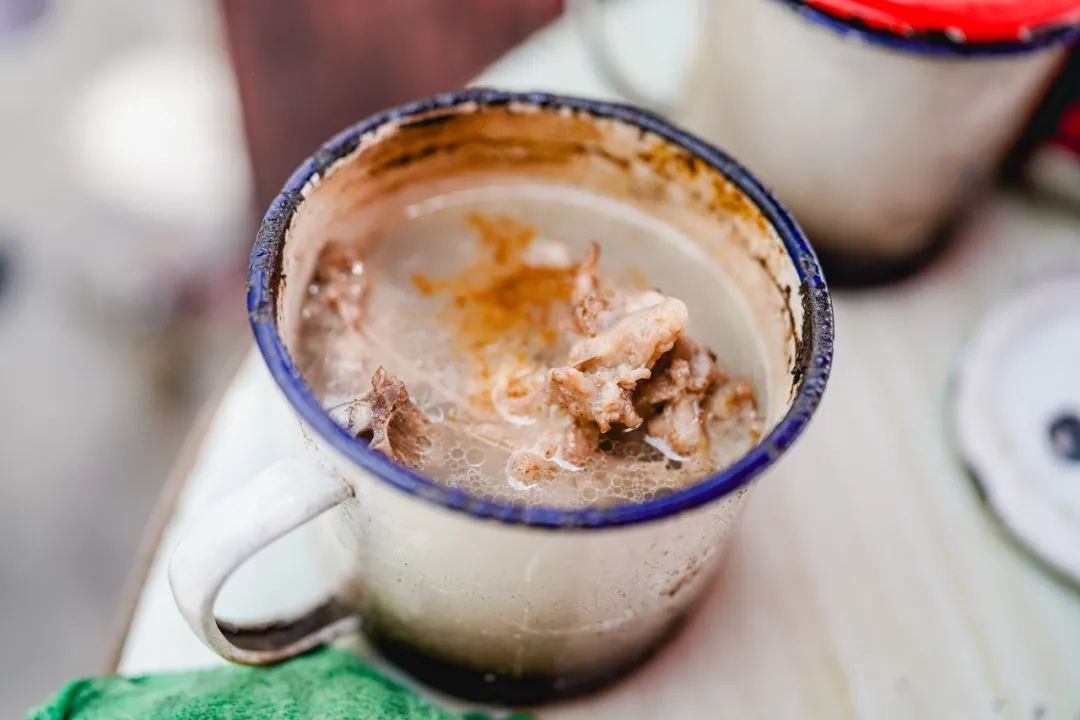
Stewed lamb in an enamel pot, pure and original flavor, tender meat.