
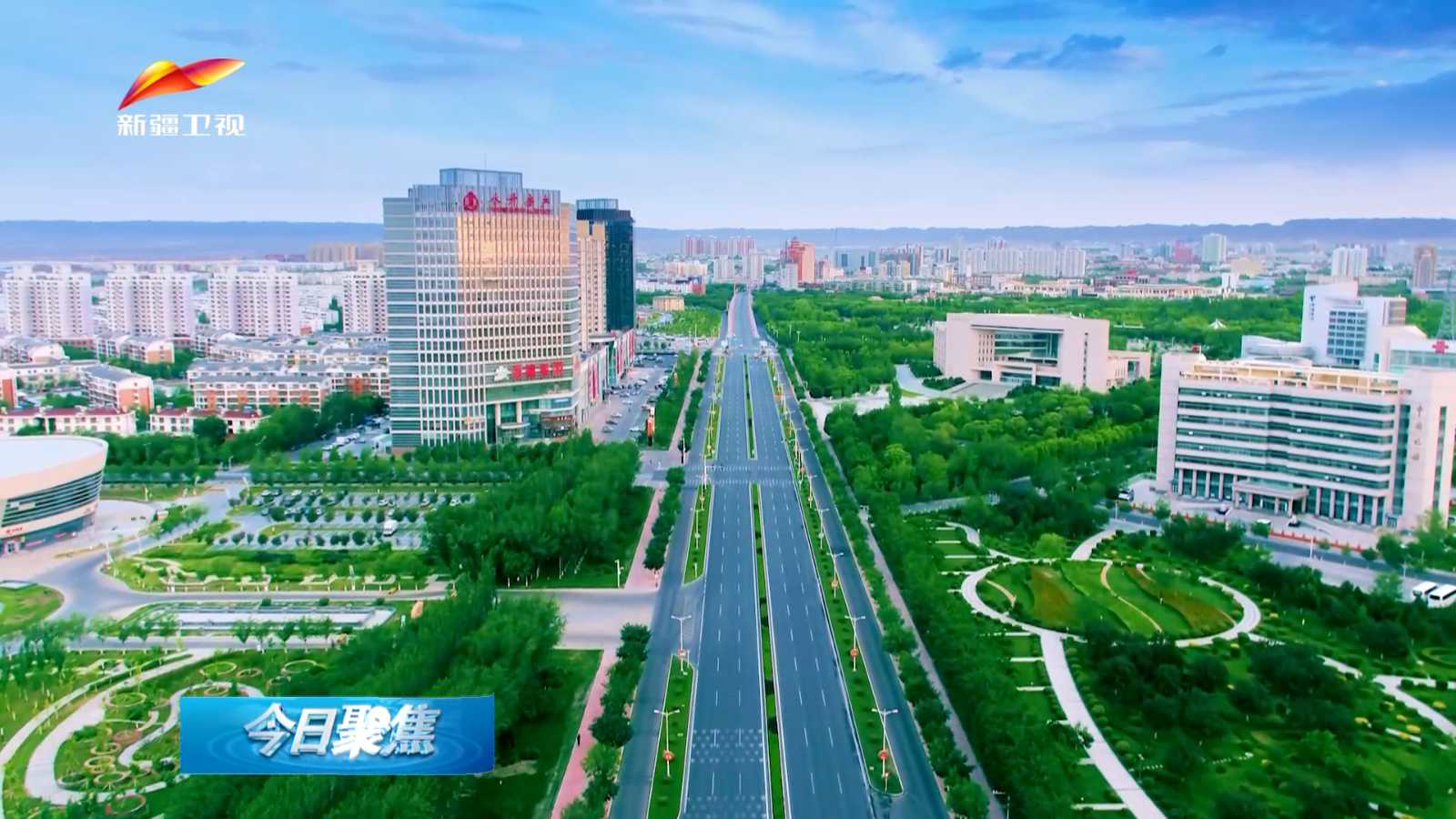
Karamay is located on the northwestern edge of the Junggar Basin in Xinjiang, situated in the Gobi desert. It has a typical continental climate, with hot, dry summers and cold winters, and large temperature differences between day and night.
Karamay rose to prominence due to oil. A major oilfield was discovered in 1955, and the city was established in 1958, becoming the first oil industrial city in New China, earning the title 'Oil City'.
Karamay is a multi-ethnic area, primarily inhabited by Han, Uyghur, and Kazakh peoples. Its cuisine features Xinjiang specialties such as grilled lamb skewers, hand-grabbed rice, and big plate chicken.
Today, Karamay has transformed from a single-industry oil city into a diversified modern city. It boasts famous attractions like Black Oil Mountain and the World Devil City, with a thriving tourism industry.
The best time to visit 克拉玛依 is Best in spring and autumn, pleasant climate.
Spring (April-May) sees rising temperatures and rejuvenation of nature, ideal for outdoor activities.
Autumn (September-October) offers clear skies and magnificent scenery, a golden season for photography.
Summer is hot and winter cold, but you can experience unique desert and ice landscapes.
On October 29, 1955, industrial oil flow gushed from Karamay Well No. 1, marking the birth of the first major oilfield in New China.
On May 29, 1958, the State Council approved the establishment of Karamay City, making it the first city in China named after oil.
Entering the 21st century, Karamay began implementing a diversified development strategy, promoting tourism and modern service industries.
Recommended places to visit
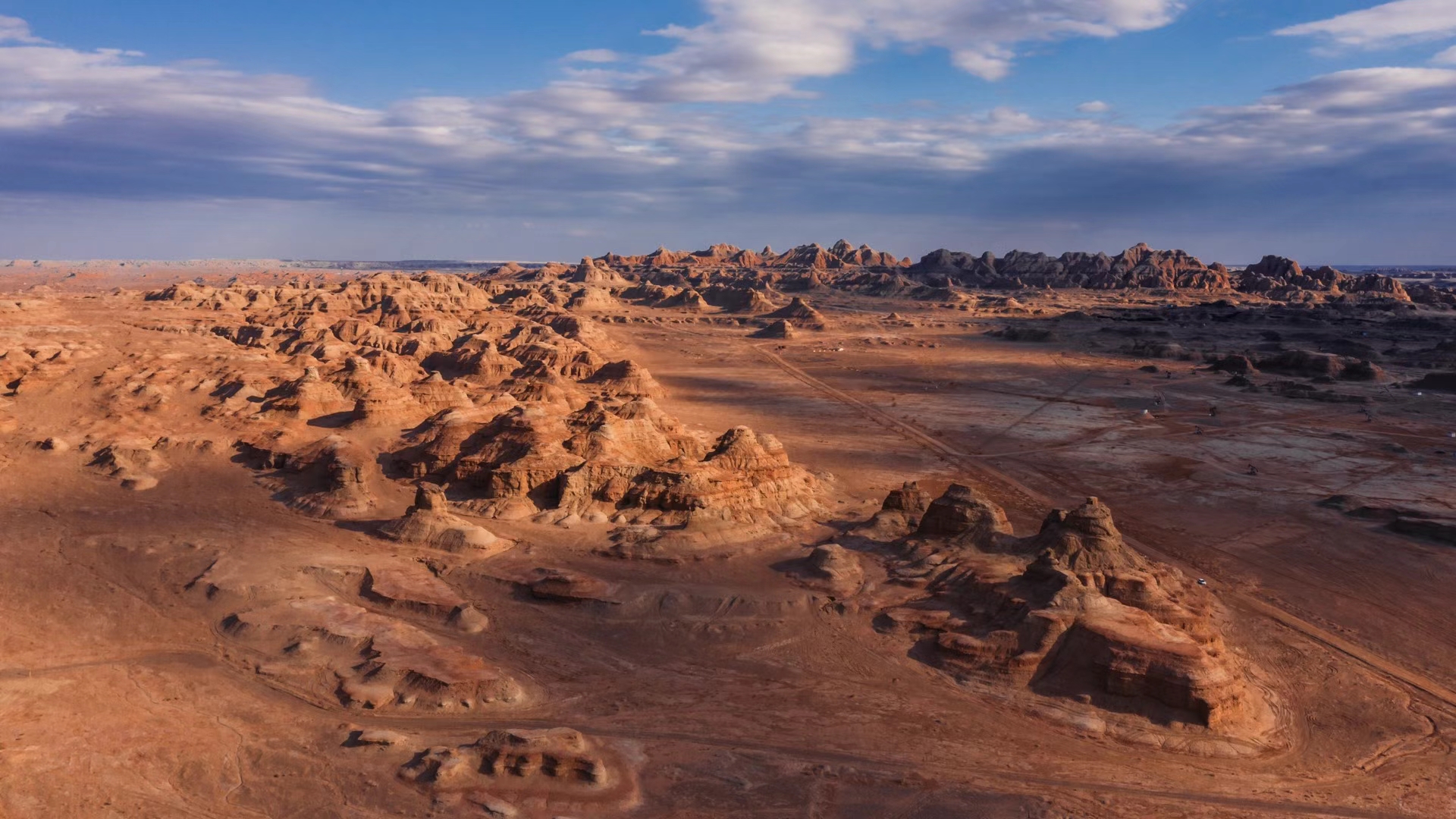
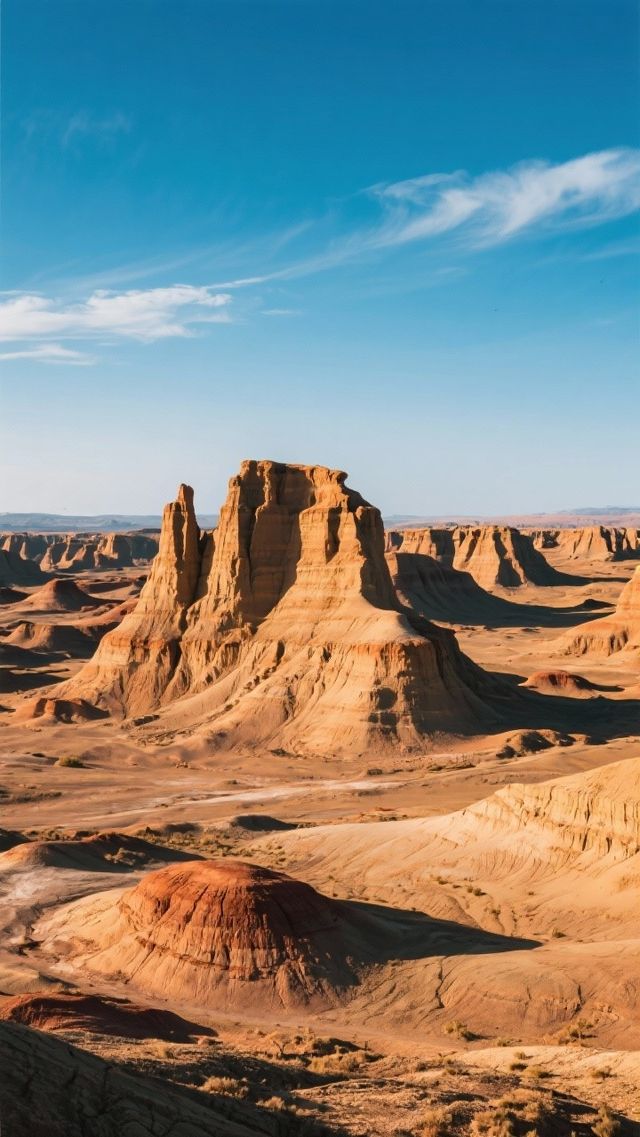
A typical yardang landform with奇特 rock formations shaped by wind erosion, known as 'China's most magnificent yardang'.
A natural asphalt hill where crude oil seeps out year-round, forming black oil springs, a symbol of Karamay Oilfield.
Explore rich intangible cultural heritage and traditional crafts
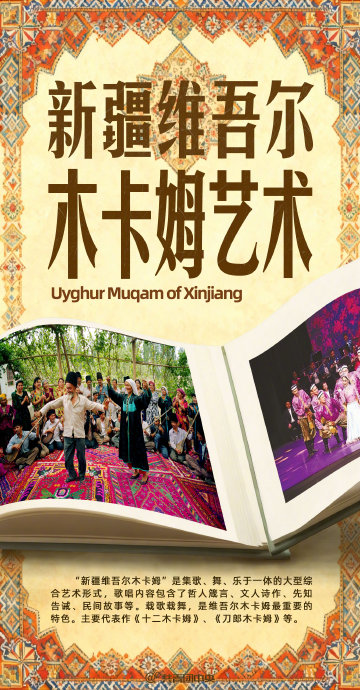
A traditional Uyghur music and dance form integrating song, dance, and music, inscribed on the UNESCO Intangible Cultural Heritage list.
Must-know transportation for exploring the city
Flights to major cities like Beijing, Shanghai, Chengdu, about 15 km from city center.
Varies by route
Connects to Urumqi and northern Xinjiang, with bullet trains and regular trains.
Hard seat approx. 50 RMB to Urumqi
Multiple bus routes covering major attractions and commercial areas, fare 1 RMB.
1 RMB
Taste the most authentic and popular local specialties

Xinjiang specialty, charcoal-grilled, crispy outside and tender inside, aromatic.
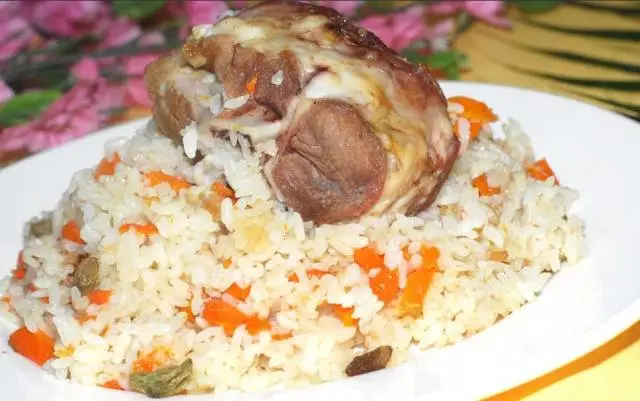
Stewed rice with lamb, carrots, onions, and rice, oily and delicious.
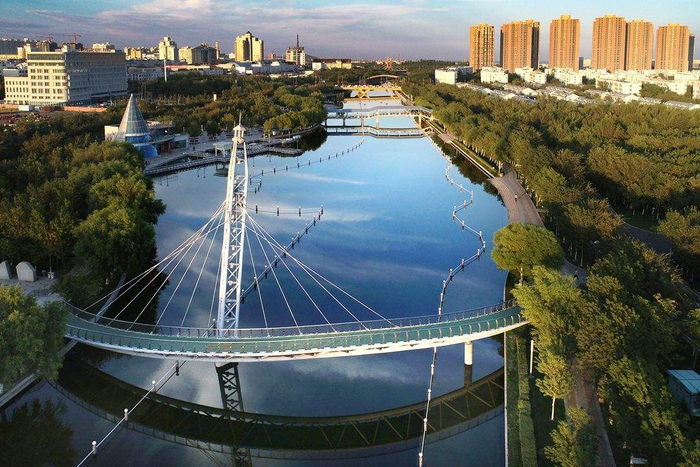
An artificial water diversion project flowing through the city, with tree-lined banks, a popular recreational area for locals.
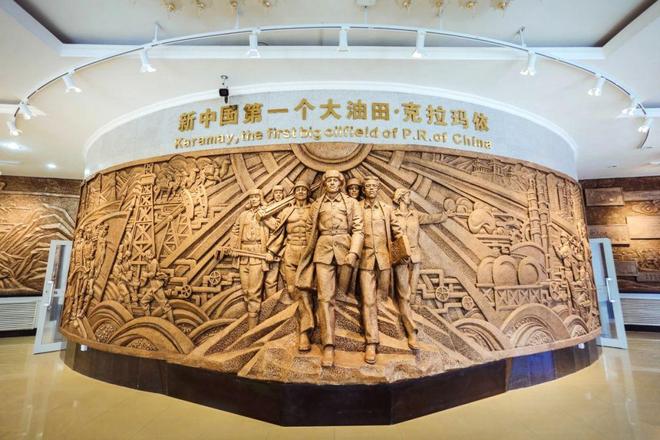
Exhibits the development history of Karamay Oilfield and petroleum industry culture, with rich collections.
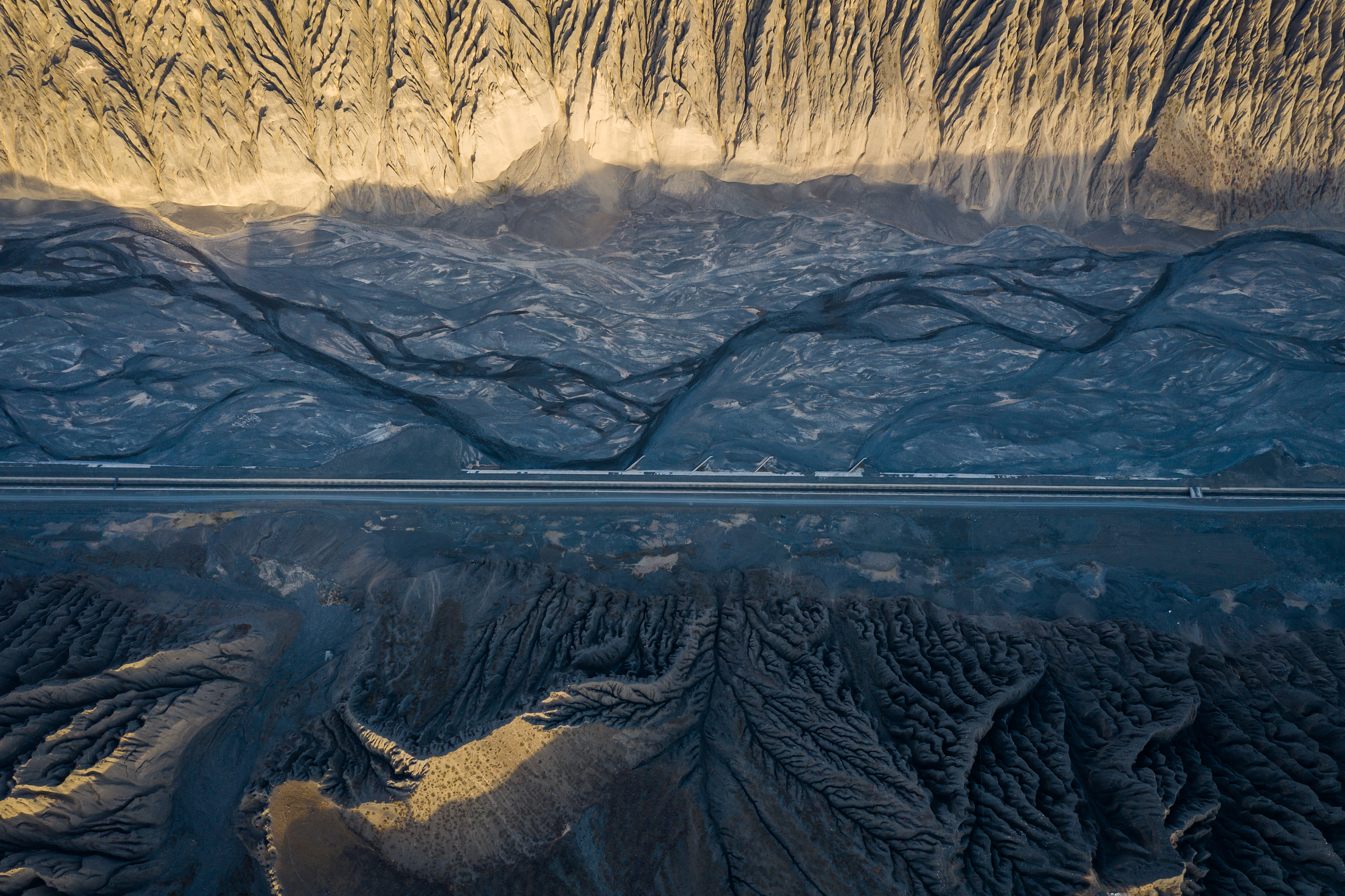
A spectacular canyon carved by snowmelt from the Tianshan Mountains, with steep cliffs and vibrant colors, a photography hotspot.
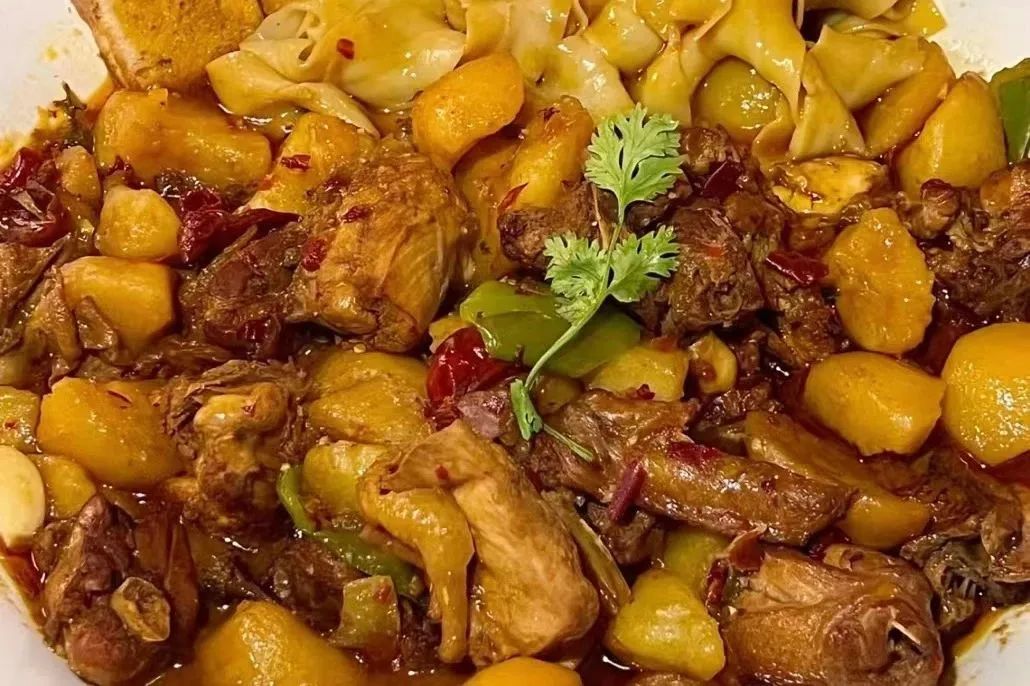
Chicken stewed with potatoes and chili peppers, served with wide noodles, spicy and rich.
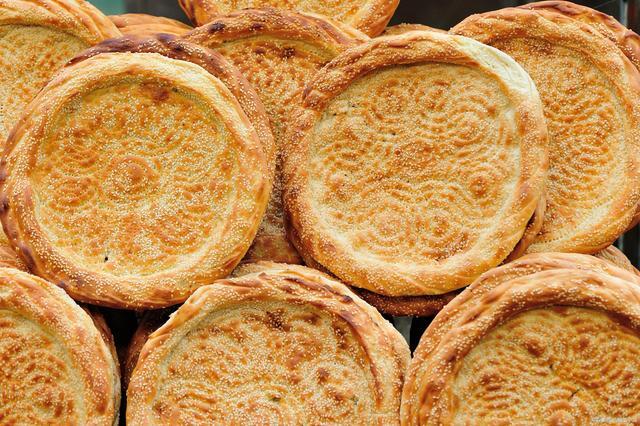
Traditional baked bread, crispy outside and soft inside, a staple in Xinjiang.
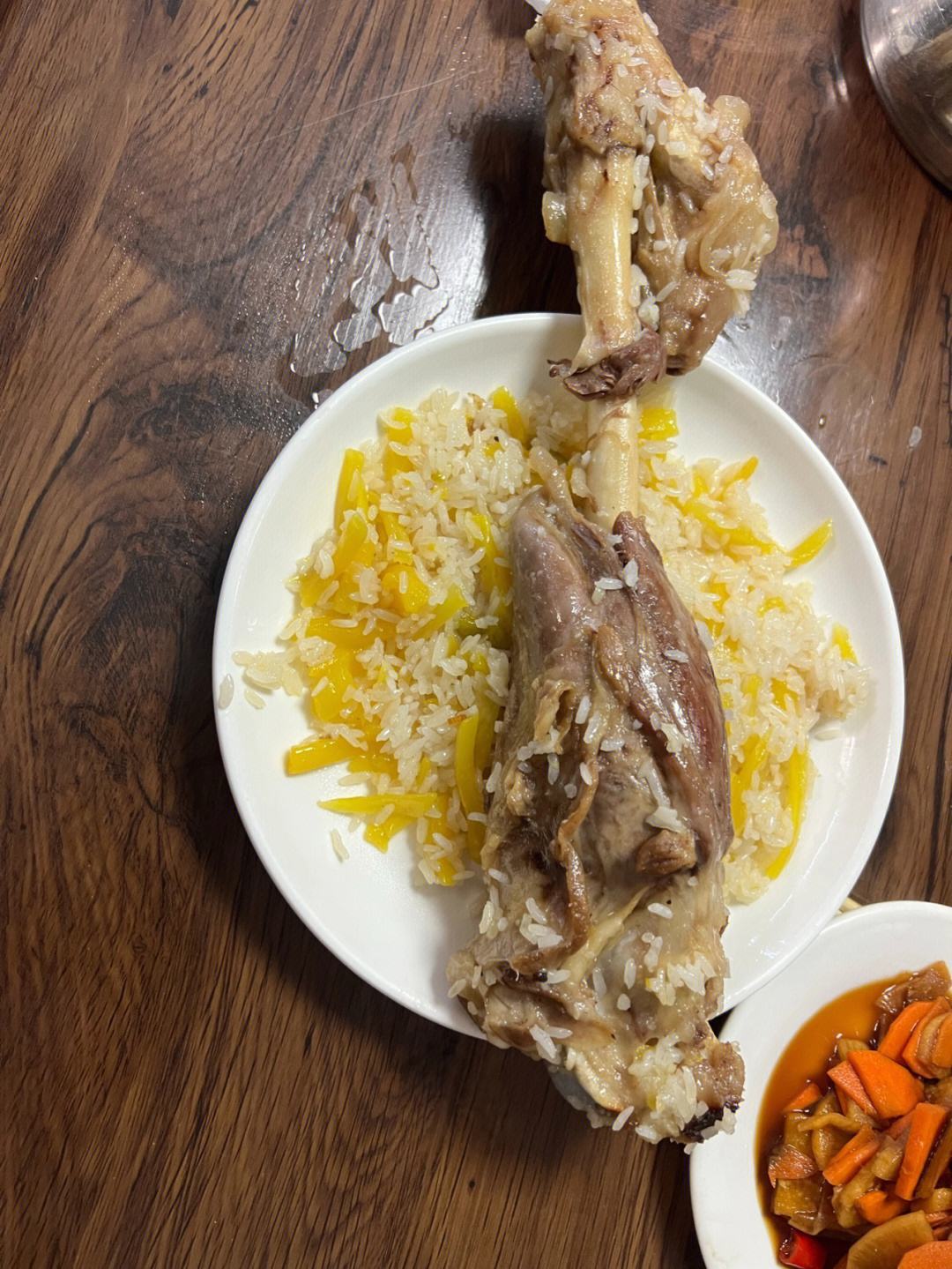
Plain boiled mutton, simple and flavorful, dipped in salt, tender meat.