
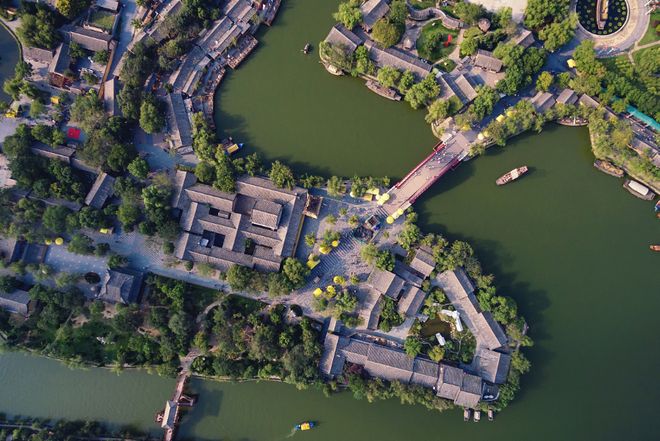
Kaifeng is located in eastern Henan Province, along the lower reaches of the Yellow River. It has a warm temperate continental monsoon climate with four distinct seasons. The annual average temperature is 14.5°C. Spring is windy and dusty, summer hot and rainy, autumn cool, and winter cold and dry.
Kaifeng is one of China's eight great ancient capitals, with a history of over 4,100 years. It served as the capital for eight dynasties: Xia, Wei, Later Liang, Later Jin, Later Han, Later Zhou, Northern Song, and Jin. It reached its peak during the Northern Song Dynasty, when it was the largest city in the world.
Kaifeng boasts a rich cultural heritage and is the birthplace of Henan cuisine. Representative dishes include Kaifeng soup dumplings, braised carp with baked noodles, and fried bean jelly. The famous Millennium City Park (Qingming Shanghe Yuan) recreates the bustling street scenes of the Song Dynasty based on Zhang Zeduan's painting 'Along the River During the Qingming Festival'.
Modern Kaifeng is a core city of the Central Plains urban agglomeration, with tourism as a pillar industry, along with equipment manufacturing and food processing. The integration of Zhengzhou and Kaifeng is accelerating, and the city is undergoing rapid transformation.
The best time to visit 开封 is Spring and autumn (March-May, September-November).
Spring (March-May): Pleasant temperatures, blooming flowers, ideal for outdoor activities. The Qingming Cultural Festival offers traditional folk experiences.
Autumn (September-November): Clear and crisp weather, chrysanthemums in full bloom. The Kaifeng Chrysanthemum Culture Festival attracts many visitors.
Summer is hot and rainy, winter cold and dry, but off-season means fewer tourists and lower accommodation prices.
Zhao Kuangyin launched a coup at Chenqiao Post in Kaifeng, established the Northern Song Dynasty, and made Kaifeng the capital, ushering in its most glorious period.
Jin troops captured Kaifeng, ending the Northern Song Dynasty. The imperial family was taken captive, known as the Humiliation of Jingkang. Kaifeng suffered severe destruction.
Millennium City Park (Qingming Shanghe Yuan), built based on 'Along the River During the Qingming Festival', opened and became Kaifeng's iconic attraction.
Recommended places to visit
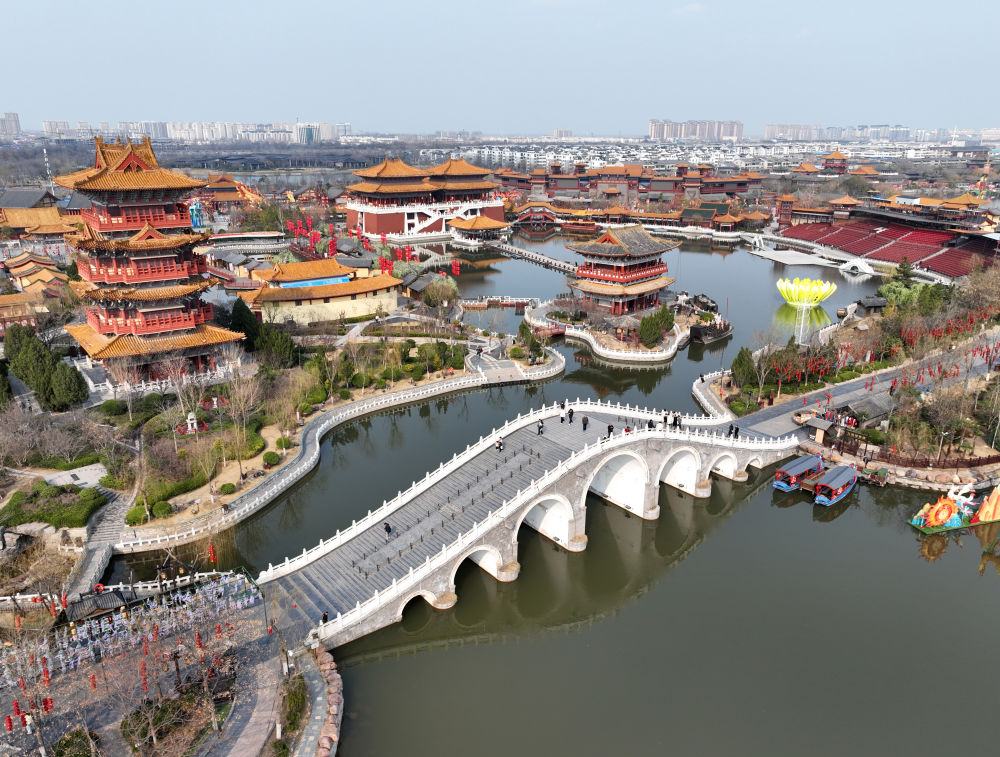
A large Song Dynasty cultural theme park based on Zhang Zeduan's painting 'Along the River During the Qingming Festival', recreating the bustling scene of the ancient capital Bianjing. It features antique architecture, folk performances, and a food street.
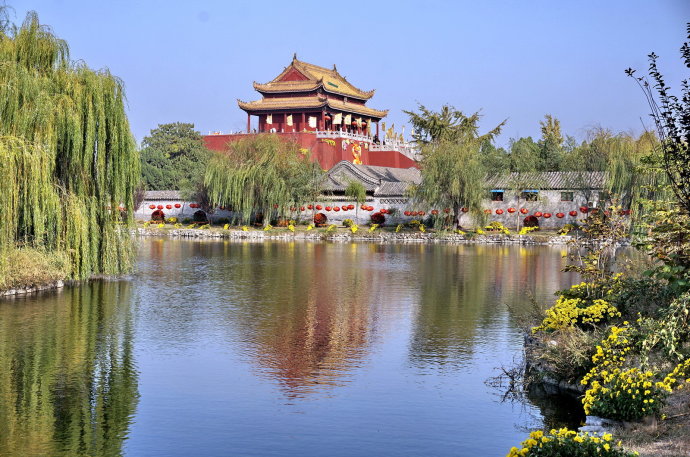
Located on the ruins of the Northern Song imperial palace, centered around the Dragon Pavilion Hall, it is a symbol of Kaifeng's history and culture. The Chrysanthemum Culture Festival is held here every October.
UNESCO World Heritage Sites
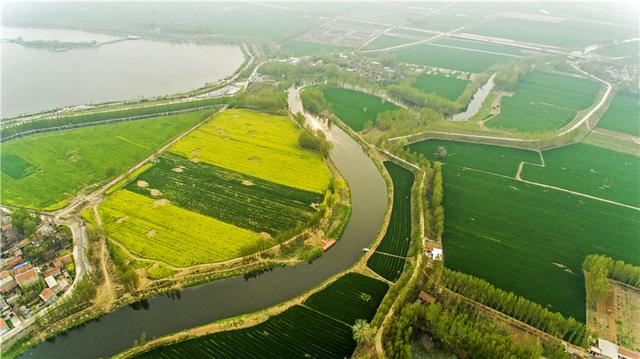
The Kaifeng section belongs to the Tongji Canal of the Sui-Tang Grand Canal, an important waterway connecting the Yellow River and Huai River, witnessing the prosperity of Northern Song water transport.
Explore rich intangible cultural heritage and traditional crafts
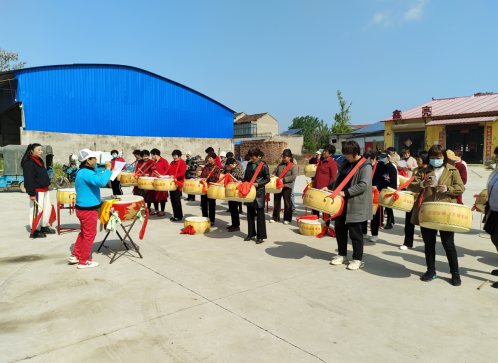
A traditional folk drum music in Kaifeng, drummers dance while beating, majestic in momentum, often used in festivals and temple fairs.
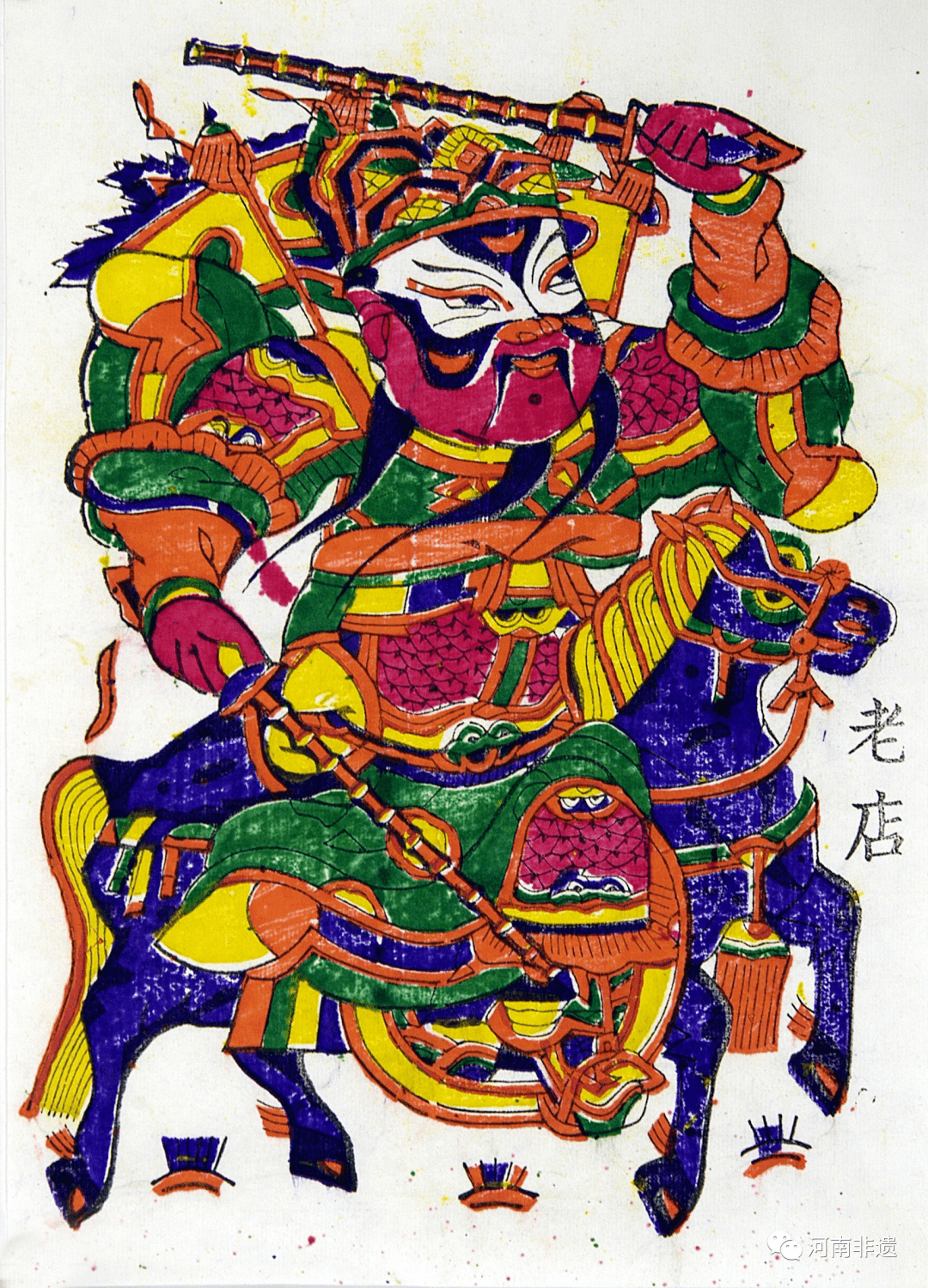
A specialty of Zhuxian Town, Kaifeng, one of China's four major New Year paintings. Full composition, bright colors, themes of auspicious patterns and opera stories.
Must-know transportation for exploring the city
Kaifeng has two railway stations: Kaifeng Station (conventional) and Kaifeng North Station (high-speed). The Zhengzhou-Kaifeng intercity railway connects to Zhengzhou, travel time about 30 minutes.
Zhengzhou-Kaifeng intercity about 18 RMB
Kaifeng has no civil airport. Fly to Zhengzhou Xinzheng International Airport, then transfer to intercity train or bus to Kaifeng, about 1.5 hours.
Zhengzhou airport bus to Kaifeng about 40 RMB
City buses cover major attractions, fare 1-2 RMB. Taxi starting fare 7 RMB. Shared bikes are also convenient.
Bus 1-2 RMB, taxi starting 7 RMB
Taste the most authentic and popular local specialties
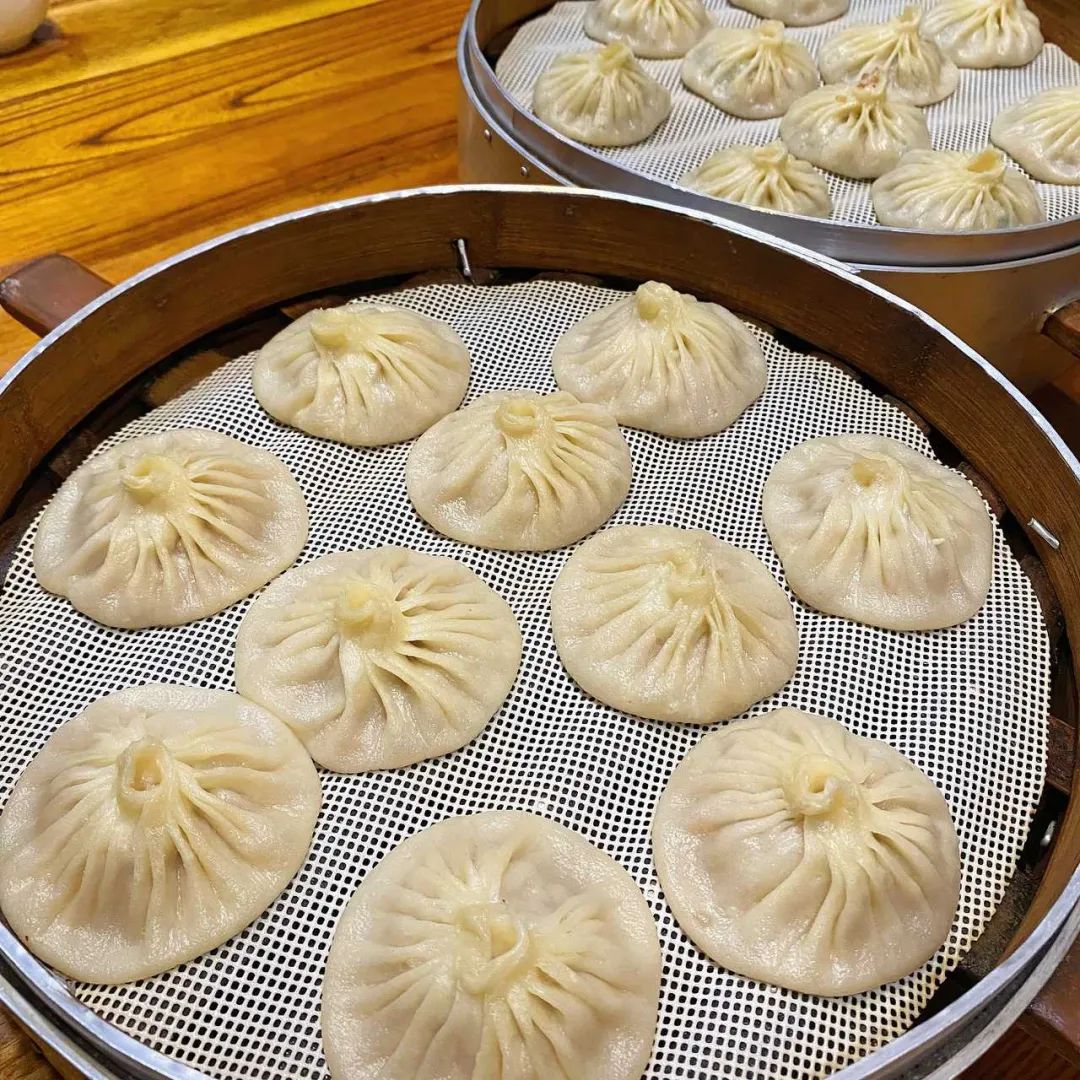
Kaifeng's most representative snack, with thin skin, large filling, and delicious soup. To eat, first bite a small hole to suck out the soup, then dip in vinegar.
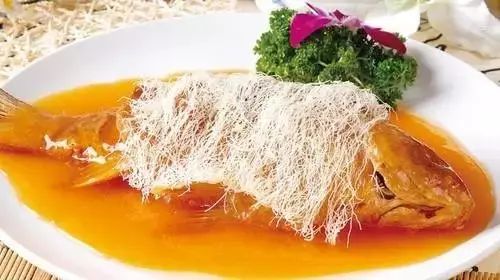
A classic Henan dish, using Yellow River carp, deep-fried and topped with sweet and sour sauce, then covered with thin baked noodles. Sweet and sour flavor.
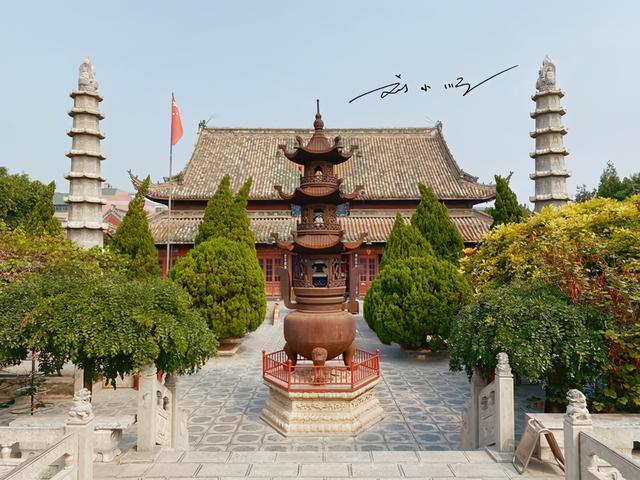
A famous Buddhist temple in China, first built in the Northern Qi Dynasty and served as an imperial temple in the Northern Song. It houses precious cultural relics such as the Thousand-hand Thousand-eye Guanyin statue.
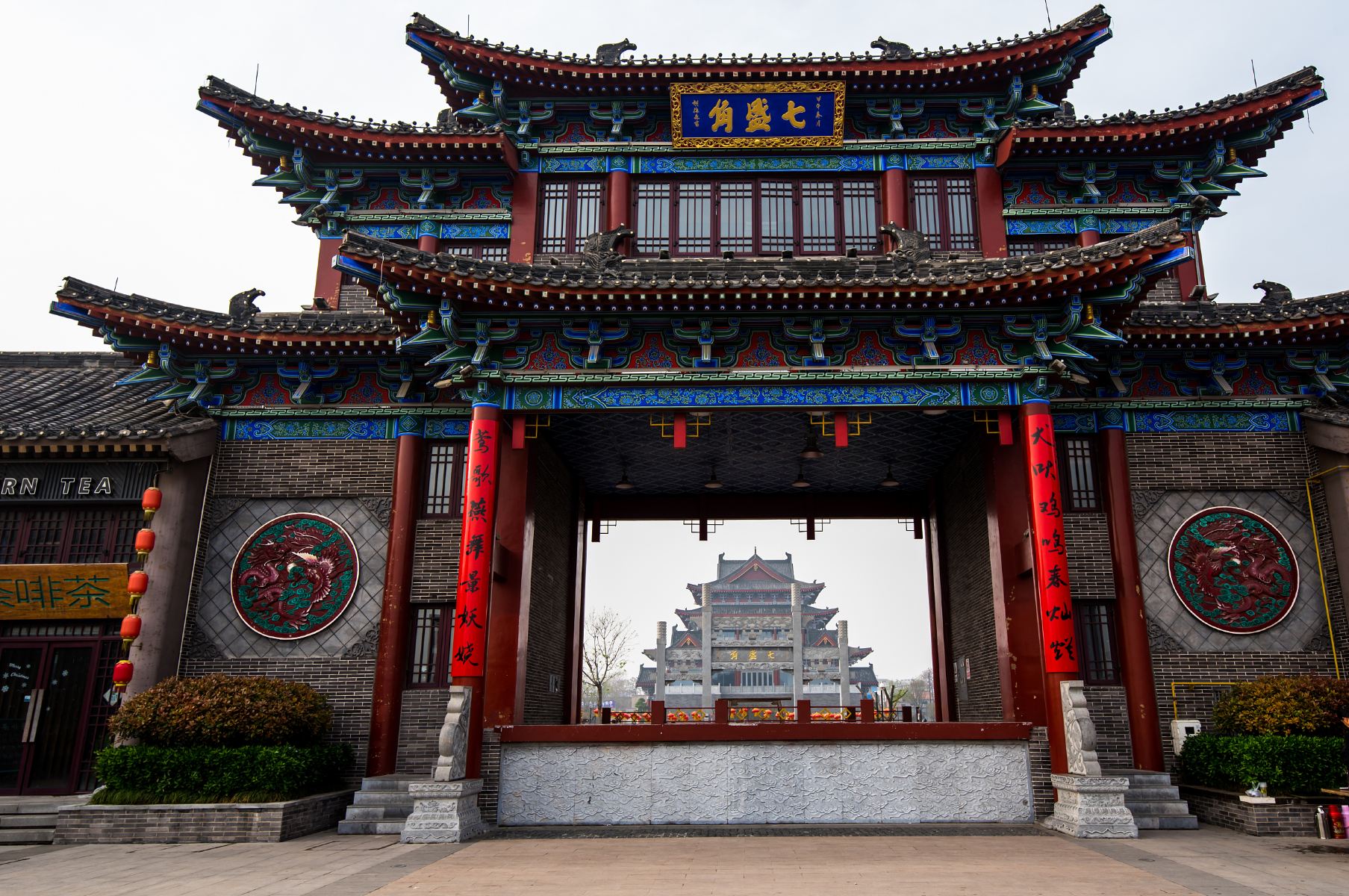
The top prefecture of the Northern Song Dynasty, where Bao Zheng once served. It is now a complex of antique buildings showcasing Song Dynasty government culture.
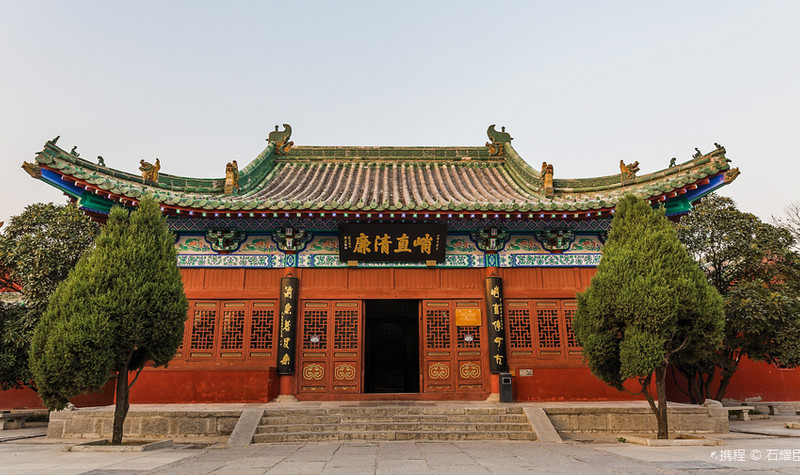
Built in memory of the famous Northern Song official Bao Zheng. It displays his life stories and relics, serving as an education base for integrity.
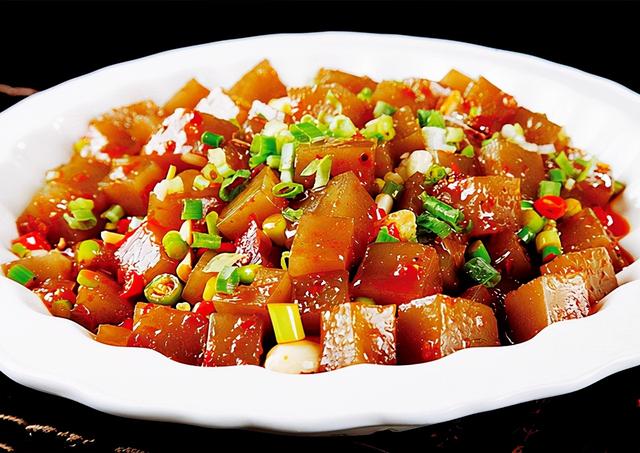
A common street snack in Kaifeng. Cold jelly cubes are fried with garlic, chili and other seasonings. Smooth and spicy.
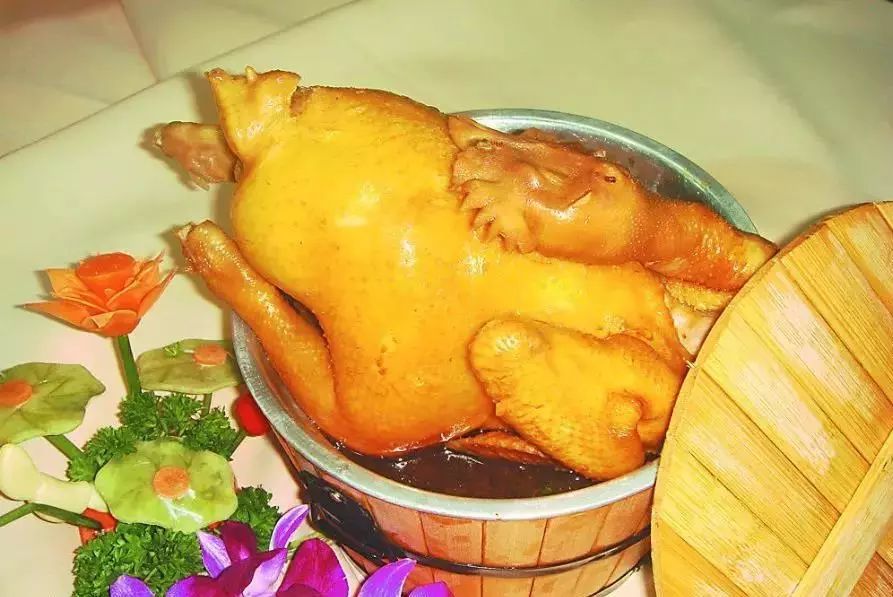
Made from fat hens, marinated and cooked, golden in color, tender meat. Named for its barrel-like shape.
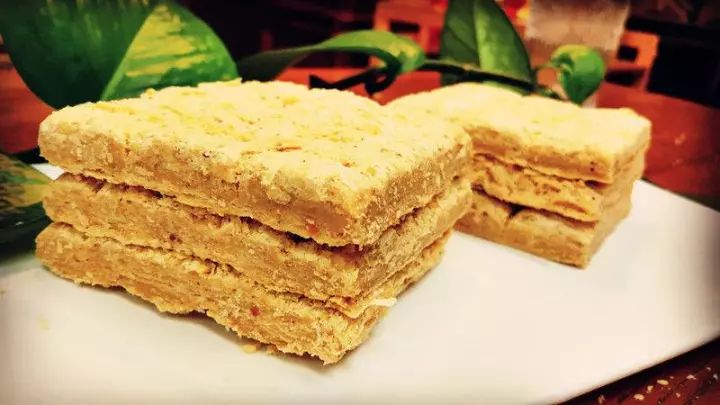
Traditional pastry made mainly from peanuts, sugar and maltose. Crispy, sweet, and melts in the mouth.