
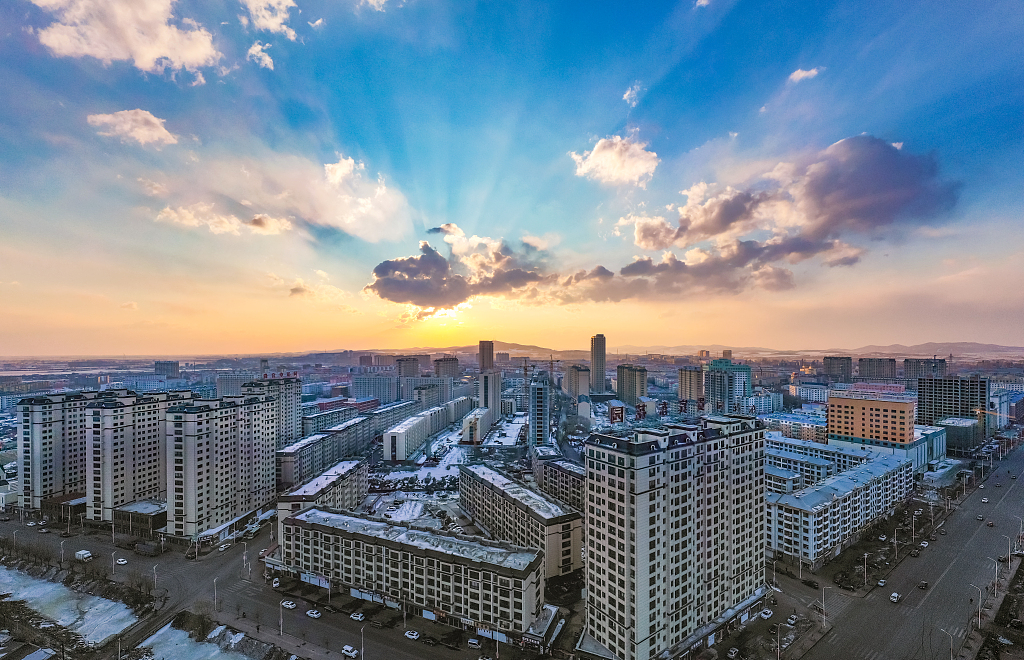
Jixi is located in the southeast of Heilongjiang Province, nestled between the Wanda Mountains and Xingkai Lake. It has a cold temperate continental monsoon climate, with long, cold winters and short, cool summers. To the east, it faces Russia across the Wusuli River, sharing a 641-kilometer border, making it an important port city for Sino-Russian trade.
Jixi rose to prominence due to coal. In the early 20th century, with the construction of the Chinese Eastern Railway, coal resources were extensively developed, turning the city into a major coal industry base for New China. In recent years, as resources depleted, the city has actively transformed, developing green industries and tourism.
Jixi's culture blends Northeast Chinese folk customs, Russian influences, and Hezhe fishing-hunting traditions. Its signature dish is Jixi cold noodles, along with spicy pickled vegetables and knife-cut noodles. The whitefish from Xingkai Lake is also a local delicacy.
Today, Jixi is focusing on building an eco-tourism city, leveraging natural resources like Xingkai Lake and the Wusuli River to develop wetland tourism, border tours, and ice-snow tourism. Meanwhile, emerging industries like graphite are thriving.
The best time to visit 鸡西 is Summer (June-August) and Autumn (September-October).
Summer (June-August) is the best time to visit Jixi, with cool and pleasant weather, average temperature around 20°C. Ideal for visiting Xingkai Lake, Wusuli River, and engaging in water activities.
Autumn (September-October) offers colorful foliage, with Xingkai Lake wetlands displaying vibrant hues, perfect for photography and birdwatching. Moderate temperatures are suitable for outdoor hiking.
Winter (November-February) is cold but offers ice and snow activities like skiing and ice sculptures. Spring (March-May) is windy and dry with less scenic appeal, not the best time to visit.
The Chinese Eastern Railway was fully opened, leading to the exploitation of coal resources in Jixi, with a massive influx of immigrants, promoting the formation of towns.
After the founding of New China, Jixi Mining Bureau was established, becoming a major coal production base and providing energy for the country's industrial construction.
Recommended places to visit
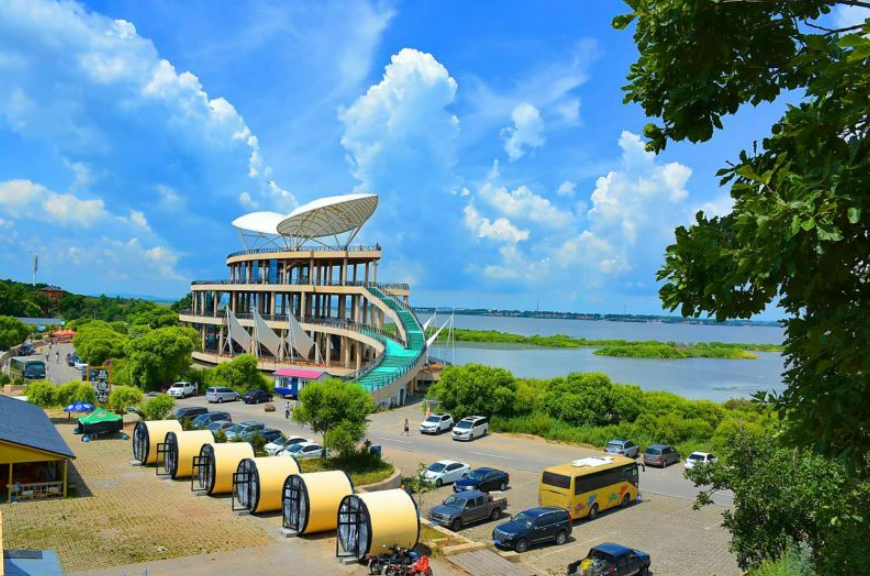
Xingkai Lake is a boundary lake between China and Russia, covering 4,380 square kilometers, the largest freshwater boundary lake in Asia. With clear water and soft sand, it's a summer resort and birdwatcher's paradise.
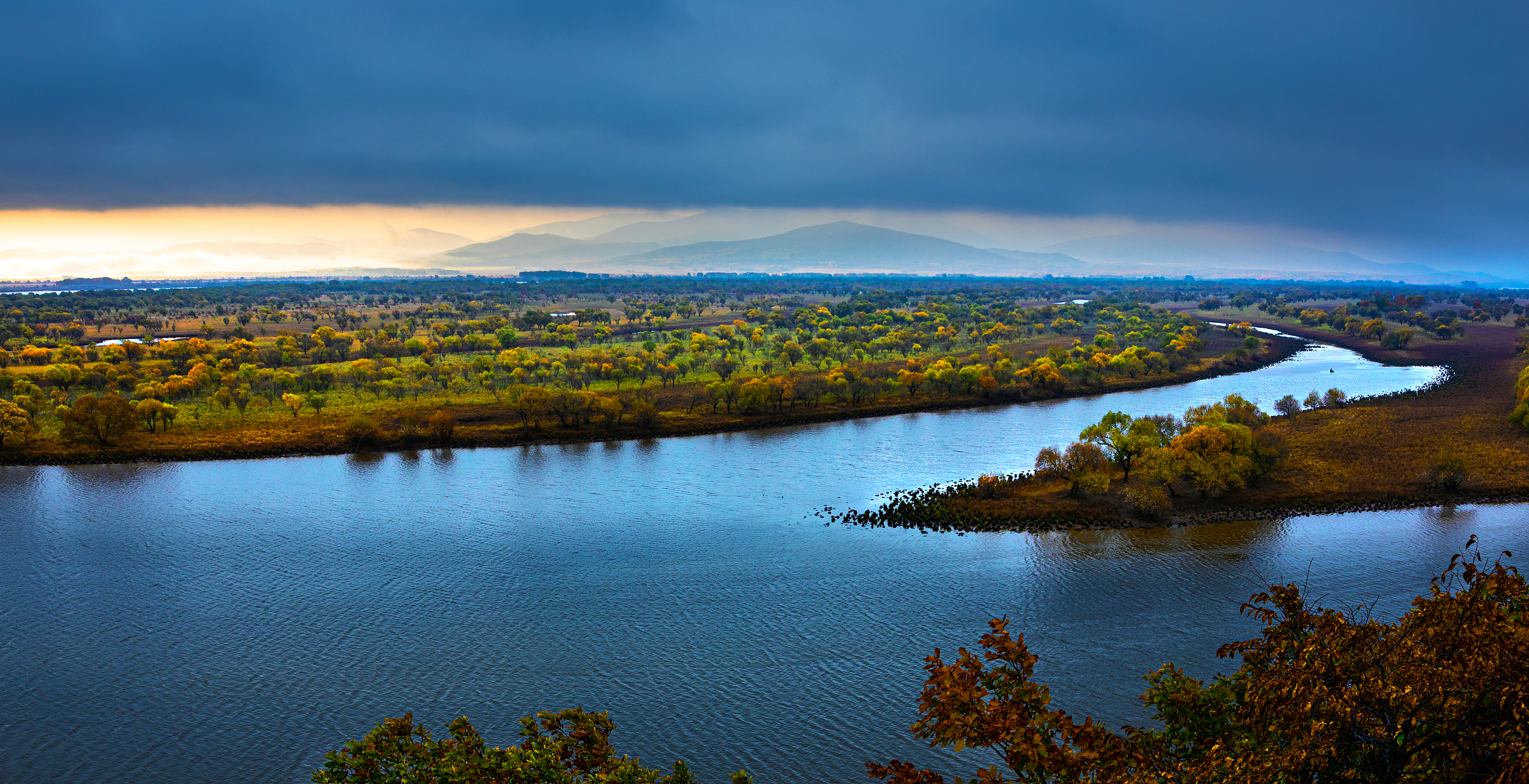
The Wusuli River is a tributary of the Heilongjiang River and a boundary river between China and Russia. With wide river surface and beautiful scenery on both banks, visitors can take a boat tour to experience border customs.
Explore rich intangible cultural heritage and traditional crafts
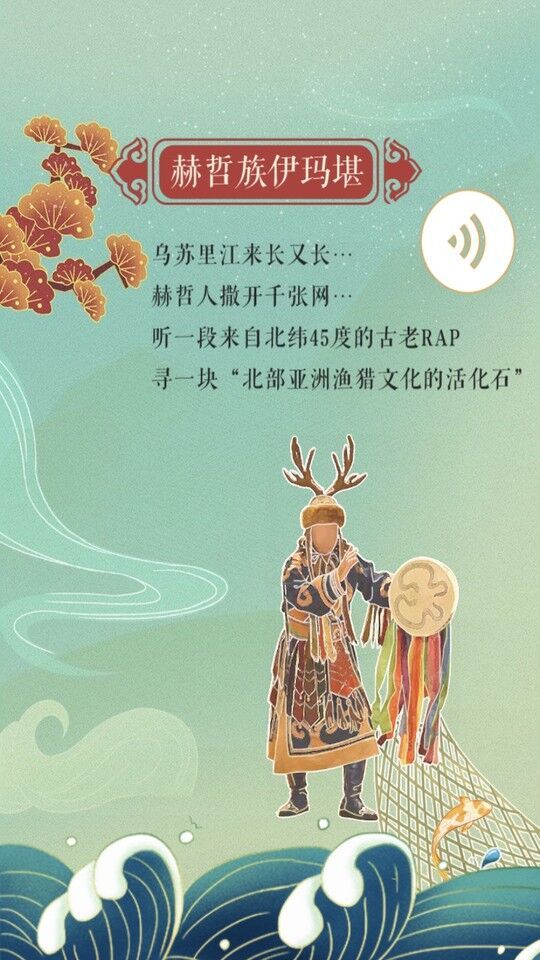
Hezhe Yimakan is a storytelling art of the Hezhe ethnic group, covering history, myths, and fishing-hunting life. It was inscribed on UNESCO's Intangible Cultural Heritage list in 2011.
Must-know transportation for exploring the city
Jixi Xingkai Lake Airport is located in Jidong County, with flights to Beijing, Harbin, Shanghai, etc. It is about 20 km from the city center, accessible by airport bus or taxi.
Airport bus 20 RMB, taxi about 50 RMB
Jixi Station is a key stop on the Mudanjiang-Jiamusi High-speed Railway, providing direct access to Harbin, Mudanjiang, Jiamusi, etc. The station has complete facilities and convenient transportation.
High-speed rail fare: Harbin-Jixi about 120 RMB
City bus routes cover main urban areas and attractions, fare 1-2 RMB, mobile payment supported. There are also tourist shuttle buses to Xingkai Lake and other scenic spots.
1-2 RMB
Taste the most authentic and popular local specialties
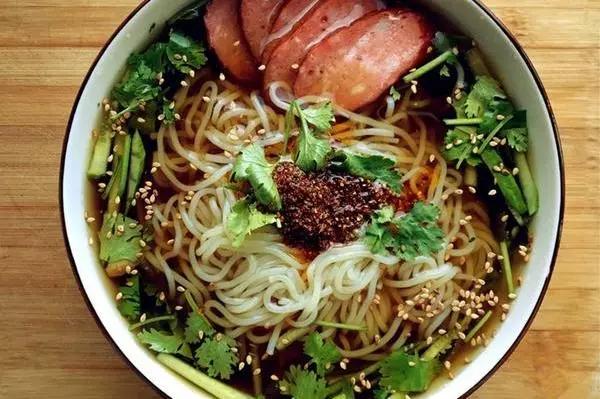
Jixi cold noodles are the most representative local dish. The noodles are chewy, the soup is sweet and sour, served with kimchi, cucumber shreds, etc. Best enjoyed in summer.
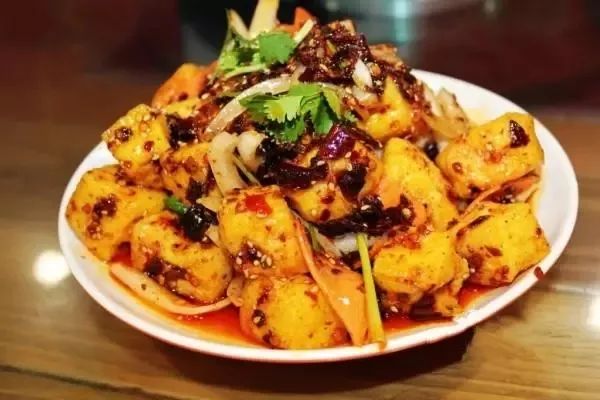
Jixi spicy vegetables are a Korean-style cold dish, characterized by spicy, sweet, and sour flavors. Common varieties include spicy cabbage, spicy radish, spicy bean sprouts, etc.
Jixi was listed as a third batch resource-exhausted city by the State Council, initiating comprehensive transformation to develop alternative industries and tourism for sustainable development.
Hutou Fortress is a military fortress built by the Japanese army during WWII, located in Hutou Town, Hulin City. It now serves as a patriotic education base, displaying evidence of Japanese aggression.
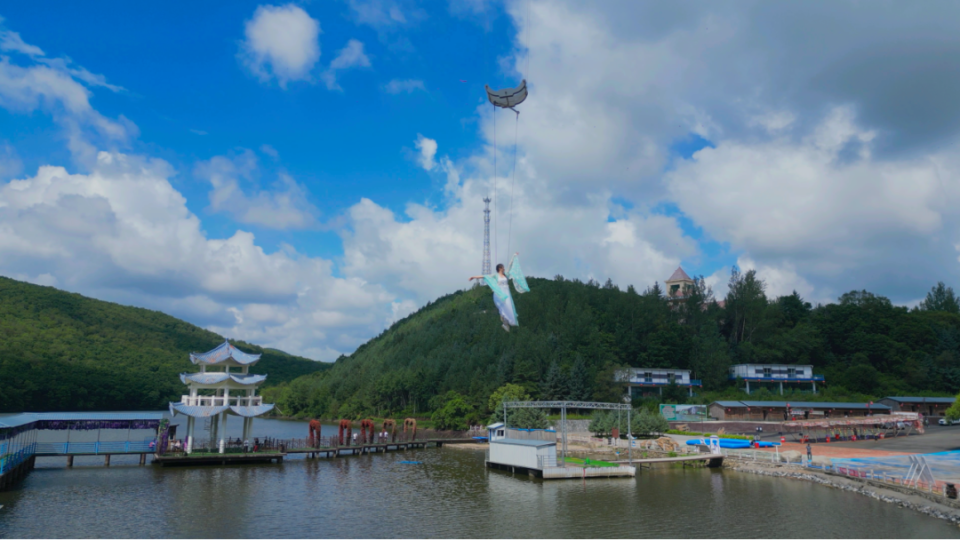
Kylin Mountain is located in Jidong County, Jixi City, with steep peaks and dense vegetation, known as 'Little Huangshan of the Northeast'. Suitable for hiking, sightseeing, and forest oxygen bar.
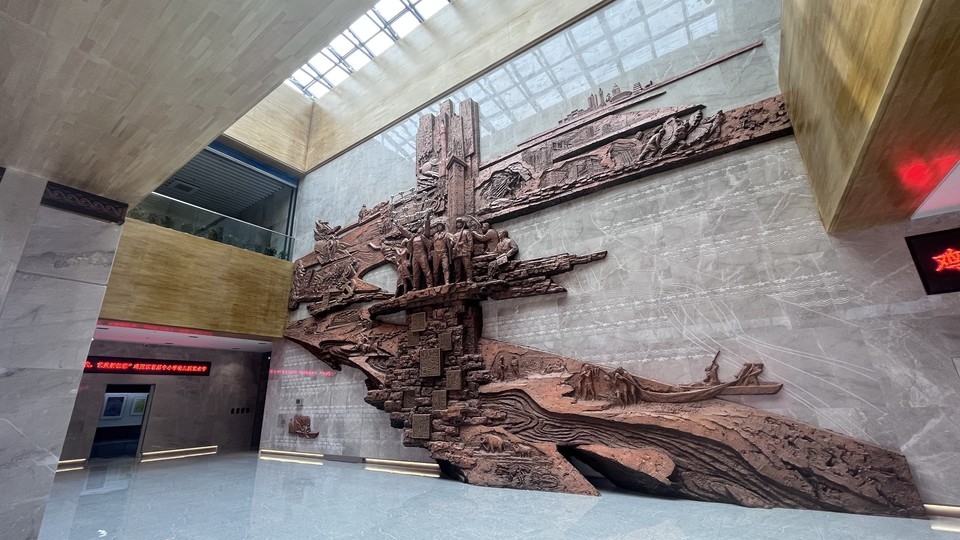
Jixi Museum exhibits the history, coal culture, and folk customs of Jixi, an important place to understand the city's development.
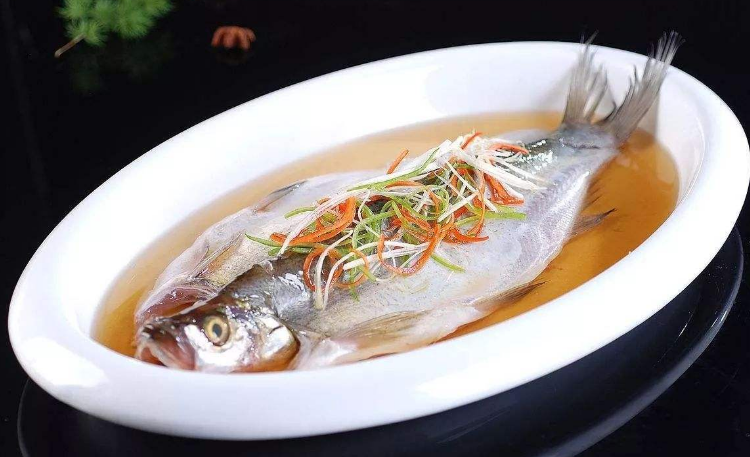
Xingkai Lake's specialty big white fish has tender and delicious meat, known as 'treasure of the lake'. Common preparations include steaming and braising.
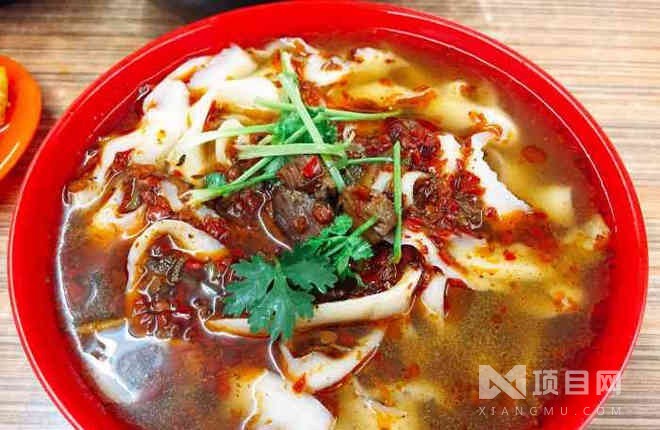
Jixi knife-cut noodles combine Shanxi knife-cut noodle technique with local flavors. The noodles are moderately thick, the broth rich, often served with beef or pork.
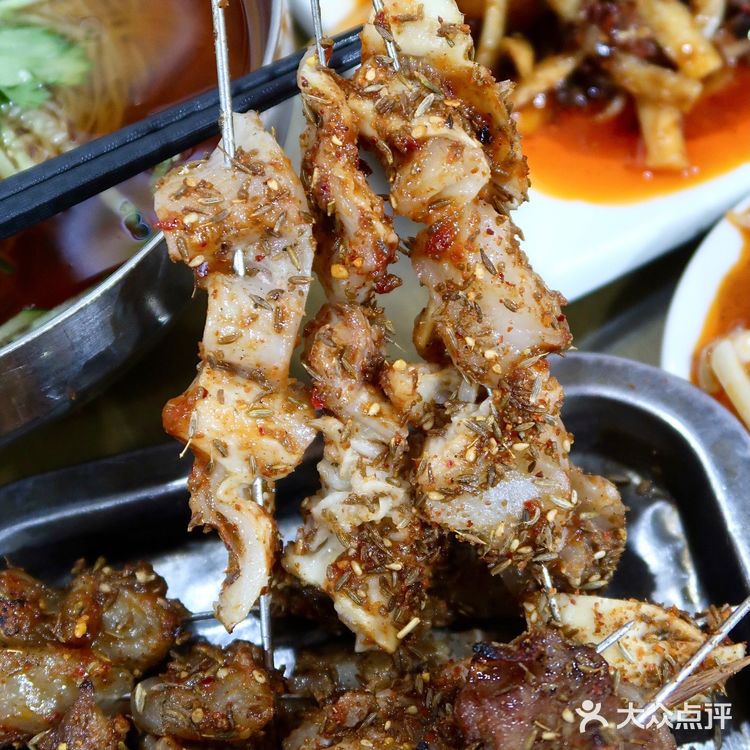
Jixi's Northeast BBQ is unique, with large skewers and generous seasoning, charcoal-grilled, aromatic. Paired with beer, it's a favorite late-night snack for locals.