
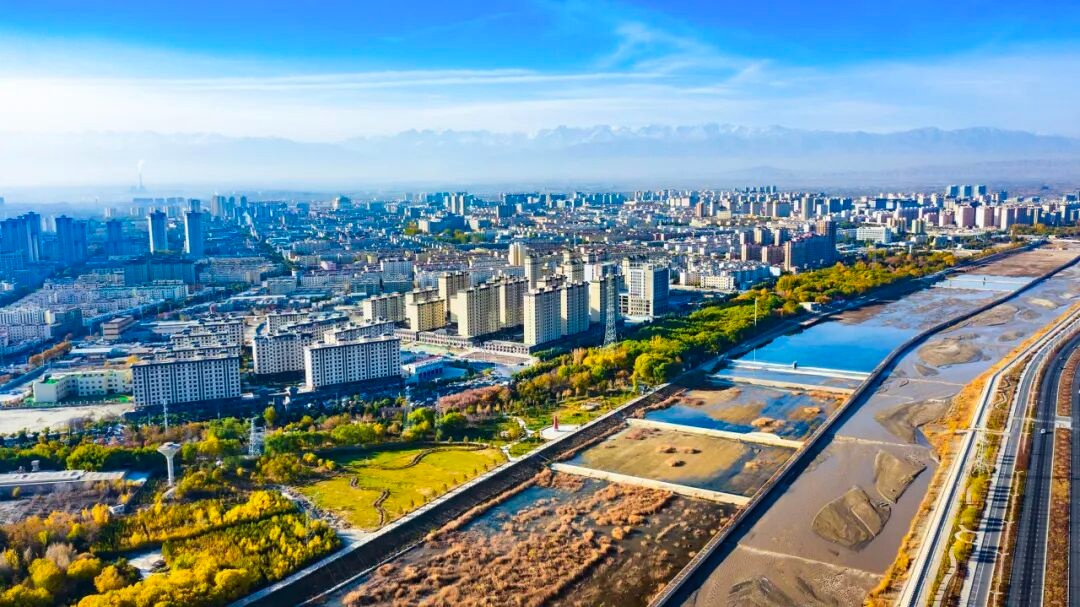
Jiuquan is located in the northwest of Gansu Province, at the western end of the Hexi Corridor, between 38° and 42° north latitude, with an average elevation of about 1,400 meters. It has a typical temperate continental climate, dry with little rain, abundant sunshine, and large temperature differences between day and night.
Jiuquan has a long history and was an important node on the Silk Road. As early as the Han Dynasty, it was a key passage to the Western Regions. The name "Jiuquan" originates from the legend that "there is a spring under the city, and its water tastes like wine."
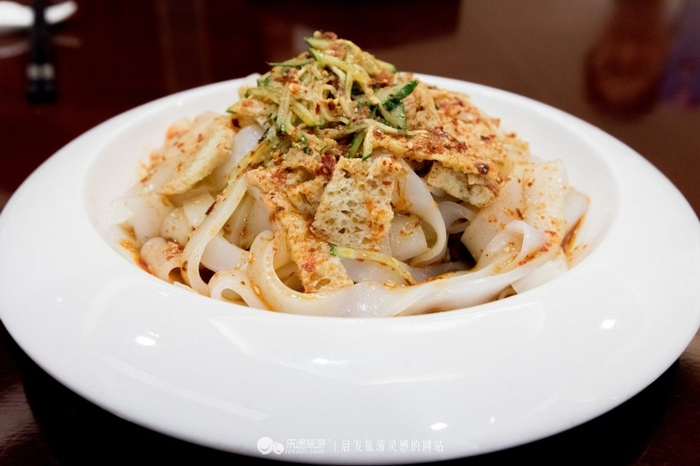
Jiuquan's culture is diverse, blending Central Plains, Western Regions, and nomadic characteristics. Local delicacies include Dunhuang donkey meat yellow noodles, lamb soup with vermicelli, and cold noodles with gluten. The city also boasts a unique luminous cup culture and intangible cultural heritage items like Dunhuang Quzi Opera.
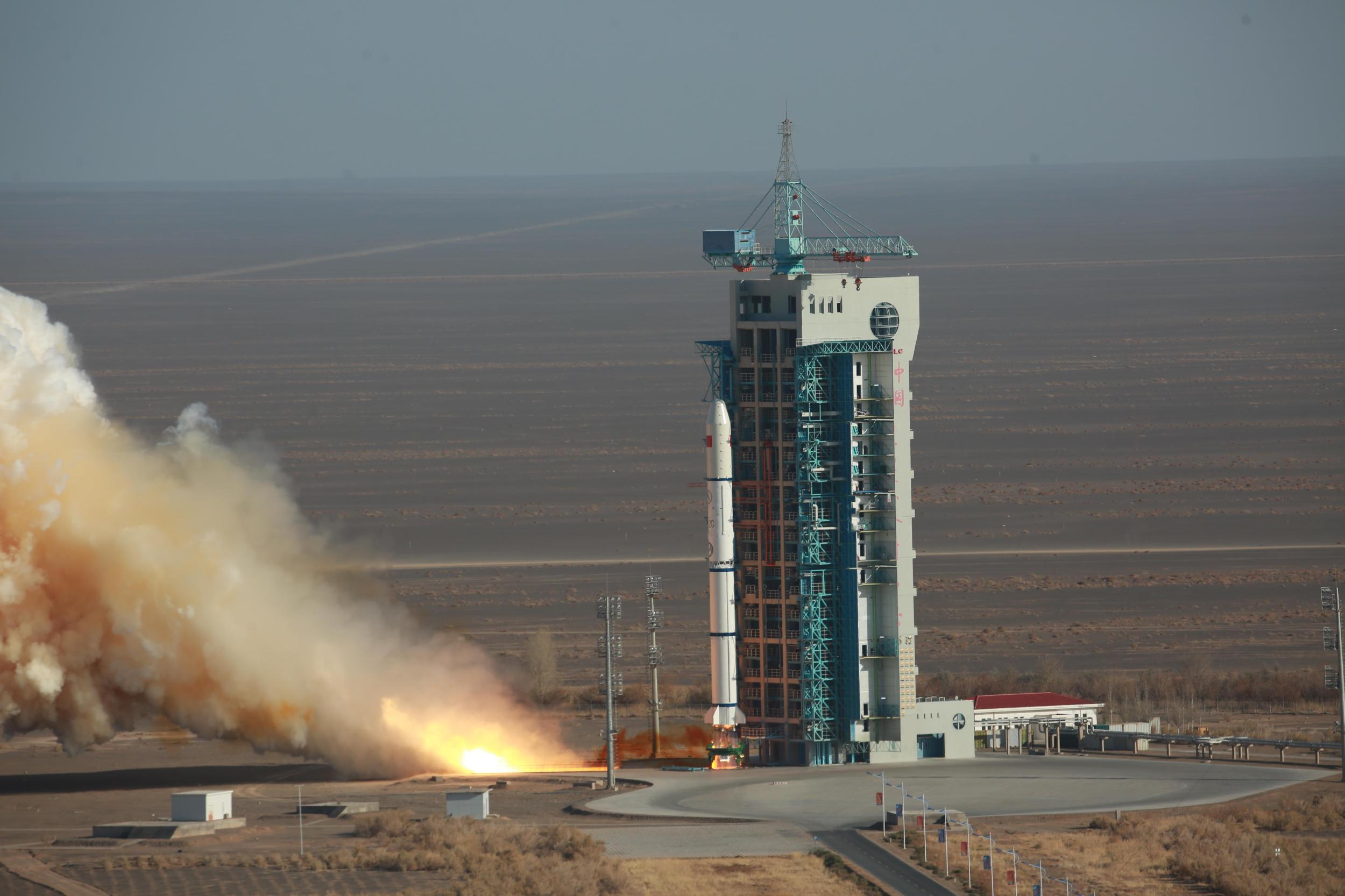
Modern Jiuquan is famous for its aerospace industry, being the cradle of China's space program. Leveraging its rich mineral resources and tourism potential, it is developing new energy, modern agriculture, and tourism, becoming an economic hub along the Hexi Corridor.
The best time to visit 酒泉 is May to October.
Spring (March-May) is mild but occasionally dusty, suitable for visiting cultural sites.
Summer (June-August) is hot and dry, the peak season for outdoor activities and desert experiences.
Autumn (September-October) is cool and pleasant with beautiful scenery, ideal for photography and hiking.
The Western Han general Huo Qubing defeated the Xiongnu, and Emperor Wu established Jiuquan Commandery, one of the four commanderies in the Hexi Corridor.
China began constructing the Jiuquan Satellite Launch Center, marking the start of its space program.
China's first artificial satellite, 'Dongfanghong-1', was successfully launched from the Jiuquan Satellite Launch Center.
Recommended places to visit
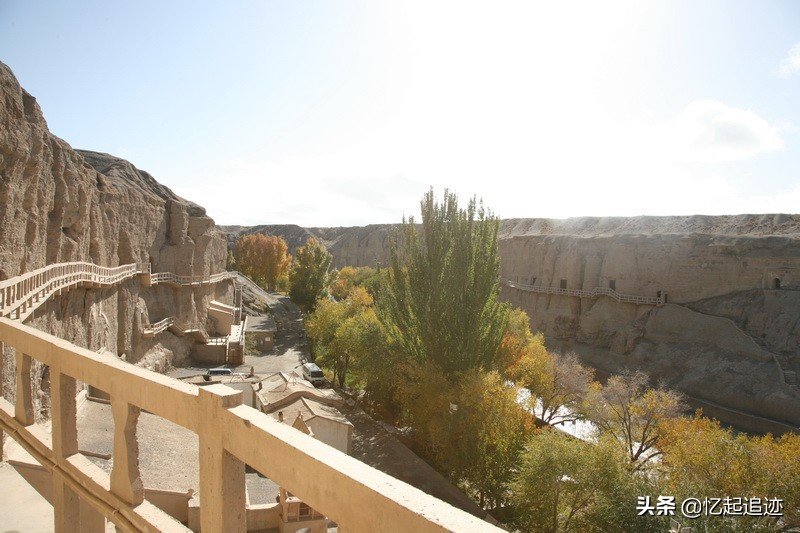
World Heritage site in Dunhuang, featuring extensive Buddhist murals and sculptures.
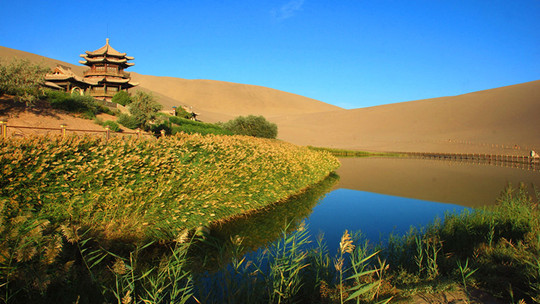
Desert wonder where sand mountain and spring coexist, unique scenery.
UNESCO World Heritage Sites
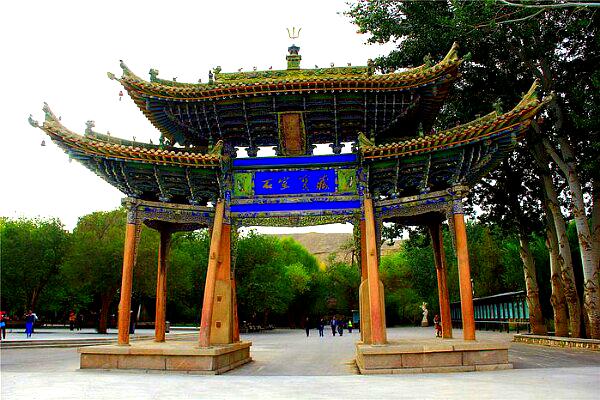
Located in Dunhuang, it is the largest and richest Buddhist art sanctuary in the world.
Explore rich intangible cultural heritage and traditional crafts
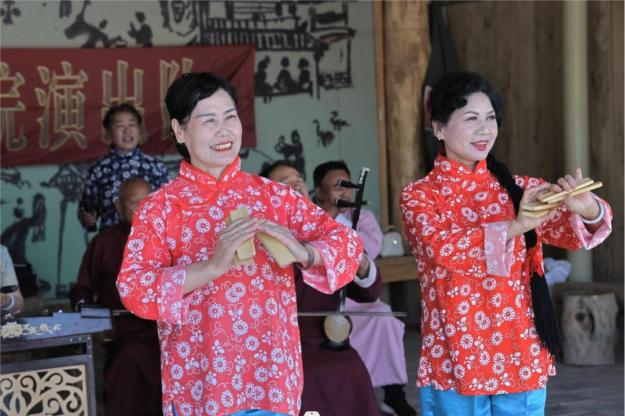
Traditional opera of the Dunhuang area, combining storytelling and performance with rich melodies.
Must-know transportation for exploring the city
Located in Suzhou District, with flights to Beijing, Shanghai, Xi'an, etc.
500-1500 RMB
Connects to Lanzhou, Urumqi, etc., served by the Lanzhou-Xinjiang High-Speed Railway.
200-600 RMB
Multiple routes covering the city and major attractions, fare 1-2 RMB.
1-2 RMB
Taste the most authentic and popular local specialties
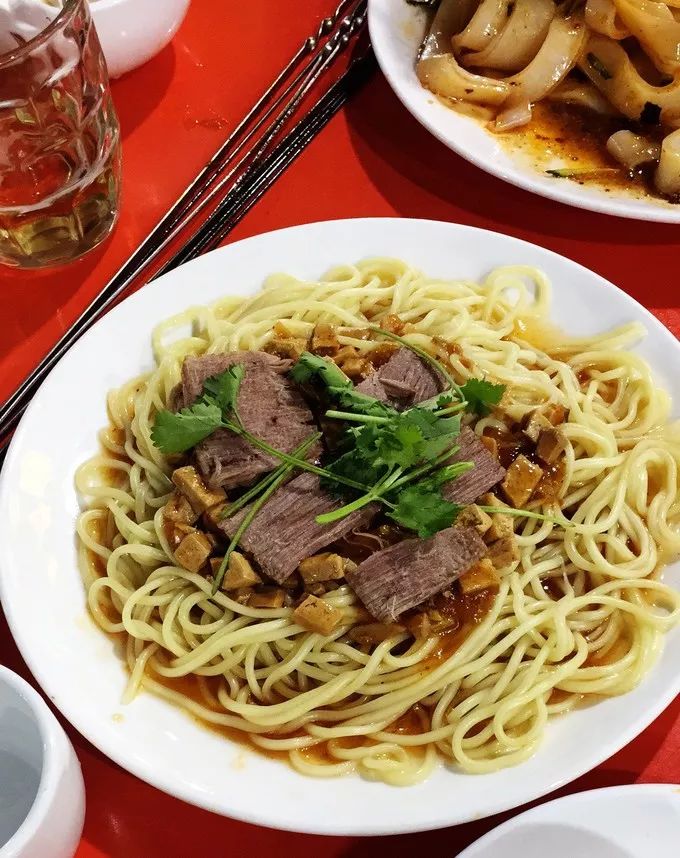
Tender donkey meat and chewy yellow noodles with special sauce.
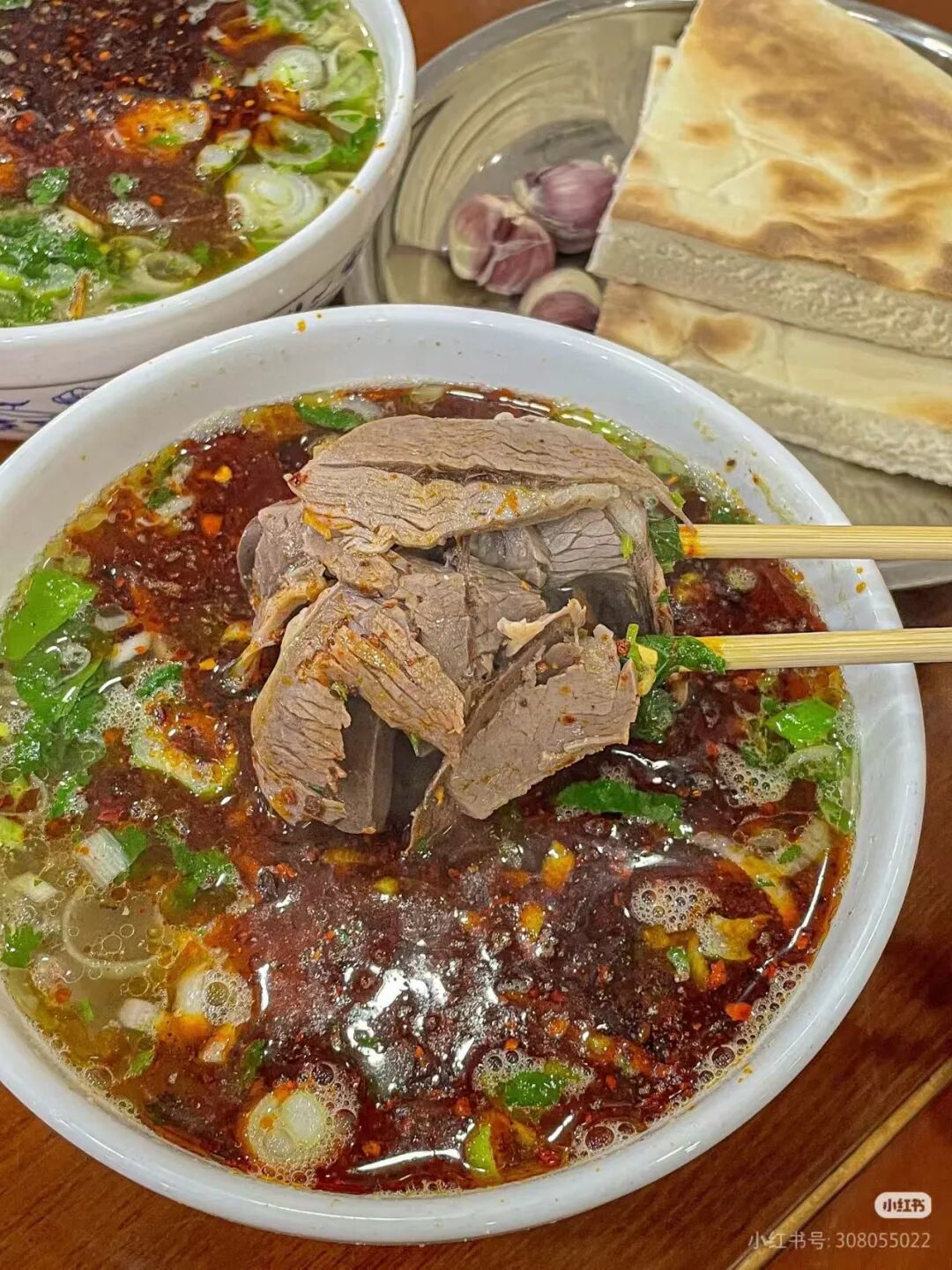
Rich mutton broth with vermicelli and radish, warming and comforting.
China's manned space launch site, with some areas open to visitors.
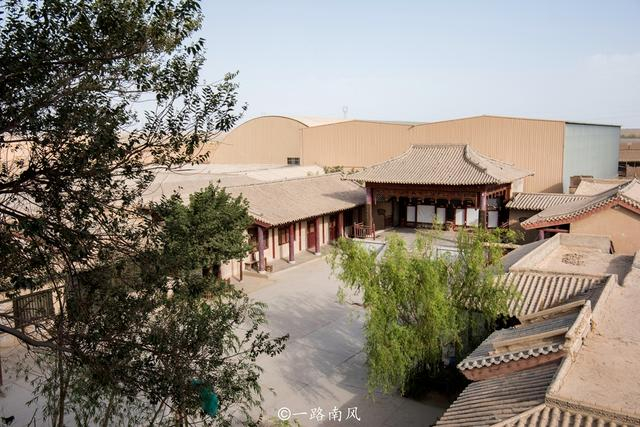
Reconstructed ancient buildings, recreating Dunhuang's Tang and Song dynasty style.
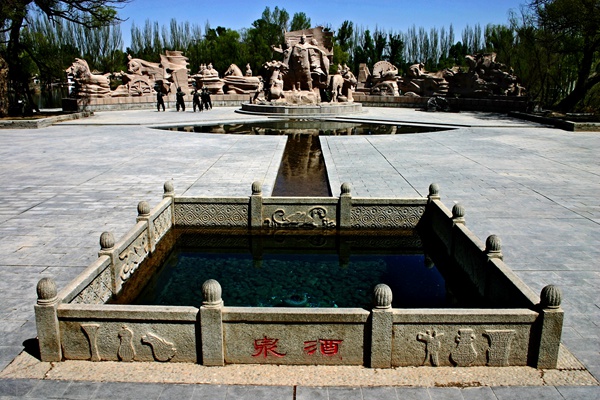
Han Dynasty garden in downtown Jiuquan, with a spring and ancient buildings.
Smooth cold noodles with gluten and seasonings, sour and spicy.
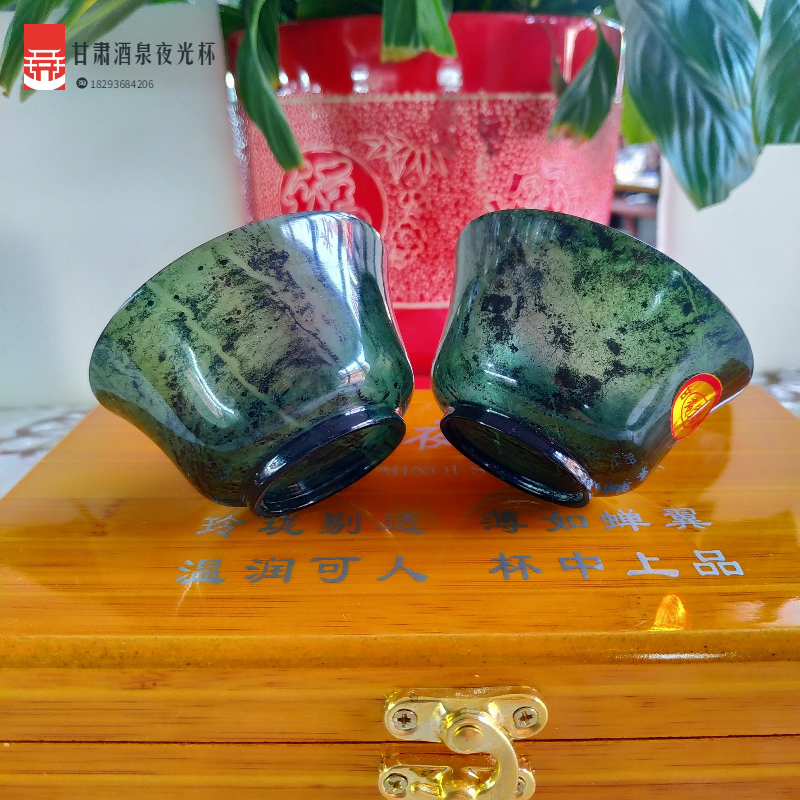
Carved from Qilian jade, as thin as paper, luminous like moonlight.
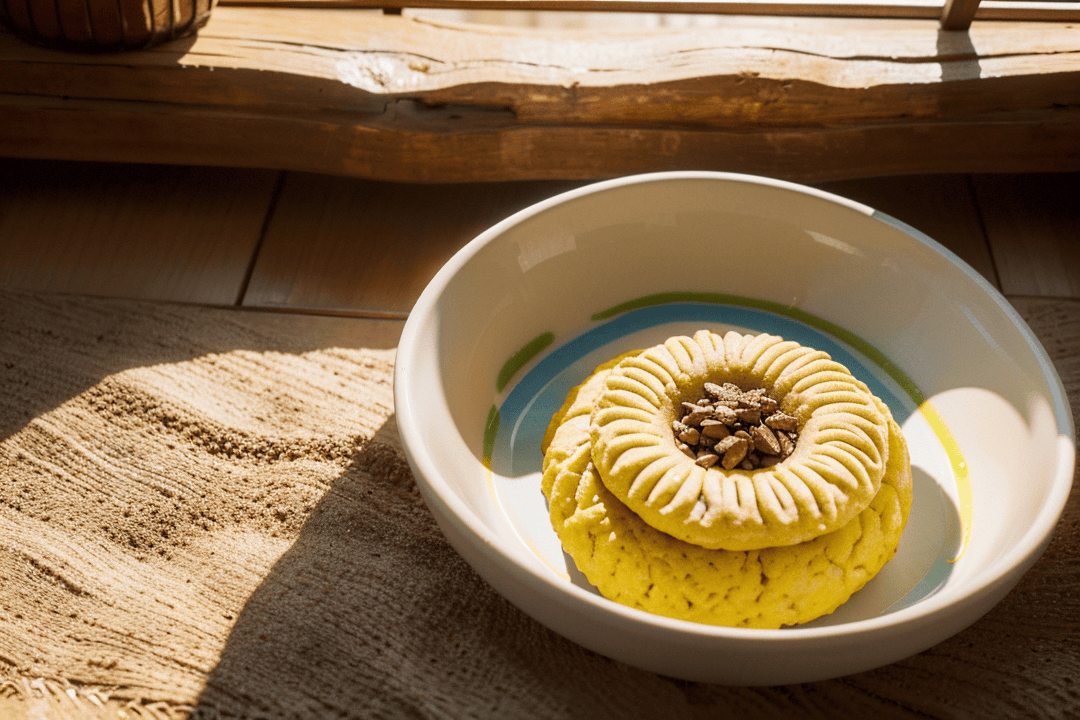
Fried dough cake made with suoyang (a medicinal herb), sweet and soft.