
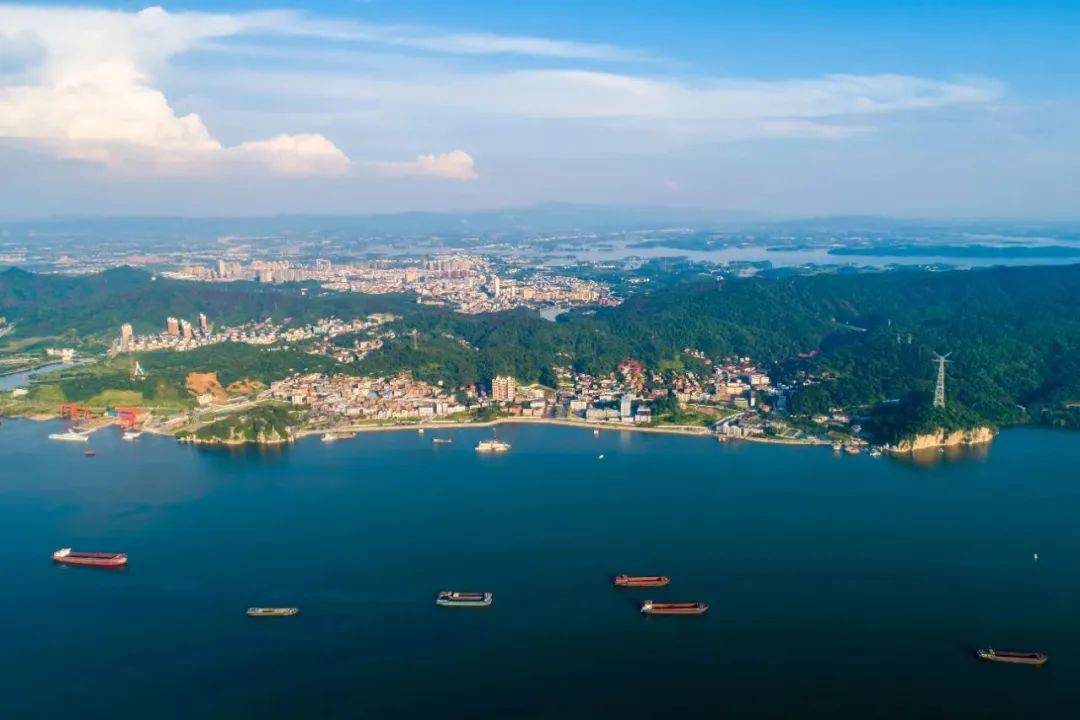
Jiujiang is situated in the northern part of Jiangxi Province, on the southern bank of the middle and lower reaches of the Yangtze River, at the confluence of the Yangtze and Poyang Lake. It has a subtropical monsoon climate with four distinct seasons and abundant rainfall. The annual average temperature is about 17°C, with hot and humid summers and mild, dry winters.
Jiujiang has a long history spanning over 2,200 years since the Qin Dynasty established a prefecture here. Formerly known as Xunyang and Jiangzhou, it is an important port city along the Yangtze River. Historically, it was one of the four major rice markets and one of the earliest treaty ports opened to foreign trade in modern China.
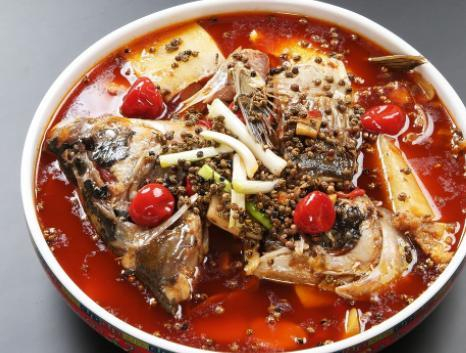
Jiujiang boasts a diverse culture blending Gan, Wu, and Chu traditions. Local delicacies include Jiujiang tea cakes, Lushan stone frog, and Poyang Lake big fish head. Traditional operas include Qingyang Qiang and Jiujiang Tea Picking Opera.
Modern Jiujiang is one of the regional central cities in Jiangxi Province, with industries mainly in petrochemicals, textiles, and building materials. Tourism is thriving, leveraging resources like Mount Lu and Poyang Lake, making it a renowned domestic and international tourist destination.
The best time to visit 九江 is Best in spring and autumn.
Spring (March-May): Jiujiang is warm with blooming flowers, azaleas on Lushan Mountain, and migratory birds at Poyang Lake heading north. The temperature is comfortable, suitable for mountain climbing and lake viewing.
Autumn (September-November): Clear and crisp weather, with brilliant red leaves on Lushan Mountain. The water level of Poyang Lake drops, revealing unique grassland landscapes, perfect for photography and outdoor activities.
Summer (June-August): Although hot, Lushan Mountain is a summer resort with an average temperature of only 22°C, ideal for escaping the heat. Winter (December-February) is cold but offers snowy scenery on Lushan.
After Qin Shi Huang unified China, he established Jiujiang Commandery, with its seat in present-day Shou County, Anhui, but its territory included present-day Jiujiang area.
According to the Treaty of Tianjin, Jiujiang was designated as a treaty port. It officially opened in 1861, established customs, and became an important foreign trade port along the Yangtze River.
Recommended places to visit
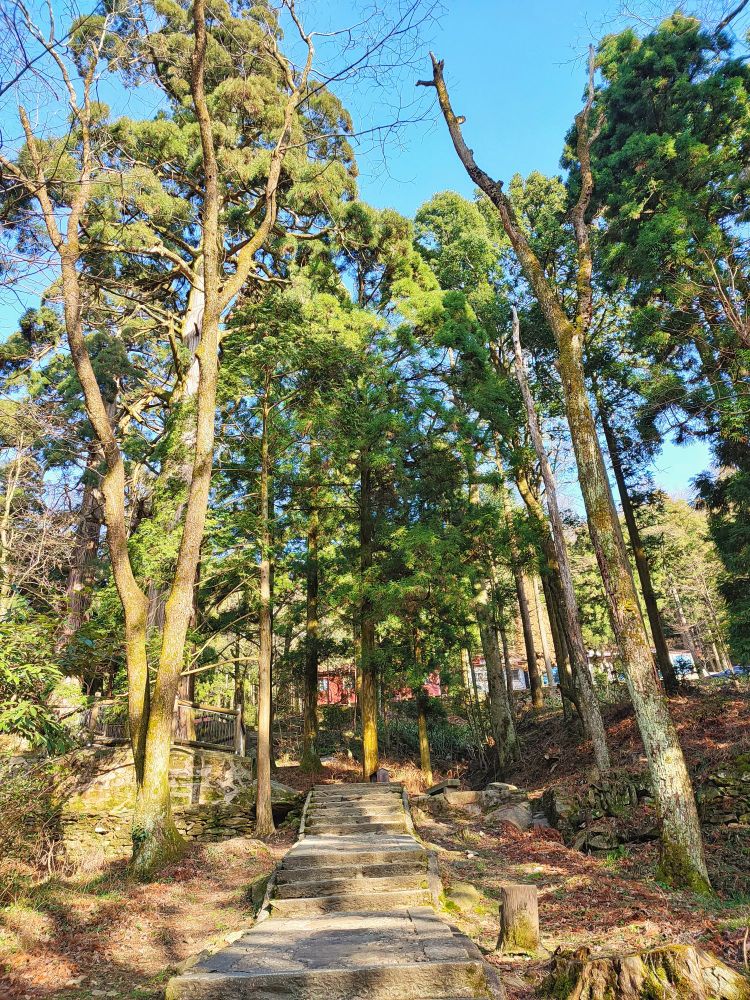
World Cultural Landscape Heritage, National 5A scenic spot. Known for its grandeur, uniqueness, steepness, and beauty, it is praised as 'the most beautiful mountain under heaven'. Main attractions include Hampo Pass, Sandie Spring, and Five Old Men Peak.
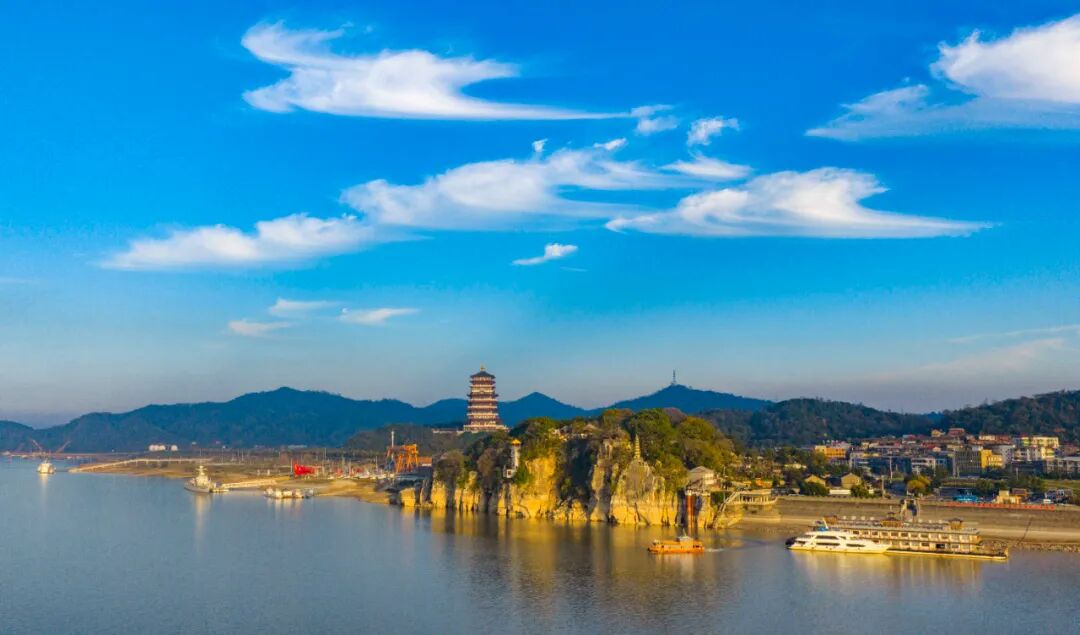
The largest freshwater lake in China and an important wetland in the world. In winter, a large number of migratory birds winter here, making it a bird-watching paradise. Scenic spots include Shizhong Mountain and Xie Mountain.
UNESCO World Heritage Sites
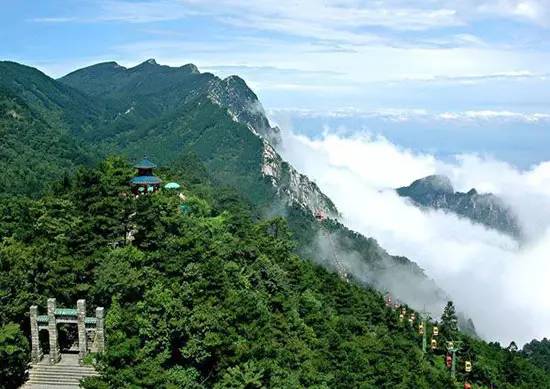
World Cultural Landscape Heritage. Famous for its unique geology, rich biodiversity, and profound cultural heritage.
Explore rich intangible cultural heritage and traditional crafts
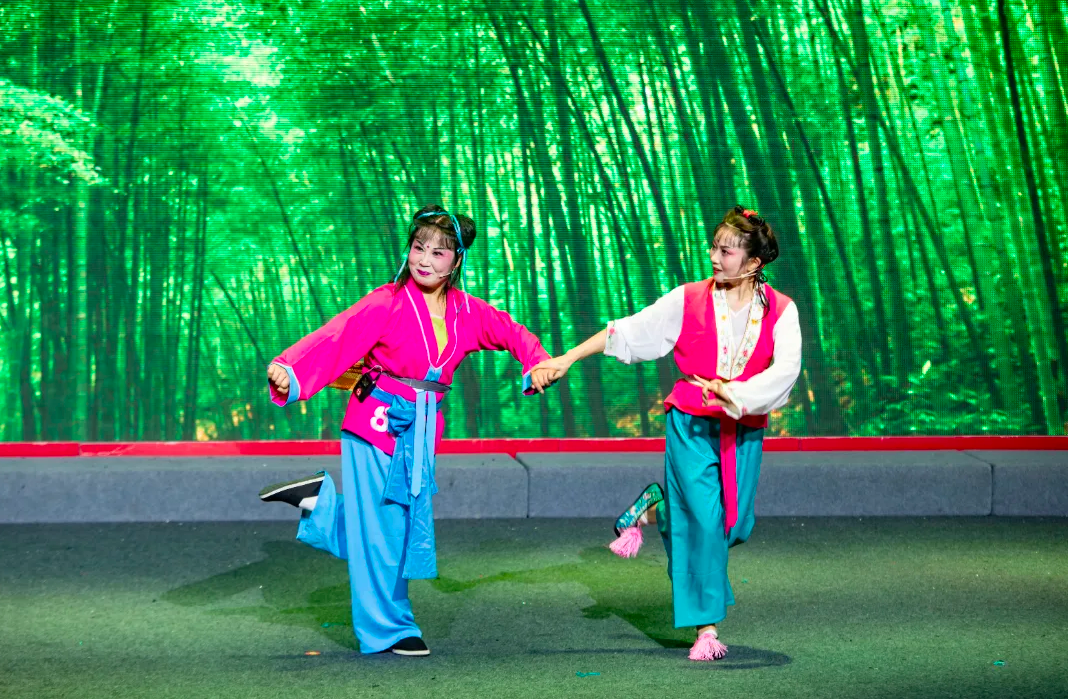
Intangible cultural heritage of Jiangxi Province. A traditional opera popular in Jiujiang area, originating from tea farmers' singing during work.
Must-know transportation for exploring the city
Located south of Jiujiang city, about 30 km from downtown. Flights to Beijing, Shanghai, Guangzhou, Shenzhen, etc.
Varies by route
Intersection of Beijing-Kowloon Railway, Wuhan-Jiujiang High-speed Railway, Hefei-Jiujiang High-speed Railway, etc. Direct trains to major cities like Beijing, Shanghai, Wuhan, Hefei.
Second class approx. 200-400 RMB
City bus routes cover major attractions and commercial areas, fare 1-2 RMB. There are also tourist shuttle buses to Lushan and other scenic spots.
1-2 RMB
Taste the most authentic and popular local specialties
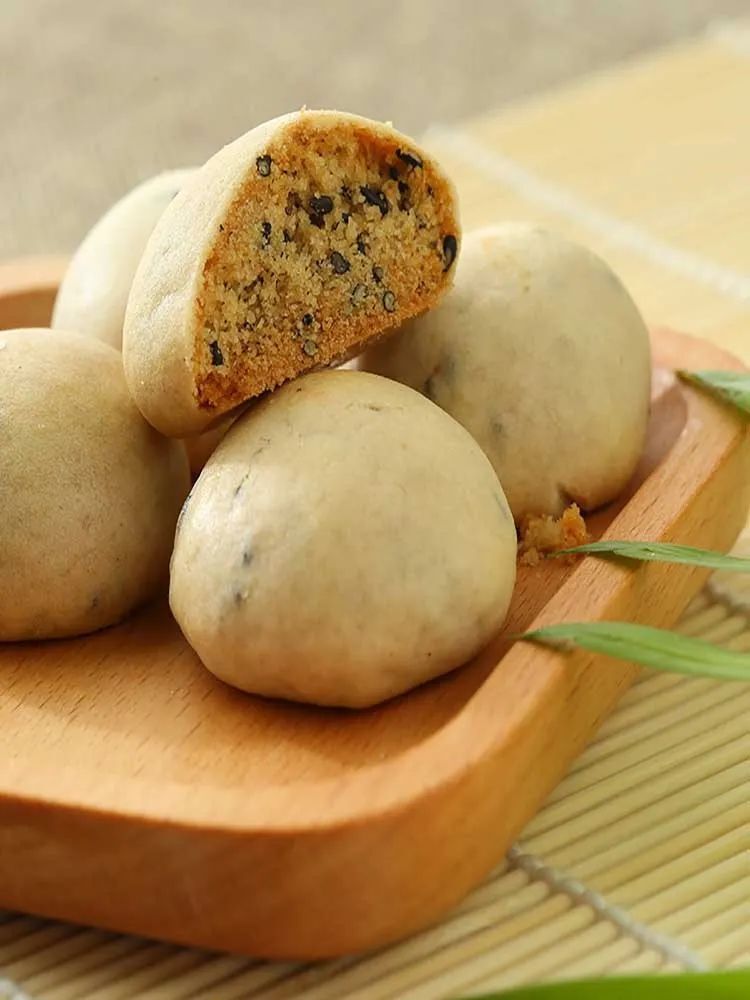
Traditional famous snack of Jiujiang, made from flour, sesame, tea oil, etc. Crispy outside and soft inside, with rich tea flavor.
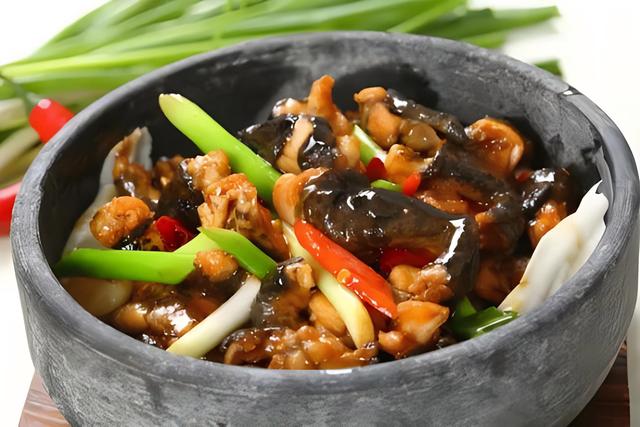
A specialty of Lushan, actually a frog species. The meat is tender and delicious, often braised or stewed.
In January 1927, the people of Jiujiang, led by the Communist Party of China, held anti-imperialist demonstrations and recovered the British Concession, an important anti-imperialist struggle in modern Chinese history.
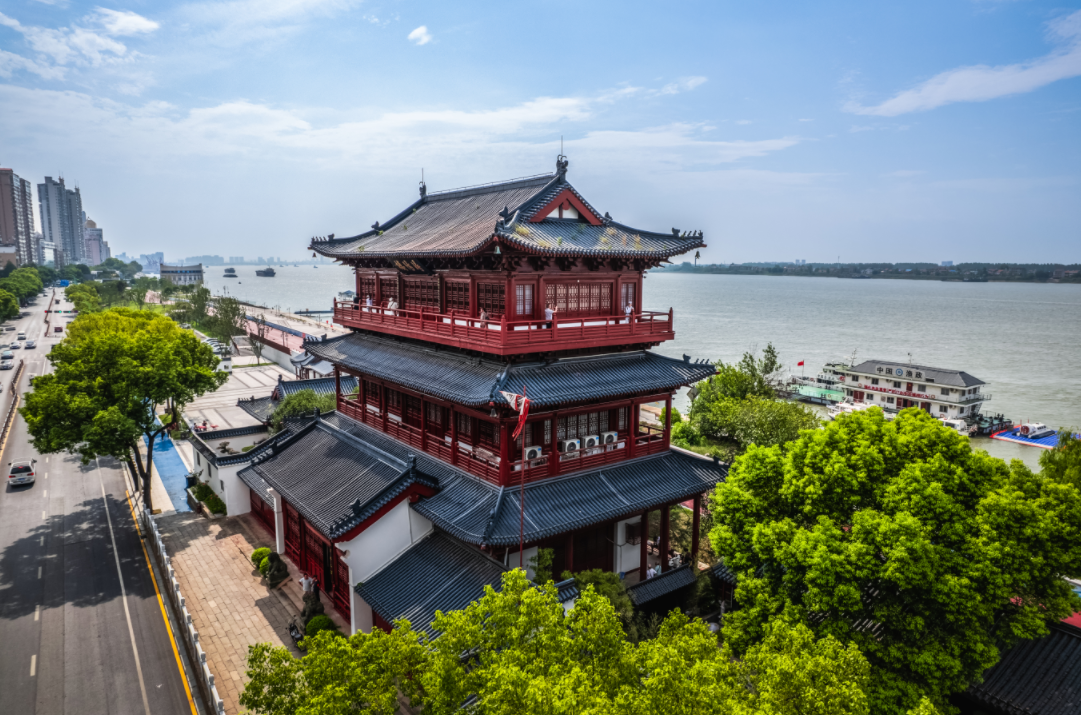
One of the ten famous towers in Jiangnan, famous for Bai Juyi's 'Pipa Song'. The tower is 21 meters high, overlooking the Yangtze River, and is a landmark of Jiujiang.
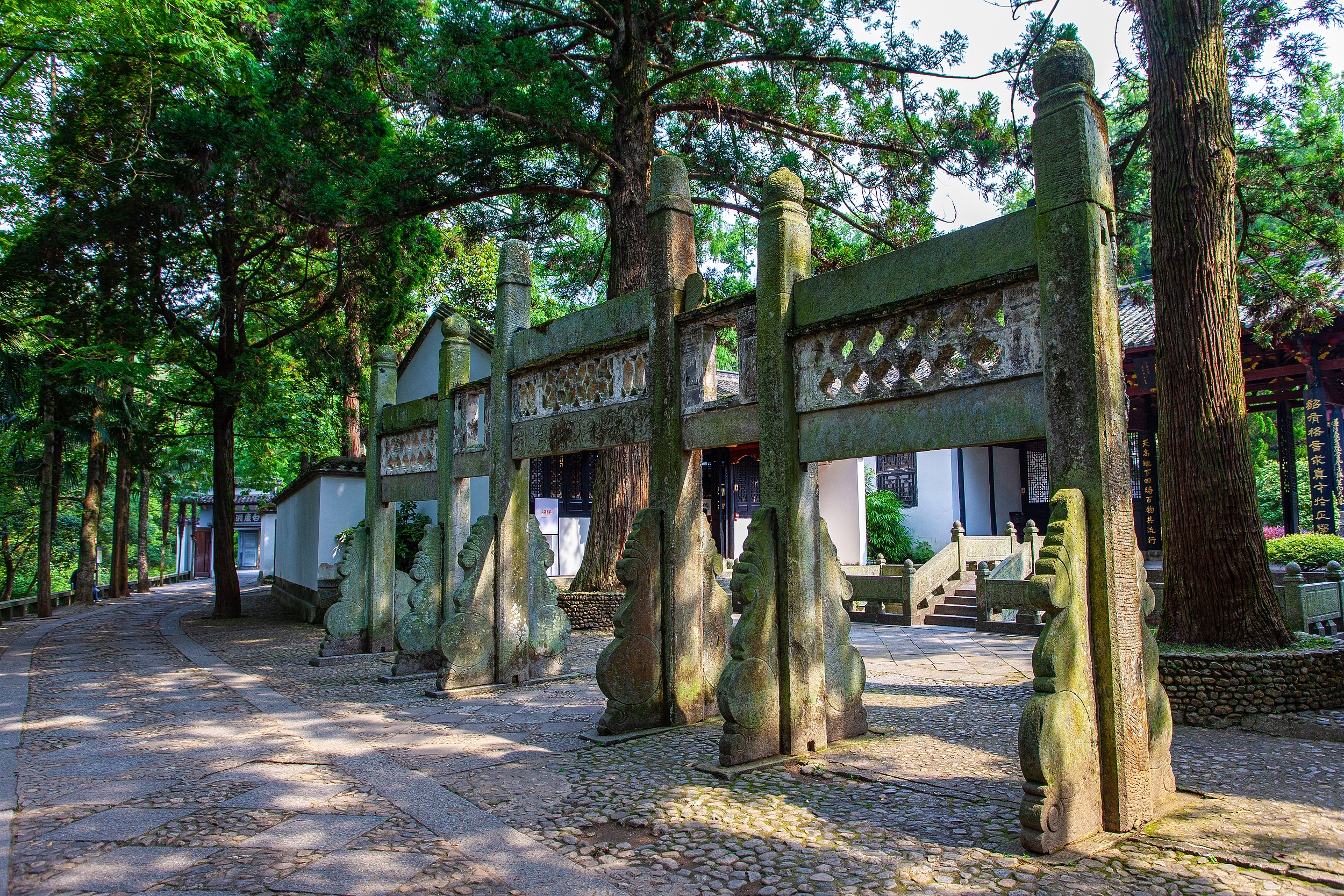
One of the four great academies in ancient China, located at the southern foot of Five Old Men Peak in Lushan. Founded in the Southern Tang Dynasty, Zhu Xi lectured here in the Song Dynasty, making it an important birthplace of Neo-Confucianism.
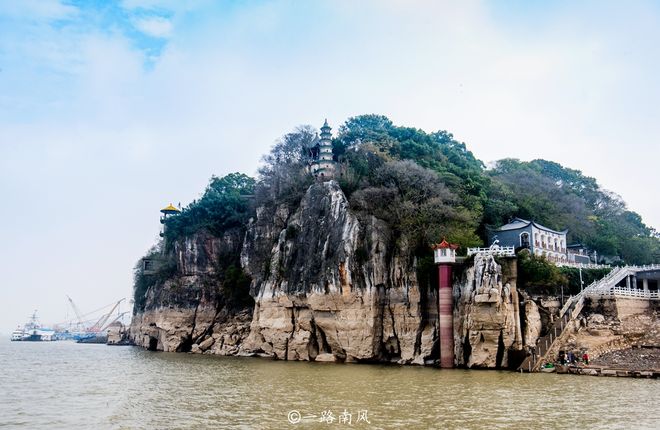
Located at the confluence of Poyang Lake and the Yangtze River, famous for Su Shi's 'Record of Stone Bell Mountain'. The mountain is steep with many caves, offering a spectacular view of the convergence of river and lake.
Selected wild bighead fish head from Poyang Lake, steamed with chopped chili peppers. Spicy and delicious, with rich and tender meat.
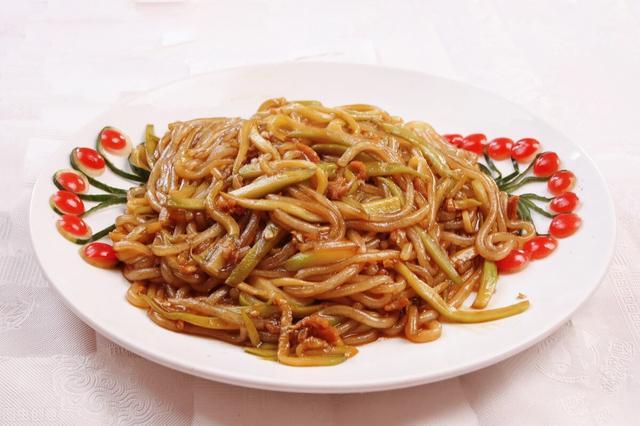
A local snack in Jiujiang, with smooth rice noodles stir-fried with shredded pork, vegetables, eggs, etc. Aromatic and tasty.
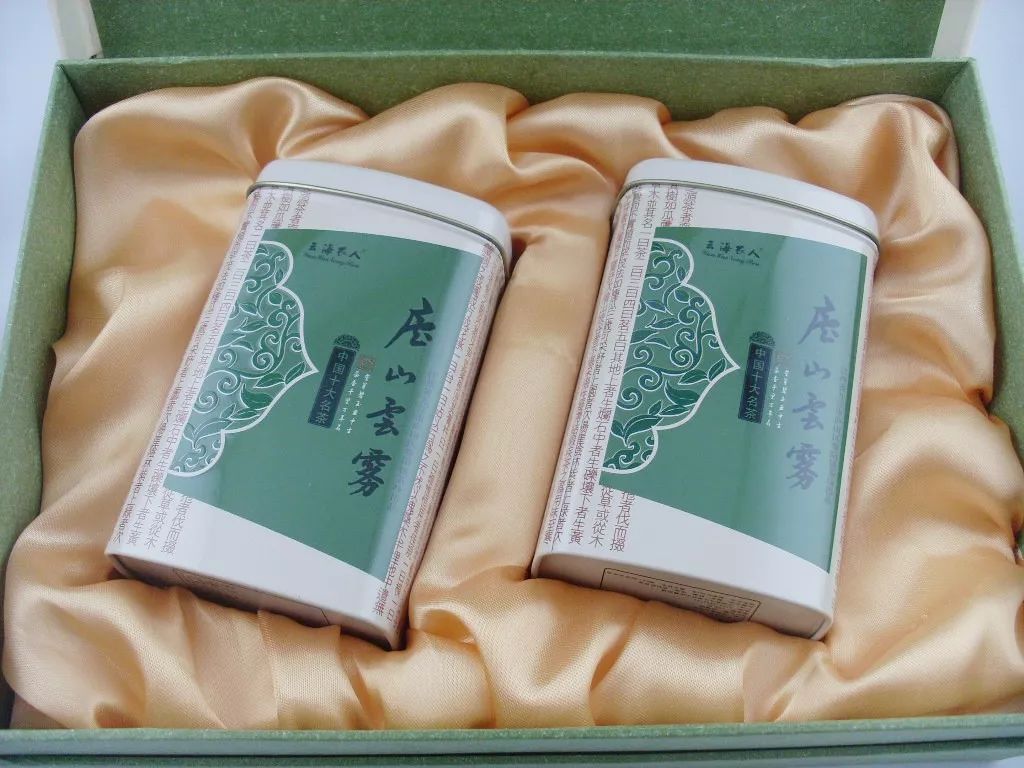
One of China's top ten famous teas, produced on Lushan Mountain. The tea liquor is clear, with a lasting fragrance and mellow taste.