
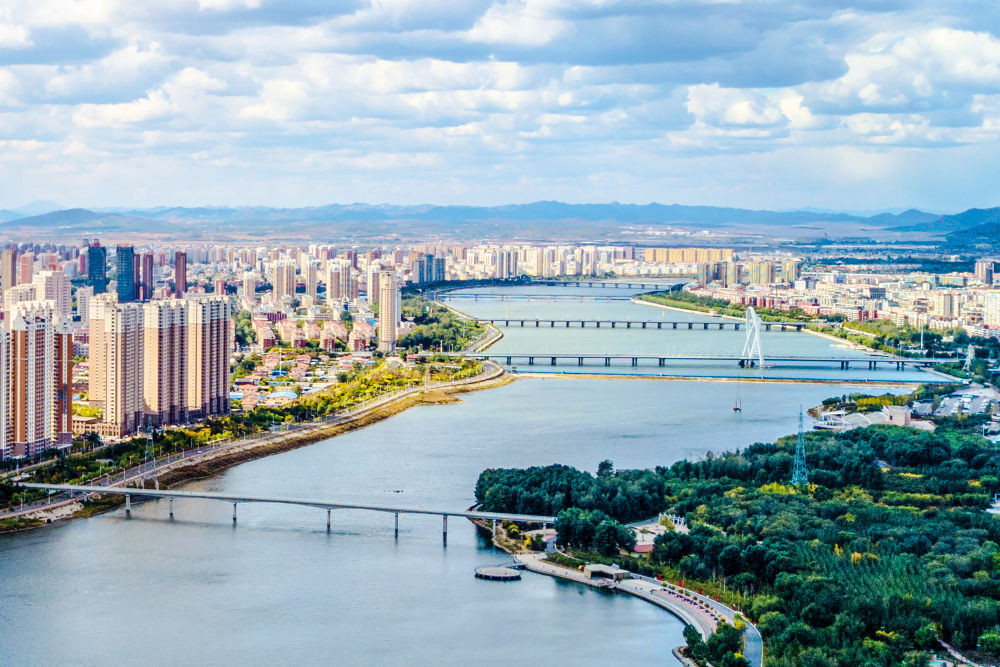
Jinzhou is located in the southwest of Liaoning Province, on the Liaoxi Corridor, bordering the Liaodong Bay of the Bohai Sea to the south. It has a temperate monsoon climate with four distinct seasons: warm and humid summers, cold and dry winters.
Jinzhou has a long history, founded in the Liao Dynasty over a thousand years ago. It became an important commercial port in the Qing Dynasty and was the site of the Liaoshen Campaign during the Chinese Civil War, rich in revolutionary heritage.
Jinzhou's culture is a blend of Guandong culture and maritime culture. Local specialties include Jinzhou barbecue and Goubangzi smoked chicken. Folk arts like Liaoxi puppet shows are recognized as intangible cultural heritage.
Modern Jinzhou is a key city in the Bohai Rim Economic Zone with a strong industrial base in petrochemicals and metallurgy. Tourism is also developing rapidly, with attractions like Bijia Mountain and the Liaoshen Campaign Memorial Hall drawing visitors.
The best time to visit 锦州 is Spring and autumn are the best travel seasons.
Spring (April-May) has pleasant weather with blooming flowers, ideal for outdoor activities.
Summer (June-August) is hot, but you can go to Bijia Mountain seaside to escape the heat.
Autumn (September-October) is clear and crisp, a good time to enjoy red leaves and seafood.
Emperor Yelü Abaoji of Liao Dynasty founded the city, naming it Jinzhou.
The Liaoshen Campaign was fought in Jinzhou, leading to its liberation and making it an important revolutionary memorial site.
Jinzhou was designated as a coastal open city, experiencing rapid economic growth.
Recommended places to visit
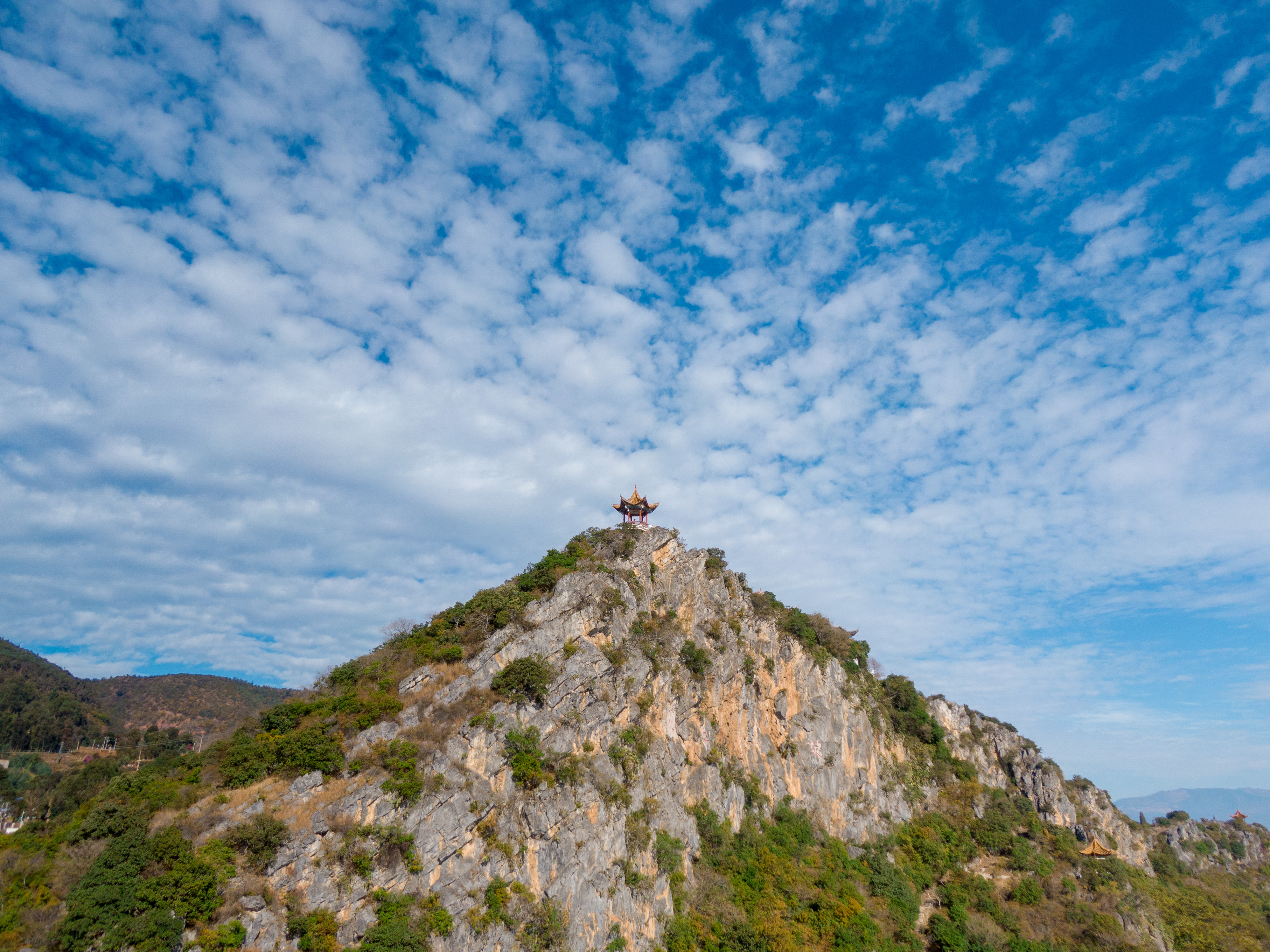
Bijia Mountain is the most famous attraction in Jinzhou, named for its pen-rack-like shape. It features Taoist buildings like Sanqing Pavilion and can be reached by boat or via a natural bridge at low tide.
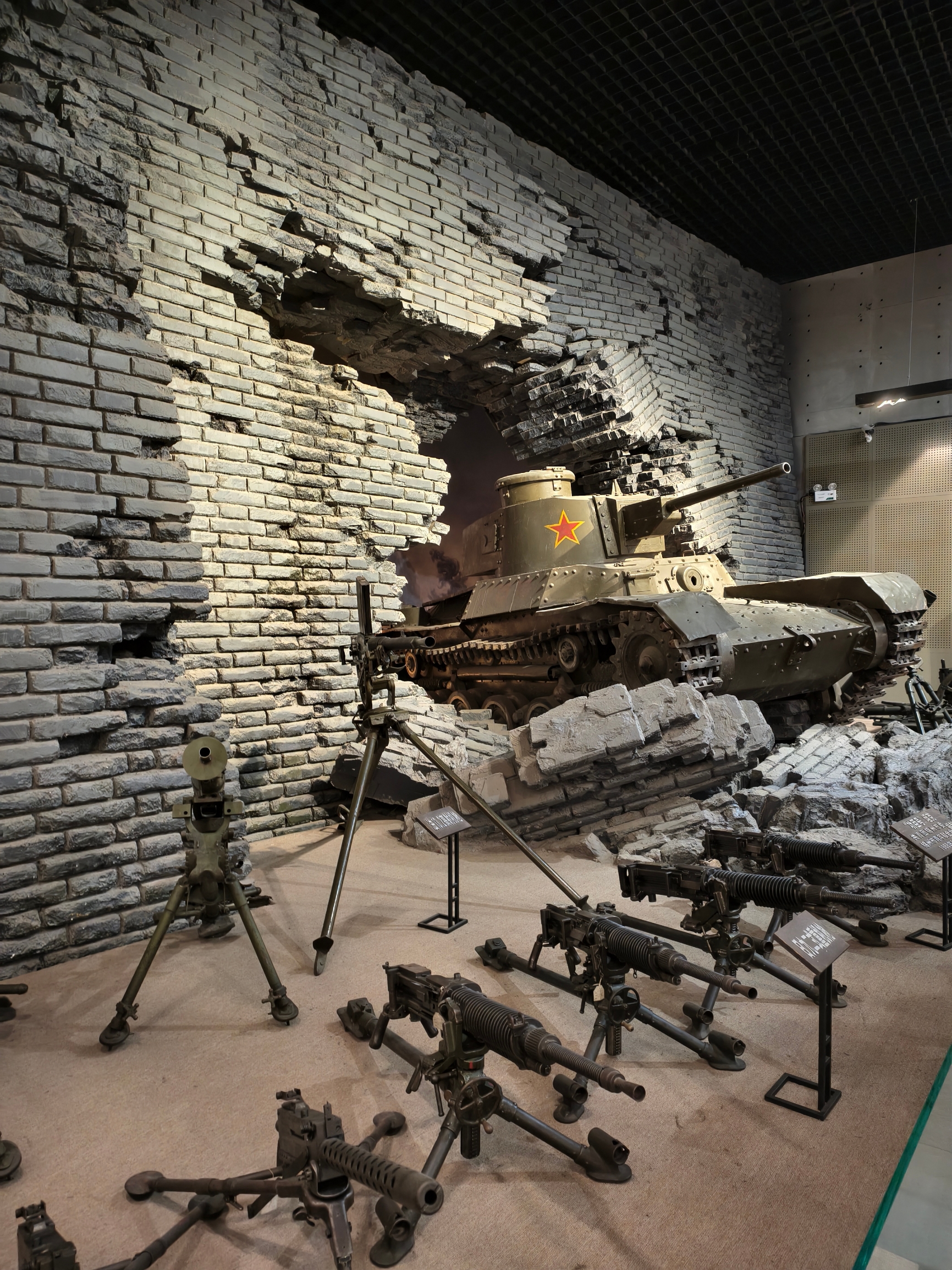
Built to commemorate the Liaoshen Campaign, the hall displays a large number of historical artifacts and photos, making it an important red tourism site.
Explore rich intangible cultural heritage and traditional crafts
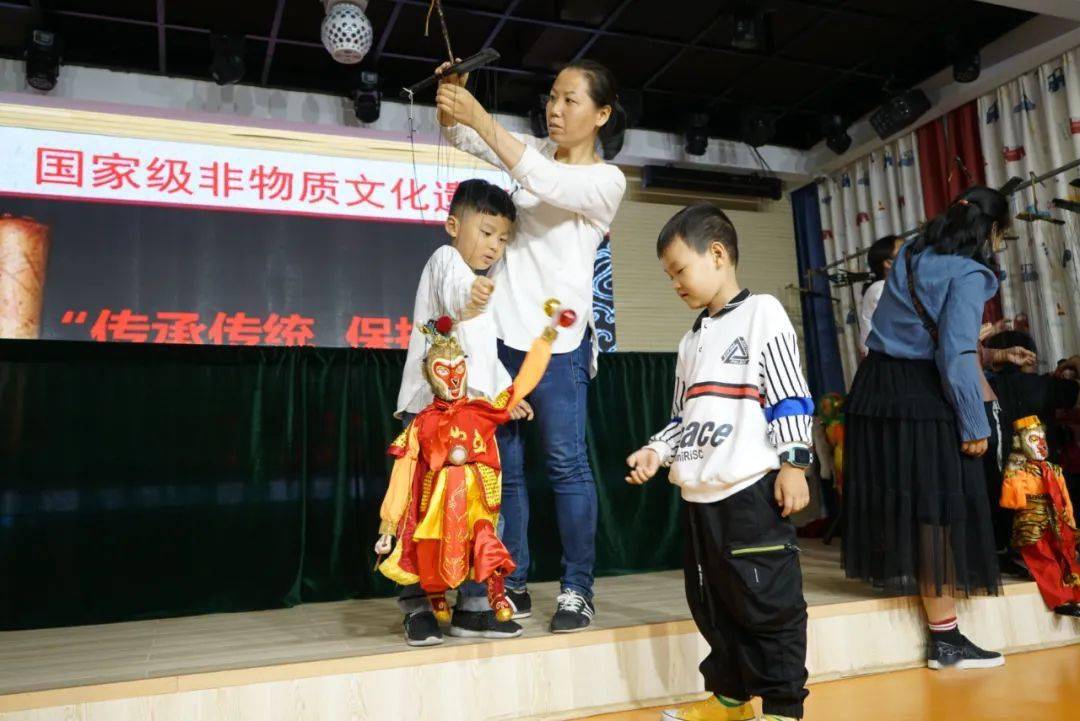
Western Liaoning puppetry is a traditional drama in Jinzhou, characterized by puppet manipulation and singing, listed as a national intangible cultural heritage.

Jinzhou Manchu folk embroidery is a traditional skill of Manchu women, with rich patterns and bright colors, listed as a provincial intangible cultural heritage.
Must-know transportation for exploring the city
Jinzhou Bay Airport is located southeast of the city center, with flights to Beijing, Shanghai, Guangzhou, etc.
Varies by route
Jinzhou Station serves regular trains, while Jinzhou North Station is a high-speed rail station connecting to Shenyang, Dalian, Beijing, etc.
High-speed rail approx. 100-200 RMB
City buses cover major attractions and commercial areas, fare 1-2 RMB.
1-2 RMB
Taste the most authentic and popular local specialties
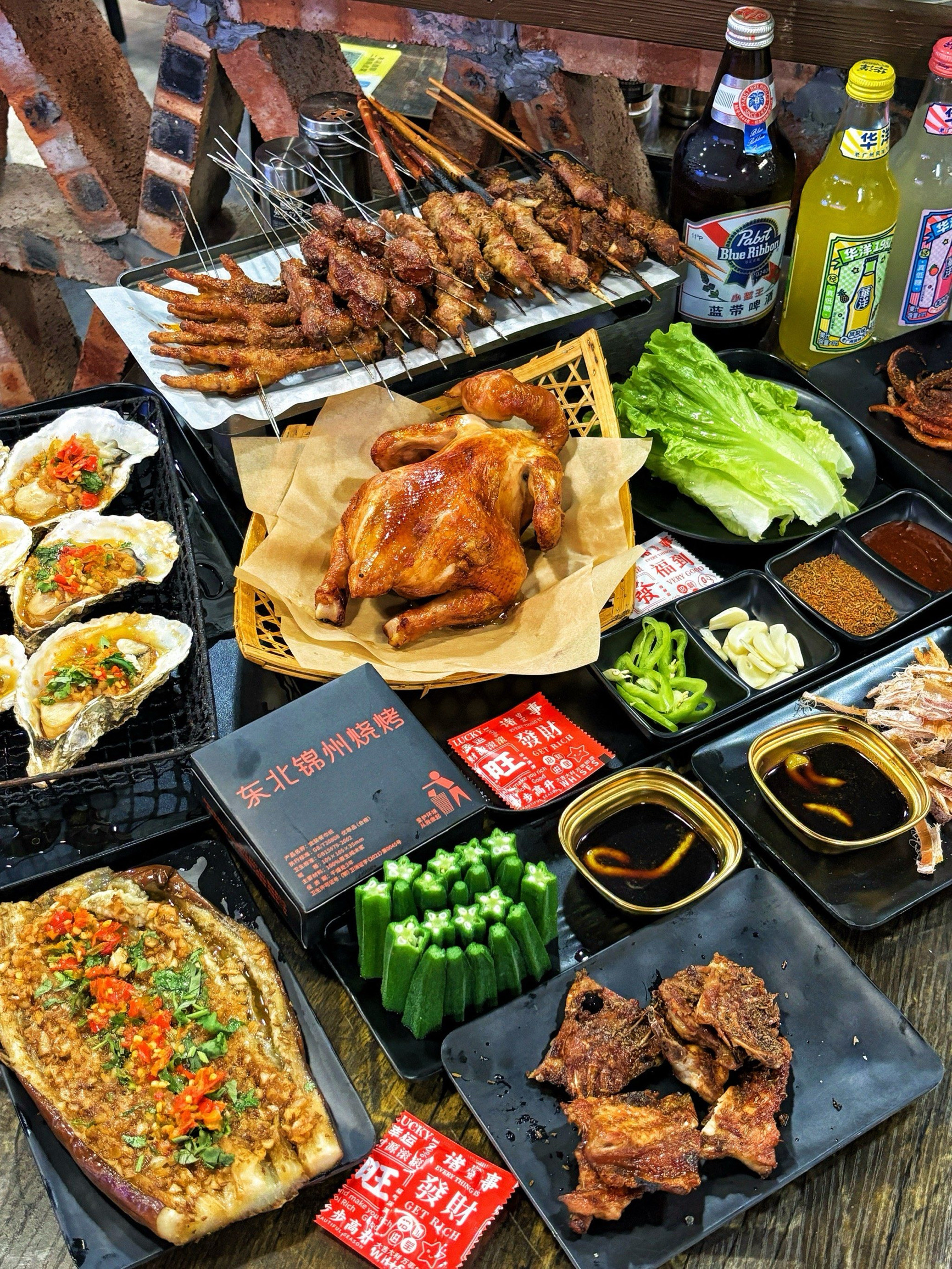
Jinzhou barbecue is famous nationwide, charcoal-grilled with unique spices, offering a wide variety including beef, lamb, seafood, and vegetables.
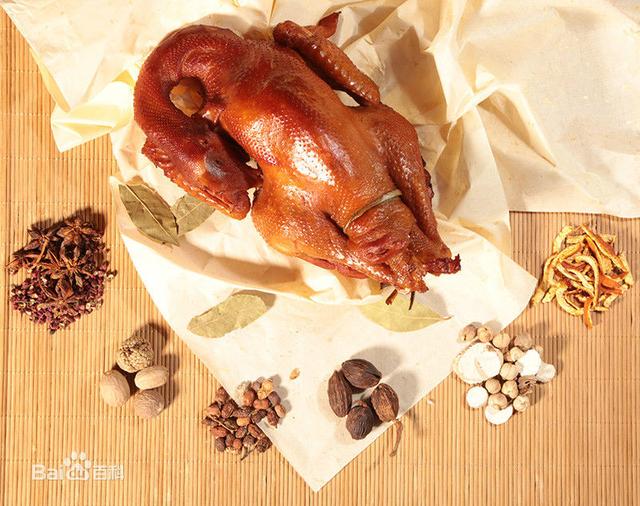
A traditional Liaoning famous dish, known for its unique smoking process, bright red color, and delicious taste.
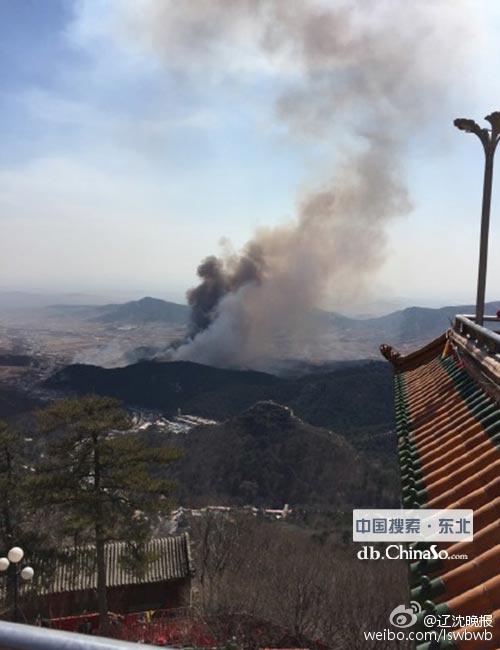
Located in Beizhen, built in the Northern Wei Dynasty, it is a famous Buddhist temple in Northeast China, attracting visitors with natural scenery and religious culture.
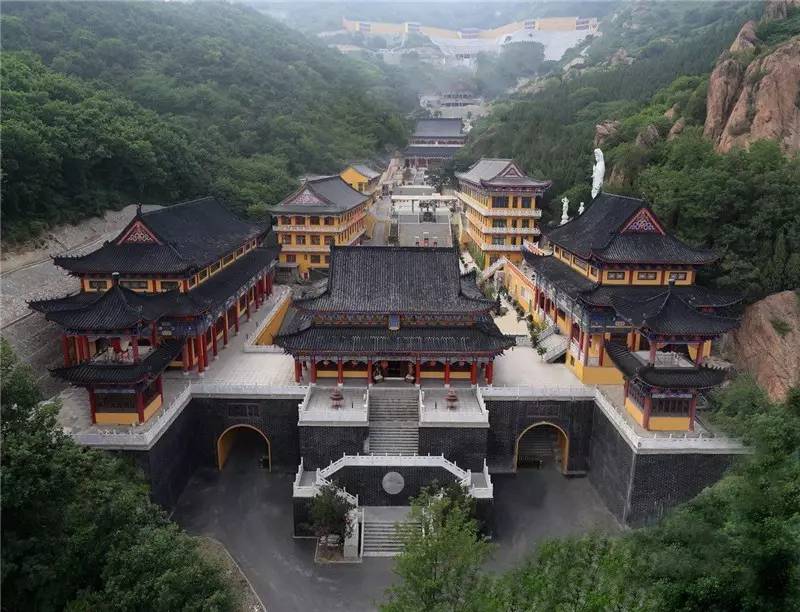
A national forest park known for unique pines, strange rocks, and sea of clouds, reputed as the Putuo of the North.
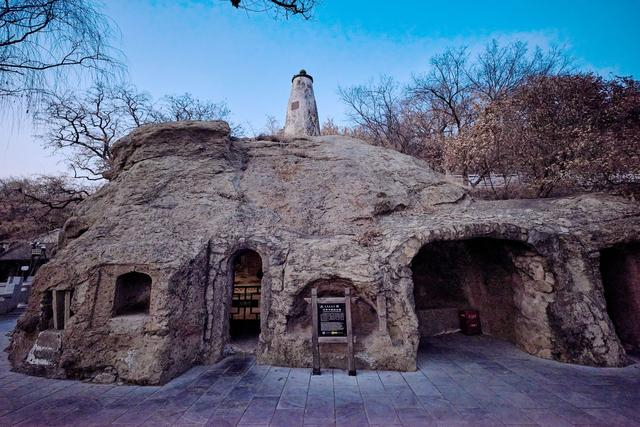
The earliest and largest grottoes in Northeast China, built in the Northern Wei Dynasty, with great historical and artistic value.
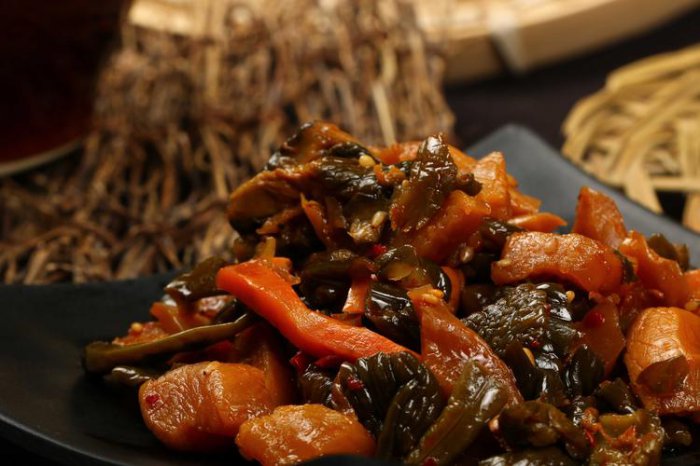
A specialty of Jinzhou, pickled vegetables in shrimp oil, with a unique flavor, perfect as a side dish.
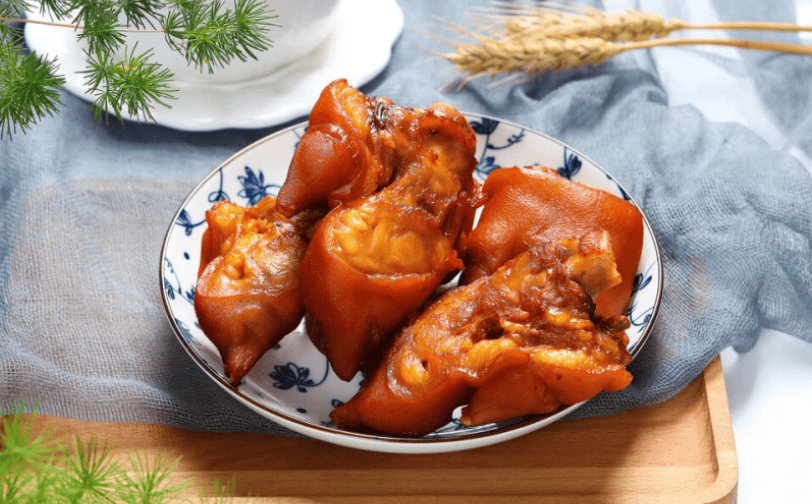
A specialty of Beizhen, braised pig trotters are tender and flavorful, rich in collagen.
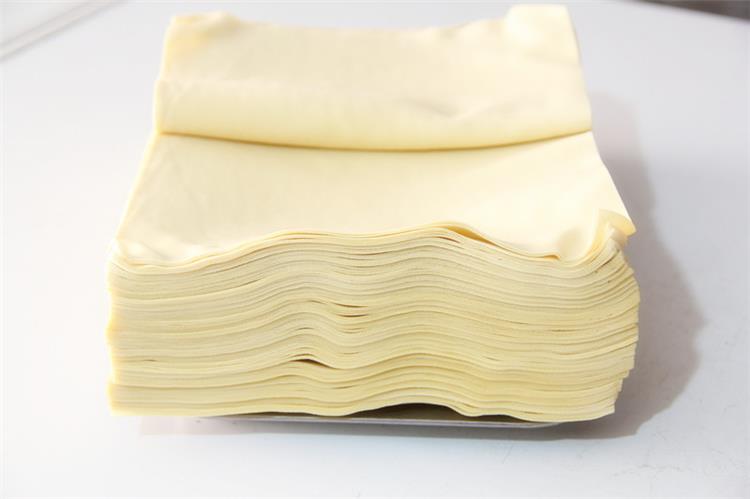
A traditional soy product of Jinzhou, thin as paper, chewy texture, can be served cold or stir-fried.