
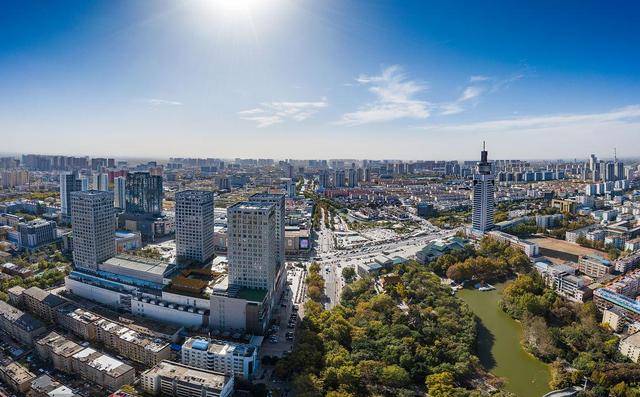
Jining is located in the southwest of Shandong Province, at the junction of Shandong, Jiangsu, Henan, and Anhui provinces. It has a warm temperate monsoon climate with four distinct seasons, an average annual temperature of about 14°C, and moderate rainfall.
Jining is one of the important birthplaces of Chinese civilization, with a history of over 7,000 years. It is the hometown of Confucius, Mencius, Yan Hui, Zengzi, and other sages, with a long-standing Confucian culture. The Beijing-Hangzhou Grand Canal runs through the entire area, historically serving as a vital grain transport hub.
Jining boasts profound cultural heritage, represented by Confucian culture, Water Margin culture, and Canal culture. Local specialties include Braised Pork in Pot (Bengrou Ganfan), Jining Sandwich, and Weishan Lake Whole Fish Feast, which are savory and emphasize the natural flavors of ingredients.
Modern Jining is a core city in the Southern Shandong Economic Circle, home to a national high-tech zone and several industrial parks. With convenient transportation, including the intersection of the Beijing-Shanghai and Rizhao-Lanzhou high-speed railways, it is being built into a regional central city.
The best time to visit 济宁 is Best in spring and autumn, pleasant climate.
Spring (March-May): The weather warms up, flowers bloom everywhere, suitable for visiting Qufu's Three Confucian Sites and Weishan Lake, though occasional dust storms occur.
Autumn (September-November): Clear and crisp, with charming autumn colors, a great time to experience Confucian and Water Margin culture.
Summer (June-August) is hot and rainy, winter (December-February) is cold and dry, but you can enjoy the tranquility of Weishan Lake in winter.
Confucius was born in Zouyi of Lu State (present-day Qufu), founder of Confucianism, influencing Chinese and world civilization.
The Yuan Dynasty completed the entire Beijing-Hangzhou Grand Canal, making Jining an important commercial port along the canal.
The Temple of Confucius, Confucius Mansion, and Confucius Cemetery were inscribed as UNESCO World Cultural Heritage sites.
Recommended places to visit
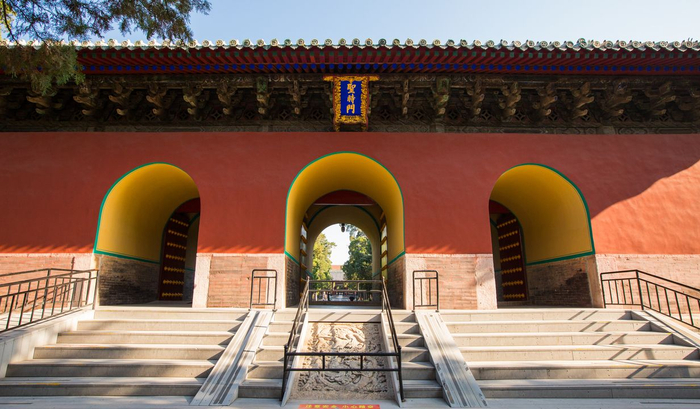
World Cultural Heritage, a sacred place commemorating Confucius and his family, one of the largest and best-preserved ancient architectural complexes in China.
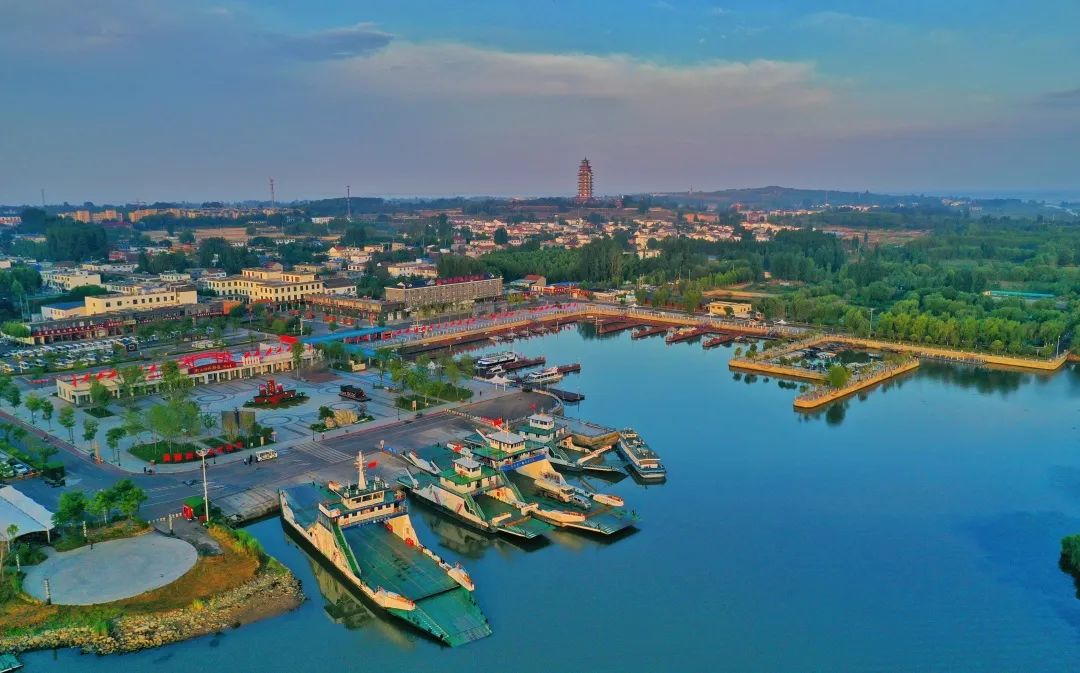
The largest freshwater lake in northern China, traversed by the Beijing-Hangzhou Grand Canal, famous for lotus flowers, fish feasts, and the iron chain bridge.
UNESCO World Heritage Sites
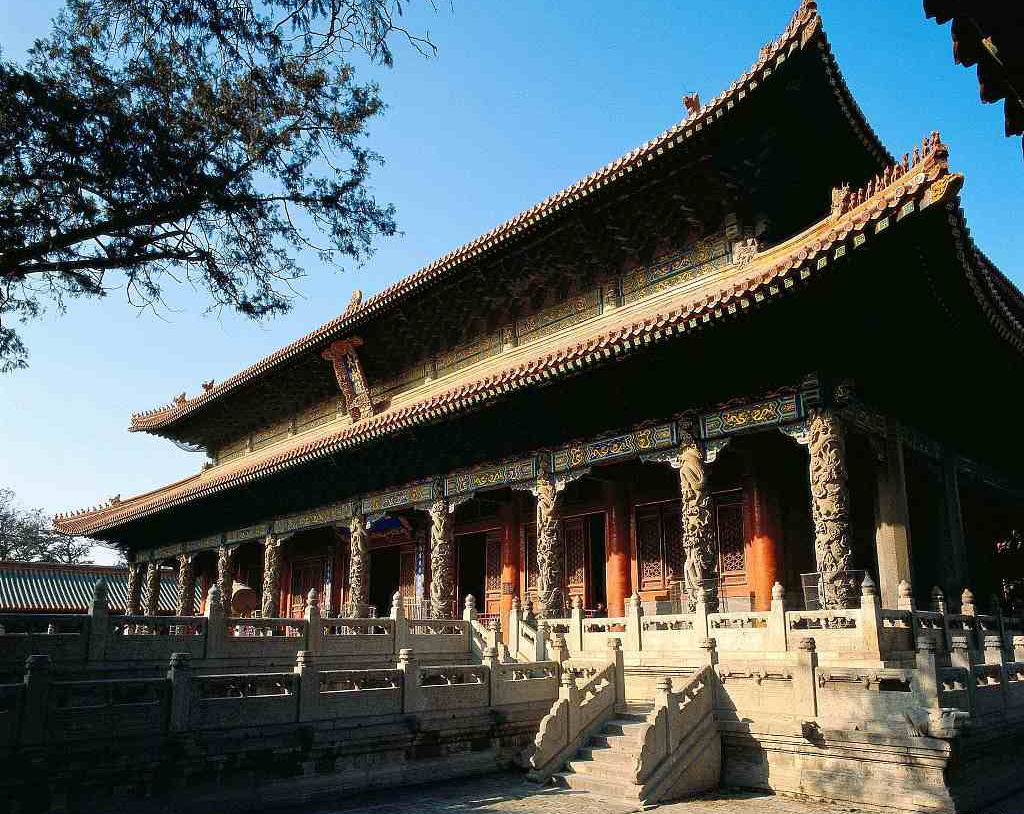
Located in Qufu, a complex of buildings commemorating Confucius and his family, an important symbol of Confucian culture.
Explore rich intangible cultural heritage and traditional crafts

The annual Confucius memorial ceremony held in Qufu, including music, dance, and offerings, inheriting Confucian ritual culture.
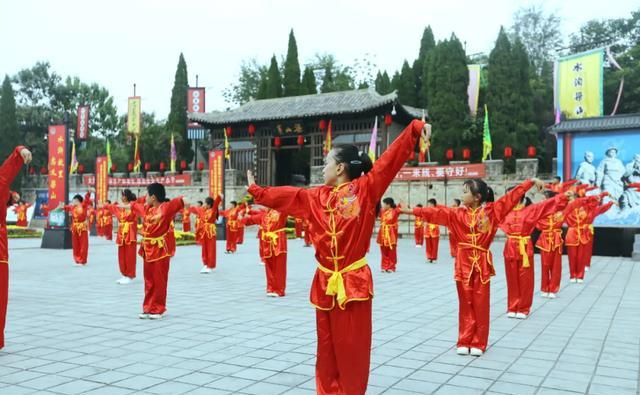
A folk martial art originating from the Water Margin heroes, incorporating boxing and weapons, practical and ornamental.
Must-know transportation for exploring the city
Located in Jiaxiang County, about 30 km from the city center, with flights to Beijing, Shanghai, Guangzhou, etc.
Depends on route
Located in Qufu, an important stop on the Beijing-Shanghai high-speed railway, about 2-3 hours from Beijing or Shanghai.
Second class about 200-300 RMB
Covers the city and counties, fare 1-2 RMB, some routes reach Qufu, Yanzhou, etc.
1-2 RMB
Taste the most authentic and popular local specialties
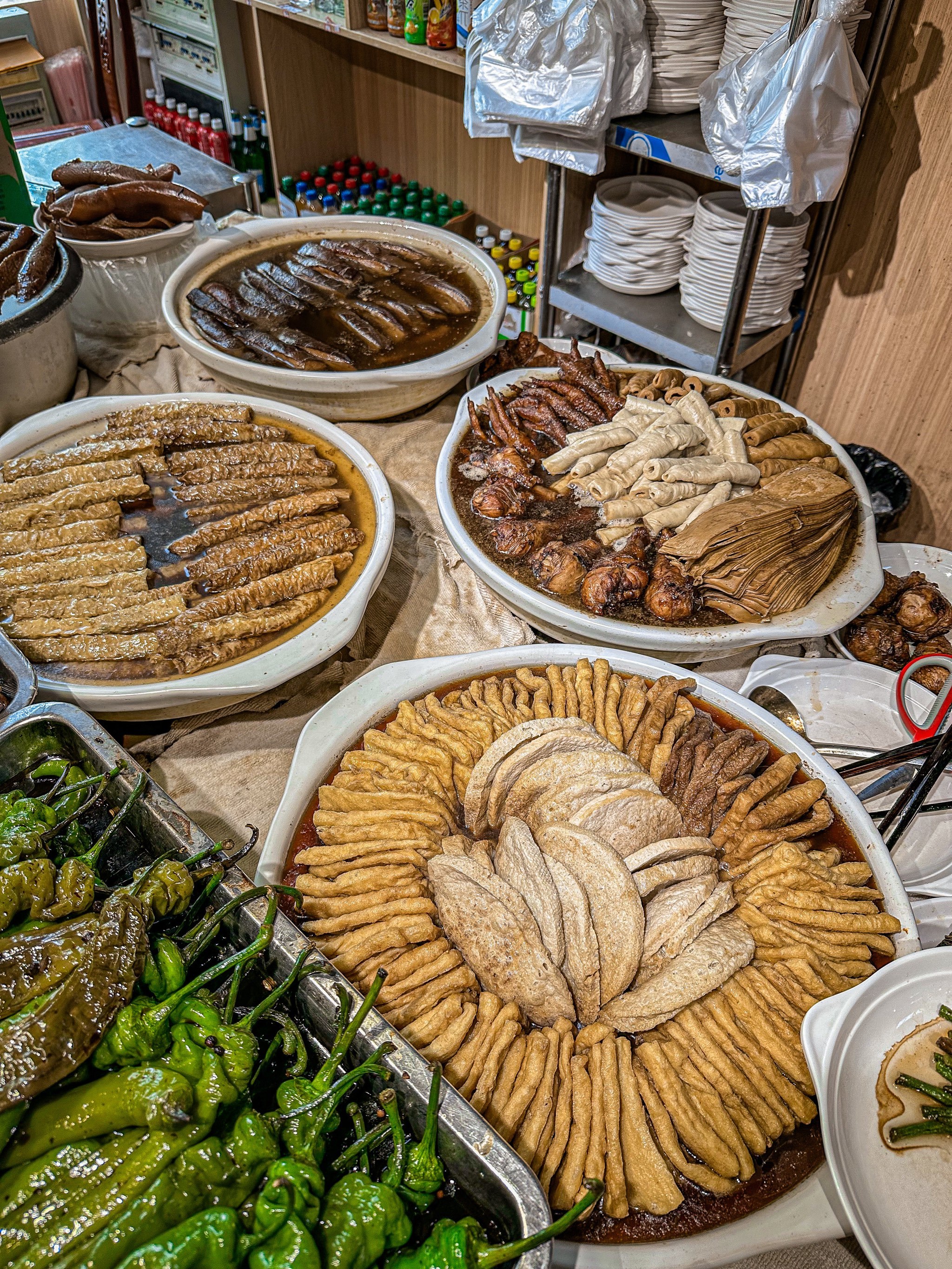
A traditional Jining dish, braised pork belly in a clay pot (beng) served with rice, rich in flavor, fatty but not greasy.
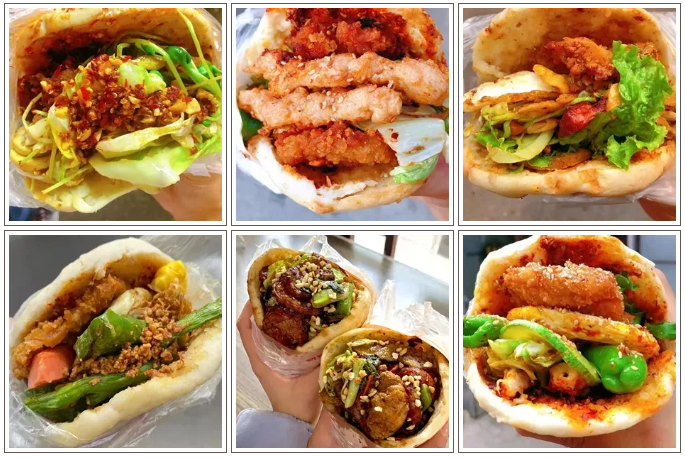
Grilled skewers (lamb, tofu, vegetables, etc.) stuffed in a baked flatbread, brushed with sauce, crispy outside and tender inside.
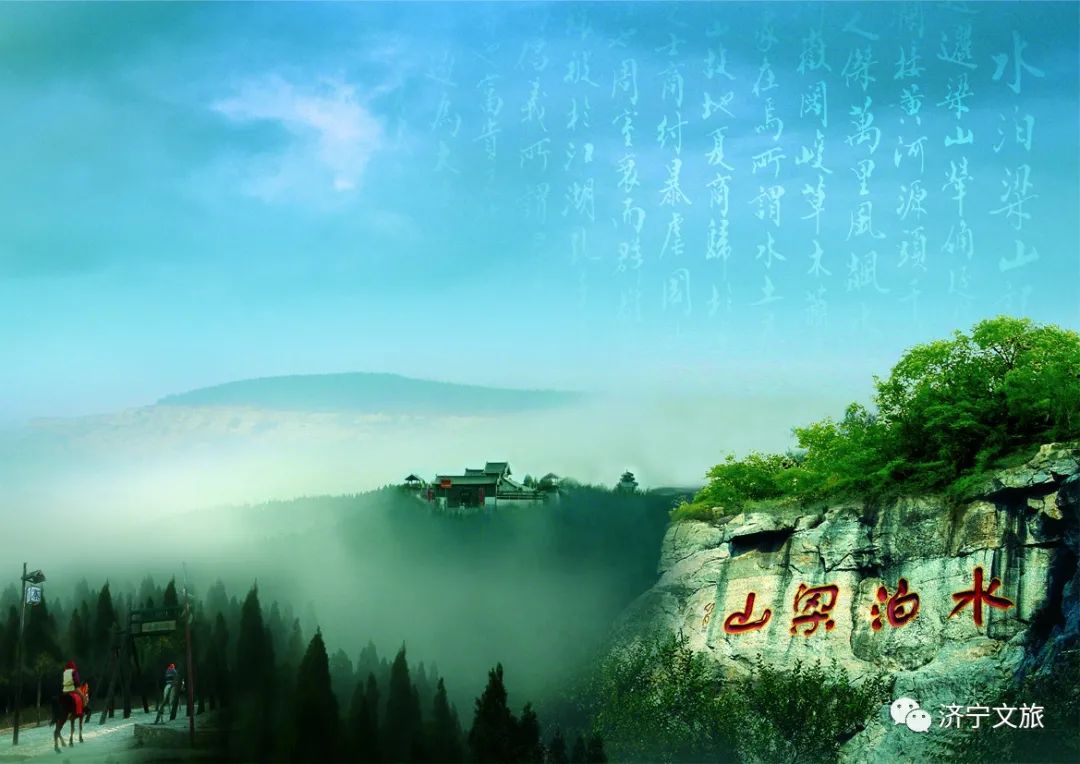
The birthplace of the Water Margin story, including Liangshan Stockade, Loyalty Hall, etc., experience the heroism of the Liangshan outlaws.
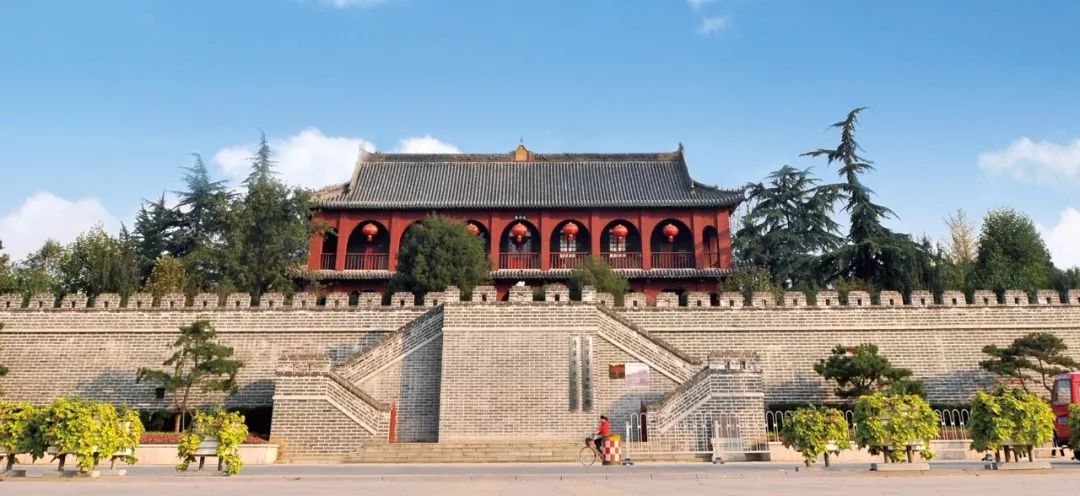
The Tang Dynasty poet Li Bai once drank and composed poems here. It is a landmark building by the ancient canal, offering views of the canal scenery.
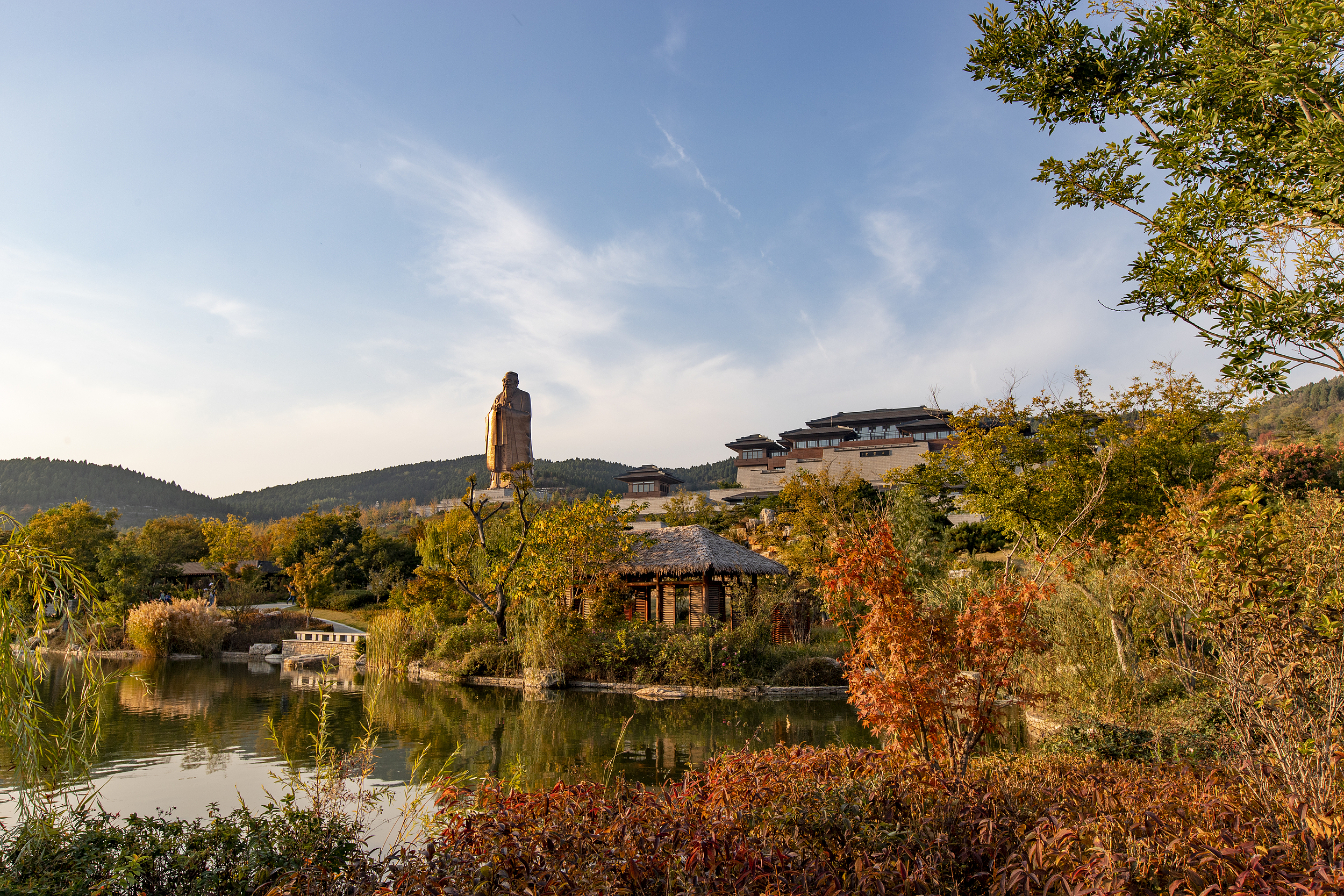
The birthplace of Confucius at Nishan, featuring a giant statue of Confucius and a grand lecture hall, a destination for Confucian cultural experience.
A multi-course feast made from fresh fish from Weishan Lake, including fish balls, fish fillets, fish soup, etc., delicious and fresh.
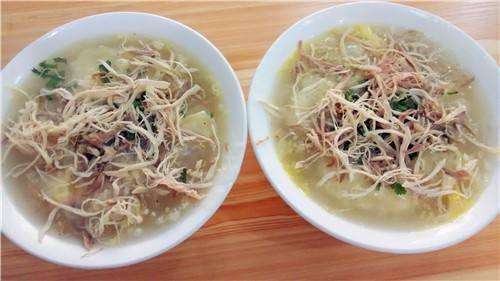
A thick soup made from chicken, wheat kernels, and herbs, served with fried dough sticks or baked flatbread, a classic breakfast.
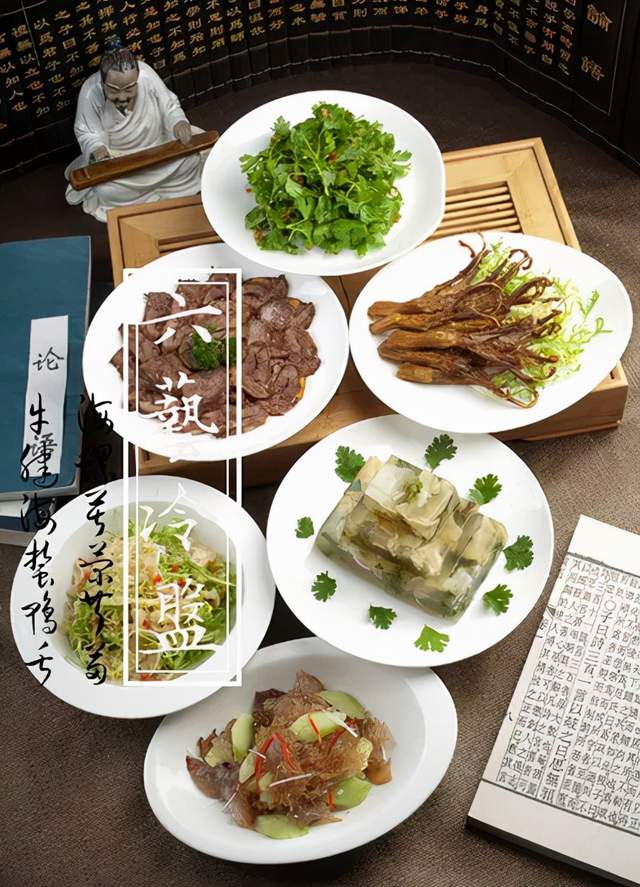
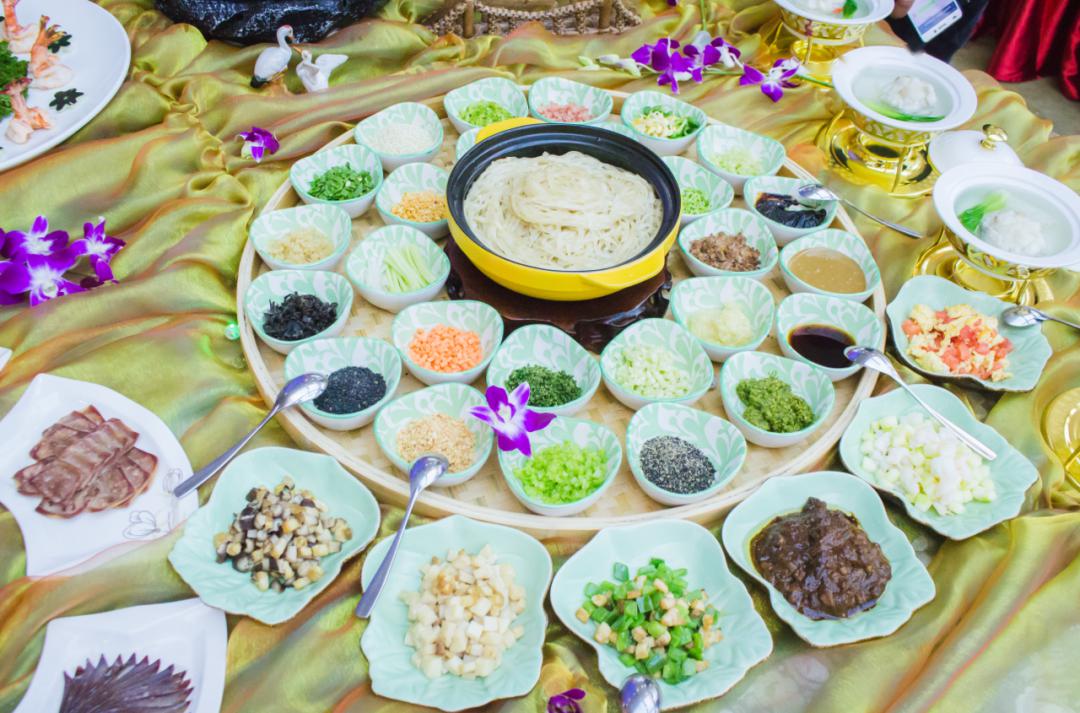
The official cuisine passed down from the Confucius Mansion in Qufu, known for its refinement and elegance, representative dishes include Kongfu Yipin Pot and Shili Ginkgo.