
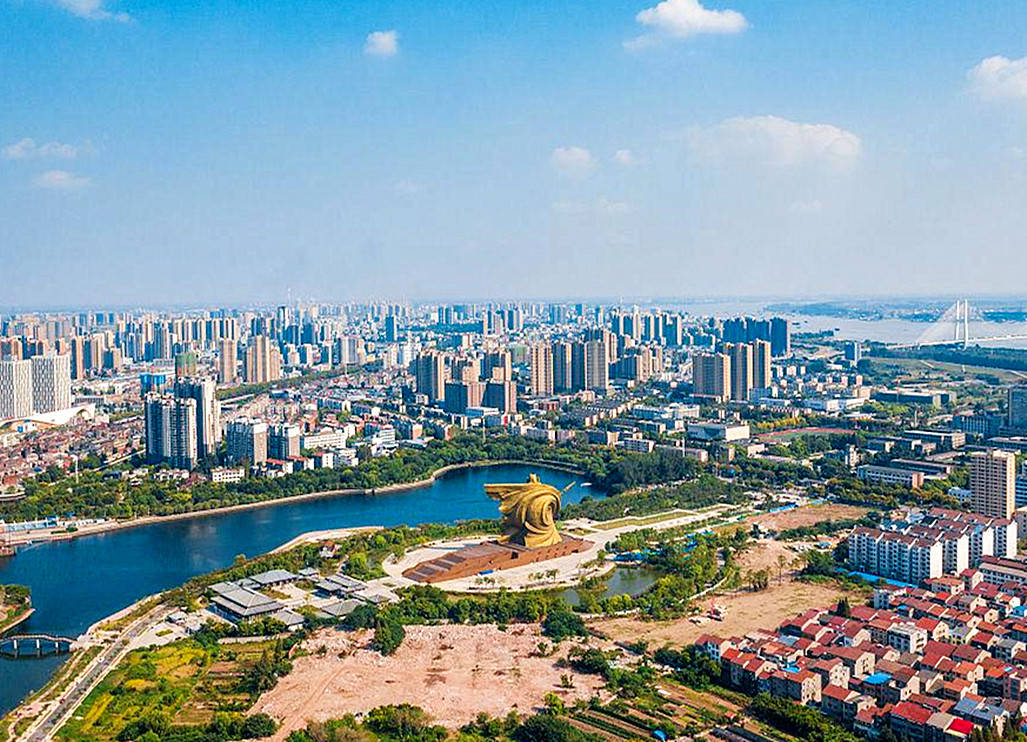
Jingzhou is located in the south-central part of Hubei Province, in the middle reaches of the Yangtze River and the heart of the Jianghan Plain. It connects to Wuhan in the east, Yichang in the west, looks south toward Hunan, and borders Jingmen in the north. It has a subtropical monsoon climate with four distinct seasons and abundant rainfall. The annual average temperature is about 16°C, with pleasant weather in spring and autumn.
Jingzhou has a long history and is one of the birthplaces of Chu culture. It served as the capital of Chu (Yingdu) for 411 years. During the Three Kingdoms period, it was a strategic battleground, and Guan Yu once guarded this city. In the Ming and Qing dynasties, it was an important commercial port, earning the reputation of a 'Land of Culture.'
Jingzhou is rich in cultural heritage, characterized by Chu culture and Three Kingdoms culture. Traditional arts include Jingzhou Huagu Opera and Chu embroidery. Local cuisine is represented by Jingzhou fish cake, Gong'an pot helmet, and Honghu lotus root soup, known for their fresh flavors and emphasis on natural taste.
Modern Jingzhou is a key node city on the Yangtze River Economic Belt, home to the national-level Jingzhou Economic and Technological Development Zone. It has convenient transportation, with the Hankou-Yichang high-speed railway and Shanghai-Chengdu expressway passing through. Tourism is developing rapidly, with attractions like the ancient city wall and museums drawing large numbers of visitors.
The best time to visit 荆州 is Spring and autumn (March-May, September-November).
Spring (March-May): The weather warms up, cherry blossoms and rapeseed flowers bloom, perfect for strolling in the ancient city and enjoying flowers in the suburbs.
Autumn (September-November): The sky is clear and the air is crisp, with charming autumn colors. It is the best time to visit the ancient city and taste local food.
Summer (June-August) is hot and rainy, while winter (December-February) is damp and cold, but there are fewer tourists, allowing you to experience a different charm.
King Wen of Chu moved the capital to Ying (present-day Jinan City, Jingzhou), where Chu established its capital for 411 years, ushering in the heyday of Chu culture.
During the Three Kingdoms period, the famous Shu Han general Guan Yu guarded Jingzhou. Later, due to Lü Meng's attack, he was defeated and fled to Maicheng, a great regret in history.
Recommended places to visit
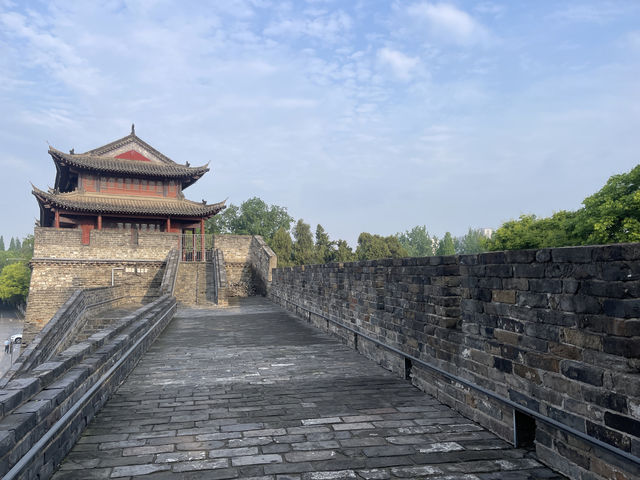
One of the best-preserved ancient city walls in southern China, first built during the Three Kingdoms period. The existing wall was rebuilt in the Ming and Qing dynasties, stretching about 11 km, and visitors can walk on it.
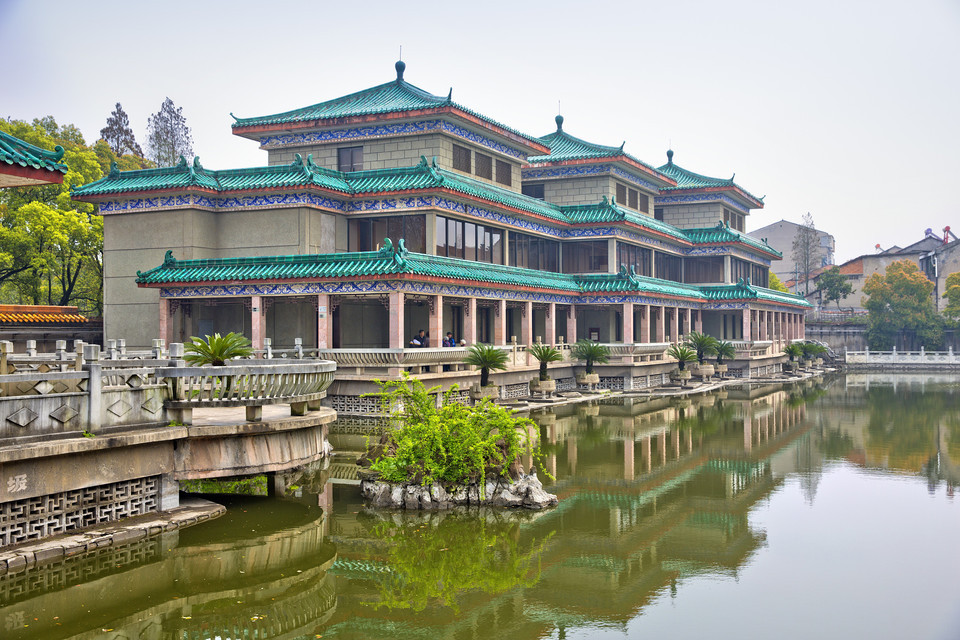
A national first-class museum with over 130,000 cultural relics, famous for Chu culture artifacts and a well-preserved Western Han mummy. It is the best place to learn about Jingzhou's history.
Explore rich intangible cultural heritage and traditional crafts
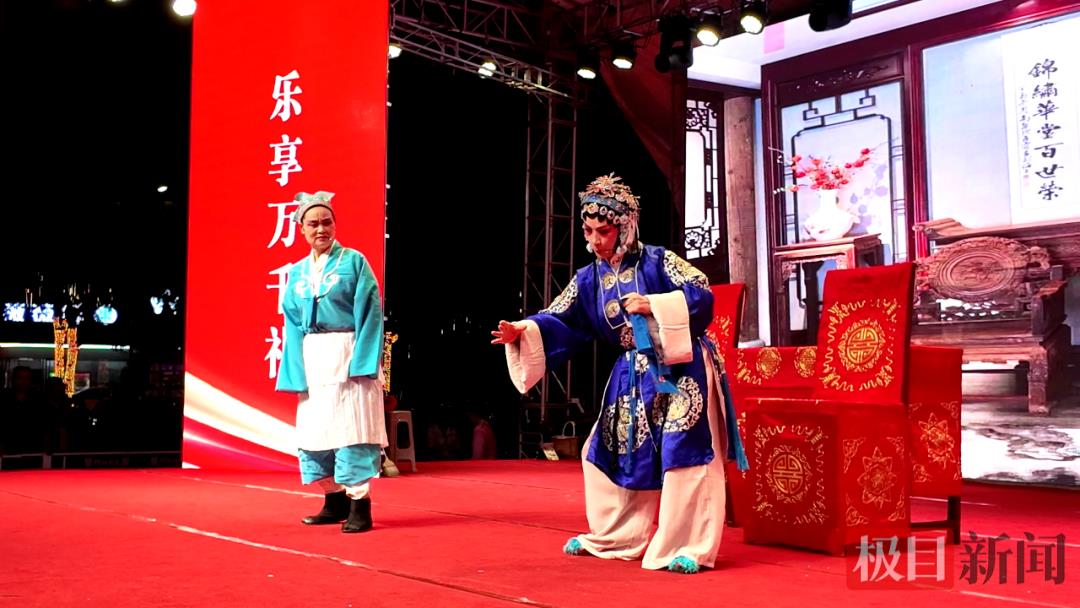
A local opera form of Hubei Province, originating in the Qing Dynasty. Accompanied by gongs and drums, it features high-pitched singing and lively performances, reflecting the folk life of the Jianghan Plain.
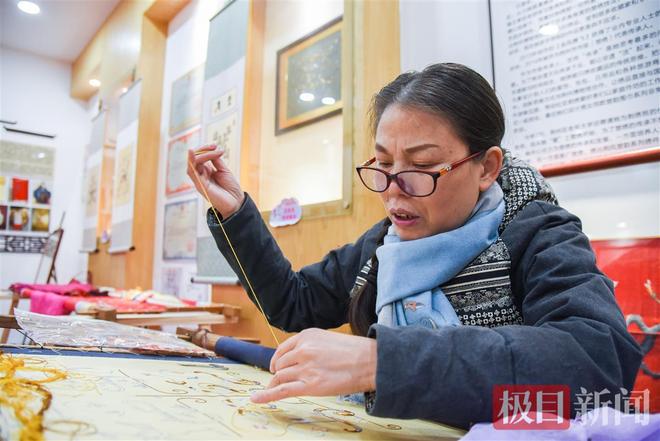
A traditional embroidery technique originating from the Chu state, with delicate stitching and vivid colors. Patterns are often inspired by Chu culture, such as phoenixes and dragons, with strong local characteristics.
Must-know transportation for exploring the city
Located in Shashi District, it operates flights to major cities such as Beijing, Shanghai, Guangzhou, Shenzhen, and Chengdu. It is about 10 km from the city center.
Economy class about 300-800 RMB
An important station on the Hankou-Yichang high-speed railway, providing direct access to Wuhan, Yichang, Chengdu, Shanghai, etc. About 1.5 hours from Wuhan.
Second class about 50-200 RMB
The bus network covers the main urban area and attractions. Fares are 1-2 RMB, with mobile payment supported. Tourist shuttle buses go directly to the ancient city wall, museum, etc.
1-2 RMB
Taste the most authentic and popular local specialties
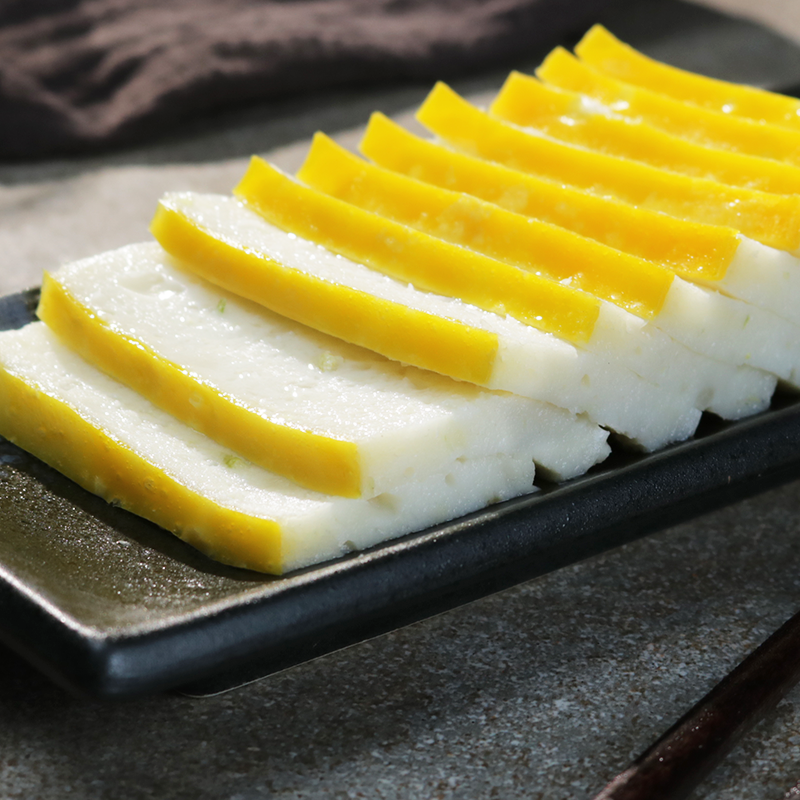
Made primarily from fish meat, steamed to a delicate and springy texture. It is a must-have dish at Jingzhou banquets.
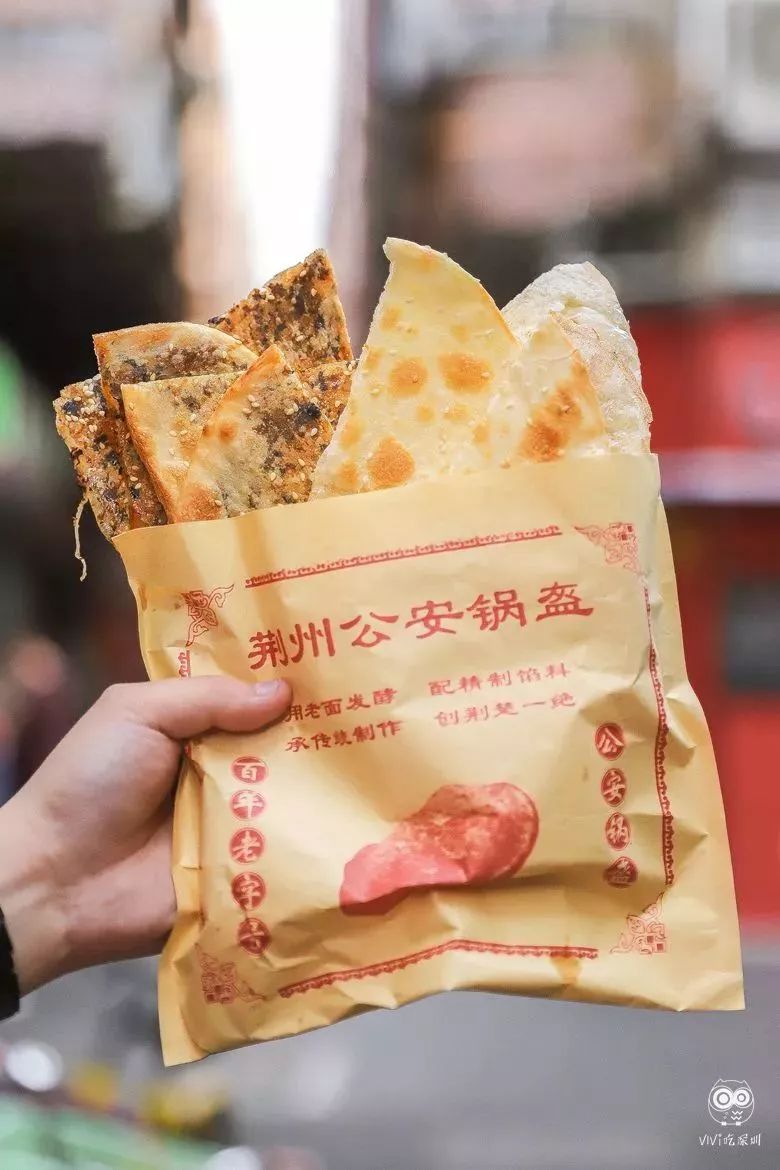
A baked flatbread originating from Gong'an County, crispy on the outside and soft inside, with fillings such as fresh meat or preserved vegetable. A common street snack in Jingzhou.
The Jingzhou Ancient City Wall was designated by the State Council as the fourth batch of Major Historical and Cultural Sites Protected at the National Level, becoming an important material for studying the defense system of ancient Chinese city walls.
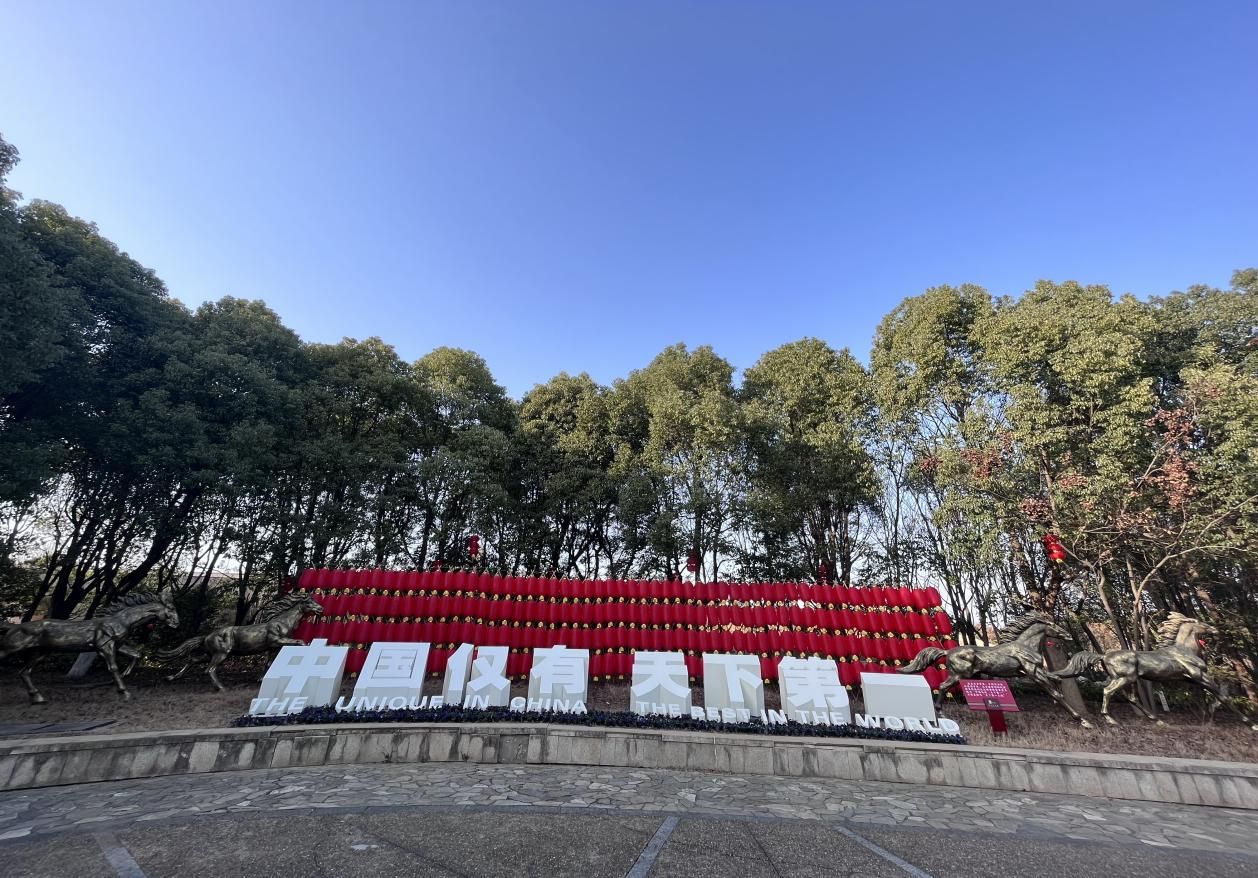
The largest and best-preserved chariot and horse pit of a Chu king's mausoleum ever discovered, hailed as "unique in China and number one in the world," showcasing the powerful strength of the Chu state.
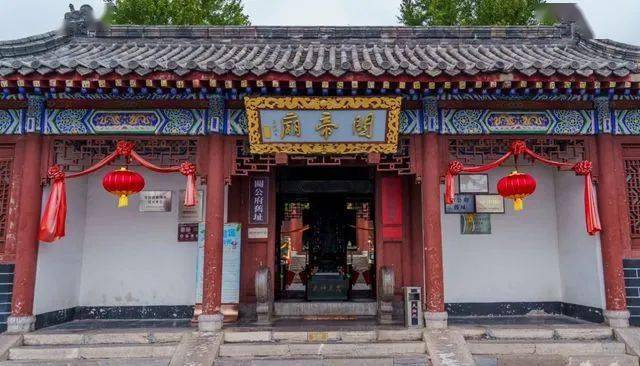
Built in memory of Guan Yu, first constructed during the Hongwu period of the Ming Dynasty. The existing buildings were rebuilt in the Qing Dynasty, serving as an important carrier of Three Kingdoms culture.
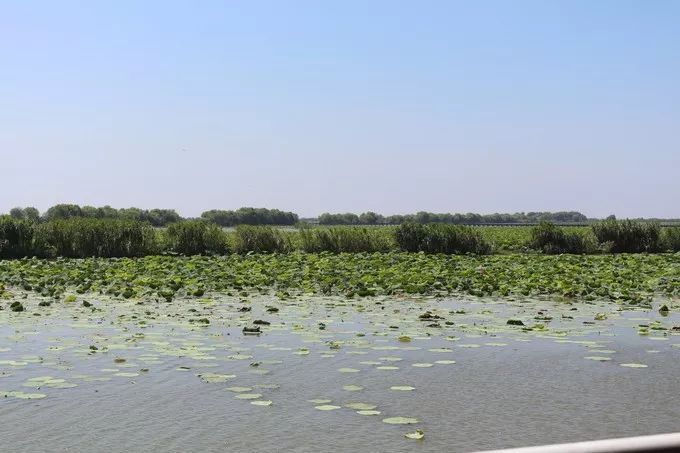
An ecological scenic area centered on Honghu Lake, with sparkling lake views. When lotus flowers bloom, visitors can take a boat to enjoy them. It is a great place for leisure and vacation.
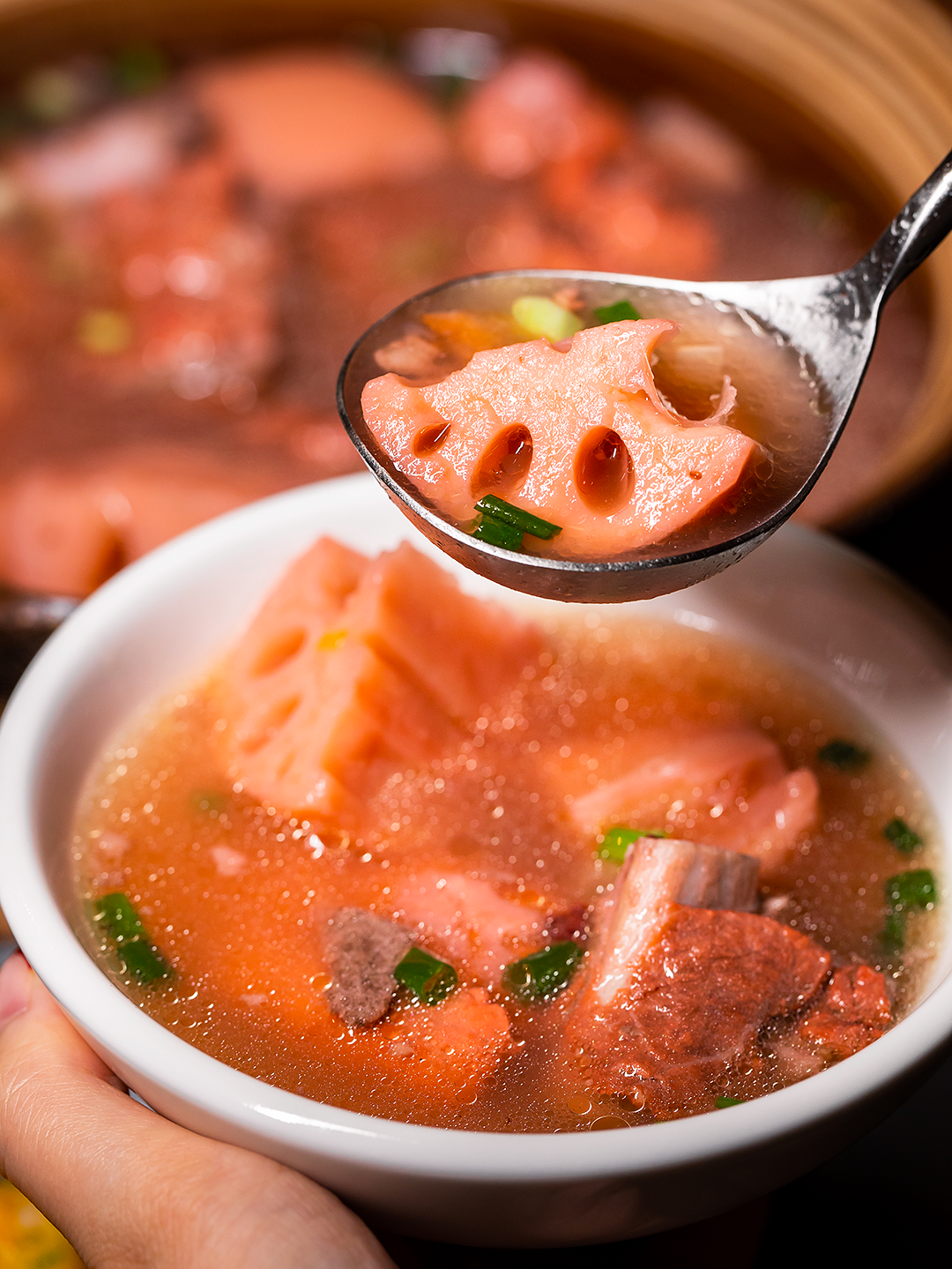
Slow-cooked with Honghu's specialty lotus roots, the soup is thick and starchy. Often paired with pork ribs or trotters, it is nutritious and a great tonic in autumn and winter.
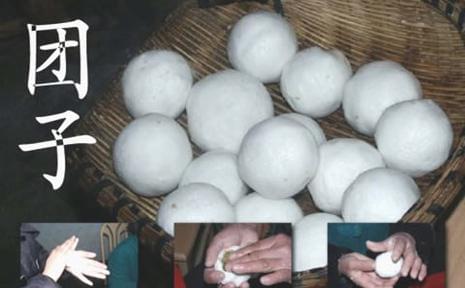
Steamed glutinous rice balls filled with meat, vegetables, or red bean paste. Soft and chewy, it is a traditional snack of Jianli County.
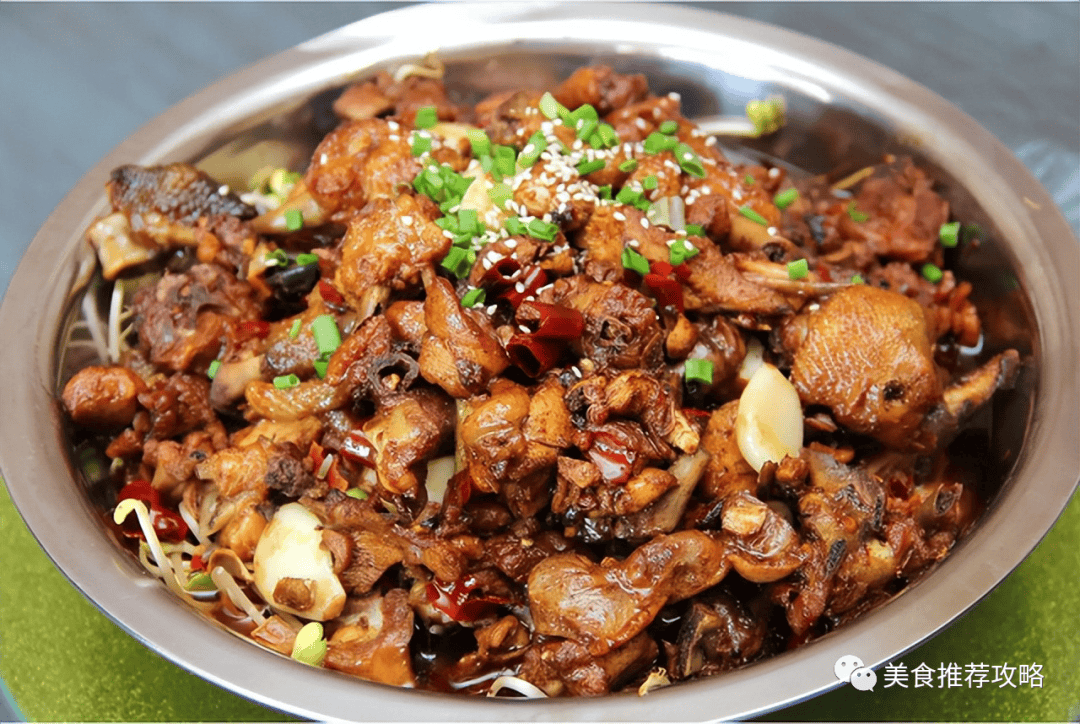
Made with local free-range chicken from Songzi, cooked in a dry pot or hot pot style. It is spicy, numbing, and flavorful, with firm meat. A local specialty.