
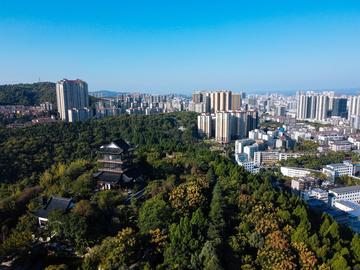
Located in central Hubei Province, Jingmen sits along the middle and lower reaches of the Han River. It overlooks Wuhan to the east, neighbors Yichang to the west, leans on Xiangyang to the north, and faces Jingzhou to the south. With a subtropical monsoon climate, it has four distinct seasons and synchronous rain and heat, with an average annual temperature around 16°C.
Jingmen boasts a long history and is one of the important birthplaces of Chu culture. Human activities date back to the Xia and Shang dynasties, and during the Spring and Autumn and Warring States periods, it was the heartland of the Chu state, nurturing precious heritages such as the Qujialing culture and the Guodian Chu Slips.
Jingmen's culture is distinctive, with the Guodian Chu Slips representing its bamboo-slip culture, renowned worldwide. Local operas include Liangshan Tune and shadow puppetry. In terms of cuisine, representative dishes include Jingmen fish cake, Zhongxiang Panlong dish, and Jingshan Qiao rice, known for their fresh and savory flavors.
Modern Jingmen is accelerating its development, forming industrial clusters in chemicals, equipment manufacturing, and new energy. At the same time, it emphasizes ecological construction. Attractions like Zhanghe Reservoir and Mingxianling draw many tourists, and the city's appearance is changing rapidly.
The best time to visit 荆门 is Best in spring and autumn, pleasant climate.
Spring (March-May): Warmer temperatures, everything revives, ideal for viewing rape flower fields and Zhanghe scenery.
Autumn (September-November): Clear and crisp weather, charming autumn colors, great for visiting Mingxianling and natural attractions.
Summer (June-August) is hot and rainy, but water activities at Zhanghe Reservoir are enjoyable; winter (December-February) is damp and cold, with fewer tourists.
The Qujialing culture is an important Neolithic culture in the middle reaches of the Yangtze River, named after its first discovery at Qujialing, Jingmen. It is characterized by rice farming and painted pottery.
The famous Qin general Bai Qi captured the Chu capital Ying (present-day Jingzhou), making the Jingmen area a frontline of Qin-Chu conflict, later incorporated into Qin territory.
Approved by the State Council, Jingmen was officially upgraded to a prefecture-level city, governing Dongbao District, Duodao District, Shayang County, Zhongxiang City, and Jingshan City, opening a new chapter in urban development.
Recommended places to visit
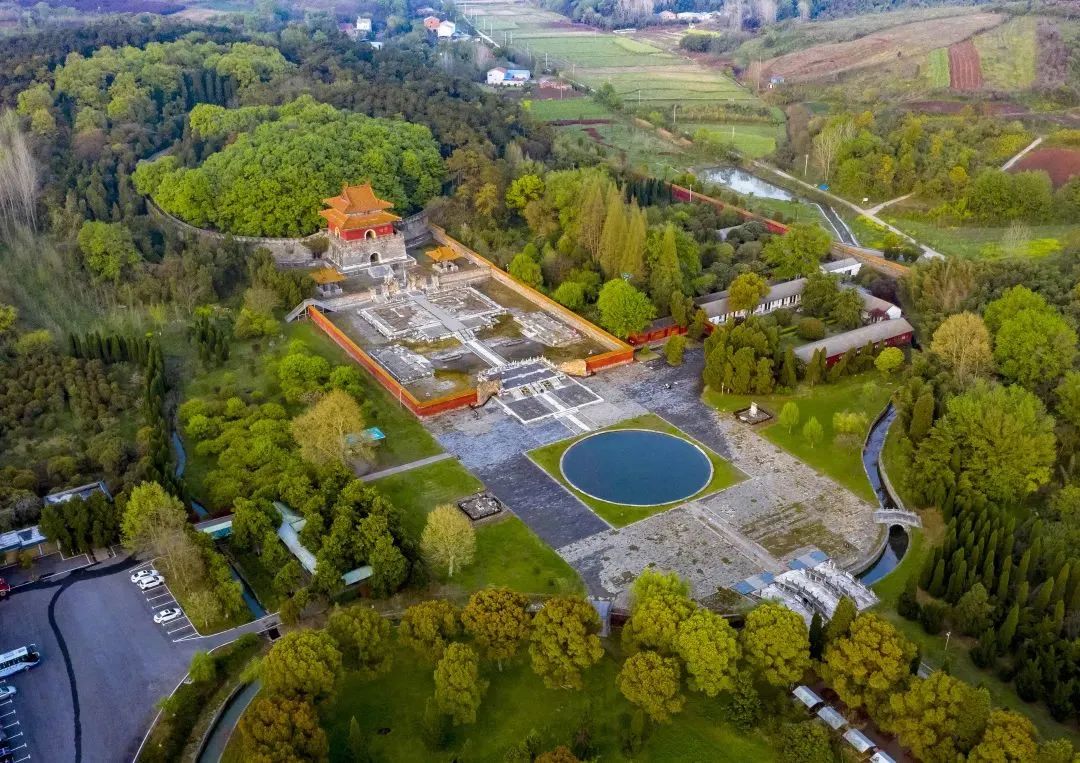
Mingxianling is the mausoleum of Zhu Youyuan, the biological father of Emperor Jiajing of the Ming Dynasty, located in Zhongxiang City. It is the only Ming imperial tomb in central-south China and a UNESCO World Heritage site. Its unique 'one mausoleum, two mounds' layout and exquisite architecture are breathtaking.
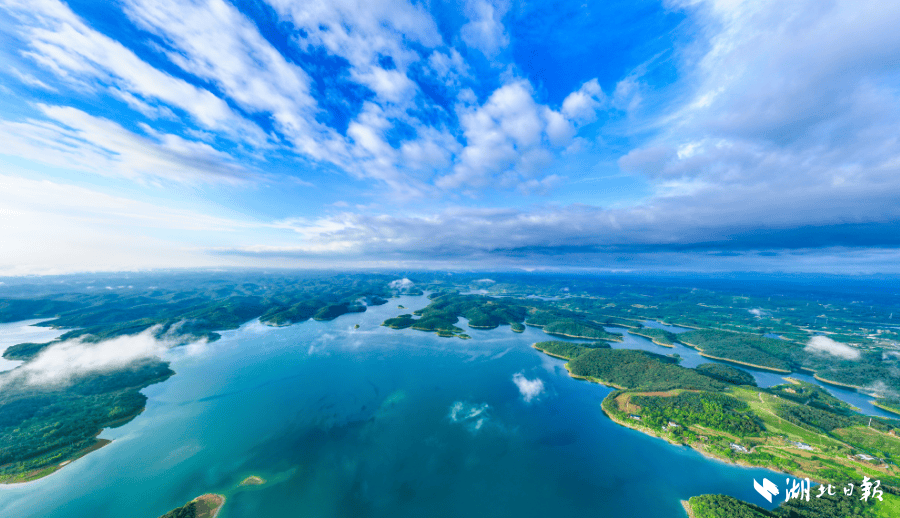
Located in Dongbao District, Zhanghe Reservoir is one of the largest artificial reservoirs in Hubei Province, with clear water and beautiful scenery. Visitors can take boat tours, go fishing, and enjoy wetland views, making it a great leisure destination.
UNESCO World Heritage Sites
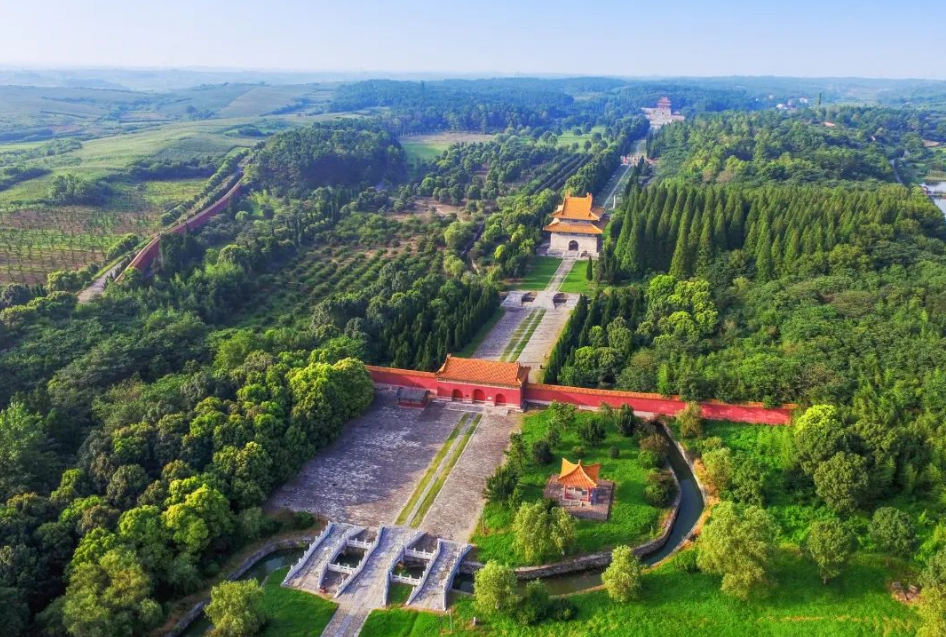
Mingxianling is the mausoleum of Zhu Youyuan, the biological father of Emperor Jiajing of the Ming Dynasty, located in Zhongxiang City. As part of the Imperial Tombs of the Ming and Qing Dynasties, it was inscribed as a UNESCO World Heritage site in 2000. Its unique 'one mausoleum, two mounds' layout and exquisite architecture are of great value.
Explore rich intangible cultural heritage and traditional crafts
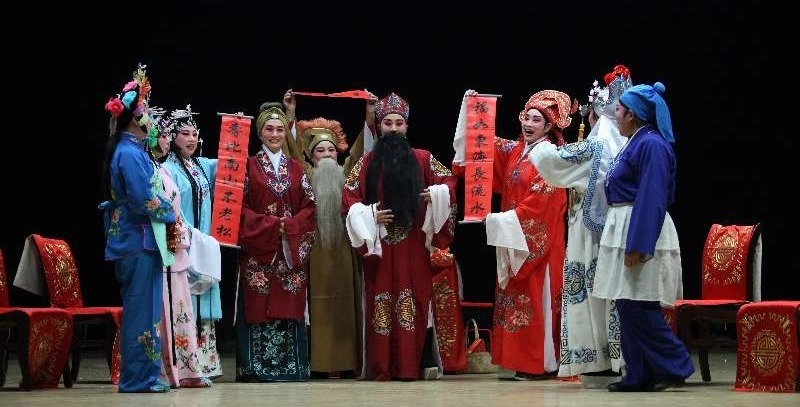
Liangshan Diao is a local traditional opera of Jingmen City, Hubei Province, belonging to the Huagu Opera system, originating in the Qing Dynasty. The singing is high-pitched and melodious, the performance lively, and the content mostly based on folk tales. It was inscribed on the National Intangible Cultural Heritage list in 2008.
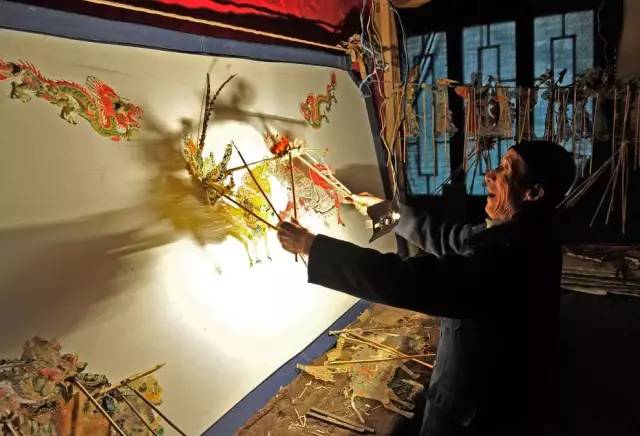
Jingmen shadow puppetry is an important school of traditional shadow play in Hubei Province. Figures are carved from cowhide with bright colors. Performances are accompanied by local vocals and percussion, with stories drawn from historical romances and folk legends. It was inscribed on the National Intangible Cultural Heritage list in 2011.
Must-know transportation for exploring the city
Jingmen Zhanghe Airport is located in Zhanghe New District. It is a general aviation airport, mainly serving flight training and air tours. For long-distance travel, take airport bus to Wuhan Tianhe Airport or Yichang Sanxia Airport.
Airport bus to Wuhan about 100 RMB
Jingmen Railway Station is in the city center, with regular trains to major cities nationwide. Jingmen West Station (high-speed rail) is under construction, expected to open in 2025, connecting to the Yangtze River High-Speed Railway for more convenient travel.
Regular train to Wuhan about 30-50 RMB
City bus routes cover main urban areas and attractions, fare 2 RMB. Long-distance bus stations have buses to surrounding cities like Wuhan, Yichang, and Xiangyang, convenient and efficient.
Taste the most authentic and popular local specialties
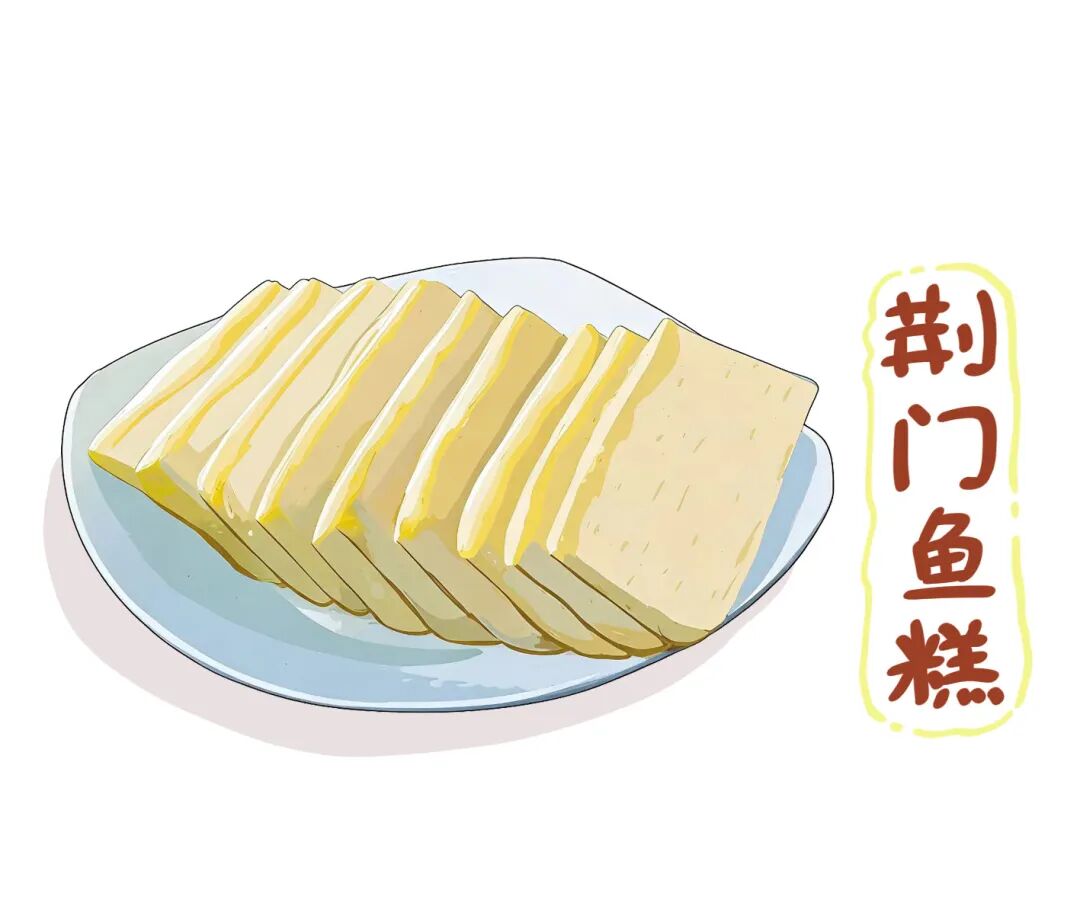
Jingmen fish cake is made from fresh fish meat, deboned and minced, then steamed with egg white and starch. It has a delicate and smooth texture, fresh and delicious. Often served as the first dish at banquets, symbolizing abundance year after year.
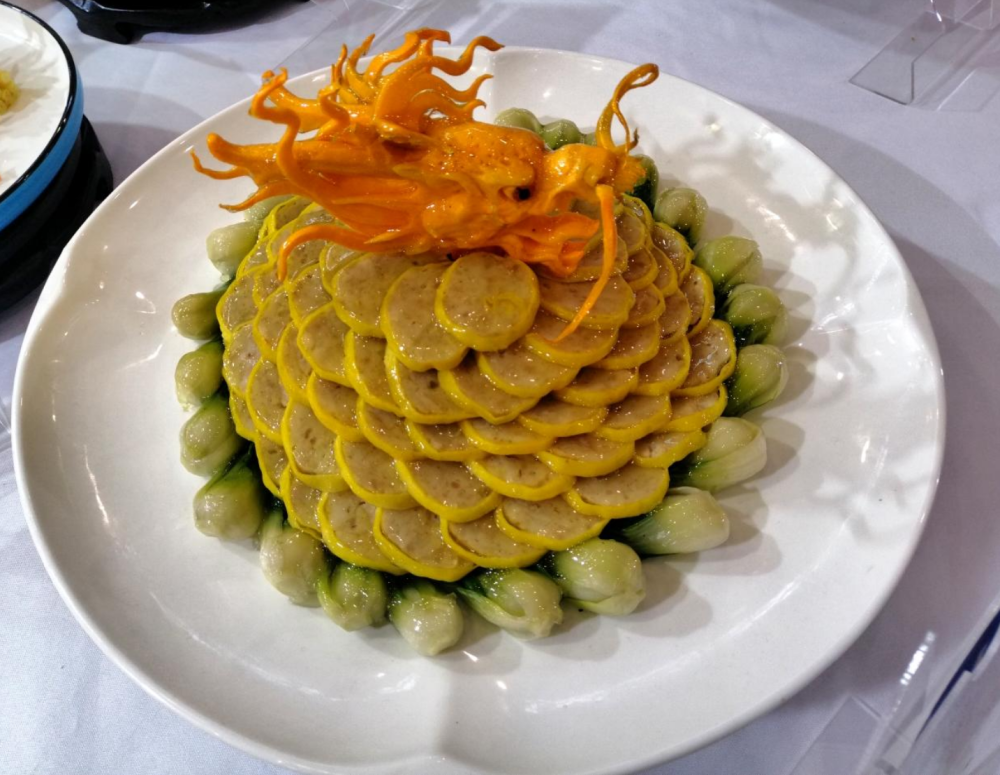
Coiled dragon dish is a traditional famous dish of Zhongxiang City, said to have been created before Emperor Jiajing ascended the throne. It is made with pork and fish, rolled into a dragon shape and steamed, then sliced and arranged like a coiled dragon. It is beautifully presented, rich but not greasy.
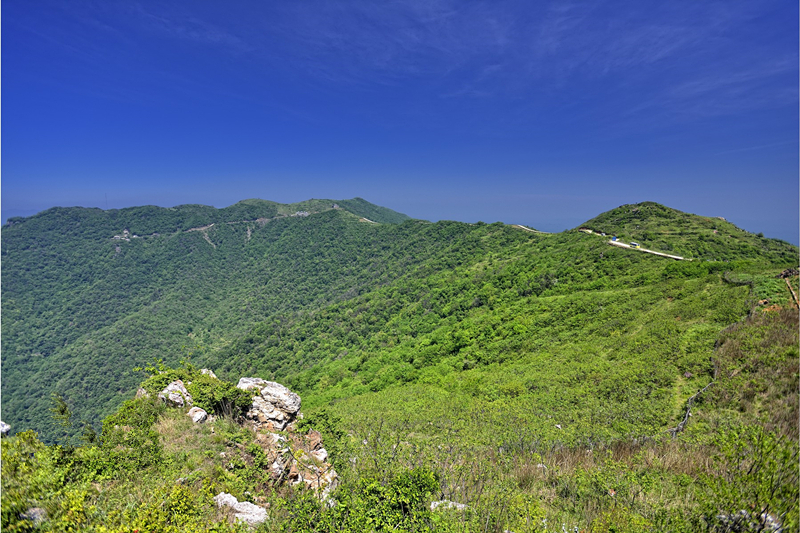
Lülin Mountain is located in Jingshan City, known as the birthplace of the famous Lülin Uprising in Chinese history. Now a 4A scenic area, it features majestic mountains, dense forests, and attractions such as Lülin Stockade, Yuanyang Stream, and Beauty Valley, combining history and nature.
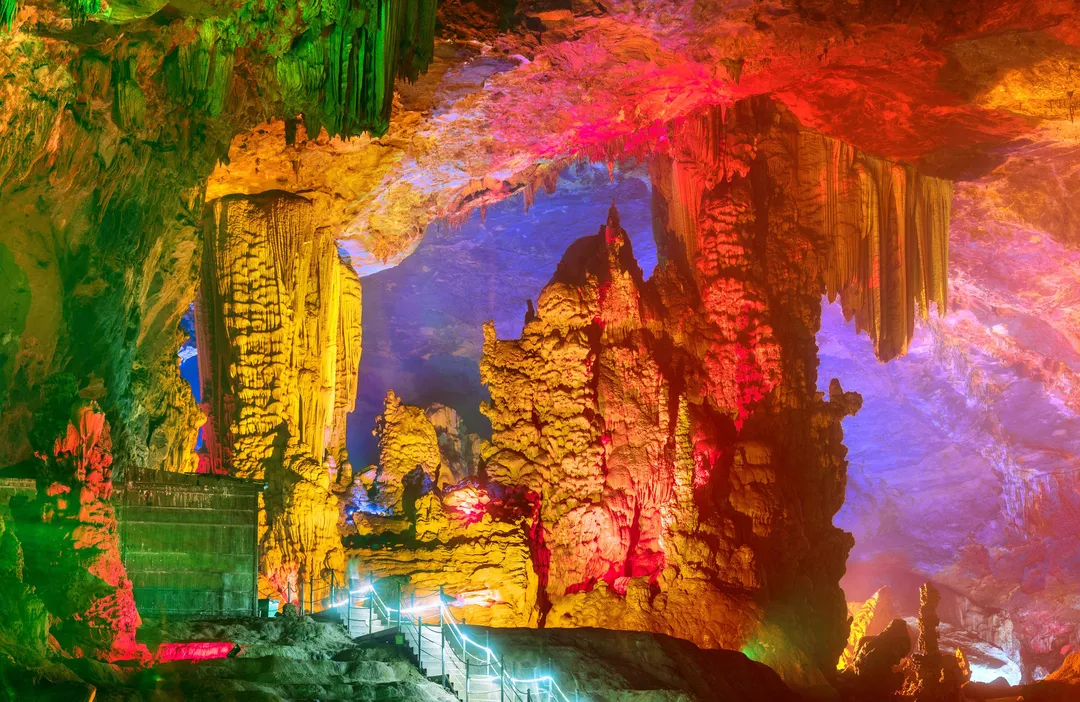
Located in Zhongxiang City, Huangxian Cave is the largest karst cave in Asia, with various stalactites and stalagmites, known as a 'fairyland cave'. It features caves within caves and spectacular scenery, a typical example of karst landforms.
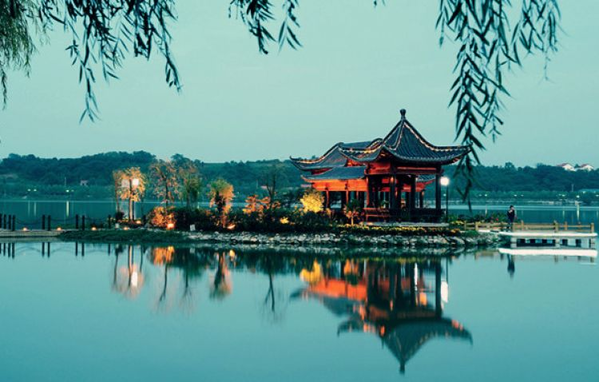
Located in Zhongxiang City, Mochou Lake is an urban lake park named after Mochou, a famous singer and dancer of the Chu state. The lake is shimmering, with shady trees, and features a statue of Mochou and the Yangchun Baixue Island, a popular leisure spot for locals.
Bus 2 RMB, long-distance to Wuhan about 60 RMB
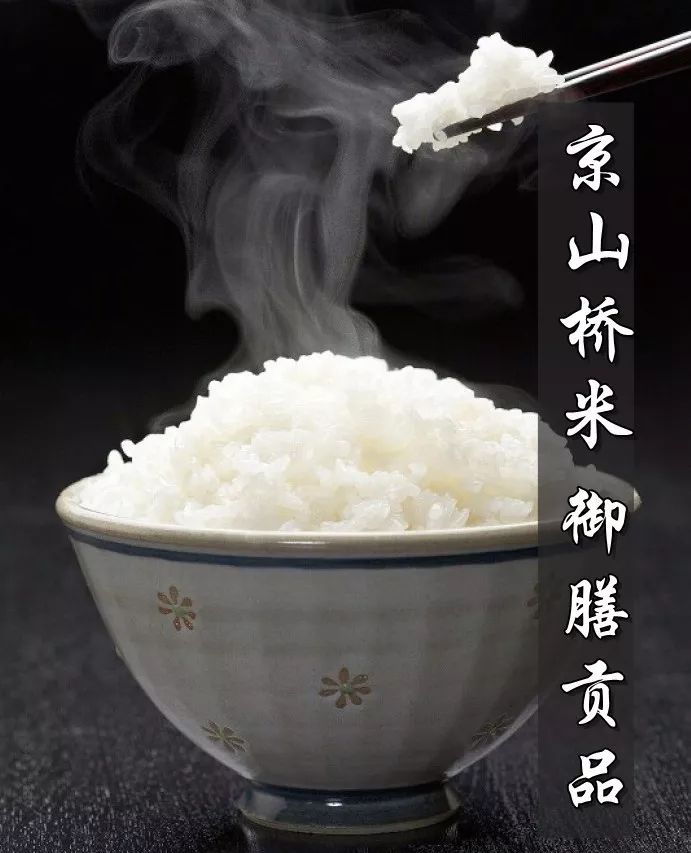
Jingshan Qiaomi rice is a specialty of Jingshan City, Hubei Province, and a national geographical indication product. The grains are slender, crystal clear, with a soft, waxy, and sweet taste. It was once a tribute rice during the Ming and Qing dynasties.
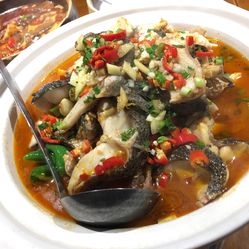
Shayang Changhu fish head uses wild bighead carp head from Changhu Lake, stewed with a secret sauce. The soup is rich and fresh, the meat tender and smooth. It is a local specialty of Shayang County, beloved by diners.
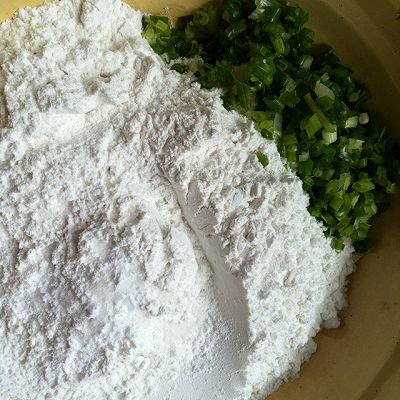
Glutinous rice cake is a traditional snack in Jingmen. Made from glutinous rice flour, filled with bean paste or sesame, and deep-fried until golden. It is crispy outside and sticky inside, sweet and delicious. Often served as breakfast or tea snack.