
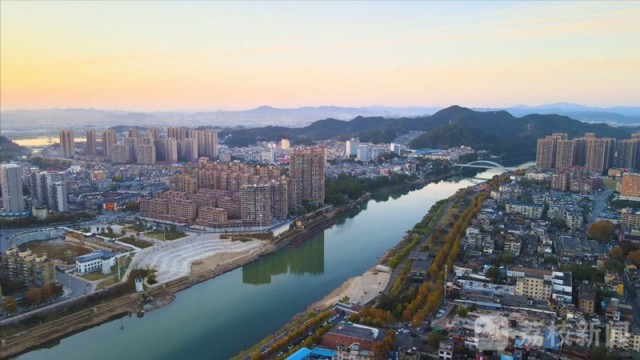
Jingdezhen is located in the northeast of Jiangxi Province, at the transition zone between the Huangshan and Huaiyu mountain ranges and the Poyang Lake Plain. It has a subtropical monsoon climate with four distinct seasons, abundant rainfall, and an average annual temperature of around 17°C.
Jingdezhen's porcelain-making history began in the Han Dynasty. White porcelain was first fired in the Five Dynasties, and blue-white porcelain was created in the Song Dynasty. It became the national porcelain center in the Yuan Dynasty, and during the Ming and Qing Dynasties, the imperial kilns were established, earning it the title of 'World Porcelain Capital.' The kilns have been burning for over 2,000 years, cementing its reputation as the 'Porcelain Capital.'
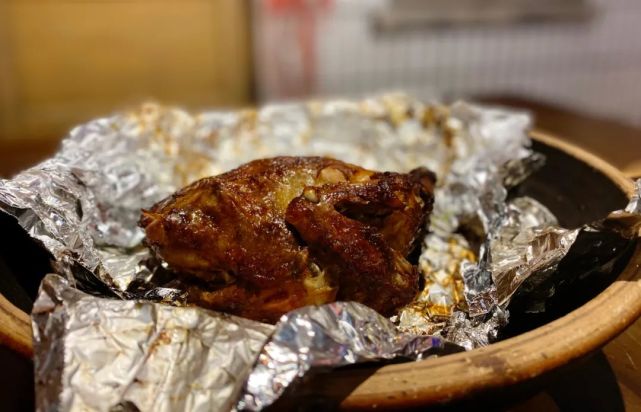
The core of Jingdezhen's culture is ceramic culture, with historic sites such as ancient kilns, workshops, and porcelain shops preserved. Its cuisine is based on Gan cuisine, with specialties like alkali rice cake, cold rice noodles, and clay-wrapped chicken, known for their spicy and fresh flavors.
Modern Jingdezhen actively develops cultural tourism and creative industries while preserving ceramic traditions. New landmarks like the Taoxichuan Creative District have been built, making it an international center for ceramic cultural exchange.
The best time to visit 景德镇 is Best in spring and autumn.
Spring (March-May): Mild weather, flowers in bloom, ideal for visiting ancient kilns and villages.
Autumn (September-November): Clear and crisp, best for watching ceramic production and attending the China Jingdezhen International Ceramics Fair.
Summer is hot and rainy, winter is damp and cold, but fewer tourists allow a peaceful experience of the ancient town atmosphere.
In the first year of the Jingde reign of Emperor Zhenzong of Song (1004), the town of Changnan was granted the imperial reign name 'Jingde' due to its fine celadon porcelain, and was renamed Jingdezhen.
In the second year of Hongwu reign of Ming (1369), the imperial court established the Imperial Kiln in Jingdezhen exclusively for imperial porcelain, marking it as the national porcelain center.
In 2014, the Taoxichuan International Ceramic Cultural Industrial Park opened, becoming a new landmark integrating ceramic creativity, art exchange, and tourism, promoting the modern ceramic industry in Jingdezhen.
Recommended places to visit
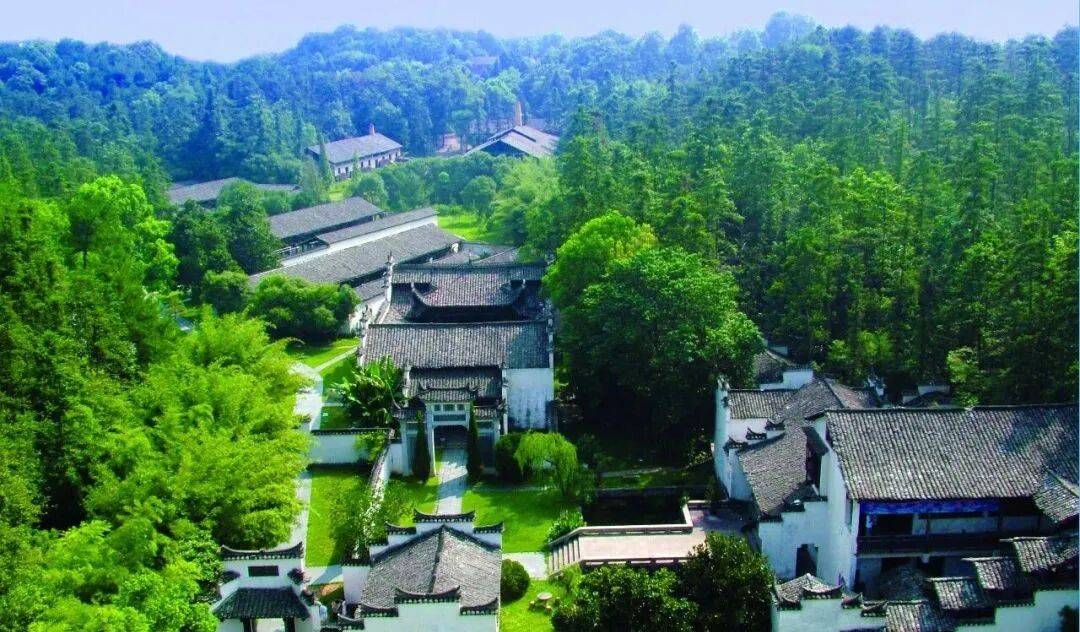
National 5A scenic area, showcasing ancient kilns of various dynasties (Song dragon kiln, Yuan mantou kiln, Ming gourd kiln, etc.) and ceramic making techniques, with live demonstrations by intangible heritage inheritors.
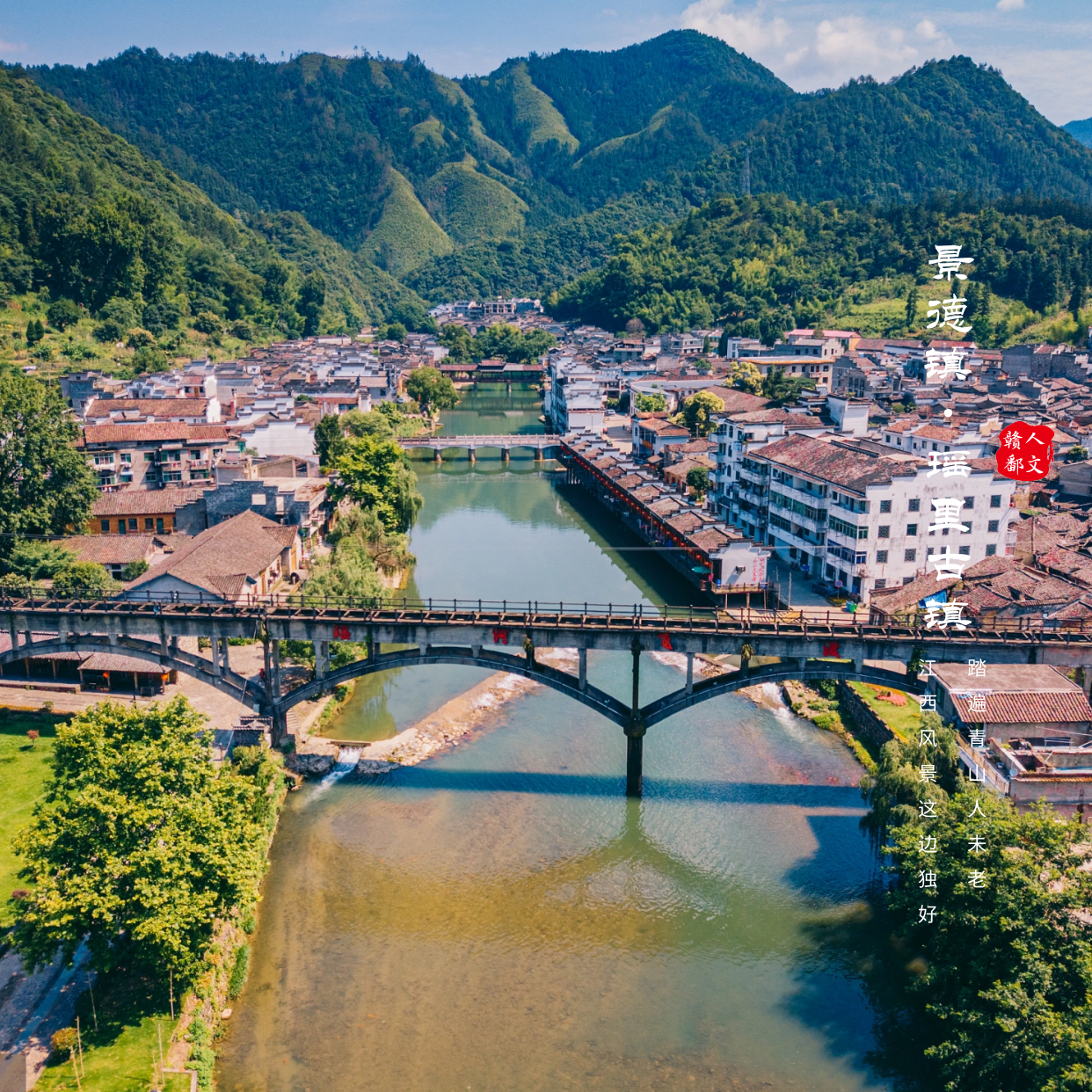
National 4A scenic area, known as the 'source of porcelain, hometown of tea, sea of forests', preserving Ming and Qing Hui-style ancient buildings and ancient kiln sites, with beautiful natural scenery.
Explore rich intangible cultural heritage and traditional crafts
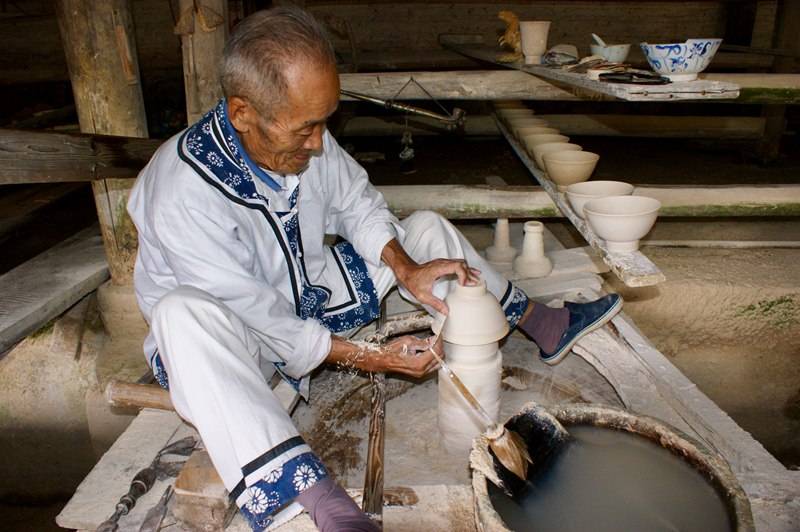
National intangible cultural heritage, comprising 72 processes such as throwing, trimming, painting, glazing, passed down for millennia.
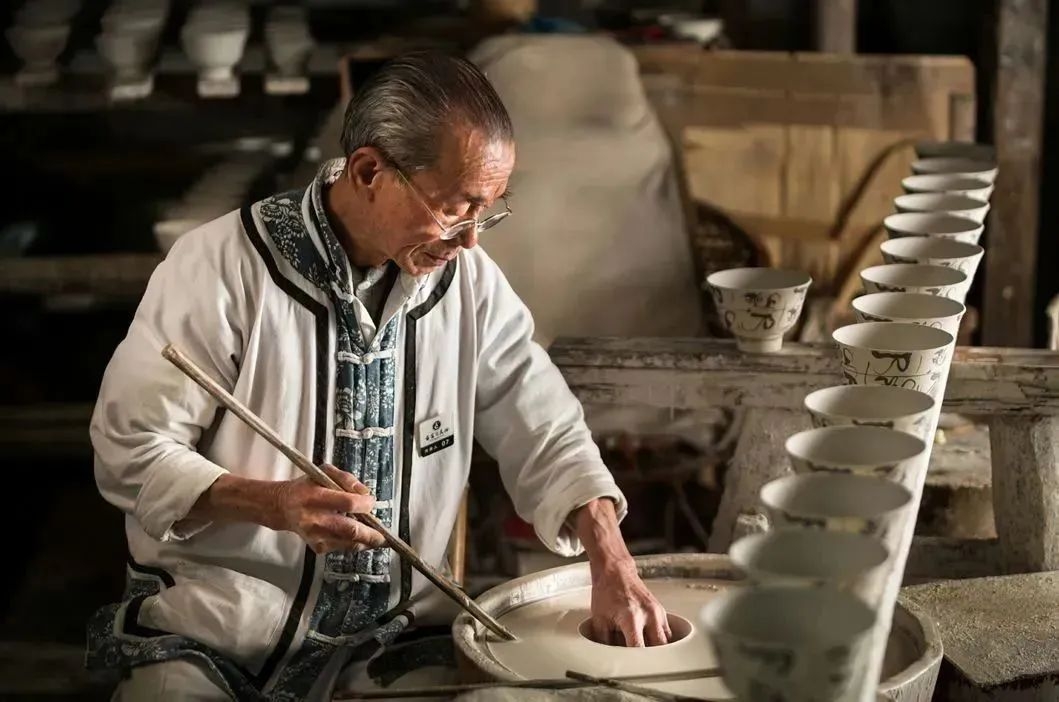
National intangible cultural heritage, covering the construction techniques of traditional kilns like wood-fired kilns and faggot kilns.
Must-know transportation for exploring the city
Located northwest of the city, with flights to Beijing, Shanghai, Guangzhou, Shenzhen, etc., about 10 km from city center.
Varies by route
High-speed rail station, connecting to Nanchang, Hangzhou, Shanghai, etc., about 2 hours from Nanchang West Station.
Second class approx. 100-200 RMB
City bus routes cover major attractions and commercial areas, fare 1-2 RMB, can use mobile payment.
1-2 RMB
Taste the most authentic and popular local specialties
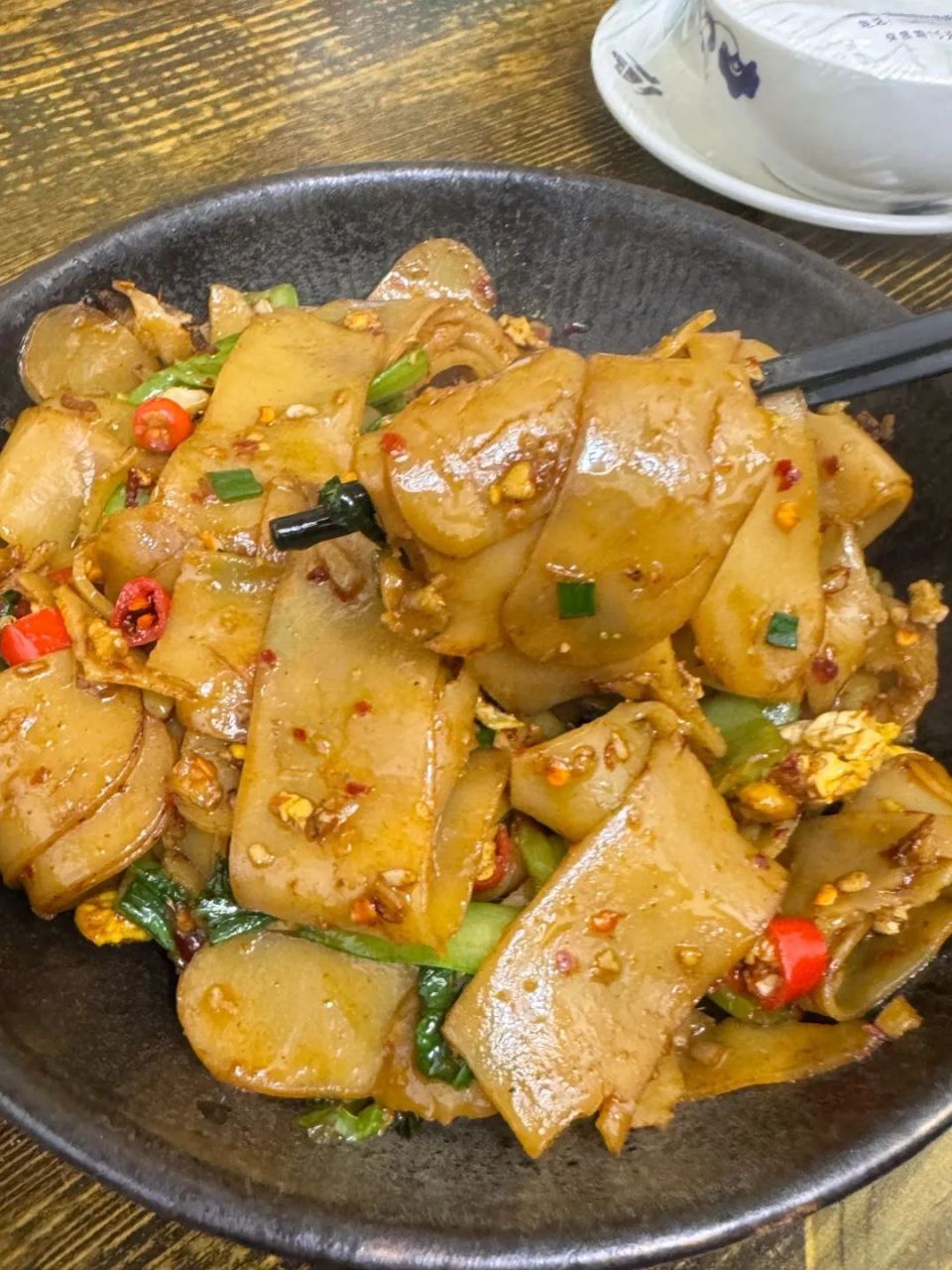
Traditional Jingdezhen snack made by soaking rice in alkaline water, grinding, steaming, then slicing and stir-frying, soft and sticky, often with cured meat and vegetables.
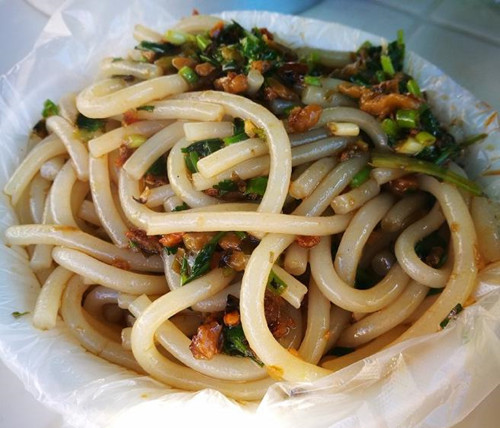
Special mixed rice noodles in Jingdezhen, thick and chewy, mixed with chili, minced garlic, dried radish, etc., sour and spicy.
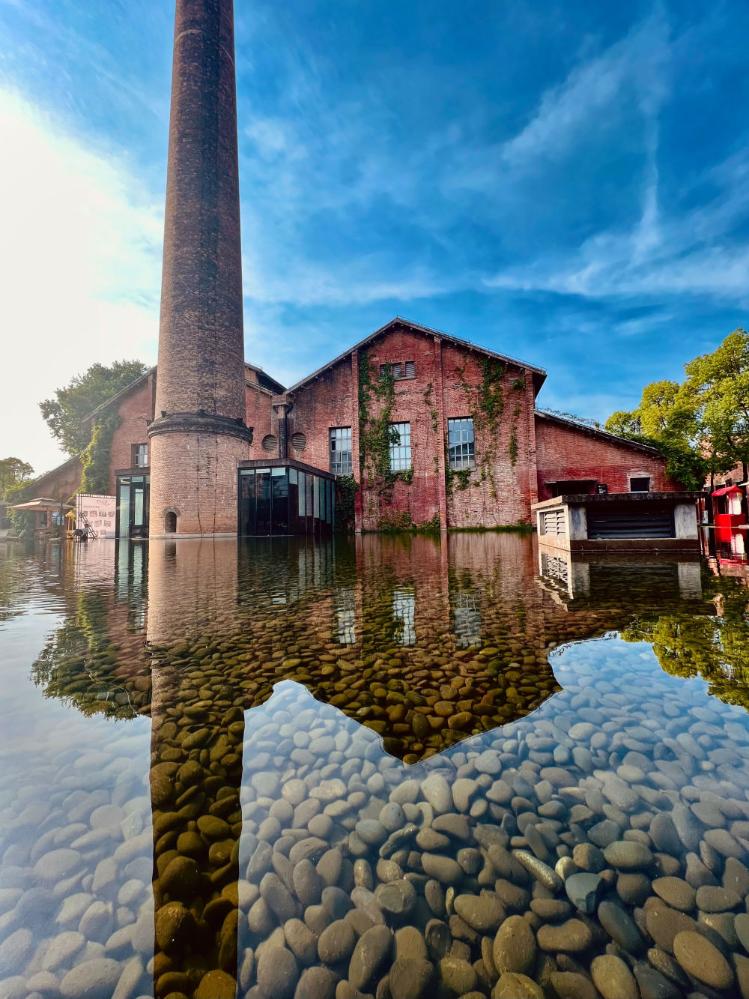
A creative block transformed from the former state-owned Universe Porcelain Factory, integrating ceramic art, creative design, dining and shopping, with beautiful night light shows, popular among young people.
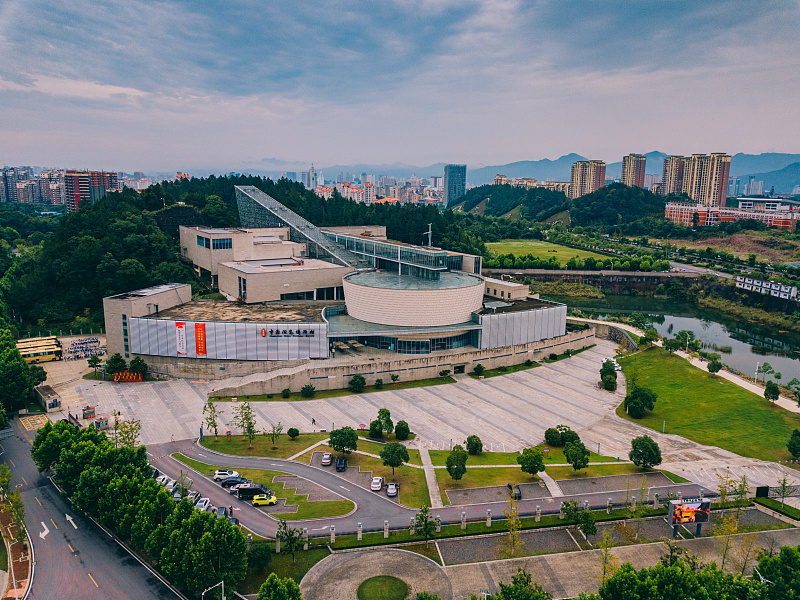
National first-class museum, housing over 30,000 ceramic masterpieces from various periods, including Yuan blue-and-white, Ming Chenghua doucai, etc., the best place to learn about ceramic history.
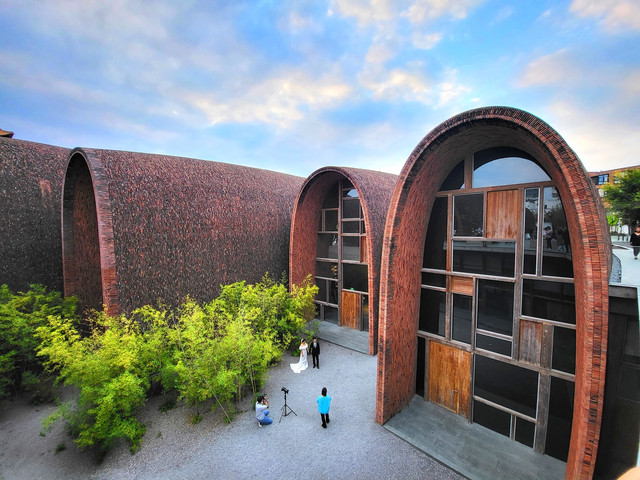
Site of the Ming and Qing imperial kilns, with a large number of official porcelain fragments excavated, featuring the Imperial Kiln Museum showcasing royal porcelain making techniques and history.
Whole chicken wrapped in porcelain clay and baked until the clay dries and the chicken is cooked, tender and flavorful with a unique earthy aroma.
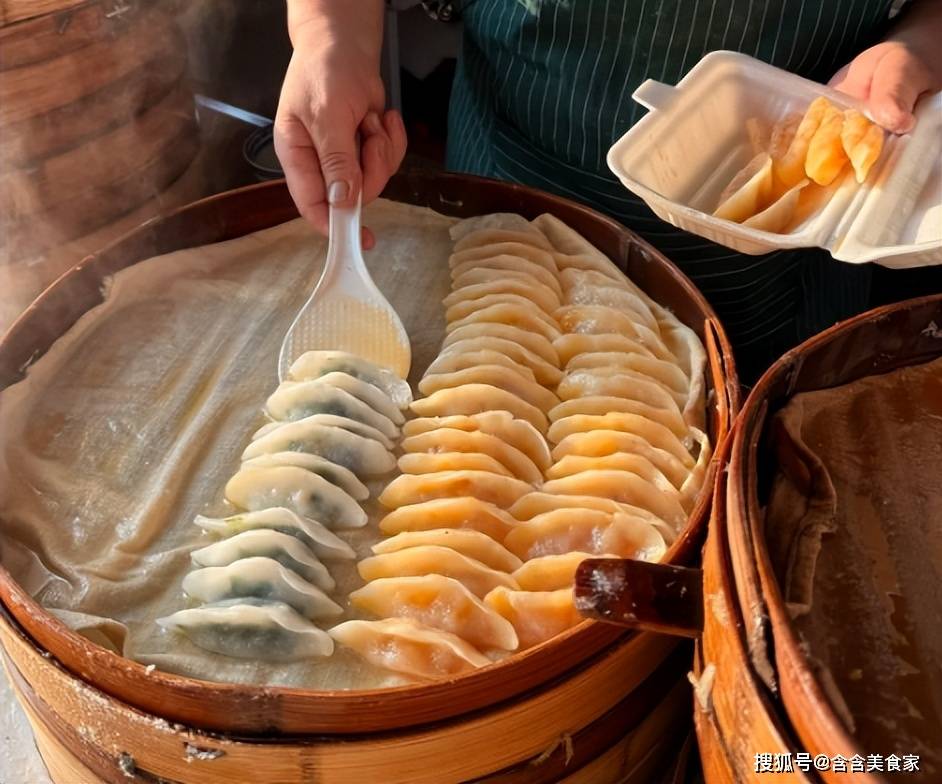
Steamed dumpling-like rice cakes with thin skin and generous filling, available in chives, radish, mushroom flavors.
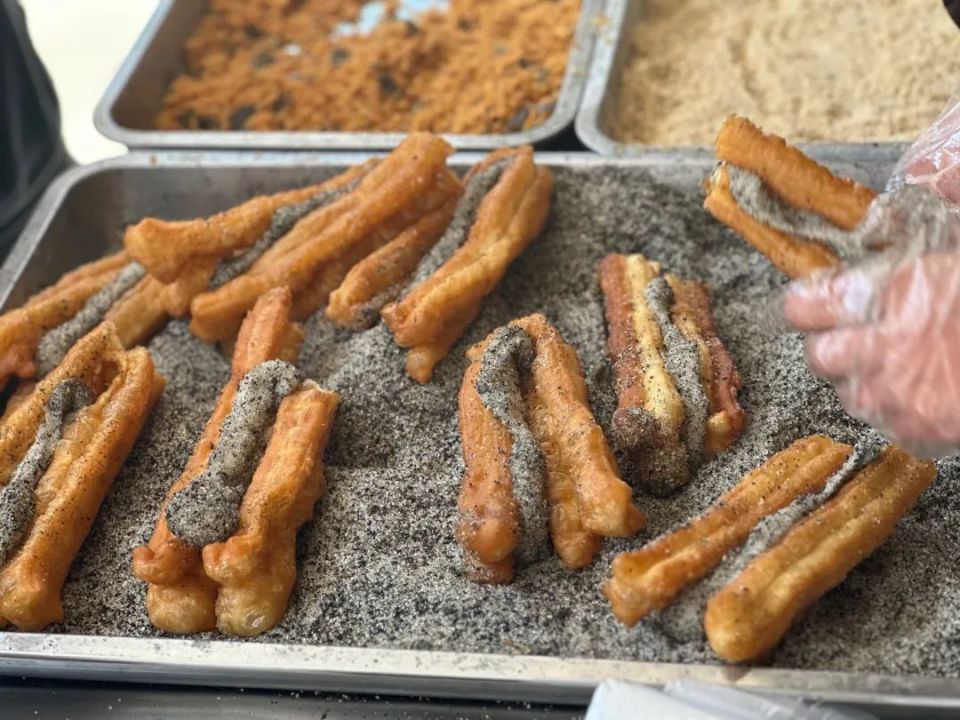
Fried dough stick wrapped with glutinous rice mochi, crispy outside and chewy inside, sprinkled with sesame and sugar, sweet and delicious.