
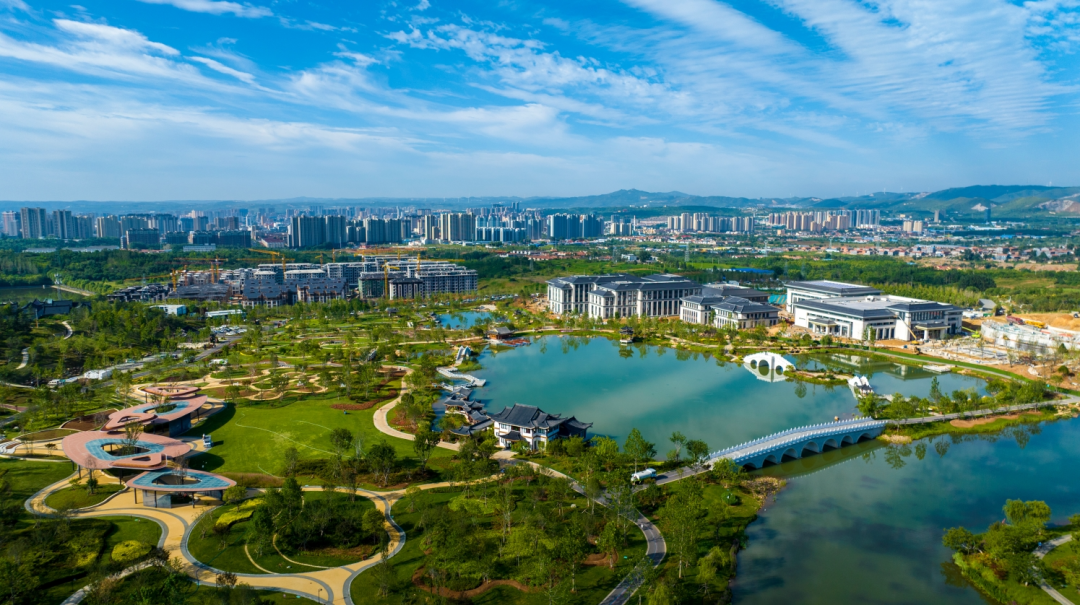
Jincheng is located in the southeastern part of Shanxi Province, at the junction of Shanxi and Henan provinces, where the Taihang, Wangwu, and Zhongtiao mountains converge. It has a warm temperate semi-humid continental monsoon climate with four distinct seasons and an average annual temperature of 11.5°C.
Jincheng has a long history and was historically known as Zezhou or Zezhou Prefecture. It is one of the important birthplaces of Chinese civilization, where myths such as Nüwa Mending the Sky and Yu Gong Moving Mountains are said to have occurred. During the Spring and Autumn and Warring States periods, it belonged to the State of Han. In the third year of the Kaihuang reign of the Sui Dynasty, Zezhou was established, and in the sixth year of the Yongzheng reign of the Qing Dynasty, it was upgraded to Zezhou Prefecture.
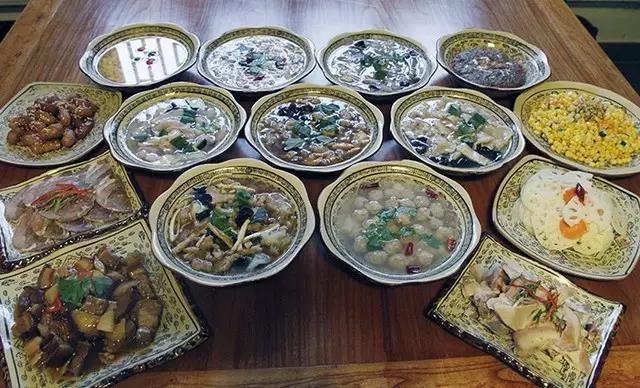
Jincheng has a profound cultural heritage and is known as the hometown of opera and folk art. Local operas such as Shangdang Bangzi and Zezhou Yangge are unique. In terms of cuisine, local delicacies like Jincheng Guoyourou, Yangcheng Roasted Liver, and Gaoping Ten Bowls are renowned far and wide.
As an important coal and iron base in Shanxi Province, Jincheng has actively promoted industrial transformation in recent years, developing emerging industries such as cultural tourism and equipment manufacturing. The city's appearance is changing rapidly, and it has been awarded titles such as National Garden City and China Excellent Tourism City.
The best time to visit 晋城 is Spring and Autumn (April-May, September-October).
Spring (April-May) has moderate temperatures and blooming flowers, making it the best time to visit attractions like the Imperial City Xiangfu and Wangmang Ridge.
Autumn (September-October) is clear and crisp with colorful forests, ideal for hiking and outdoor activities.
Although summer is hot, the mountain areas are cool and suitable for escaping the heat; winter is cold but offers ice and snow scenery.
A large-scale battle between the Qin and Zhao states broke out in the Gaoping area of Jincheng. The Zhao army was defeated, and 400,000 surrendered soldiers were buried alive.
In the first year of the Wude era of the Tang Dynasty, Changping Commandery was renamed Zezhou, with its seat in present-day Jincheng city.
Approved by the State Council, Jincheng was upgraded to a prefecture-level city, governing six county-level divisions: Chengqu, Zezhou, Gaoping, Yangcheng, Lingchuan, and Qinshui.
Recommended places to visit
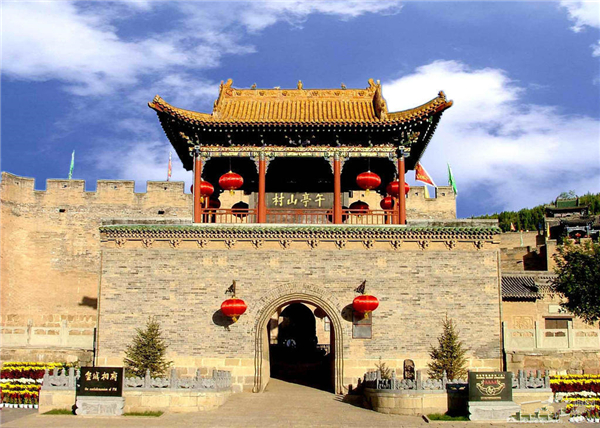
The former residence of Chen Tingjing, a famous prime minister of the Qing Dynasty, known as 'the residence of the first cultural giant family in northern China'. It is a 5A-level scenic spot. The architectural complex is built along the mountain, grand and magnificent.
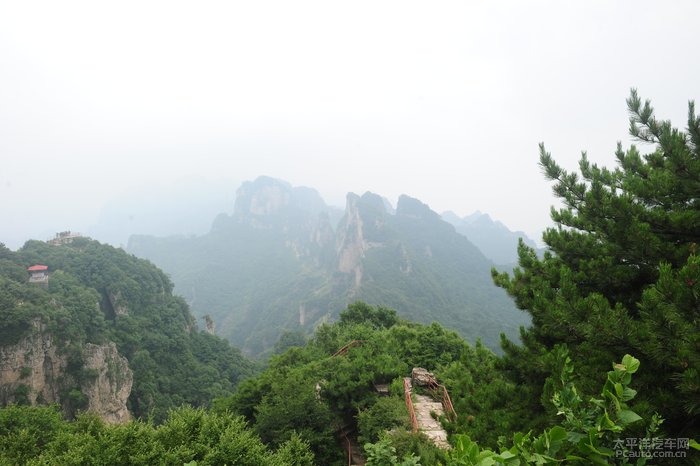
One of the highest peaks in the southern section of the Taihang Mountains, named after Wang Mang of the Western Han Dynasty who camped here while pursuing Liu Xiu. The four wonders are sea of clouds, sunrise, strange peaks, and pine waves.
UNESCO World Heritage Sites
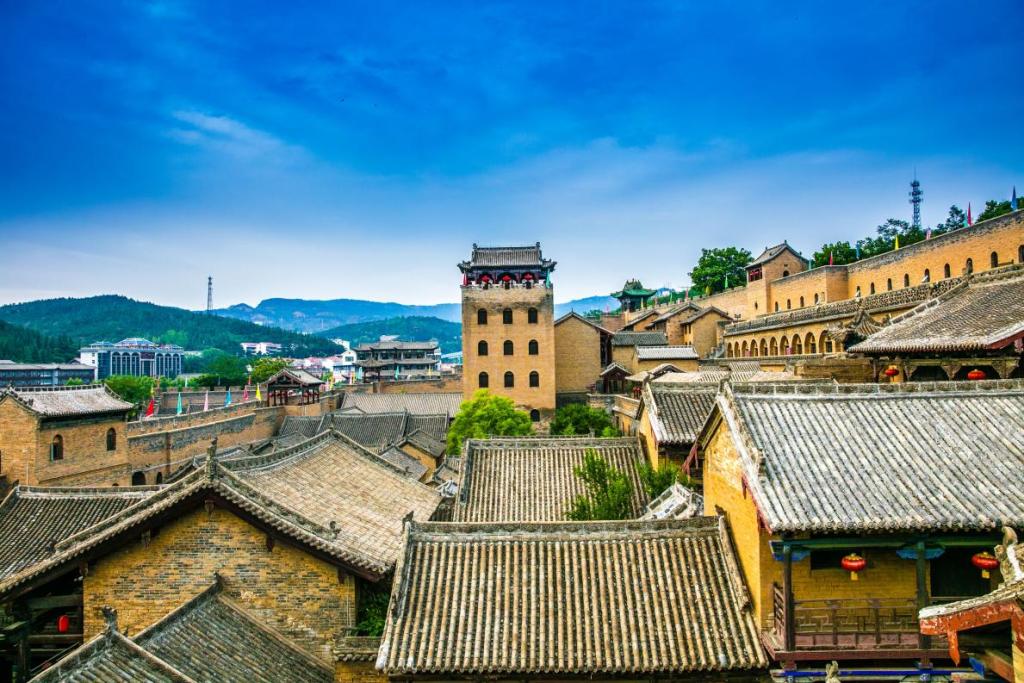
The former residence of Chen Tingjing, a famous prime minister of the Qing Dynasty. The architectural complex is grand in scale and well-preserved, reflecting the architectural style of official residences in the Ming and Qing dynasties.
Explore rich intangible cultural heritage and traditional crafts
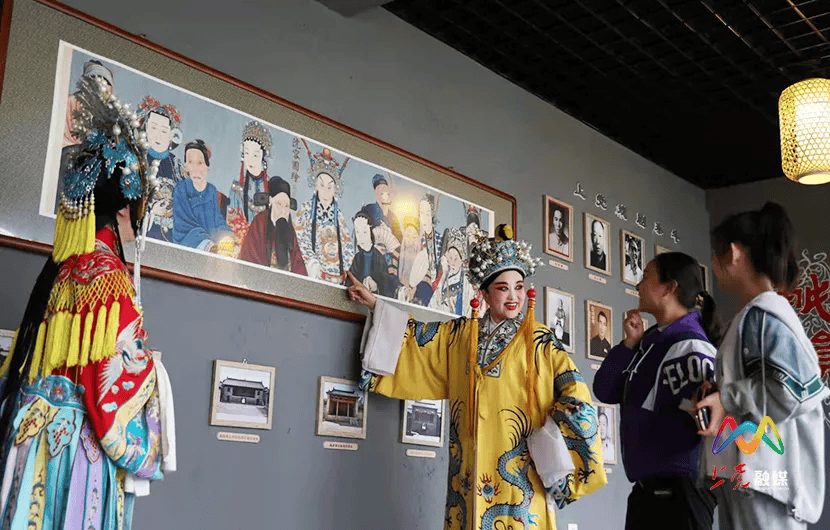
One of the traditional opera genres of Shanxi Province, popular in Jincheng, Changzhi and other areas. The singing is high-pitched and passionate, and the performance is bold and unrestrained.
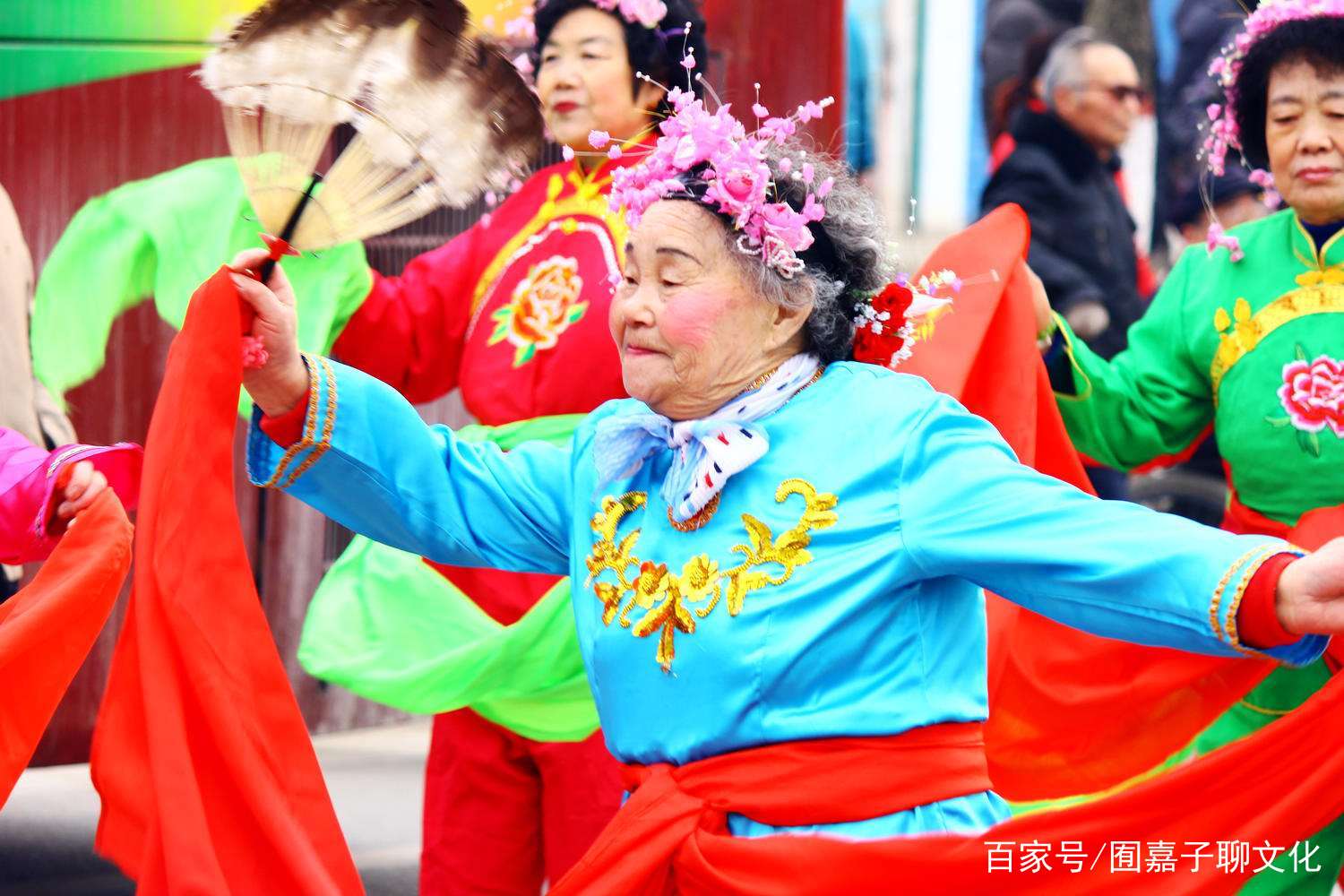
A form of folk song and dance in Jincheng area, originating from the Qing Dynasty. Performers sing and dance with lively rhythms, full of local flavor.
Must-know transportation for exploring the city
Currently, Jincheng has no civil airport. You can fly to Zhengzhou Xinzheng International Airport or Changzhi Wangcun Airport, then transfer by high-speed rail or bus to Jincheng.
Bus from Zhengzhou to Jincheng about 60 yuan
Jincheng East Station is an important stop on the Zhengzhou-Taiyuan High-Speed Railway, providing direct access to Beijing, Shanghai, Zhengzhou, Taiyuan and other cities.
Second-class seat from Taiyuan to Jincheng about 90 yuan
The city bus network covers major attractions and urban areas, with fares starting from 1 yuan. There are also tourist shuttle buses connecting scenic spots like Imperial City Xiangfu.
1-5 yuan
Taste the most authentic and popular local specialties
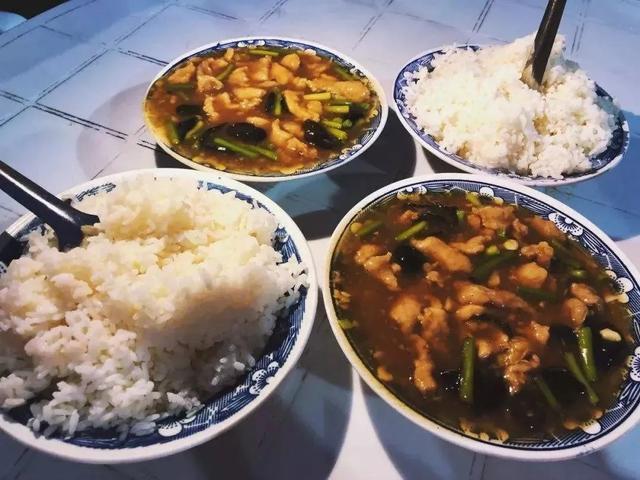
A traditional Jincheng famous dish, using pork tenderloin sliced, coated with starch and fried, then stir-fried with wood ear mushrooms and winter bamboo shoots, with a smooth and tender texture.
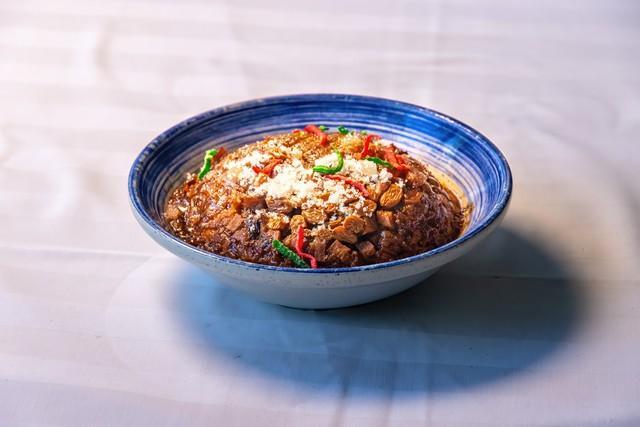
A specialty snack of Yangcheng County, made from pork liver and intestines, crispy on the outside and tender inside, best eaten with vinegar.
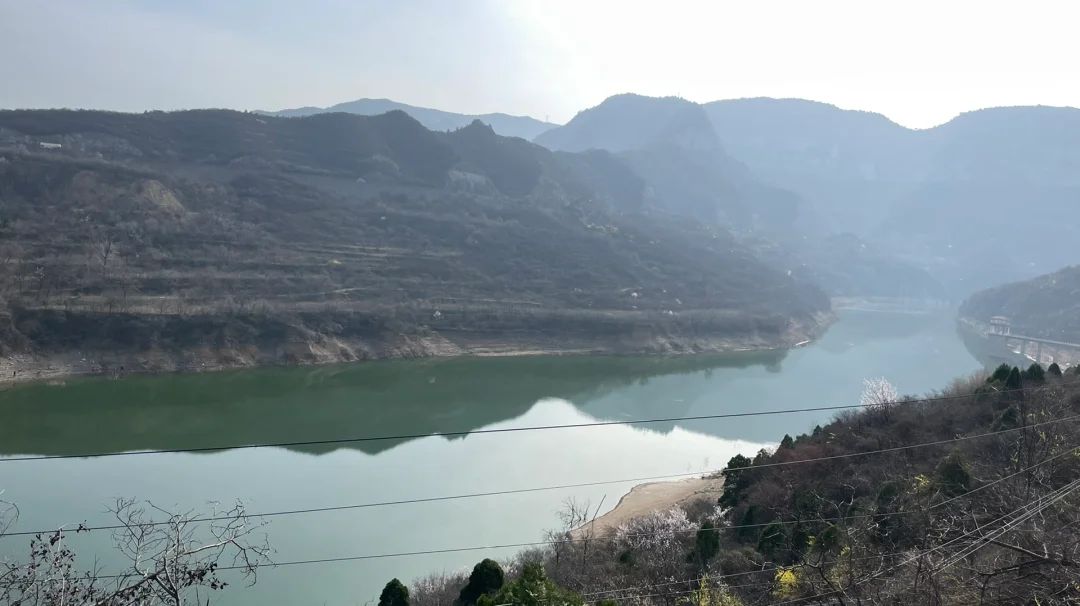
A famous Taoist mountain, known for its twin peaks standing opposite each other and majestic views. There are Taoist temples such as Zhenwu Temple on the mountain, and it is a good place to enjoy the moon.
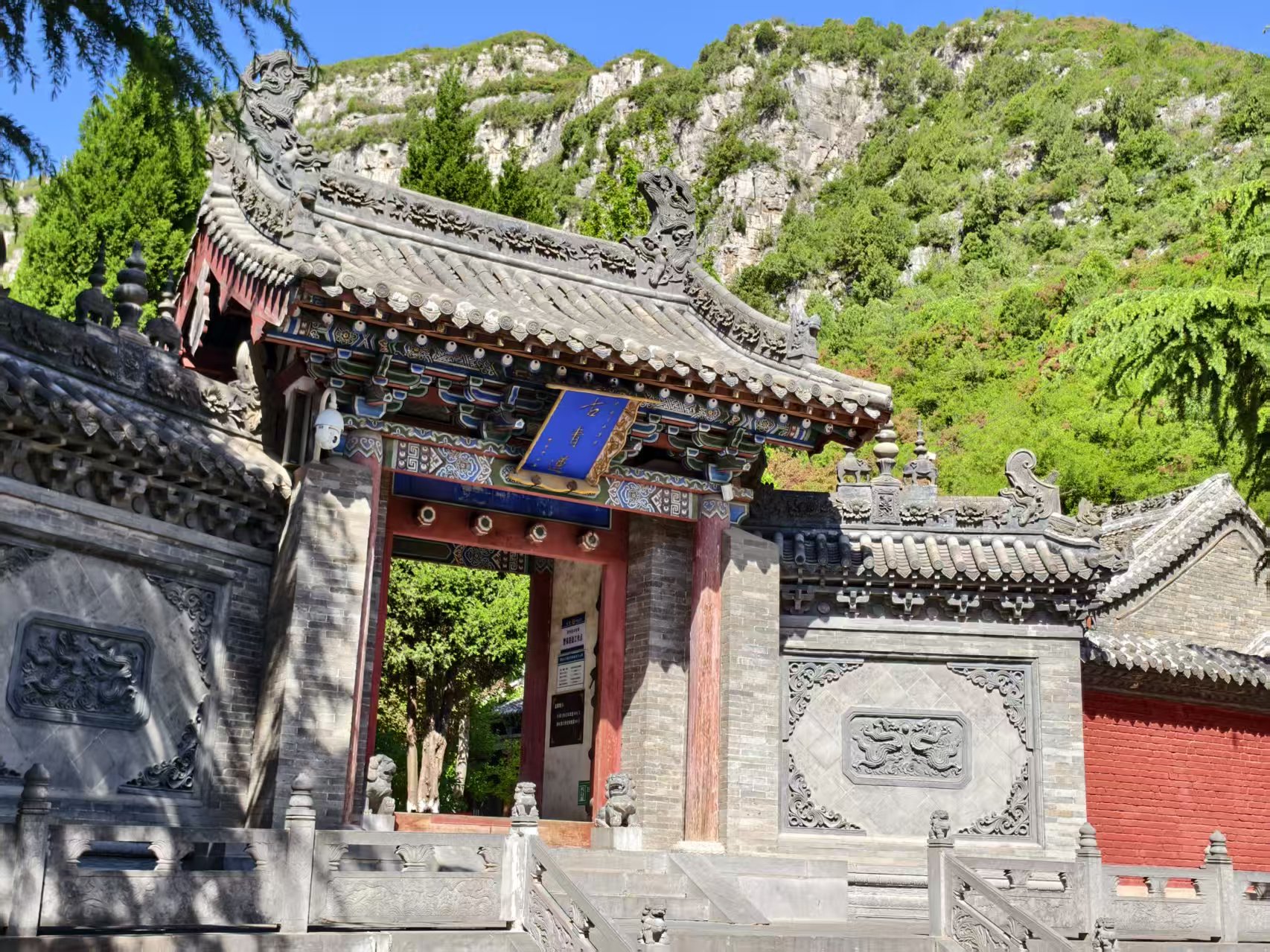
First built during the Tianbao era of the Northern Qi Dynasty, it is one of the earliest temples of the Maitreya Pure Land sect of Buddhism. The Tang Dynasty painted sculptures and Song Dynasty architecture are well preserved.

A Ming Dynasty castle-style architectural complex, built under the direction of brothers Sun Juxiang and Sun Dingxiang. The castle is built on the mountain, with towering walls and orderly streets.
A traditional Gaoping banquet consisting of ten dishes, including meatballs, crispy pork, sweet rice, etc., symbolizing perfection.
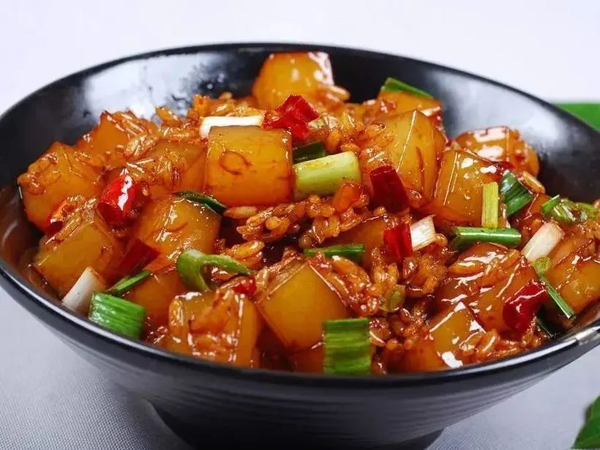
Bean jelly made from mung bean starch, cut into pieces and stir-fried with minced garlic, chili and other seasonings, with a smooth texture.
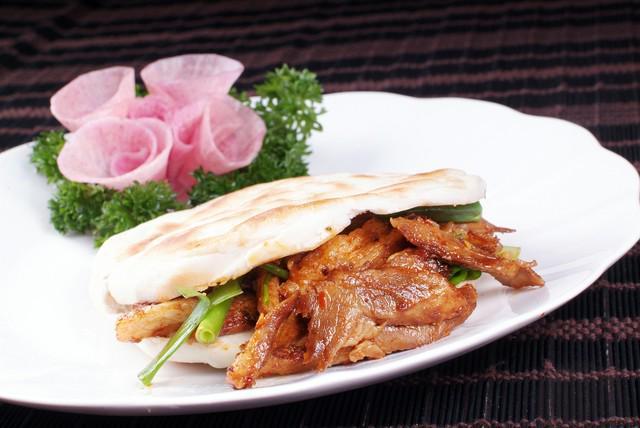
A specialty pastry of Lingchuan County, made with mutton filling and dough, baked until crispy on the outside and tender inside, with a rich aroma.