
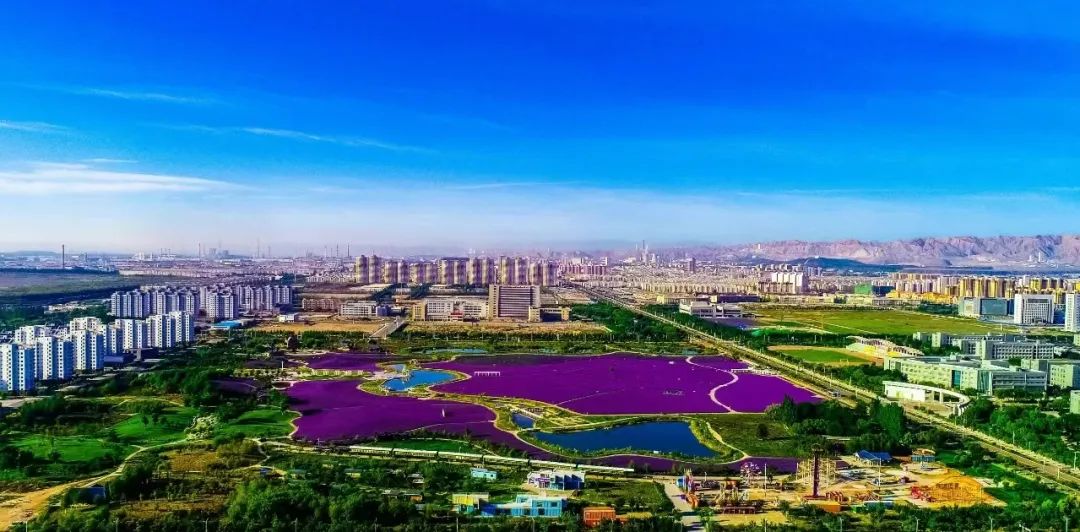
Jinchang is located in the eastern part of the Hexi Corridor in Gansu Province, at the northern foot of the Qilian Mountains and on the southern edge of the Alxa Plateau, covering an area of about 9,600 square kilometers. It has a temperate continental arid climate with an average annual temperature of 9.4°C, low rainfall, abundant sunshine, and large temperature differences between day and night.
Jinchang was established as a city in 1981 due to the discovery of a large nickel mine. It is China's largest nickel and cobalt production base, known as the 'Nickel Capital.' In ancient times, it was an important node on the Silk Road, with a long history and culture.
Jinchang's culture is diverse, blending Silk Road culture, industrial culture, and local folk customs. Specialty foods include lamb rolls, gray beans, and Liangzhou cold noodles. The city also has a unique 'Nickel Capital culture' and 'Liqian culture.'
Modern Jinchang has transformed from a single resource-based city into a comprehensive industrial city, while developing new energy and new material industries and building ecological tourism attractions such as the Purple Sea of Flowers and Jinshui Lake, making it a livable and work-friendly emerging city.
The best time to visit 金昌 is The best time to visit is from May to October.
Spring (March-May) sees rising temperatures but strong winds and sand; suitable for visiting indoor attractions and tasting local food.
Summer (June-August) is cool and pleasant, an ideal summer resort, with opportunities to enjoy the Purple Sea of Flowers and Gobi scenery.
Autumn (September-October) features clear skies and magnificent landscapes, perfect for outdoor activities and photography.
Due to the discovery of a large nickel deposit, the State Council approved the establishment of Jinchang City, making it a new industrial city centered on nickel production.
Located in the Hexi Corridor, Jinchang was an important passage on the ancient Silk Road, home to multiple ethnic groups and trade activities.
Jinchang began economic transformation, developing circular economy, new energy, and tourism to reduce dependence on mineral resources.
Recommended places to visit
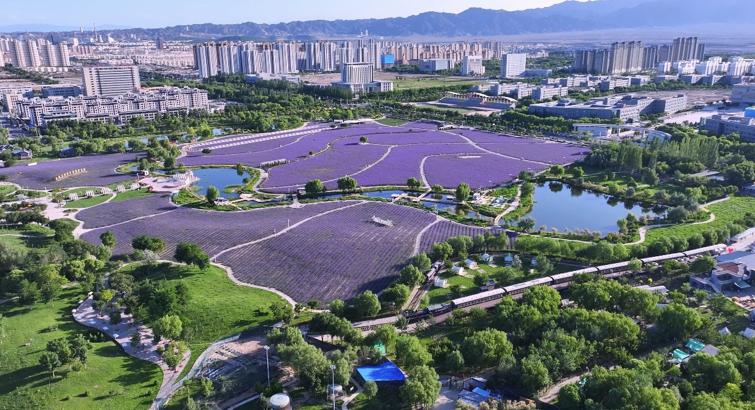
Located in the city center, it is the largest man-made lavender sea in Asia, blooming in summer, with purple flowers contrasting against the blue sky, romantic and charming.
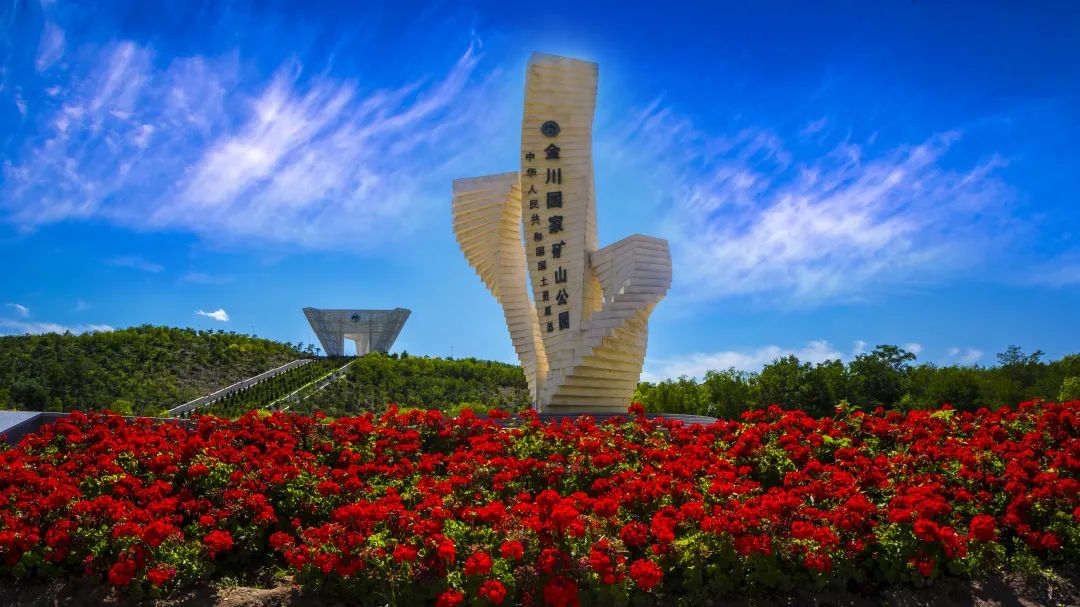
Built on the Jinchuan nickel mine, it showcases mining history and geological wonders, offering visits to open-pit mines and a mining museum.
Must-know transportation for exploring the city
Located in Jinchuan District, Jinchang, with flights to Beijing, Shanghai, Xi'an, etc., but limited frequencies.
Varies by route
Located in the city, on the Lanzhou-Xinjiang Railway, with direct trains to Lanzhou, Urumqi, Xi'an, etc. High-speed rail is under construction.
Hard seat about 50 RMB to Lanzhou
City buses cover main areas, fare 1 RMB. Long-distance buses connect to major cities in Gansu Province.
Bus 1 RMB, long-distance varies by distance
Taste the most authentic and popular local specialties
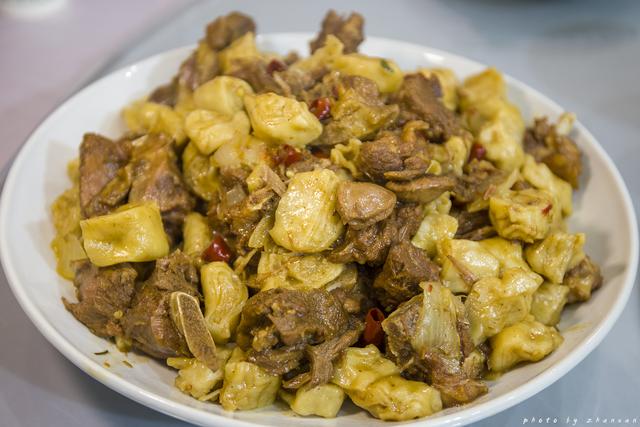
Lamb and steamed rolls are stewed together; the lamb is tender and the rolls absorb the broth, a specialty dish of Jinchang.
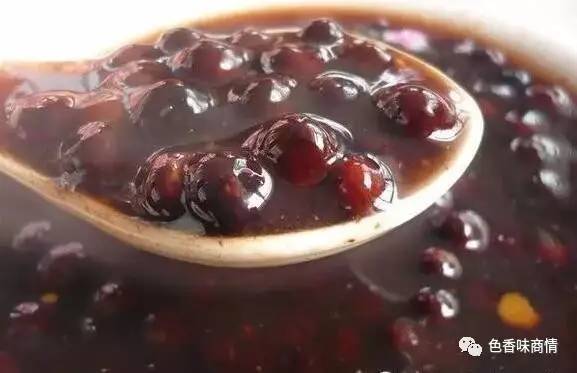
A sweet soup made from peas and red dates, with a dense texture and rich nutrition, a local traditional snack.
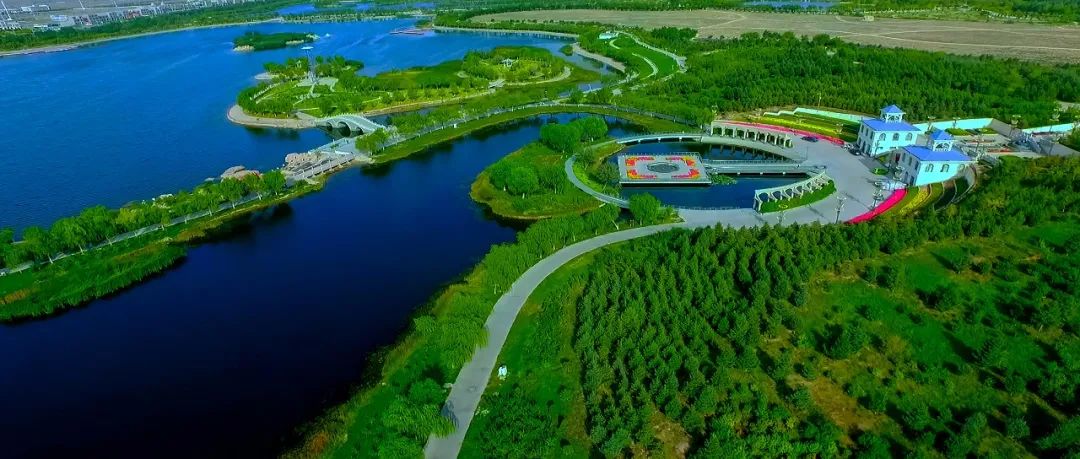
An artificial lake in the city, with clear water, surrounded by wetlands and gardens, a great place for leisure walks.
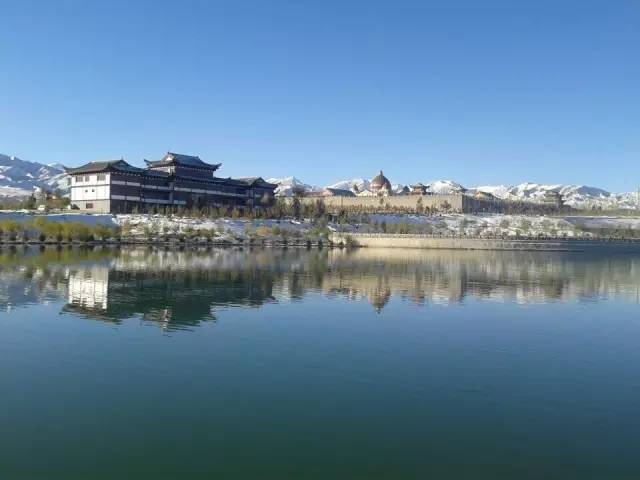
Located in Yongchang County, it is said to be the settlement of descendants of an ancient Roman legion, featuring Roman-style buildings and ancient city ruins.
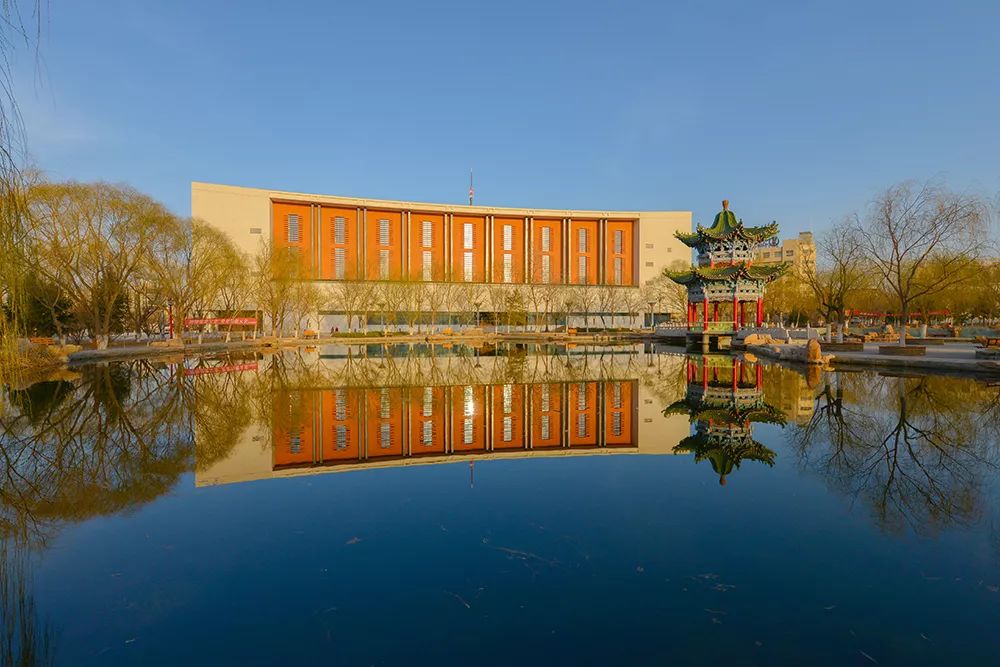
Exhibits the history and culture of Jinchang and the development of the Nickel Capital, with rich collections including artifacts and mining specimens.
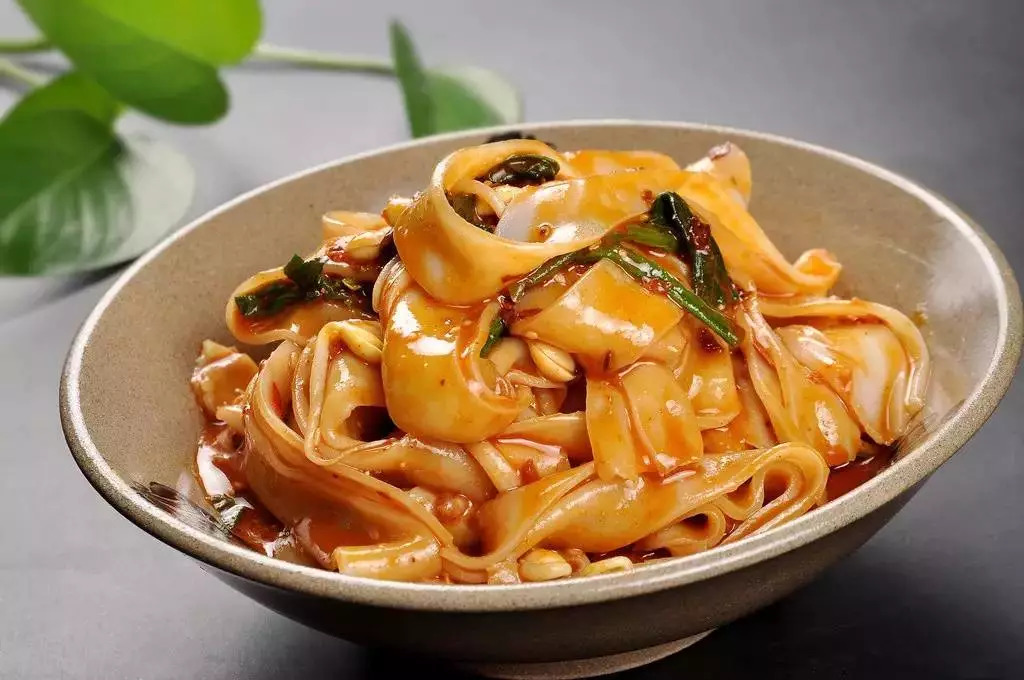
Similar to cold noodles but thinner and chewier, served with vinegar, garlic water, chili oil, etc., sour and spicy.
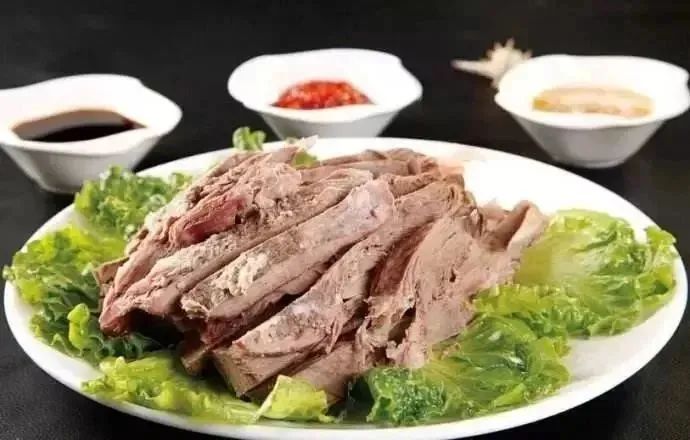
Local lamb boiled in plain water, served with pepper salt, tender and flavorful.
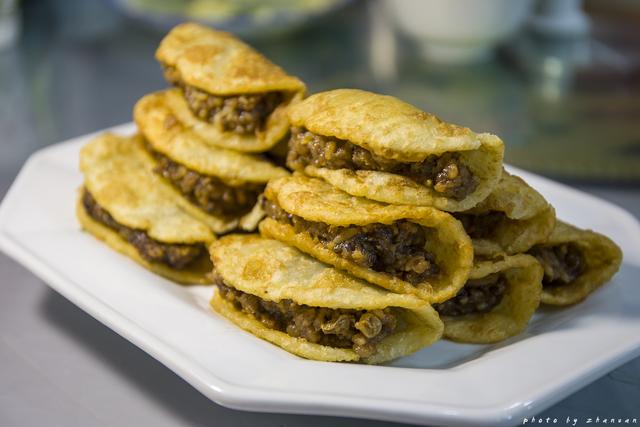
Fried cakes made from yellow rice flour or glutinous rice flour, crispy outside and soft inside, filled with bean paste or sugar, sweet but not greasy.