
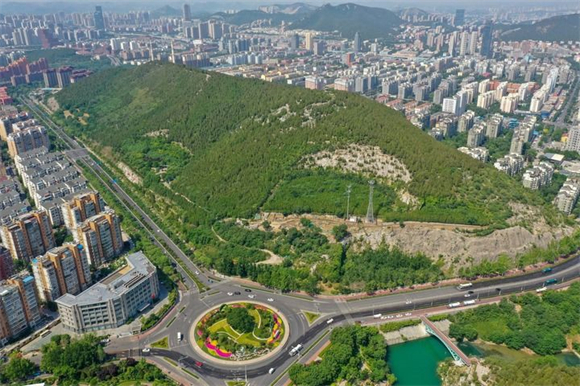
Jinan is located in the central-western part of Shandong Province, with Mount Tai to the south and the Yellow River to the north, lying on the transition zone between the low mountains and hills of central-southern Shandong and the alluvial plain of northwestern Shandong. It has a temperate monsoon climate with four distinct seasons: dry and windy springs, hot and rainy summers, crisp autumns, and cold and dry winters.
Jinan has a long history and is one of the birthplaces of the prehistoric Longshan Culture. As early as 8,000 to 9,000 years ago, ancestors lived and multiplied here. During the Shang and Zhou dynasties, it was part of the ancient Tan State. After Qin Shi Huang unified China, it belonged to Jibei Commandery. In the Han Dynasty, Jinan Commandery was established, and it has since been one of the political, economic, and cultural centers of the Shandong region.
Jinan is famous as the 'City of Springs,' with 72 famous springs, among which Baotu Spring is known as the 'First Spring under Heaven.' It has rich cultural heritage, being a hub for folk arts like Shandong Clapper Talk and Lü Opera. In terms of cuisine, Jinan is an important birthplace of Lu cuisine, with representative dishes such as Sweet and Sour Carp, Braised Intestines in Brown Sauce, and Braised Pork.
Modern Jinan is the capital of Shandong Province and an important industrial, financial, and transportation hub. The Jinan High-tech Zone and the New and Old Kinetic Energy Conversion Pilot Zone are steadily advancing. The metro lines are gradually opening, and the cityscape is changing rapidly. Jinan is accelerating its transformation into a modern metropolis that is 'big, strong, beautiful, affluent, and well-connected.'
The best time to visit 济南 is Autumn is best, with abundant springs and pleasant weather.
Spring (March-May): Temperatures rise but windy with occasional cold snaps. Flowers bloom at Baotu Spring and Daming Lake, suitable for spring outings.
Summer (June-August): Hot and rainy, but spring water flow is large, making it the best season to view springs. However, beware of heatstroke.
Autumn (September-November): Clear and crisp with moderate temperatures, the most beautiful season. Red leaves at Red Leaves Valley and autumn colors at Daming Lake are enchanting.
The Longshan Culture site was discovered in Longshan Town, Zhangqiu, Jinan, one of the important origins of Chinese civilization.
In the early Western Han Dynasty, Jinan Commandery was established, marking the beginning of the name 'Jinan'.
Jinan voluntarily opened as a commercial port, becoming a pioneer of inland cities opening to the outside world in modern China.
Recommended places to visit
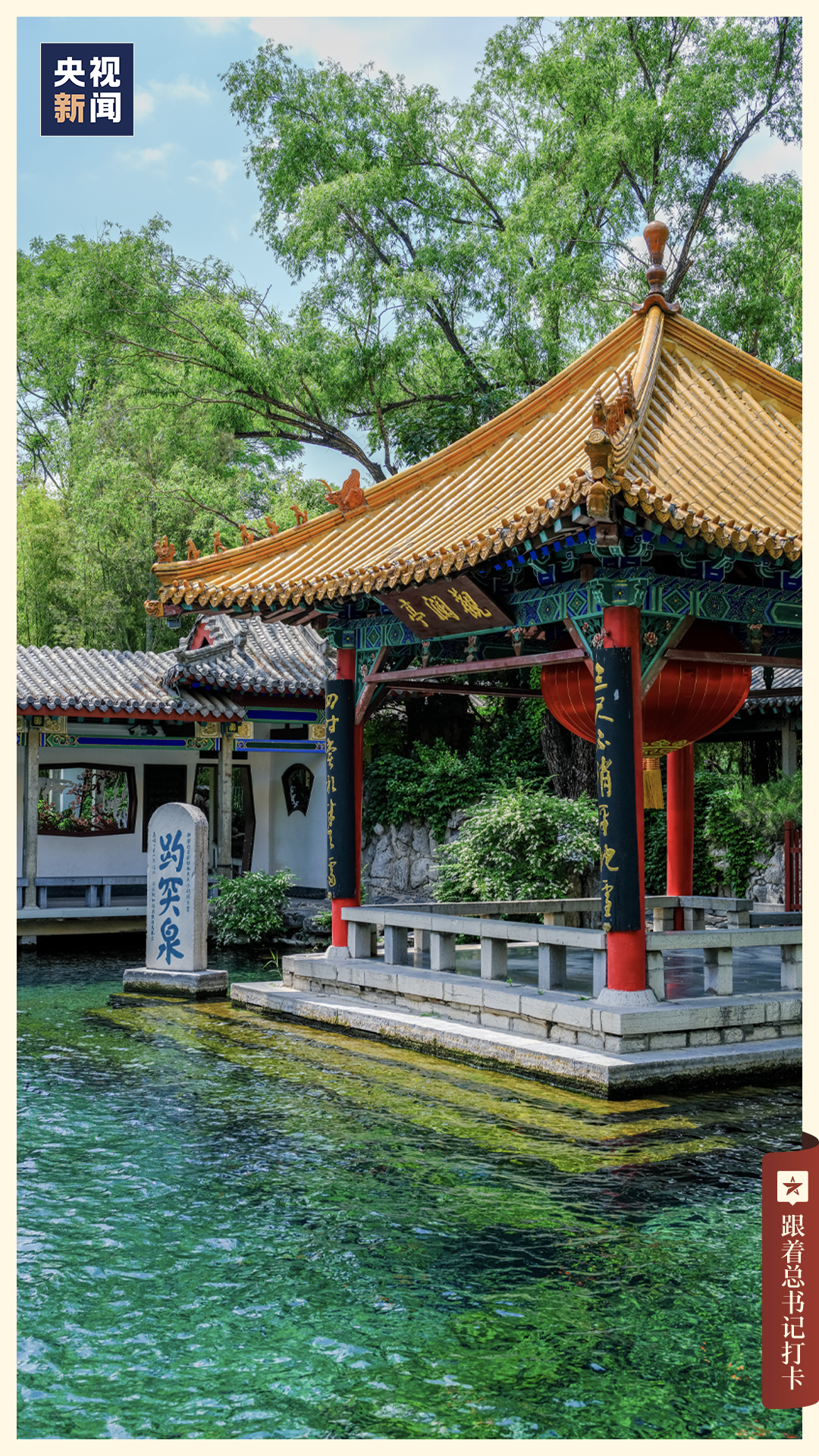
Baotu Spring is located in the center of Jinan, known as the 'Number One Spring under Heaven'. Three springs gush out like wheels, ranking first among the Seventy-two Famous Springs of Jinan.
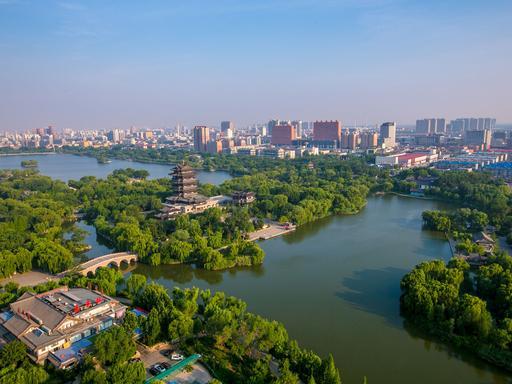
Daming Lake is one of the three famous scenic spots in Jinan. Formed by numerous springs, it is vast and beautiful, known as the 'Pearl of the City of Springs'.
Explore rich intangible cultural heritage and traditional crafts

Shandong Clapper Talk is a traditional folk art form originating from Shandong Province, featuring rhythmic recitation and singing to tell stories. Jinan is one of its important birthplaces.
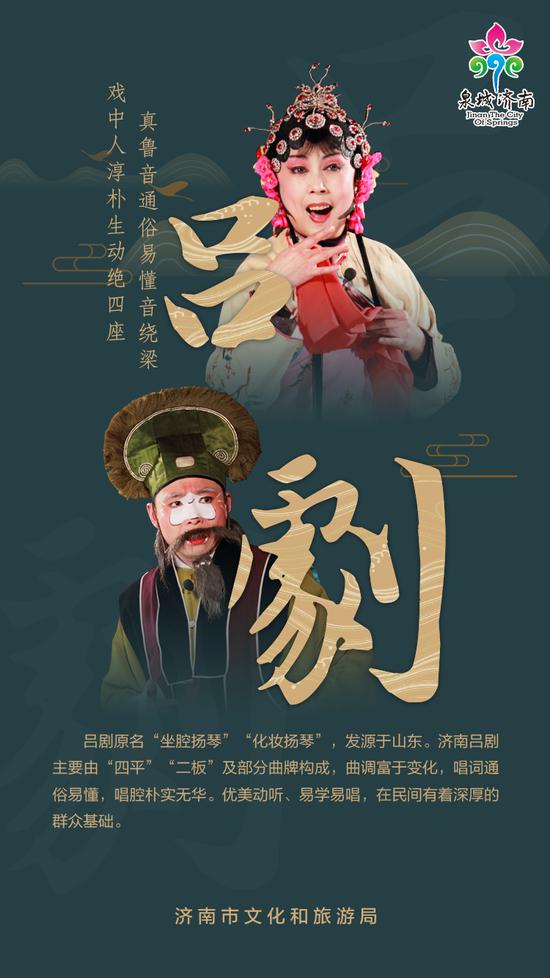
Lyu Opera is a local opera genre of Shandong Province, originating from the Jinan area. It is known for its beautiful melodies and easy-to-understand lyrics.
Must-know transportation for exploring the city
Located in the northeast of Jinan, about 30 km from the city center, with domestic and international flights. Airport buses, taxis, and Metro Line 3 are available to the city center.
Airport bus 20 RMB
Jinan has several high-speed railway stations including Jinan Station, Jinan West Station, and Jinan East Station, connecting to major cities like Beijing, Shanghai, and Qingdao. Jinan West Station is a key hub on the Beijing-Shanghai HSR.
Varies by destination
Jinan's bus network covers the whole city. Fare is 2 RMB, with mobile payment supported. The BRT system is efficient and convenient.
2 RMB
Taste the most authentic and popular local specialties
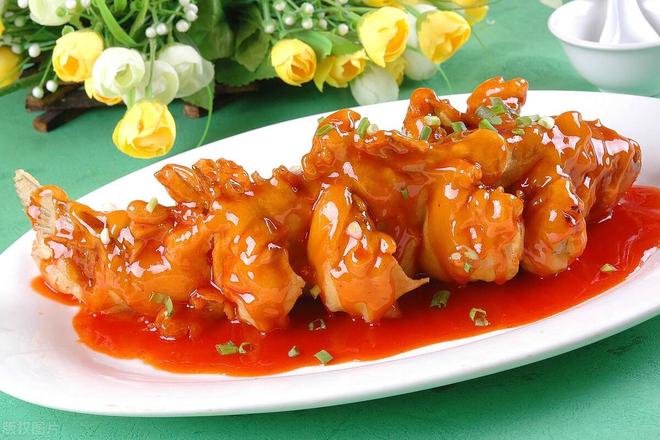
Sweet and Sour Carp is a traditional Jinan dish made from Yellow River carp. Crispy on the outside and tender inside, with a sweet and sour taste.
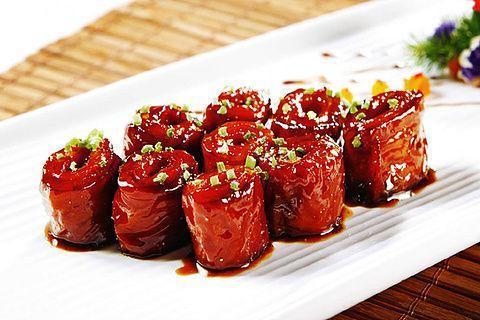
Braised Intestines is a classic Lu cuisine dish from Jinan. Pork intestines are cooked through multiple processes, resulting in a reddish color and soft, glutinous texture.
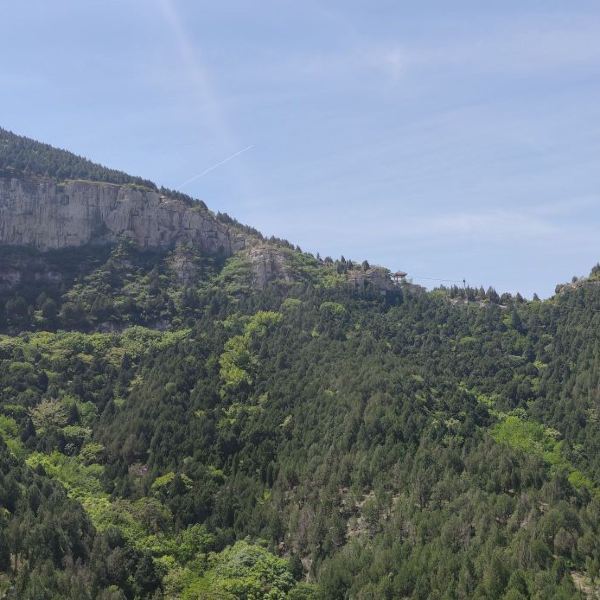
Thousand Buddha Mountain is one of the three famous scenic spots in Jinan. It features numerous Buddha statues carved during the Sui and Tang dynasties and offers a panoramic view of Jinan.
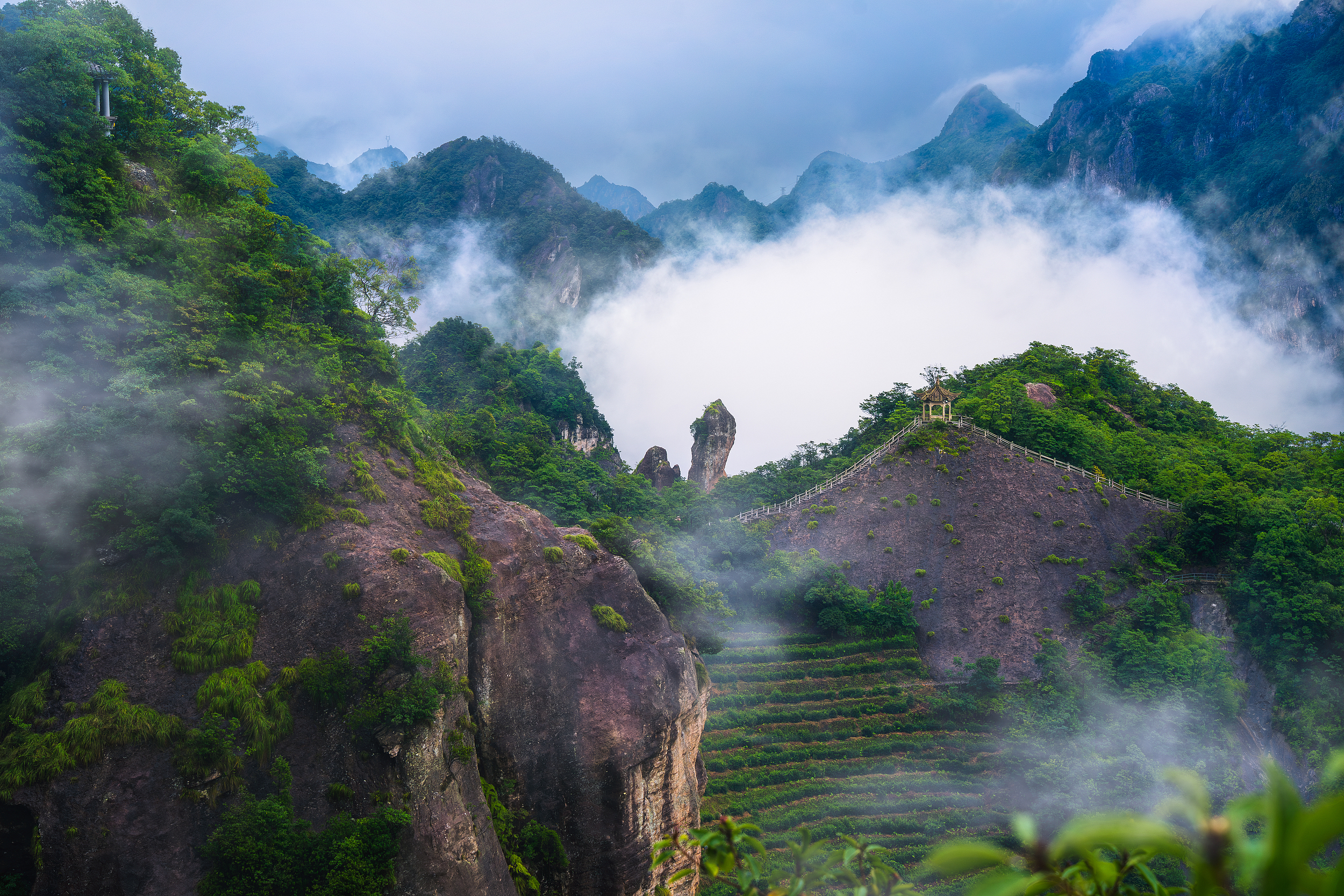
Lingyan Temple is located in Changqing District, Jinan. Built in the Eastern Jin Dynasty, it is a famous Zen Buddhist temple. The clay arhat statues in the Thousand Buddha Hall are praised as the 'best sculptures in China'.
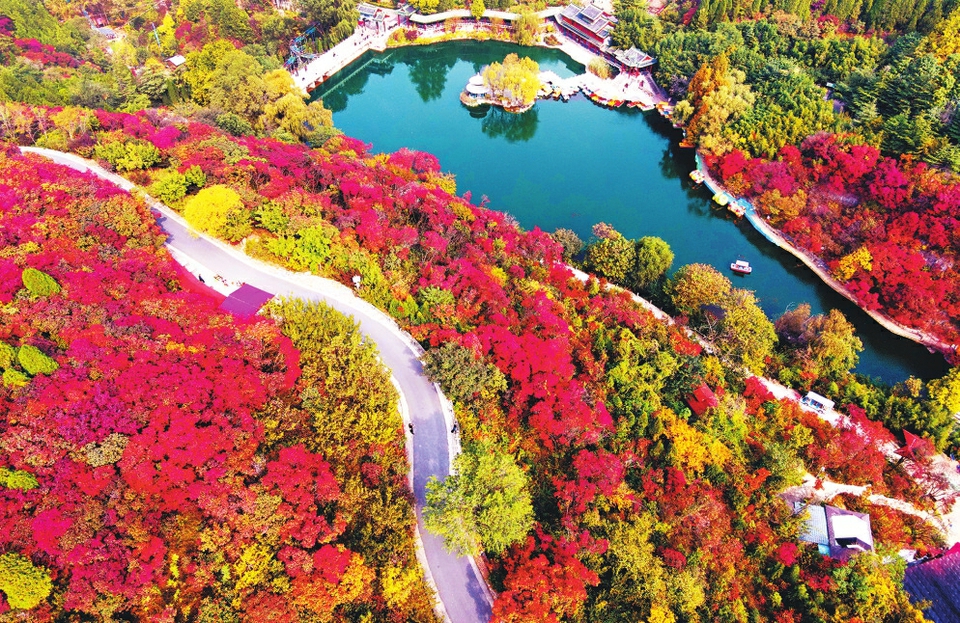
Red Leaves Valley is located in the southern mountainous area of Jinan, famous for its autumn red leaves. It is an excellent place for photography and autumn viewing.
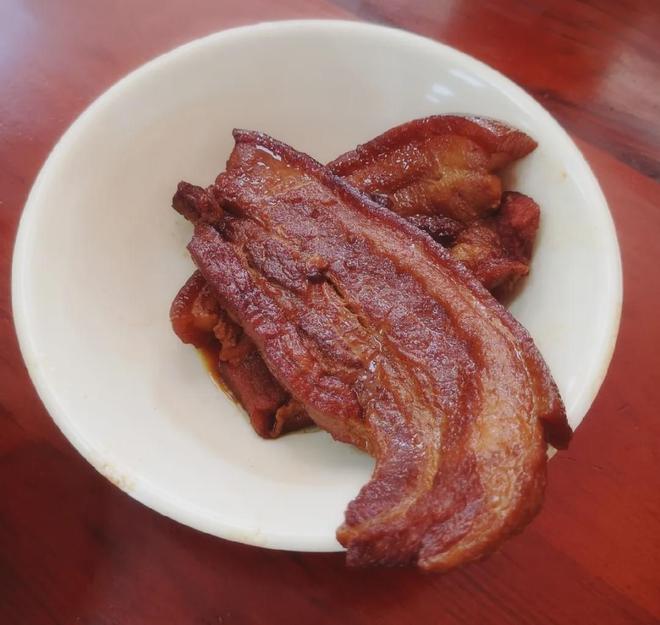
Braised Pork is a Jinan specialty snack. Pork belly is braised until tender, fatty but not greasy, melting in the mouth, often served with rice.
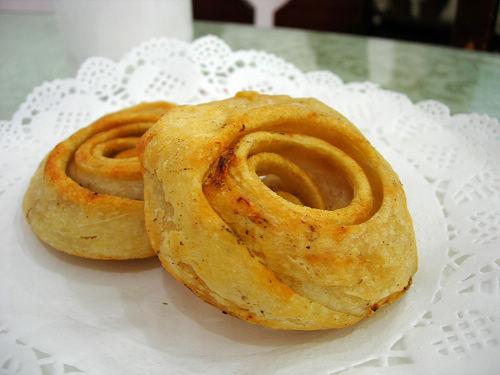
Jinan Oil Swirl is a pastry with a crispy outer layer and soft inside, shaped in layers like a spiral.
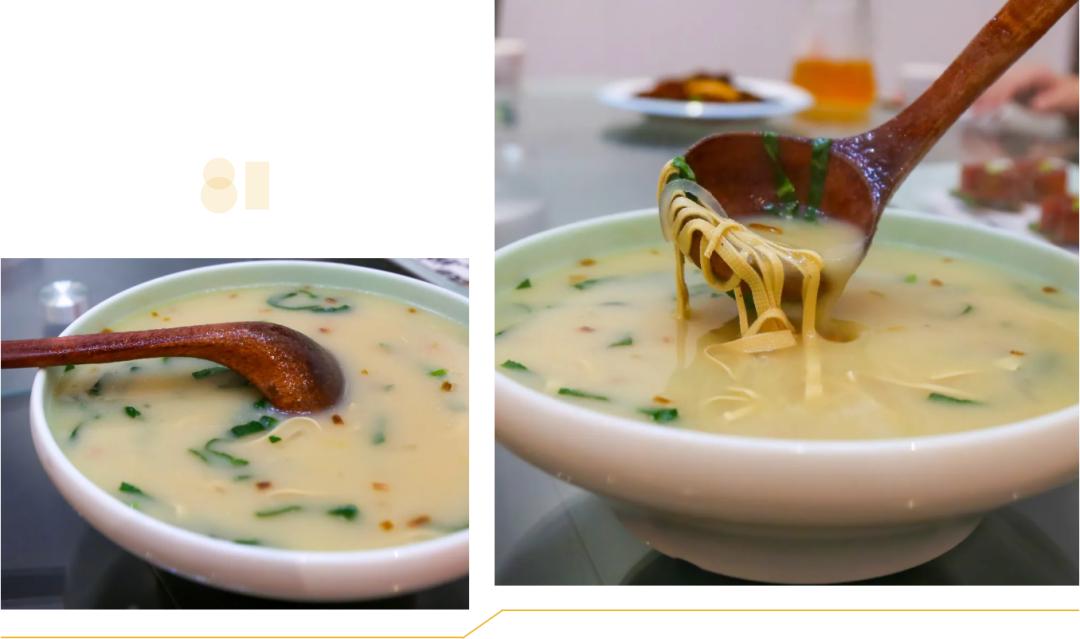
Tianmo is a traditional Jinan breakfast porridge made from millet flour, with peanuts, tofu skin, vegetables, etc. It is savory and delicious.