
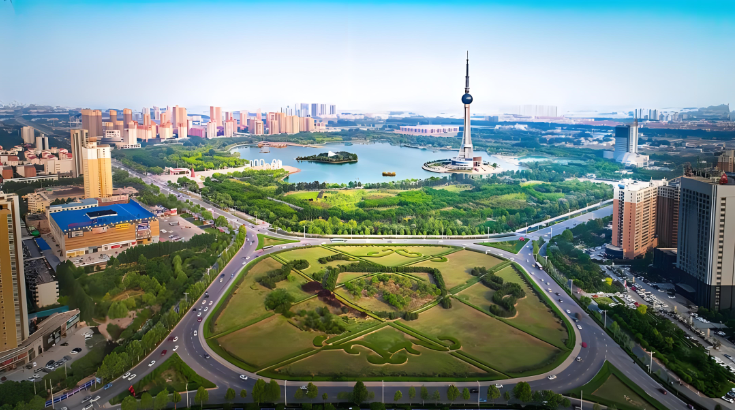
Jiaozuo is located in the northwest of Henan Province, backed by the Taihang Mountains and facing the Yellow River. It has a warm temperate continental monsoon climate with four distinct seasons, an average annual temperature of about 14.9°C, and annual precipitation of approximately 600 mm.
Jiaozuo has a long history, known in ancient times as Shanyang and Huaizhou, and is one of the birthplaces of Chinese civilization. It was the capital region during the Shang Dynasty, prospered due to coal mining in the Ming and Qing dynasties, and has transformed into a tourist city in modern times.
Jiaozuo is the birthplace of Tai Chi, and Chenjiagou Tai Chi is renowned worldwide. Local cuisine features Huai medicinal herbs (the four major Huai herbs: Huai yam, Huai rehmannia, Huai chrysanthemum, Huai achyranthes), as well as snacks like Wuzhi oil tea and Bo'ai fermented noodle soup.
Jiaozuo has successfully transitioned from a resource-based city to an excellent tourist city, with 5A-level scenic spots such as Yuntai Mountain and Qingtian River, making tourism a pillar industry. Meanwhile, modern industries such as equipment manufacturing and biomedicine are also flourishing.
The best time to visit 焦作 is Best in Spring and Autumn.
Spring (March-May): The weather warms up, mountain flowers bloom, ideal for hiking and sightseeing. Especially at Yuntai Mountain, the ice waterfalls melt and the waterfalls are abundant.
Autumn (September-November): The sky is clear and crisp, red leaves cover the mountains. Qingtian River and Shennong Mountain are colorful, making it the golden period for photography.
Summer (June-August): Although hot, the mountain areas are cool, suitable for escaping the heat and playing in water. Winter (December-February) is cold, but you can enjoy snow scenes and ice hangs.
During the Shang Dynasty, Jiaozuo was part of the capital region, an important part of the Shang king's domain.
During the Ming and Qing Dynasties, Jiaozuo became an important coal mining area due to its abundant coal resources, leading to economic prosperity and population growth.
In 1999, Jiaozuo began large-scale development of Yuntai Mountain Scenic Area, marking the city's transformation from a resource-based city to a tourist city.
Recommended places to visit
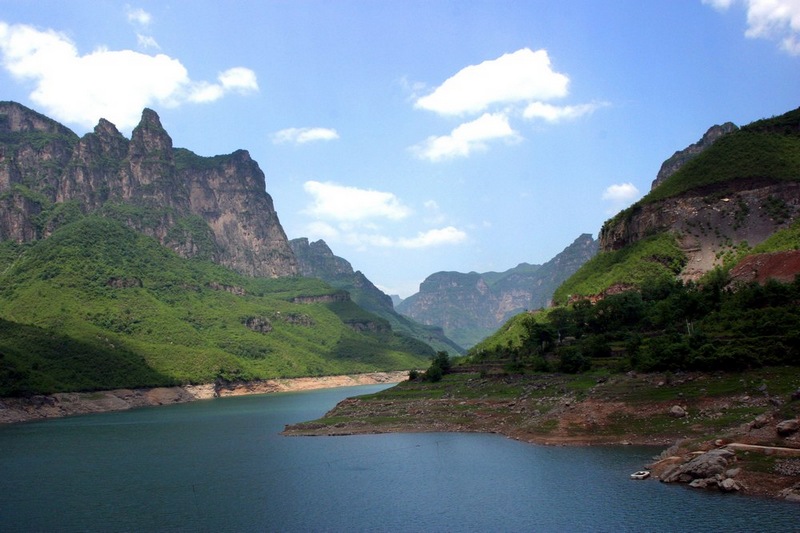
A UNESCO Global Geopark and national 5A-level tourist attraction, famous for Red Stone Gorge, Tanpu Gorge, and Zhuyu Peak. It is the most famous natural landscape in Jiaozuo.
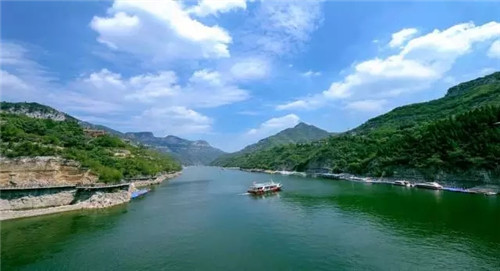
A national 5A-level scenic area, known as the 'Three Gorges of the North', famous for its canyon scenery and high gorge flat lake, which can be toured by boat.
Explore rich intangible cultural heritage and traditional crafts
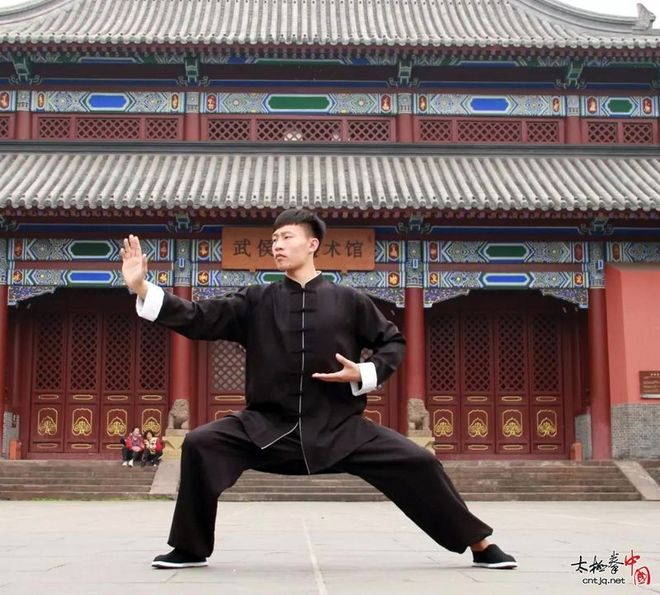
Chenjiagou in Wen County, Jiaozuo is the birthplace of Tai Chi. Chen Style Tai Chi was inscribed on the first batch of China's National Intangible Cultural Heritage List in 2006.
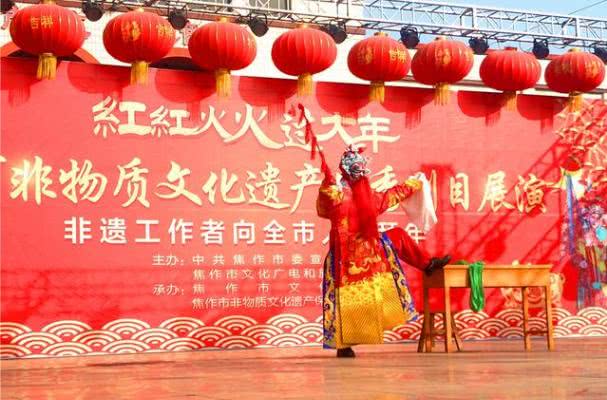
A traditional opera genre from the Jiaozuo area, originating in the Ming Dynasty, sung in the Huaiqing Prefecture dialect. It was inscribed on the first batch of China's National Intangible Cultural Heritage List in 2006.
Must-know transportation for exploring the city
Both Jiaozuo Station and Jiaozuo West Station have high-speed rail services. The Zhengzhou-Jiaozuo intercity railway connects to Zhengzhou in about 40 minutes. Direct trains to major cities like Beijing, Shanghai, and Guangzhou are available.
About 40 CNY from Zhengzhou to Jiaozuo
The bus system in Jiaozuo is well-developed, covering major scenic spots and urban areas. There are also tourist shuttle buses directly to Yuntai Mountain, Qingtian River, etc., with affordable fares.
City buses start from 1 CNY, tourist shuttle buses 10-20 CNY
Jiaozuo does not have a civil airport. Visitors can fly to Zhengzhou Xinzheng International Airport first, then transfer by high-speed rail or bus to Jiaozuo, which takes about 1.5 hours.
High-speed rail from Zhengzhou to Jiaozuo about 40 CNY
Taste the most authentic and popular local specialties
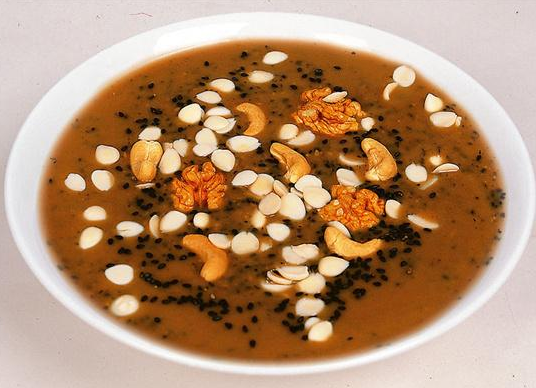
A traditional snack from Wuzhi County, Jiaozuo, made by stir-frying flour, peanuts, sesame, and sesame oil. It is fragrant and delicious, with nourishing effects.
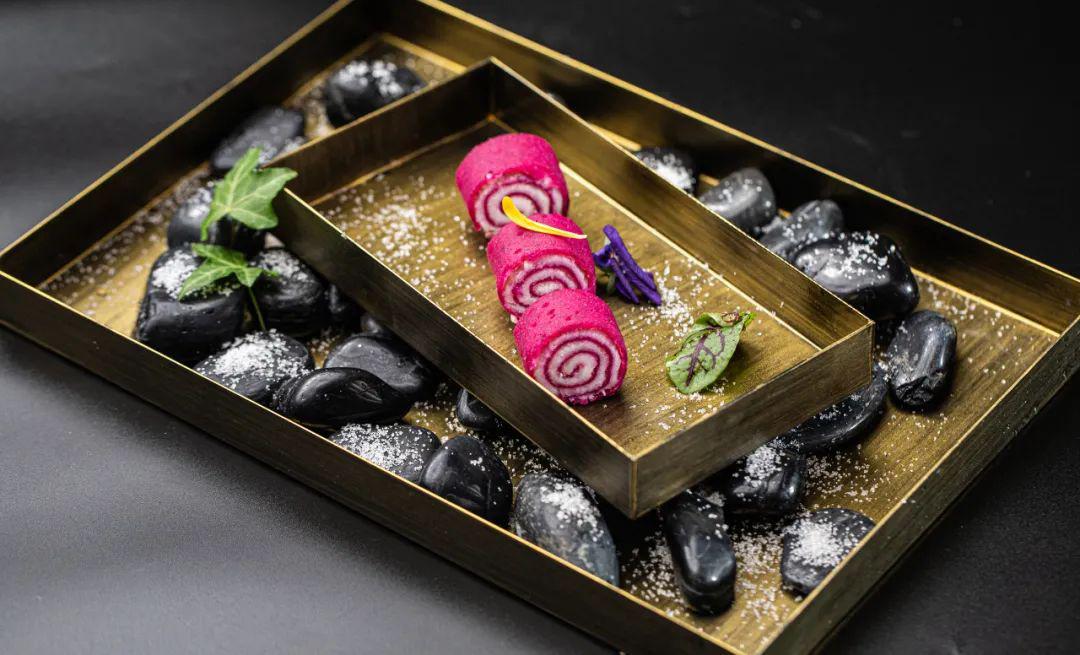
One of the four Huai herbs, a specialty of Jiaozuo. It is both medicine and food, can be steamed, boiled, or stewed. It has a soft and sticky texture and benefits the spleen and stomach.
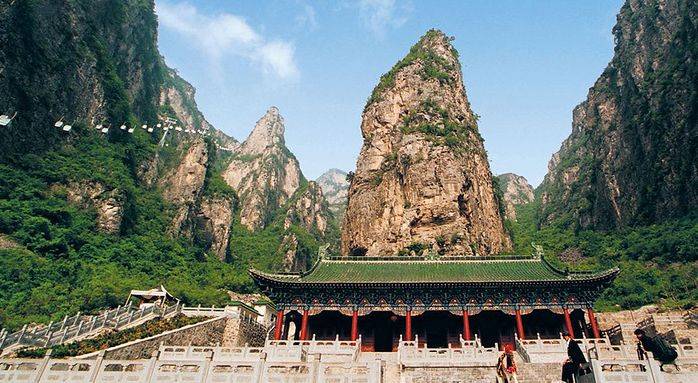
A national 5A-level scenic area, legend says Shennong tasted herbs here. It features Zijing Peak, Baisong Ridge, and is known for its strange peaks and rocks.
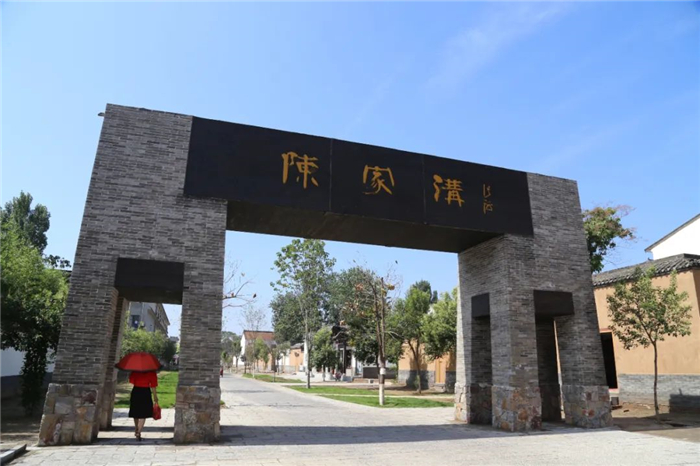
The birthplace of Tai Chi, a national 4A-level tourist attraction, with the Tai Chi Ancestral Hall and Tai Chi Museum. It is a pilgrimage site for Tai Chi enthusiasts.
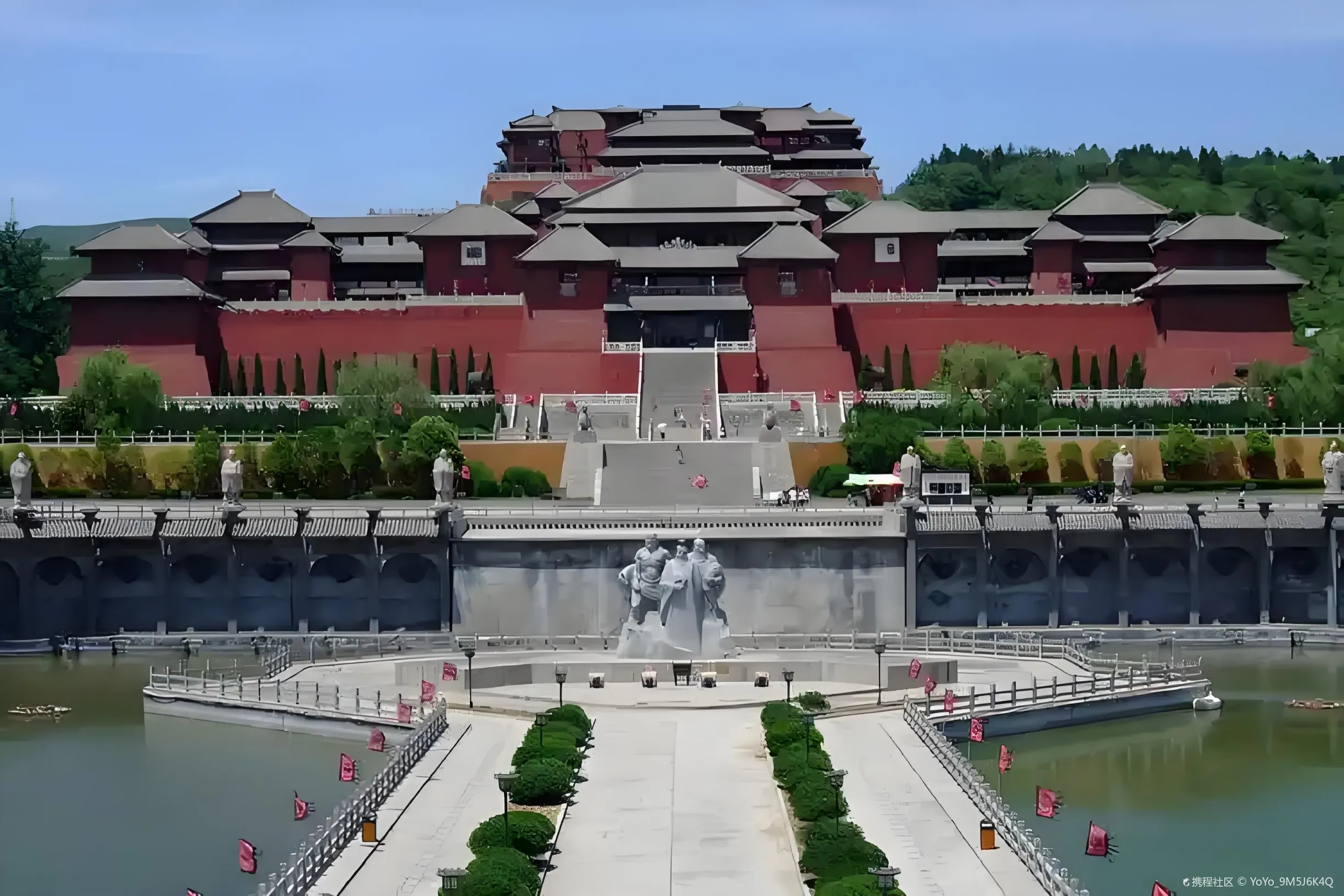
A national 4A-level tourist attraction, a complex of antique-style buildings based on the cultures of the Spring and Autumn, Warring States, Qin, Han, and Three Kingdoms periods. It is a filming location for many films and TV series.
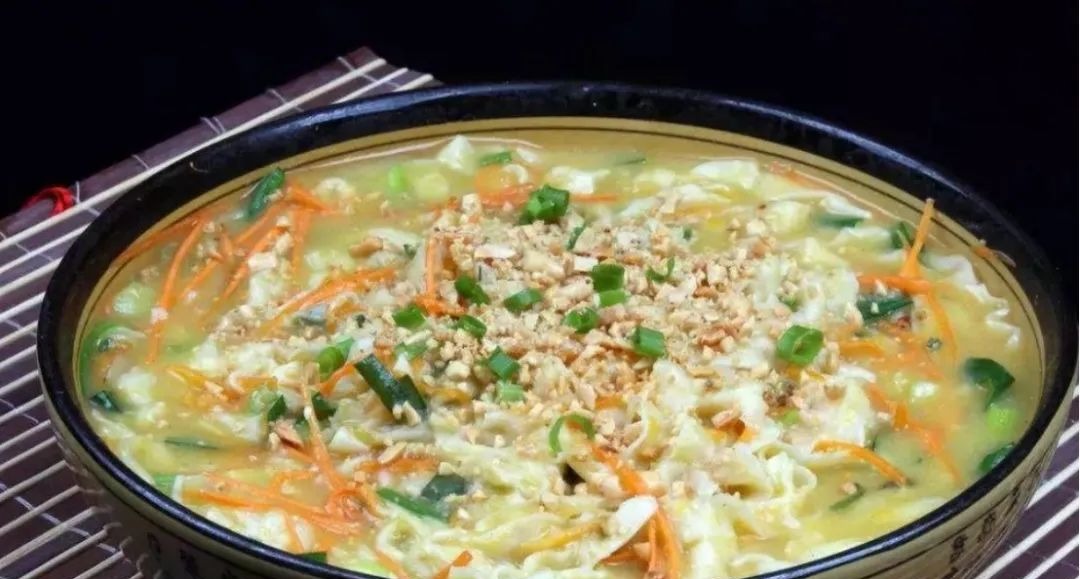
A specialty noodle dish from Boai County, Jiaozuo. Noodles are cooked in fermented mung bean pulp, giving a unique sour taste. Served with soybeans, celery, etc., it is appetizing and refreshing.
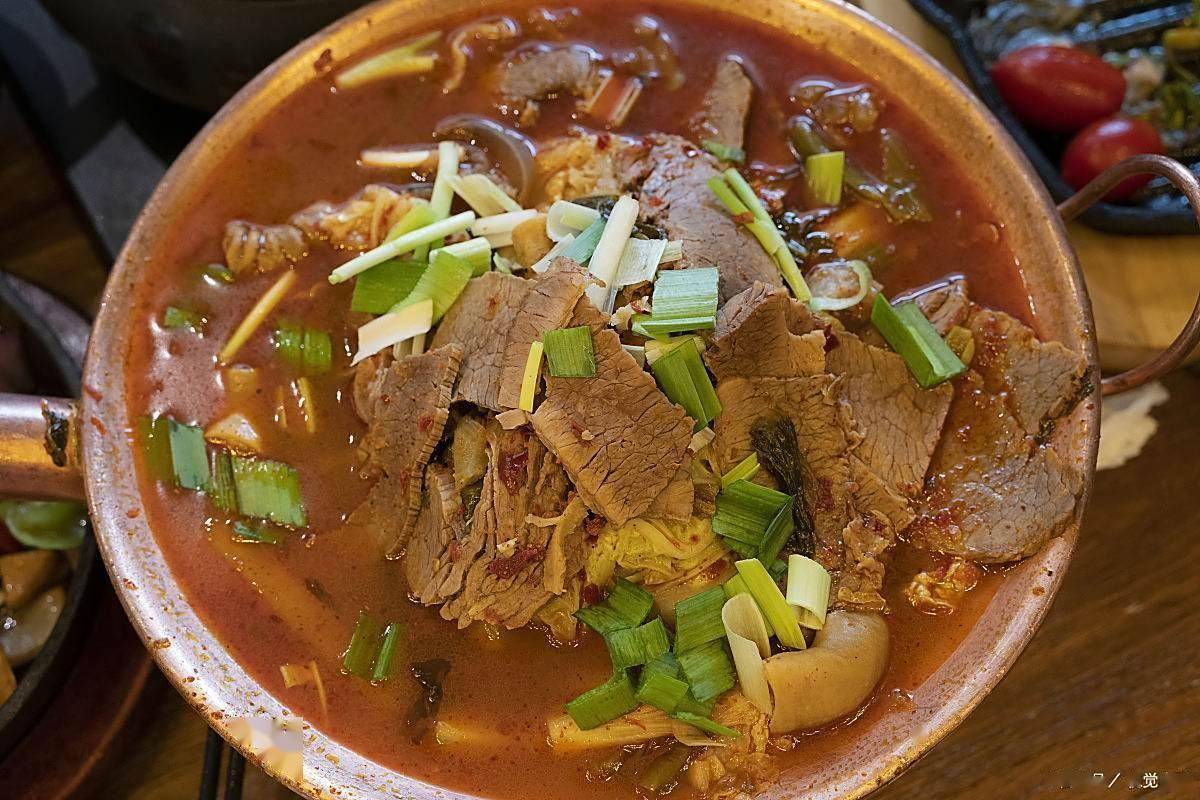
A traditional delicacy in Jiaozuo, served as donkey meat in baked buns or soup. The meat is tender and nutritious, as the saying goes: 'Dragon meat in heaven, donkey meat on earth.'
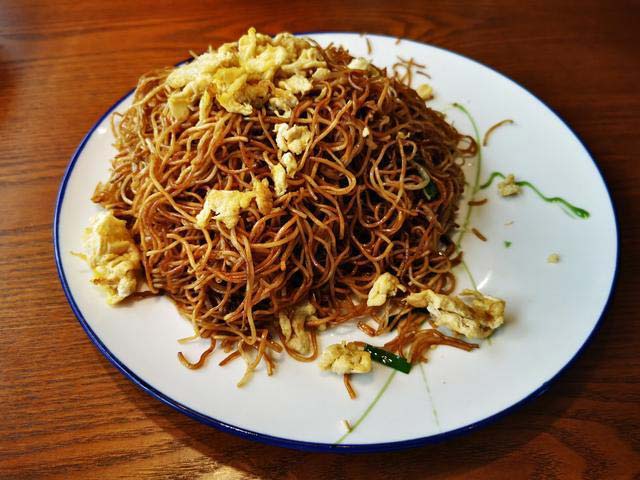
A specialty fried noodle dish from Mengzhou City, Jiaozuo. The noodles are chewy, stir-fried with bean sprouts, greens, and shredded meat on a hot iron plate, crispy outside and tender inside.