

Jiangmen is located in the south-central part of Guangdong Province, on the western edge of the Pearl River Delta, facing the South China Sea. It has a mild and humid subtropical monsoon climate with distinct seasons and abundant rainfall.
Jiangmen has a long history, dating back to the Tang Dynasty. In modern times, it became a famous hometown of overseas Chinese, with Chinese diaspora spread across the globe. The Kaiping Diaolou and Villages, a UNESCO World Heritage site, bear witness to the century-old vicissitudes of this region.
Jiangmen boasts distinctive cultural characteristics as an important representative of Lingnan culture. Its cuisine is renowned for Xinhui Chenpi, Taishan eel rice, and Enping edible acanthopanax. Jiangmen is also known as the hometown of Chinese dance and folk art.
Modern Jiangmen is a key node city in the Guangdong-Hong Kong-Macao Greater Bay Area, with platforms like Jiangmen High-tech Zone and Yinhu Bay Coastal New Area. It is vigorously developing advanced manufacturing and tourism, becoming a livable and business-friendly modern city.
The best time to visit 江门 is Best in spring and autumn (March-May, September-November).
Spring (March-May): Mild weather, flowers in bloom, ideal for outdoor activities and flower viewing.
Autumn (September-November): Cool weather, less rainfall, best time to visit Diaolou and beaches.
Summer (June-August) is hot and rainy, winter (December-February) is mild and dry, but hot springs are very comfortable in winter.
The final battle between the Southern Song and Yuan dynasties took place at Yamen in Xinhui, Jiangmen, resulting in the fall of the Southern Song. Lu Xiufu jumped into the sea with the young emperor.
A large number of overseas Chinese returned to build Diaolou and villages, forming the unique landscape of Kaiping Diaolou and Villages.
Kaiping Diaolou and Villages were inscribed on the UNESCO World Heritage List, becoming the first world cultural heritage site in Guangdong Province.
Recommended places to visit

UNESCO World Heritage site, a collection of fortified towers blending Chinese and Western architectural styles, mainly in Zili Village and Majianglong Village.

Famous eco-tourism spot, known for Ba Jin's essay 'The Bird's Paradise', featuring a single banyan tree forming a forest where egrets roost.
UNESCO World Heritage Sites
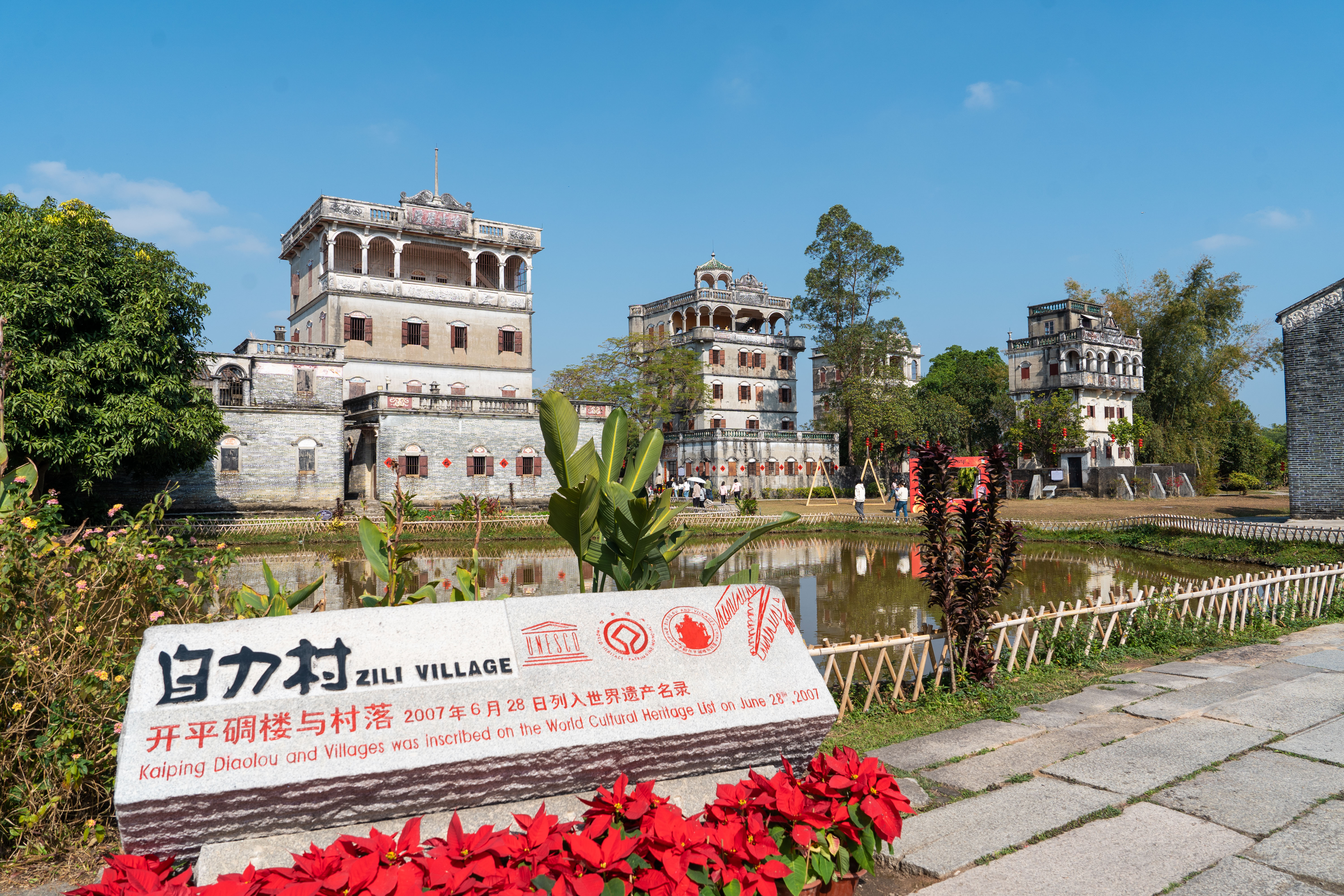
The first world cultural heritage in Guangdong Province, including Diaolou clusters in Zili Village and Majianglong Village, blending Chinese and Western architectural styles, representing the overseas Chinese culture.
Explore rich intangible cultural heritage and traditional crafts
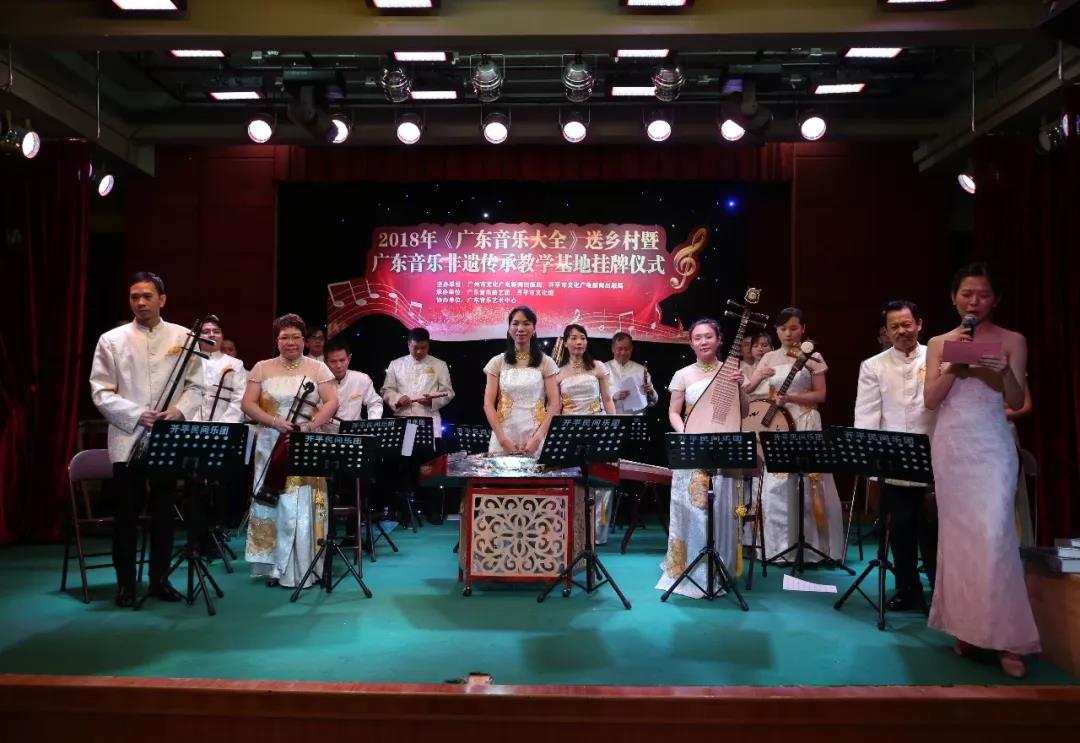
Jiangmen is one of the important birthplaces of Guangdong music, played with instruments like gaohu and yangqin, with beautiful melodies, listed as national intangible cultural heritage.
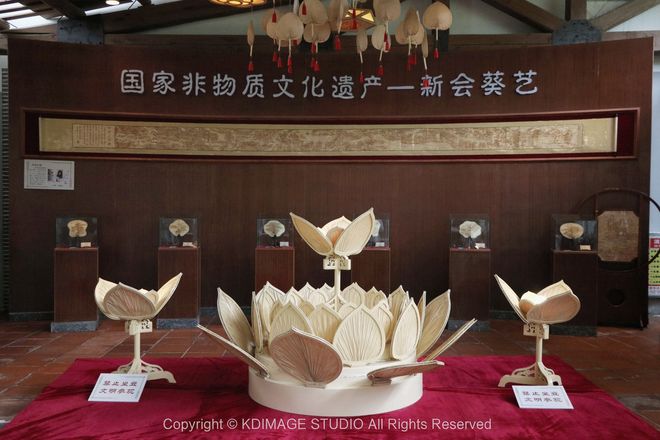
Crafts made from palm leaves, such as fans and hats, with exquisite skills dating back over 1,600 years.
Must-know transportation for exploring the city
Jiangmen Station is a comprehensive transport hub in western Pearl River Delta, with direct trains to Guangzhou, Shenzhen, Zhuhai, etc., via the Guangzhou-Zhuhai intercity railway.
Guangzhou South to Jiangmen about 45 RMB
Jiangmen has no civil airport, but it is about 100 km from Guangzhou Baiyun International Airport and 80 km from Zhuhai Jinwan Airport, accessible by airport shuttle or car.
Airport shuttle about 60-80 RMB
City buses cover a wide area, fare 2 RMB, accept national transport cards. There are also tourist shuttle buses to major attractions.
Starting from 2 RMB
Taste the most authentic and popular local specialties
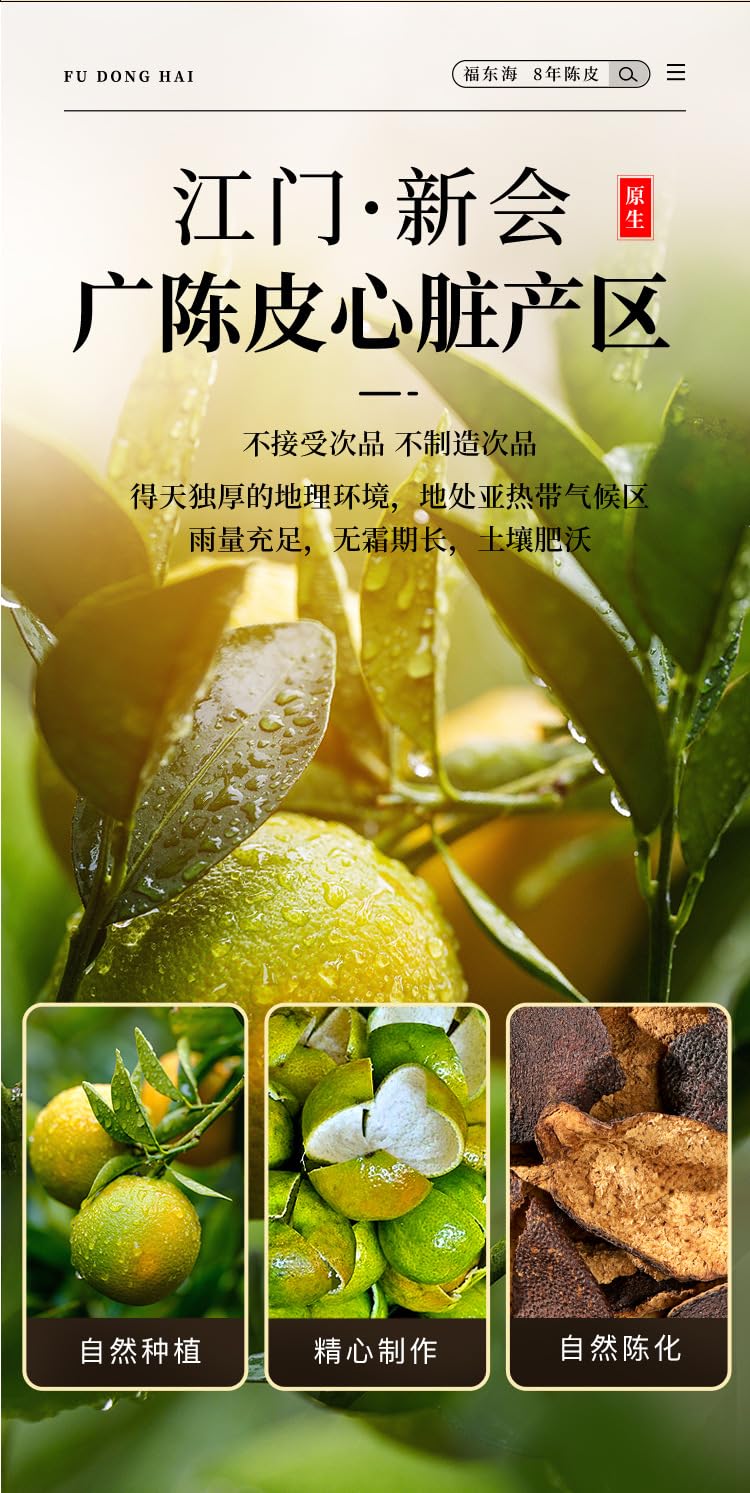
One of the three treasures of Guangdong, aged tangerine peel is valued for its medicinal properties, used in soups and teas.
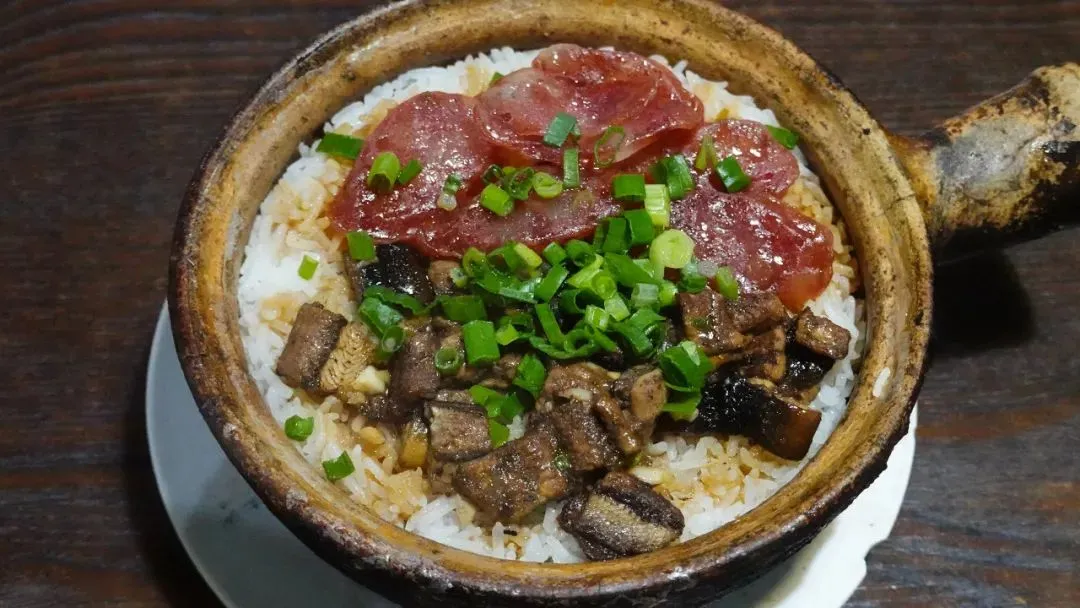
Cooked with local Taishan eels and fine rice, known for its savory eel and fragrant rice.
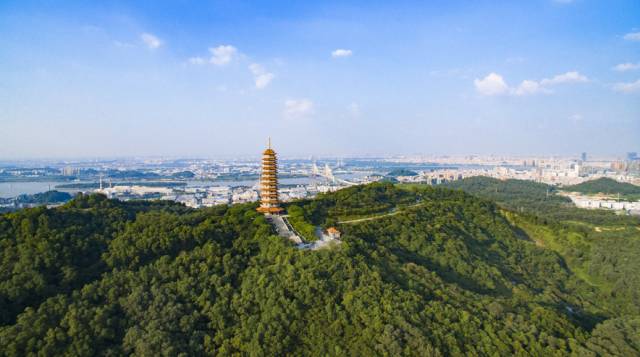
National 4A scenic area, with majestic mountains, dense vegetation, and historic sites like Yutai Temple.
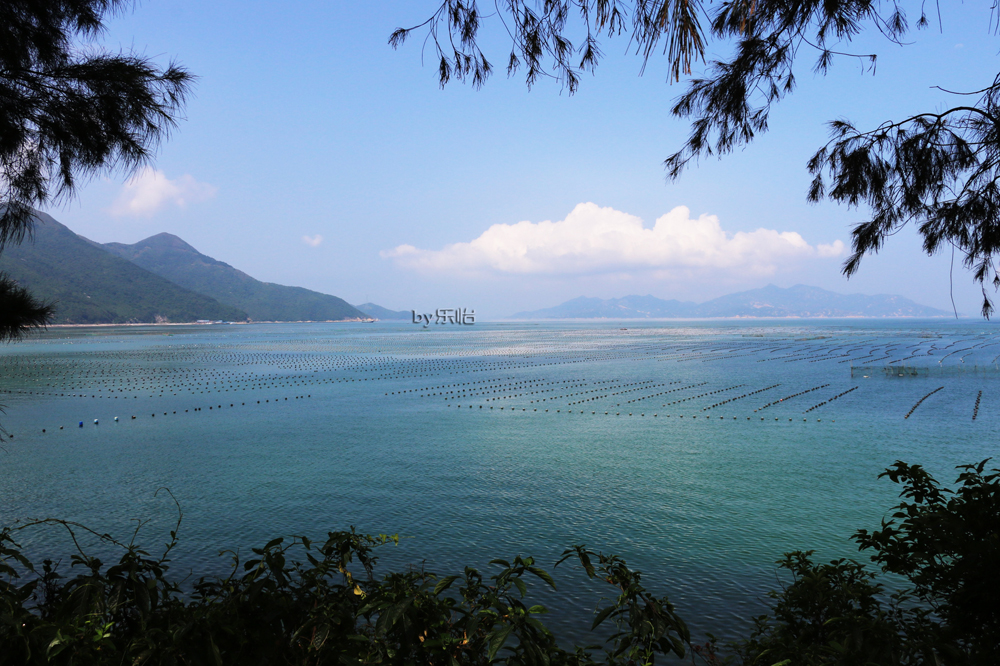
Coastal tourist resort with fine sandy beaches and clear water, ideal for swimming, diving, and leisure.
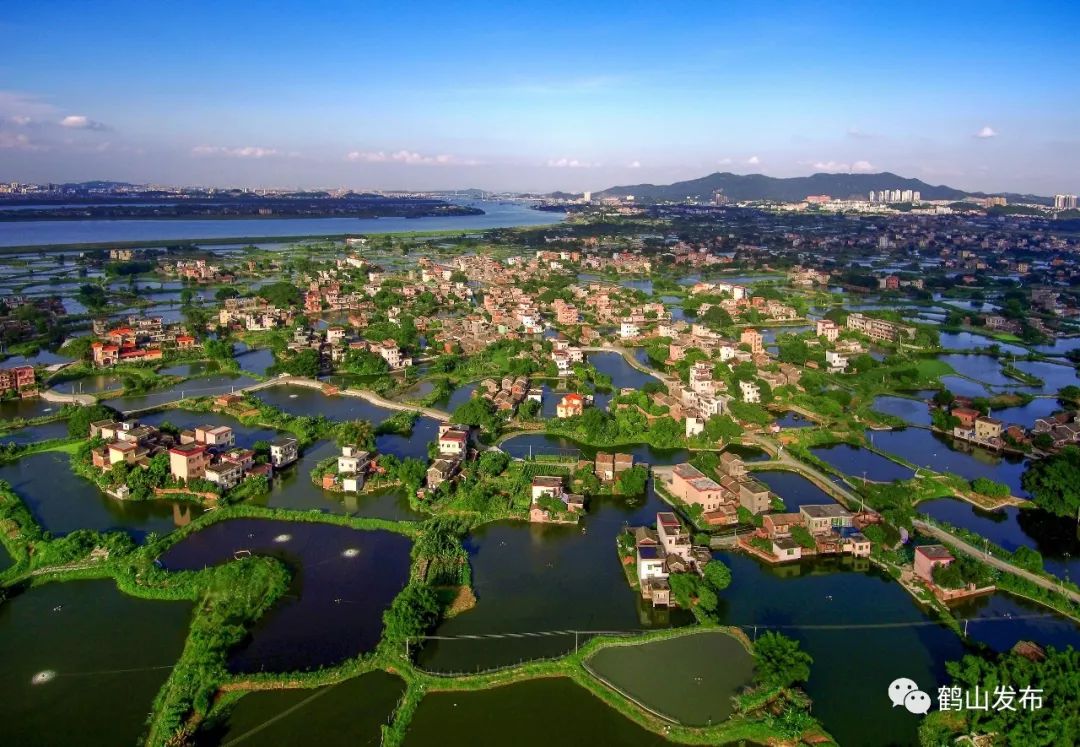
Typical Lingnan water town with crisscrossing rivers and fish ponds, offering boating and lotus picking experiences.
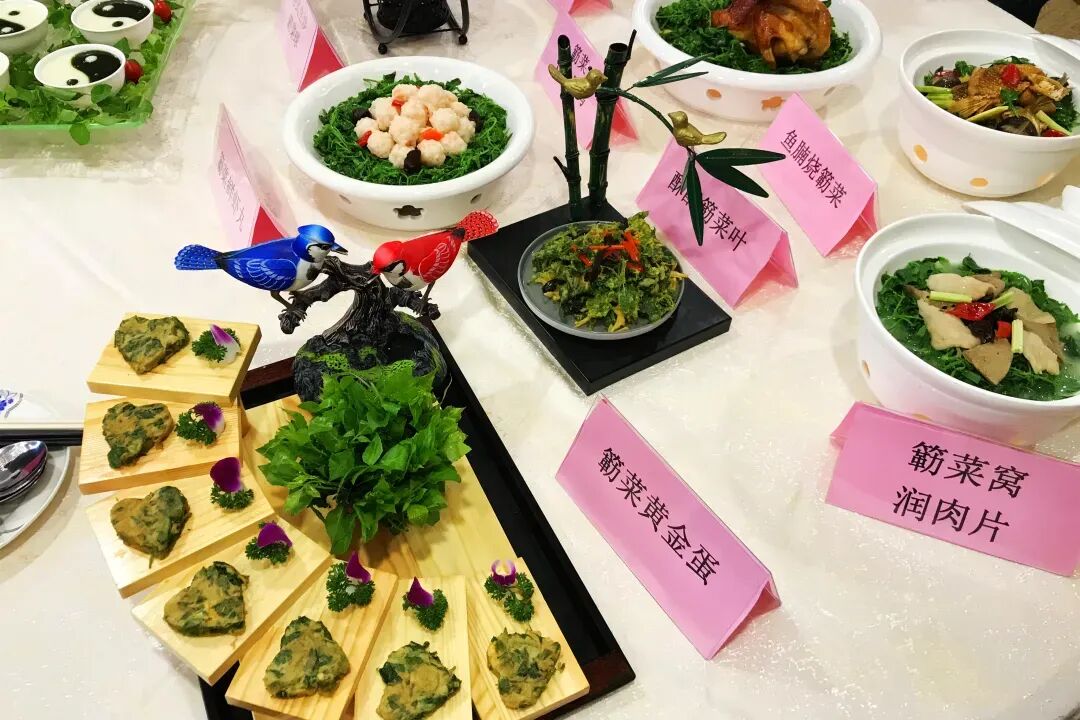
A wild vegetable unique to Enping, with heat-clearing and detoxifying effects, slightly bitter but sweet aftertaste.
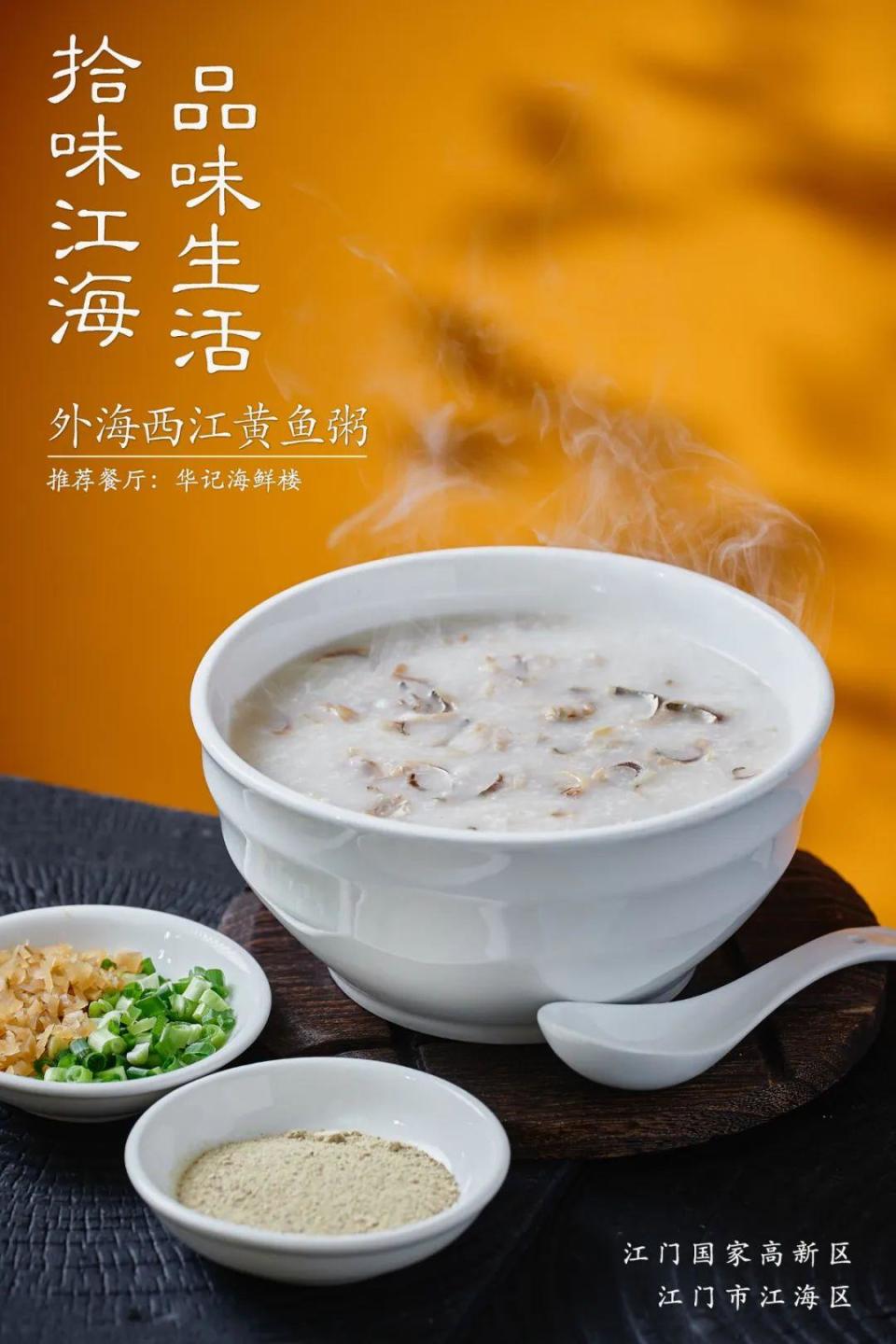
Silver-thin noodles made with whole eggs, smooth and chewy, served in a savory broth.
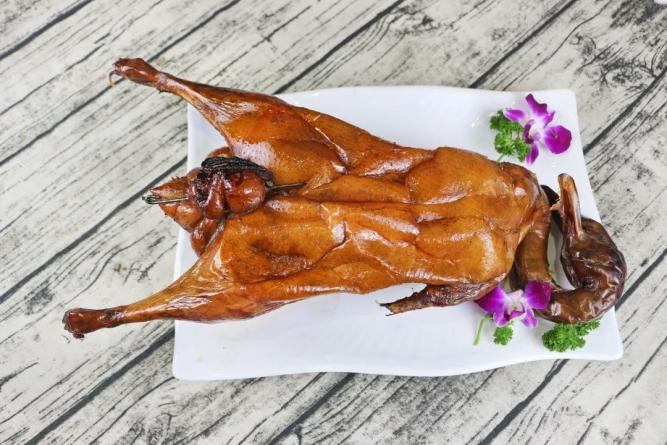
Traditional dish from Gujing Town, Xinhui, roasted with lychee wood, crispy skin and tender meat.