
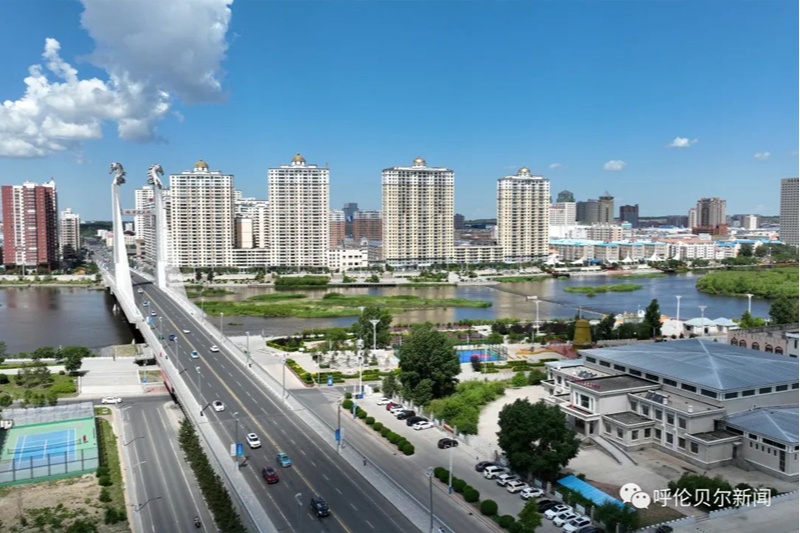
Hulunbuir, located in the northeastern part of Inner Mongolia Autonomous Region, covers an area of about 253,000 square kilometers, making it the largest prefecture-level city in China. Situated at the junction of China, Russia, and Mongolia, it has a temperate continental climate with cool summers and long, cold winters. It boasts vast grasslands, dense forests, and numerous rivers and lakes.
Hulunbuir has a long history and is the cradle of northern nomadic peoples. Human activity dates back to the Paleolithic era. During the Spring and Autumn and Warring States periods, it was the nomadic land of the Donghu. In the Han Dynasty, it belonged to the Left Xianwang Court of the Xiongnu. In the Qing Dynasty, the Hulunbuir Deputy General's Office was established. In 1948, Hulunbuir League was formed, and in 2001, it was upgraded to a prefecture-level city.
Hulunbuir is centered on Mongolian culture, integrating the characteristics of ethnic groups such as Daur, Evenki, and Oroqen. The Nadam Fair and offering sacrifices to Obo are important folk activities. Local cuisine features hand-grabbed mutton, grilled lamb chops, milk tea, horse milk wine, and also unique Russian-style Western food.
Today, Hulunbuir relies on its abundant natural resources and ethnic culture to vigorously develop tourism and green agriculture and animal husbandry. Manzhouli Port is an important hub for Sino-Russian trade. The city balances grassland ecological protection with modern urban development, becoming a well-known tourist destination both domestically and internationally.
The best time to visit 呼伦贝尔 is Best from June to September, when the grasslands are lush and the weather is pleasant.
Summer (June-August) is the most beautiful season for the grasslands, with lush green grass, wildflowers everywhere, and comfortable temperatures, ideal for outdoor activities and the Nadam Festival.
Autumn (September-October) turns the grasslands golden, with clear skies and crisp air, a paradise for photographers, though temperatures gradually cool.
Winter (November-February) is a silver wonderland, offering ice and snow Nadam and snowy landscapes, but temperatures are extremely low, requiring warm clothing.
The Hulunbuir region was the homeland of nomadic peoples such as the Donghu.
The Qing Dynasty established the Deputy Commander-in-Chief office in Hulunbuir to strengthen border administration.
Approved by the State Council, Hulunbuir League was abolished and Hulunbuir City was established.
Recommended places to visit
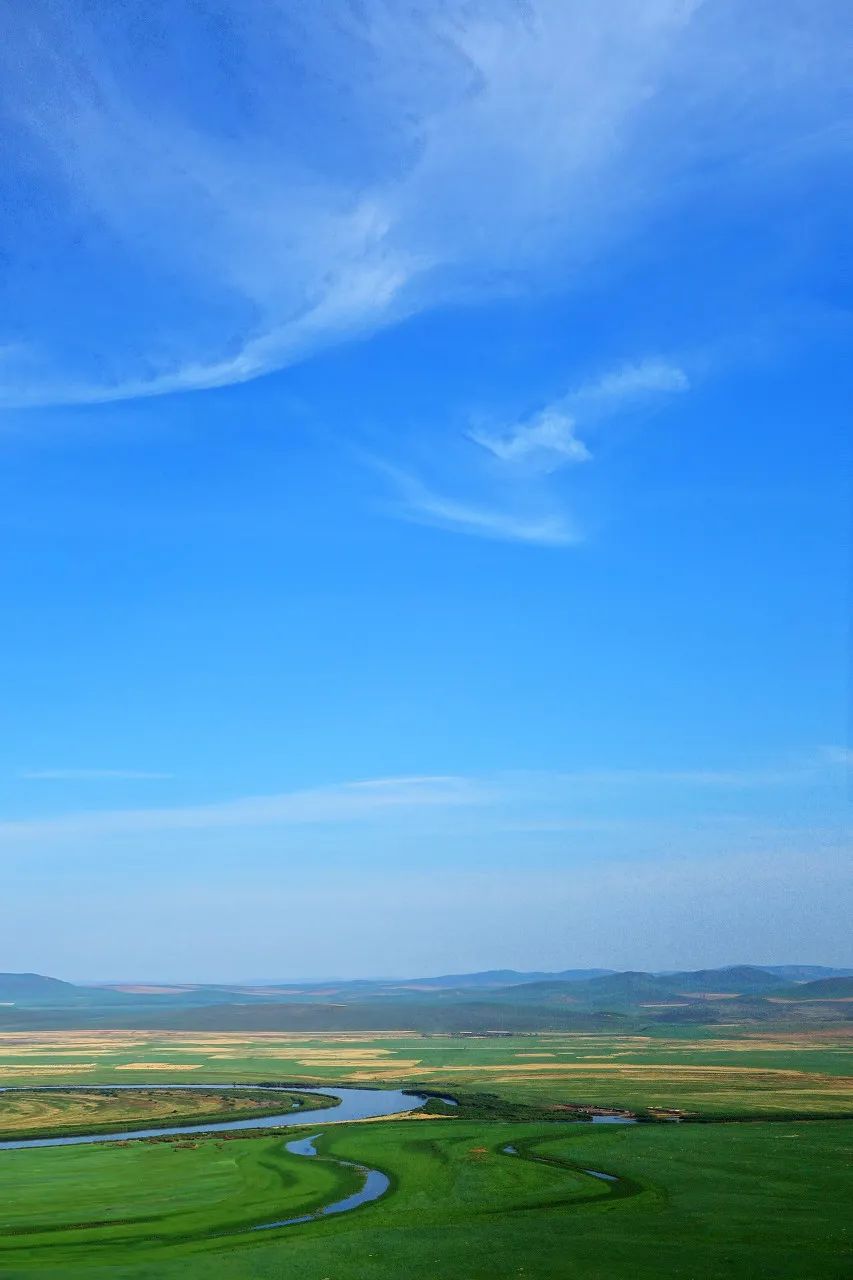
World-famous natural pasture, known as the 'Jade of the North'. In summer, the grassland is lush with herds of cattle and sheep. Visitors can experience horseback riding, archery, and other Mongolian traditional activities.
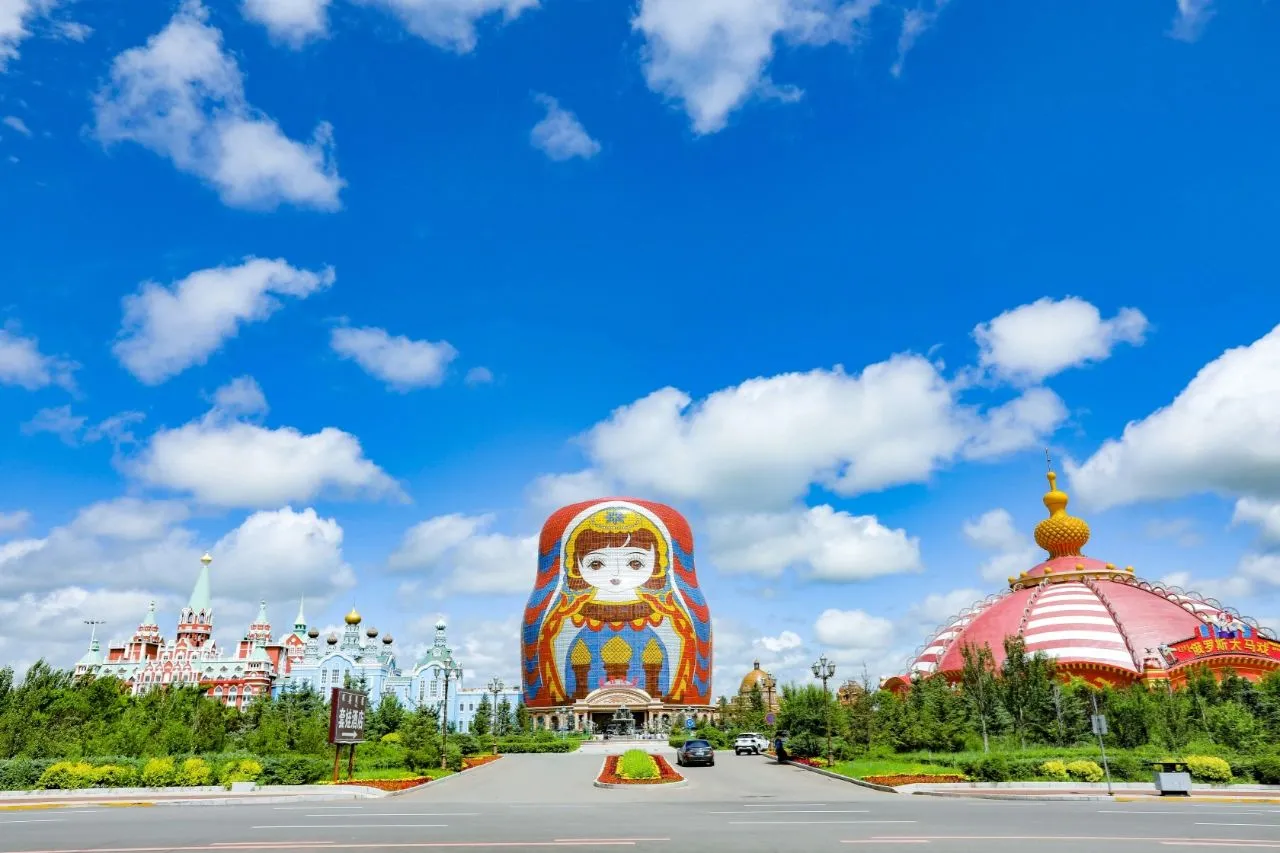
A large theme park centered on Russian matryoshka dolls, including Matryoshka Square and Russian-style gardens, with brilliant night views.
Explore rich intangible cultural heritage and traditional crafts
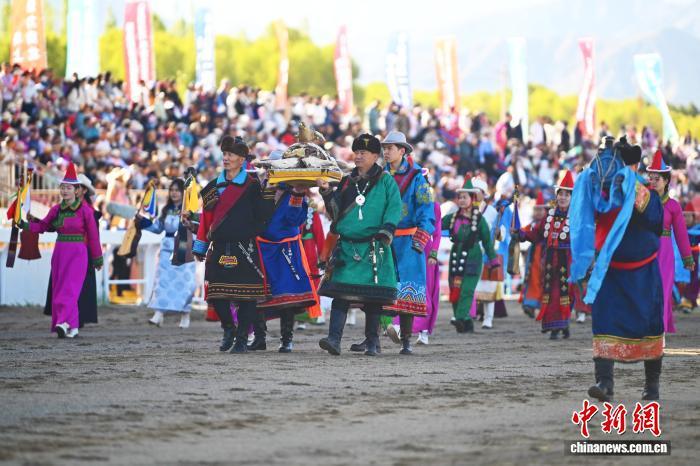
Traditional Mongolian sports and entertainment, including wrestling, horse racing, and archery. It has been inscribed on the national intangible cultural heritage list.
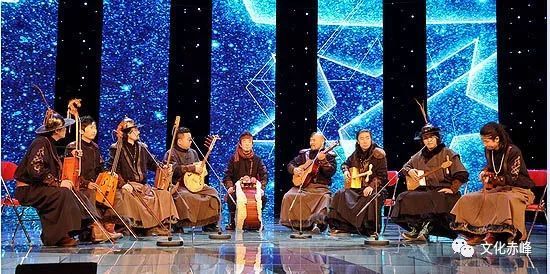
A unique throat singing technique where a single person produces multiple pitches simultaneously, a treasure of Mongolian music.
Must-know transportation for exploring the city
Located in Hailar District, with flights to major domestic cities like Beijing, Shanghai, Guangzhou, and international routes to Ulan-Ude, Russia.
Depends on route
An important station on the Binzhou Railway, with direct trains to Beijing, Harbin, Manzhouli, etc. High-speed rail is under construction.
Hard seat about 100-200 RMB
City buses cover major areas, and long-distance buses connect to all banners and surrounding cities.
Bus 2 RMB, long-distance depends on distance
Taste the most authentic and popular local specialties
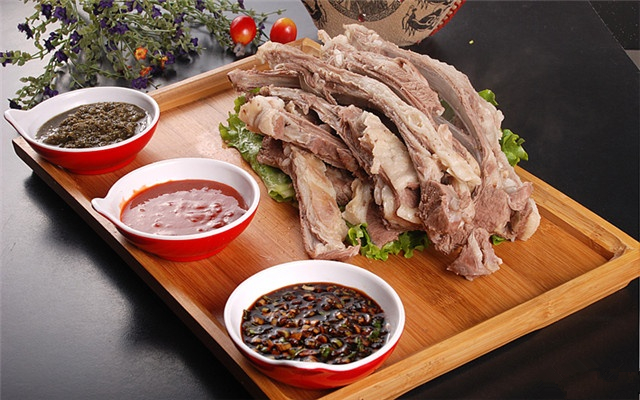
Traditional Mongolian dish, using fresh mutton boiled in water and eaten with dipping sauce, tender and delicious.
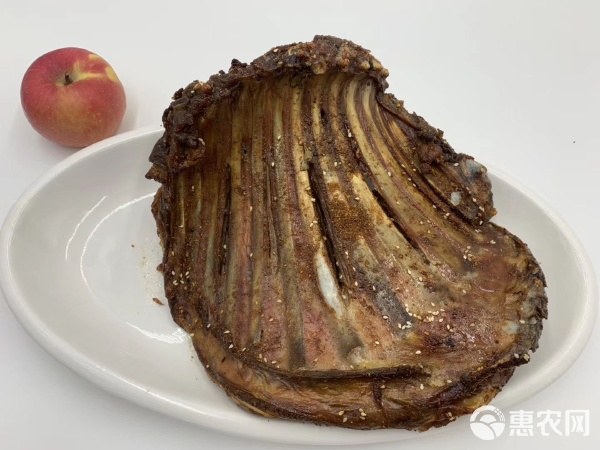
Marinated with spices and roasted, crispy outside and tender inside, aromatic, a must-have at grassland feasts.
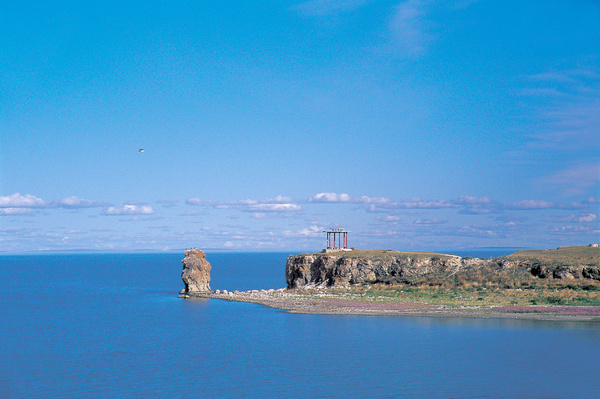
The fifth largest lake in China and the largest in Inner Mongolia, with clear water and vast lakeside grasslands, a great place for birdwatching and photography.
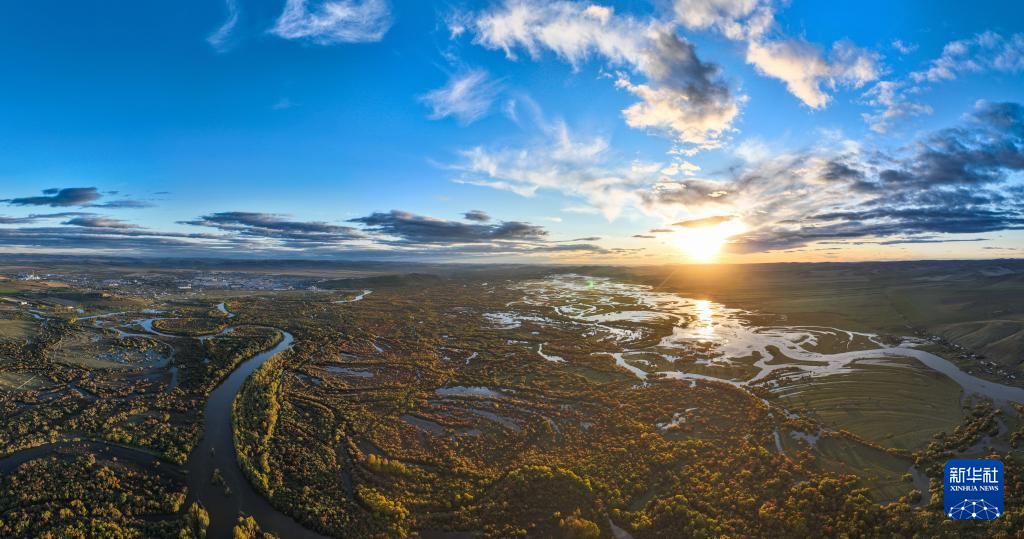
The largest wetland in Asia, with spectacular river wetland landscapes. In autumn, it is colorful and a paradise for photographers.
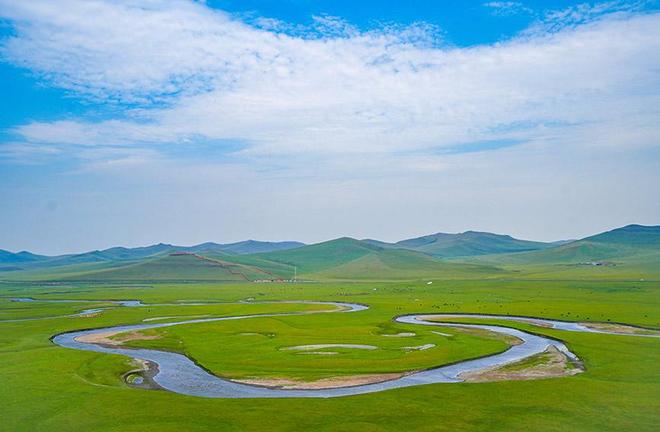
Known as 'the most winding river under heaven', with meandering channels and beautiful grasslands on both sides, a classic photography spot.
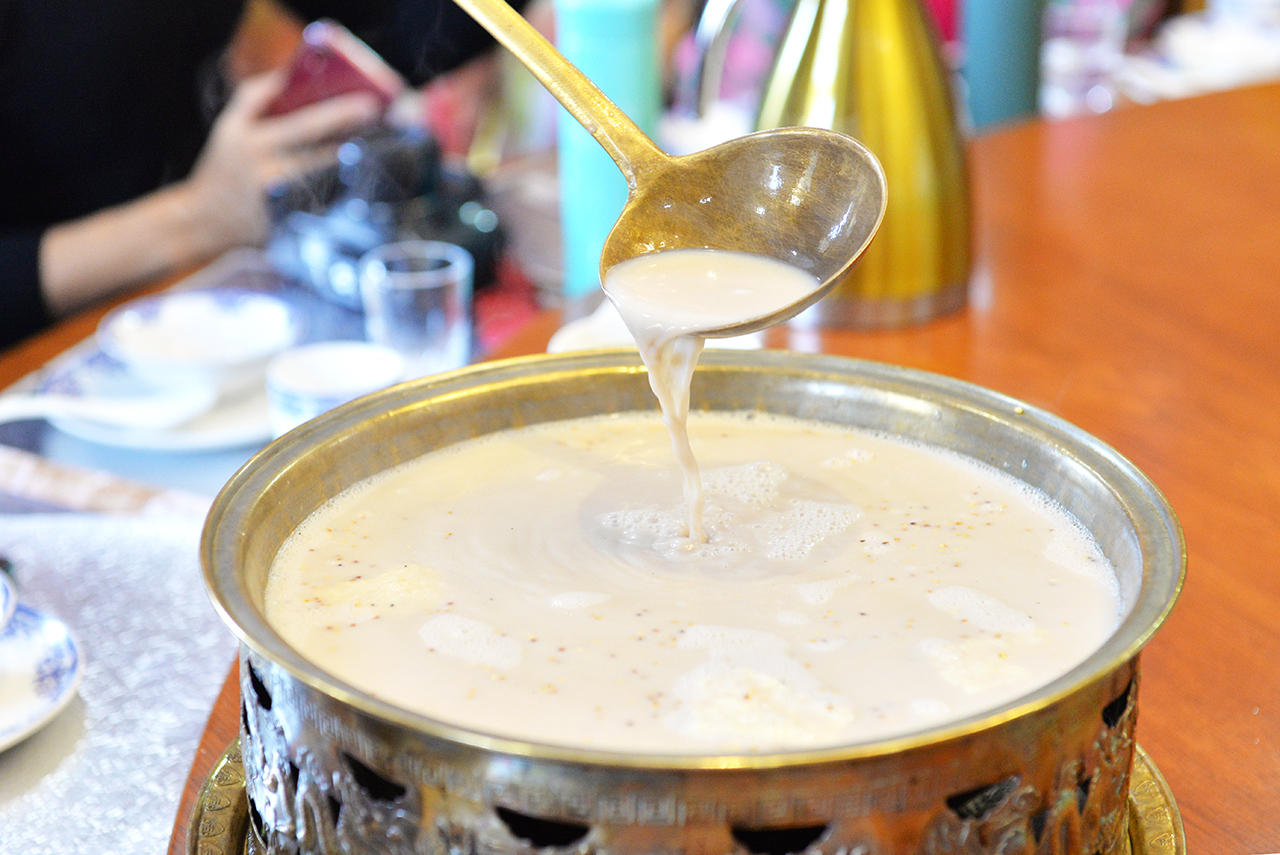
Brewed with brick tea and fresh milk, added with fried rice and milk skin, savory and delicious, a daily drink.
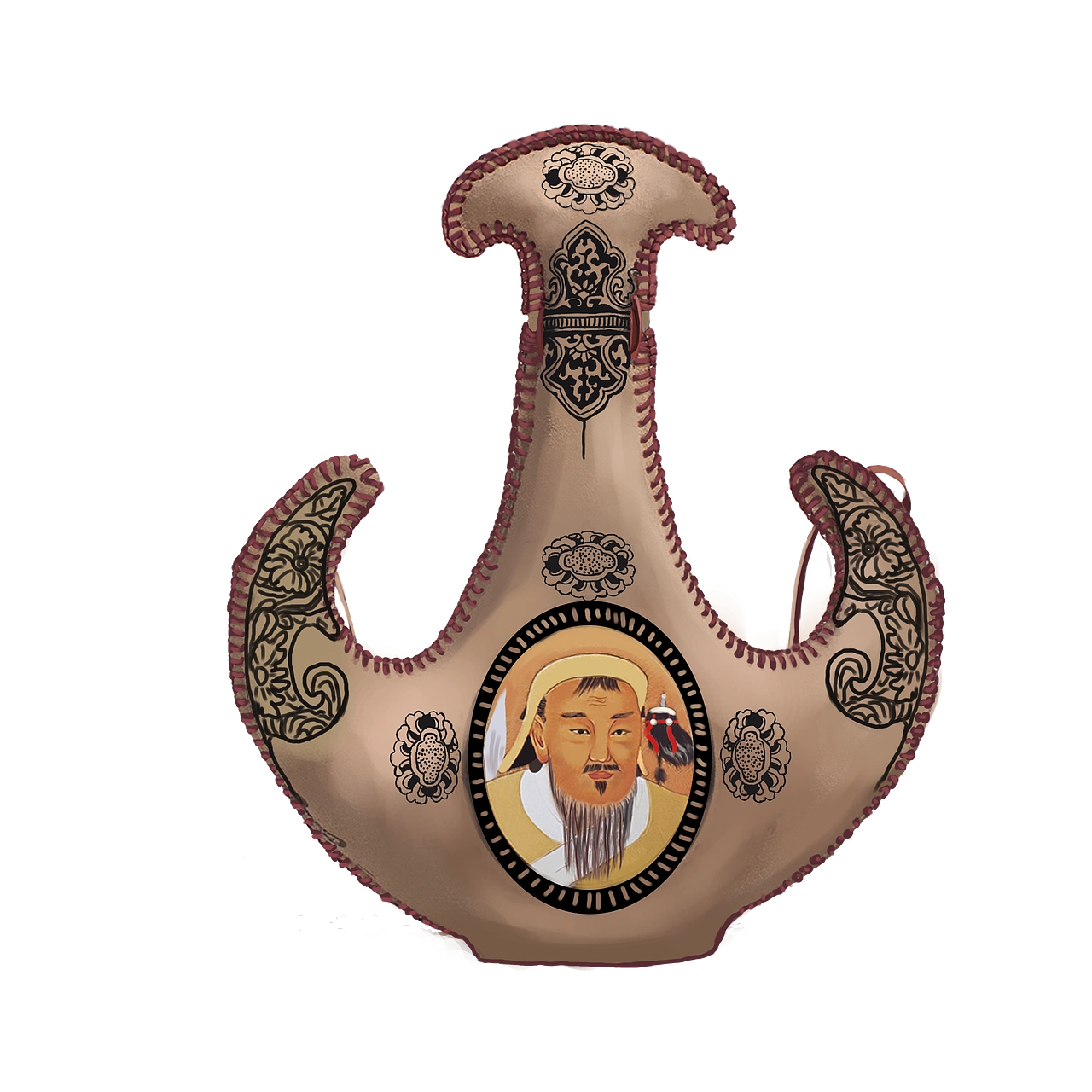
A low-alcohol fermented mare's milk drink, sweet and sour, aids digestion, a traditional Mongolian beverage.
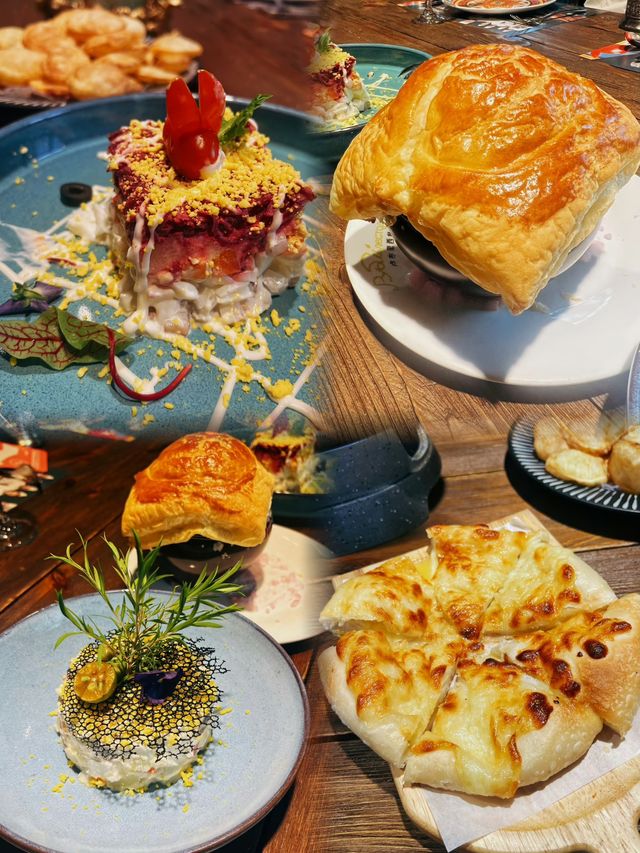
Influenced by Russia, places like Manzhouli offer authentic Russian cuisine, such as borscht, Russian bread, and Russian-style grilled meat.