
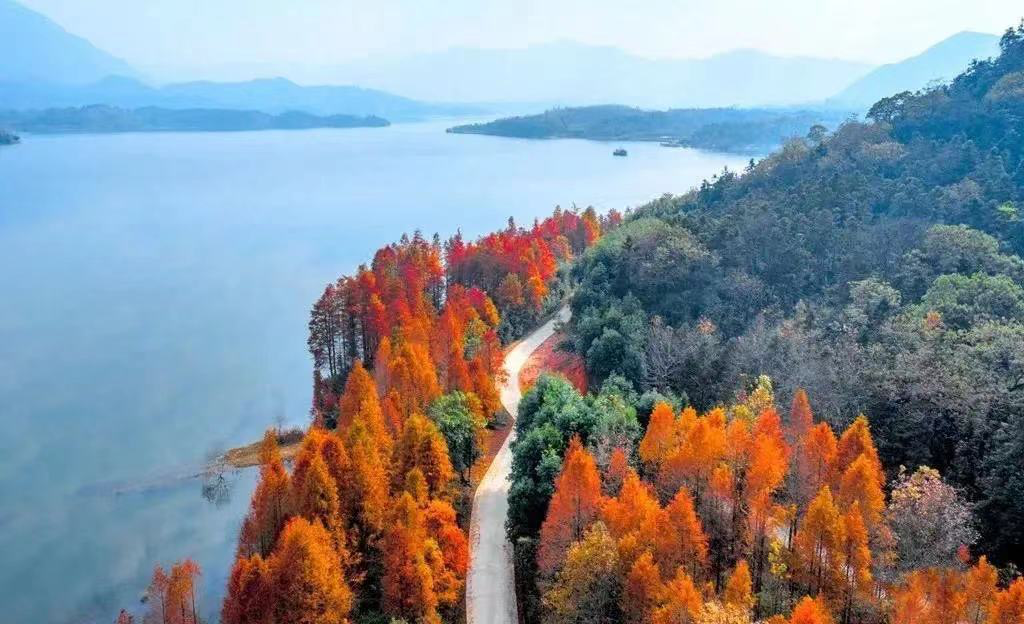
Huangshan is located in southern Anhui Province, at 30°N latitude, covering an area of approximately 1,200 square kilometers. It has a subtropical monsoon climate with four distinct seasons, abundant rainfall, frequent clouds and fog, and high humidity. The annual average temperature is 7.8°C, cool in summer and cold in winter, making it ideal for summer escapes and snow viewing.
Huangshan, anciently known as Yishan due to its dark, blue-black peaks and distant blue-green appearance, was renamed Huangshan in the Tianbao era of the Tang Dynasty, based on the legend of the Yellow Emperor (Huangdi) refining elixirs here. Historically, it attracted literati like Li Bai and Xu Xiake, leaving behind numerous poems and travelogues. In 1985, it was selected as one of China's Top Ten Scenic Spots, and in 1990, UNESCO listed it as a World Cultural and Natural Heritage site.
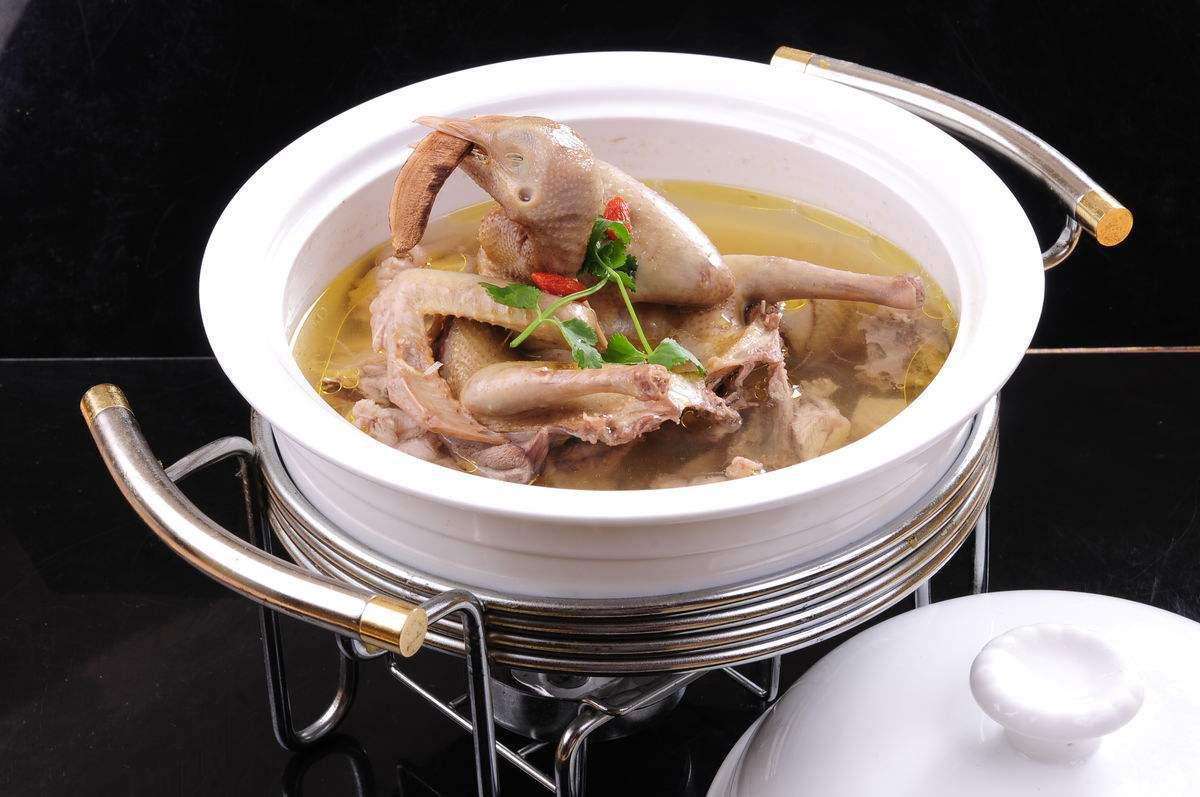
Huangshan is the core area of Hui culture, with profound influence from Huizhou architecture, Huizhou merchants, Huizhou opera, and Huizhou cuisine. Huizhou cuisine is one of the Eight Great Cuisines of China, with representative dishes such as stinky mandarin fish, hairy tofu, and Huangshan stewed pigeon. Local traditional crafts include Huizhou ink and She inkstone, and folk activities like Taige (carried platforms) and Nuo dance.
Today, Huangshan has become an internationally renowned tourist city, receiving over ten million visitors annually. The Huangshan Scenic Area continuously improves its infrastructure, with high-speed rail and expressway networks providing convenient access, and Huangshan Tunxi International Airport offers multiple routes. Meanwhile, Huangshan actively develops eco-tourism and rural tourism, promoting the inheritance and innovation of Hui culture, and building itself into an international tourism destination.
The best time to visit 黄山 is All seasons fine, spring and autumn best.
Spring (March-May): Flowers bloom, moderate temperature, clouds and mist, ideal for seeing sea of clouds and azaleas.
Summer (June-August): Cool and pleasant, average temperature around 20°C, great for escaping heat, but rainy, be cautious of slippery paths.
Autumn (September-November): Clear skies, red leaves all over, best for photography and sunrise viewing.
In the Tianbao era of Tang Dynasty, Emperor Xuanzong renamed Yishan to Huangshan based on the legend of the Yellow Emperor's alchemy.
In 1616, Ming Dynasty traveler Xu Xiake visited Huangshan twice and wrote 'Travel Diary of Huangshan', praising it as the most famous mountain under heaven.
In 1990, UNESCO inscribed Huangshan as a World Cultural and Natural Heritage site, making it China's first scenic area to receive both honors.
Recommended places to visit
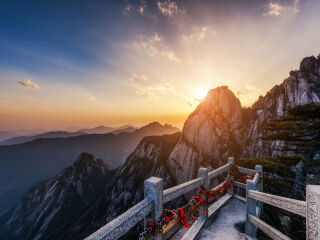
One of China's top ten scenic spots, famous for 'five wonders': odd-shaped pines, grotesque rocks, sea of clouds, hot springs, and winter snow. Main peak Lotus Peak is 1864m.

World Heritage site, representative of Huizhou ancient villages, famous for ox-shaped water system, filming location for 'Crouching Tiger, Hidden Dragon'.
UNESCO World Heritage Sites
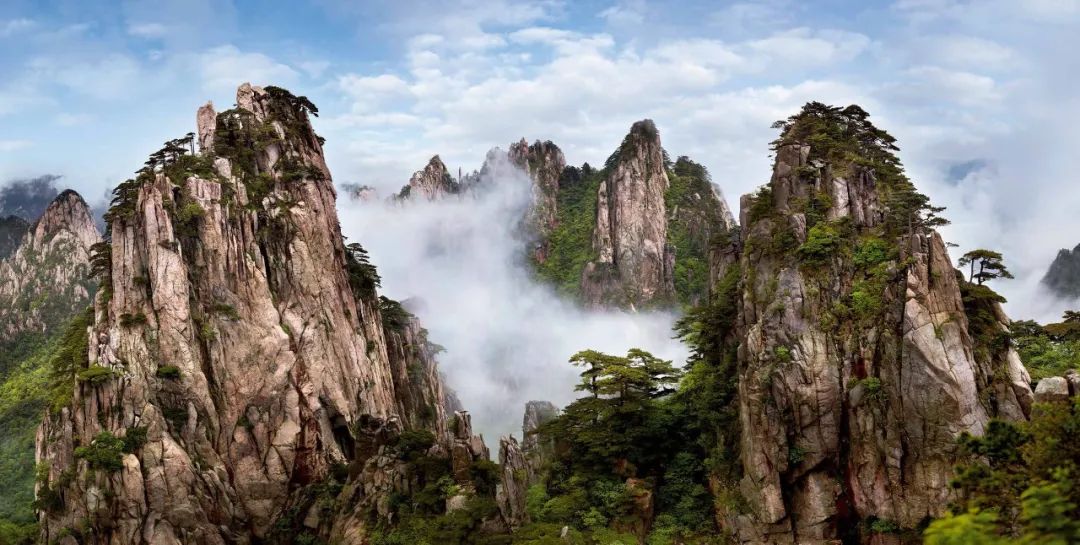
World Cultural and Natural Heritage, famous for odd-shaped pines, grotesque rocks, sea of clouds, hot springs, and winter snow, known as 'the most extraordinary mountain under heaven'.
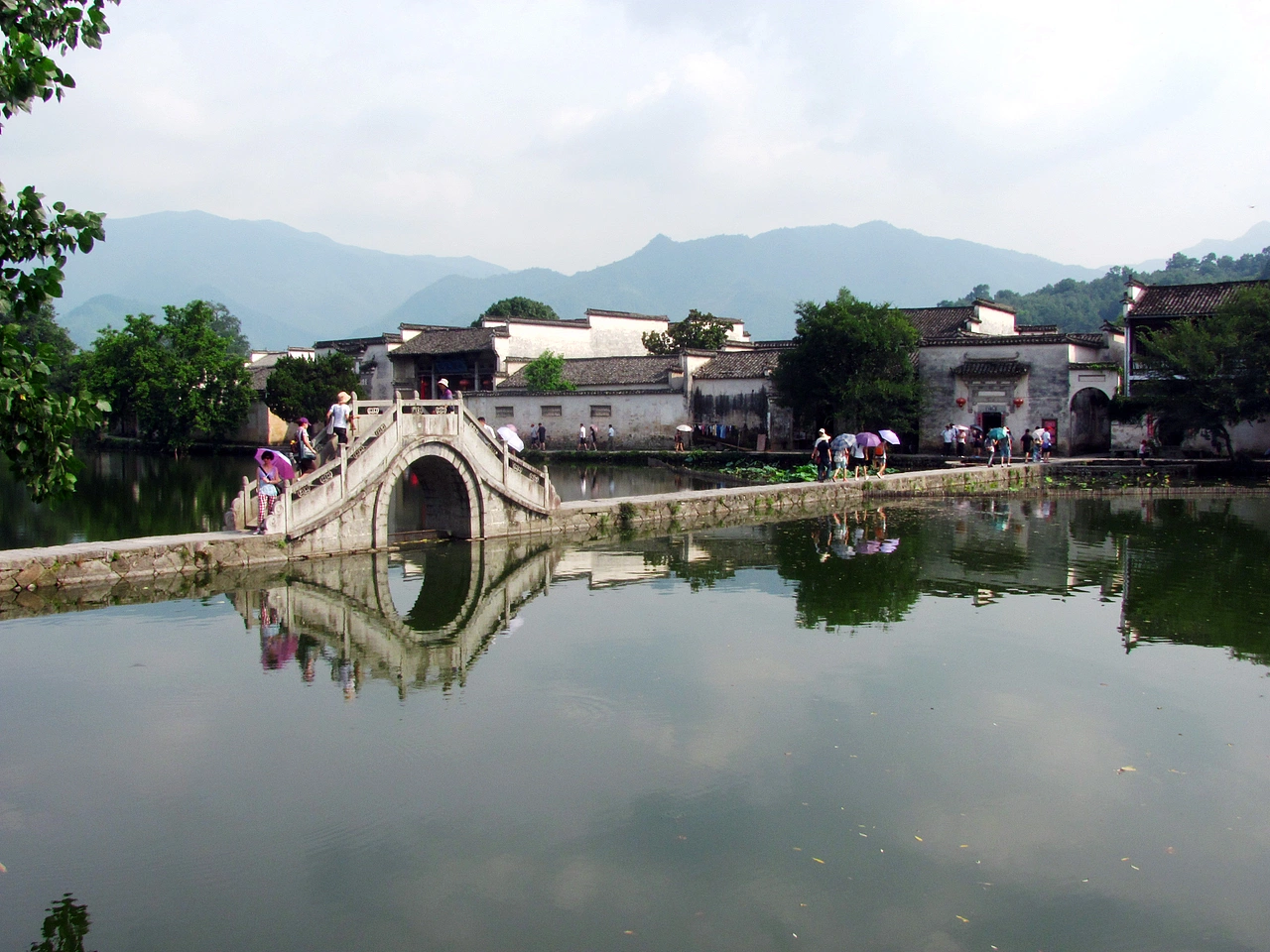
World Cultural Heritage, well-preserved Ming and Qing Huizhou ancient villages, reflecting Huizhou merchant culture and Fengshui concepts.
Explore rich intangible cultural heritage and traditional crafts
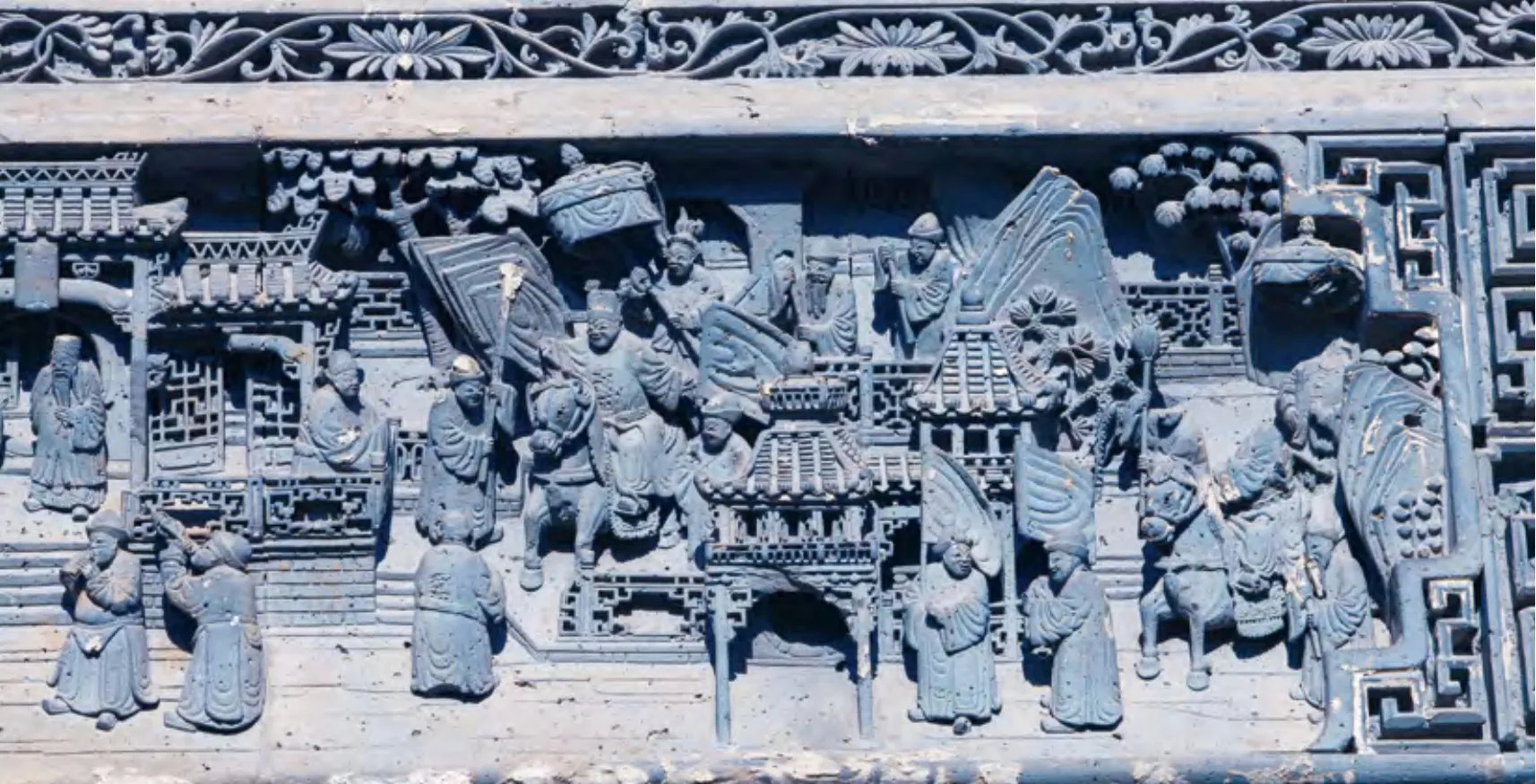
National intangible cultural heritage, including wood carving, stone carving, and brick carving, essence of Huizhou architecture.
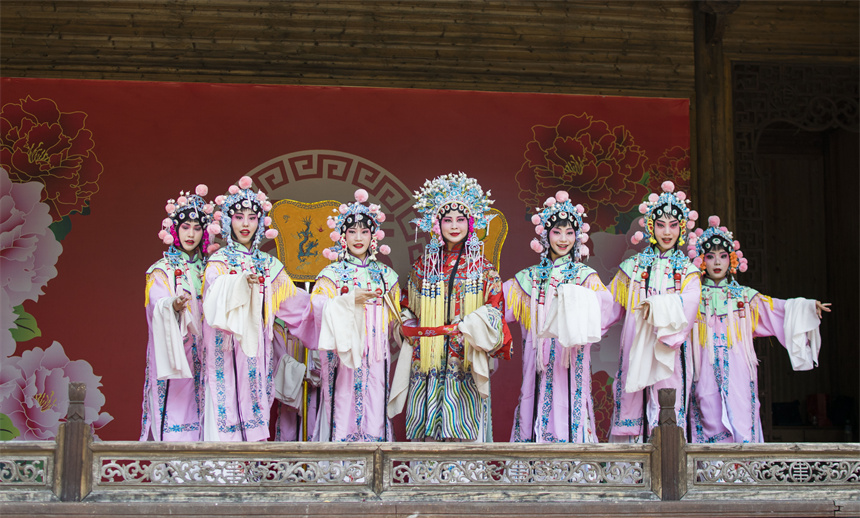
National intangible cultural heritage, one of the predecessors of Peking Opera, featuring high-pitched tunes, blowing tunes, and pihuang.
Must-know transportation for exploring the city
About 5km from downtown, flights to major domestic cities like Beijing, Shanghai, Guangzhou, Shenzhen, Chengdu, and international routes to Seoul, Taipei.
Varies by route
Intersection of Beijing-Fuzhou, Hangzhou-Huangshan, and Chizhou-Huangshan HSR lines. Direct HSR from Beijing, Shanghai, Hangzhou, Hefei, etc., about 2-5 hours.
Second class approx ¥100-500
Direct tourist buses from Huangshan North Station, Tunxi Old Street to Tangkou Town of the scenic area. Shuttle buses within the scenic area to cable car stations.
City to scenic area about ¥20-30, scenic shuttle one-way ¥19
Taste the most authentic and popular local specialties
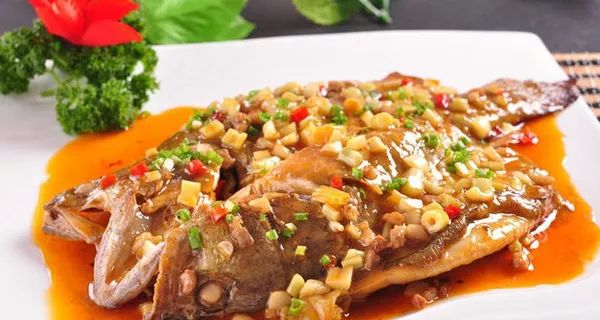
Signature Huizhou dish, smelly but tasty, tender fish preserved through fermentation.
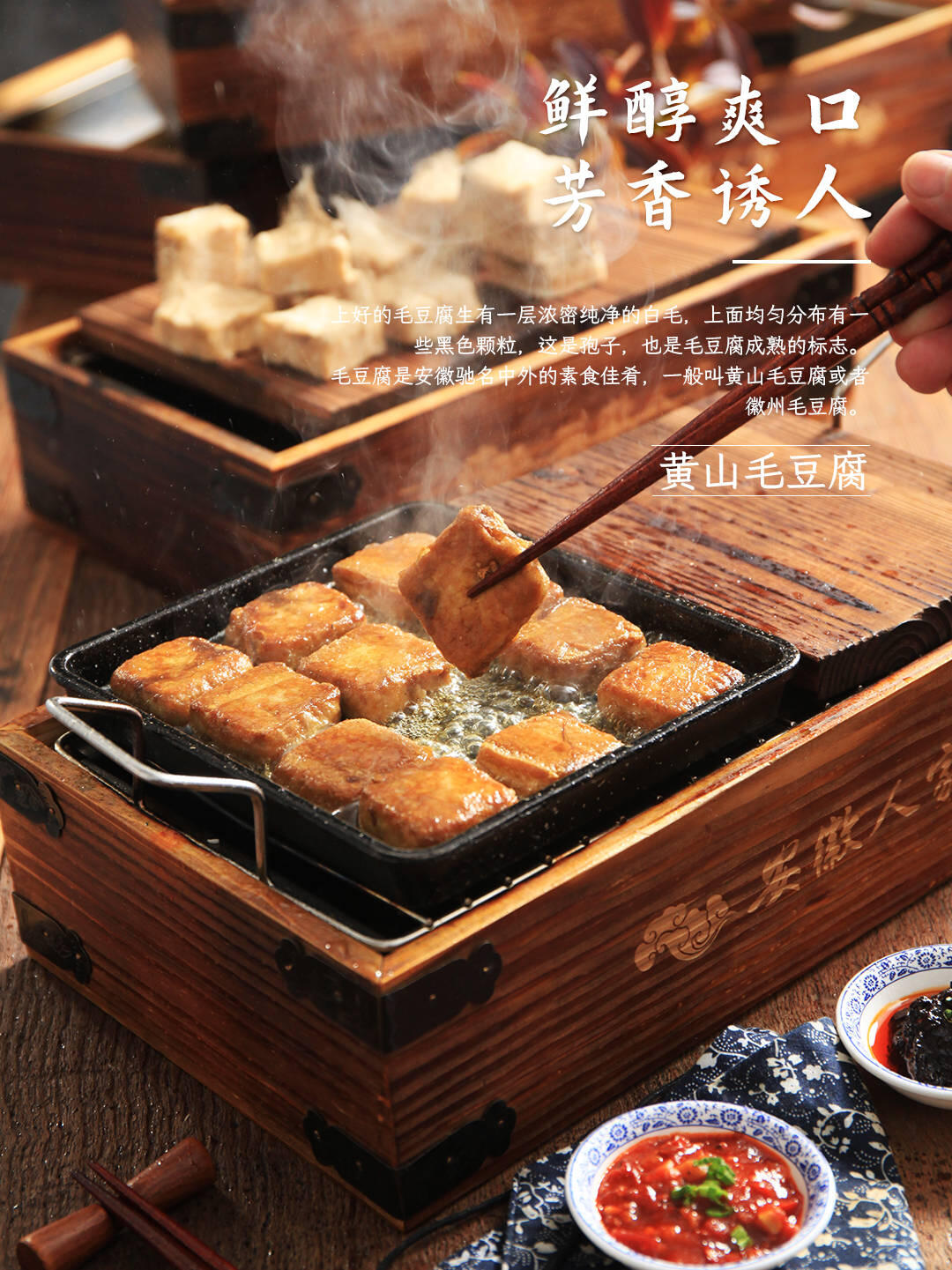
Huizhou specialty snack, tofu covered with white hyphae, deep-fried until crispy outside and tender inside, served with chili sauce.
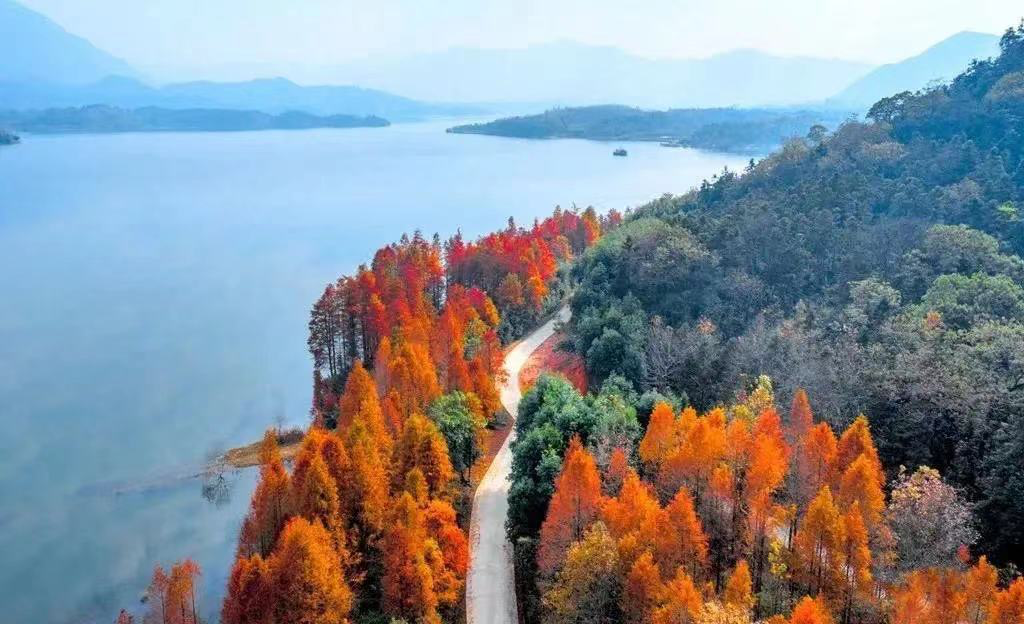
World Heritage site, museum of Huizhou architecture, known for Ming and Qing ancient houses, archways, and ancestral halls.
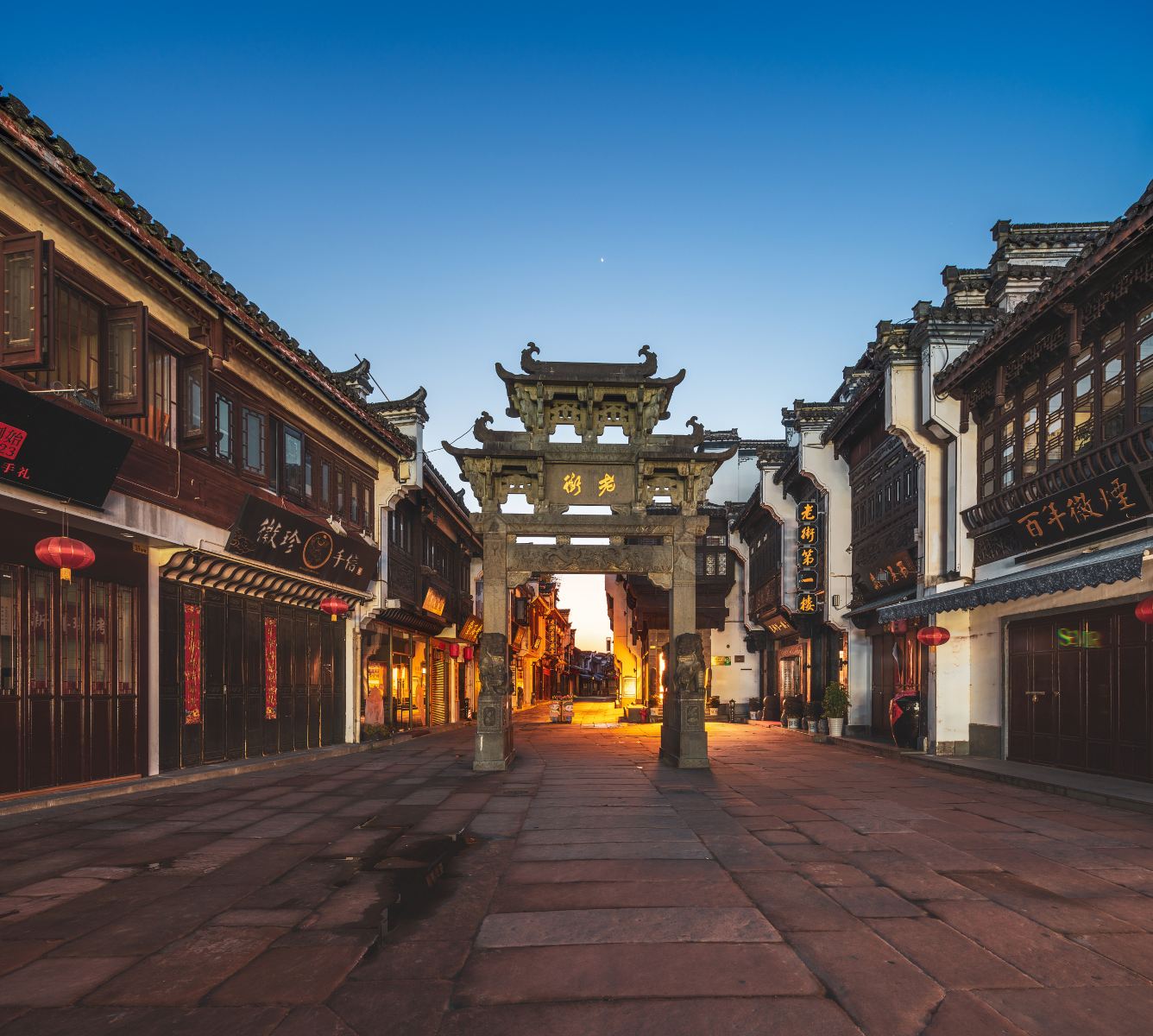
One of the best-preserved Song-style commercial streets in China, known as 'moving Qingming Scroll', great for Huizhou cuisine and Four Treasures of the Study.
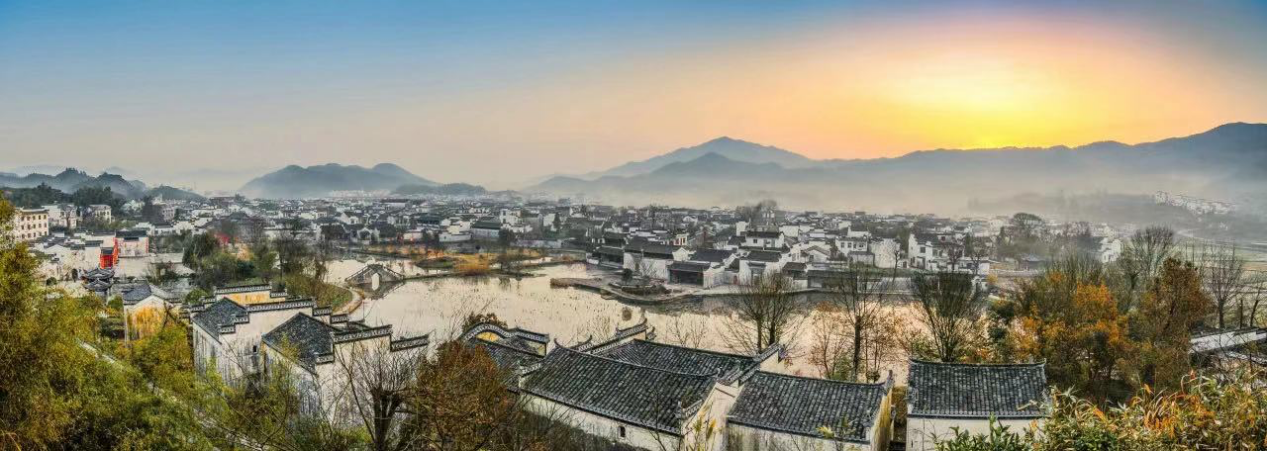
One of the four best-preserved ancient cities in China, featuring Xu Guo Archway and Huizhou Government Office.
Nourishing dish, stewed pigeon with Huangshan rock tripe, clear and delicious broth, rich in nutrition.
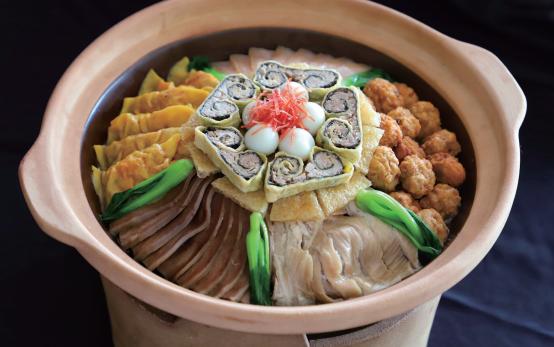
Traditional Huizhou hotpot, layered ingredients such as egg dumplings, meatballs, dried bamboo shoots, savory.
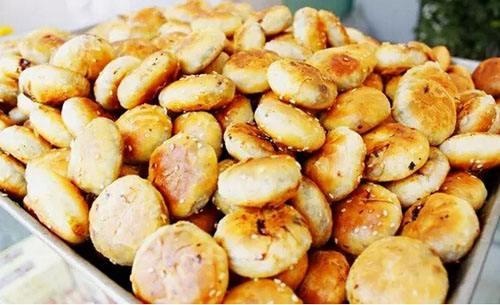
Traditional crispy pastry filled with flour, preserved mustard greens, and fatty pork, crispy and savory.