
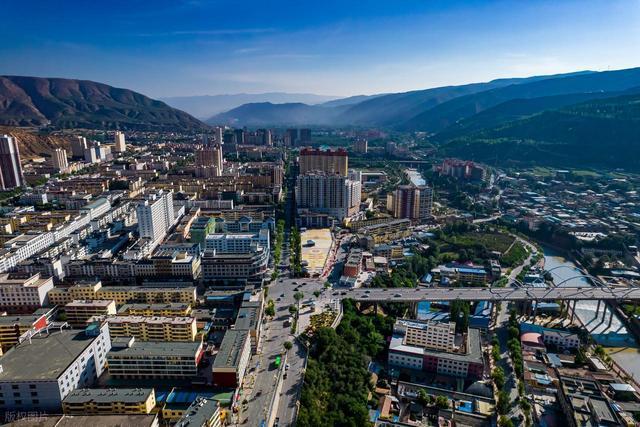
Huangnan Tibetan Autonomous Prefecture is located in the southeast of Qinghai Province, in the transitional zone between the Qinghai-Tibet Plateau and the Loess Plateau, with an average altitude of about 2,500 meters. It has a plateau continental climate, with cold, dry winters and cool, pleasant summers, receiving about 400 mm of annual precipitation.
Huangnan has a long history. In ancient times it was a nomadic area for the Qiang people. During the Tang Dynasty it belonged to Tubo, in the Yuan Dynasty it was under the Pacification Commissioner's Office of Tubo, and in the Ming Dynasty it fell under the command of the Duogan Regional Military Commission. In 1953, Huangnan Tibetan Autonomous Prefecture was established, becoming an important Tibetan settlement in Qinghai.
Huangnan is the birthplace of Regong art, famous for thangka, applique embroidery, and sculpture. In 2006, Regong art was inscribed on the National Intangible Cultural Heritage list. Local cuisine includes hand-grabbed lamb, butter tea, tsampa, and yak yogurt, each with a unique flavor.
In recent years, Huangnan has been vigorously developing cultural tourism. Attractions like Tongren Ancient City and Kanbula National Forest Park draw many visitors. The main transportation is by road, with the Zhangwen Expressway running through the area. Railway construction is underway, and tourism has become a pillar industry.
The best time to visit 黄南 is Best from June to September.
Summer (June-August) is cool, with average temperatures of 15-25°C, the golden season for summer retreat and grassland sightseeing.
Autumn (September-October) has clear skies and colorful landscapes, ideal for photography and hiking.
Winter (November-March) is cold, but you can experience folk activities such as Tibetan New Year.
In December 1953, Huangnan Tibetan Autonomous Prefecture was formally established, marking a new stage of ethnic regional autonomy.
In 2006, Regong art was inscribed on the first batch of National Intangible Cultural Heritage list, making Huangnan the core area of Regong art.
In 2018, the protection and restoration project of Tongren Ancient City was launched to preserve the historical features of Regong culture.
Recommended places to visit
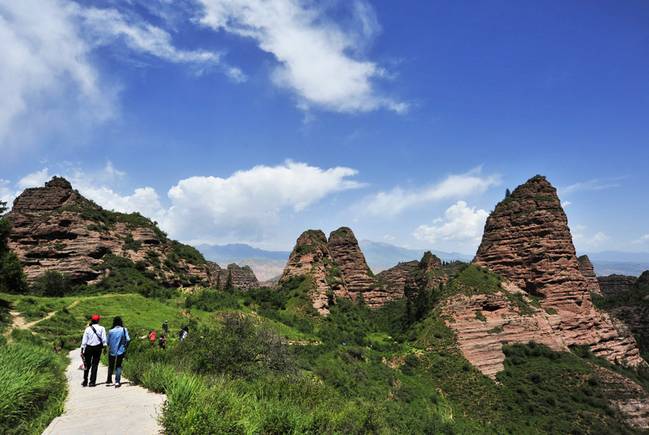
Famous for Danxia landforms and reservoir scenery, combining grandeur, wonder, danger, and beauty. It is the most famous natural scenic area in Huangnan.
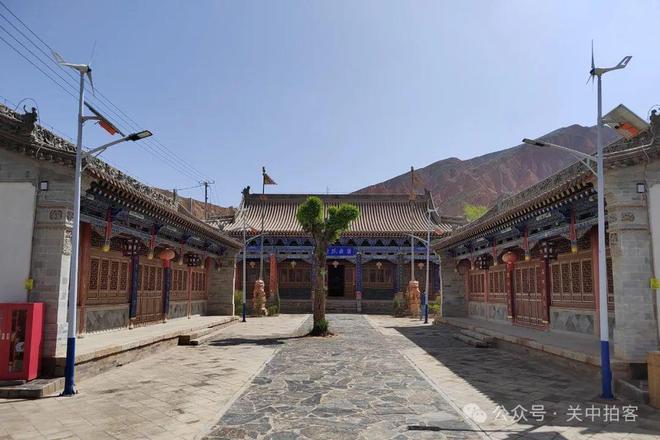
The birthplace of Regong art, preserving many thangka academies and temples, known as 'the hometown of Chinese thangka art'.
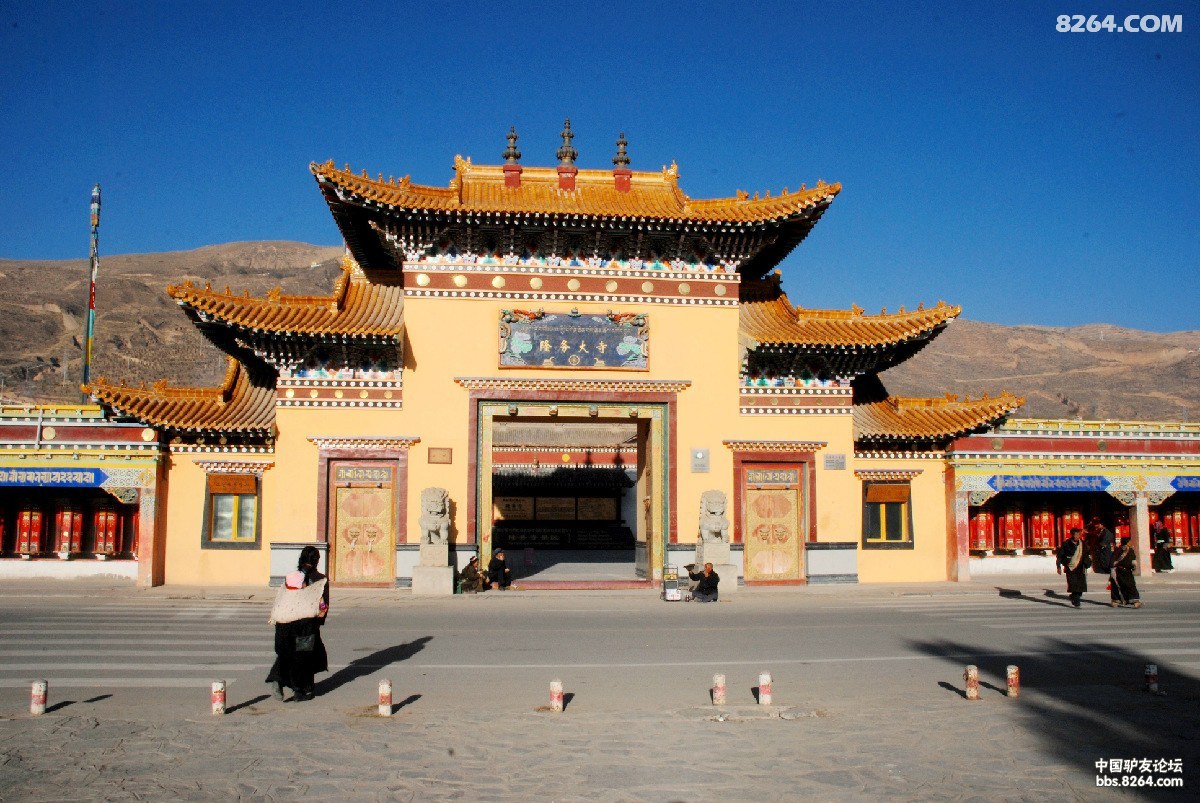
Explore rich intangible cultural heritage and traditional crafts
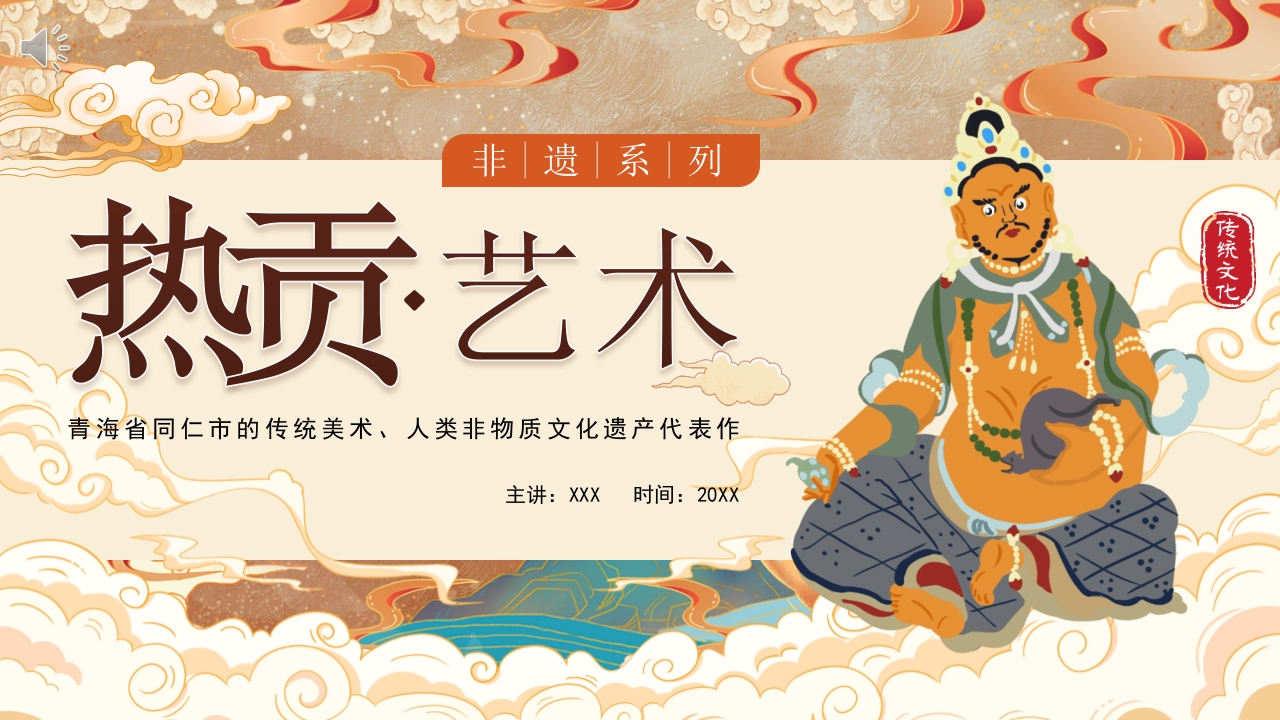
Including thangka, embroidery, sculpture, wood carving, etc., with brilliant colors and exquisite techniques, it is a treasure of Tibetan Buddhist art.
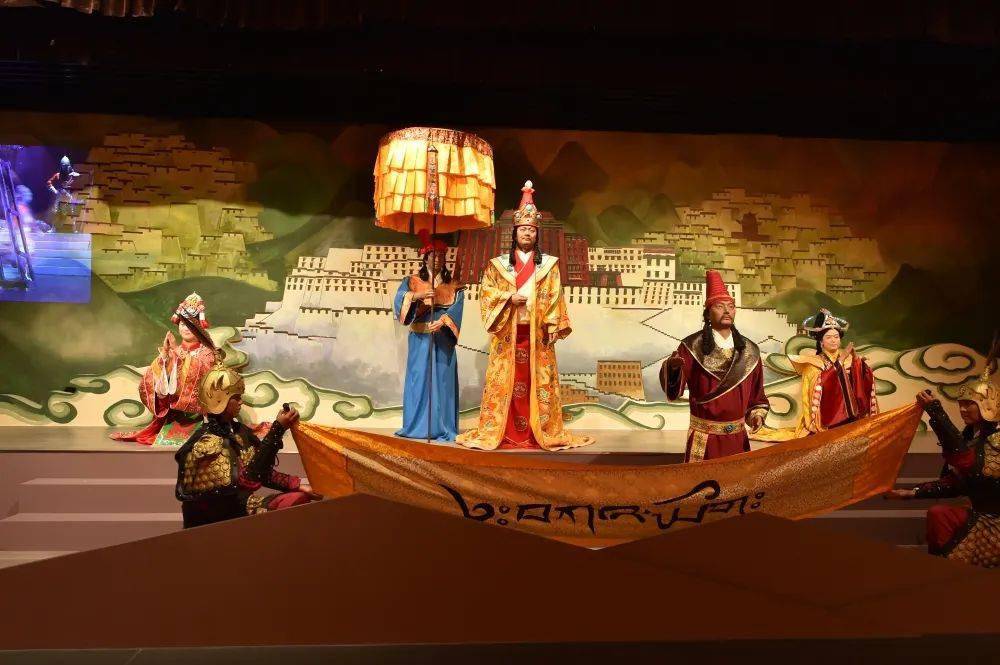
An important school of Tibetan opera, incorporating elements of Regong art, with unique performance forms, mostly based on Buddhist stories.
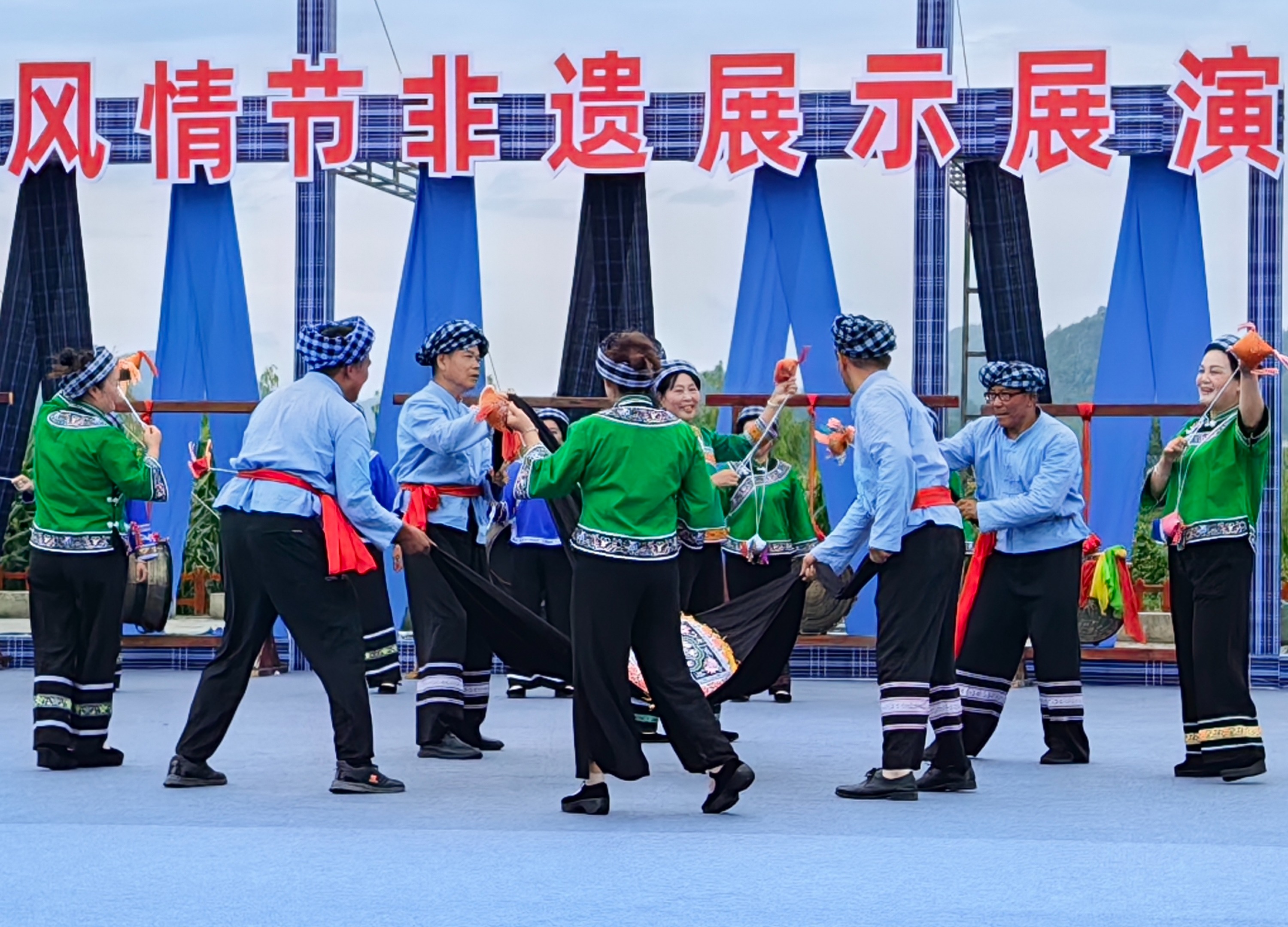
A traditional folk festival of Tongren Tibetans, including sacrifices, dances, and competitions, full of ethnic characteristics.
Must-know transportation for exploring the city
There are direct buses from Xining Bus Station to Tongren, about 2.5 hours, fare about 50 RMB.
About 50 RMB
The Xining-Chengdu high-speed railway is under construction. In the future, transfer at Haidong West Station to Huangnan. Currently, road transport is the main mode.
TBD
The nearest airport is Xining Caojiabao Airport, about 120 km from Tongren. You can rent a car or take a bus.
Airfare varies by season
Taste the most authentic and popular local specialties
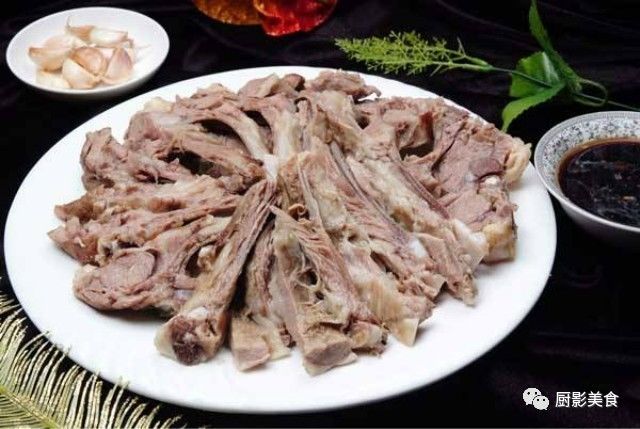
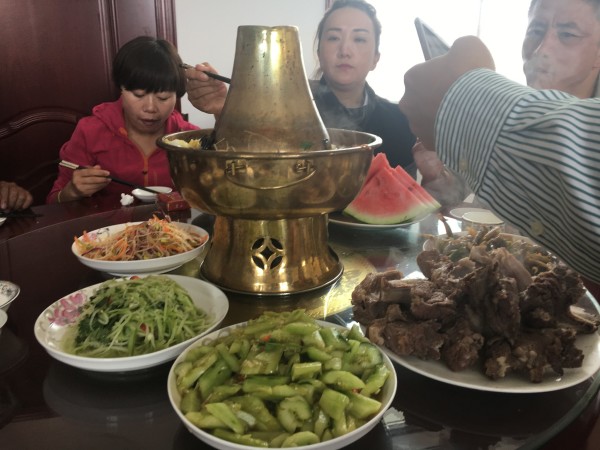
Selected plateau grass-fed lamb, boiled in plain water, served with pepper and salt. The meat is tender and without gamey taste.
Made from brick tea, butter, and salt, it is a daily Tibetan drink that warms the body and refreshes the mind.
A Gelug sect Tibetan Buddhist monastery built in the Yuan Dynasty, the largest temple in Huangnan, housing a statue of Tsongkhapa.
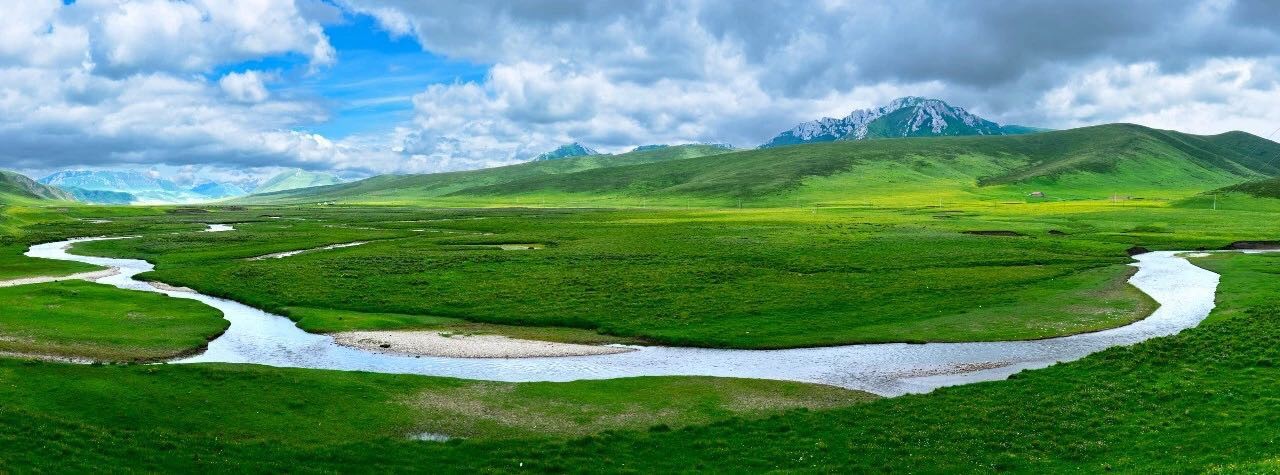
Vast alpine grassland, green and lush in summer with herds of cattle and sheep, offering Mongolian and Tibetan cultural experiences.
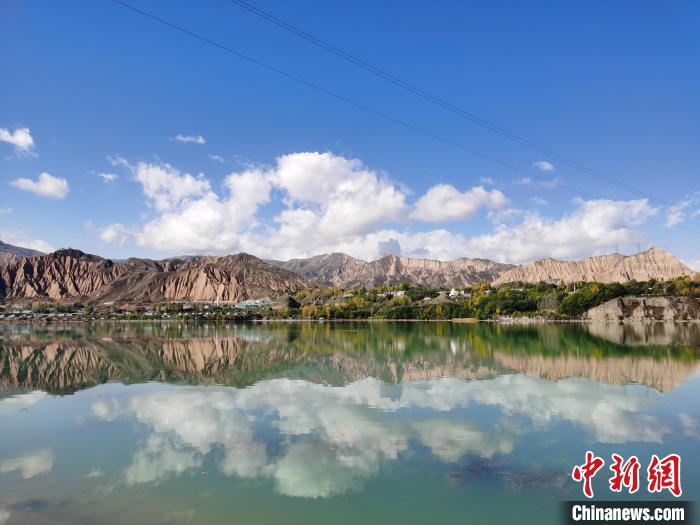
The upper reaches of the Yellow River are clear and green, with Danxia peaks on both sides. Boat tours are available, showcasing the 'clear Yellow River in Huangnan'.
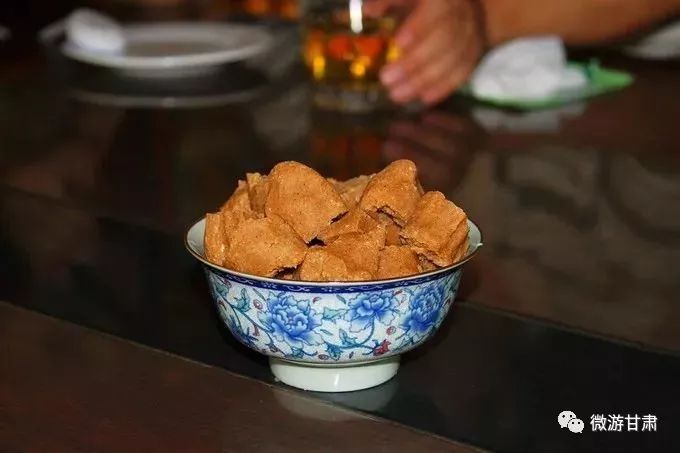
Roasted highland barley flour mixed with butter tea and kneaded into balls. It is a Tibetan staple, rich in nutrition.
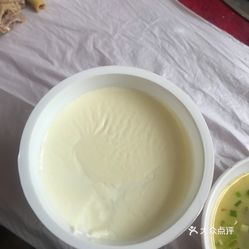
Naturally fermented yak milk with a layer of cream on top, sweet and sour, rich in flavor.
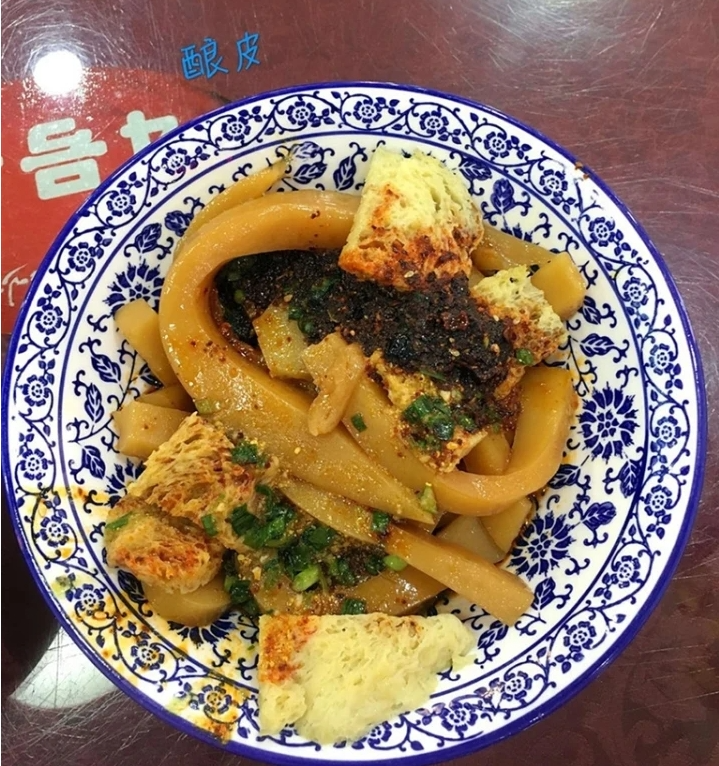
Similar to cold noodle skin, but made from highland barley flour, chewy in texture, served with chili oil and vinegar, sour and spicy.