
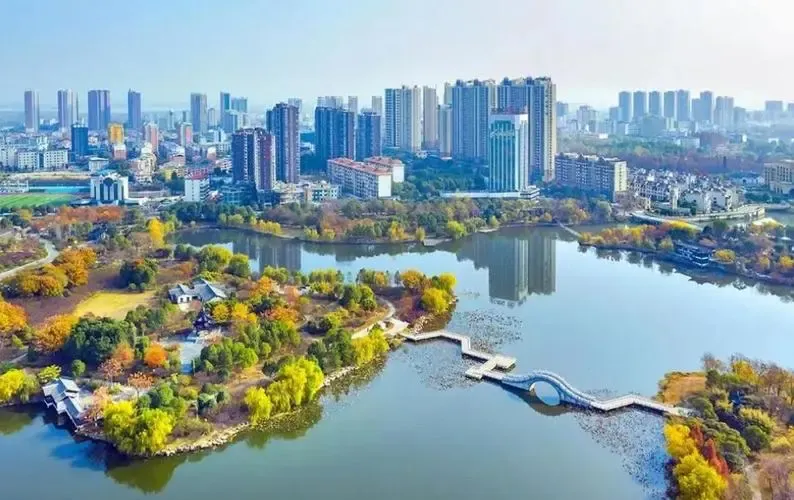
Huanggang is located in eastern Hubei Province, at the southern foot of the Dabie Mountains and the northern bank of the middle reaches of the Yangtze River. It borders Henan to the north and Anhui to the east. With a subtropical monsoon climate, it enjoys distinct seasons and abundant rainfall. The terrain encompasses mountains, hills, and plains, with the main peak of the Dabie Mountains, Tiantangzhai, situated here, and the golden waterway of the Yangtze River flowing along its southern edge.
Huanggang has a long history, dating back over 2,000 years since the establishment of counties in the Qin Dynasty. It was a crucial area for the early activities of the Communist Party of China, where the Huangma Uprising broke out. It gave birth to national leaders such as Dong Biwu and Li Xiannian, as well as over 200 founding generals, earning it the reputation of 'China's Number One County of Generals.'
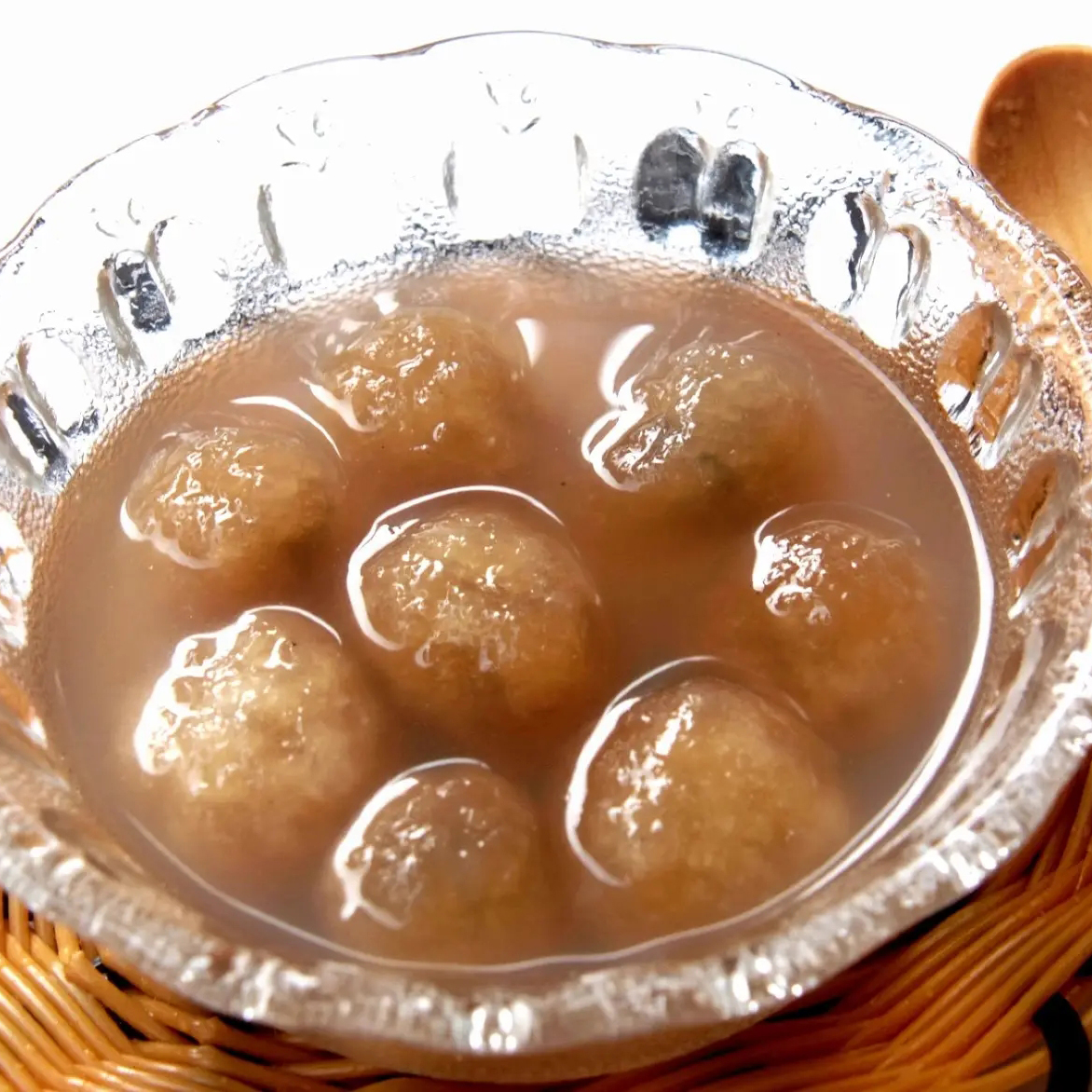
Huanggang boasts profound cultural heritage. It is the hometown of Bi Sheng, inventor of movable type printing; Li Shizhen, the sage of medicine; and Li Siguang, a renowned geologist. Huangmei Opera originated here, and the Fourth Patriarch Daoxin and Fifth Patriarch Hongren of Zen Buddhism preached here. Representative delicacies include Dongpo Pork, Huangzhou Shaomai, and Xishui Nine-Hole Lotus Root Powder Dumplings, blending the essence of Chu cuisine.
In recent years, leveraging the Yangtze River Economic Belt and the Wuhan Metropolitan Area, Huanggang has vigorously developed modern manufacturing, biomedicine, and cultural tourism. The Huanggang High-tech Industrial Development Zone has been approved as a national-level high-tech zone, and the Dabie Mountain Express Tourism Corridor is fully operational, creating a model of revitalization led by red culture and green development.
The best time to visit 黄冈 is Best in spring and autumn, with pleasant weather and beautiful scenery.
Spring (March-May): Rhododendrons bloom in the Dabie Mountains, temperatures 15-25°C, ideal for mountain climbing and flower viewing.
Summer (June-August): Hot and rainy, you can escape the heat in the Dabie Mountains, but beware of heatstroke.
Autumn (September-November): Clear and crisp weather, colorful forests, great for photography and outdoor activities.
On November 13, 1927, over 30,000 peasant self-defense forces from Huang'an (now Hong'an) and Macheng launched an armed uprising, firing the first shot of armed struggle in the Hubei-Henan-Anhui region.
With Huanggang as the central area, the Hubei-Henan-Anhui Revolutionary Base was formally established, becoming the second largest base after the Central Soviet Area.
Approved by the State Council, Huanggang Prefecture was abolished and Huanggang Prefecture-level City was established, governing Huangzhou District and counties such as Hong'an and Macheng.
Recommended places to visit
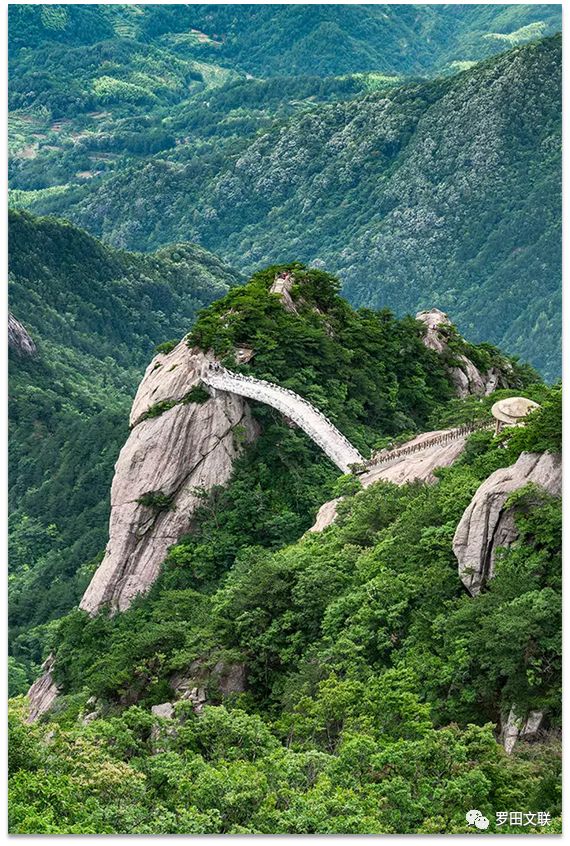
The second highest peak of the Dabie Mountains, a national 5A scenic area, featuring unique peaks, strange rocks, sea of clouds, and waterfalls, known as 'the last primeval forest in East China'.
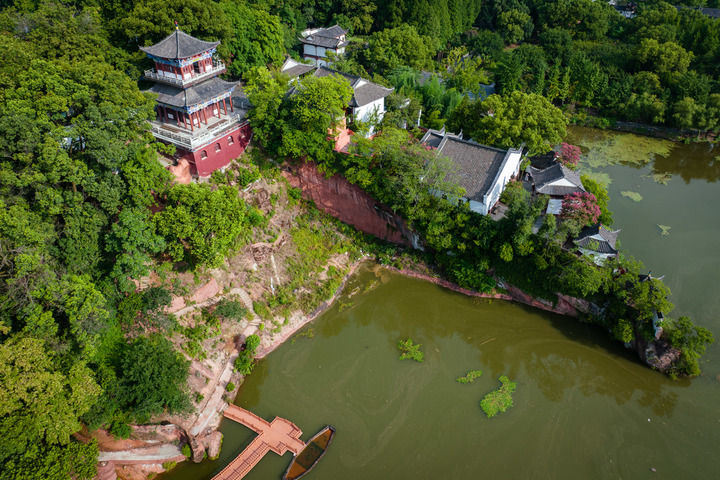
Famous for Su Shi (Dongpo) writing 'Recalling the Past at Red Cliff' here, a national 4A scenic area with historic sites like Red Cliff Rock and Two Odes Hall.
Explore rich intangible cultural heritage and traditional crafts
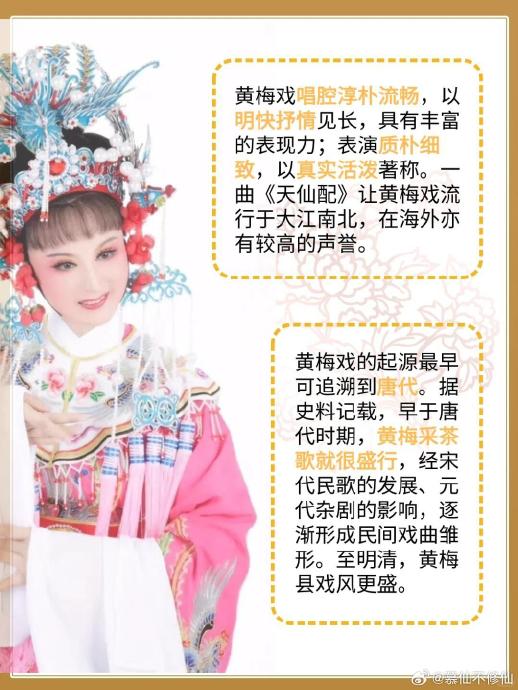
Originating in Huangmei County, it is one of the five major Chinese opera genres, known for its melodious singing and lively performance, inscribed in the first batch of National Intangible Cultural Heritage in 2006.
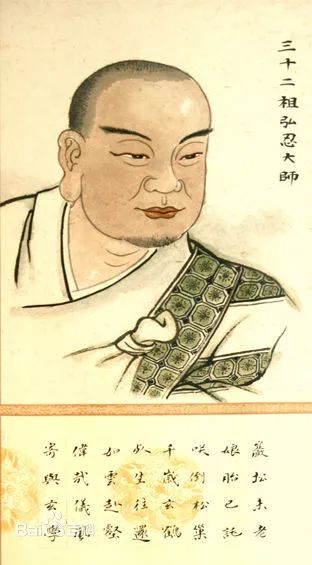
Huangmei County is where the Fourth Patriarch Daoxin and Fifth Patriarch Hongren propagated Buddhism. Their legends include cultivation and dharma transmission, inscribed as National Intangible Cultural Heritage in 2011.
Must-know transportation for exploring the city
Both Huanggang West and East stations have high-speed trains, providing direct access to Wuhan, Shanghai, Beijing, etc. The fastest trip from Wuhan to Huanggang takes about 30 minutes.
Wuhan-Huanggang second class about 30-40 RMB
Huanggang has no civil airport. Fly to Wuhan Tianhe Airport first, then take high-speed rail or bus to Huanggang, about 1.5 hours.
Tianhe Airport-Huanggang bus about 60 RMB
City buses cover major attractions with a fare of 2 RMB. Intercity coaches connect surrounding counties, e.g., Huangzhou to Hong'an takes about 1 hour.
Bus 2 RMB, Intercity coach 20-40 RMB
Taste the most authentic and popular local specialties
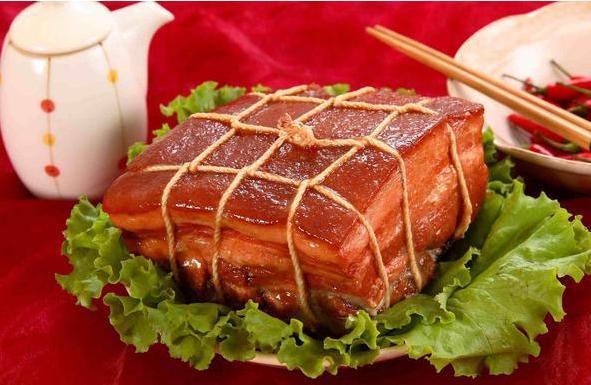
Reputedly created by Su Shi, bright red color, fatty but not greasy, melts in the mouth, the most representative dish of Huanggang.
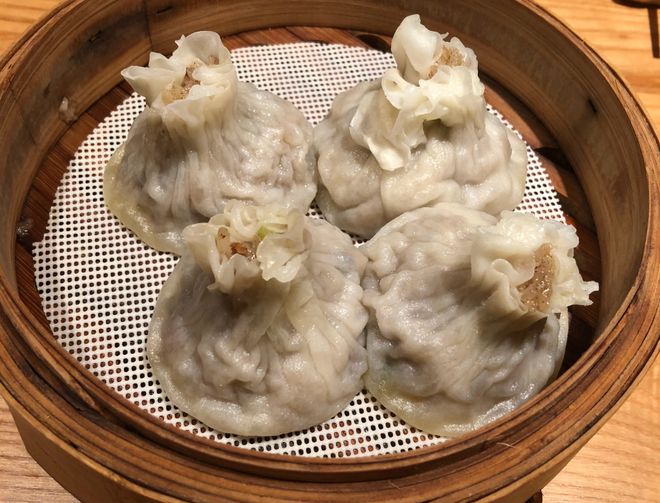
Traditional Huanggang snack, shaped like plum blossoms, thin skin and tender filling, made with pork and glutinous rice, crystal clear after steaming.
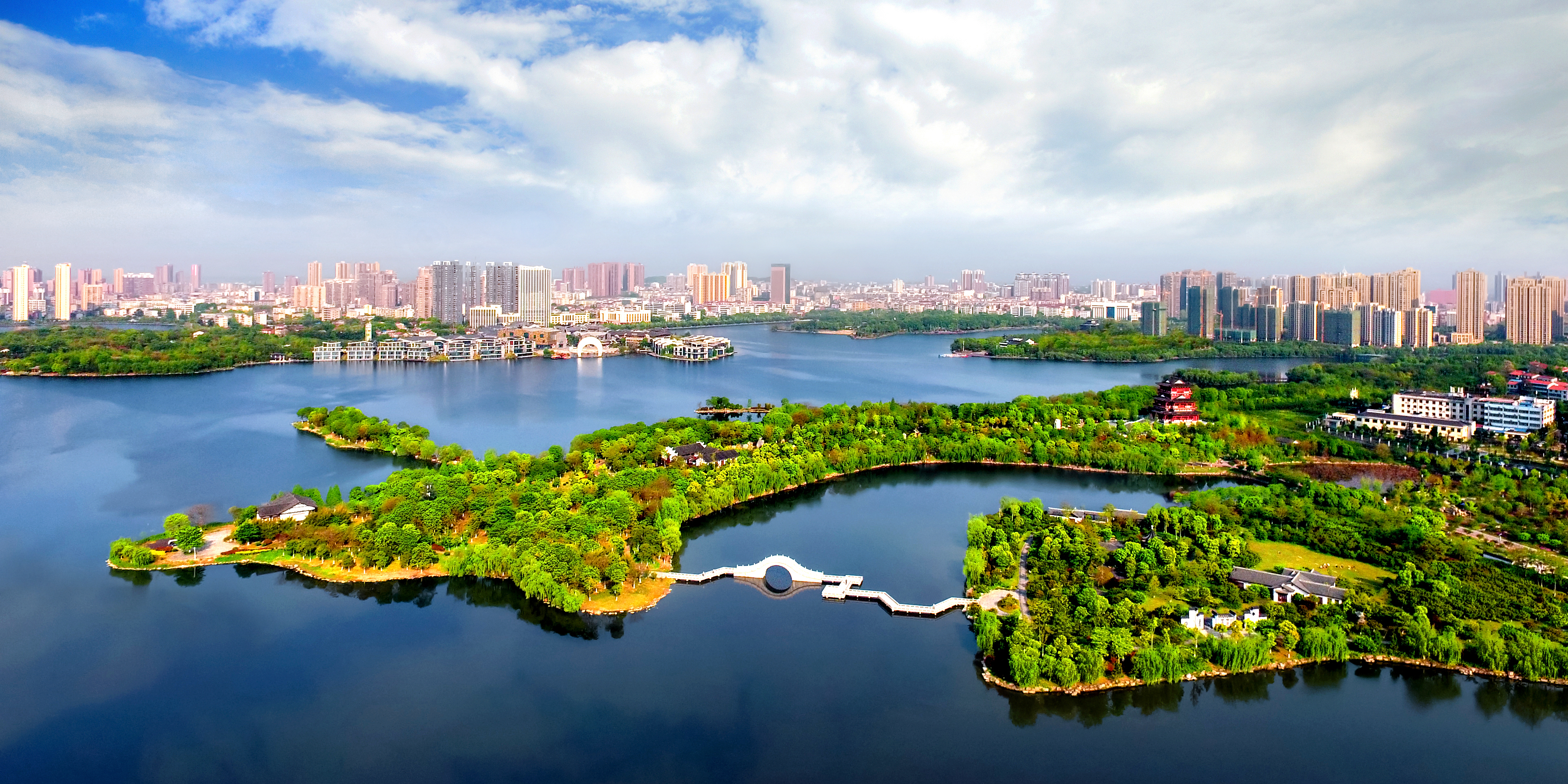
A national 4A scenic area composed of East Lake, West Lake, and Lingjiao Lake, themed on Su Shi culture, a leisure resort for citizens.
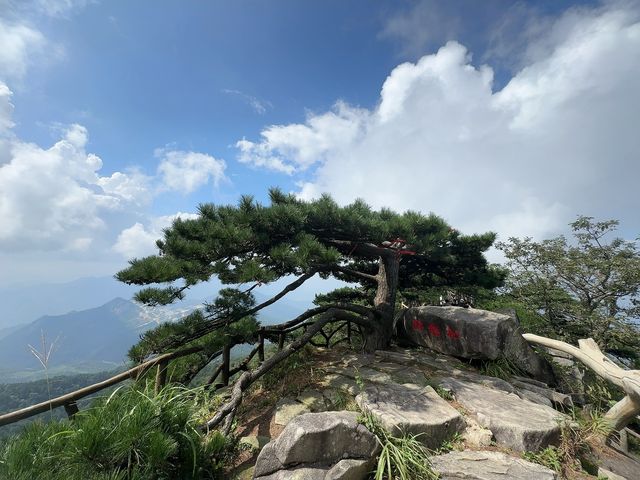
A national 4A scenic area known for unique pines, strange rocks, and steep peaks, with ridges like knife backs, a paradise for hiking enthusiasts.
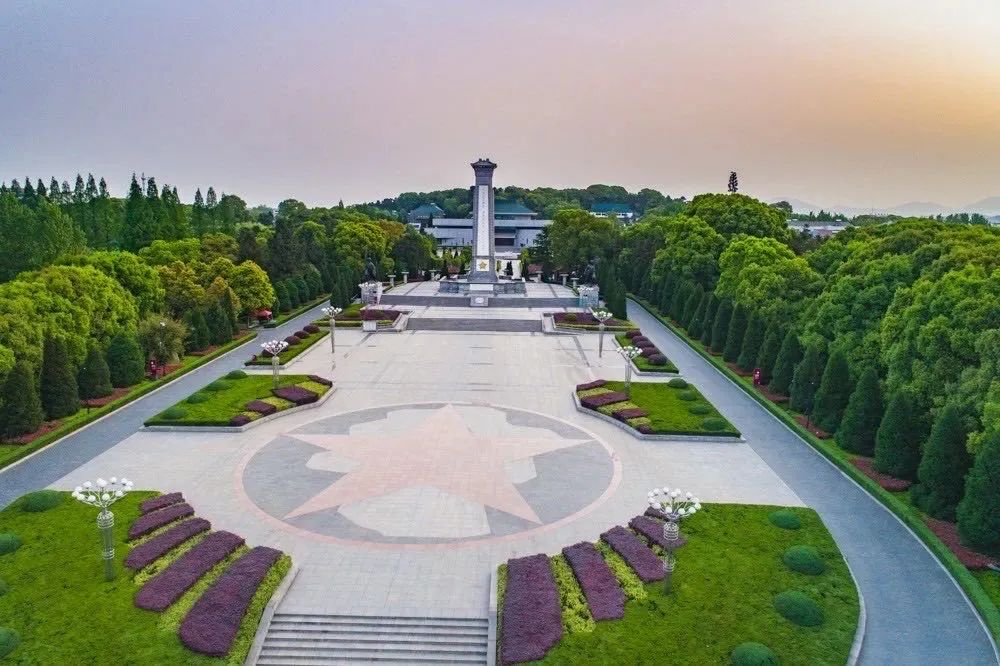
A national 4A scenic area and key national martyr memorial, documenting the Huangma Uprising and the revolutionary history of Hubei-Henan-Anhui.
Dumplings made from Xishui's specialty nine-hole lotus root powder, sweet but not greasy, soft and chewy, a local specialty dessert.
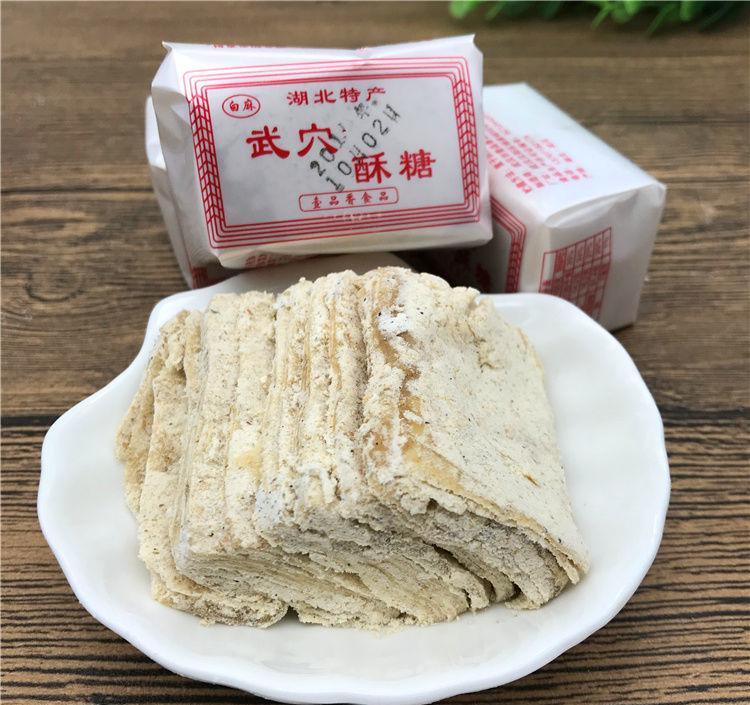
Traditional Wuxue snack, mainly made of sesame and maltose, crispy and sweet, melts in the mouth, with a long history.
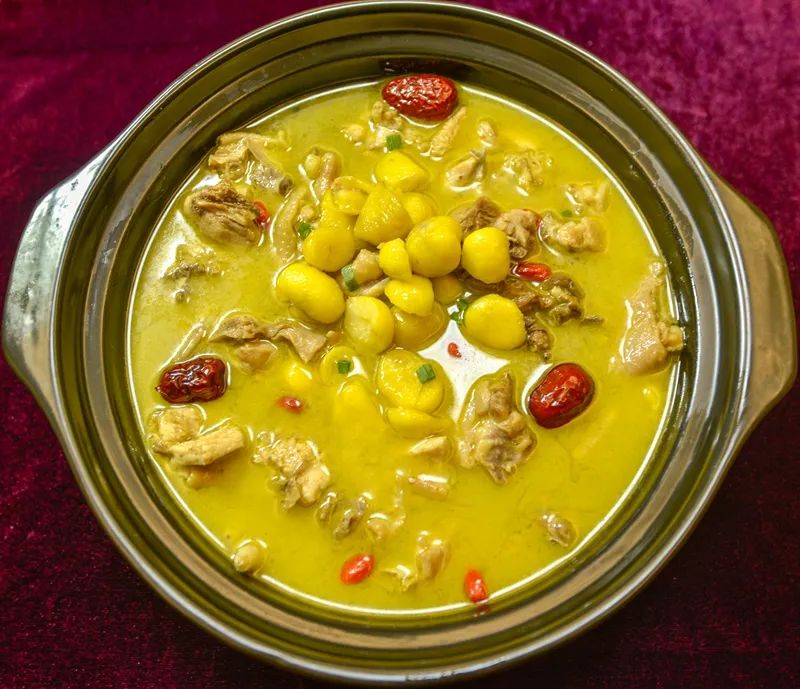
Luotian is the hometown of chestnuts, stewed with local chestnuts and free-range chicken, the soup is fresh and the meat tender, nutritious, a great tonic in autumn and winter.