
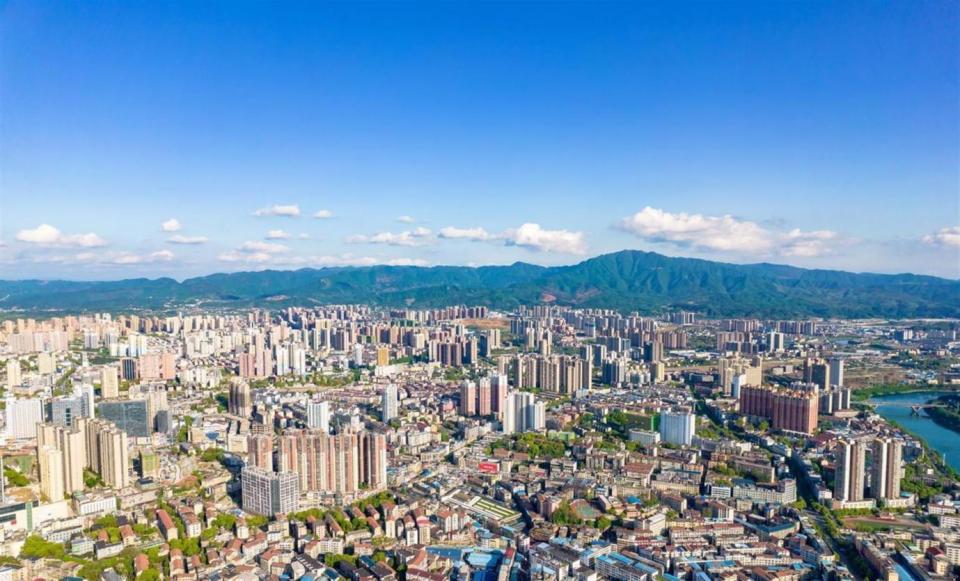
Huaihua is located in the southwestern part of Hunan Province, nestled between the Wuling and Xuefeng mountain ranges, with the Yuan River flowing through the city. It has a humid subtropical monsoon climate with four distinct seasons and abundant rainfall. The annual average temperature is 16-18°C, and the high forest coverage rate has earned it the nickname 'the breathing city.'
Huaihua, historically known as the 'Land of Five Streams,' has been a key passage from Central China to the Southwest since the Qin and Han dynasties. During the Ming and Qing dynasties, it thrived as a commercial hub due to the flourishing water transport on the Yuan River. It played a significant role as a strategic rear area during the War of Resistance against Japan. In 1945, the surrender ceremony of the China Theater was held in Zhijiang, marking the victory of the war.
Huaihua is a multi-ethnic area inhabited by the Dong, Miao, and other minorities, rich in intangible cultural heritage such as the Dong Grand Song and Lusheng dance. The local cuisine is characterized by sour and spicy flavors, with dishes like Zhijiang duck, Hongjiang blood cake duck, and Tongdao Dong-style cured meat. The 'He Long Yan' (joint banquet) is the highest etiquette for Dong hospitality.
In recent years, Huaihua has leveraged its geographical advantages to become the largest high-speed rail hub in western Hunan, serving as an important node on the Belt and Road Initiative. Eco-tourism is thriving, with attractions like Hongjiang Ancient Commercial City, Zhijiang Surrender Memorial, and Tongdao Wanfo Mountain drawing numerous visitors, achieving coordinated economic and ecological development.
The best time to visit 怀化 is Best in spring and autumn (March-May, September-November).
Spring (March-May): Pleasant temperatures, blooming flowers, especially the rapeseed fields in Tongdao Dong village and the spring scenery of Hongjiang Ancient City.
Summer (June-August): Hot but the mountainous areas like Wanfo Mountain and Xuefeng Mountain are cool, perfect for escaping the heat. Folk activities such as the Dong June 6 festival are abundant.
Autumn (September-November): Clear and crisp weather, golden rice fields, and the solemn autumn scenery of Zhijiang Surrender Memorial, suitable for red tourism.
The surrender ceremony of the Chinese Theater was held in Zhijiang, Hunan, where Japanese invaders surrendered to Chinese troops, marking the end of the War of Resistance Against Japan.
During the Ming and Qing dynasties, Hongjiang Ancient Commercial City flourished due to the Yuan River shipping, becoming the largest commercial center in western Hunan, known as 'Little Nanjing'.
Recommended places to visit
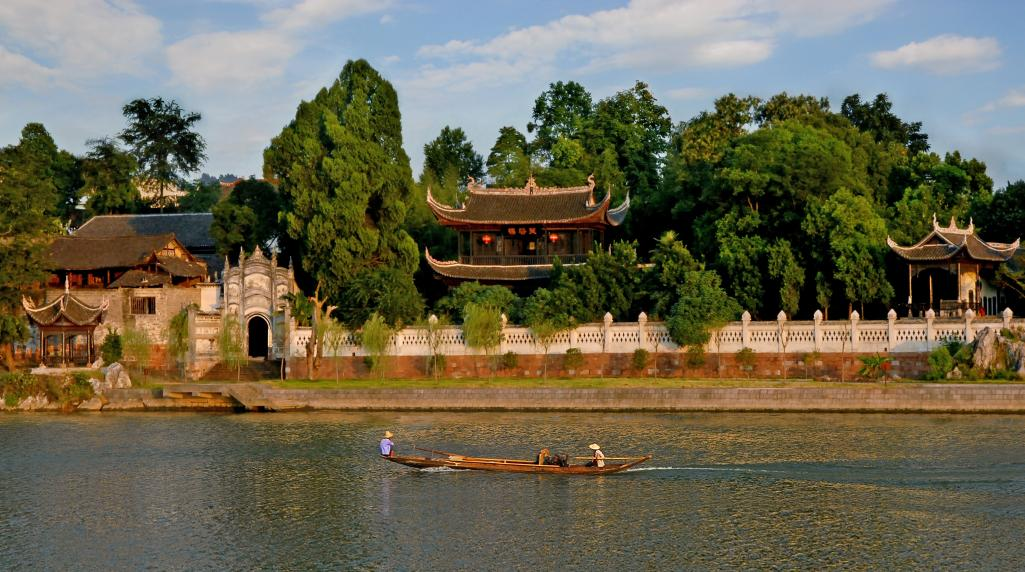
National 4A-level scenic spot, well-preserved Ming and Qing ancient buildings, known as 'China's No.1 Ancient Commercial City'. Visitors can experience ancient commercial culture, see escort agencies, banks, workshops, etc.
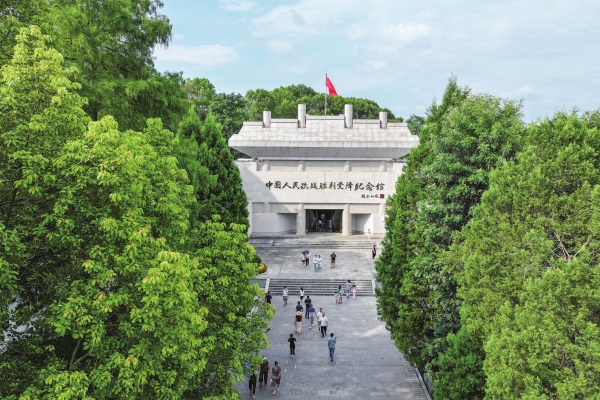
The only memorial site for the surrender of the War of Resistance Against Japan in China, national 4A-level scenic spot. The memorial arch is a paifang-style building, solemn and dignified, serving as a patriotic education base.
Explore rich intangible cultural heritage and traditional crafts
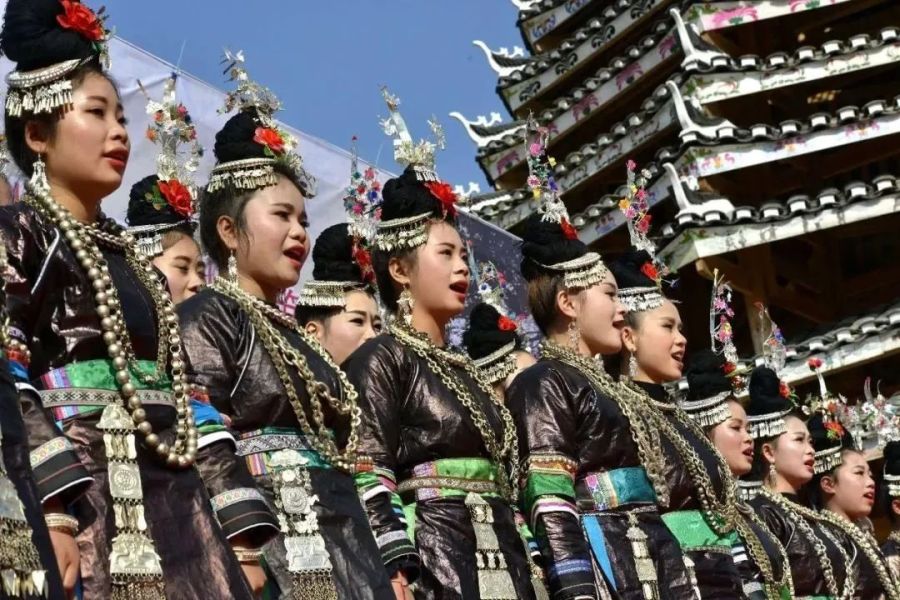
A multi-part folk song of the Dong ethnic group, sung without conductor or accompaniment, imitating natural sounds. Inscribed on UNESCO's Representative List of the Intangible Cultural Heritage of Humanity in 2009.
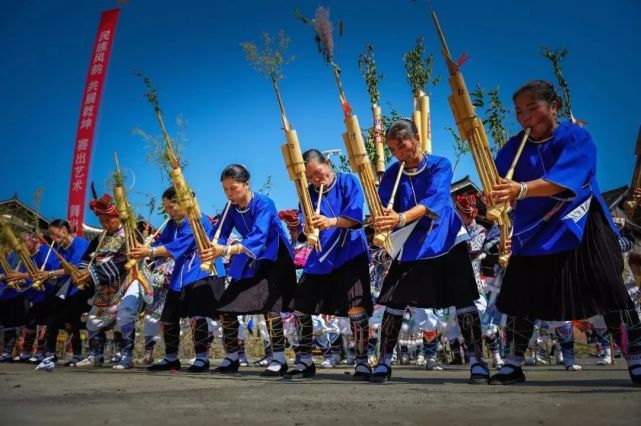
A traditional Dong dance accompanied by reed-pipe, with vigorous movements expressing labor and love. Inscribed on the National Intangible Cultural Heritage list in 2008.
Must-know transportation for exploring the city
Intersection of Shanghai-Kunming and Zhangjiajie-Jishou-Huaihua high-speed railways, direct access to major cities like Beijing, Shanghai, Guangzhou, Kunming.
Varies by destination
Located in Zhijiang County, about 40 km from downtown. Flights to Beijing, Shanghai, Shenzhen, Kunming, etc.
Varies by route
City bus routes cover major attractions and business areas, fare 1-2 yuan. Taxis and ride-hailing services are also available.
1-2 yuan
Taste the most authentic and popular local specialties
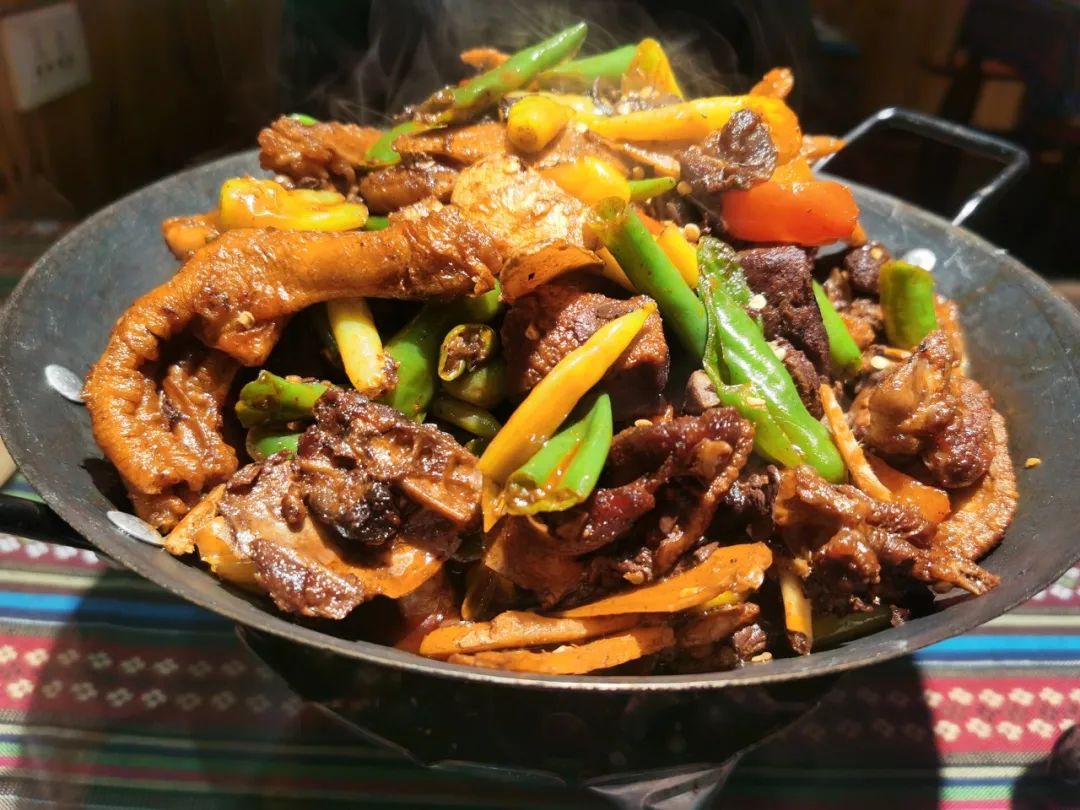
A special dish from Zhijiang, Huaihua. Made with local ma duck and seasoned with Zhijiang grass and spices, tender and spicy.
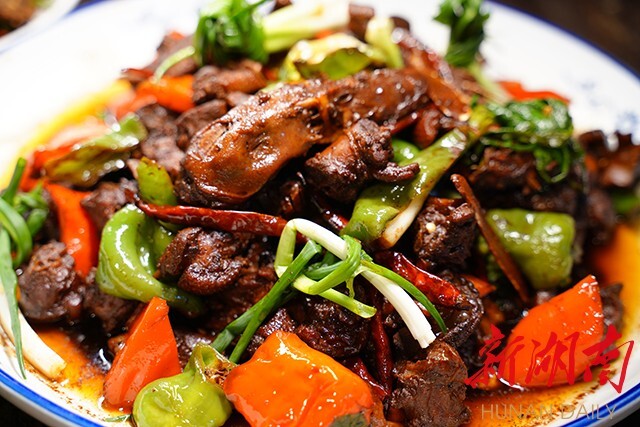
A traditional dish from Hongjiang Ancient Commercial City. Duck blood and glutinous rice are made into blood cake, then stir-fried with duck meat. Bright red color, crispy outside and tender inside.
The Xiang-Qian Railway (Zhuzhou to Guiyang) was completed, making Huaihua an important railway hub and driving rapid urban development.
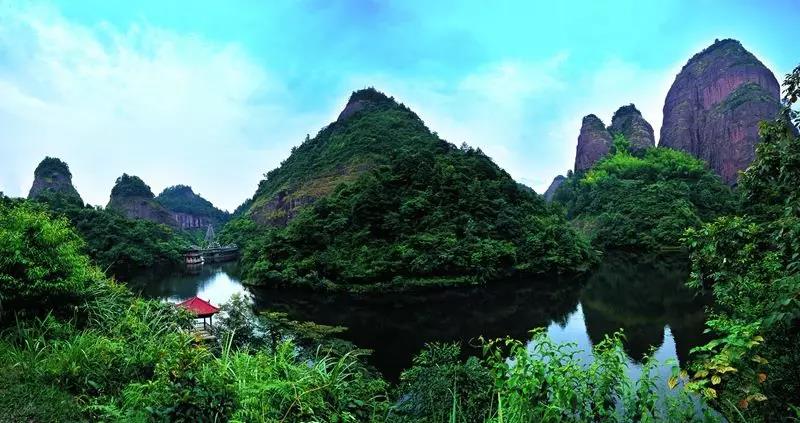
National 4A-level scenic spot, typical Danxia landform with unique mountain shapes resembling thousands of Buddhas worshipping. Dense forest, known as 'natural oxygen bar'.
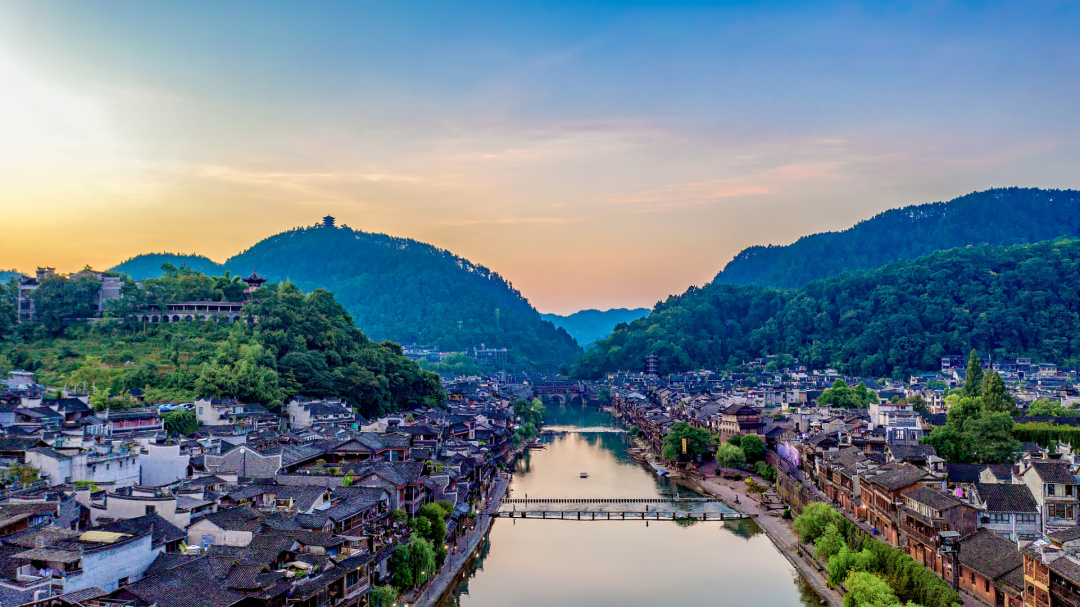
National 4A-level scenic spot, older than Lijiang Ancient City, with over 2200 years of history. Preserves ancient buildings like Furong Tower, where poet Wang Changling wrote 'a heart of ice in a jade pot'.
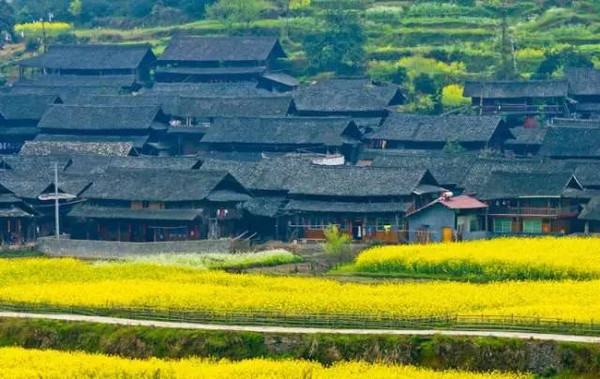
National 3A-level scenic spot, a well-preserved Ming and Qing ancient residential village. The layout resembles a grand chair, hence the name Gaoyi. Rich in cultural heritage.
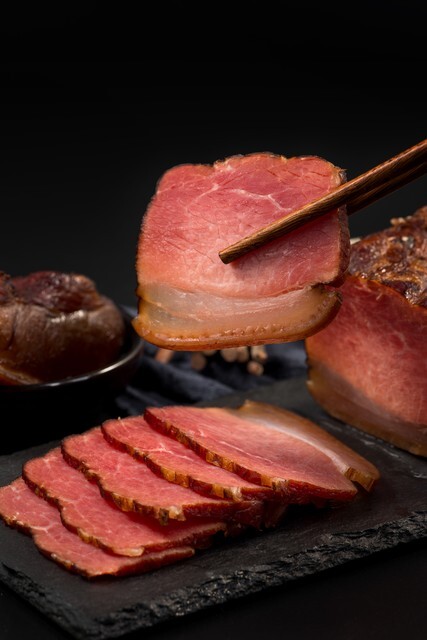
A traditional Dong ethnic dish. Pork is cured, air-dried, then sealed in jars for fermentation. Sour and fragrant, can be eaten raw or fried.
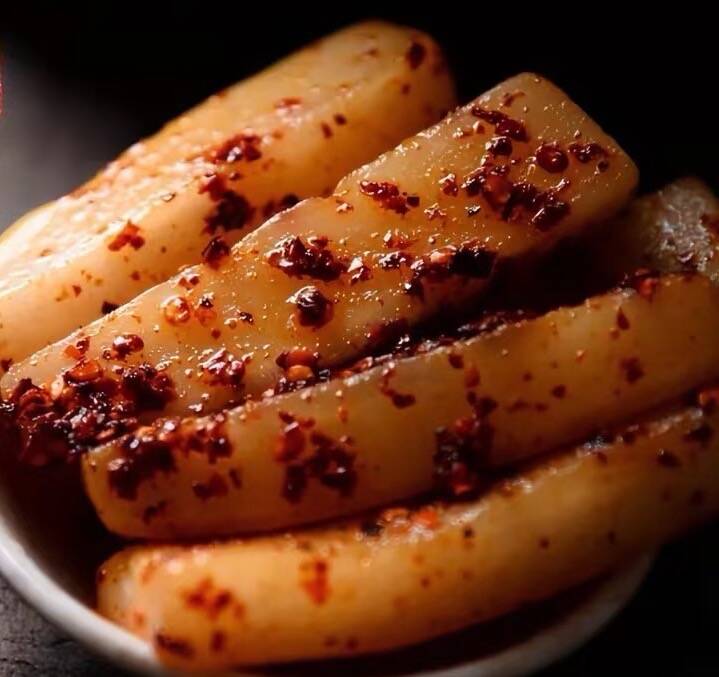
A specialty of Chenxi County, Huaihua. Local radish is pickled to be sour and crispy, appetizing and refreshing, often served as a snack or side dish.
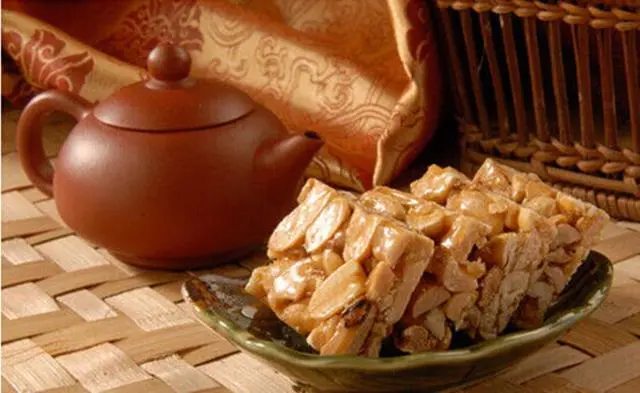
A traditional snack of Yuanling County, Huaihua. Made with sesame and maltose, crispy layers, sweet but not greasy, with a long history.