
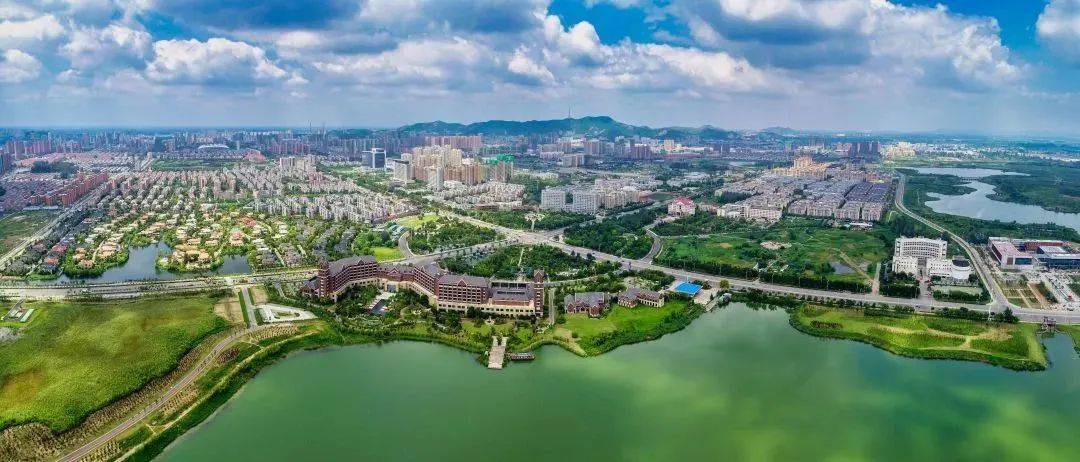
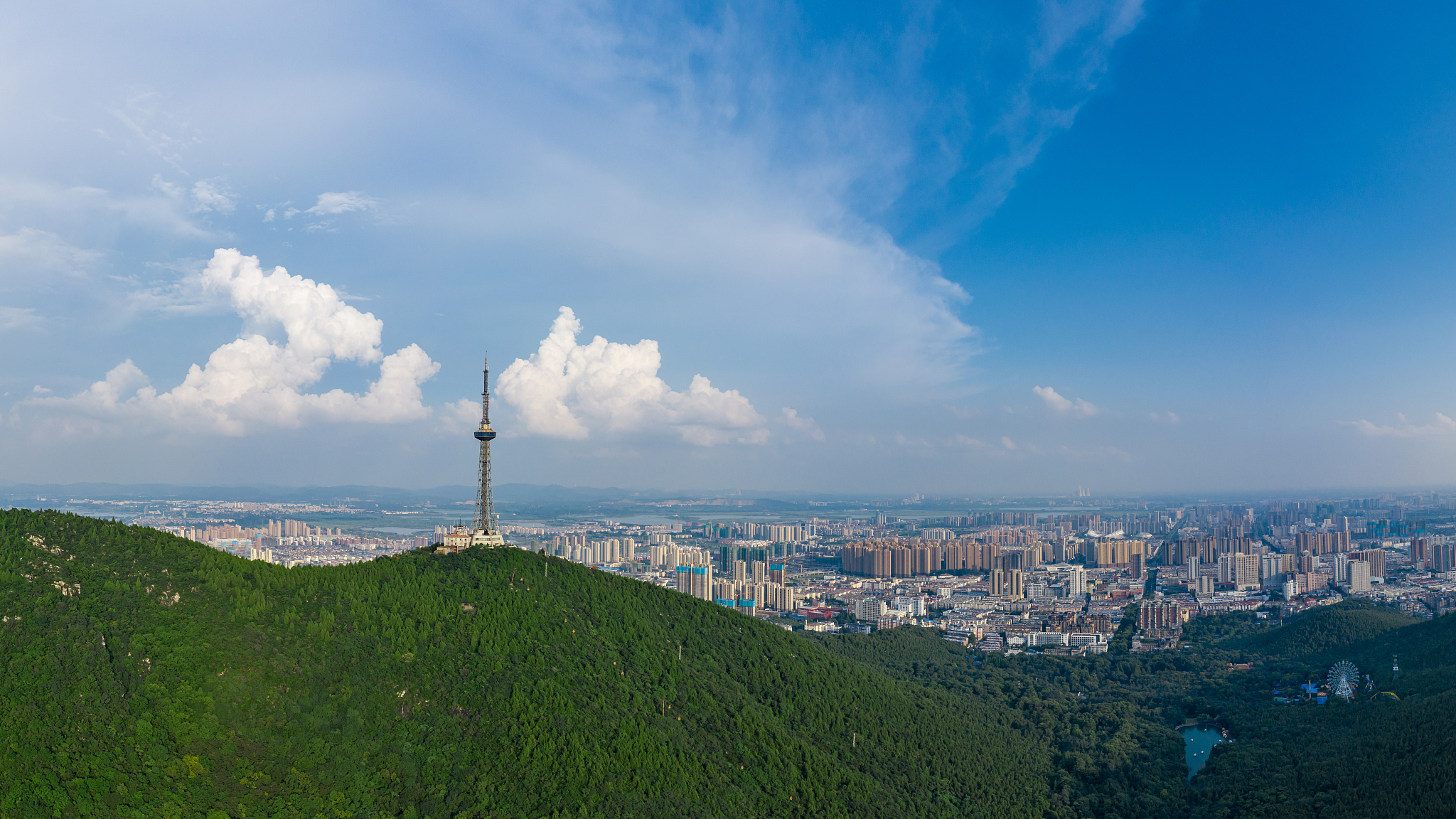
Huaibei is located in the northern part of Anhui Province, at the junction of Jiangsu, Shandong, Henan, and Anhui. It has a warm temperate semi-humid monsoon climate with four distinct seasons and an average annual temperature of 14.5°C. The terrain is mostly plains, with some low mountains and hills, including natural landscapes like Xiangshan and Longjishan.
Huaibei has a long history, dating back over 4,000 years. During the Spring and Autumn period, it was part of the Song State, and in the Qin Dynasty, Xiang County was established here. The Tongji Canal section of the Sui-Tang Grand Canal passed through this area, leaving precious heritage such as the Liuzi Canal Dock Ruins. In modern times, it rose due to coal mining and became an important energy base in East China.
Huaibei's culture blends Central Plains and Jianghuai characteristics, with rich intangible cultural heritage such as Huaibei Bangzi Opera and Huaibei Dagu. The local cuisine features noodles and freshwater delicacies, with unique flavors like Nanping Xiangdu, Huaibei Tangmian, and Suixi Mutton Soup.
In recent years, Huaibei has vigorously promoted the transformation of its resource-based city, developing green industries and tourism. Ecological scenic spots like Nanhu Wetland Park have been built. The city has taken on a new look and has been awarded titles such as National Civilized City and National Forest City.
The best time to visit 淮北 is Best in spring and autumn with pleasant weather.
Spring (March-May): The weather warms up, flowers bloom, ideal for outings and flower viewing. Recommended: Xiangshan Park, Nanhu Wetland Park.
Autumn (September-November): Clear and crisp weather, colorful autumn scenery, suitable for mountain climbing. The red leaves at Longjishan are especially spectacular.
Summer (June-August) is hot, winter (December-February) is cold and dry, but you can experience hot springs and winter folk activities.
During the Spring and Autumn period, Duke Gong of Song moved the capital to Xiang, making the present-day Xiangshan area the political center of the Song State.
Emperor Yang of Sui built the Grand Canal; the Tongji Canal passed through Huaibei, making Liuzi Town an important water transport dock.
Due to coal resource development, Suixi City was established, renamed Huaibei in 1971, becoming an emerging energy city.
Recommended places to visit

National 4A scenic spot, landmark of Huaibei, famous for ancient sites like Xiangshan Temple and Xiantong Temple, and natural scenery.
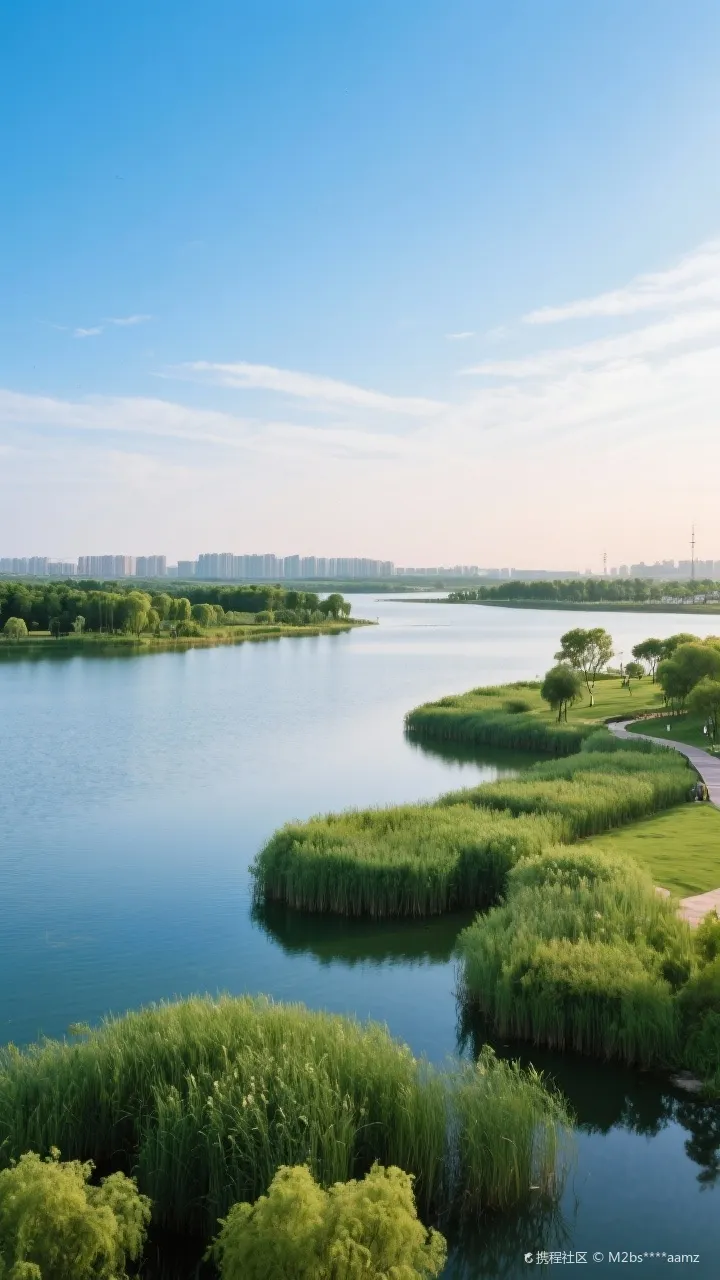
National urban wetland park transformed from a coal mining subsidence area, with beautiful lake and mountain scenery.
UNESCO World Heritage Sites
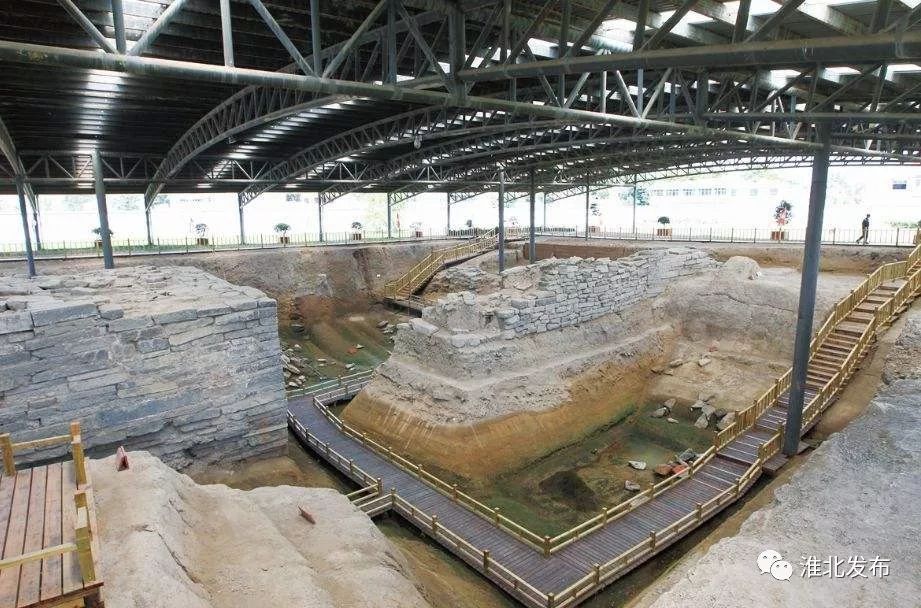
The Liuzi Canal Wharf Site is an important component of the China Grand Canal World Heritage, showcasing canal hydraulic engineering from the Sui-Tang to Song dynasties.
Explore rich intangible cultural heritage and traditional crafts

National intangible cultural heritage, blending Henan Bangzi and Anhui local tunes, with high-pitched and passionate singing.
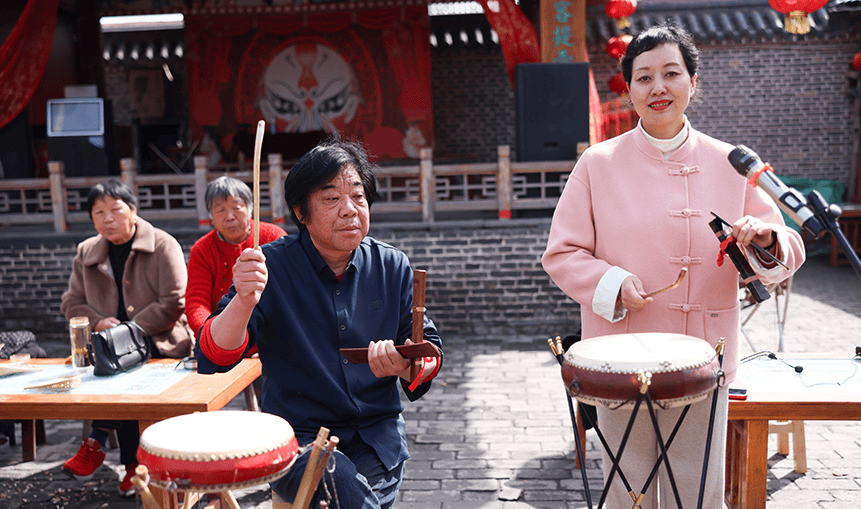
Provincial intangible cultural heritage, a storytelling art accompanied by drum and clappers, narrating historical stories and folk tales.
Must-know transportation for exploring the city
Huaibei Station and Huaibei North Station, connecting to major cities like Beijing, Shanghai, Hefei, with multiple trains daily.
About 100 CNY to Hefei
Huaibei has no airport. Fly to Xuzhou Guanyin Airport (about 1 hour drive) or Hefei Xinqiao Airport (about 2.5 hours drive), then transfer by high-speed rail or bus.
Airport bus to Xuzhou about 50 CNY
City bus routes cover major attractions and business districts, fare 1-2 CNY, supports mobile payment.
1-2 CNY
Taste the most authentic and popular local specialties
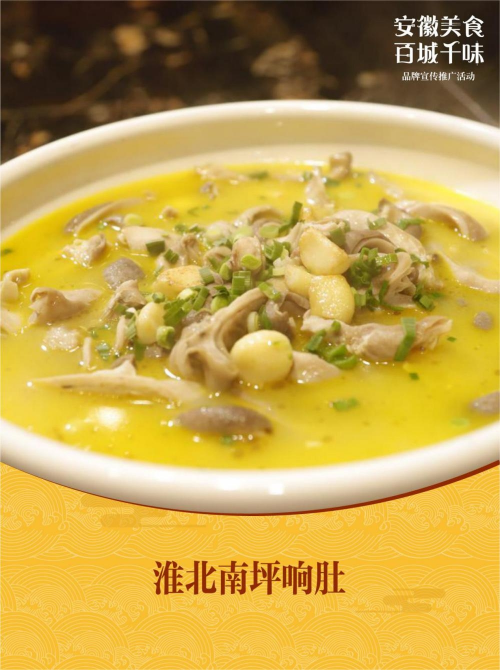
A Huaibei specialty, pork tripe specially processed to be crispy and tender, making a sound when chewed, hence the name.
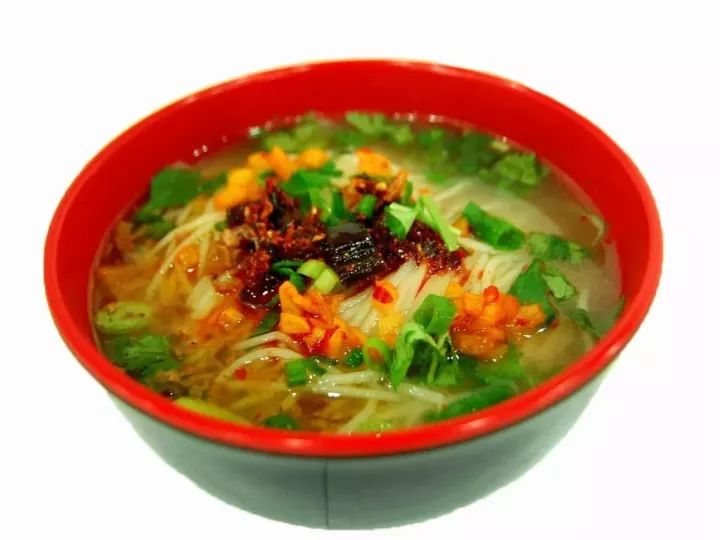
Local breakfast favorite, noodles scalded in boiling water, served with special broth and chili oil, smooth texture.
Natural scenic area with winding ridges like a dragon's back, fiery red leaves in autumn, and attractions like Longyin Lake.
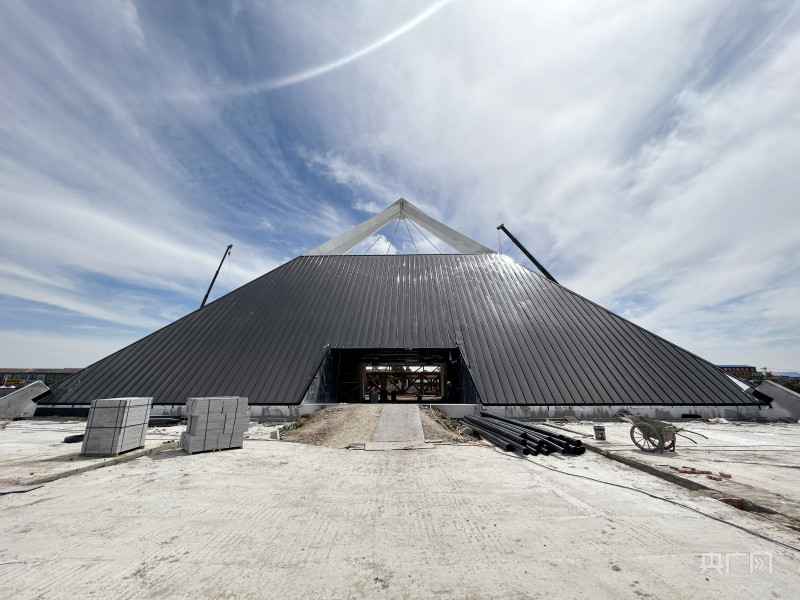
Important site of the World Heritage China Grand Canal, with precious relics such as a Song Dynasty stone dock.
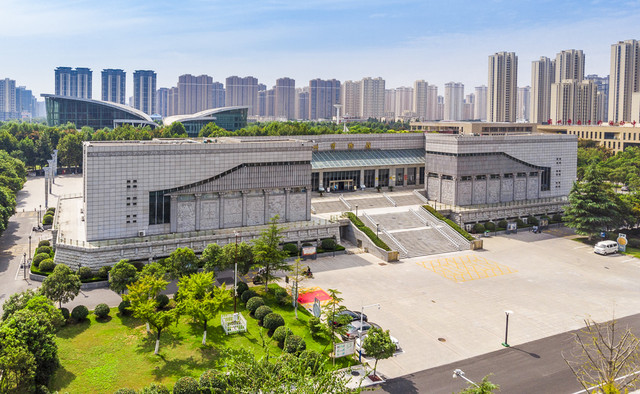
Showcases Huaibei's history and coal city culture, with rich collections including Han dynasty stone reliefs and canal relics.
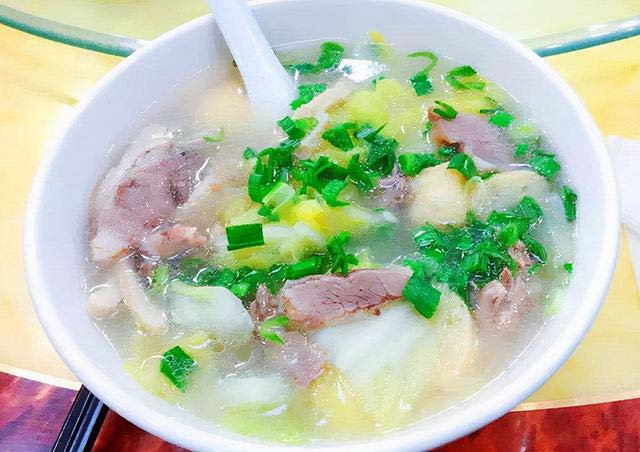
Made with local goat, the soup is milky white and delicious, the meat tender without gamey taste, best enjoyed with sesame flatbread.
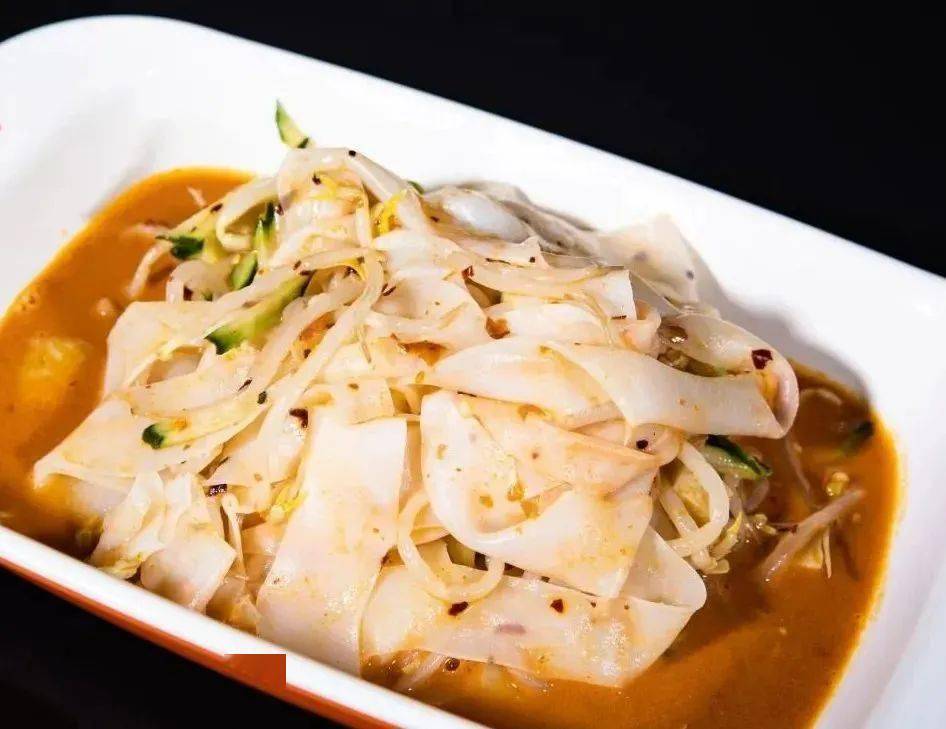
Similar to cold skin noodles, but thinner and chewier, mixed with cucumber shreds, gluten, and chili oil, sour and spicy.
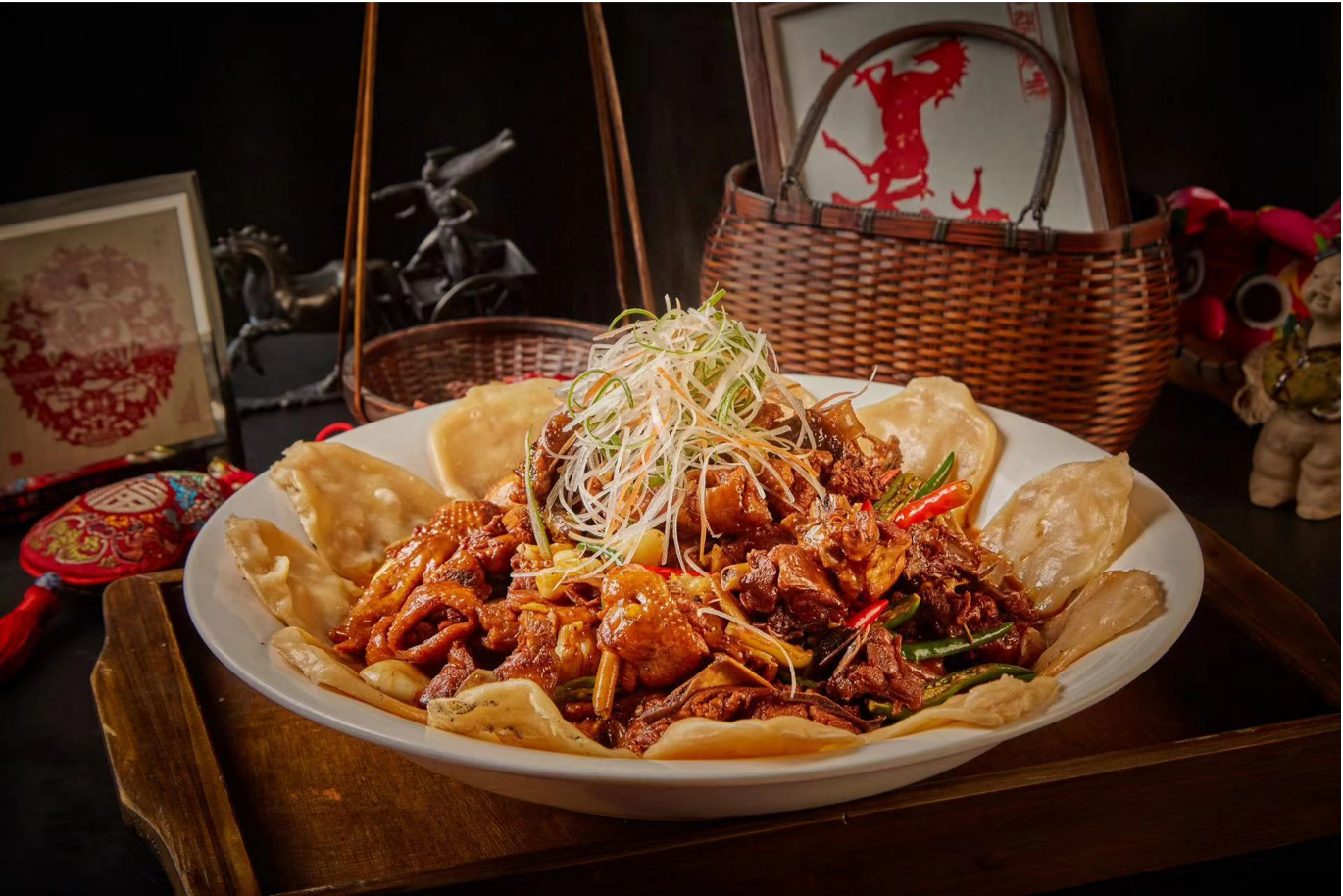
A famous dish from northern Anhui, chicken stewed in an iron pot with pancakes stuck on the pot edge; the chicken is tender and the pancakes absorb the rich broth.