
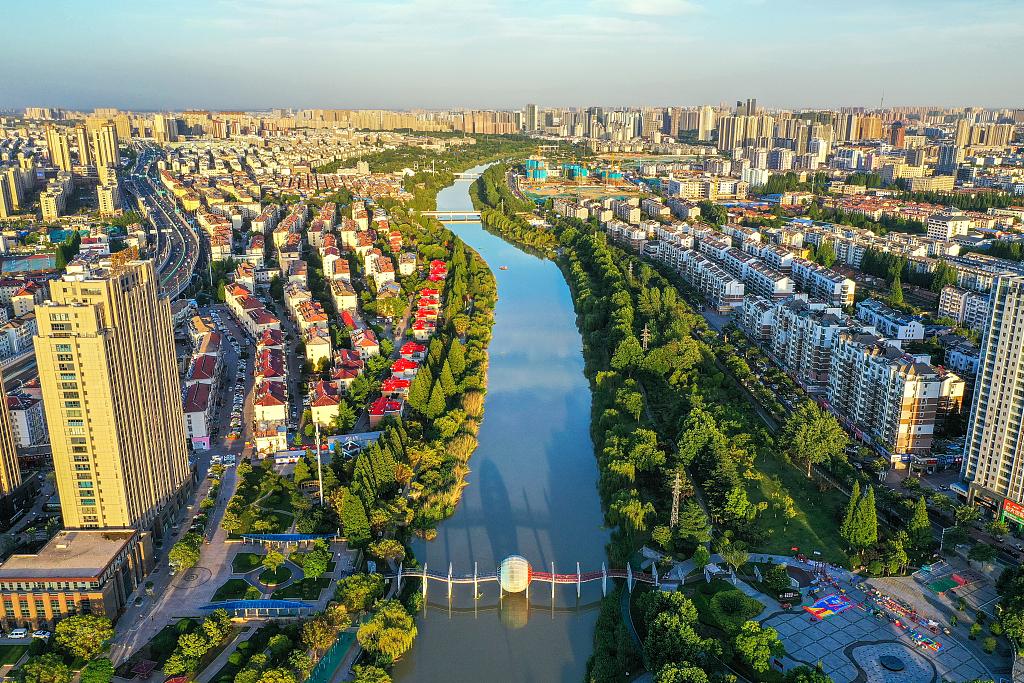
Huai'an is located in the north-central part of Jiangsu Province, at the confluence of the Huai River and the Beijing-Hangzhou Grand Canal. It has a northern subtropical monsoon climate with four distinct seasons and abundant rainfall.
Huai'an has a long history. During the Ming and Qing dynasties, it served as the seat of the Grain Transport Superintendency, earning it the title 'Capital of Canals.' It is also the hometown of Premier Zhou Enlai, with a wealth of historical relics.
Huai'an is a key birthplace of Huaiyang cuisine, known for its light and delicious flavors. Signature dishes include soft-pouched eel and Pingqiao tofu. The city also preserves rich folk culture, such as Huai opera and Shifan gongs and drums.
Today, Huai'an is an important central city in the northern Yangtze River Delta, with rapid economic development and a national-level economic and technological development zone. It also focuses on ecological protection and is known as 'Green Huai'an.'
The best time to visit 淮安 is Best in spring and autumn.
Spring (March to May) offers pleasant temperatures and blooming flowers, making it the best time to visit Huai'an.
Autumn (September to November) features clear skies and pleasant scenery, ideal for outdoor activities and food tasting.
Summer is hot and rainy, while winter is damp and cold, but each season has its charm, such as lotus flowers in summer and hot springs in winter.
King Fuchai of Wu dug the Han Gou Canal, connecting the Yangtze and Huai rivers, making Huai'an a transportation hub.
The Ming Dynasty established the Grain Transport Supervisor's office in Huai'an, and Qingjiangpu became a major commercial port along the canal.
Zhou Enlai was born in Huai'an and later became the first Premier of New China, making his hometown famous.
Recommended places to visit
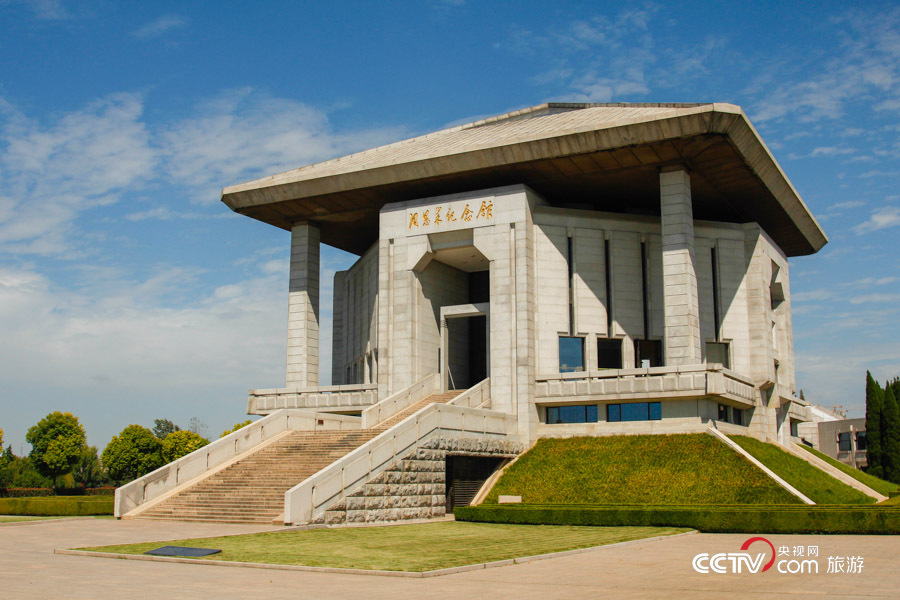
Located at Taohuayin in Huai'an District, built in memory of Premier Zhou Enlai, with a large collection of cultural relics and historical materials.
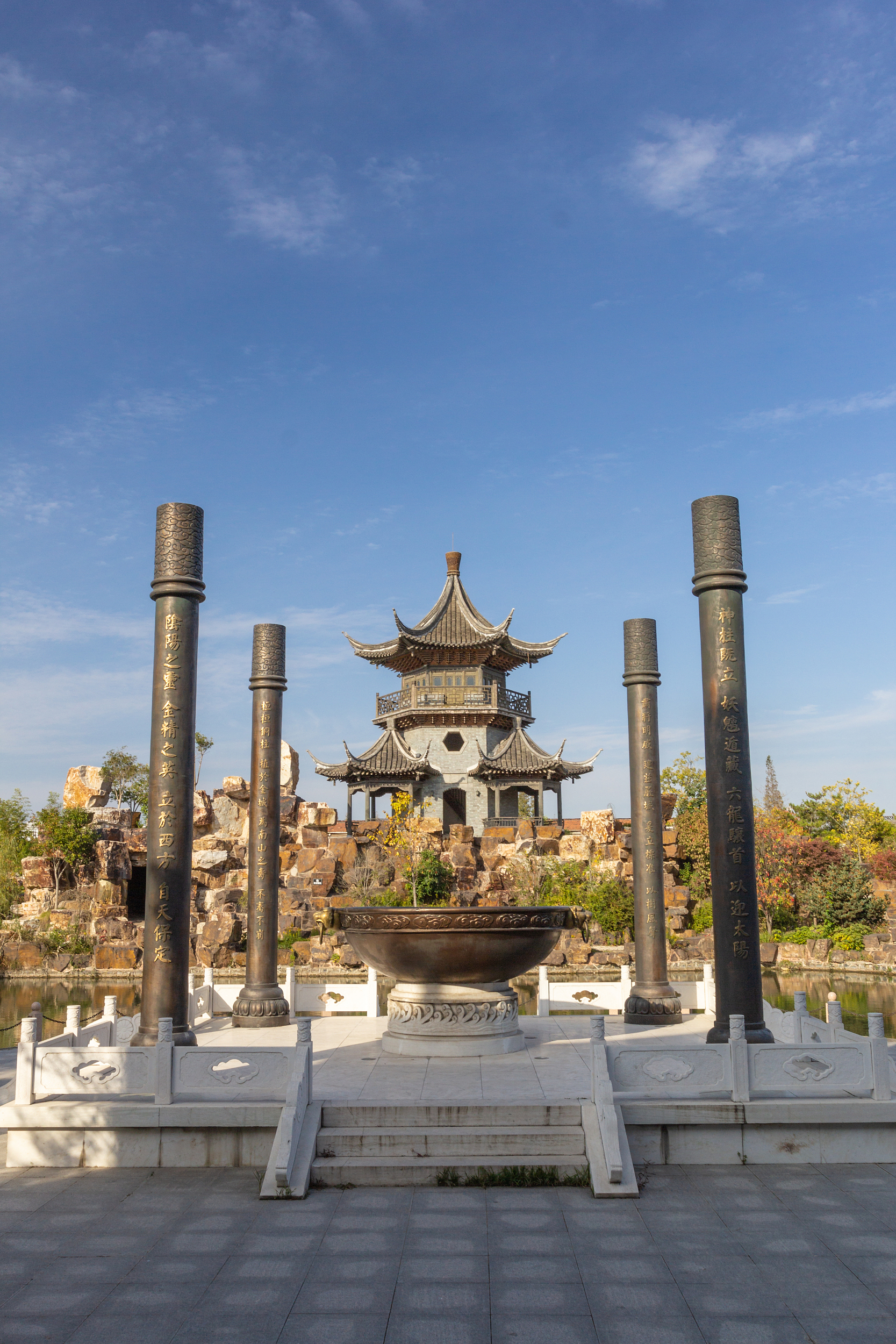
The largest existing ancient prefectural government office complex in China, first built in the Ming Dynasty.
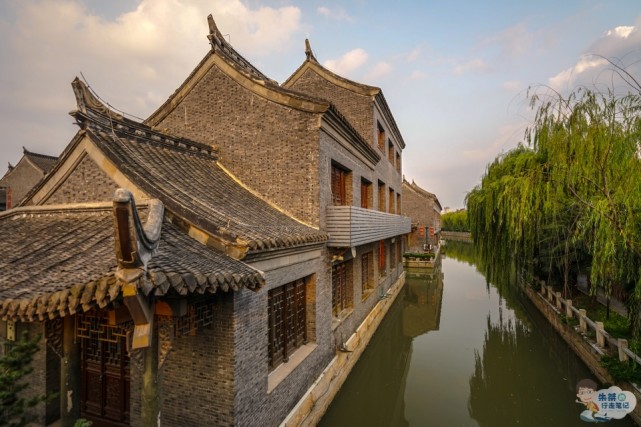
UNESCO World Heritage Sites
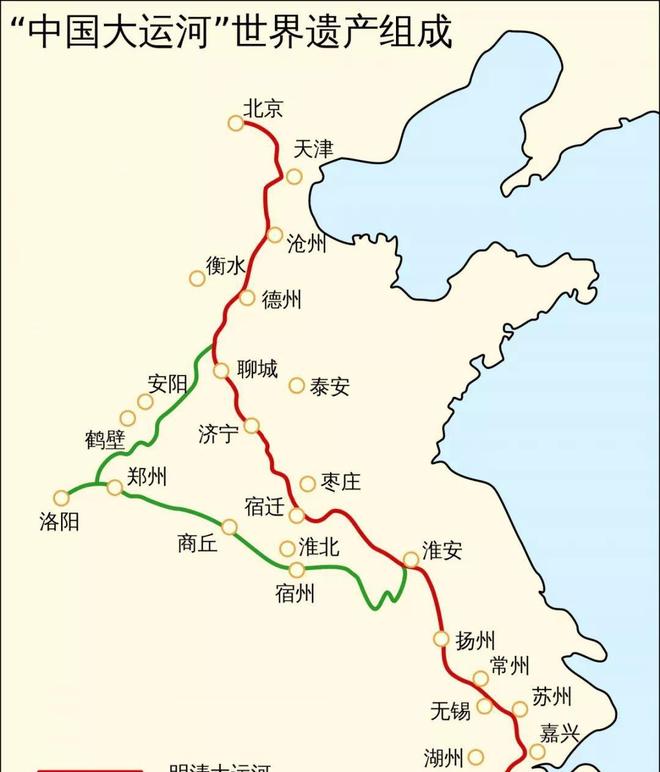
Huai'an is an important node of the Beijing-Hangzhou Grand Canal, with heritage sites such as Qingkou Hub and Hongze Lake Embankment.
Explore rich intangible cultural heritage and traditional crafts
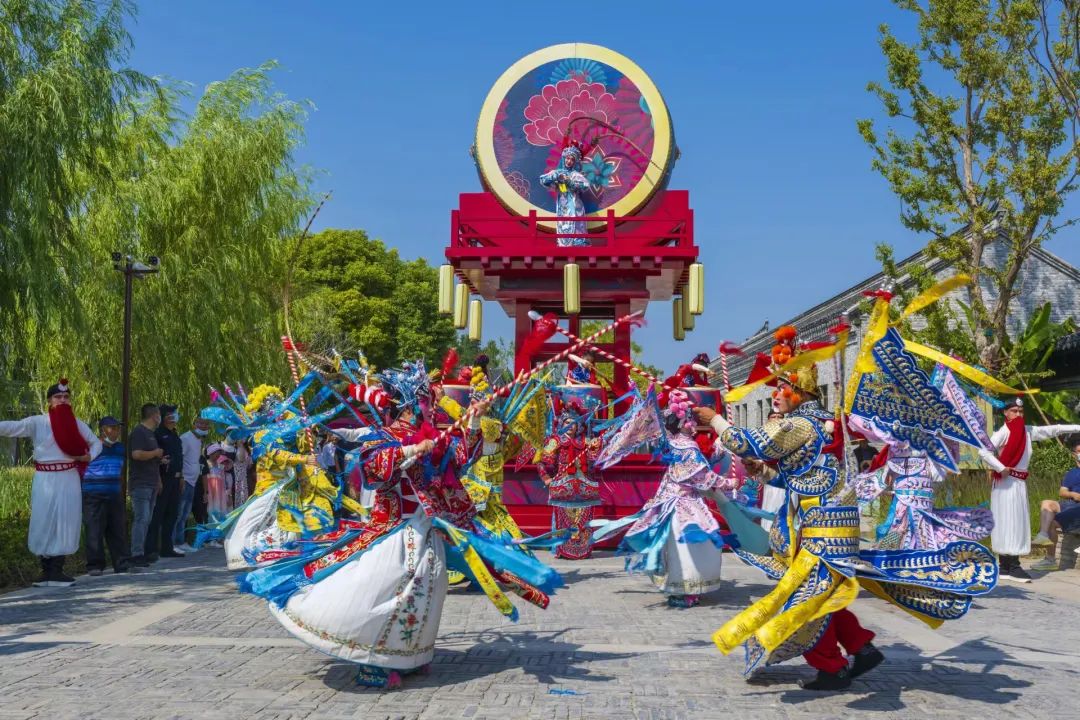
A local opera of Jiangsu Province, originating from Huai'an, with beautiful melodies and local characteristics.
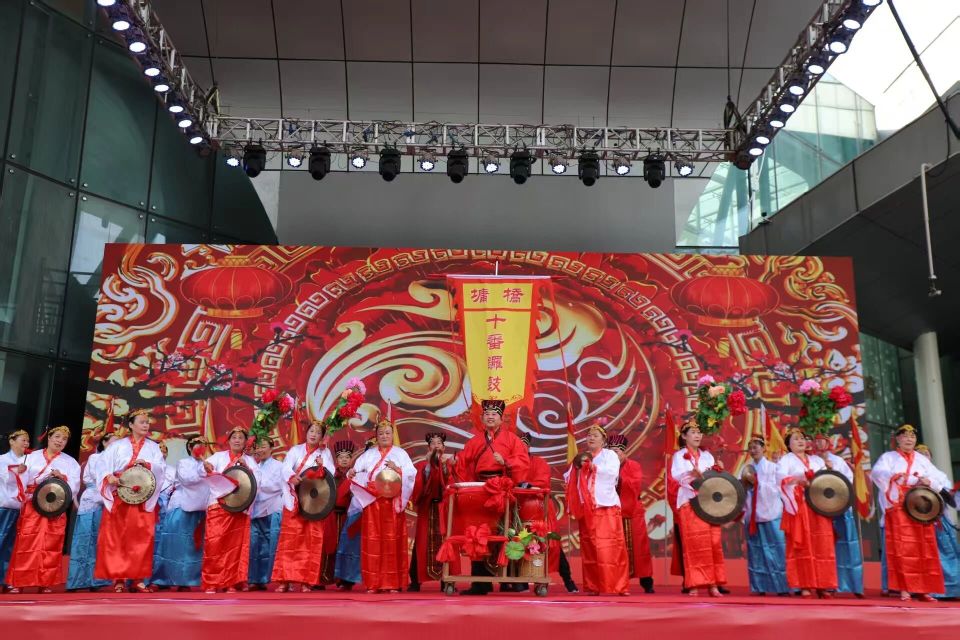
A form of folk instrumental ensemble in Huai'an, lively and cheerful, often used in festivals.
Must-know transportation for exploring the city
About 30 km from the city center, with flights to major domestic cities like Beijing, Shanghai, and Guangzhou.
Varies by route
Connected to Beijing-Shanghai and Xuzhou-Yancheng high-speed railways, direct to Nanjing, Shanghai, Beijing, etc.
Second class approx. 50-200 RMB
Covers major attractions and urban areas, fare 2 RMB, supports mobile payment.
2 RMB
Taste the most authentic and popular local specialties
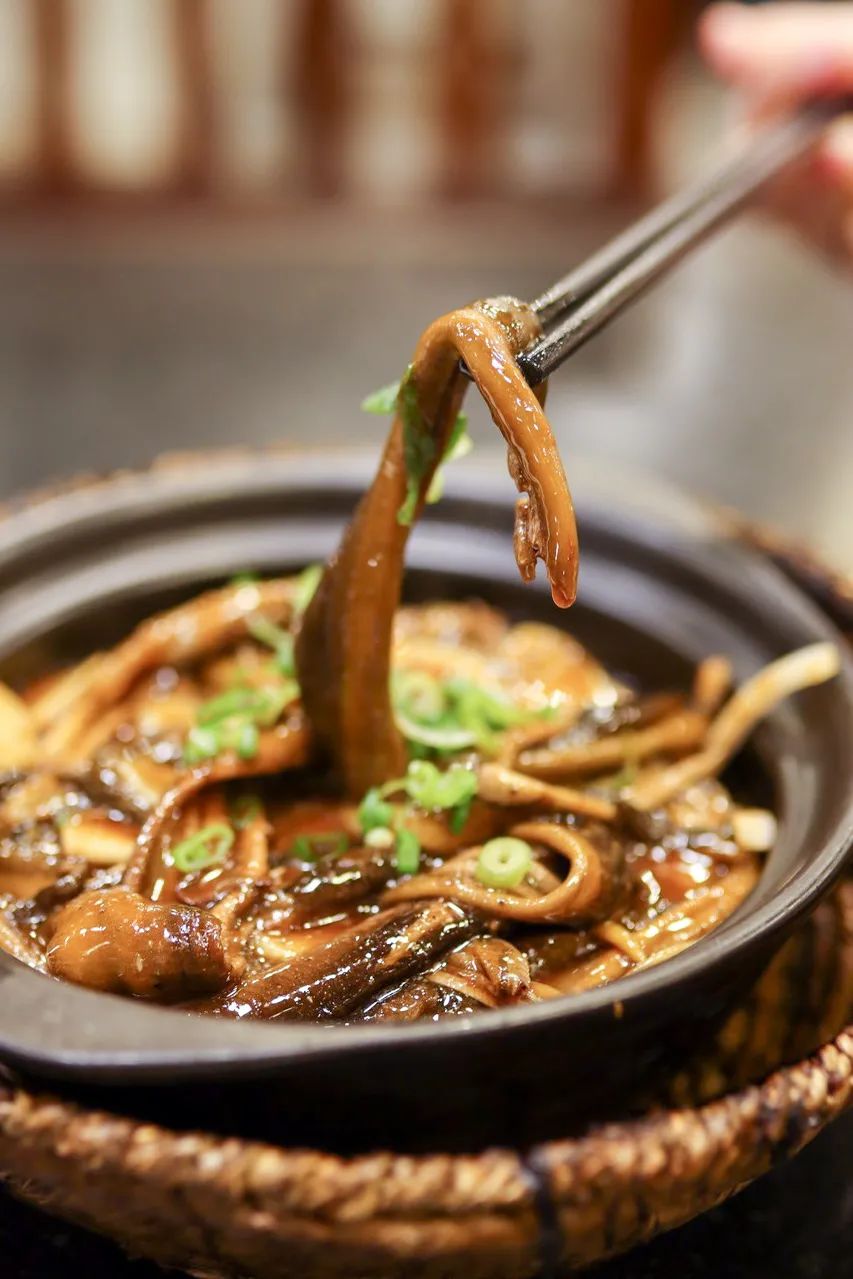
A famous Huaiyang dish made from the back meat of eel, smooth and tender with delicious flavor.
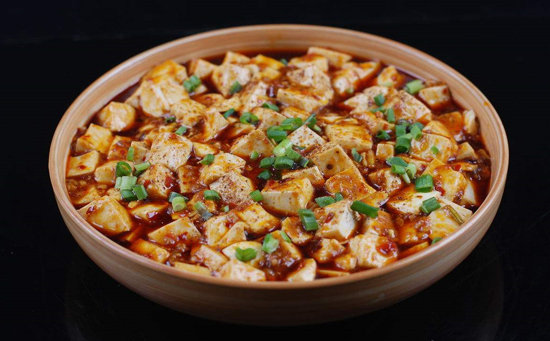
A traditional Huai'an dish, tofu is tender and the soup is delicious, said to have been praised by Emperor Qianlong.
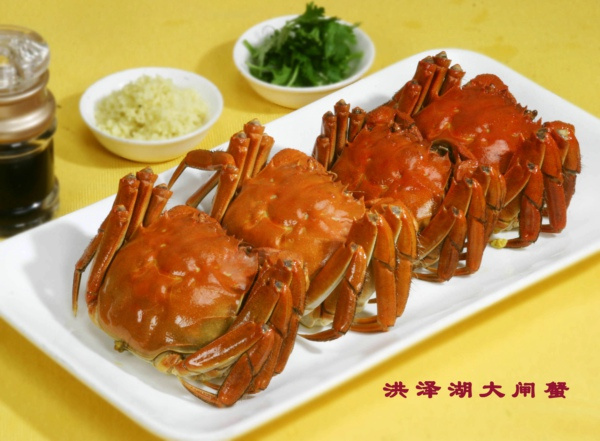
A thousand-year-old ancient town, bustling with merchants in Ming and Qing dynasties, preserving many ancient buildings and stone streets.
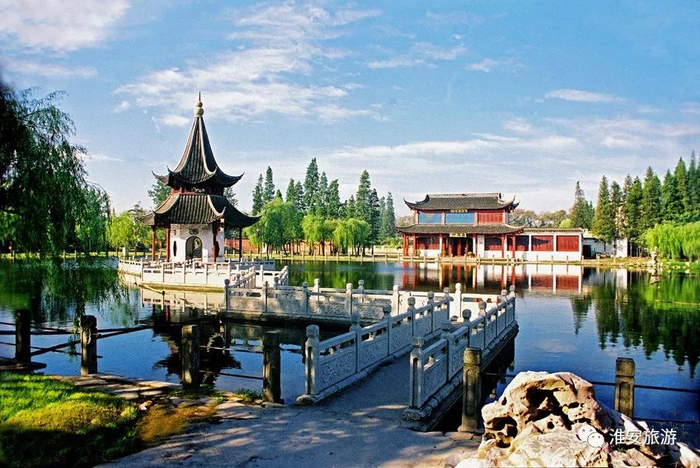
The only well-preserved government office garden in China's grain transport history, known as 'the first garden in Jianghuai'.
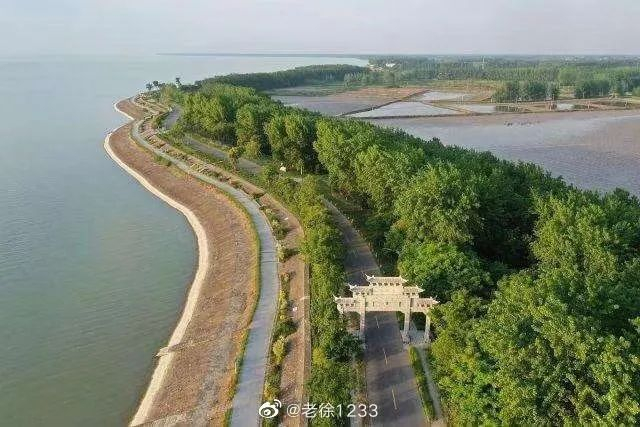
An important node of the Grand Canal World Heritage site, featuring a thousand-year-old embankment and lake scenery.
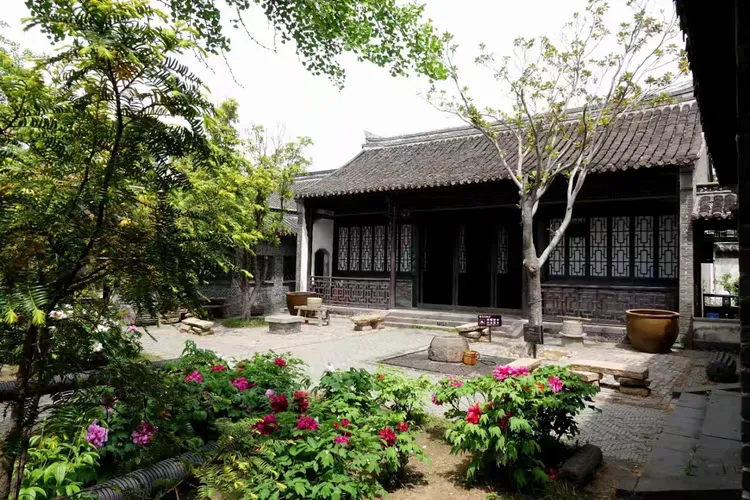
The former residence of Wu Cheng'en, author of 'Journey to the West', located in Hexia Ancient Town, displaying his life and works.
Produced in Hongze Lake, with rich roe and sweet meat, best in autumn.
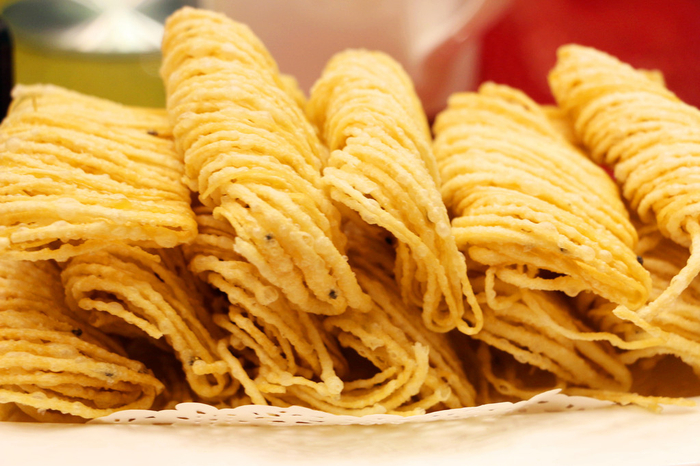
A fried dough snack, thin as gold thread, crispy and delicious, often served as tea snack.
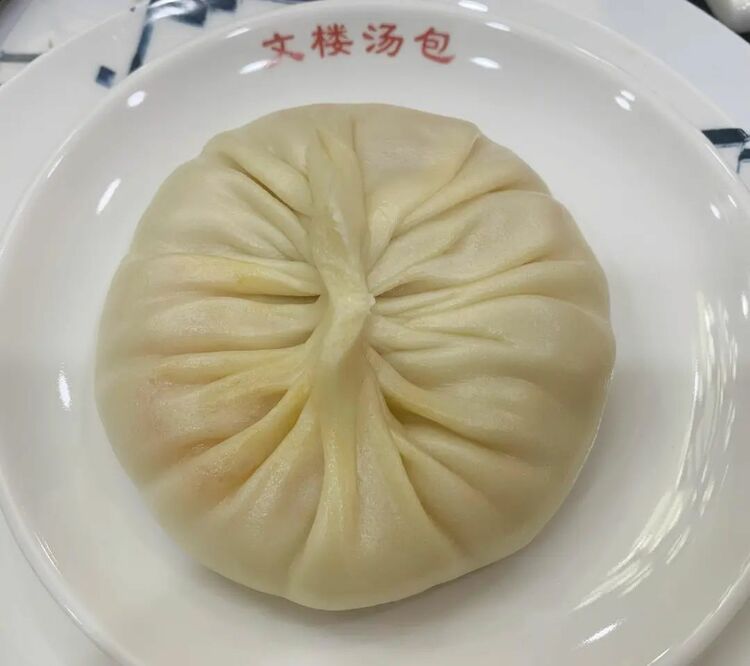
A famous Huai'an snack, thin skin with large filling and rich soup, be careful not to burn your mouth.
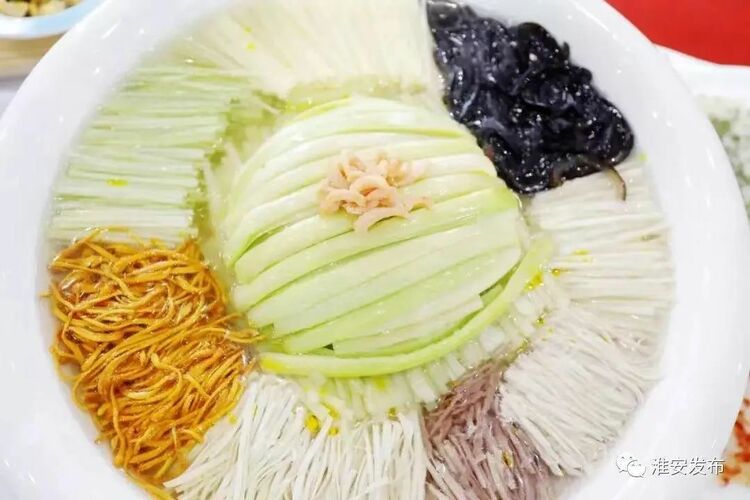
The tender stem of the aquatic plant cattail, fragrant and refreshing, can be stir-fried or stewed, a specialty vegetable of Huai'an.