
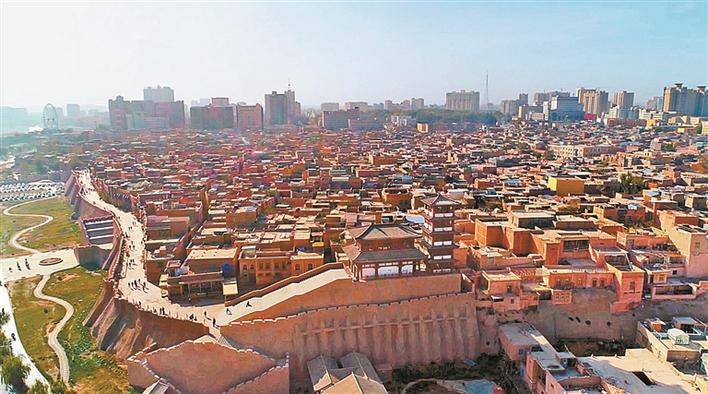
Hotan is located in the southern part of Xinjiang Uyghur Autonomous Region, on the southern edge of the Taklamakan Desert and at the northern foot of the Kunlun Mountains. It has a warm temperate extreme arid desert climate, with an average annual precipitation of only 35 mm, abundant sunshine, and large temperature differences between day and night.
Hotan, historically known as Yutian, was an important town on the southern route of the Silk Road and one of the 36 states of the Western Regions since the Han Dynasty. It was renowned for its flourishing Buddhist culture, and the Tang Dynasty monk Xuanzang passed through here.
Hotan is a Uyghur聚居区 with a unique culture, famous worldwide for Hotan jade. Local delicacies include baked buns, pilaf, laghman, and fruits like Hotan jujubes and grapes are renowned nationwide.
Today, Hotan relies on the jade industry and specialty agriculture to develop tourism. With improved transportation, including an airport and railway connections to inland China, it has become an important tourist destination in southern Xinjiang.
The best time to visit 和田 is Spring and Autumn (April-May, September-October).
Spring (April-May) has pleasant temperatures, with apricot and peach blossoms in full bloom, ideal for flower viewing and experiencing oasis life.
Autumn (September-October) is cool, with ripe fruits, allowing visitors to enjoy fresh produce, and less dust.
Summer is hot and dry, winter is cold, but winter offers unique desert snow scenery.
The Western Han established the Western Regions Protectorate, and Yutian (Hotan) was officially incorporated into Chinese territory.
The Tang monk Xuanzang, on his return from India, stayed in Yutian to preach and was warmly welcomed.
The Qing Dynasty established Hotan Directly Administered Prefecture, strengthening governance over the region.
Recommended places to visit

Famous for Hotan jade, visitors can try picking jade stones.
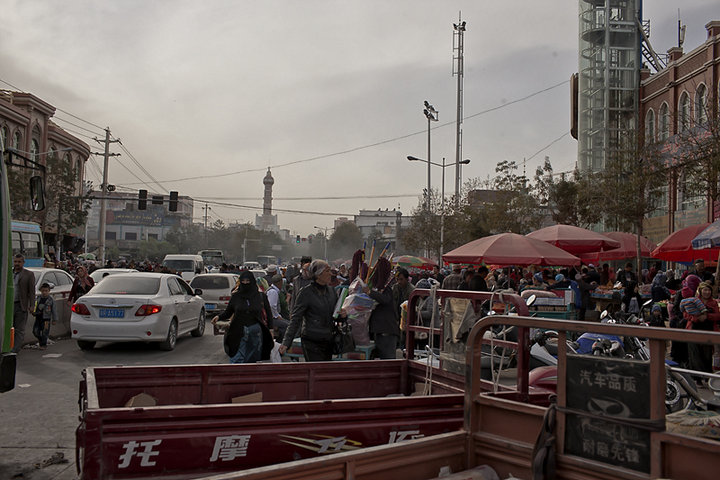
One of the largest bazaars in southern Xinjiang, selling jade, dried fruits, and handicrafts.
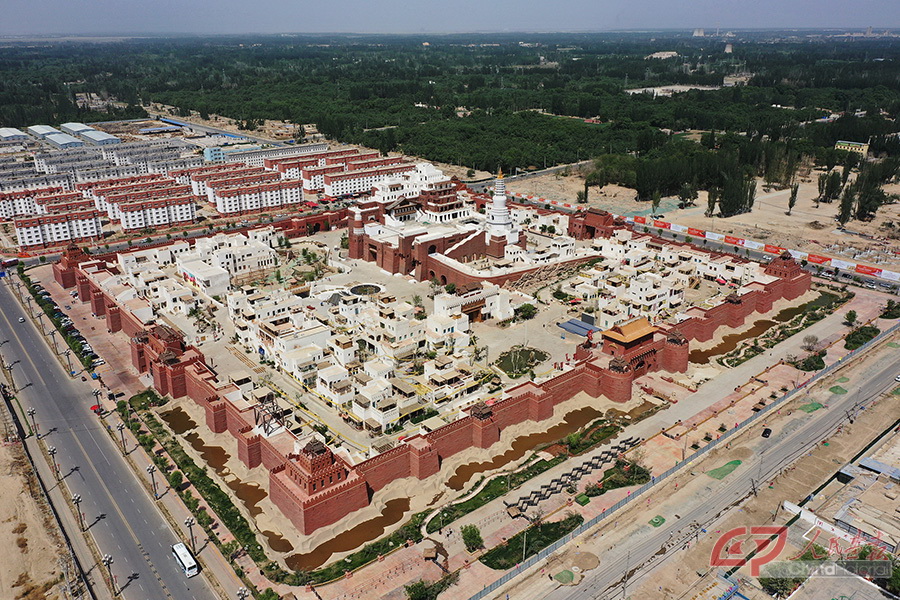
UNESCO World Heritage Sites
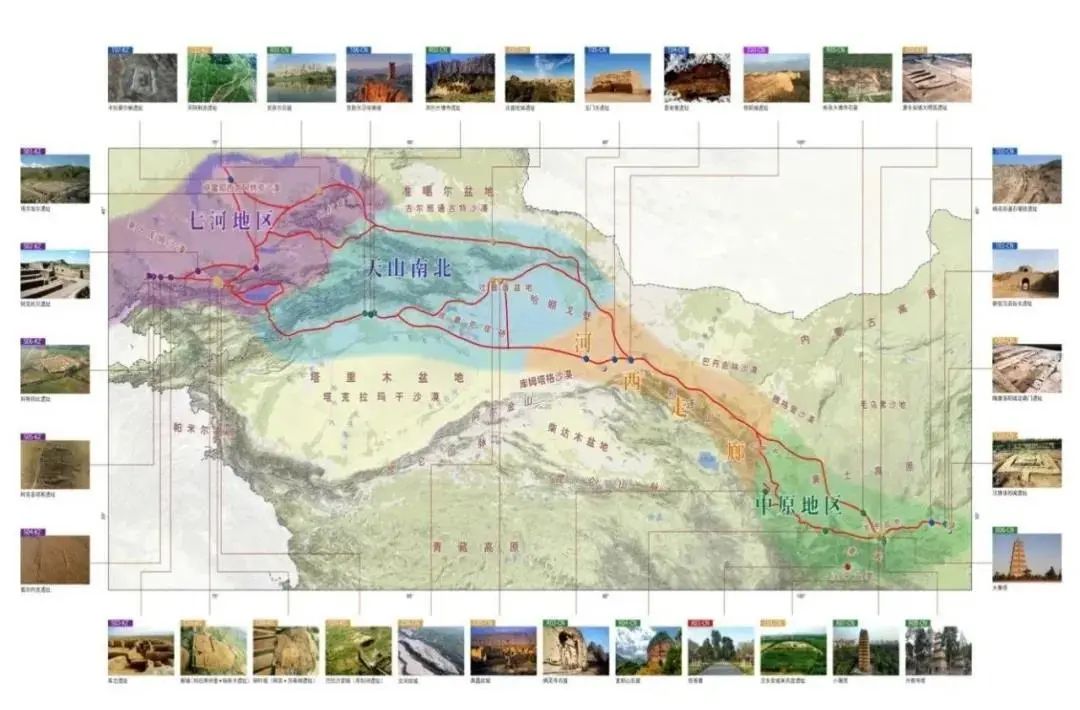
Hotan is an important node on the southern Silk Road, with heritage sites including Yotkan Site.
Explore rich intangible cultural heritage and traditional crafts

Hotan is an important center for Uygur Muqam, integrating song, dance, and instrumental music.
Must-know transportation for exploring the city
Flights to Urumqi, Beijing, Chengdu, etc.
Economy class approx. 500-1500 RMB
Connects to Kashgar, Urumqi, etc., with K-series trains.
Hard seat approx. 100-300 RMB
Multiple routes covering main attractions and commercial areas.
1 RMB
Taste the most authentic and popular local specialties
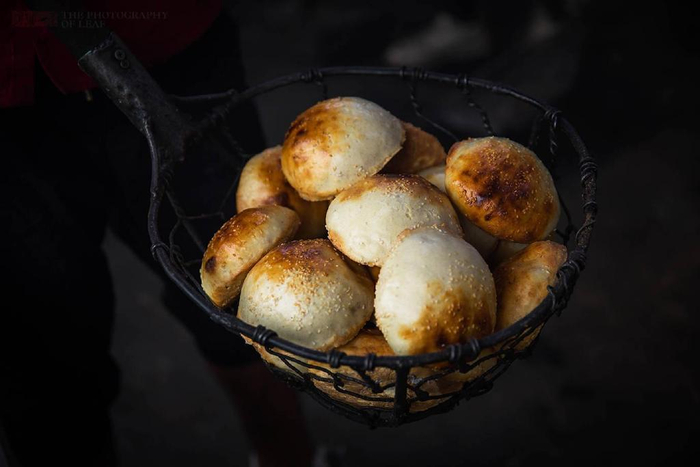
Crispy crust filled with lamb and onion, aromatic.
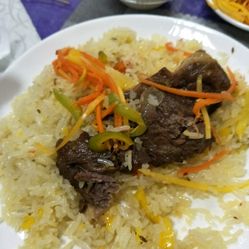
Rice cooked with lamb, carrots, and raisins, oily and delicious.
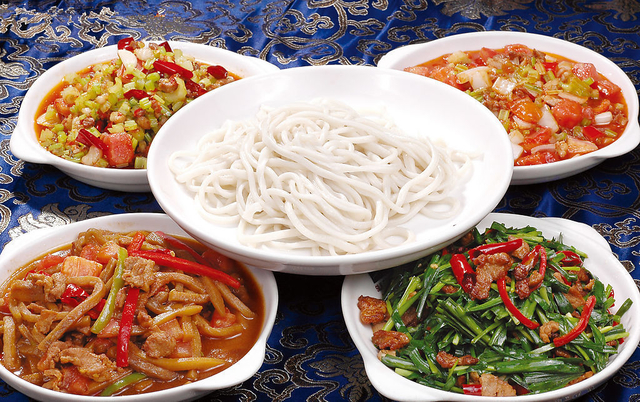
Hand-pulled noodles served with beef or lamb and vegetable sauce.
Ancient capital of the Kingdom of Yutian, with many Buddhist relics unearthed.
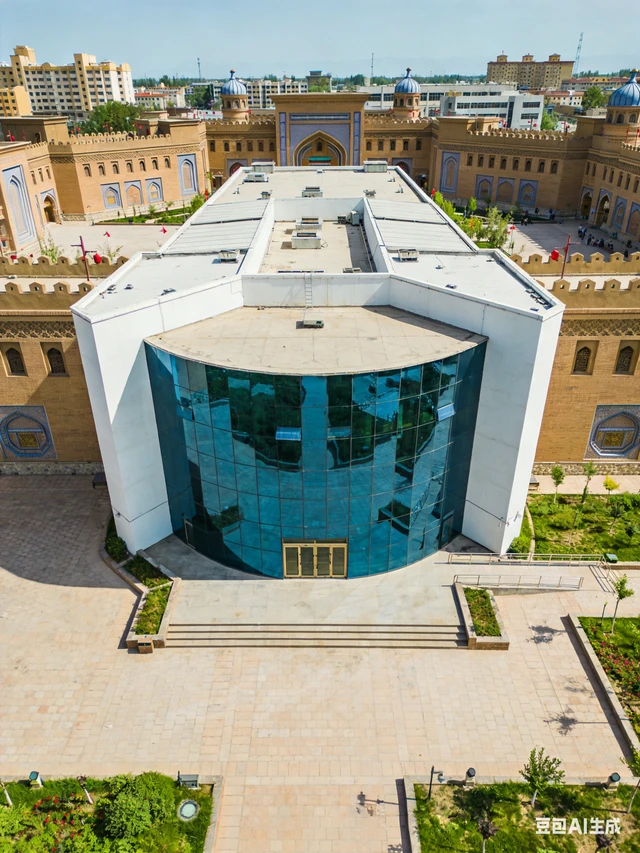
Exhibits Hotan's history, jade culture, and Silk Road artifacts.
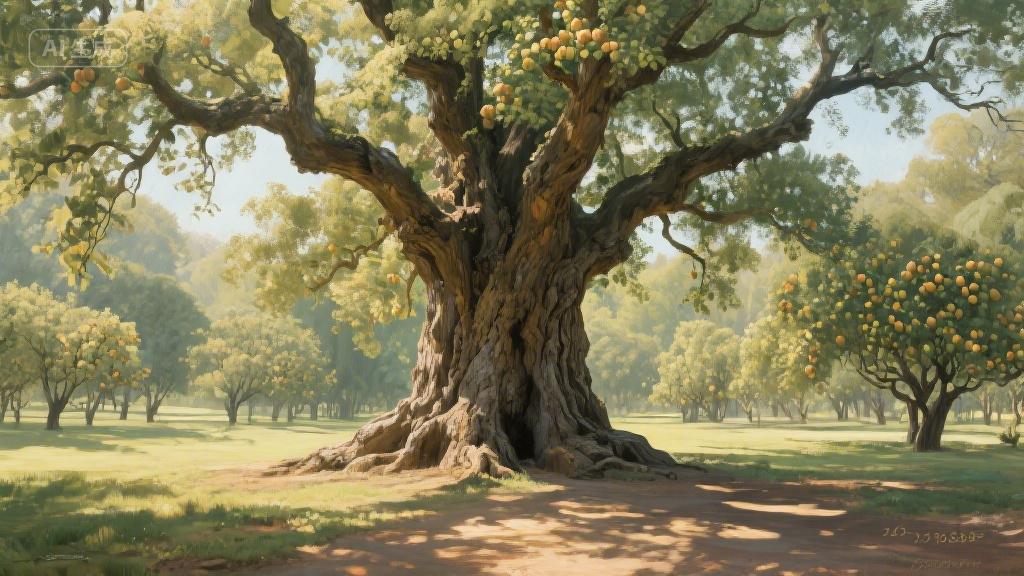
A walnut tree over a thousand years old, 16 meters tall, requiring several people to encircle.

Large, thick-fleshed, sweet as honey, one of the best red dates in China.
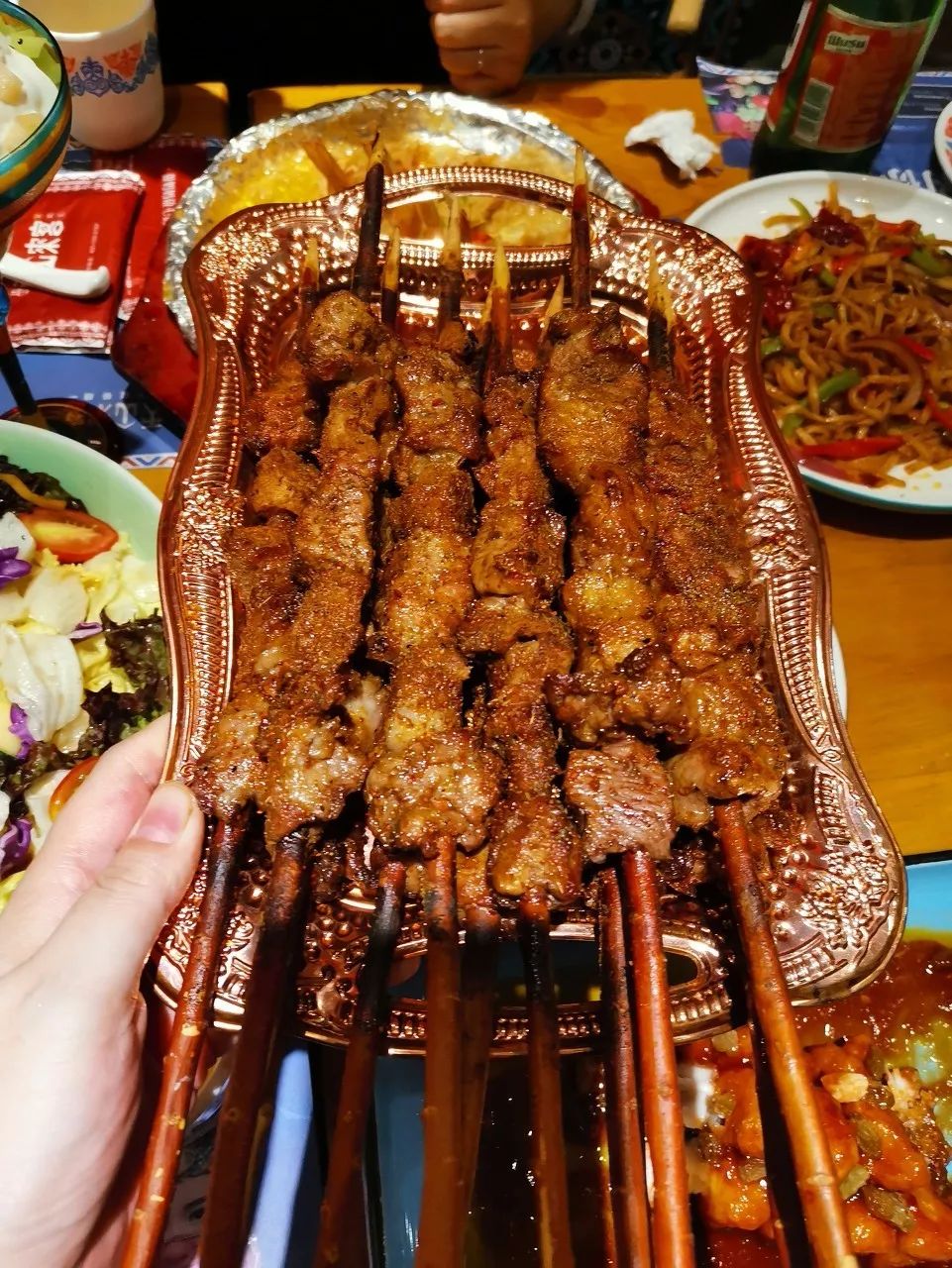
Charcoal-grilled lamb skewers with cumin and chili powder, crispy outside and tender inside.