
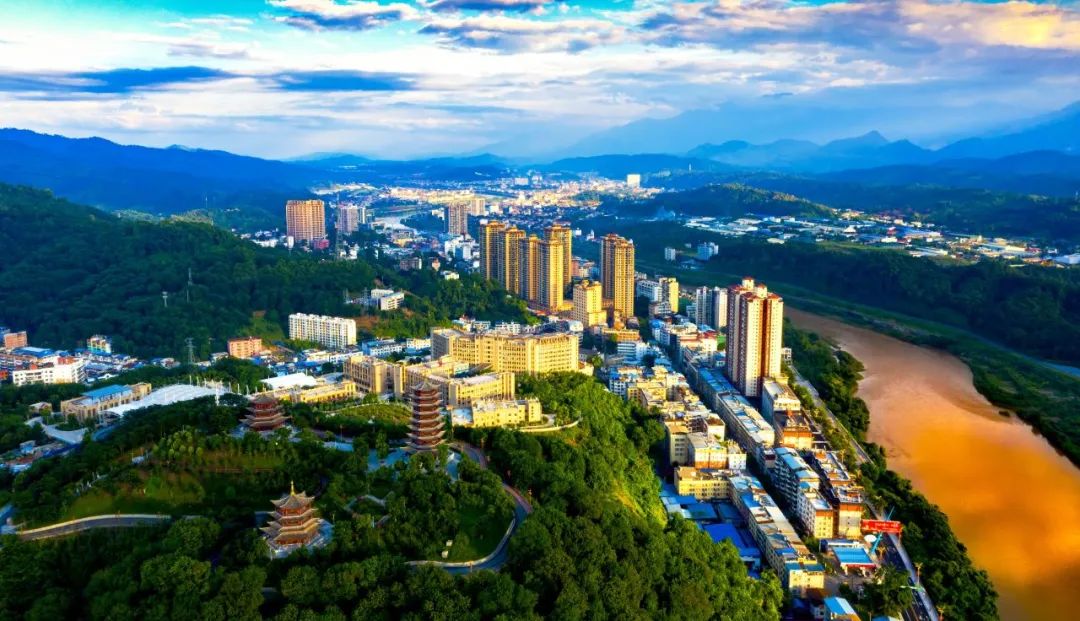
Honghe Hani and Yi Autonomous Prefecture is located in southern Yunnan Province, bordering Wenshan to the east, Pu'er to the west, Kunming and Yuxi to the north, and Vietnam to the south. The terrain is higher in the northwest and lower in the southeast, with the Honghe River as the boundary. The north is part of the Eastern Yunnan Plateau, while the south is the Ailao Mountain region. It has a subtropical monsoon climate with an average annual temperature of 16-20°C, spring-like all year round, but with significant temperature differences between mountainous areas and river valleys. The rainy season is from May to October.
Honghe has a long history, having been incorporated into the Central Plains' territory as early as the Western Han Dynasty under Yizhou Commandery. During the Tang Dynasty, the Nanzhao Kingdom established the Tonghai Governor's Office here, and in the Yuan Dynasty, it was part of Lin'an Route. In the Ming and Qing Dynasties, Honghe became an important cultural center in Yunnan, with well-preserved ancient cities like Jianshui and Shiping. In modern times, with the opening of the Yunnan-Vietnam Railway, Honghe became the forefront of Yunnan's opening-up, and Mengzi was once the site of Yunnan's first customs office.
Honghe is a multi-ethnic area inhabited by the Hani, Yi, and other minorities. Traditional festivals such as the Hani's 'Angmatu' Festival and the Yi's Torch Festival are lively events. The world heritage site Honghe Hani Rice Terraces exemplify harmonious coexistence between humans and nature. In terms of cuisine, cross-bridge rice noodles originated in Mengzi. Other specialties include Jianshui baked tofu, steam pot chicken, Hani dipping chicken, and Mengzi rice cakes, featuring sour, spicy, and savory flavors.
Honghe Prefecture has seen rapid economic development in recent years, with tourism as a leading industry driving upgrades in agriculture and manufacturing. Attractions like Yuanyang Rice Terraces, Jianshui Ancient City, and Mile Hot Springs draw many visitors. Meanwhile, Honghe actively develops border trade, with Hekou Port serving as an important channel for Sino-Vietnamese trade. The modern transportation network is continuously improving, with high-speed rail connecting to Kunming, facilitating travel and business.
The best time to visit 红河 is The best time to visit is from November to April..
Honghe has a mild climate and is suitable for travel all year round, but the best time is from November to April. During this period, rainfall is low and the weather is clear, ideal for outdoor activities and terrace viewing.
From May to October is the rainy season, with foggy mountains and lower visibility in the terraces, though the fields are lush green. This is also a good time to experience ethnic festivals.
Winter (December to February) is cooler but sunny, and the Yuanyang Rice Terraces are especially magnificent at dawn and dusk. It is advisable to avoid the Spring Festival Golden Week to avoid crowds.
During the reign of Emperor Wu of the Western Han Dynasty, the Honghe area was incorporated into the Central Plains' territory as Yizhou Commandery, marking its formal inclusion under central rule.
The Yunnan-Vietnam Railway was fully opened, making Mengzi the first city in Yunnan with train service, and Honghe became a window for Yunnan's opening-up.
Recommended places to visit
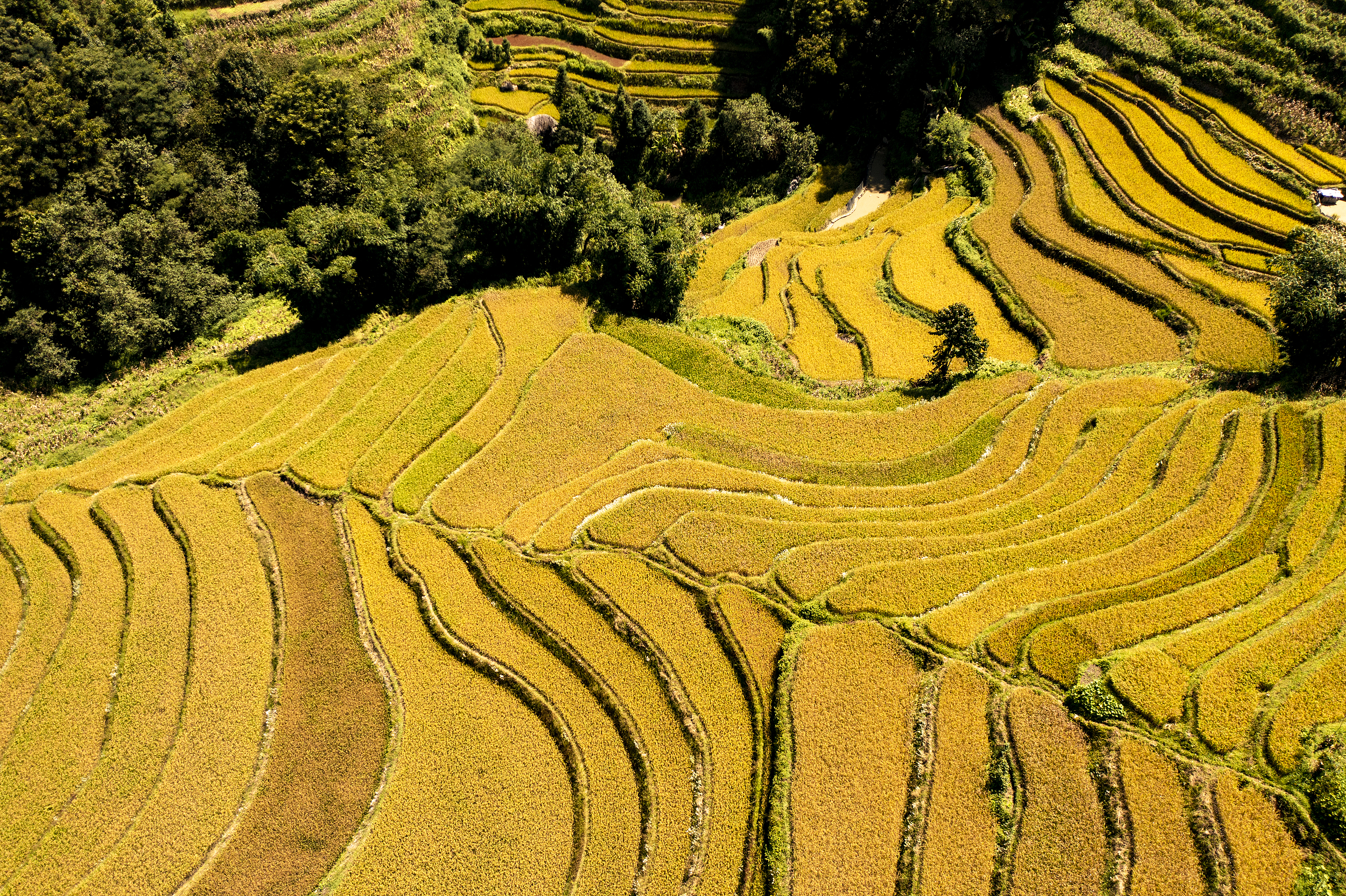
A World Heritage site, a landscape painting carved by the Hani people over 1,300 years, with spectacular viewpoints at Duoyishu, Bada, and Laohuzui.
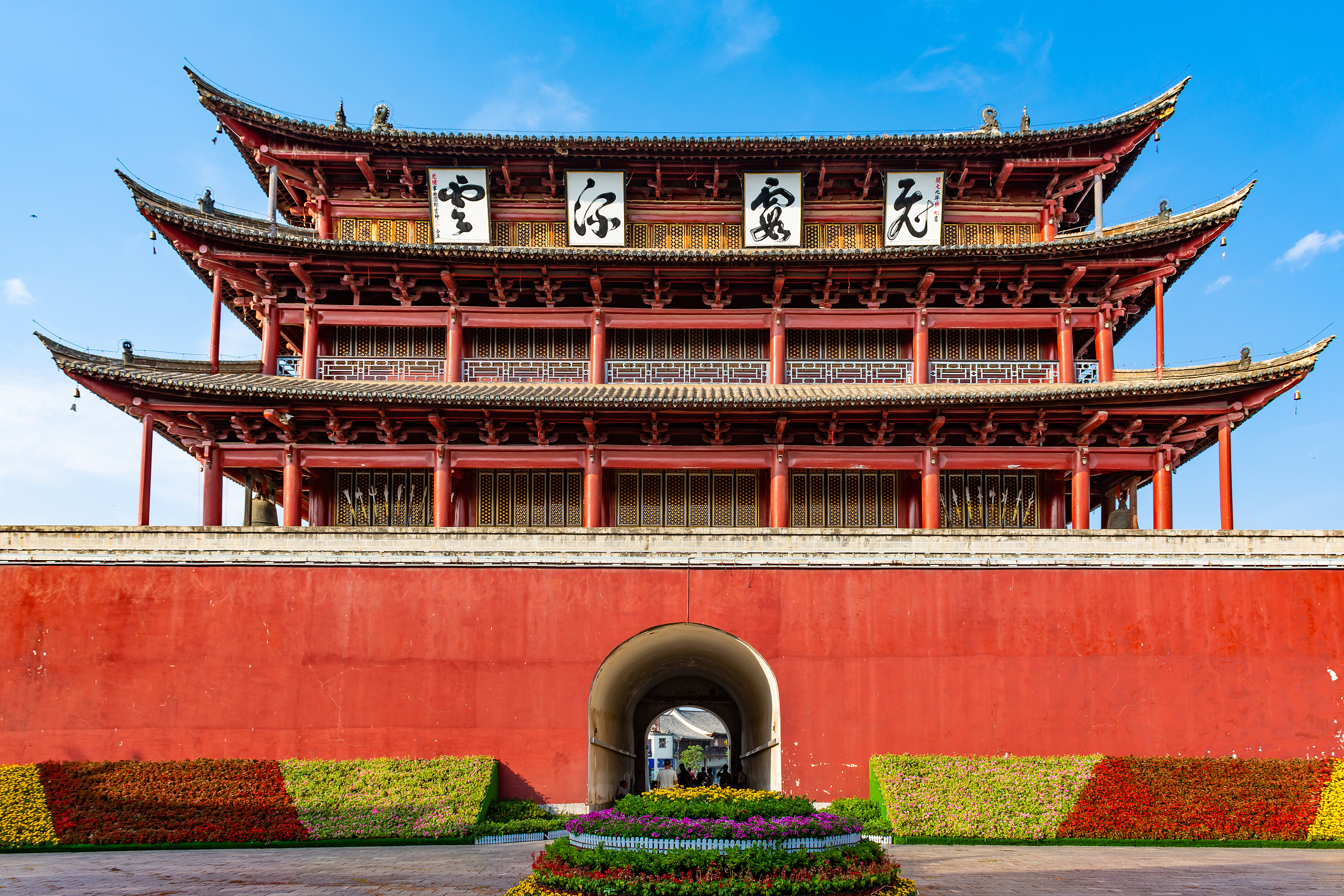
A national historical and cultural city, featuring Jianshui Confucian Temple, Zhu Family Garden, Chaoyang Tower, and well-preserved ancient city style.
UNESCO World Heritage Sites
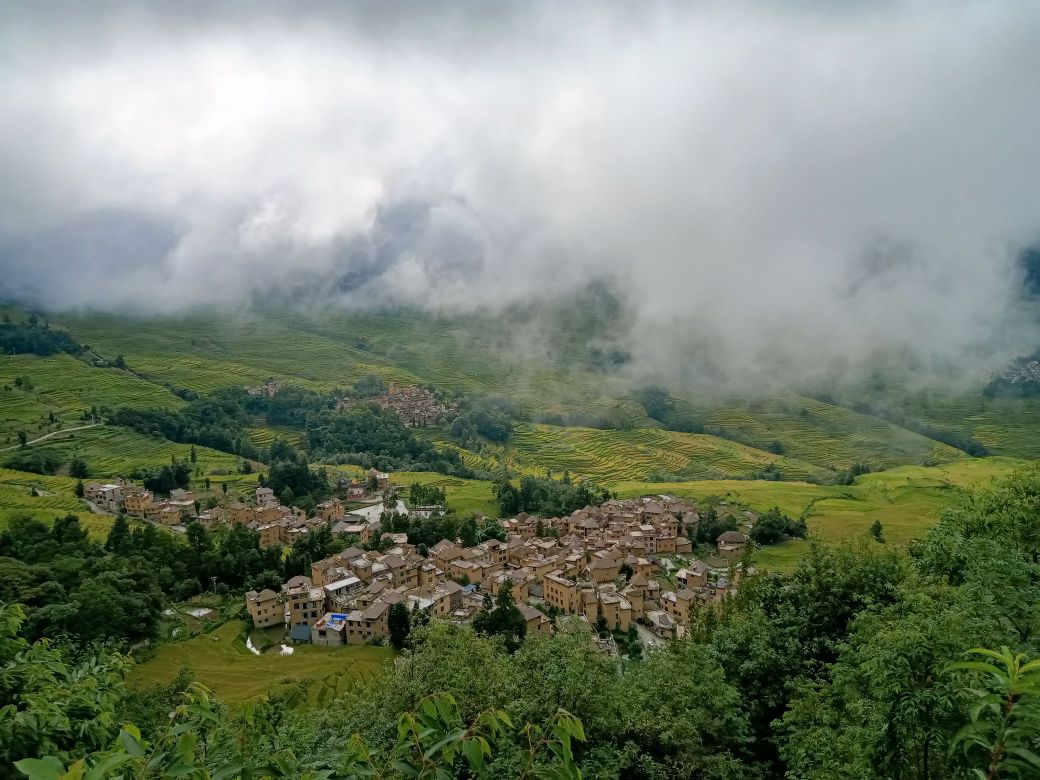
A cultural landscape heritage, showcasing the terrace agricultural system created by the Hani people in the Ailao Mountains over 1,300 years, reflecting harmonious coexistence between humans and nature.
Explore rich intangible cultural heritage and traditional crafts
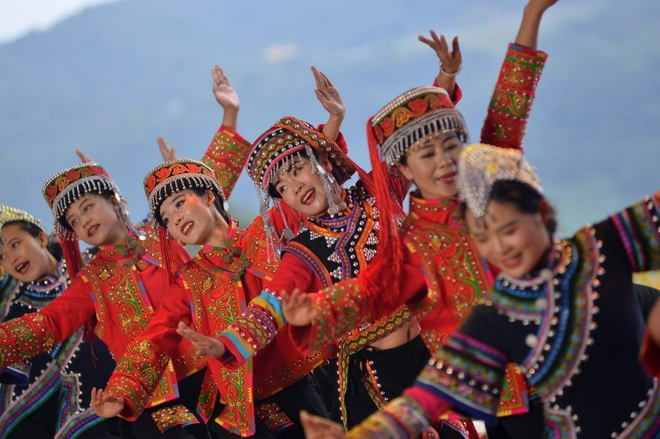
Hani folk oral literature, imparting farming knowledge and seasonal rhythms in poetic form, inscribed as a national intangible cultural heritage.
Must-know transportation for exploring the city
From Kunming South Station to Mengzi Station about 2 hours, to Mile Station about 1 hour, to Jianshui Station about 1.5 hours. Ticket price around 60-120 yuan.
60-120 yuan
Honghe Mengzi Airport is operational with flights to Kunming, Chengdu, etc. Alternatively, fly to Kunming Changshui Airport and transfer by high-speed rail or bus.
300-800 yuan (depending on route)
There are regular buses between counties within Honghe Prefecture. Kunming South Bus Station has buses to Mengzi, Jianshui, Yuanyang, etc., taking 3-5 hours.
80-150 yuan
Taste the most authentic and popular local specialties
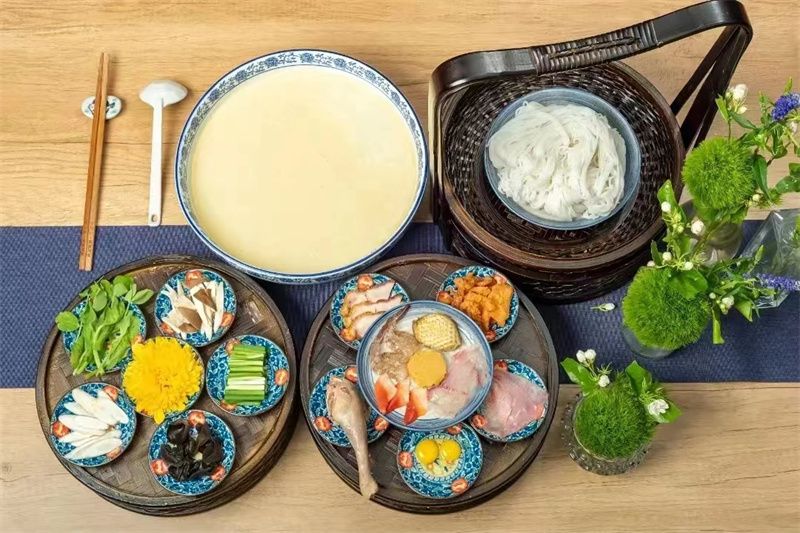
The most representative Yunnan cuisine, originating from Mengzi. Raw meat slices and rice noodles are cooked in boiling chicken broth, resulting in a delicious soup.
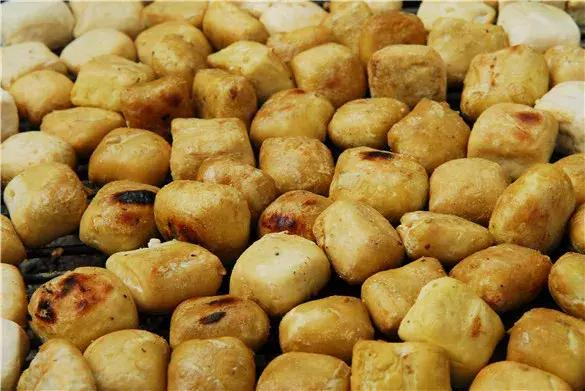
A Jianshui specialty snack, slowly grilled over charcoal, crispy outside and tender inside, served with chili powder.
The Honghe Hani Rice Terraces were inscribed on the UNESCO World Heritage List, becoming China's 45th World Heritage site.
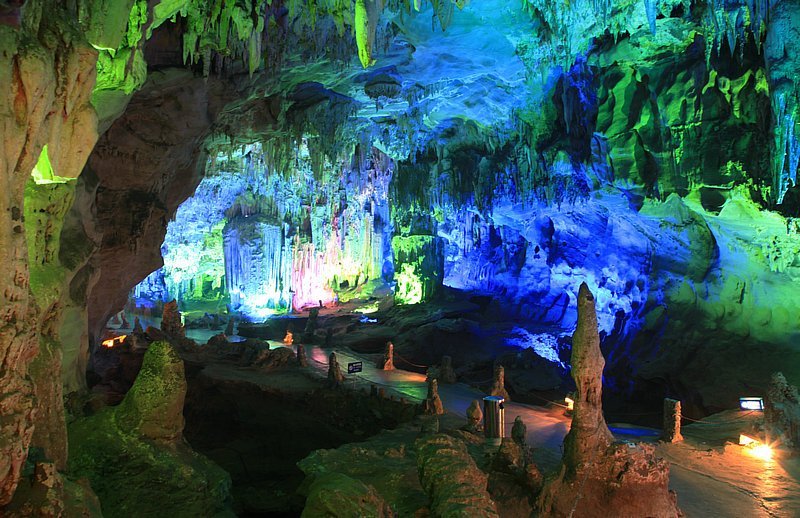
A national geopark, known as 'Yunnan's No.1 Cave', with various stalactites and clear underground rivers.
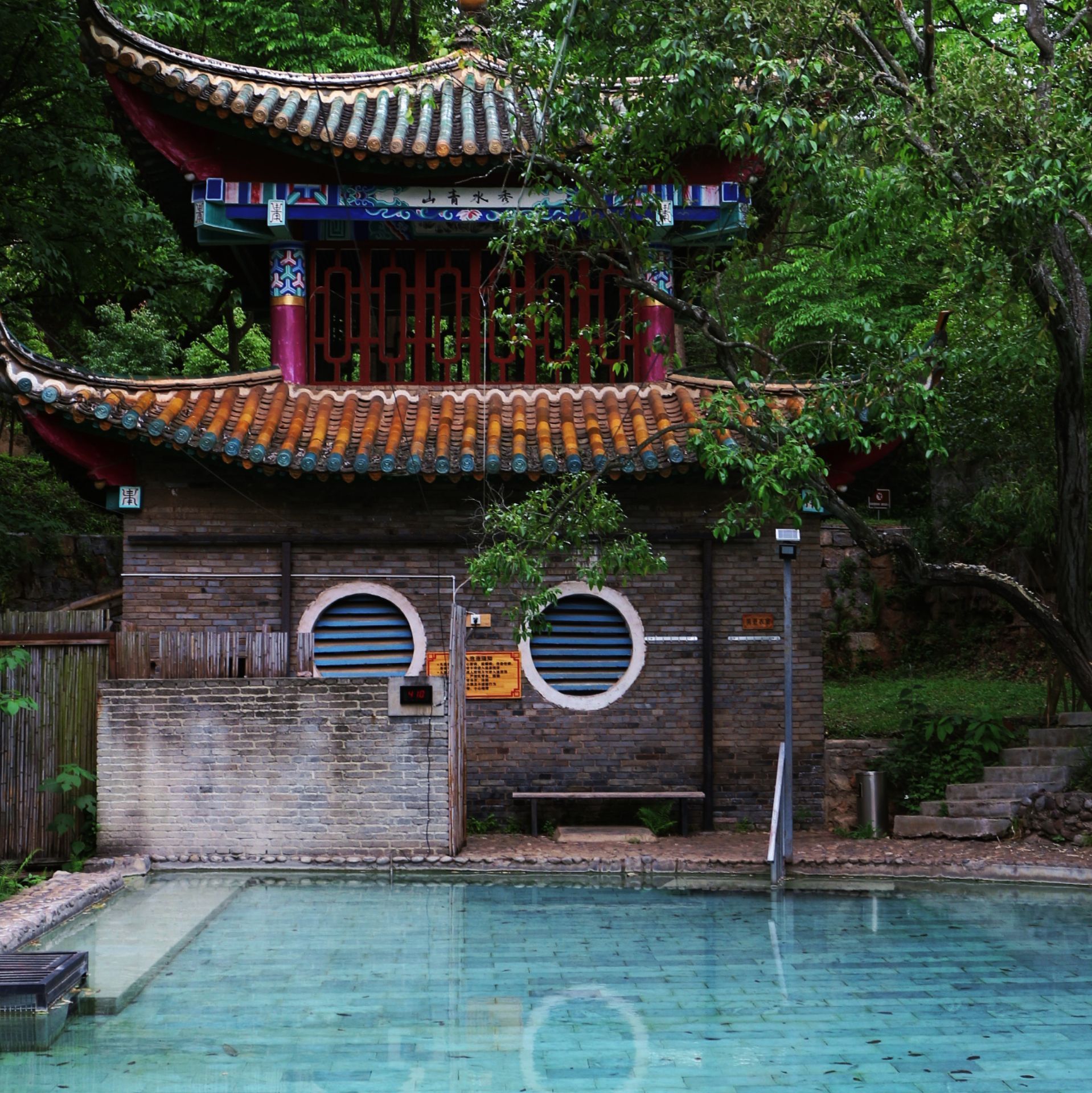
Famous for hot spring resorts, with high-quality mineral-rich water, surrounded by ecological parks and wine estates.
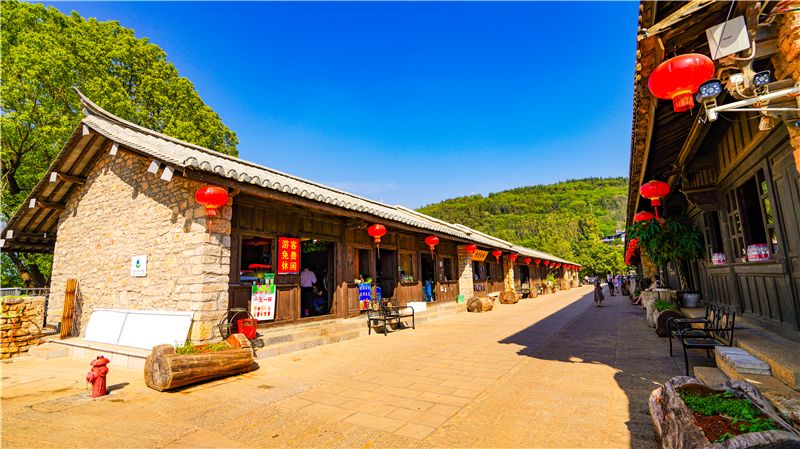
A century-old French-style railway station on the Yunnan-Vietnam Railway, filming location for the movie 'Youth', full of retro charm.
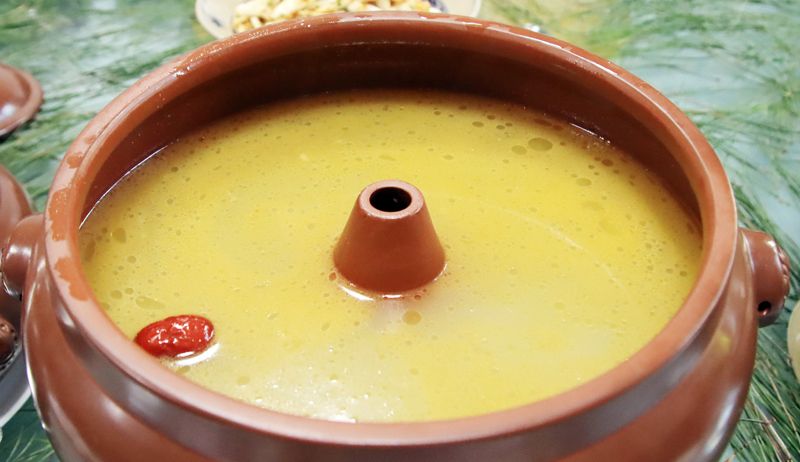
A famous Yunnan dish, steamed in a Jianshui purple clay pot, resulting in tender chicken and flavorful broth.
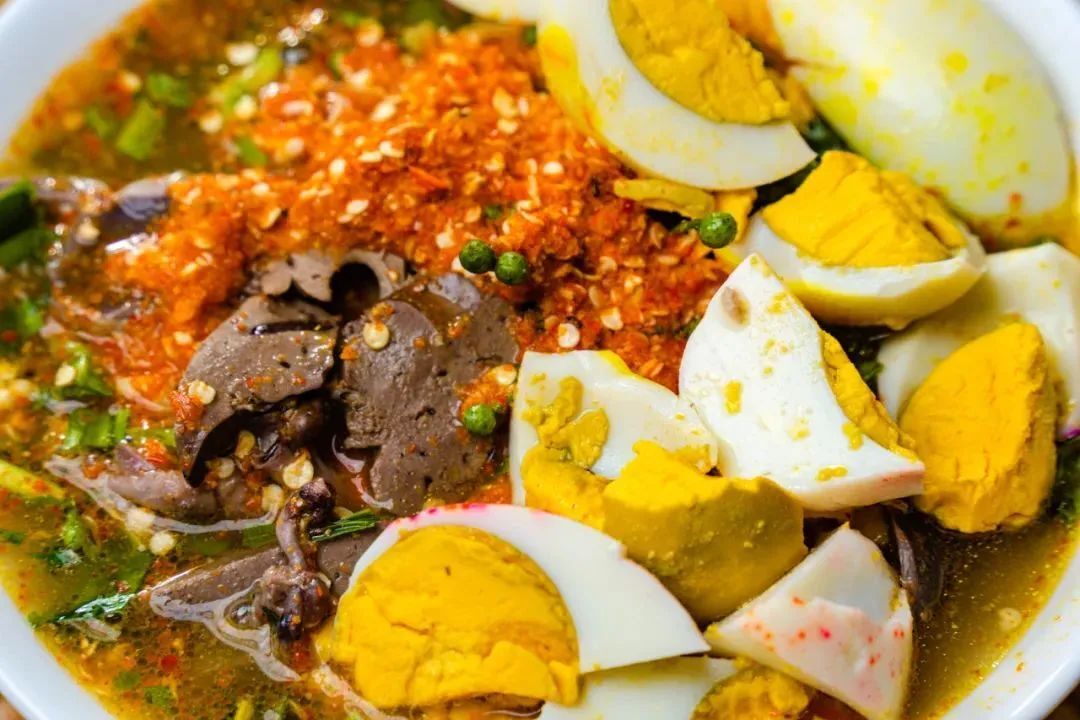
A traditional Hani dish, poached chicken served with a special dipping sauce made from chili, Sichuan pepper, garlic, etc., spicy and flavorful.
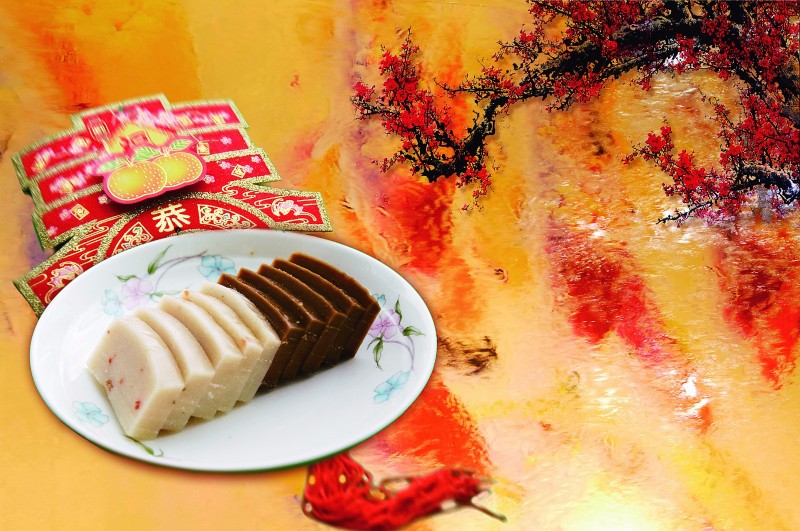
A traditional Mengzi snack made from glutinous rice flour, can be steamed or fried, soft and sticky, sweet but not greasy.