
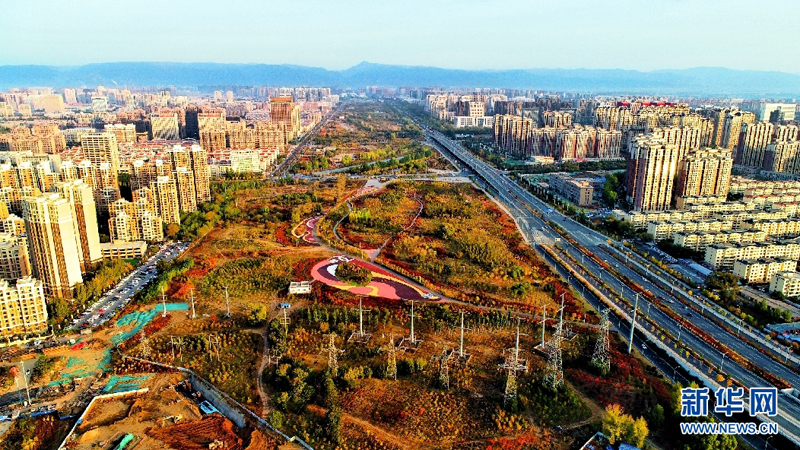
Hohhot, the capital of Inner Mongolia Autonomous Region, is located in central Inner Mongolia, with the Daqing Mountains to the north and the Yellow River to the south. It has a typical continental climate with four distinct seasons and large temperature differences between day and night. Summers are cool and pleasant, while winters are cold and dry.
Hohhot has a history of over 2,300 years. During the Warring States period, King Wuling of Zhao established Yunzhong Commandery here. In the Ming and Qing dynasties, it became the political center of the Tumed Mongols. The cities of Guihua and Suiyuan were built in the Qing dynasty. In 1954, it was designated as the capital of Inner Mongolia Autonomous Region.
This is a hub of Mongolian culture, featuring traditional activities such as Naadam and Ovoo worship. The cuisine is predominantly Mongolian, including hand-grabbed lamb, roasted whole lamb, milk tea, fried rice, and dairy products.
Modern Hohhot is the economic, cultural, scientific, and educational center of Inner Mongolia. It has a developed dairy industry with well-known companies like Yili and Mengniu. The city has comprehensive infrastructure and convenient transportation, and is being built into a regional central city.
The best time to visit 呼和浩特 is Summer (June to August) and autumn (September to October) are the best travel seasons in Hohhot, with pleasant weather and beautiful grassland scenery..
Summer (June-August): Moderate temperatures, averaging around 20°C, making it a summer resort. The grasslands are lush green, and the Naadam Festival is often held during this season.
Autumn (September-October): Clear skies and crisp air, golden grasslands, magnificent scenery. Suitable for photography and outdoor activities.
Winter (November-February): Cold and dry, but you can experience ice and snow activities and the Mongolian winter Naadam. Spring (March-May) is windy and dusty, with a less favorable travel experience.
During the Warring States period, King Wuling of Zhao established Yunzhong Commandery in the Hohhot area, which was the earliest administrative organization in Hohhot.
Altan Khan, leader of the Mongol Tumet tribe, built Guihua City in Hohhot, meaning 'blue city', from which Hohhot gets its name.
Recommended places to visit
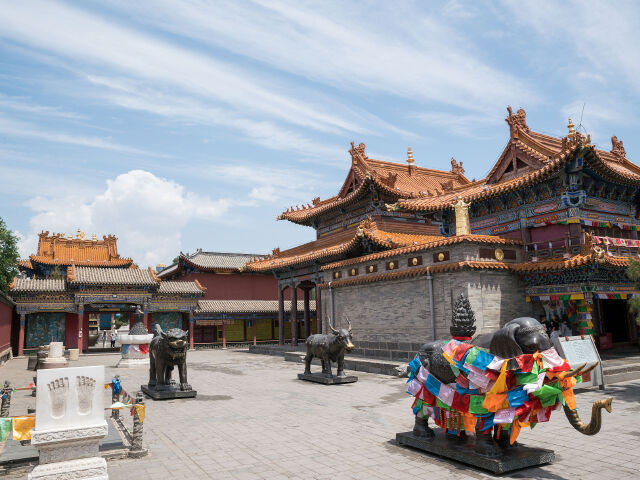
Dazhao Temple is the most famous Tibetan Buddhist temple in Hohhot, built during the Wanli period of the Ming dynasty. It houses precious cultural relics such as silver Buddha, dragon carvings, and murals.
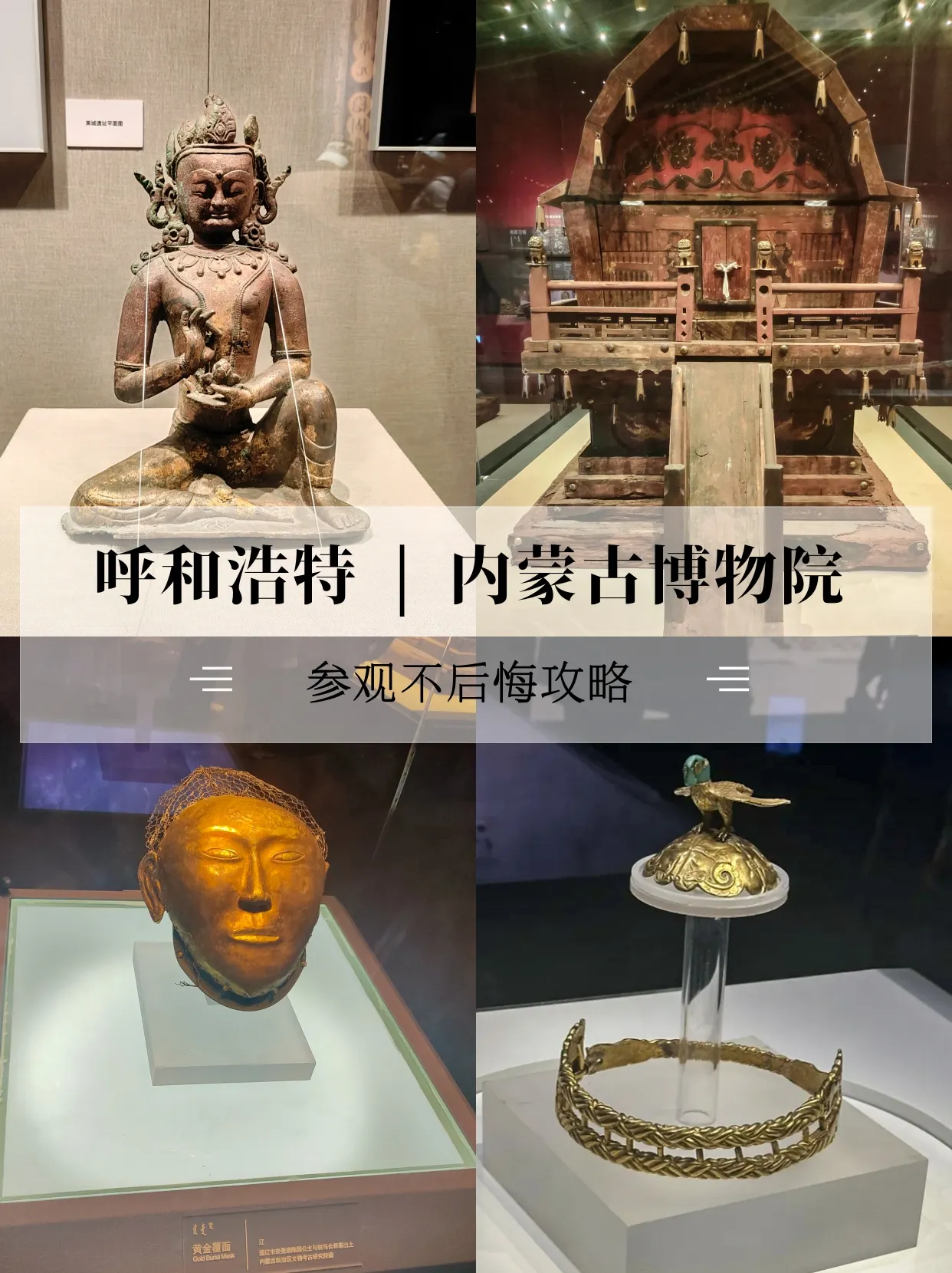
The Inner Mongolia Museum is the largest comprehensive museum in the region, showcasing natural history, ethnic culture, and revolutionary history. Its treasures include the Xiongnu gold crown.
Explore rich intangible cultural heritage and traditional crafts
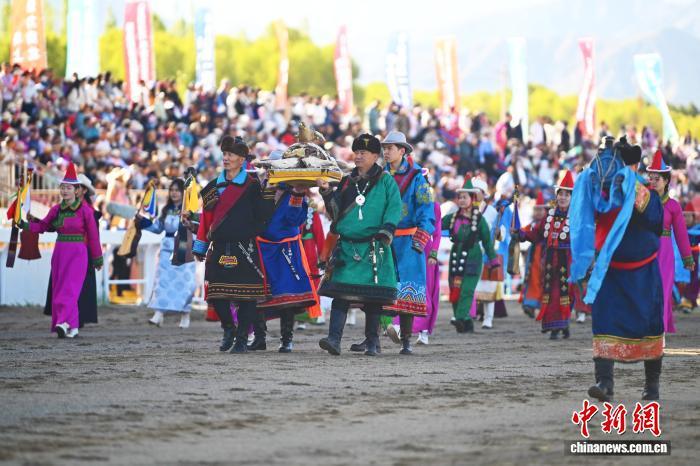
Naadam is a traditional Mongolian sports festival featuring horse racing, wrestling, and archery. It was inscribed on the first National Intangible Cultural Heritage list in 2006.
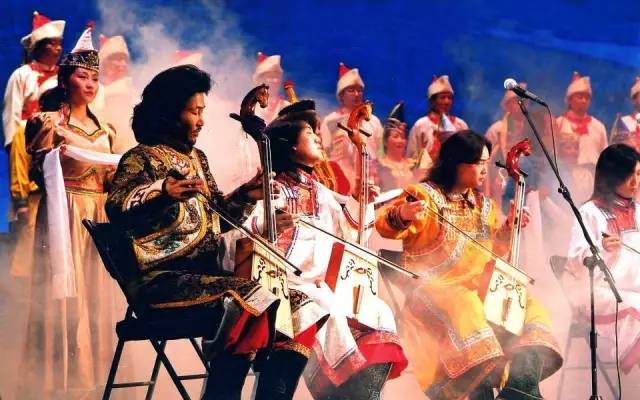
The morin khuur is a representative Mongolian musical instrument, known for its melodious and deep sound. It was inscribed on the first National Intangible Cultural Heritage list in 2006.
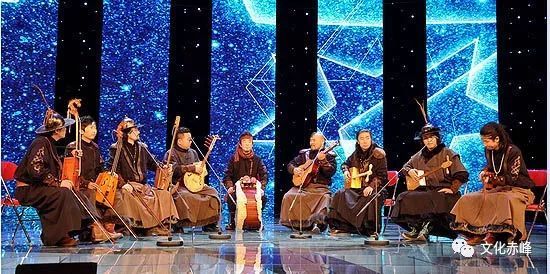
Khoomei is a unique Mongolian singing art where a single singer produces multiple vocal parts simultaneously. It was inscribed on the first National Intangible Cultural Heritage list in 2006.
Must-know transportation for exploring the city
Located about 15 km northeast of the city center, with flights to major domestic cities and some international destinations. Airport buses, taxis, and public buses are available to the city.
Airport bus 15 yuan
Hohhot Station is in the city center, while Hohhot East Station is the high-speed rail station with lines such as the Beijing-Hohhot high-speed railway. The two stations are connected by metro.
High-speed rail fare depends on distance
Hohhot's bus system covers the city and suburbs, with fares of 1-2 yuan. Metro Line 1 and Line 2 are in operation, providing convenient travel.
Bus 1-2 yuan, Metro 2-5 yuan
Taste the most authentic and popular local specialties
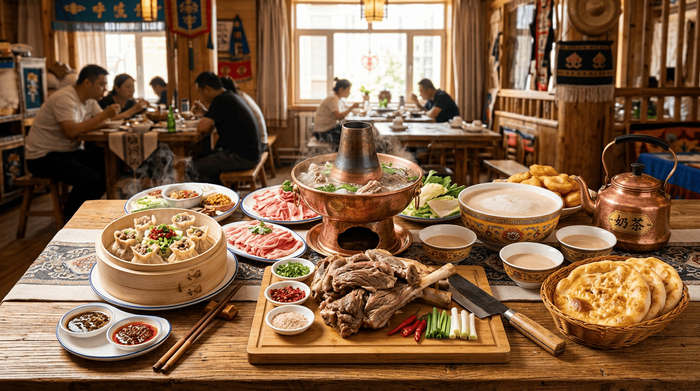
Hand-grabbed lamb is a traditional Mongolian dish. Bone-in lamb is boiled in plain water without seasoning and eaten by hand. The meat is tender and flavorful.
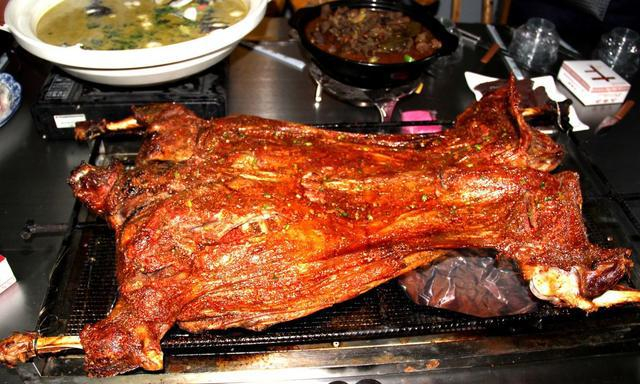
Roast whole lamb is the highest courtesy dish in Mongolian cuisine. The whole lamb is marinated and roasted, resulting in crispy skin and tender meat.
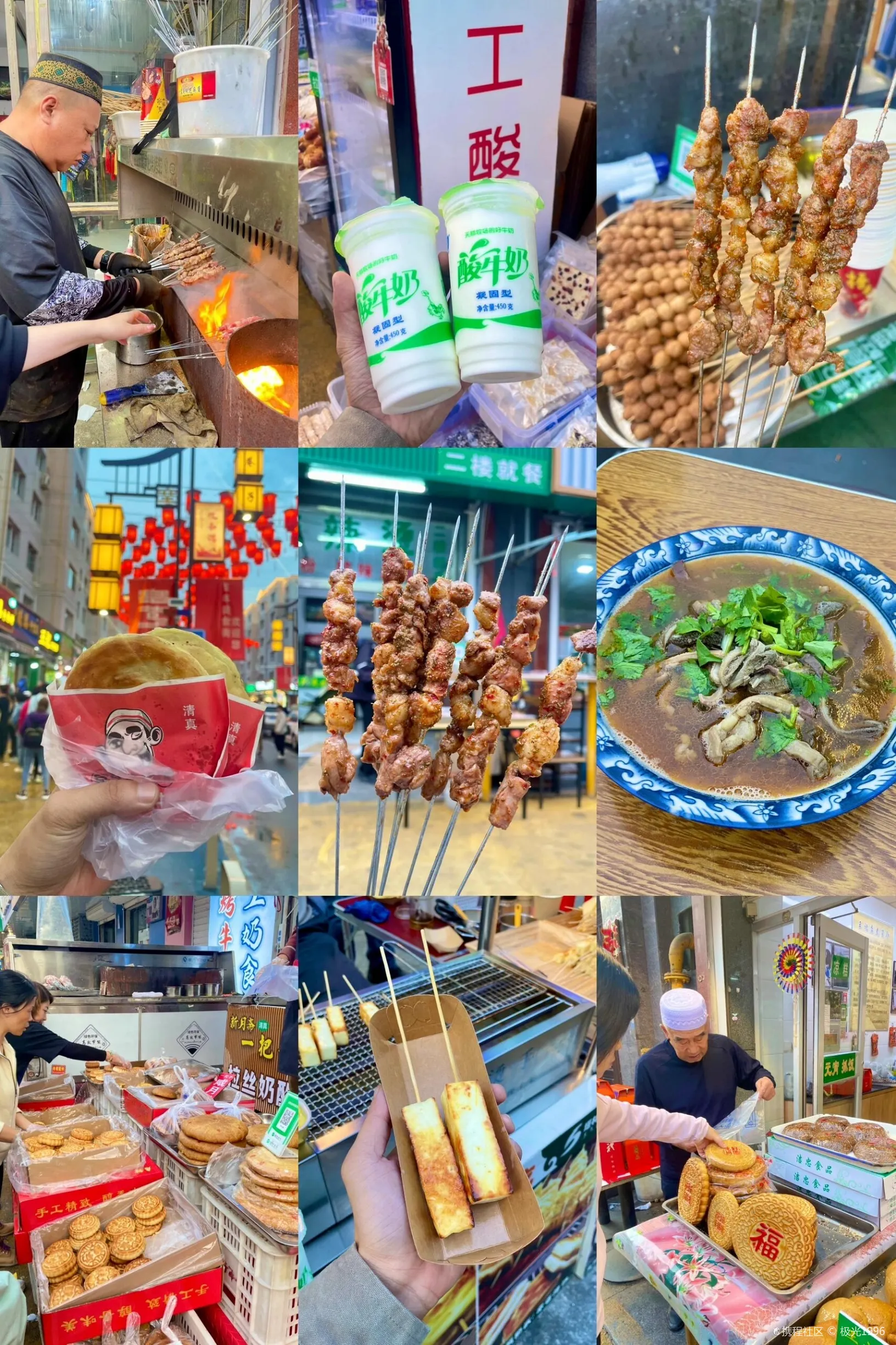
In 1954, Hohhot was officially designated as the capital of the Inner Mongolia Autonomous Region, opening a new chapter in modern development.
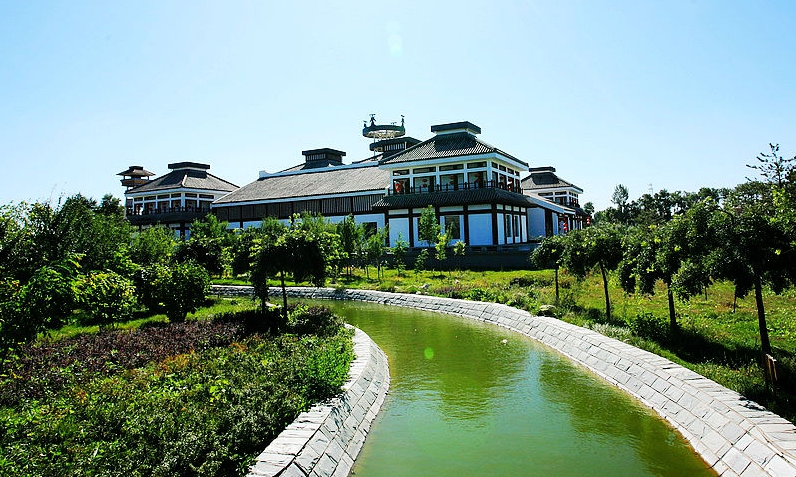
The Tomb of Wang Zhaojun is the burial site of Wang Zhaojun from the Western Han dynasty, located in the southern suburbs of Hohhot. The mound is large and covered with green grass, known as 'Green Tomb'.
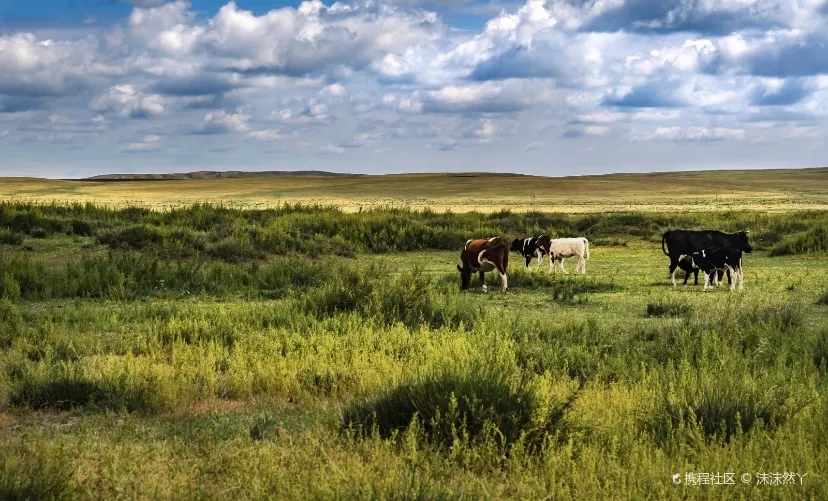
Xilamuren Grassland is about 90 kilometers from Hohhot, a typical plateau grassland. Visitors can experience horse riding, watch Naadam, and taste Mongolian cuisine.
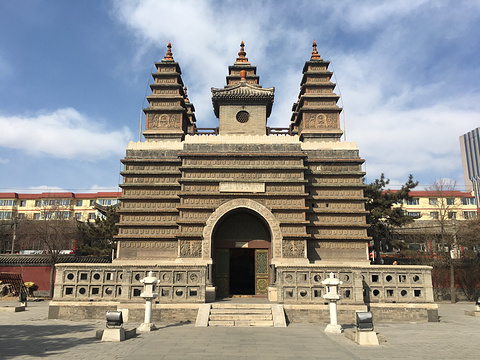
The Five Pagoda Temple, originally named the Diamond Throne Pagoda, was built during the Yongzheng period of the Qing dynasty. It is named for the five small pagodas on top and is an important Buddhist structure in Hohhot.
Mongolian milk tea is made by boiling brick tea and fresh milk, adding salt and fried rice. It is savory and delicious, a daily beverage.

Oat noodles are a specialty noodle dish in Inner Mongolia, made from naked oats. They can be shaped into nests or fish-like forms and served with lamb soup or cold dressing.
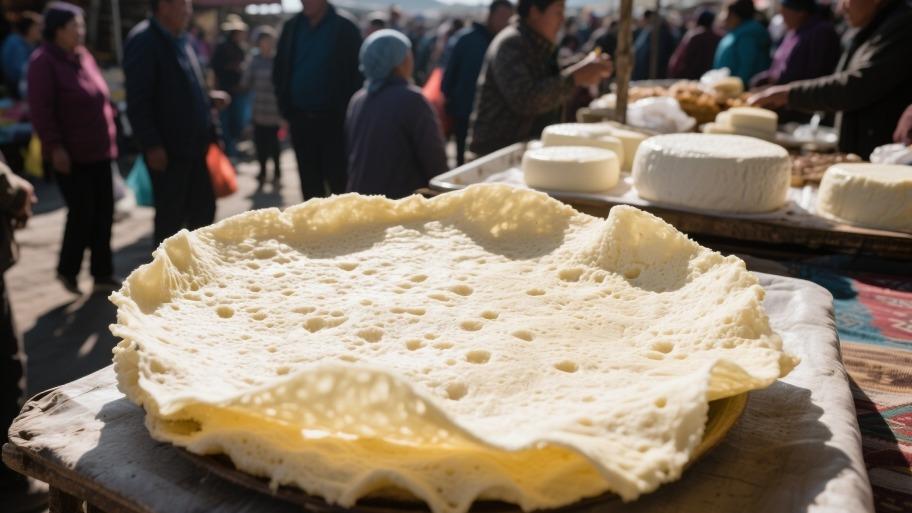
Milk skin is a traditional Mongolian dairy product. It is made by drying the thin skin that forms on the surface of boiled milk. It is sweet and nutritious.