
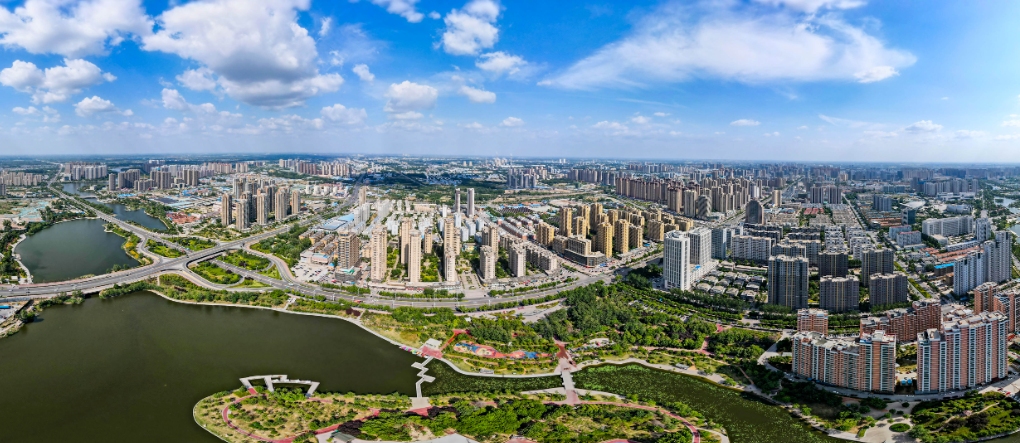
Heze is located in the southwest of Shandong Province, at the junction of Shandong, Jiangsu, Henan, and Anhui provinces. It has a temperate monsoon climate with four distinct seasons and ample sunshine.
Heze has a long history, dating back to ancient times as the homeland of Fuxi and the birthplace of Yao and Shun, making it one of the important cradles of Chinese civilization.
Heze is renowned as the capital of peonies, with Caozhou peonies being the best in the world. Its martial arts culture has a long-standing history, and the stories of Water Margin are widely known. Local delicacies include Shan County mutton soup and Cao County roasted beef.
In recent years, Heze has experienced rapid economic development, becoming an important growth pole for the rise of western Shandong. Its transportation network is increasingly improving, and the cityscape is changing with each passing day.
The best time to visit 菏泽 is Spring (April-May) is the best travel season.
Spring (April-May): Peonies are in full bloom, and the Heze International Peony Fair is held during this period, making it the best time for flower viewing.
Autumn (September-October): The weather is cool, suitable for outdoor activities and tasting harvest foods.
Summer (June-August): Hot weather, but you can participate in water activities; winter is cold and dry with fewer tourists.
After Qin Shi Huang unified the six states, Chengyang County was established in present-day Heze area, belonging to Dong Commandery.
In the first year of Hongwu in Ming Dynasty, Caozhou was upgraded to Caozhou Prefecture, making Heze the political, economic and cultural center of southwestern Shandong.
In June 2000, the State Council approved the abolition of Heze Prefecture and county-level Heze City, and established prefecture-level Heze City.
Recommended places to visit
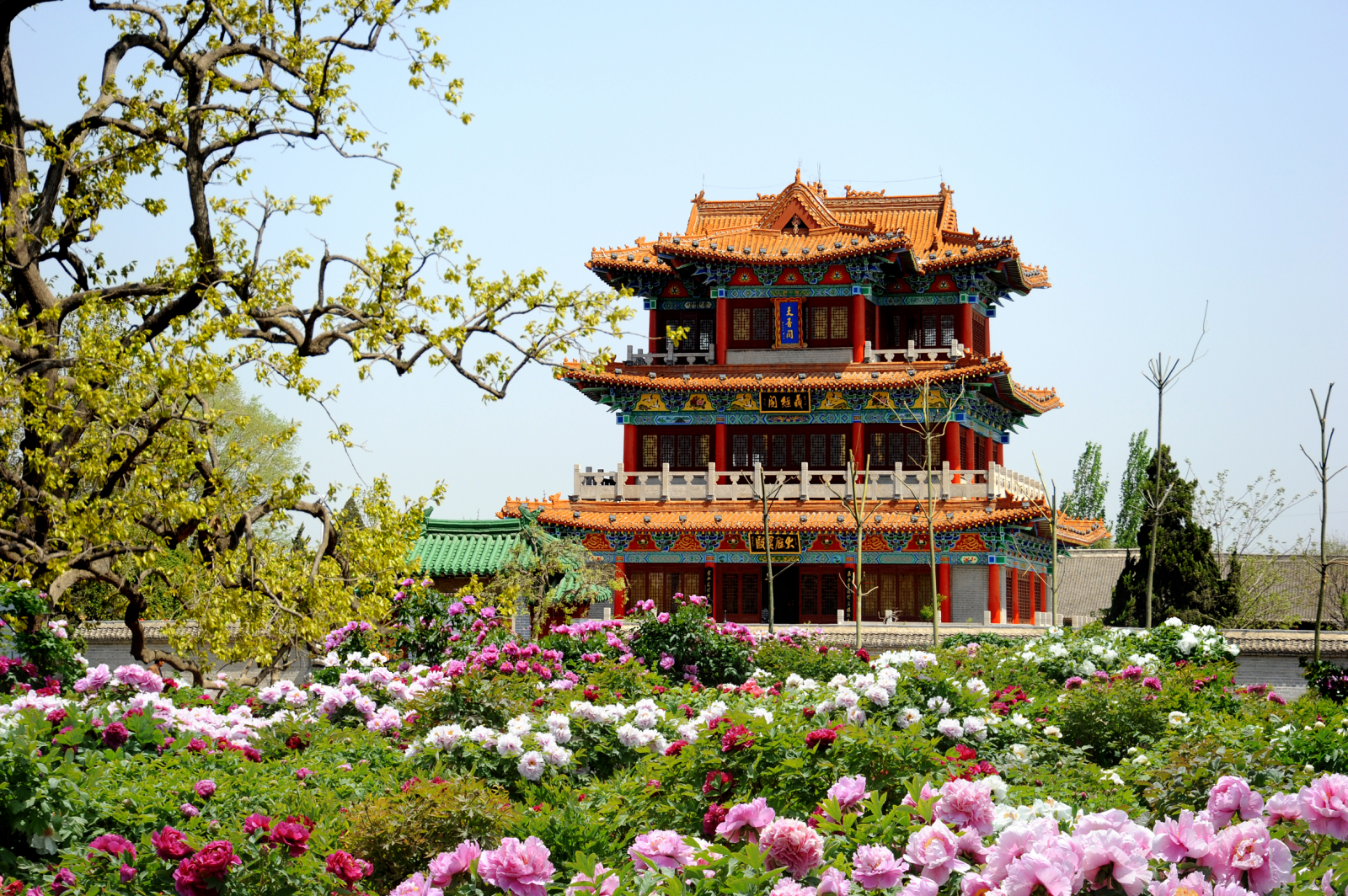
The world's largest peony garden with the most varieties, featuring thousands of peony cultivars. The International Peony Fair is held here every April.
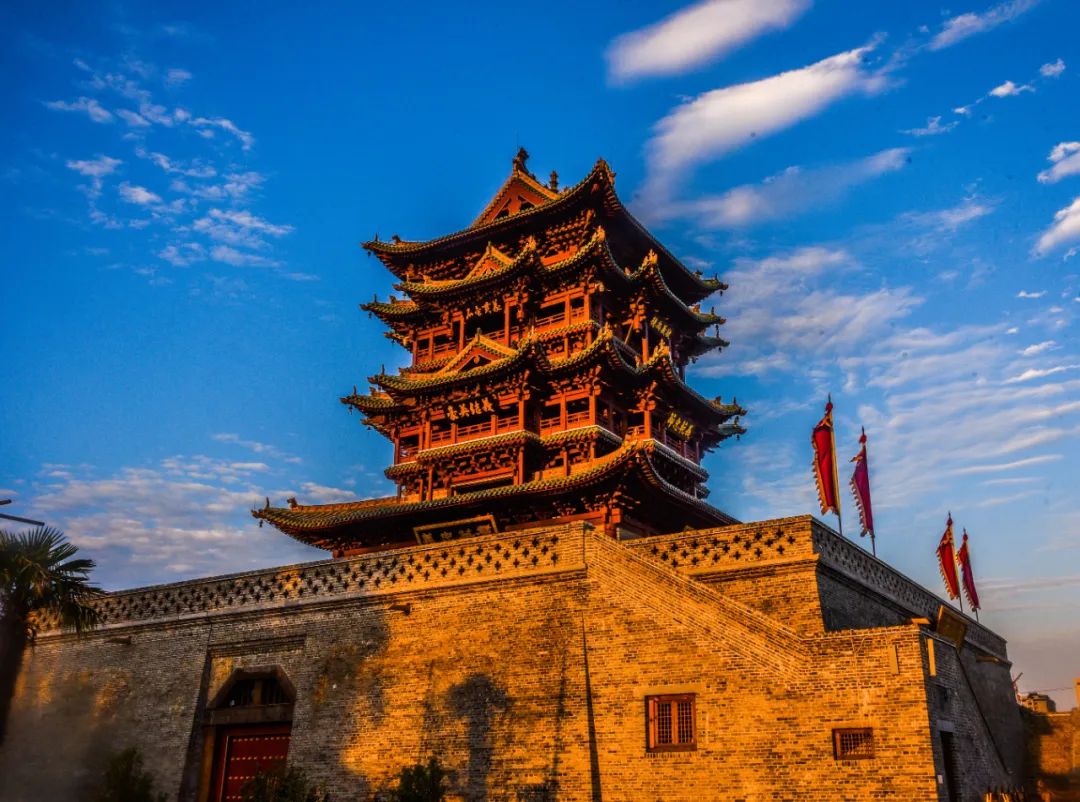
Located in Yuncheng County, this large-scale antique architectural complex themed on Water Margin culture recreates scenes from the stories of the Water Margin heroes.
Explore rich intangible cultural heritage and traditional crafts
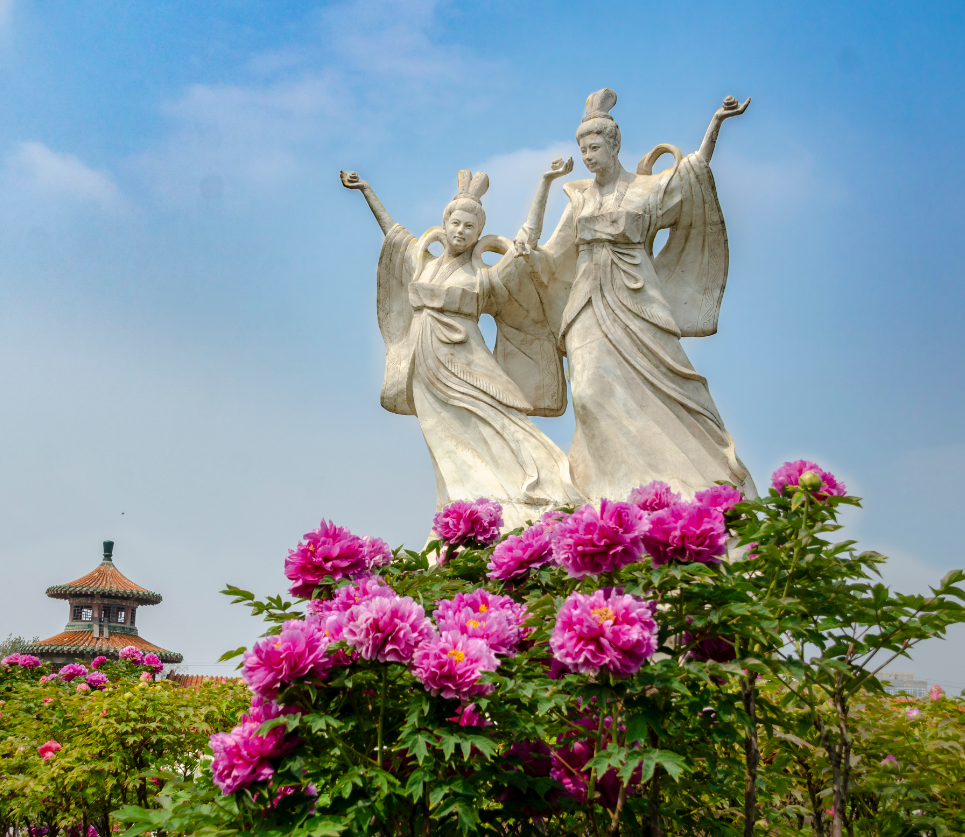
Historical legends and folk tales about Heze peonies, reflecting the profound peony culture.
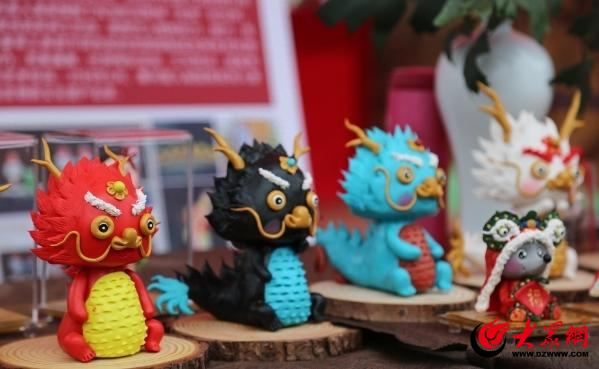
Using flour to mold various figures and animals, with bright colors and vivid shapes, a traditional folk art of Heze.
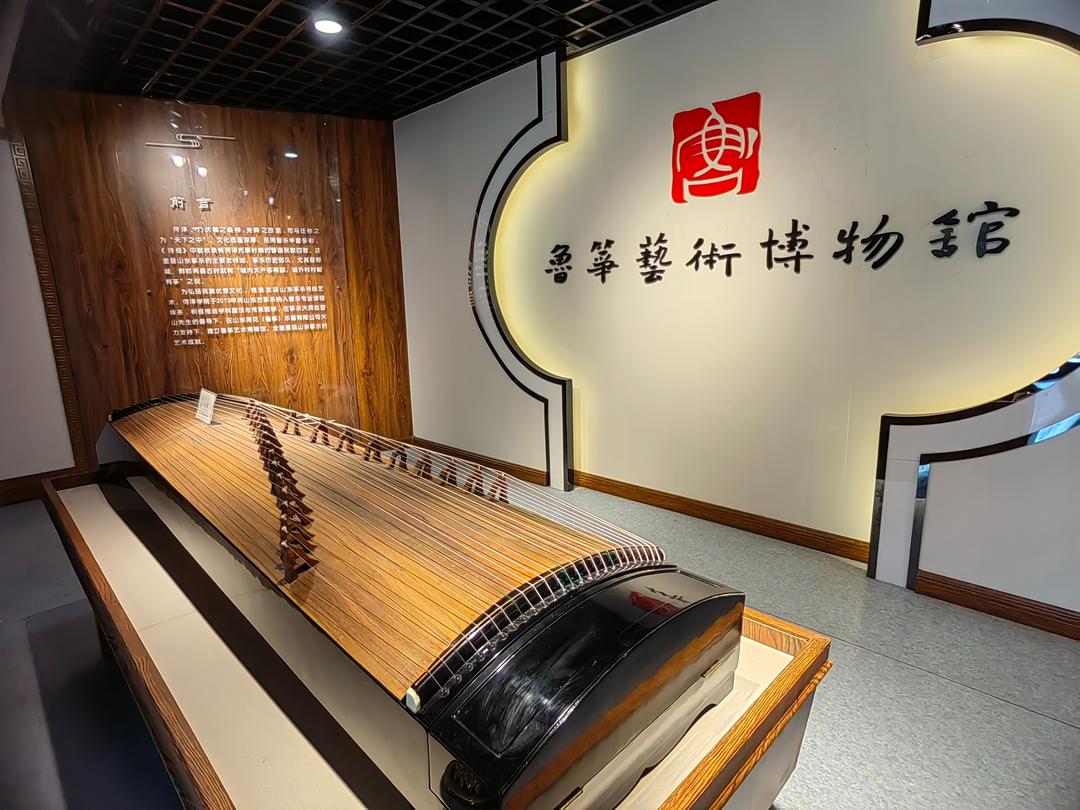
Heze is an important inheritance place of Shandong guzheng music, with ancient and elegant melodies and strong local characteristics.
Must-know transportation for exploring the city
Located in Dingtao District, Heze, with flights to major cities such as Beijing, Shanghai, Guangzhou, and Shenzhen.
Varies by route
Intersection of Beijing-Kowloon HSR and Lunan HSR, providing fast access to Jinan, Zhengzhou, Beijing, etc.
Second class about 100-300 RMB
City bus routes cover major attractions and commercial areas, fare 1-2 RMB, mobile payment accepted.
1-2 RMB
Taste the most authentic and popular local specialties
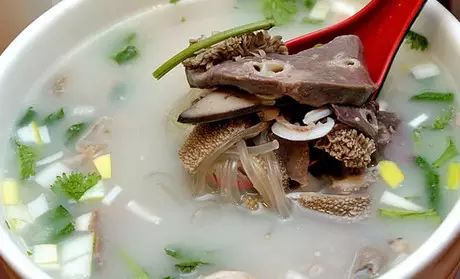
A famous soup in Shandong, made with Shanxian green goats, with white broth and tender meat, not gamey or greasy, delicious taste.
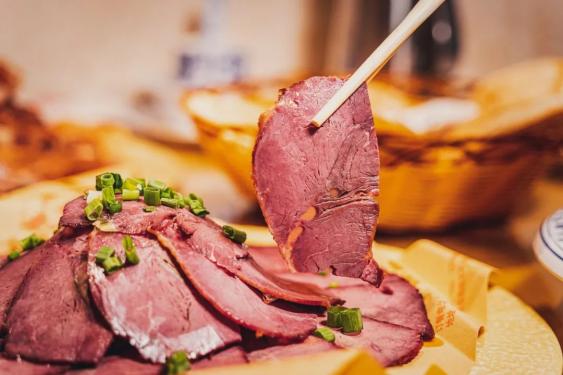
Made with Luxi yellow cattle, through marinating, steaming, frying and other processes, red and bright in color, salty and delicious.
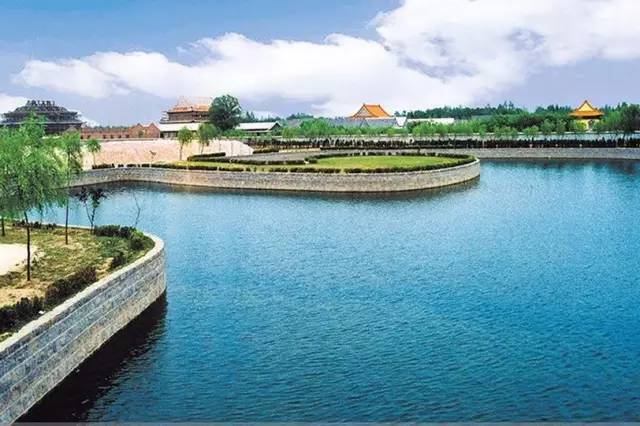
A theme scenic area commemorating the Warring States strategist Sun Bin, including Sun Bin Memorial Hall, Art of War Square, etc.
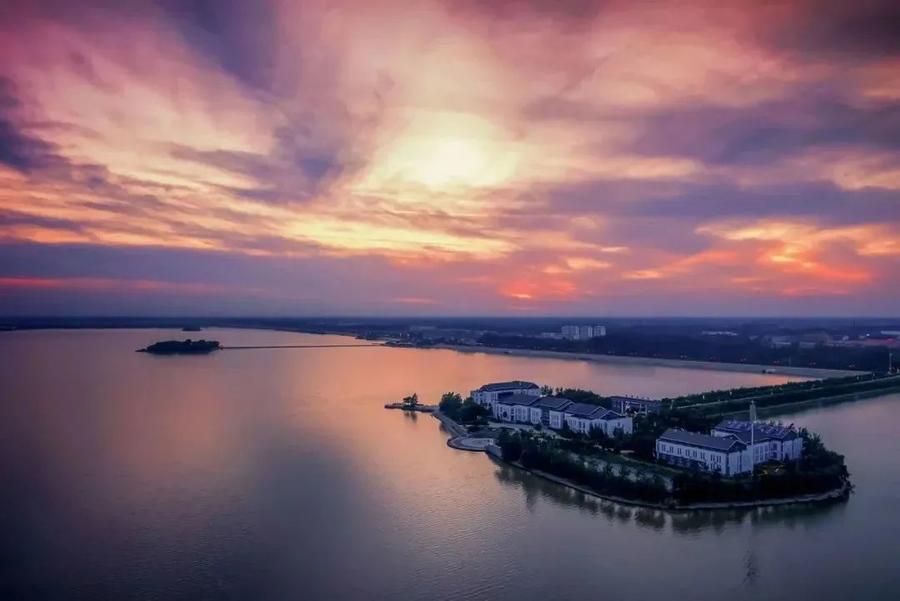
An eco-tourism area centered on Fulong Lake, with beautiful lake scenery, suitable for leisure and vacation.
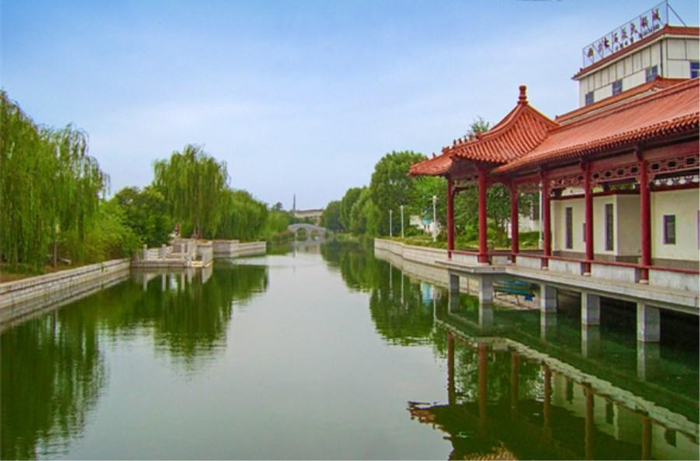
An art institution integrating painting and calligraphy creation, exhibition and collection, housing many works by famous artists.
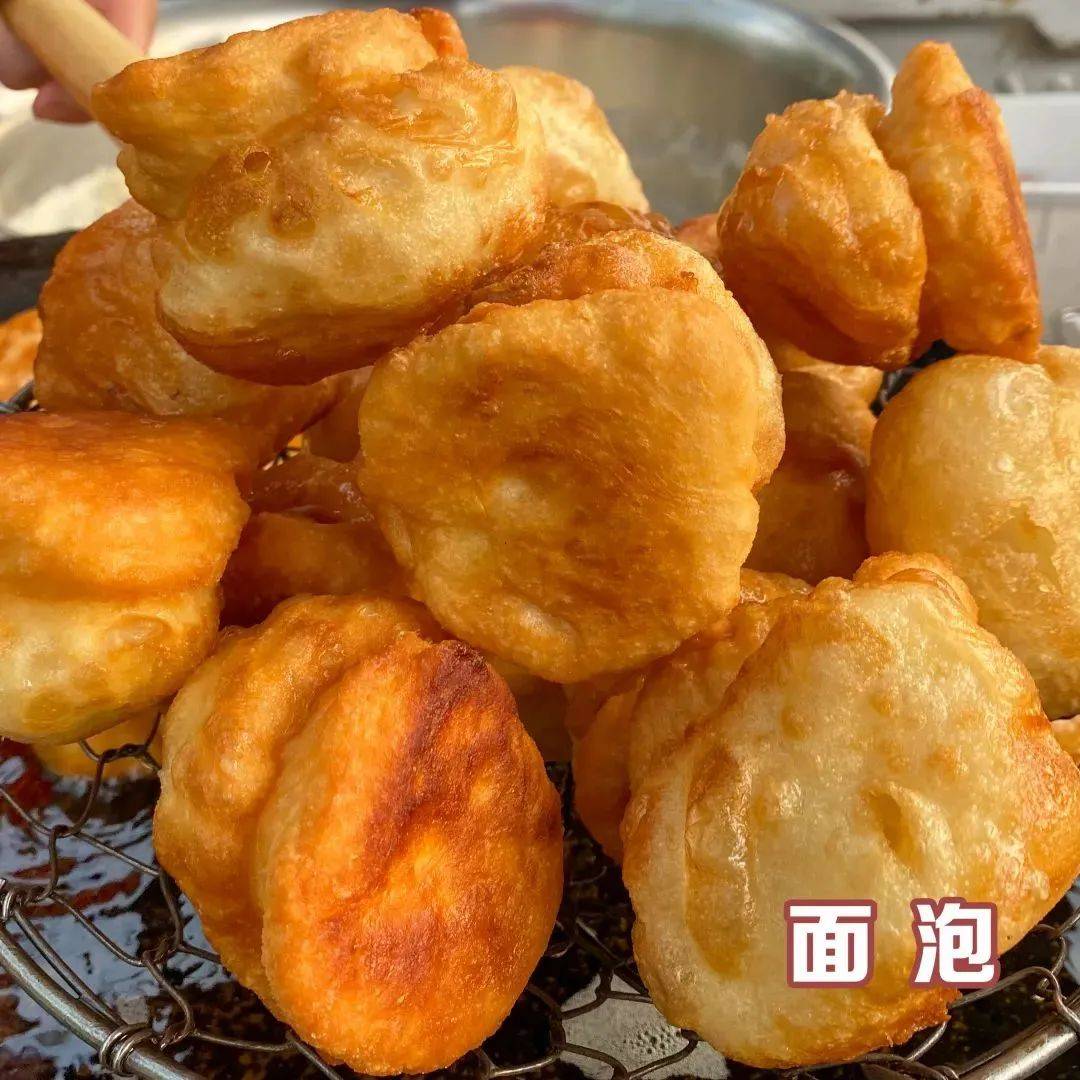
A fried dough food, shaped like bubbles, crispy outside and soft inside, often eaten with spicy soup.
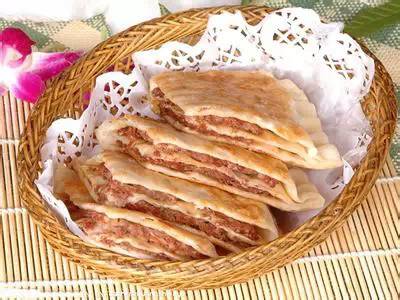
A thick flatbread stuffed with meat filling, pan-fried until golden, crispy on the outside and delicious filling.
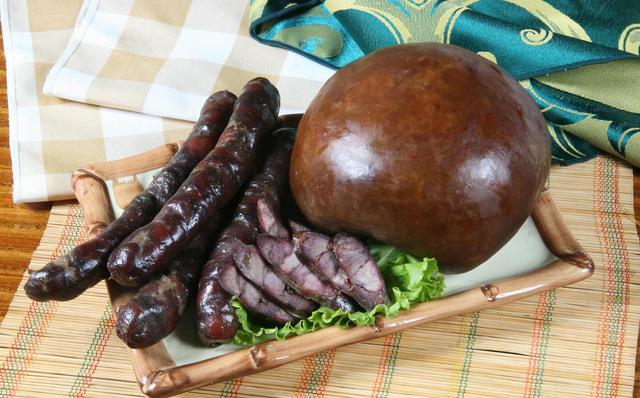
Made by wrapping starch and diced meat in pig stomach and steaming, with a chewy texture, fragrant but not greasy.