
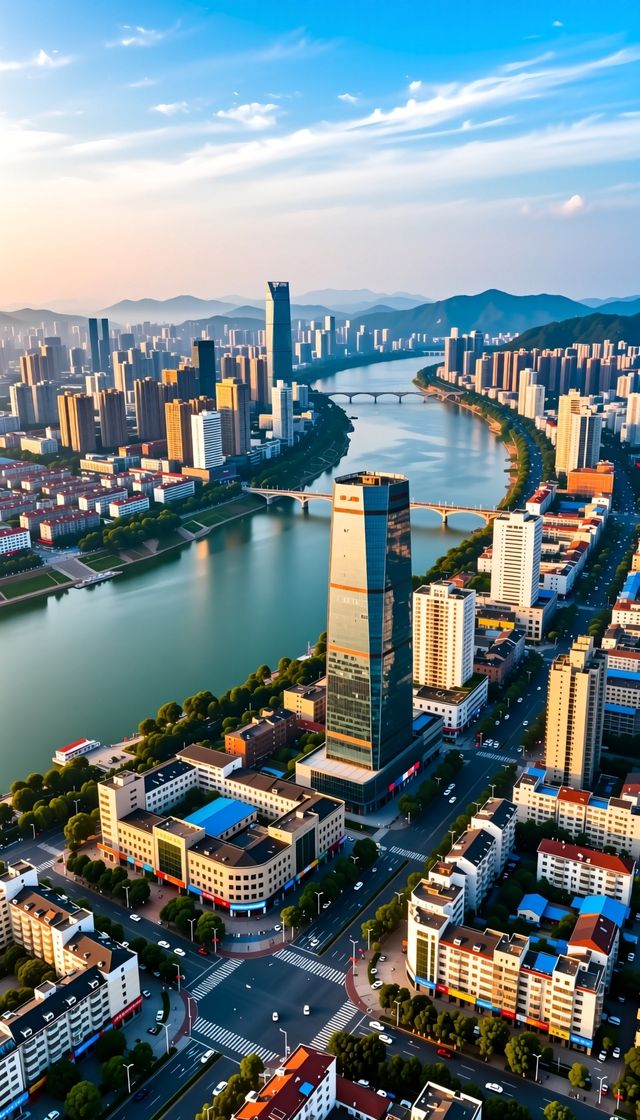
Hengyang is located in the south-central part of Hunan Province, along the middle reaches of the Xiang River, south of the sacred Mount Heng. It has a subtropical monsoon climate with four distinct seasons and abundant rainfall.
With a history dating back over 2,200 years since its establishment as a county in the Western Han Dynasty, Hengyang is an important birthplace of Huxiang culture. During the Anti-Japanese War, the Defense of Hengyang gained worldwide renown.
Hengyang is the birthplace of fire culture, with the legend of the Fire God Zhurong passed down through generations. Hengyang cuisine, a major branch of Hunan cuisine, is known for its spiciness, freshness, and aroma. Signature dishes include Hengyang fish rice noodles and Hengyang braised rice noodles.
As a sub-central city of Hunan Province, Hengyang has a well-established modern industrial system and a prominent transportation hub. Hengyang Nanyue Airport and high-speed rail networks connect the city to the rest of the country, and it is actively developing its cultural tourism industry.
The best time to visit 衡阳 is Best in spring and autumn (March-May, September-November).
Spring (March to May) has moderate temperatures and blooming flowers, especially the azalea sea on Mount Heng.
Autumn (September to November) offers clear skies and crisp air, perfect for hiking and viewing red leaves; the autumn scenery of Mount Heng is picturesque.
Summer is hot and rainy, while winter is damp and cold, but the snow scenery on Mount Heng in winter has its own charm.
In the fifth year of Emperor Gaozu of Western Han (202 BC), Ling County was established, marking the beginning of administrative organization in Hengyang.
During the War of Resistance Against Japan, Chinese troops fought a bloody 47-day battle in Hengyang, achieving a victory against overwhelming odds that shocked the world.
Hunan Province designated Hengyang as a sub-provincial center city to promote regional development.
Recommended places to visit
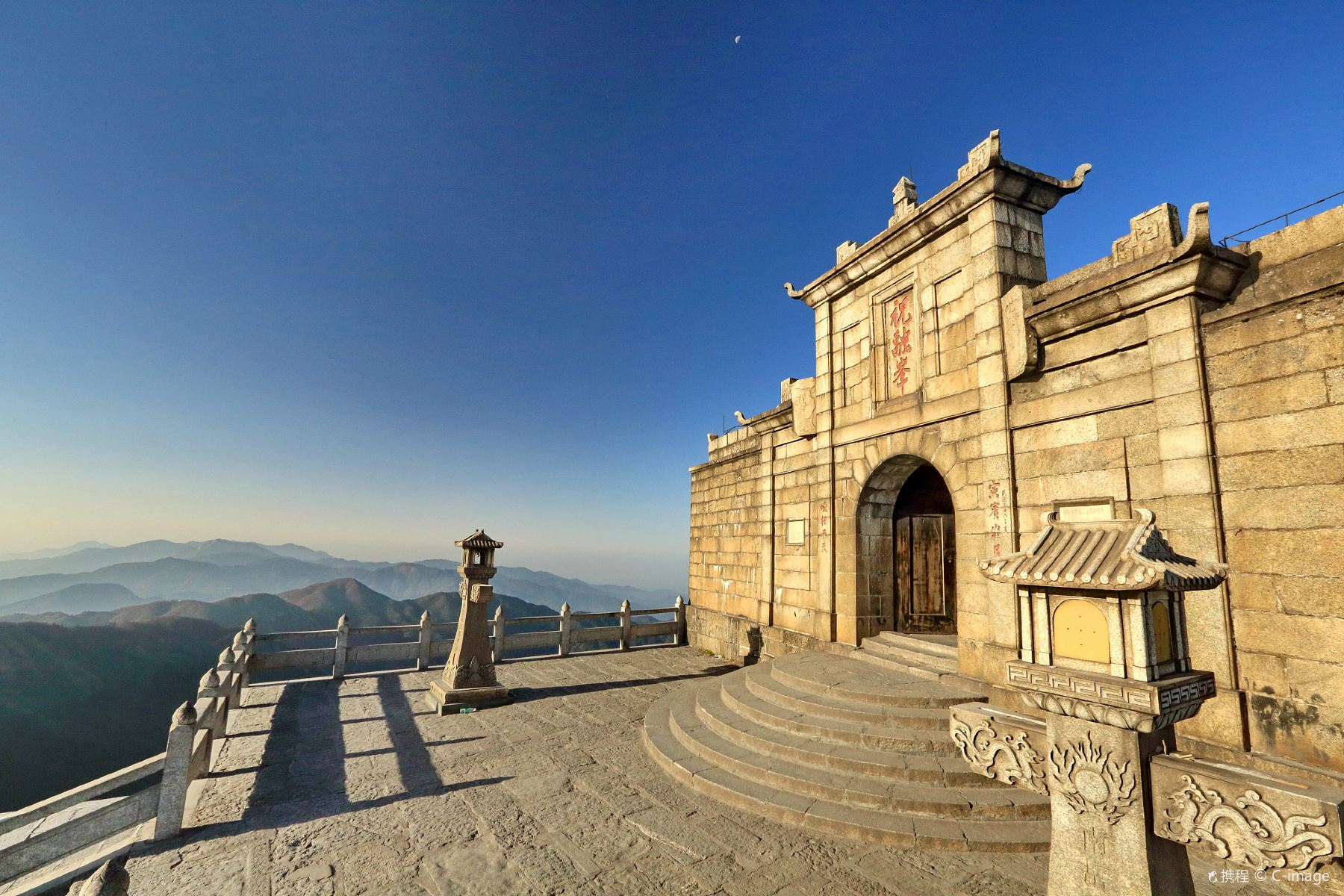
One of China's Five Great Mountains, with an altitude of 1300.2 meters. Famous for Zhurong Peak, Nanyue Grand Temple, and the Martyr's Shrine. It is a sacred site for both Buddhism and Taoism.
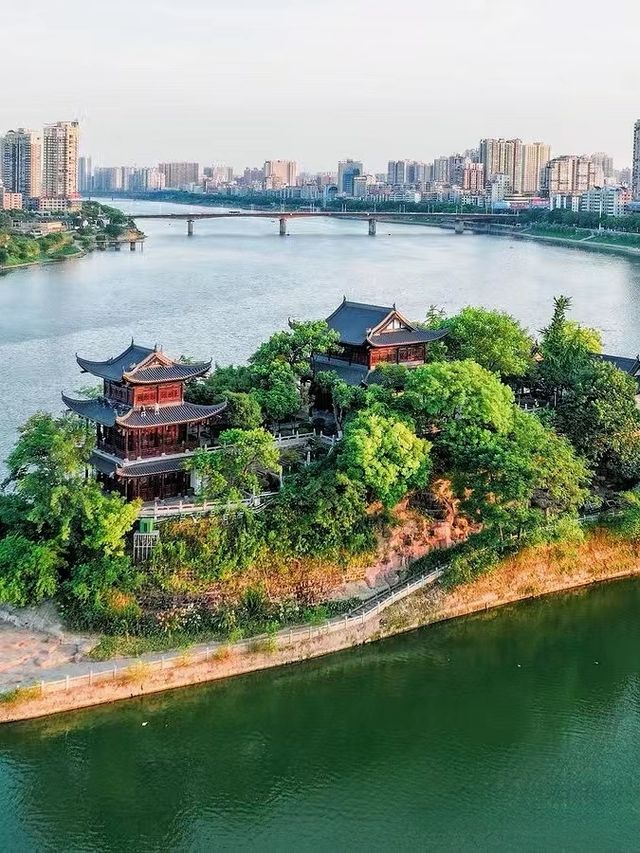
One of the four great ancient academies of China, founded in the Tang Dynasty and flourished in the Song Dynasty. It is an important symbol of Huxiang culture.
Explore rich intangible cultural heritage and traditional crafts
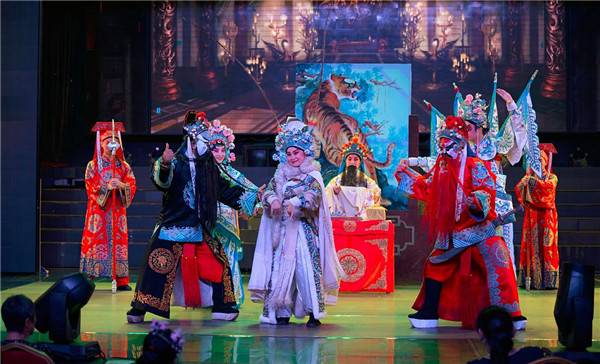
A local opera of Hunan, integrating Gaoqiang and Kunqu styles. Listed as a national intangible cultural heritage in 2008.
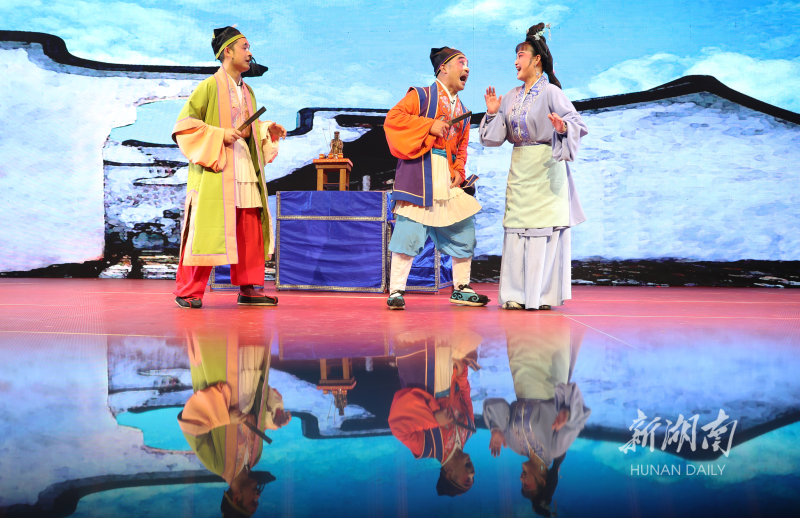
A folk opera mainly featuring singing and dancing, with lively tunes. Listed as a national intangible cultural heritage in 2006.
Must-know transportation for exploring the city
Located in Hengnan County, about 20 km from downtown. Offers flights to major cities like Beijing, Shanghai, Guangzhou, and Shenzhen.
Economy class 500-1500 RMB
A junction of Beijing-Guangzhou and Shanghai-Kunming high-speed railways, providing direct access to major cities such as Beijing, Shanghai, Guangzhou, and Shenzhen.
Second class 100-600 RMB
City bus routes cover major attractions and urban areas. Fare is 2 RMB, and mobile payment is accepted.
2 RMB
Taste the most authentic and popular local specialties
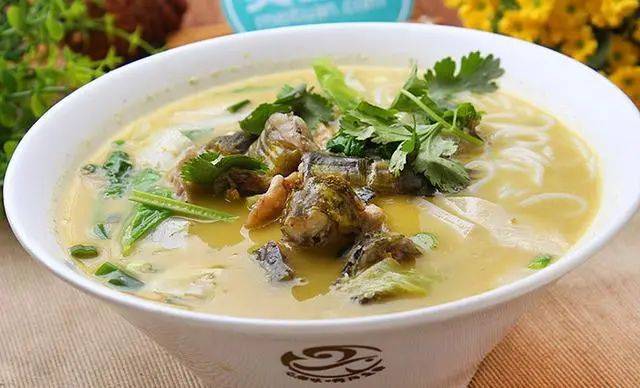
Fresh fish broth served with rice noodles, delicious and savory, a top breakfast choice in Hengyang.
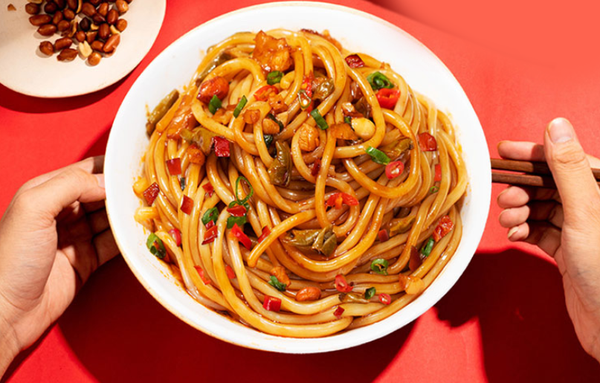
Rice noodles with special braising sauce, braised meat, peanuts, etc., rich in flavor, spicy and tasty.
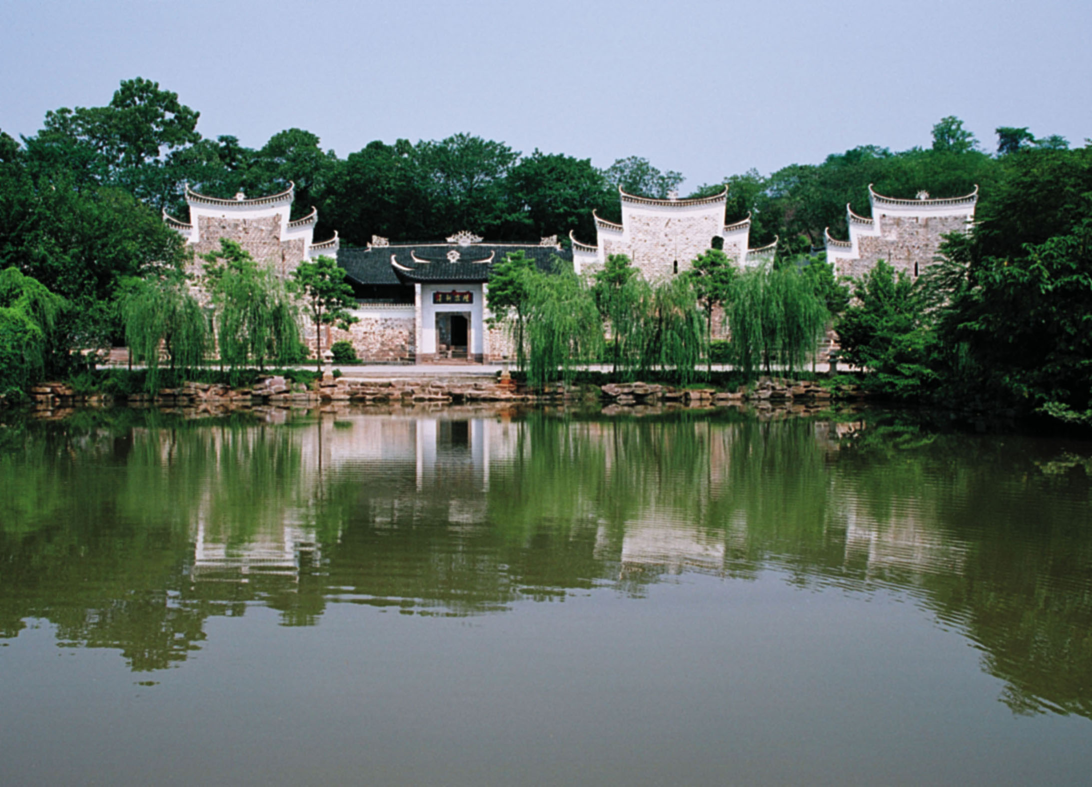
Located on Mount Heng, commemorates the heroic deeds of the 1944 Defense of Hengyang, displaying historical artifacts and photos.
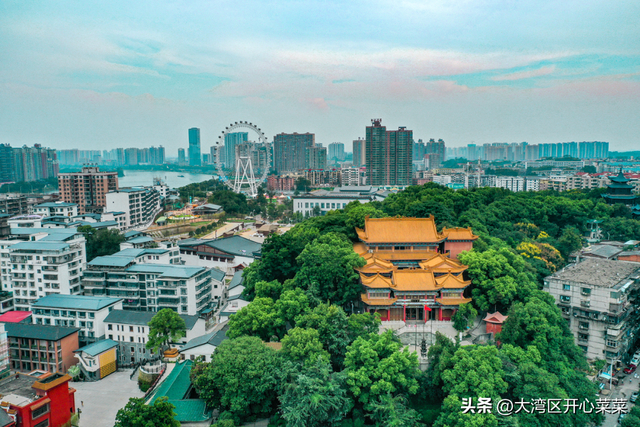
The first of the 72 peaks of Mount Heng. Legend says that wild geese turn back here when flying south. Features Huiyan Pavilion and Yanfeng Temple.
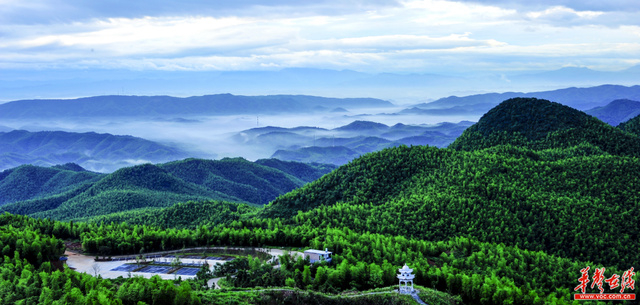
Located in Leiyang City, themed around Cai Lun's papermaking culture, with vast bamboo forests, a natural oxygen bar.
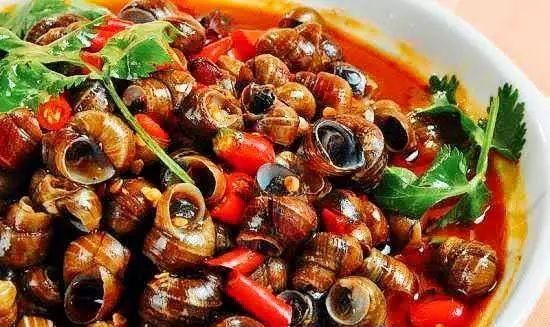
Stir-fried river snails with chili, perilla, etc., delicious, a popular night market snack.
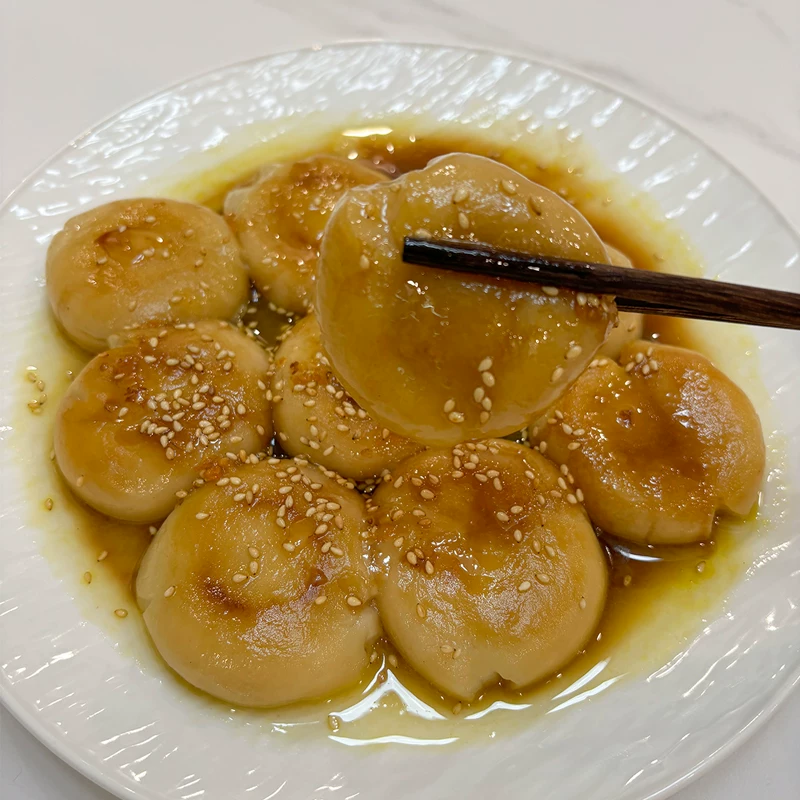
Steamed glutinous rice pounded into paste, can be sweet or savory, crispy outside and soft inside, a traditional festive food.
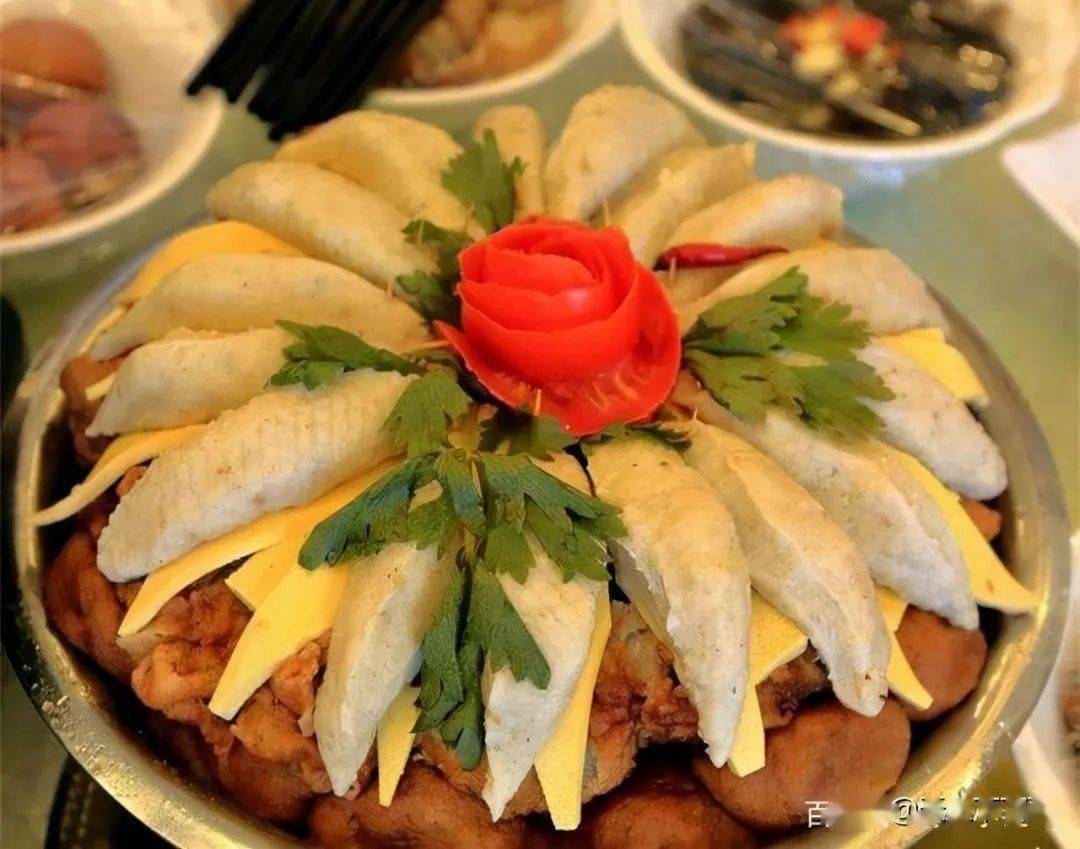
The first dish in a traditional Hengyang banquet, made by steaming multiple layers of ingredients, symbolizing reunion and happiness.