
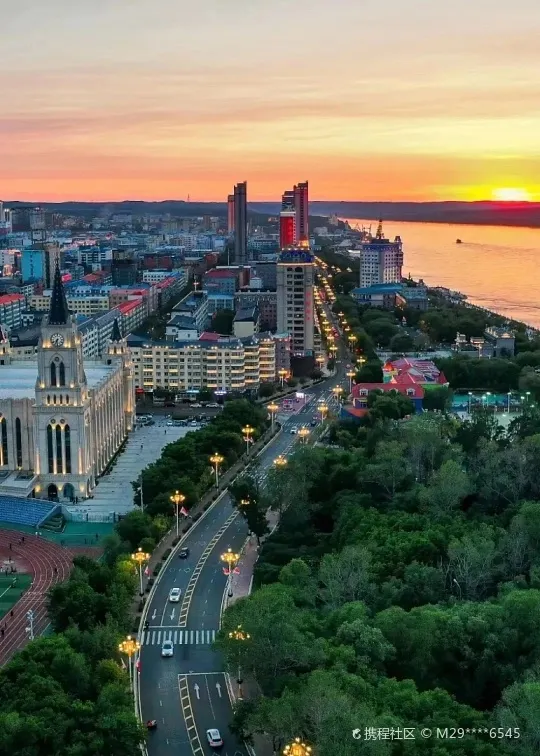
Heihe is located in the northern part of Heilongjiang Province, facing Blagoveshchensk, the capital of Russia's Amur Oblast, across the Heilong River. It is one of China's northernmost border cities. The climate is cold temperate continental monsoon, with long, cold winters and short, cool summers. The annual average temperature is -1.3°C.
Heihe has a long history. During the Tang Dynasty, it belonged to the Heishui Mohe tribe, and in the Qing Dynasty, it was the site of Aihui City. In 1858, the Treaty of Aihui was signed here, resulting in the loss of territories north of the Heilong River. In modern times, it was an important hub for Sino-Russian trade and now serves as a key window for China's opening to Russia.
Heihe's culture blends northeastern folk customs with Russian influences. Locals enjoy Russian-style Western food and celebrate Christmas. Signature dishes include Russian-style grilled meat, big Russian bread (dà liè bā), Heihe stewed fish, pork and sauerkraut stew (shā zhū cài), and sticky bean buns (nián dòu bāo). The cultures of the Oroqen and Daur ethnic minorities are also preserved here.
Today, Heihe has developed into a border tourism and trade center, featuring the Heihe Port and a pilot free trade zone. Winter ice and snow tourism is booming, with attractions like the Wudalianchi Scenic Area and Aihui Ancient City drawing many visitors. The city has well-developed infrastructure and a high level of modernization.
The best time to visit 黑河 is Summer (June-August) and Winter (December-February).
Summer is cool and pleasant, with average temperatures around 20°C, ideal for escaping the heat and visiting natural attractions like Wudalianchi.
Winter is covered in snow and ice, offering activities such as skiing, ice sculpture, and winter fishing, allowing visitors to experience the unique charm of extreme cold.
Spring and autumn are short with changeable temperatures, but fewer tourists make them suitable for travelers who prefer tranquility.
The Qing government signed an unequal treaty with Russia in Aihui City, ceding over 600,000 square kilometers of territory north of the Heilong River.
Heihe officially opened as a port, becoming an important gateway for Sino-Russian border trade.
The State Council approved Heihe as a border open city, granting special policies to promote economic and trade cooperation with Russia.
Recommended places to visit

A UNESCO Global Geopark featuring 14 volcanoes and five beaded lakes, famous for volcanic landforms and cold mineral water.
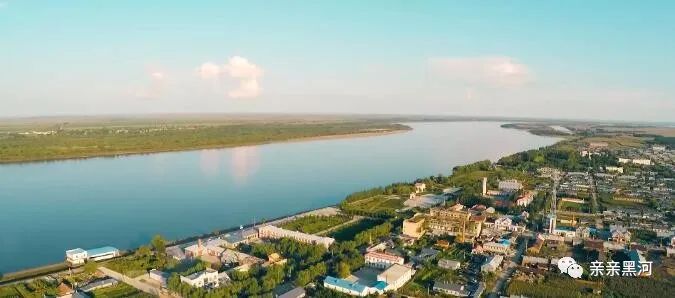
Remains of a Qing Dynasty city, featuring the Aihui Historical Museum that exhibits Sino-Russian relations and the history of the Treaty of Aihui.

Explore rich intangible cultural heritage and traditional crafts
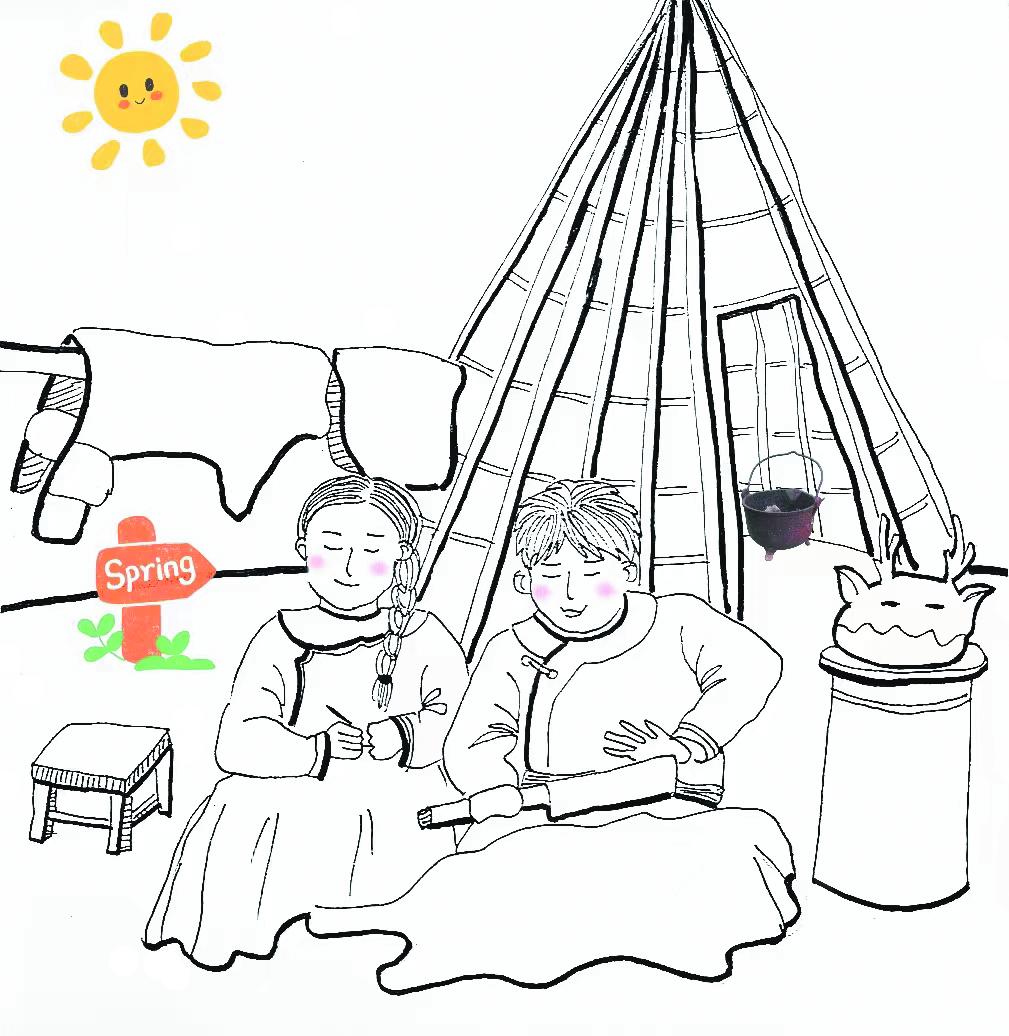
Traditional Oroqen craftsmanship using roe deer skin to make clothing, gloves, etc., warm and durable with unique patterns.
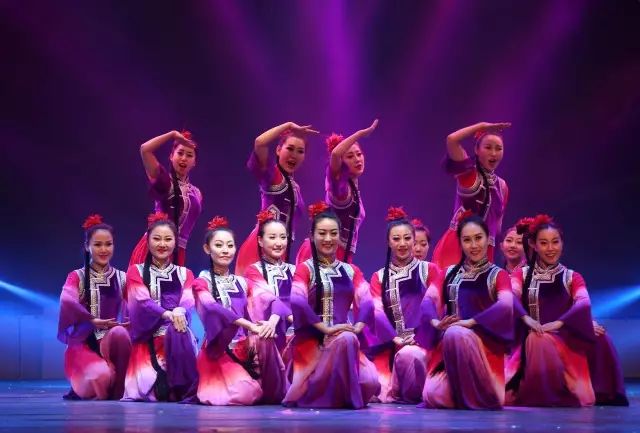
Daur folk dance imitating animal and labor movements, lively rhythm, often performed at festivals.
Must-know transportation for exploring the city
Domestic flights to Harbin, Beijing, Shanghai, etc., about 15 km from city center.
Economy class approx. 500-1500 CNY
Trains to Harbin, Qiqihar, Dalian, etc., mainly K-series, longer travel time.
Hard seat approx. 50-200 CNY
City buses cover main areas, fare 1-2 CNY. Cross-border coaches to Blagoveshchensk require a visa.
City 1-2 CNY, cross-border about 100 CNY
Taste the most authentic and popular local specialties
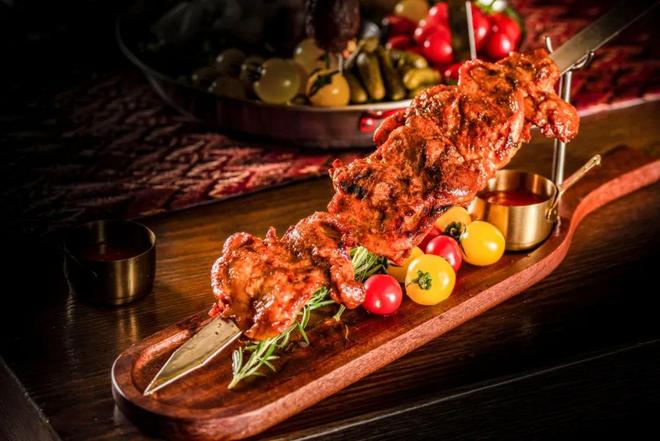
Marinated with special spices and charcoal-grilled, crispy outside and tender inside, served with Russian pickles and bread.
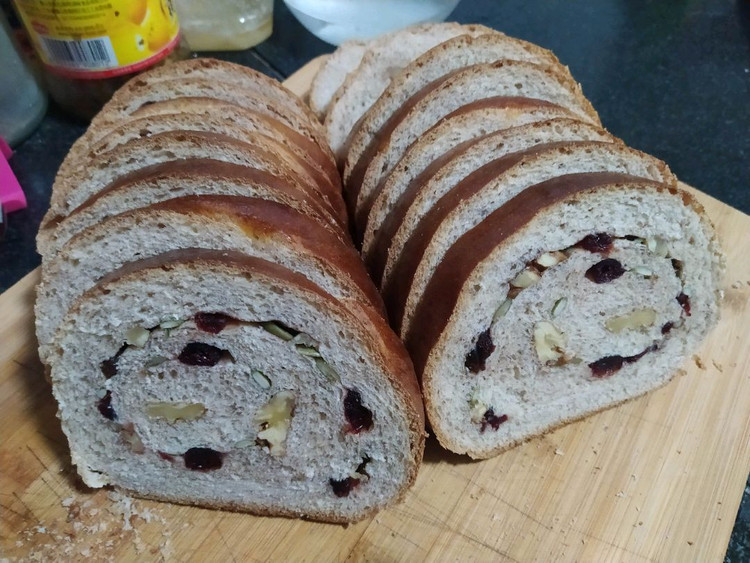
Russian-style large bread, well-fermented with a hard crust and soft interior, wheat-scented, can be sliced with butter or jam.
A cross-border highway bridge connecting Heihe and Blagoveshchensk, opened in 2022, a new border landmark.

An island on the Heilong River, featuring a Sino-Russian border trade zone, Russian-style architecture, and a park offering views of both countries.
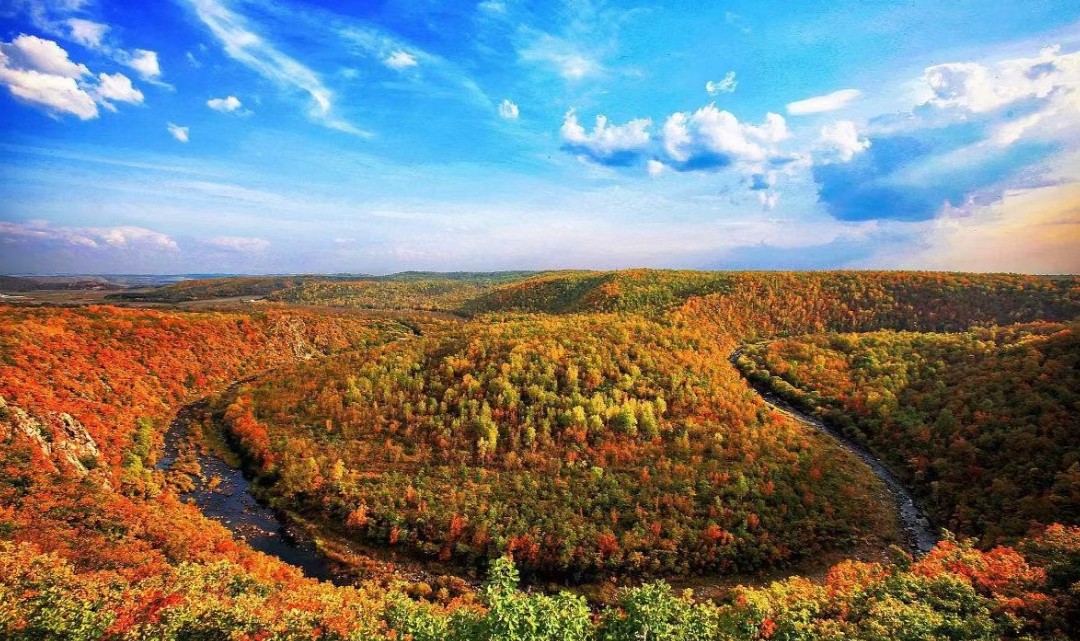
A volcanic rock canyon with dense forests, waterfalls, and streams, especially spectacular with autumn red leaves.
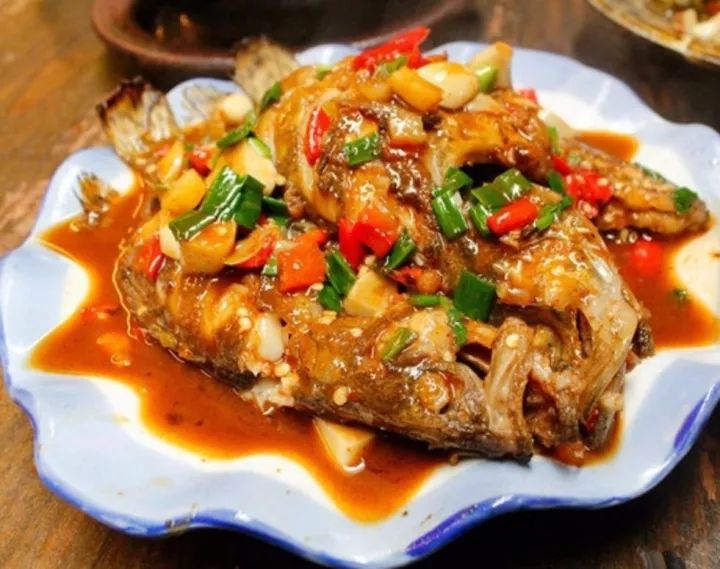
Stewed with fresh fish from the Heilong River, adding tofu and vermicelli, rich and savory broth, a local signature dish.
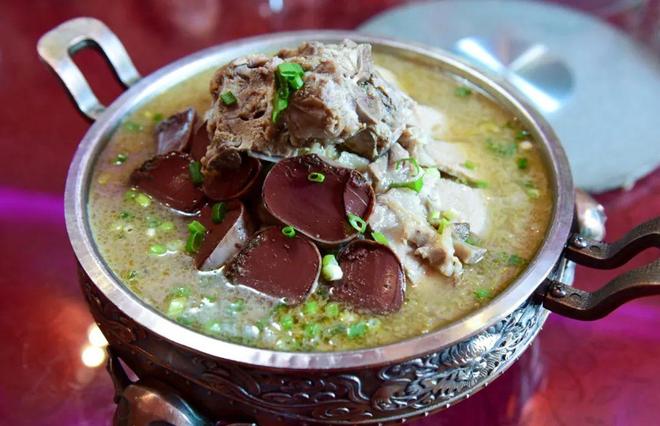
Traditional Northeast Chinese New Year dish, stewed with pork, blood sausage, and sauerkraut, sour and appetizing, especially popular in winter.
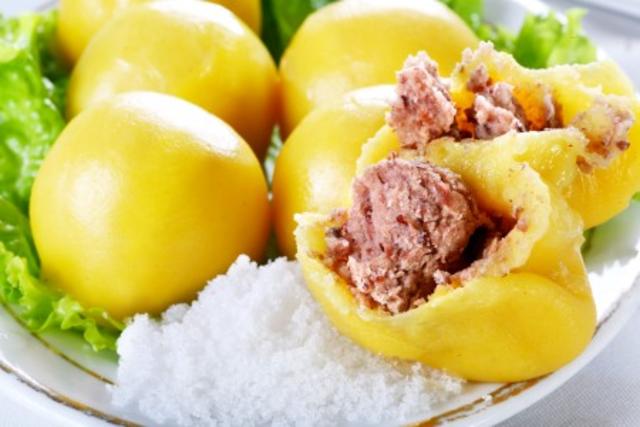
Steamed buns made from yellow rice or glutinous rice flour filled with sweet bean paste, soft and sweet, a traditional Manchu snack.