
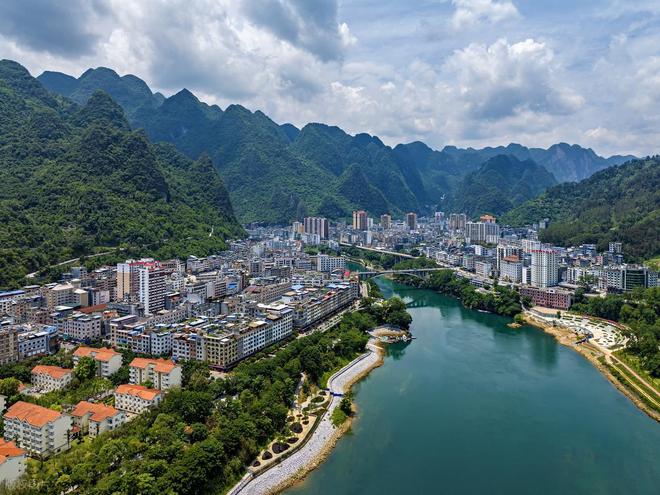
Hechi, located in the northwestern part of Guangxi Zhuang Autonomous Region, lies on the southern edge of the Yunnan-Guizhou Plateau. The terrain is higher in the northwest and lower in the southeast, featuring a subtropical monsoon climate with distinct seasons and abundant rainfall. The region is widely covered by karst landscapes, with picturesque mountains and rivers, numerous caves, sinkholes, and underground rivers, earning it the title "Kingdom of Karst."
Hechi has a long history. During the Qin Dynasty, it belonged to Guilin Commandery, and in the Han Dynasty, it was part of Yulin Commandery. The Song Dynasty established Qingyuan Prefecture here, which continued through the Ming and Qing dynasties. In 1956, Hechi Prefecture was established, and in 2002, it was upgraded to a prefecture-level city. Hechi is a multi-ethnic area inhabited by Zhuang, Yao, Miao, and other ethnic groups. It was also an important area for the Seventh Red Army of the Chinese Workers' and Peasants' Red Army, giving it a profound red cultural heritage.
Hechi is the hometown of the Zhuang folk song immortal Liu Sanjie, with a long-standing tradition of folk songs. Colorful folk activities include the Zhuang "March 3rd" Song Festival, the Yao King Pan Festival, and the Miao Lusheng Festival. Local specialties include Yizhou grilled fish, Bama miniature pigs, Huanjiang fragrant cattle, and Nandan Yaoshan chicken, known for their sour, spicy, and savory flavors.
In recent years, Hechi has leveraged its rich tourism resources and longevity culture to develop eco-tourism and health industries. The Bama Longevity and Health International Tourism Zone has become a core brand. Transportation infrastructure continues to improve, with the Hechi West Station of the Guiyang-Nanning High-Speed Railway now in operation, bringing rapid changes to the city.
The best time to visit 河池 is Spring (March-May) and autumn (September-November) offer pleasant weather, making them the best travel seasons..
Spring (March-May): Temperatures warm up, flowers bloom. It is especially suitable for visiting Bama and Fengshan to enjoy rural scenery and participate in Zhuang song festivals.
Summer (June-August): Hot and rainy, but you can experience rafting and cave escapes, such as Gulong River rafting and Baimo Cave.
Autumn (September-November): Clear and crisp autumn weather, golden rice fields. It is the best time to visit the Tiankeng (sinkhole) groups and the Hongshui River.
In December 1929, Deng Xiaoping and Zhang Yunyi led the Baise Uprising and founded the Seventh Red Army. Hechi was an important area for the Seventh Red Army, and Donglan County is an old revolutionary base.
In June 2002, the State Council approved the abolition of Hechi Prefecture and the establishment of Hechi as a prefecture-level city, with the former county-level Hechi City becoming Jinchengjiang District.
Recommended places to visit

Located in Bama County, it is a typical karst cave with various stalactites, a huge sinkhole, and a geomagnetic health area, known as 'the No.1 Cave under Heaven'.
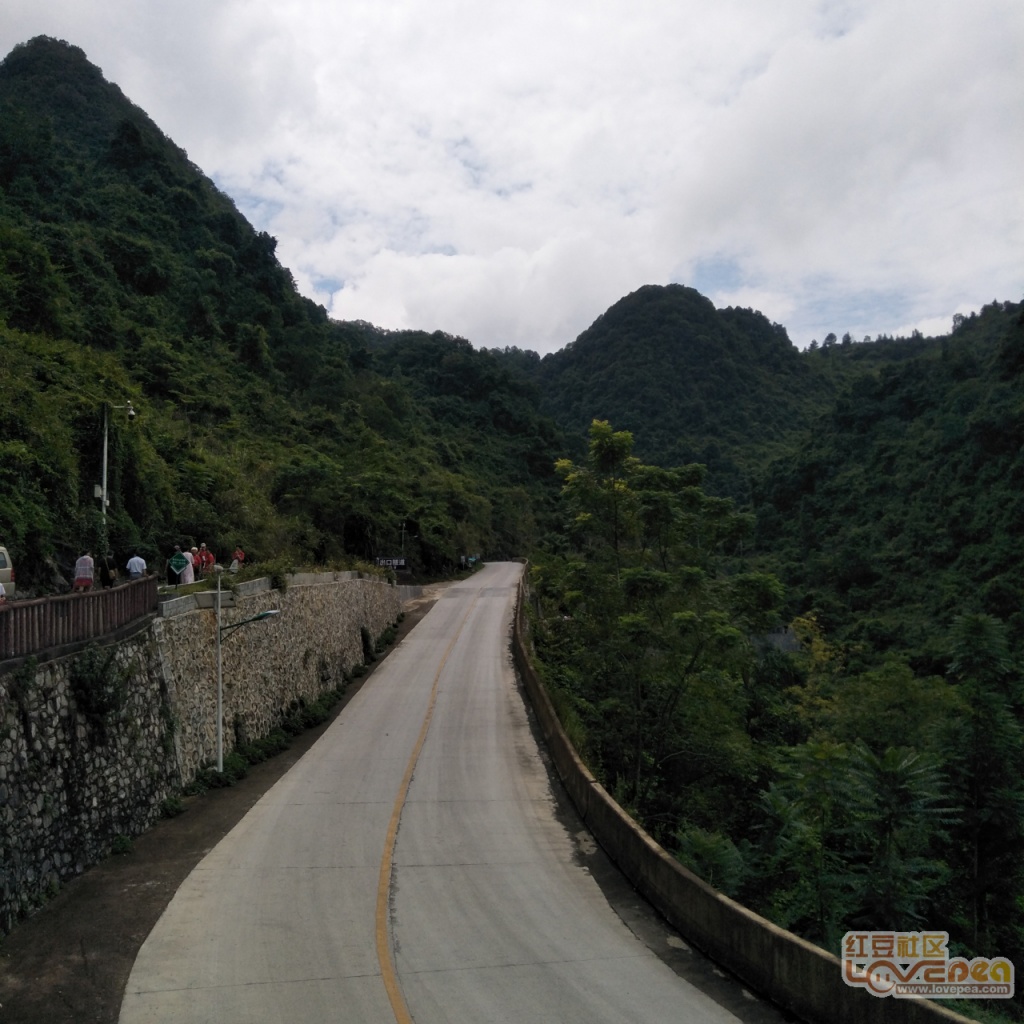
Located in Bama County, the cave is filled with white and crystal clear stalactites, rare in the world.
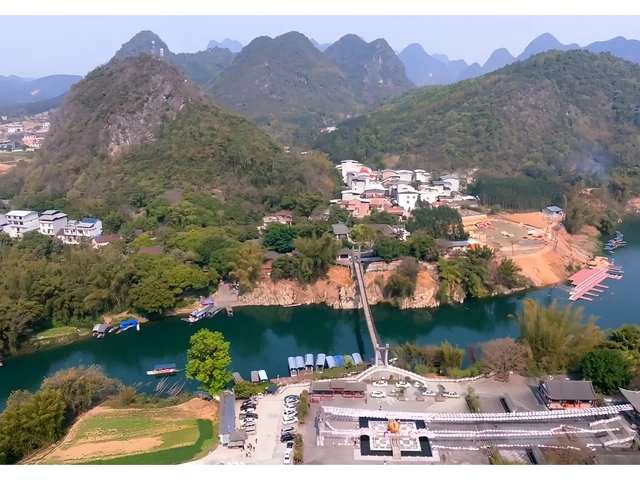
UNESCO World Heritage Sites
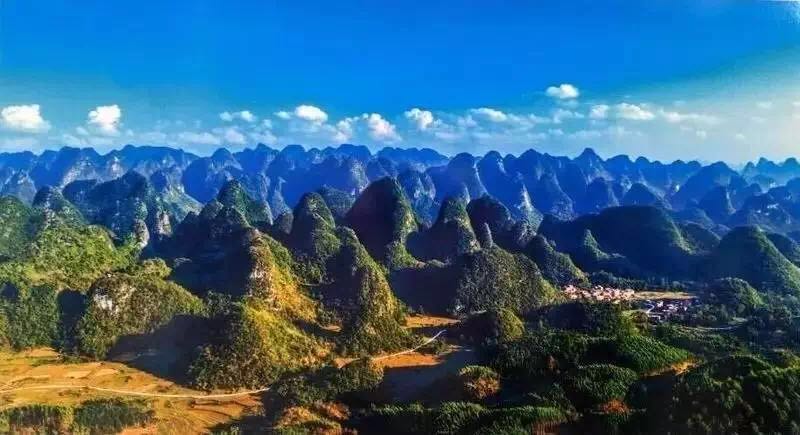
As part of the second phase of 'South China Karst', Huanjiang Karst was inscribed as a World Natural Heritage site, known for its cone karst landforms and biodiversity.
Explore rich intangible cultural heritage and traditional crafts
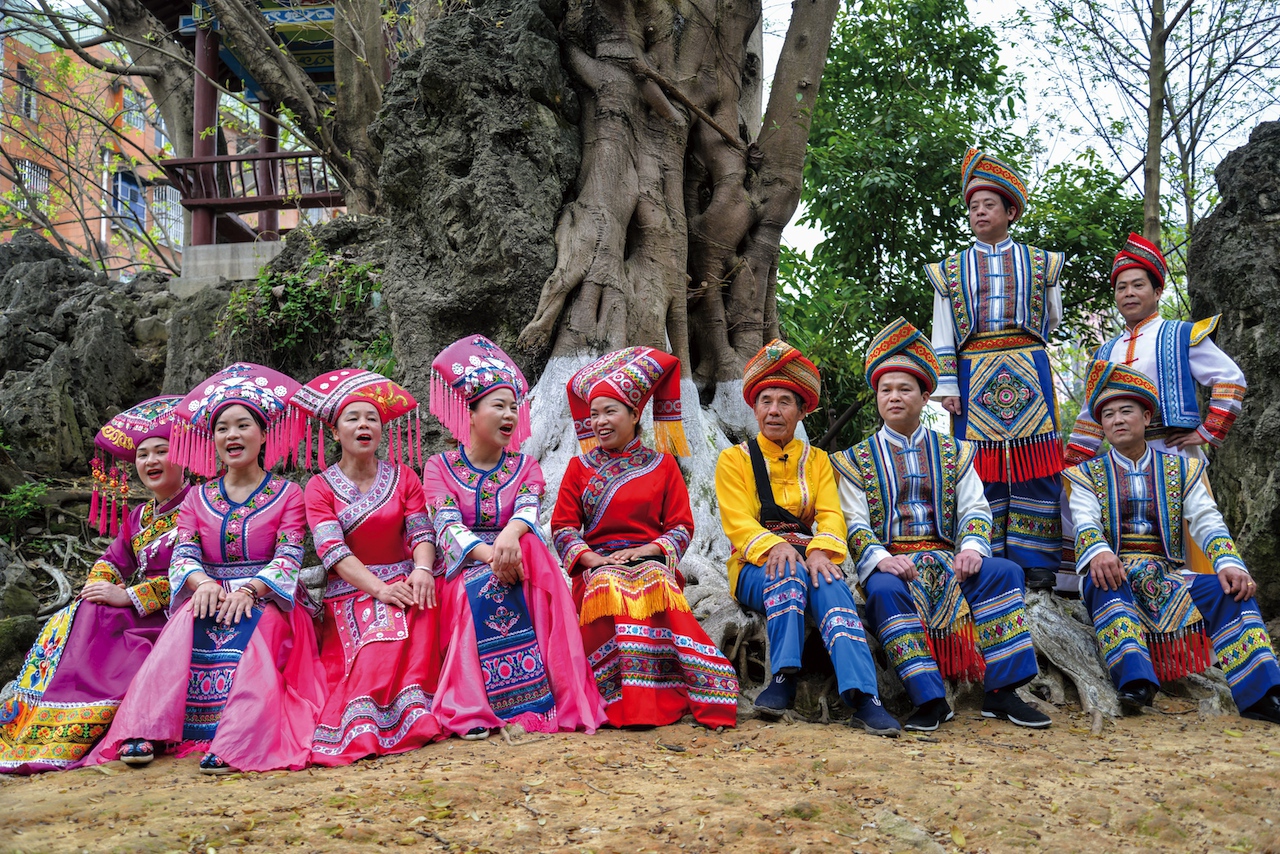
Zhuang folk songs represented by Liu Sanjie, with wide-ranging content and diverse forms, inscribed in the first batch of National Intangible Cultural Heritage in 2006.
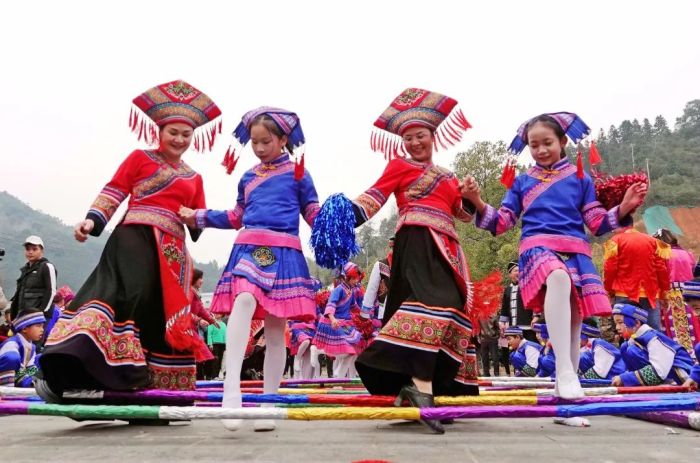
A Zhuang festival to worship frogs, praying for good weather and harvest, mainly popular in Donglan and Bama, Hechi, inscribed as National Intangible Cultural Heritage in 2006.
Must-know transportation for exploring the city
Hechi West Station is in Jinchengjiang District, with direct access to Nanning, Guiyang, Guangzhou, etc. Nanning to Hechi takes about 1 hour, Guiyang to Hechi about 40 minutes.
Nanning-Hechi second class about 100 CNY
Located in Jinchengjiang District, Hechi, with flights to Nanning, Chongqing, Shenzhen, etc. The airport is about 30 km from the city center.
Nanning-Hechi from about 300 CNY
Hechi Bus Terminal has buses to major cities and counties in Guangxi, and some townships are also accessible, suitable for short trips.
City bus 2 CNY, long-distance fares vary by distance
Taste the most authentic and popular local specialties
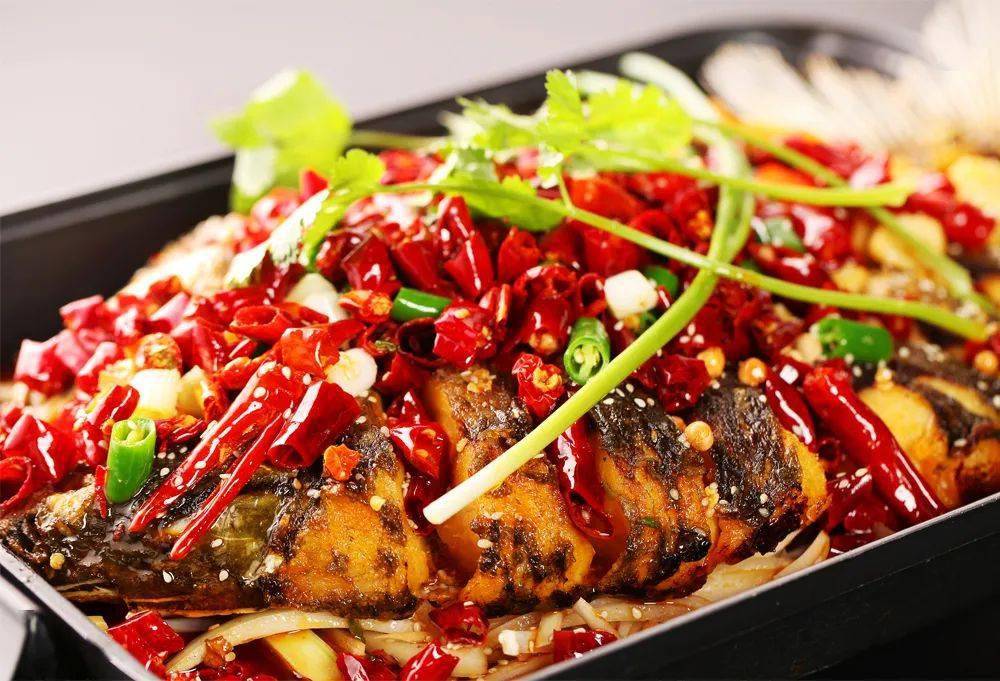
A Yizhou specialty, using fresh fish from Hongshui River, grilled over charcoal, seasoned with sour bamboo shoots and chili, crispy outside and tender inside, sour and spicy.
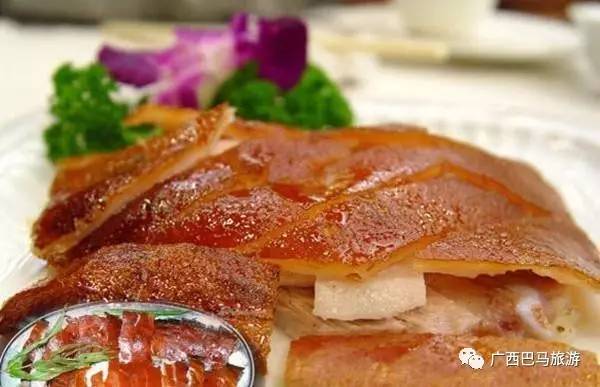
A Bama specialty, small in size, tender meat, thin skin and lean meat, aromatic after roasting, a must-have dish at local banquets.
On August 31, 2023, the Guiyang-Nanning high-speed railway was fully opened, and Hechi West Station was put into use, marking Hechi's entry into the high-speed rail era.
Located in Yizhou District, it is the hometown of the Zhuang singing goddess Liu Sanjie. The scenic area includes Liuhe Village and Sanjie Temple, where you can enjoy folk song duets and Zhuang ethnic performances.
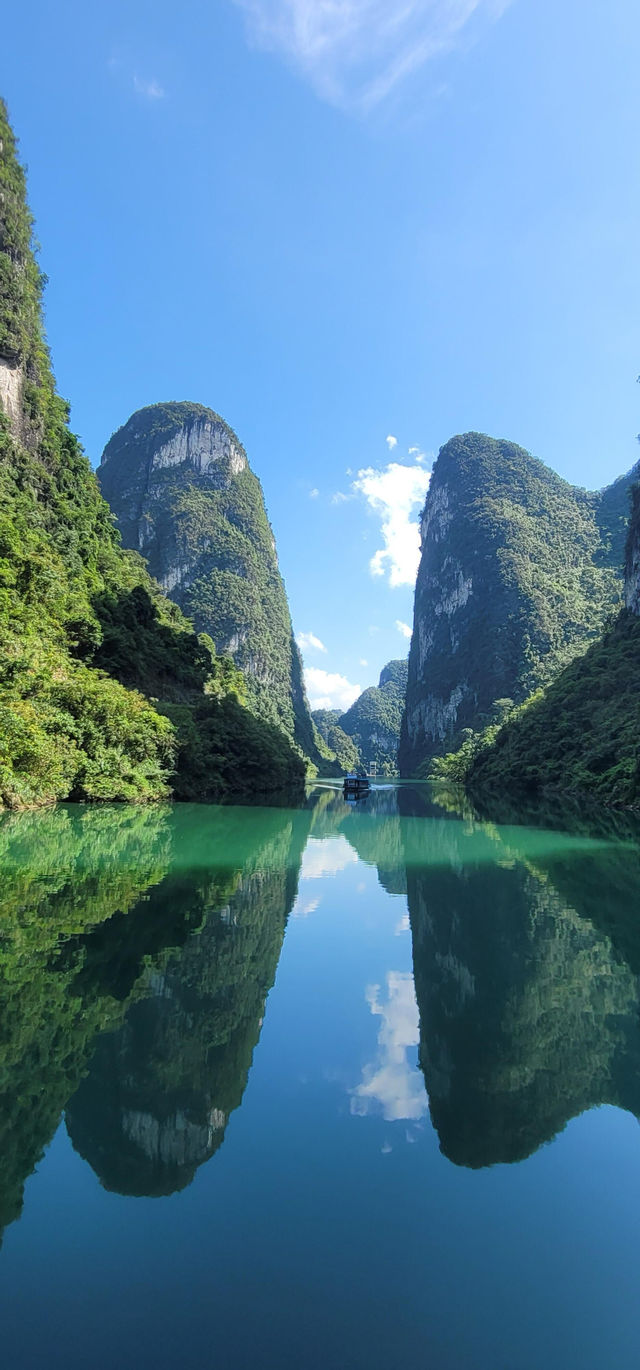
Located in Fengshan County, it is a typical representative of world karst landforms, composed of three skylights. You can take a boat into the underground river with crystal blue water, like a fairyland.
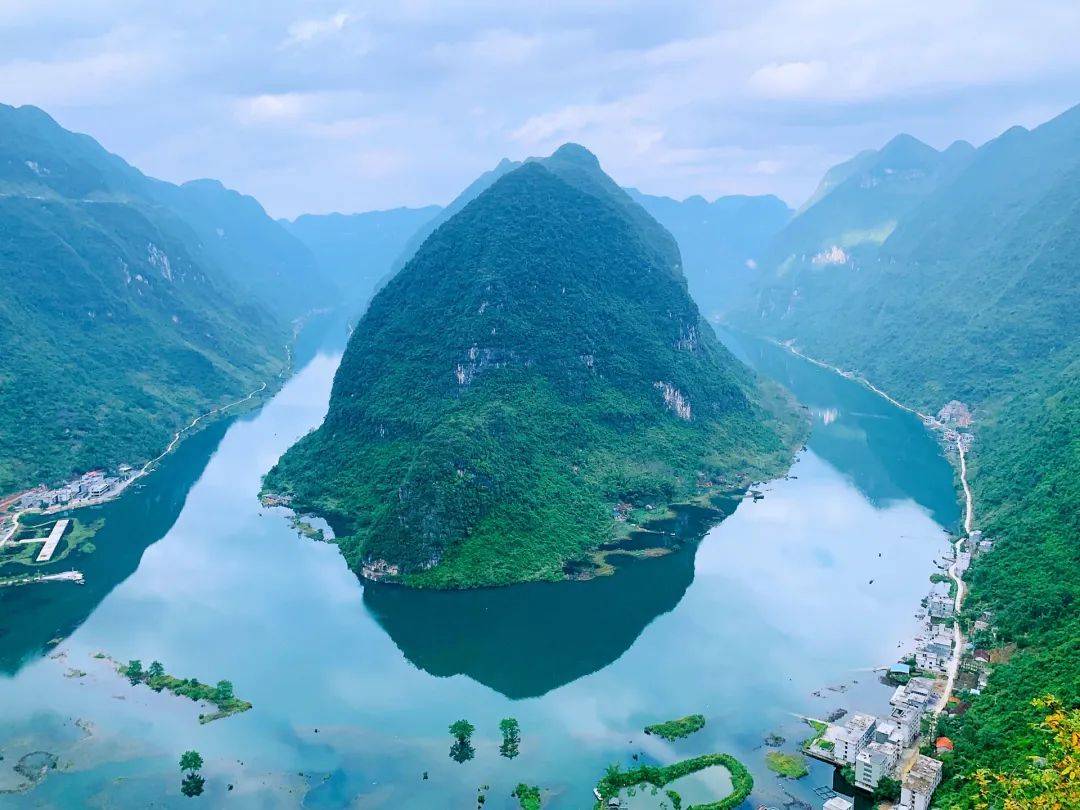
Located in Donglan County, the Hongshui River forms a huge U-shaped bend here, with picturesque green mountains on both sides, an excellent spot for photography and sightseeing.
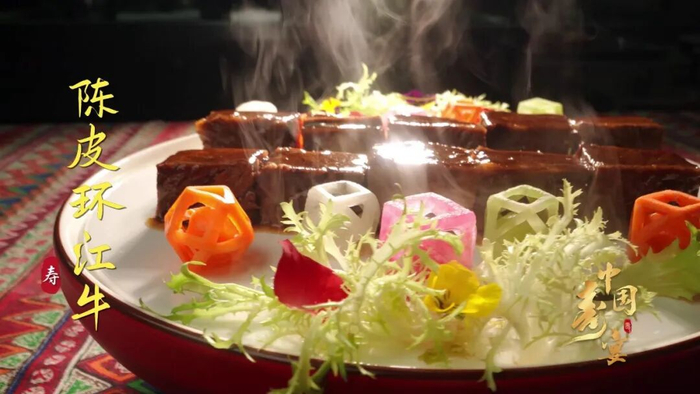
A specialty of Huanjiang Maonan Autonomous County, delicious meat with even fat distribution, suitable for stewing or BBQ, rich flavor.
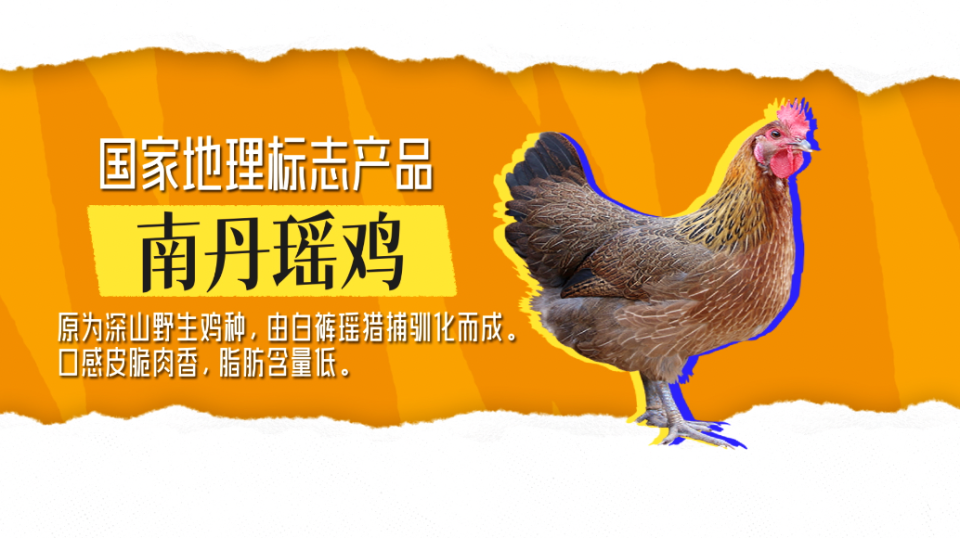
Free-range native chickens from the Yao mountain area in Nandan County, firm meat, delicious taste, often served poached or steamed to preserve original flavor.
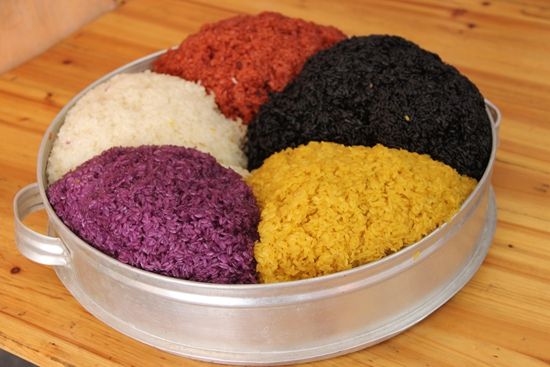
A traditional Zhuang food, glutinous rice dyed in five colors (black, red, yellow, purple, white) using natural plant dyes, symbolizing good luck, often eaten on March 3rd.