
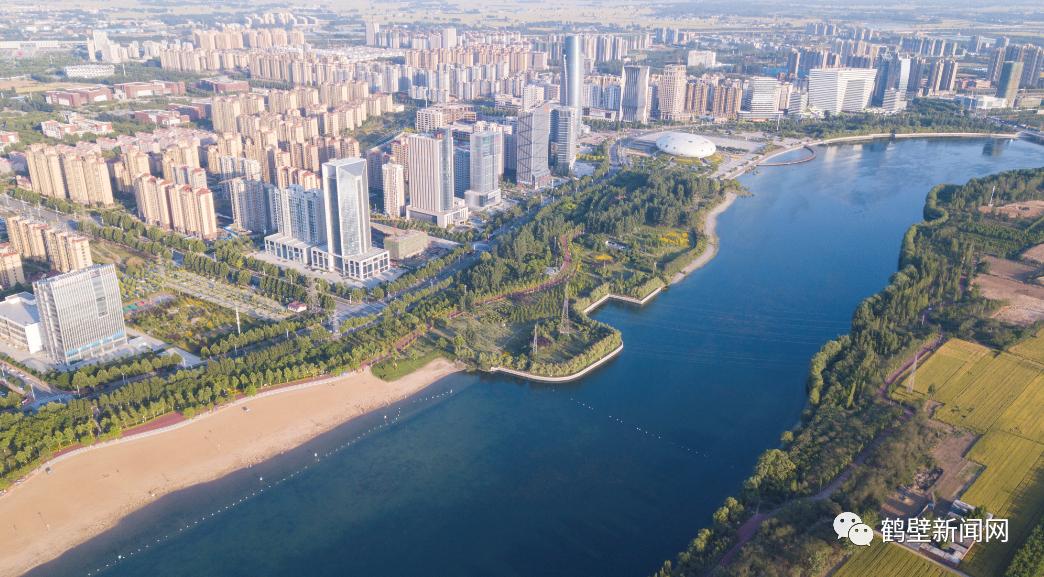
Hebi is located in the northern part of Henan Province, at the eastern foot of the Taihang Mountains, with higher terrain in the west and lower in the east. It has a warm temperate continental monsoon climate with four distinct seasons: windy spring, hot summer, cool autumn, and cold dry winter.
Hebi has a long history. It was the site of Zhaoge, the capital of the Shang Dynasty, and later the capital of the Wei State during the Zhou Dynasty, with a history of over 3,000 years. There are numerous Shang and Zhou cultural relics, such as the ancient Wei city along the Qi River and the Xincun Cemetery.
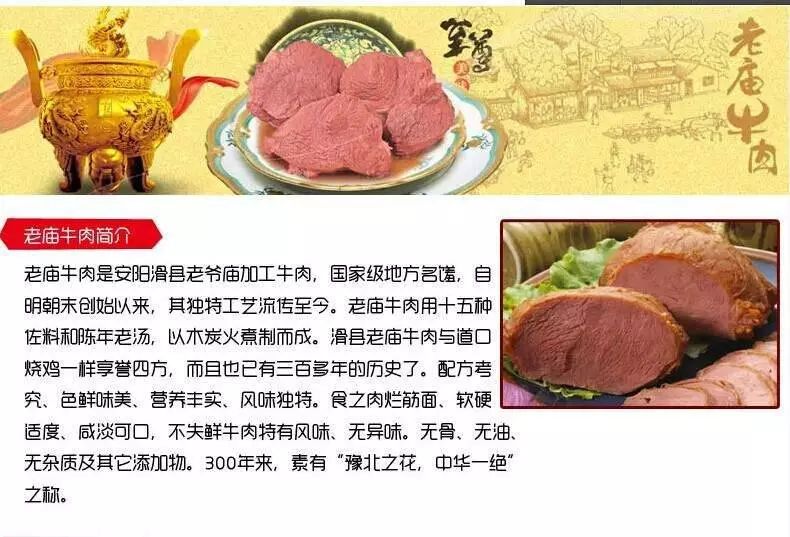
Hebi's culture is represented by the Qi River culture. Traditional delicacies include Xunxian Zimo (baked stuffed flatbread), Qi River crucian carp, and Laomiao beef. Folk arts like Xunxian Nigugu (clay whistles) and Yangqitun clay sculptures are listed as intangible cultural heritage.
Modern Hebi is an important coal industry base, while also developing electronics and auto parts industries. The city boasts beautiful environments, with leisure spots like the Qi River Ecological Zone. It has convenient transportation, with the Beijing-Guangzhou high-speed railway passing through.
The best time to visit 鹤壁 is Spring and Autumn (March-May, September-November).
Spring (March-May) has mild weather and rejuvenating nature, ideal for visiting the Qi River scenery and ancient city ruins.
Autumn (September-November) is clear and crisp, with red leaves covering the mountains, great for hiking and photography.
Summer is hot and winter is cold, but if it snows, the Taihang Mountains offer a unique flavor.
Before King Pangeng moved the capital to Yin (modern Anyang), Zhaoge (now Qi County, Hebi) was the capital of the Shang Dynasty.
After King Wu of Zhou overthrew the Shang, he enfeoffed his younger brother Kangshu to Wey, with its capital at Zhaoge. The Wey State lasted nearly 400 years.
Due to coal resource development, the State Council approved the establishment of Hebi City as an emerging industrial city.
Recommended places to visit
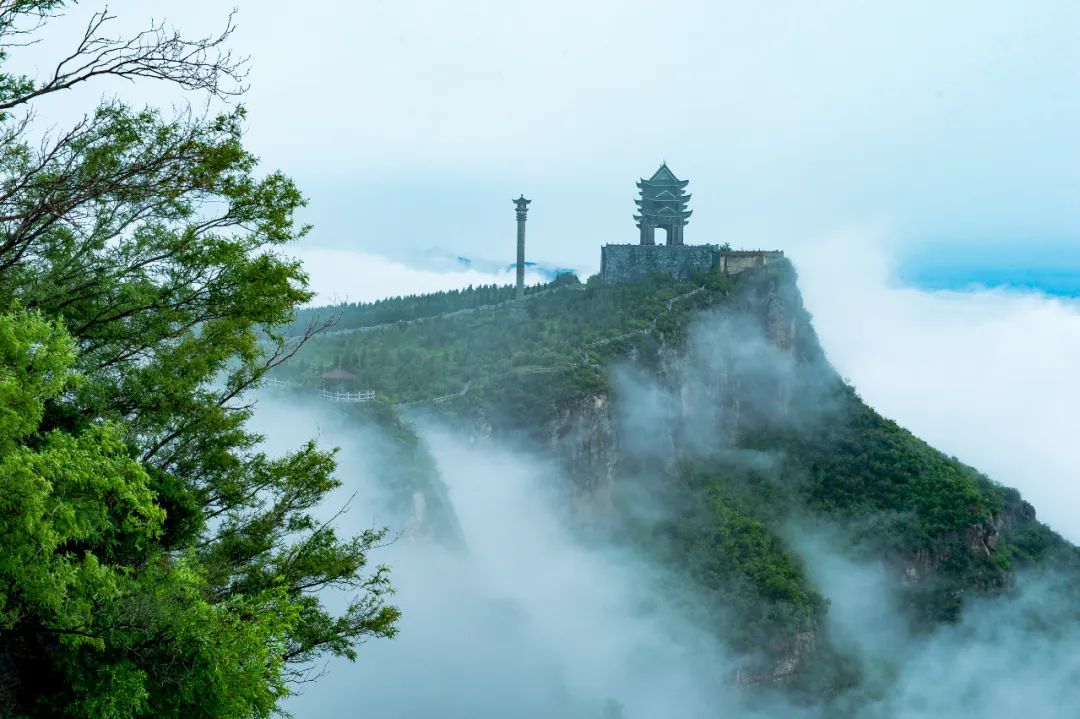
National 4A scenic area, the hermitage of Guiguzi, known as the Warring States military academy, famous for its strange peaks, deep valleys, and karst caves.
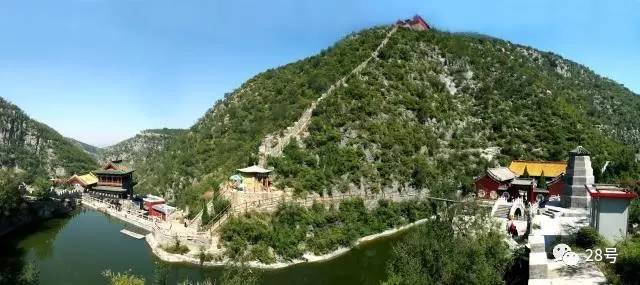
National 4A scenic area, home to the Great Stone Buddha (the earliest in China and the largest in the north), as well as ancient sites like Tianning Temple and Yangming Academy.
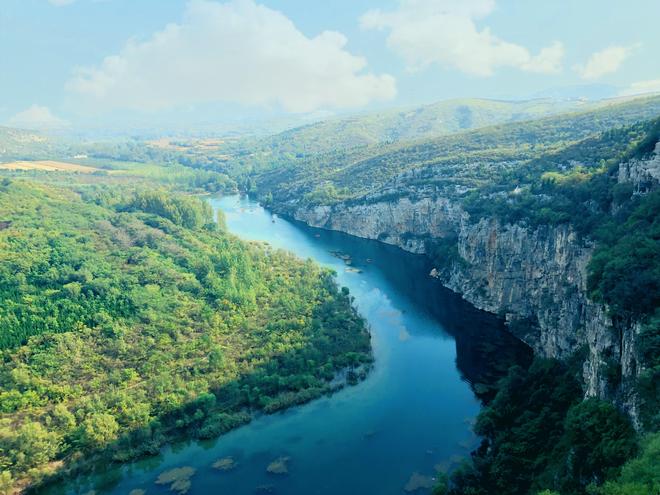
Explore rich intangible cultural heritage and traditional crafts
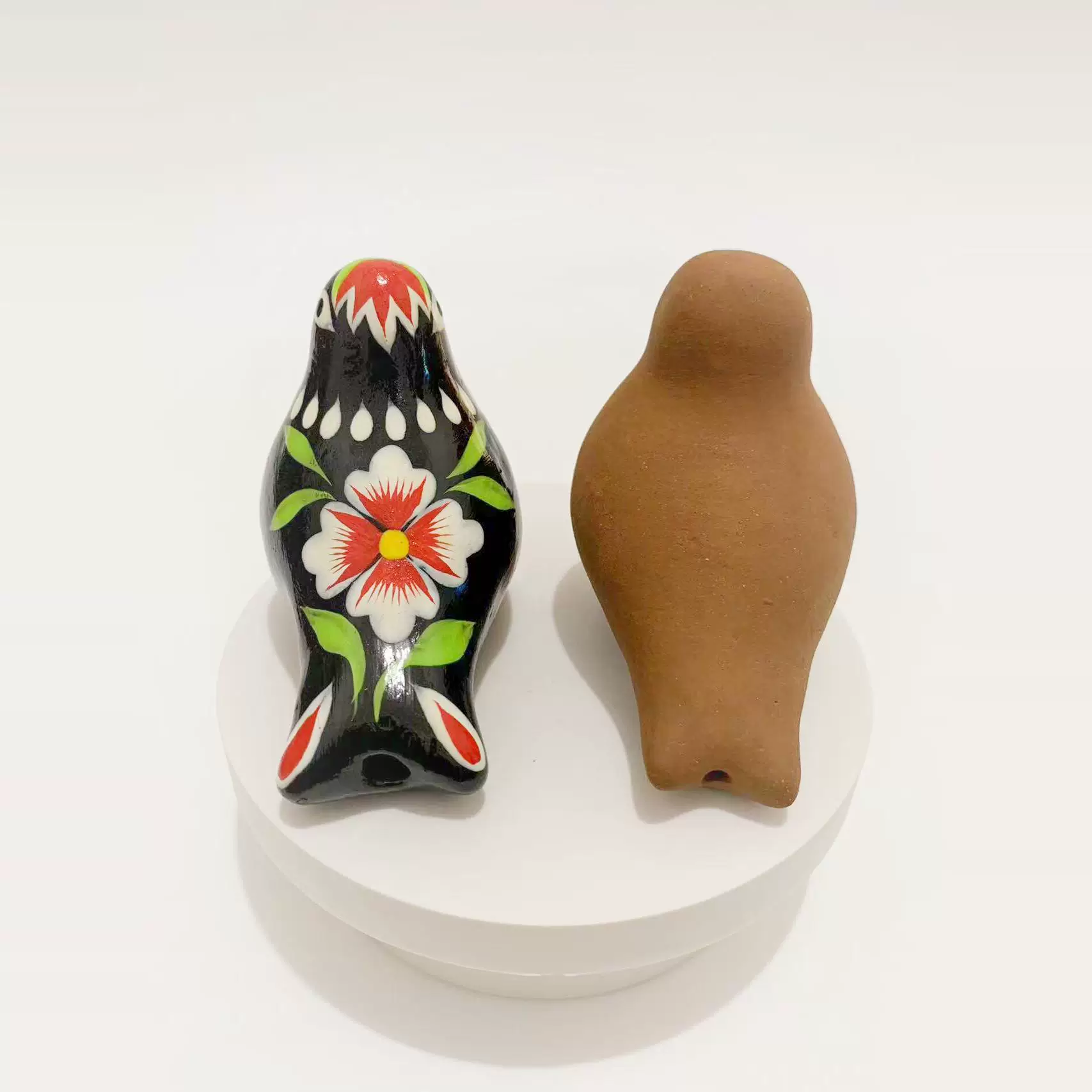
National intangible cultural heritage, mainly clay bird figurines with bright colors, can be blown to make sounds.
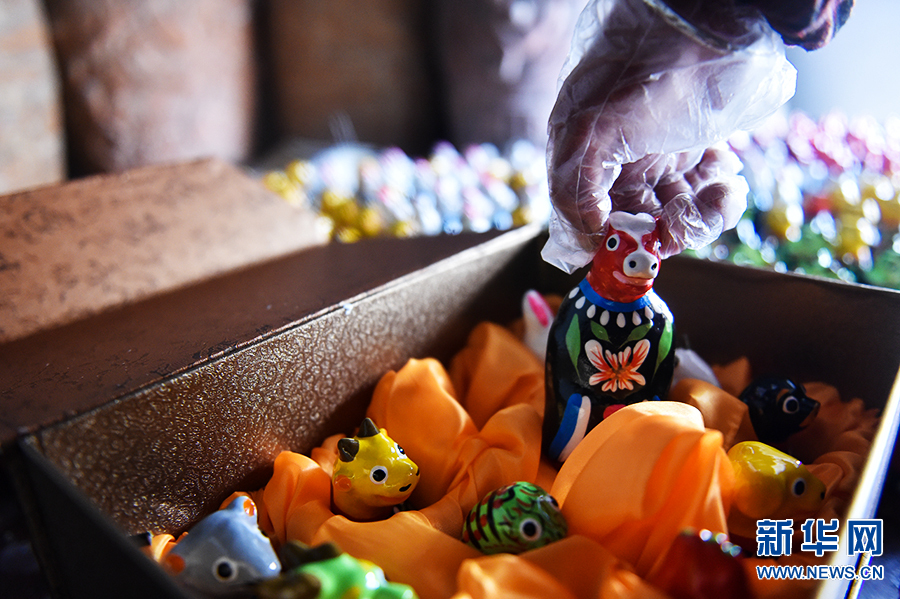
Provincial intangible cultural heritage, mainly figurines of people and animals, with simple and ancient shapes and exquisite craftsmanship.
Must-know transportation for exploring the city
Hebi East Station is on the Beijing-Guangzhou high-speed railway, providing direct access to major cities like Beijing, Zhengzhou, and Guangzhou, with frequent services.
Beijing-Hebi second class about 300 RMB
Hebi Station is a stop on the Beijing-Guangzhou railway, with K and T series trains, offering cheap tickets.
Zhengzhou-Hebi hard seat about 20 RMB
City buses cover major attractions and urban areas, fare 1-2 RMB, some lines directly reach scenic spots.
1-2 RMB
Taste the most authentic and popular local specialties
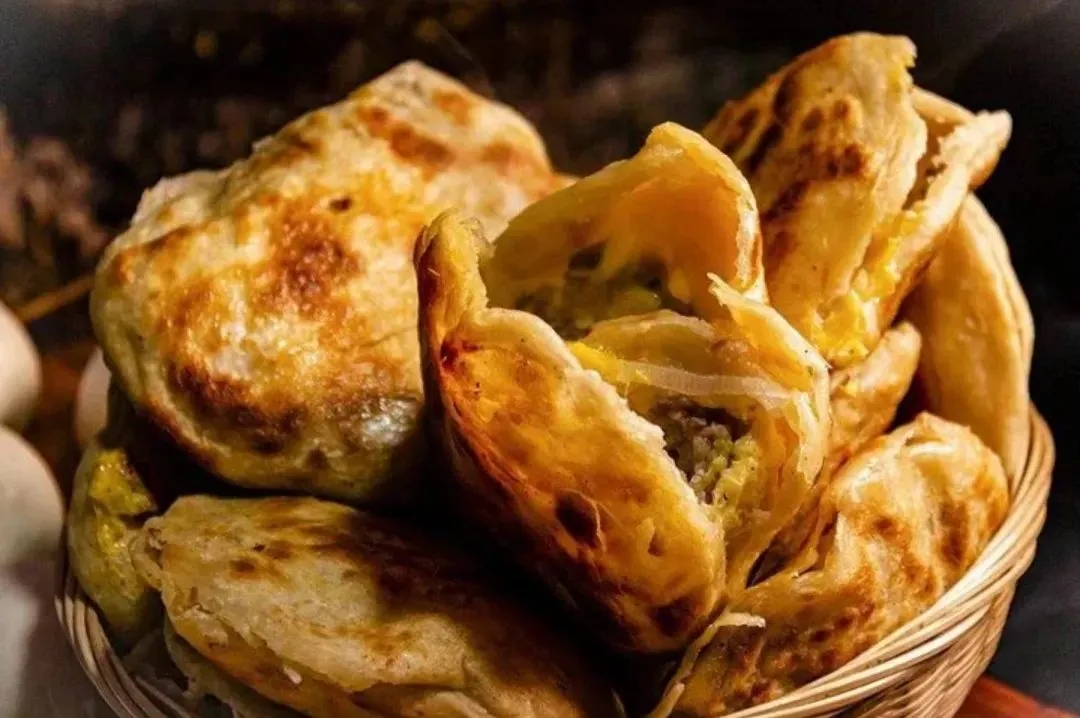
A baked bread made in a special clay pot, crispy outside and soft inside, stuffed with meat filling. A traditional snack of Xunxian.
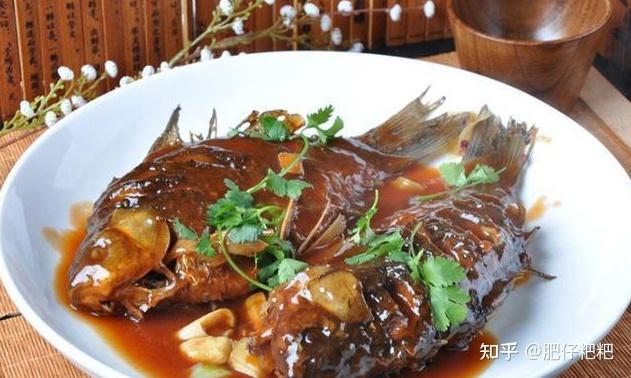
A specialty of the Qi River, with tender and delicious meat. Can be steamed, braised, or made into soup.
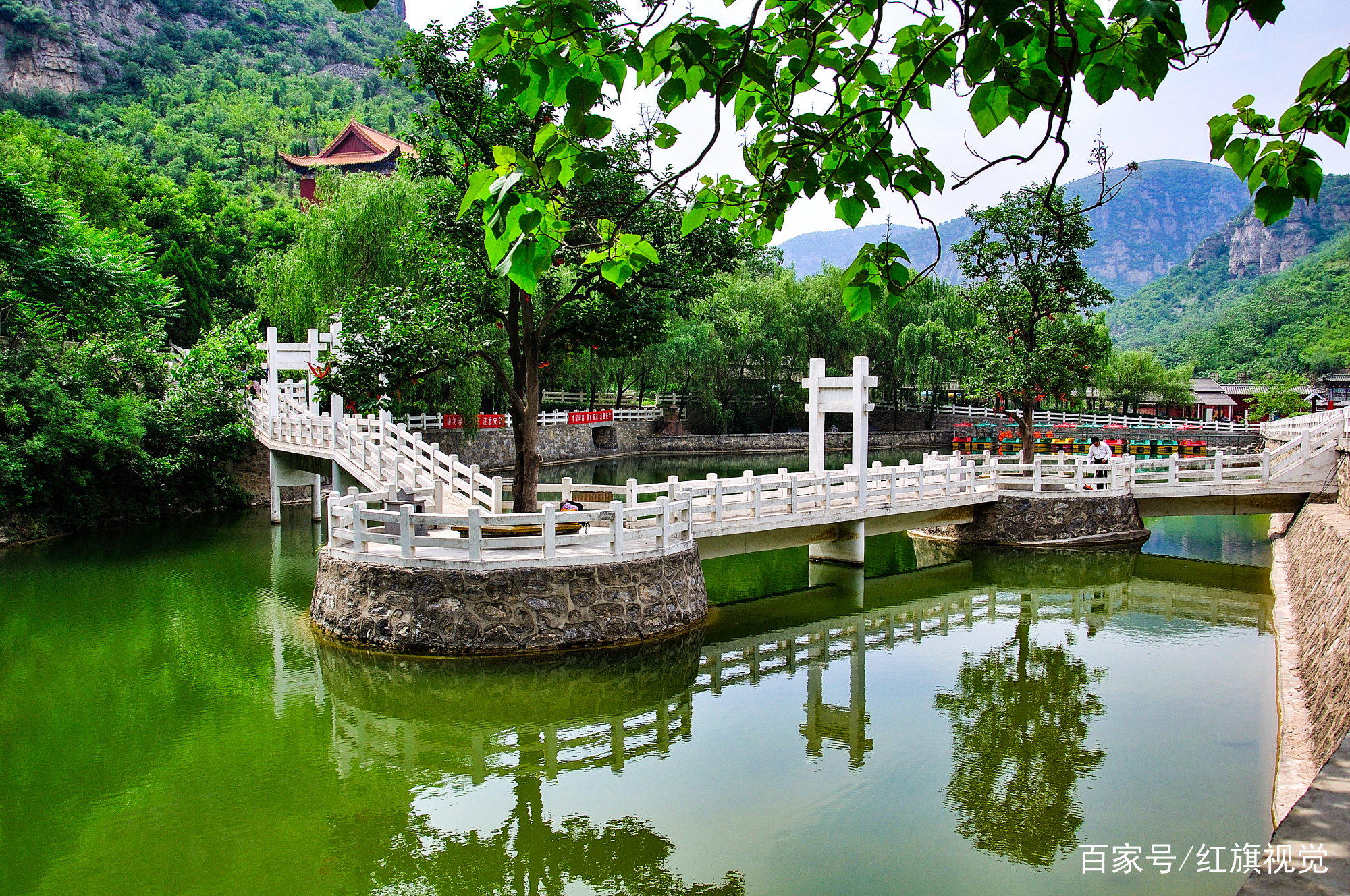
The Qi River forms a natural Tai Chi diagram here, with green mountains and clear water, creating a poetic atmosphere, great for photography and leisure.
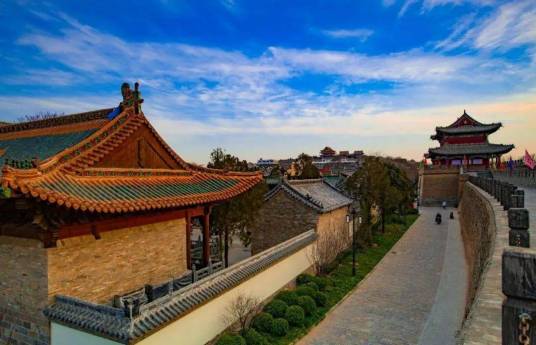
National historical and cultural city, with well-preserved ancient sites such as the Ming Dynasty city wall, Wenzhi Pavilion, and Yunxi Bridge.
National 4A scenic area, said to be the place where Nüwa mended the sky, with attractions like Lingshan Temple and Nüwa Palace, beautiful natural scenery.
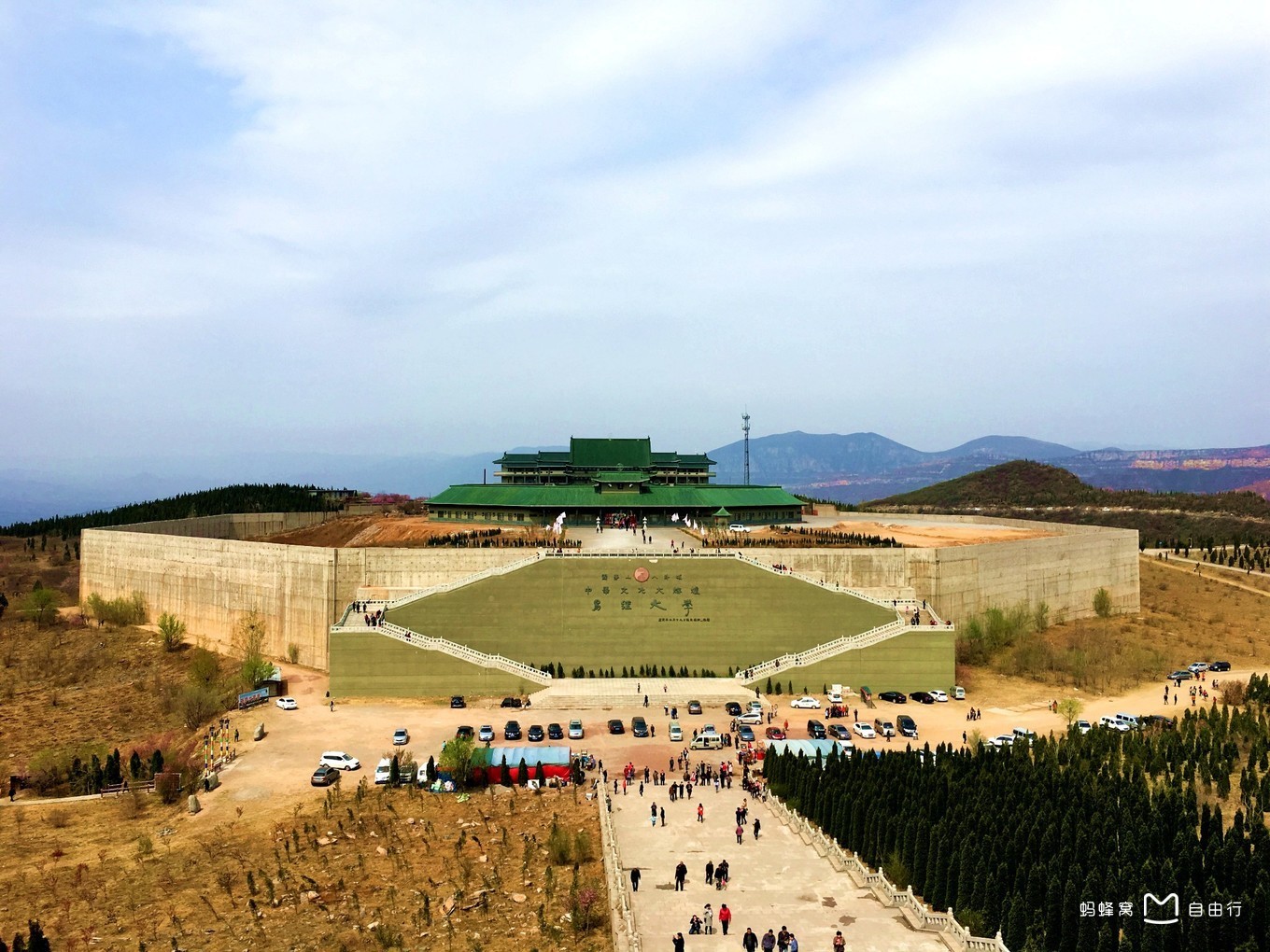
Legend says it was where King Zhou and Daji enjoyed the moon. The remaining rammed earth platform is a Shang Dynasty cultural site.
A traditional delicacy from Laomiao Town, Hebi, braised with various spices, red and glossy, tender and flavorful.
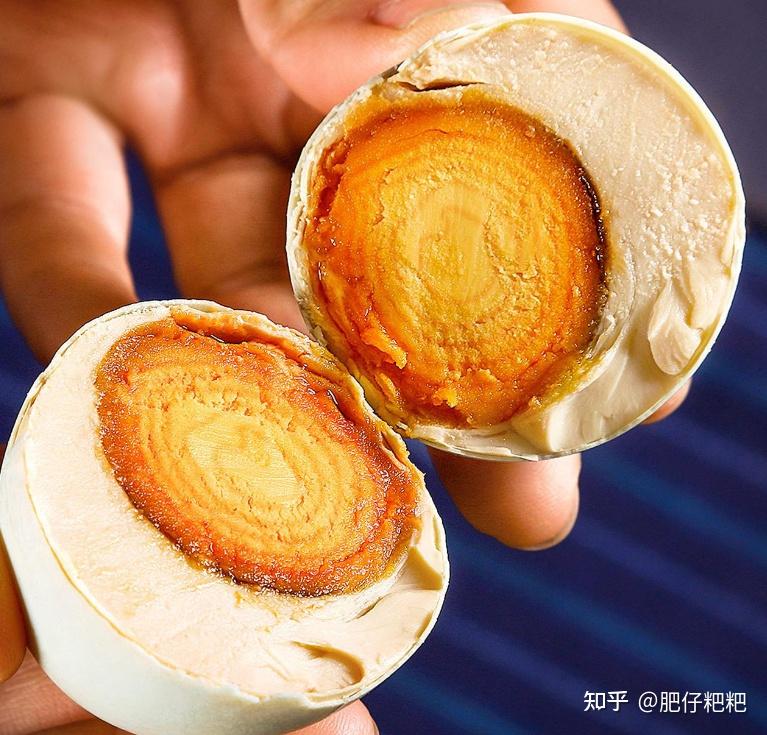
A specialty from the Qi River area in Hebi, the yolk has a silky texture, unique taste, and rich nutrition.
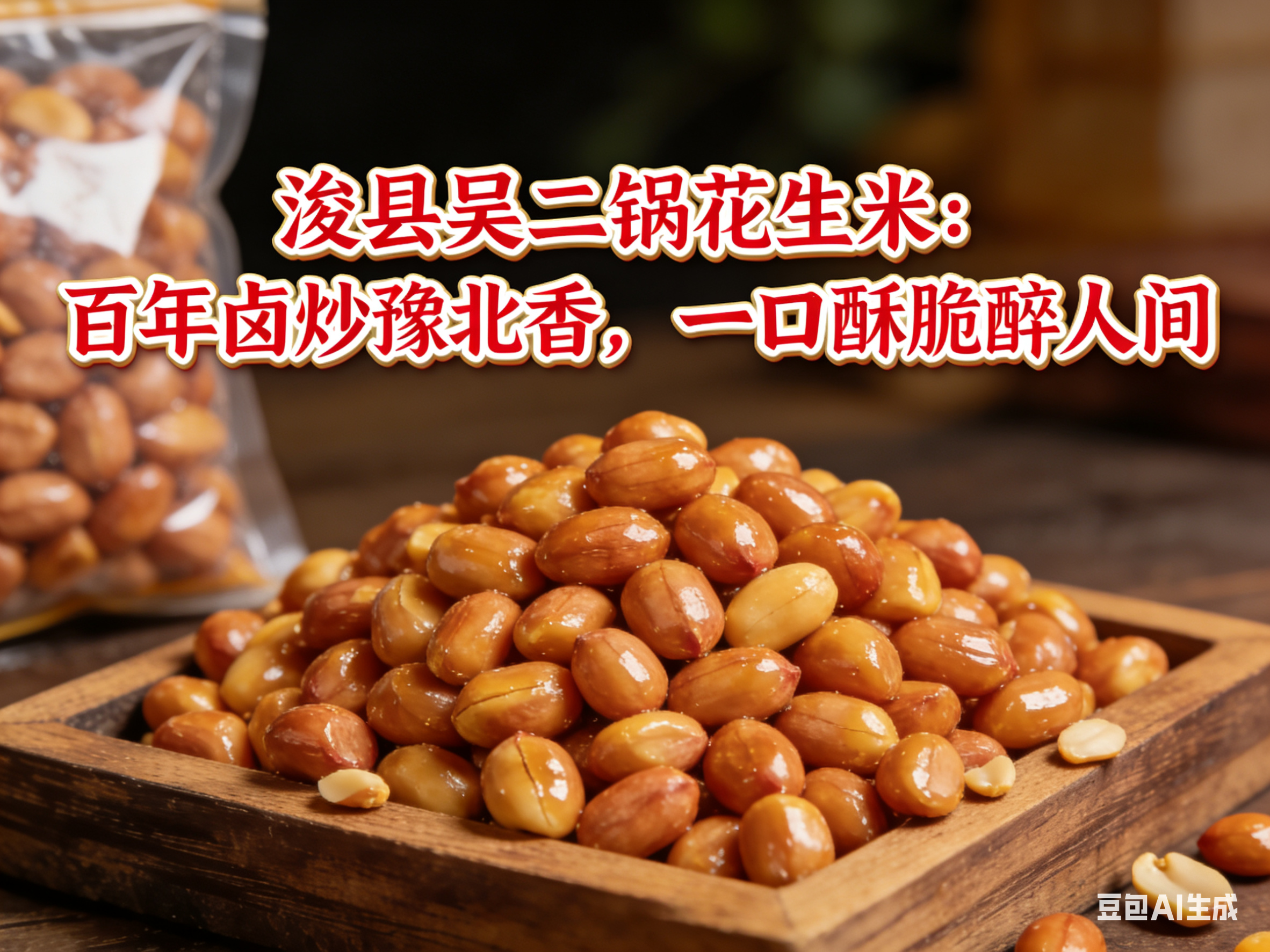
A traditional snack in Hebi, boiled with various spices then dried, crispy and delicious, a great accompaniment to drinks.