Explore China
Discover the best destinations across China

Discover the best destinations across China
Discover the best destinations across China
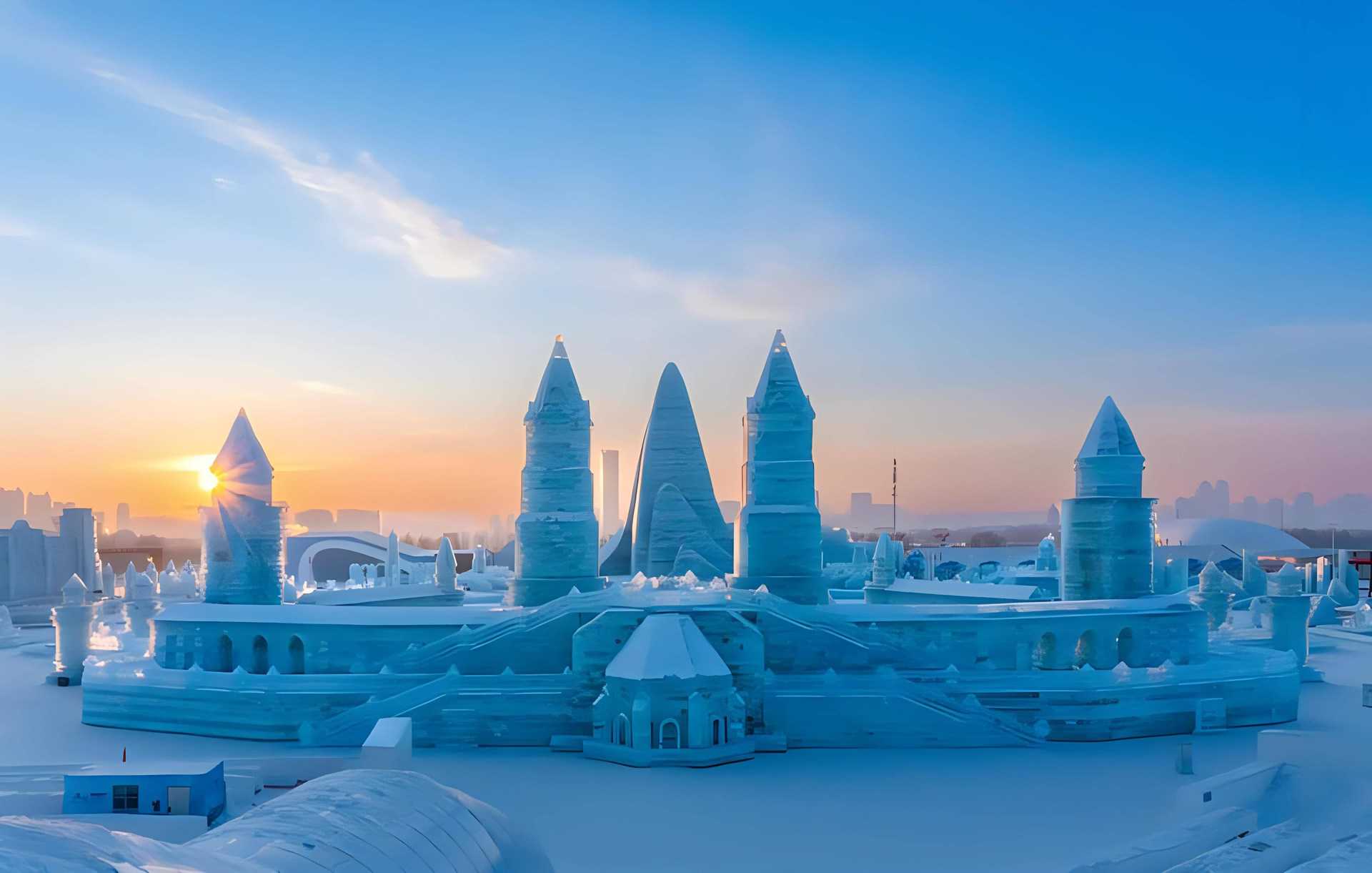
Harbin is the capital city of Heilongjiang Province, located in northeastern China. It lies in the eastern part of the Songnen Plain, with the Songhua River flowing through the city, bringing abundant water resources. Harbin has a temperate continental monsoon climate, with long, cold winters and short, cool summers. The average winter temperature ranges from -15°C to -30°C, earning it the nickname "Ice City."
The history of Harbin dates back to the late 19th century, rapidly rising with the construction of the Chinese Eastern Railway. It was once a major settlement for Russian expatriates, resulting in an architectural blend of Chinese and Western styles, particularly represented by Russian-style buildings. Saint Sophia Cathedral and Central Street are the most iconic historical landmarks of Harbin, showcasing the city's unique exotic charm.
Harbin's cultural atmosphere is deeply influenced by Russia and Europe, while also blending the distinctive local characteristics of Northeast China. The people here are warm and hearty, enjoying ice and snow sculptures in winter. Harbin's cuisine is primarily Northeast Chinese, with signature dishes such as Guobao Rou (sweet and sour pork), Harbin red sausage, and Modern ice pops, reflecting a fusion of Chinese and Western food culture. At night, Harbin is brilliantly lit, with Central Street and the Ice and Snow World being places where visitors linger and never want to leave.
Nowadays, Harbin has developed into a modern international metropolis and is an important industrial base as well as a center for science and education in China. The Harbin International Ice and Snow Festival enjoys a worldwide reputation, attracting global tourists. With the continuous deepening of Sino-Russian trade, Harbin is striving to become a logistics and financial center in Northeast Asia. In the future, Harbin will continue to maintain its unique ice and snow charm while promoting technological innovation and sustainable development.
The best time to visit 哈尔滨 is Winter (December to February) and summer (June to August) are the best tourist seasons in Harbin..
The best time to visit Harbin is in winter and summer. In winter, Harbin is like a fairy-tale world, with the Ice and Snow World and Sun Island Snow Expo captivating visitors. The Harbin International Ice and Snow Festival, starting on January 5th each year, is the city's grandest festival, attracting countless tourists to admire ice and snow sculptures. During this time, temperatures are extremely low, so proper cold protection measures are necessary.
Spring (March-May) in Harbin sees gradually rising temperatures, but it's still relatively cold. Ice and snow begin to melt during this time, and Central Street along the Songhua River, along with Stalin Park, start to show signs of life. It is recommended to visit the Harbin Botanical Garden or Sun Island Park to enjoy the early spring greenery and the spectacular sight of ice floes drifting down the river.
In autumn (September to October), Harbin enjoys crisp, clear weather with a brilliant blue sky. This is the best time to admire autumn leaves, with the stunning red foliage at Sun Island and Volga Manor captivating visitors. Additionally, the Harbin International Beer Festival, usually held from late August to early September, offers a great opportunity to experience local culture and cuisine.
Harbin rose to prominence due to the construction of the Chinese Eastern Railway and became an important transportation hub in Northeast China.
Harbin was opened as a commercial port by the Qing government, leading to an influx of foreign residents and a rapid increase in the city's internationalization.
Harbin was occupied by Japan and became part of the puppet state Manchukuo, severely impacting the city's development.
Harbin became the first major city liberated in New China, providing crucial support for the nationwide liberation.
Harbin held its first Ice and Snow Festival, which later developed into an internationally renowned ice and snow tourism brand.
Recommended places to visit

The Byzantine-style Eastern Orthodox church, built in 1907, is a landmark of Harbin.

This century-old commercial pedestrian street, lined with European-style buildings, is known as the "Oriental Moscow."

The world's largest ice and snow theme park, showcasing giant ice and snow sculptures every winter.

Located on the north bank of the Songhua River, it is a summer resort and hosts the Snow Expo in winter.

The world's largest Siberian tiger breeding base, where you can take a ride to observe tigers up close.
UNESCO World Heritage Sites

Explore rich intangible cultural heritage and traditional crafts

Harbin's traditional ice carving art is listed as a national-level intangible cultural heritage.

A form of folk performance art originating from Northeast China, widely popular in Harbin.
Must-know transportation for exploring the city
It is about 33 kilometers from the city center, with flights to major domestic cities and international destinations including Russia, Japan, and South Korea. Multiple airport bus routes are available to reach the city center.
机场大巴20元
Harbin Station is located in the city center, while Harbin West Station primarily serves high-speed trains. High-speed rail connects cities such as Beijing, Shenyang, and Dalian. Train tickets can be purchased through the 12306 official website or app.
高铁至北京约4.5小时,票价约300元
Harbin Metro has opened three lines, covering major attractions and transportation hubs. Bus routes are dense, with fares starting at 2 yuan. Alipay or WeChat Pay can be used.
地铁2元起,公交2元
Taste the most authentic and popular local specialties
Northeastern classic dish: crispy on the outside, tender on the inside, sweet and sour flavor. Made from pork tenderloin coated in starch, deep-fried, then topped with sweet and sour sauce.
Originating from Russia, smoked sausage is firm in texture and rich in smoky flavor, making it one of the most iconic foods of Harbin.

A century-old time-honored brand of ice pops, rich in milk flavor, smooth in texture, sold on Central Street in winter, is a characteristic winter delicacy.

Northeastern rural traditional dish, stewed with fresh pork, pig blood sausage, and sauerkraut, delicious and suitable for winter consumption.

Harbin dumplings have thin wrappers and generous fillings, with a wide variety available. Common fillings include pork with cabbage, chive with egg, and pickled cabbage.