
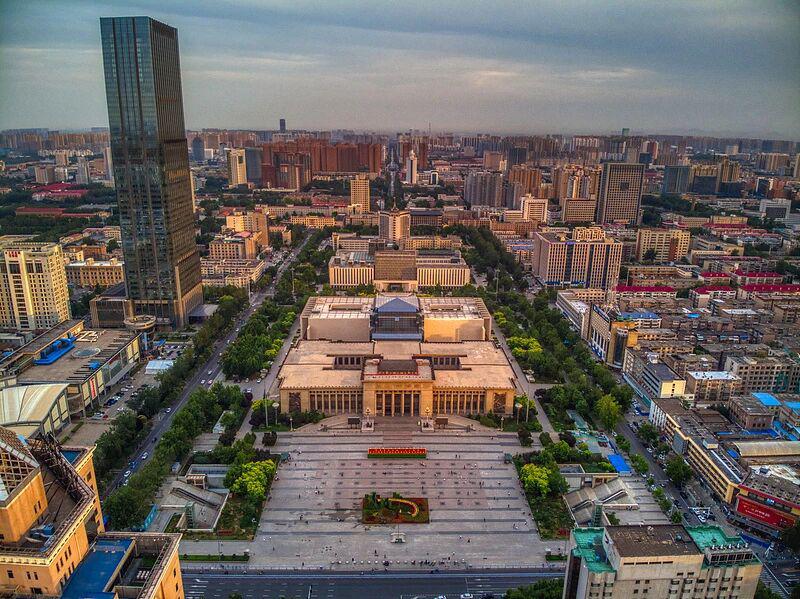
Handan is located in the southern part of Hebei Province, at the eastern foot of the Taihang Mountains, at the junction of Hebei, Shanxi, Shandong, and Henan provinces. It has a warm temperate continental monsoon climate with distinct seasons: windy in spring, hot and rainy in summer, cool in autumn, and cold and dry in winter.
With a history of over 3,100 years as a city, Handan served as the capital of the Zhao State during the Warring States period. In the Han Dynasty, it was one of the five great metropolises alongside Luoyang, Linzi, Nanyang, and Chengdu. Handan is known as the capital of Chinese idioms and allusions, with idioms such as 'Learning to Walk in Handan' and 'Bearing the Rod for Punishment' originating here.
Handan boasts profound cultural heritage and is the birthplace of Yang-style and Wu-style Tai Chi. Local delicacies include Yongnian donkey meat, Linzhang mutton soup, and Cixian menzi, characterized by savory flavors and emphasis on cooking techniques.
Today, Handan is an important node city in the coordinated development of the Beijing-Tianjin-Hebei region. Its pillar industries include steel, equipment manufacturing, and new materials, while it vigorously develops cultural tourism, building the city brand of 'Capital of Idioms, Hometown of Tai Chi'.
The best time to visit 邯郸 is Spring and Autumn (March-May, September-November).
Spring (March to May) has moderate temperatures and blooming flowers, ideal for outdoor sightseeing and Tai Chi experiences.
Autumn (September to November) offers clear skies and pleasant weather, perfect for visiting Congtai Park and Jingniang Lake.
Summer is hot and rainy, while winter is cold and dry, but winter offers hot springs and snow activities.
Marquis Jing of Zhao moved the capital from Jinyang to Handan, making it the political, economic, and cultural center of Zhao for 158 years.
Qin general Wang Jian captured Handan, leading to the fall of Zhao. Handan became part of Qin and was established as Handan Commandery.
Handan Prefecture and Handan City merged to form the new Handan City, adopting a city-governing-county system.
Recommended places to visit
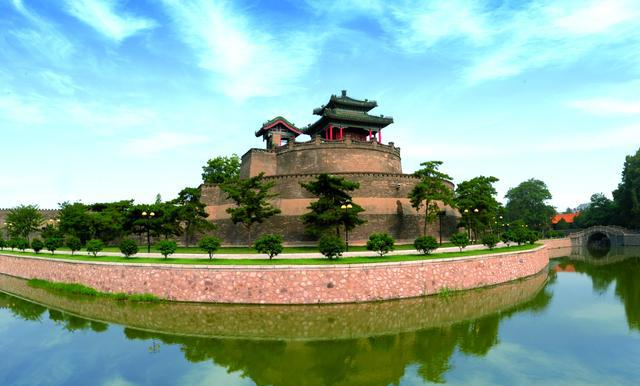
Congtai is a symbol of Handan, first built during the Warring States period by King Wuling of Zhao for watching dances and military drills. The park features Congtai Lake and Qixian Temple.
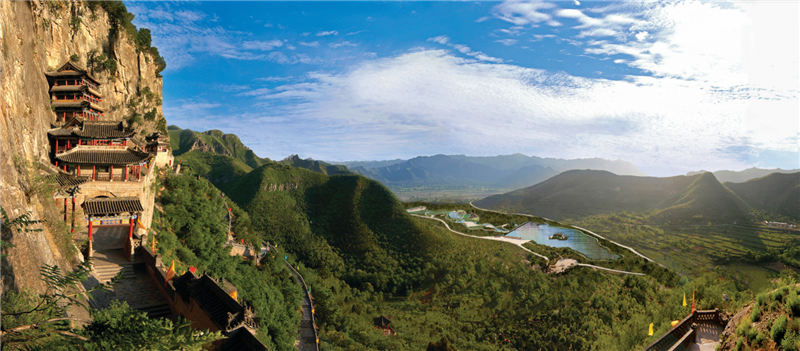
The largest and earliest ancient architectural complex dedicated to the goddess Nüwa, built in the Northern Qi Dynasty. It is built on a cliff, appearing to hang in the air, earning it the names 'living building' and 'hanging temple'.
UNESCO World Heritage Sites
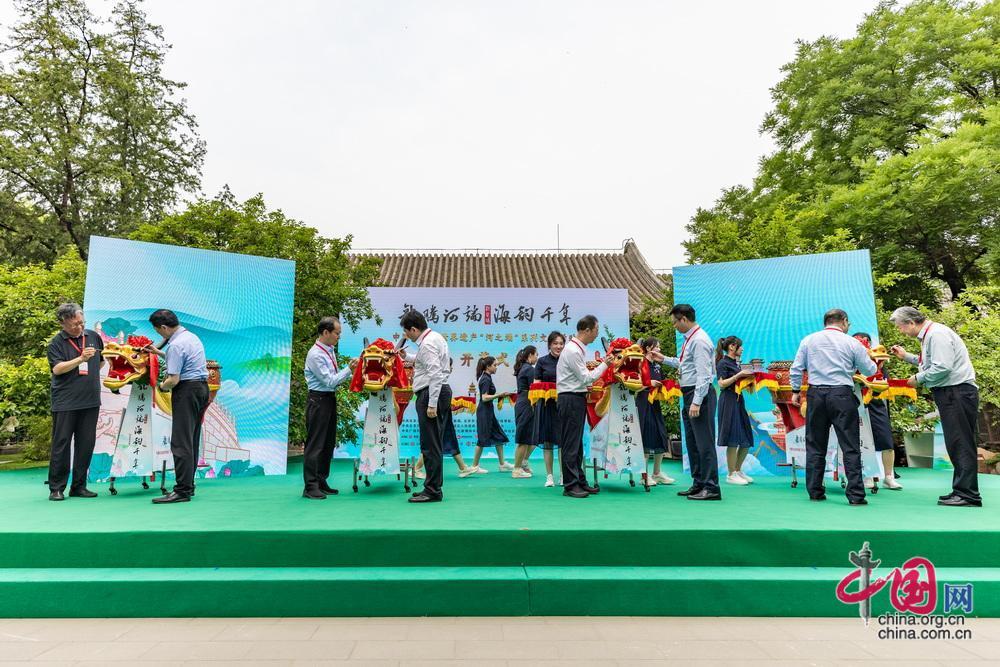
The Grand Canal is a UNESCO World Heritage site. The Handan section includes the Yongji Canal, an important part of the Sui-Tang Grand Canal.
Explore rich intangible cultural heritage and traditional crafts

A national intangible cultural heritage, founded by Yang Luchan from Yongnian, Handan. Movements are expansive and graceful, combining softness with strength.

A national intangible cultural heritage, founded by Wu Yuxiang from Yongnian, Handan. Movements are compact with clear distinctions between empty and solid.
Must-know transportation for exploring the city
Located in Hanshan District, Handan, with flights to major cities such as Shanghai, Guangzhou, Shenzhen, and Chengdu.
Varies by route
A station on the Beijing-Guangzhou high-speed railway, connecting to Beijing, Shijiazhuang, Zhengzhou, Wuhan, etc. About 2 hours to Beijing.
Second class about 100 RMB to Beijing
City buses cover major attractions and commercial areas. Fare 1-2 RMB, supports mobile payment.
1-2 RMB
Taste the most authentic and popular local specialties

A traditional delicacy from Yongnian District, Handan. The donkey meat is reddish, tender, and savory. There is a saying: 'Dragon meat in heaven, donkey meat on earth'.
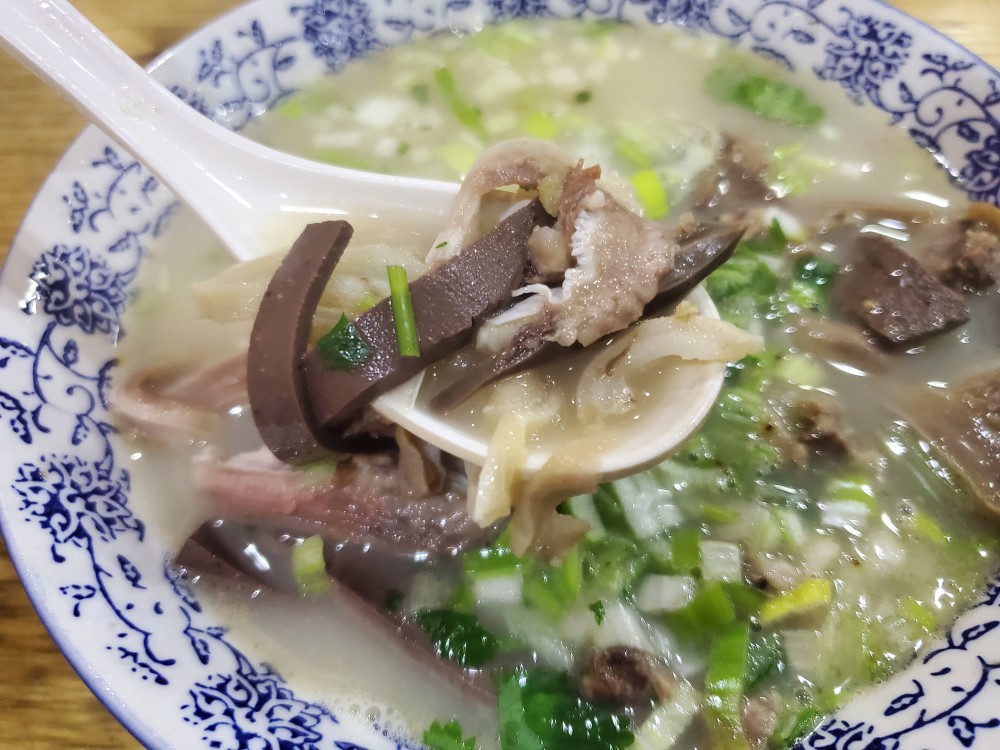
Made from local goats, simmered with various Chinese herbs. The soup is milky white, the meat tender, fresh without gamey taste, and nutritious.
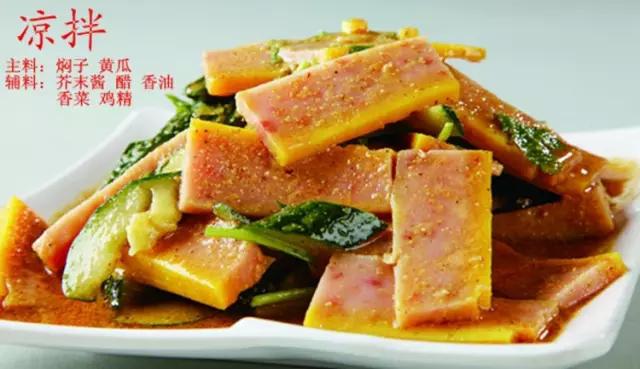

Named after the story of Zhao Kuangyin escorting a girl named Jingniang a thousand miles. Known as the 'Three Gorges of Taihang', it offers boating and mountain climbing.

The ruins of the Zhao State capital during the Warring States period, one of the best-preserved capital ruins in China. The Zhao King Mausoleum is known as the 'Oriental Pyramid'.
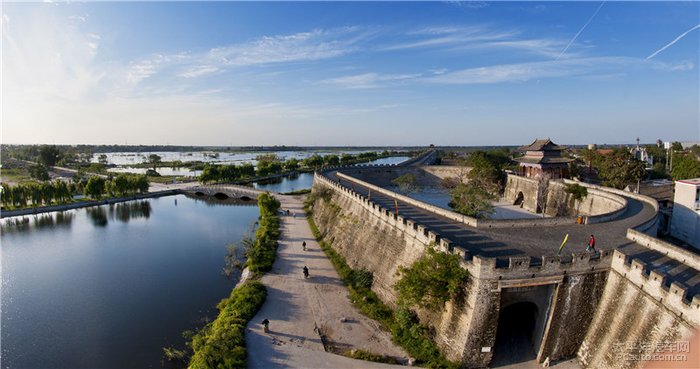
A famous historical and cultural town, birthplace of Yang-style and Wu-style Tai Chi. The ancient city is surrounded by water, known as the 'Jiangnan of the North'.
Steamed with sweet potato vermicelli and minced meat, then sliced and pan-fried until golden. Crispy outside, tender inside, best dipped in garlic sauce.
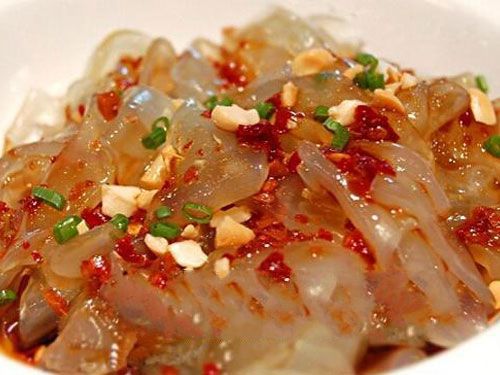
Made from mung bean starch, as thin as cicada wings, smooth texture. Often served cold with shredded cucumber, garlic, and vinegar.
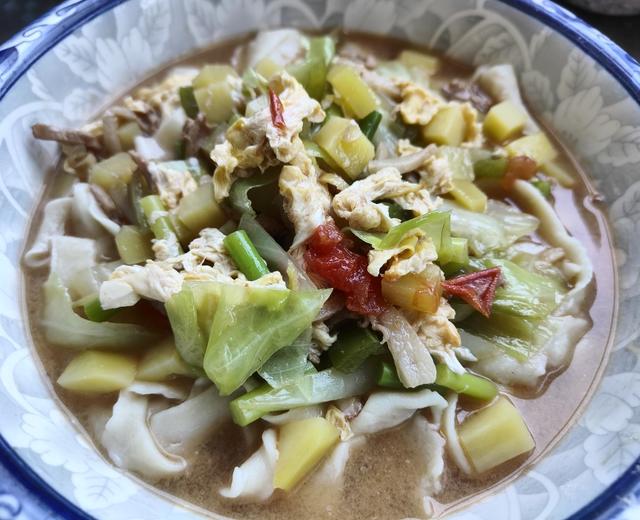
Hand-pulled wide noodles, chewy and elastic, served with meat sauce or fried sauce. A daily staple for locals.