

Located in eastern Xinjiang, Hami is the gateway from Xinjiang to inland China. Situated on the southern slopes of the Tianshan Mountains, it has a dry climate with large temperature differences between day and night, typical of a temperate continental climate, with abundant sunshine and scarce rainfall.
Hami has a long history, known in ancient times as Kunmo, and was an important node on the Silk Road. Zhang Qian of the Han Dynasty passed through here on his mission to the Western Regions, the Tang Dynasty established Yizhou, and the Qing Dynasty renamed it Hami. Multiple ethnic groups have blended here, creating a diverse culture.
Hami's culture integrates Central Plains, Western Regions, and Islamic elements. Signature foods include Hami melon, roast whole lamb, hand-pulled rice, big plate chicken, and naan stuffed with meat. Uyghur song and dance and the Muqam art are uniquely charming.
Modern Hami is an important energy base in Xinjiang, with developed coal, wind power, and photovoltaic industries. At the same time, it vigorously develops tourism. Attractions such as the Hami pterosaur fossils and the Devil City draw many visitors. Urban infrastructure is continuously improving.
The best time to visit 哈密 is Best travel time is from July to October.
July to August is the season when Hami melons ripen. You can taste the freshest Hami melons, and the climate is cool, suitable for outdoor activities.
September to October has clear autumn weather with pleasant temperatures, making it the golden season to visit attractions like the Devil City and Barkol Grassland.
From November to April of the following year, it is colder, but you can experience unique snow scenery and folk activities, such as the winter Nadam Fair.
Zhang Qian, under the order of Emperor Wu of Han, traveled to the Western Regions, passing through Hami, and opened the Silk Road.
After the Tang Dynasty pacified Gaochang, it established Yizhou in Hami, making it an important administrative center in the Western Regions.
The Qing Dynasty established Xinjiang Province, and Hami became an important transportation hub between Xinjiang and inland China.
Recommended places to visit
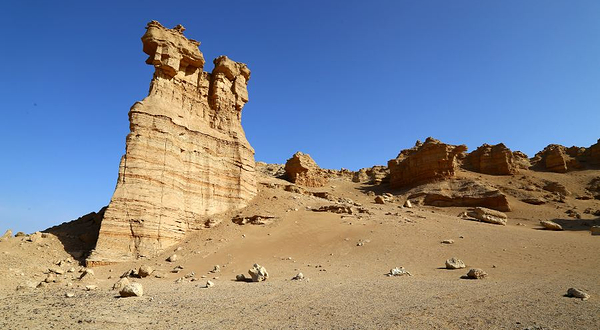
A peculiar landscape formed by Yadan landforms, with wind-eroded castles, palaces, etc., especially spectacular at sunset.
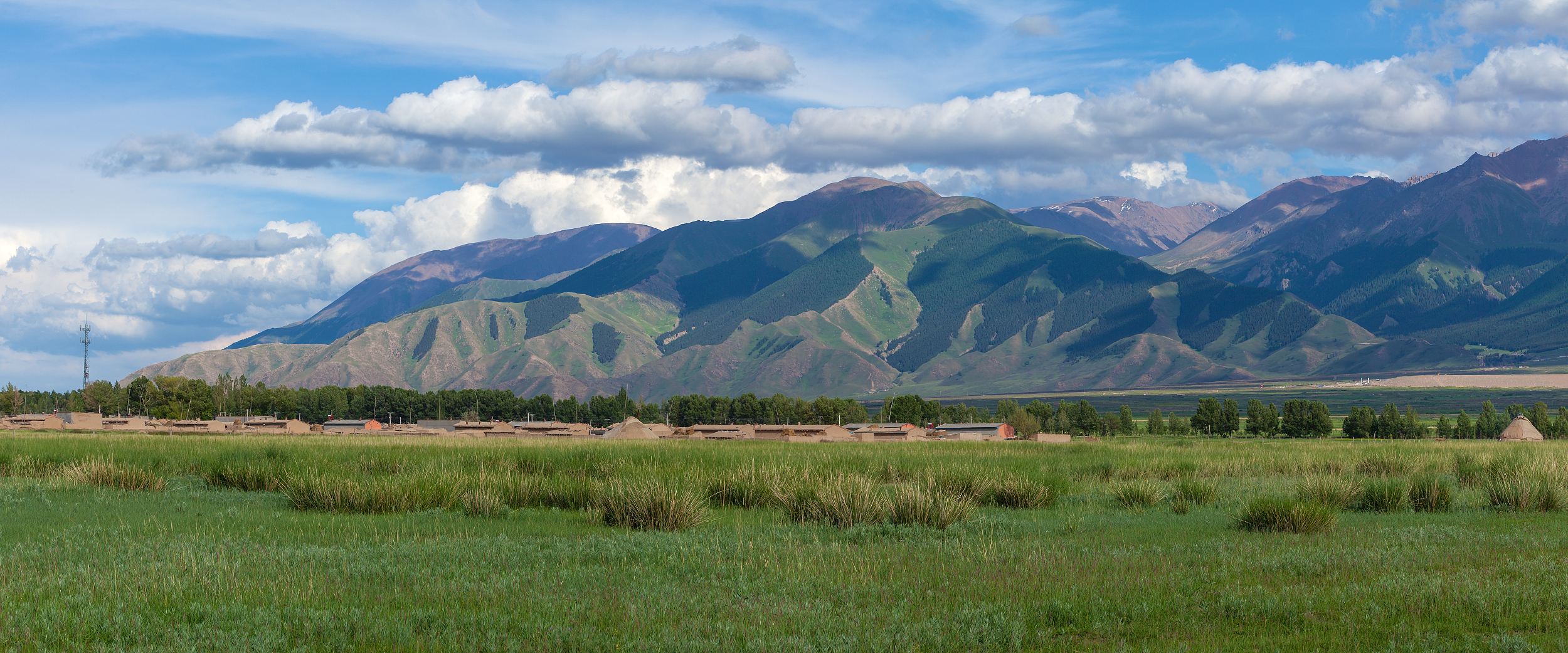
The second largest grassland in Xinjiang, green grass and herds of cattle and sheep in summer, experience Kazakh herder life.

Explore rich intangible cultural heritage and traditional crafts

Uyghur traditional music and dance suite, Hami Muqam is an important branch, integrating multicultural elements.
Must-know transportation for exploring the city
Located on the outskirts of Hami, with flights to Urumqi, Beijing, Xi'an, etc., convenient transportation.
Economy class about 500-1500 RMB
Important station on the Lanzhou-Xinjiang Railway, with high-speed and regular trains, direct to Urumqi, Lanzhou, Beijing, etc.
High-speed second class about 200-600 RMB
City bus routes cover major attractions and urban areas, low fares, some routes go directly to attractions like Devil City.
1-5 RMB
Taste the most authentic and popular local specialties
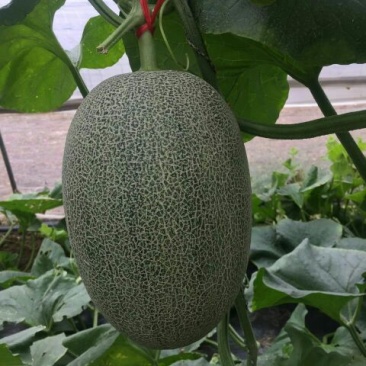
Hami melon is the most famous specialty of Hami, with sweet and juicy flesh, many varieties, the most famous are 'Hongxincui' and 'Huangjinmi'.
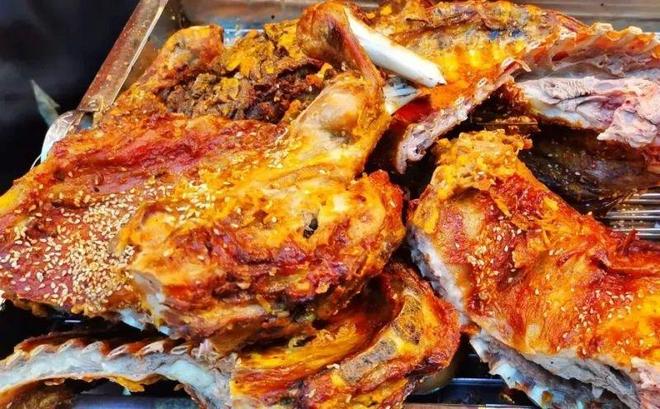
Traditional Xinjiang dish, using local sheep, roasted in a naan oven, crispy skin and tender meat, essential for festive feasts.
The tomb complex of the Hami Hui King family from the Qing Dynasty, architecture blends Islamic and Han styles, an important witness to Hami's history.
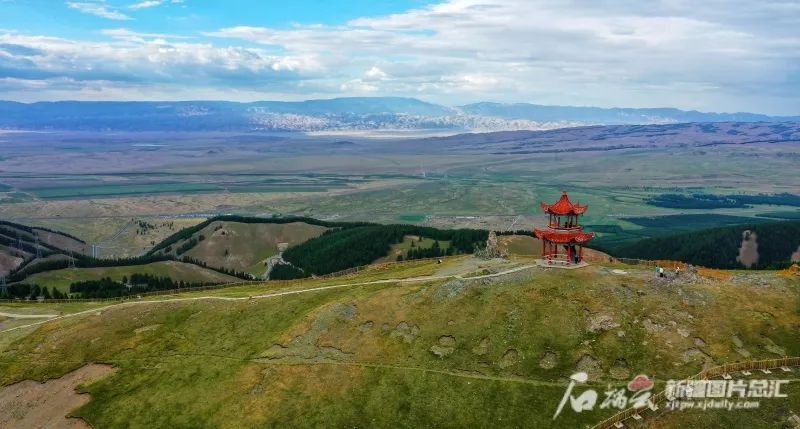
Located on the northern foot of the Tianshan Mountains, a famous Buddhist temple in Hami area, with thriving incense, overlooking the Hami oasis.
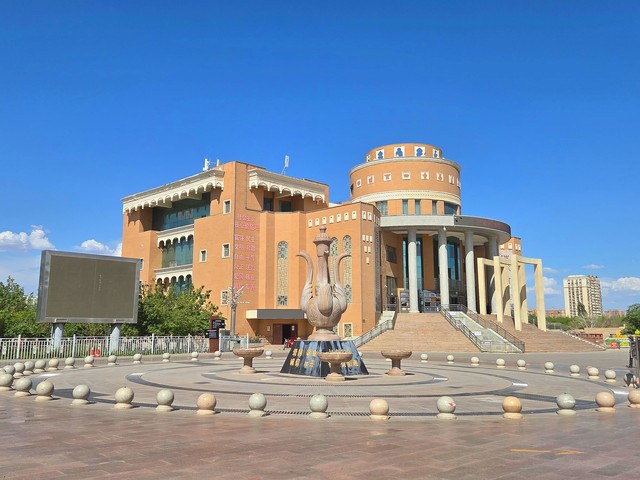
A comprehensive museum displaying Hami's history, culture, and natural heritage, including precious exhibits like Hami pterosaur fossils.
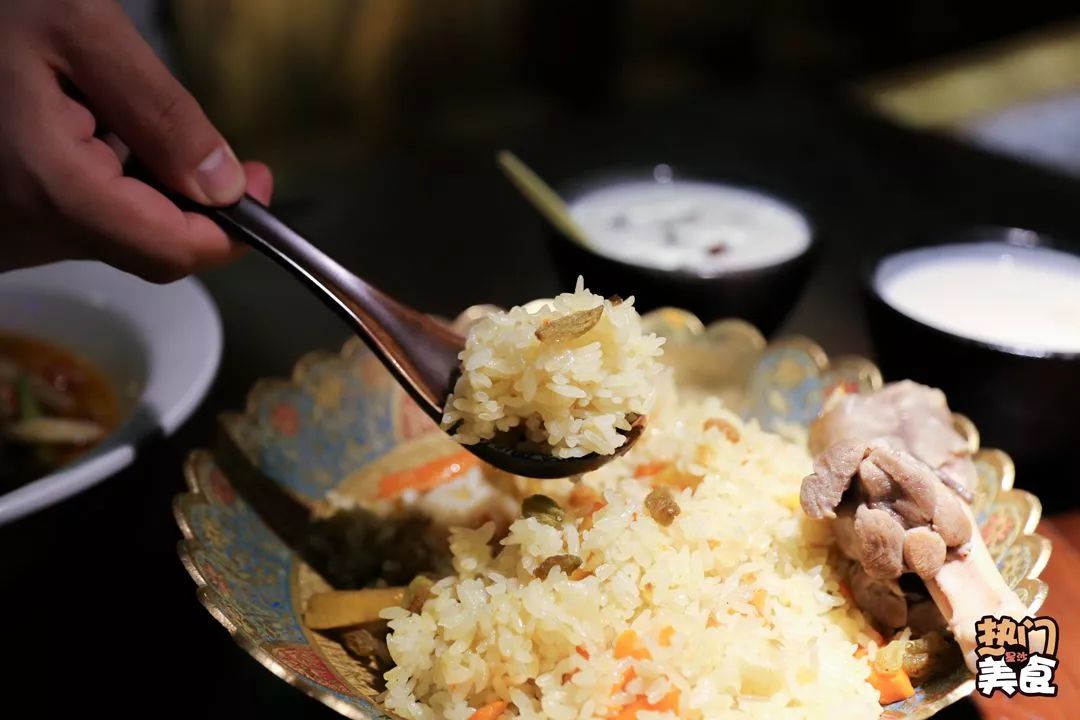
Stewed with lamb, carrots, onions, and rice, oily and delicious, usually eaten with yogurt.
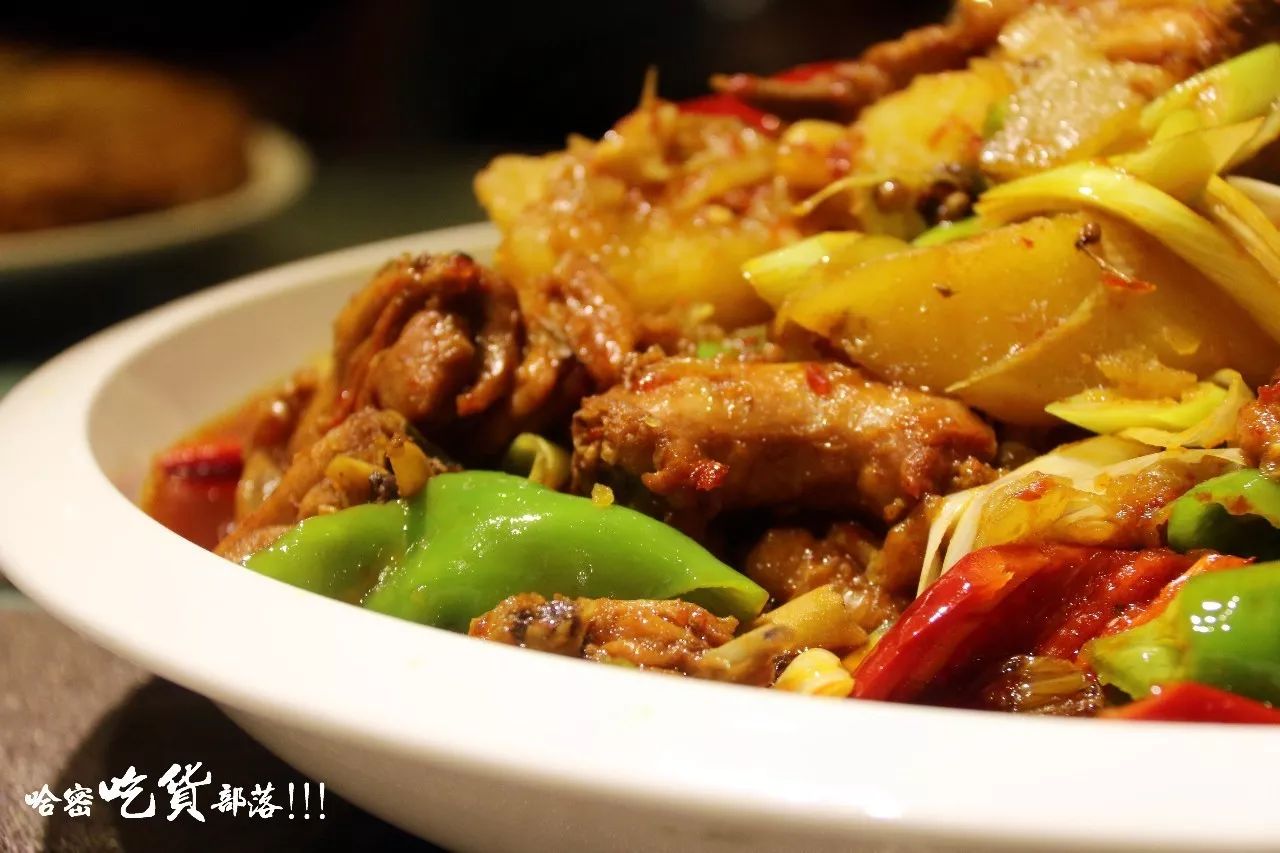
Stewed chicken with potatoes and peppers, served with wide noodles, spicy and rich, one of the representative dishes of Xinjiang.
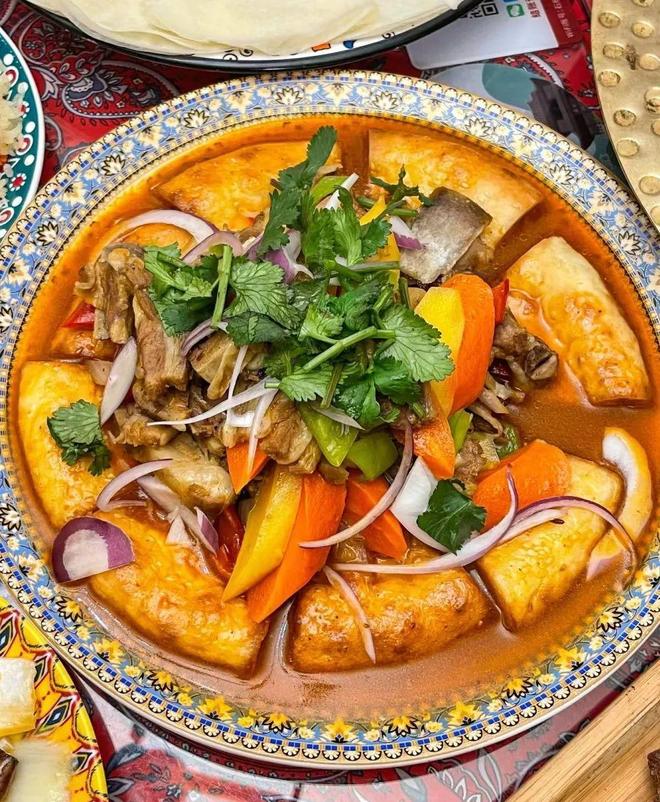
Stewed lamb or beef poured over baked naan, naan absorbs the meat juice, rich in flavor, a daily delicacy for locals.