

Kunming is located in southwestern China, in the central part of the Yunnan-Guizhou Plateau, surrounded by mountains on three sides and bordering Dianchi Lake to the south. Due to its low-latitude plateau location, it enjoys a spring-like climate year-round, with an average annual temperature of about 15°C, earning it the reputation of the "Spring City." With abundant sunshine, ample rainfall, no severe cold in winter, and no extreme heat in summer, it is an ideal destination for escaping both cold and heat.
Kunming has a long history, with human activities dating back 30,000 years. In 109 BC, Emperor Wu of Han established Yizhou Commandery here. During the Tang Dynasty, the Nanzhao Kingdom built the Tuodong City, and it served as an auxiliary capital during the Dali Kingdom period of the Song Dynasty. In the Yuan Dynasty, it became the capital of Yunnan Province. Kunming is the birthplace of the ancient Dian culture, with the Longmen Grottoes by Dianchi Lake and the long couplet of Daguan Pavilion telling stories spanning thousands of years.
Kunming is culturally diverse, home to 26 ethnic groups, with vibrant festivals from minorities such as the Yi and Bai. Cross-bridge rice noodles, steam pot chicken, and wild mushroom hotpot are must-try delicacies, while street snacks like roasted erkuai and tofu pudding rice noodles are irresistible. Locals lead a leisurely life, with citizens playing chess and singing flower lantern opera commonly seen in teahouses and parks.
Modern Kunming is an important economic center in Southwest China, with a high-speed rail network reaching in all directions and Changshui Airport connecting over a hundred domestic and international cities. The city's development emphasizes ecology and culture, with continuous improvement in the ecological environment. In the future, Kunming aims to become a regional international central city and continue to serve as a bridgehead towards Southeast Asia.
The best time to visit 昆明 is March to October.
Kunming has small temperature differences throughout the year, but March to October is the period with the most pleasant climate. During this time, temperatures range between 15-25°C, with moderate rainfall and gentle sunshine, making it ideal for outdoor activities. Particularly from March to April, cherry blossoms and rapeseed flowers are in full bloom, creating a breathtakingly beautiful scene.
In spring (March to May), Kunming has clear weather and rising temperatures, with an average temperature of about 18°C. It is recommended to visit Cherry Blossoms at Yuantong Mountain, the flower exhibition at Kunming Expo Garden, and the wetland parks along Dianchi Lake to experience the revival of nature.
Autumn (September-November) has cool weather with an average temperature of around 15°C, offering crisp and clear skies. Must-try activities include: visiting the Stone Forest to admire unique rock formations, participating in the Torch Festival of ethnic minorities (on the 24th day of the sixth lunar month), and tasting fresh wild mushrooms.
Emperor Wu of Han established Yizhou Commandery in the Kunming region, marking the formal jurisdiction of the central dynasty over Yunnan.
After Nanzhao Kingdom constructed Tuodong City in Kunming as its eastern capital, Kunming thereafter became a regional political center.
Recommended places to visit

The essence of the world's karst landscapes, with countless unique peaks standing tall, is hailed as "the most wonderful spectacle under heaven."
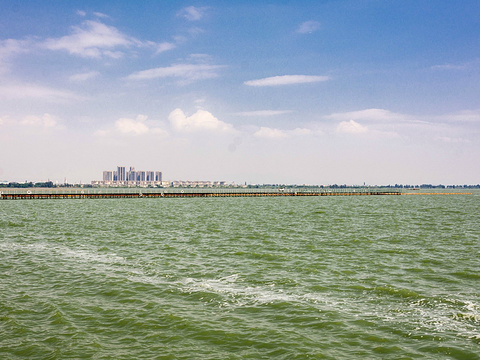
Yunnan's largest freshwater lake, with beautiful lake and mountain scenery, allows for boat tours to experience this plateau pearl.

UNESCO World Heritage Sites

As part of the South China Karst, the Stone Forest has been inscribed as a UNESCO World Natural Heritage site for its unique karst landforms.
Explore rich intangible cultural heritage and traditional crafts

The traditional Yi ethnic rap art, listed as a national intangible cultural heritage.
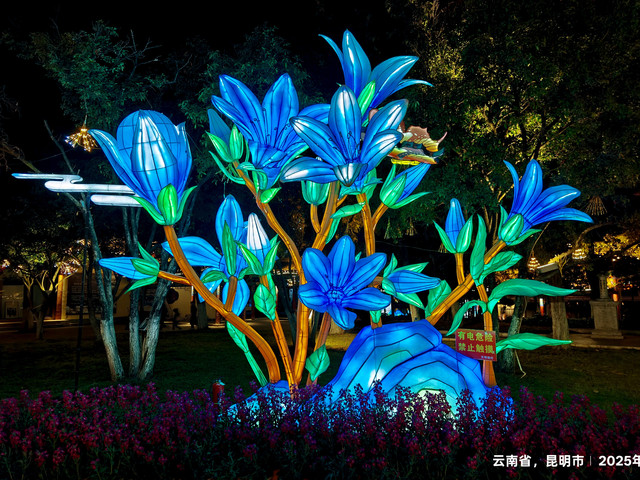
Yunnan local opera genre, recognized as a national intangible cultural heritage for its unique vocal styles and performance forms.
Must-know transportation for exploring the city
Kunming Changshui International Airport is one of the largest airports in Southwest China, offering a wide range of domestic and international flight routes. From the city center, you can take Metro Line 6 or the airport shuttle bus, with a travel time of about 30 minutes.
Depends on the route.
Kunming Station and Kunming South Station are major railway stations where the Shanghai-Kunming High-Speed Railway and the Pan-Asia Railway intersect. It takes about 2 hours to Dali and about 2 hours to Guiyang.
The second-class seat on high-speed trains costs about 200-500 yuan.
Kunming has 6 subway lines covering major attractions. Bus fare is 2 yuan and supports QR code payment. It is recommended to download the "Kunming Metro" app for route inquiries.
Taste the most authentic and popular local specialties
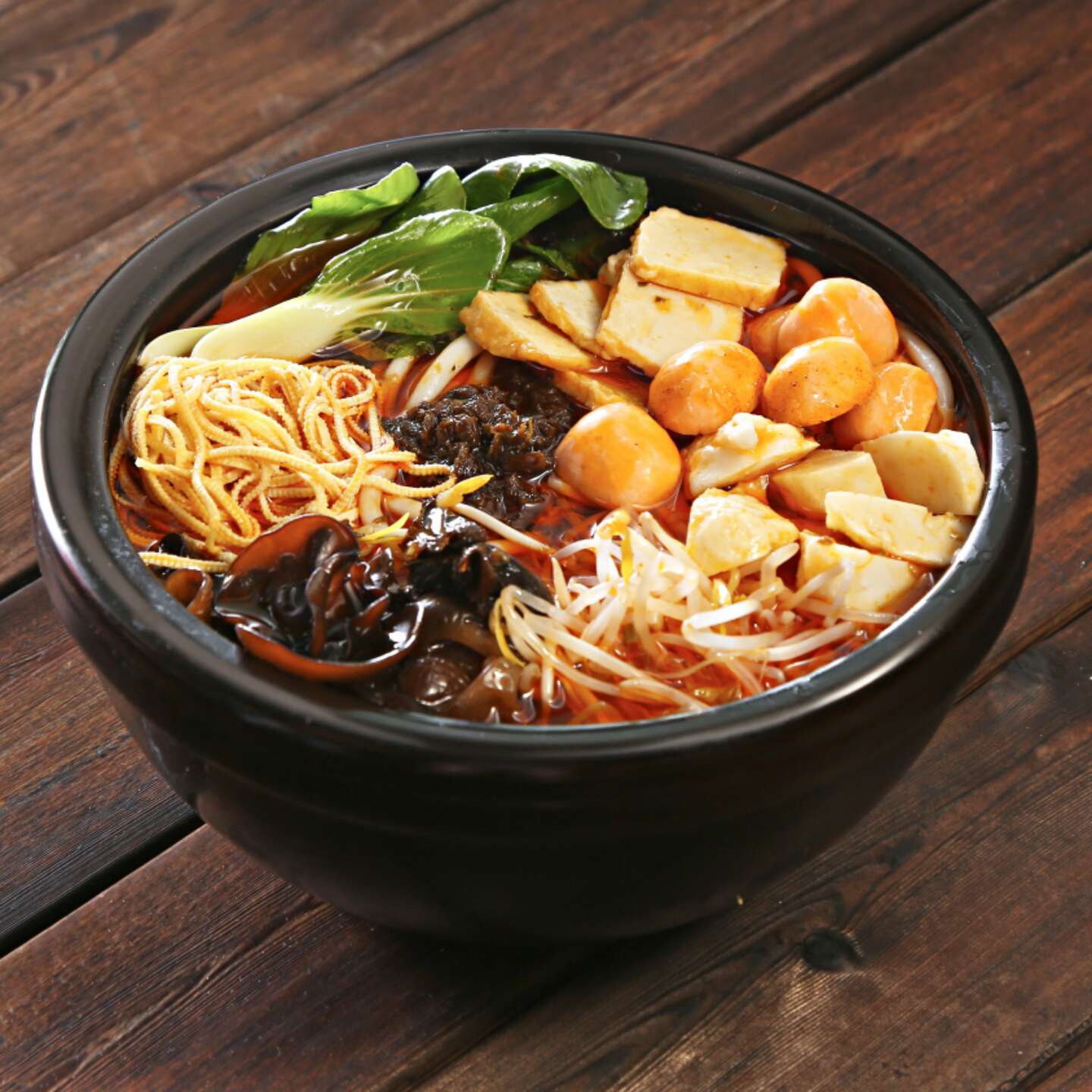
Kunming's most representative delicacy, piping hot chicken soup paired with raw meat slices and rice noodles, is fresh, aromatic, and delicious.
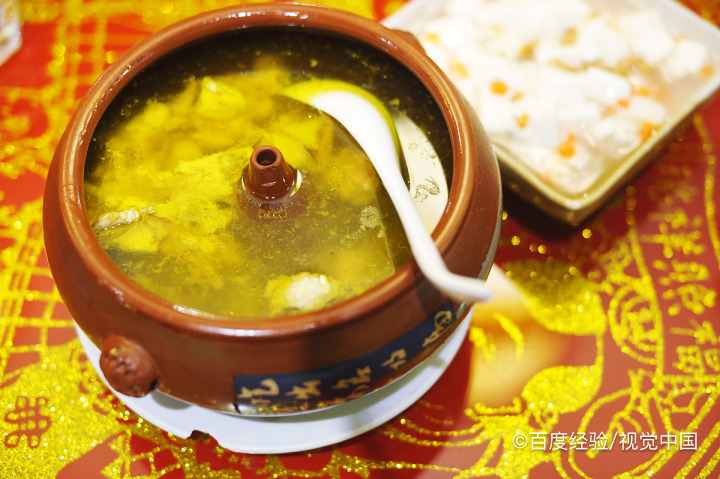
Steamed in a clay pot, it preserves the original flavor of the chicken, with a clear and rich broth.
The Yuan Dynasty established Yunnan Province, making Kunming the provincial capital, which solidified its status as the central city of Yunnan.
The Qing government opened Kunming as a trading port, promoting the city's modernization and foreign trade.
Kunming was peacefully liberated and entered a new era of construction in New China, opening a new chapter in urban development.
Focused on showcasing the cultures of 25 ethnic minorities in Yunnan, featuring distinctive architecture and song and dance performances.
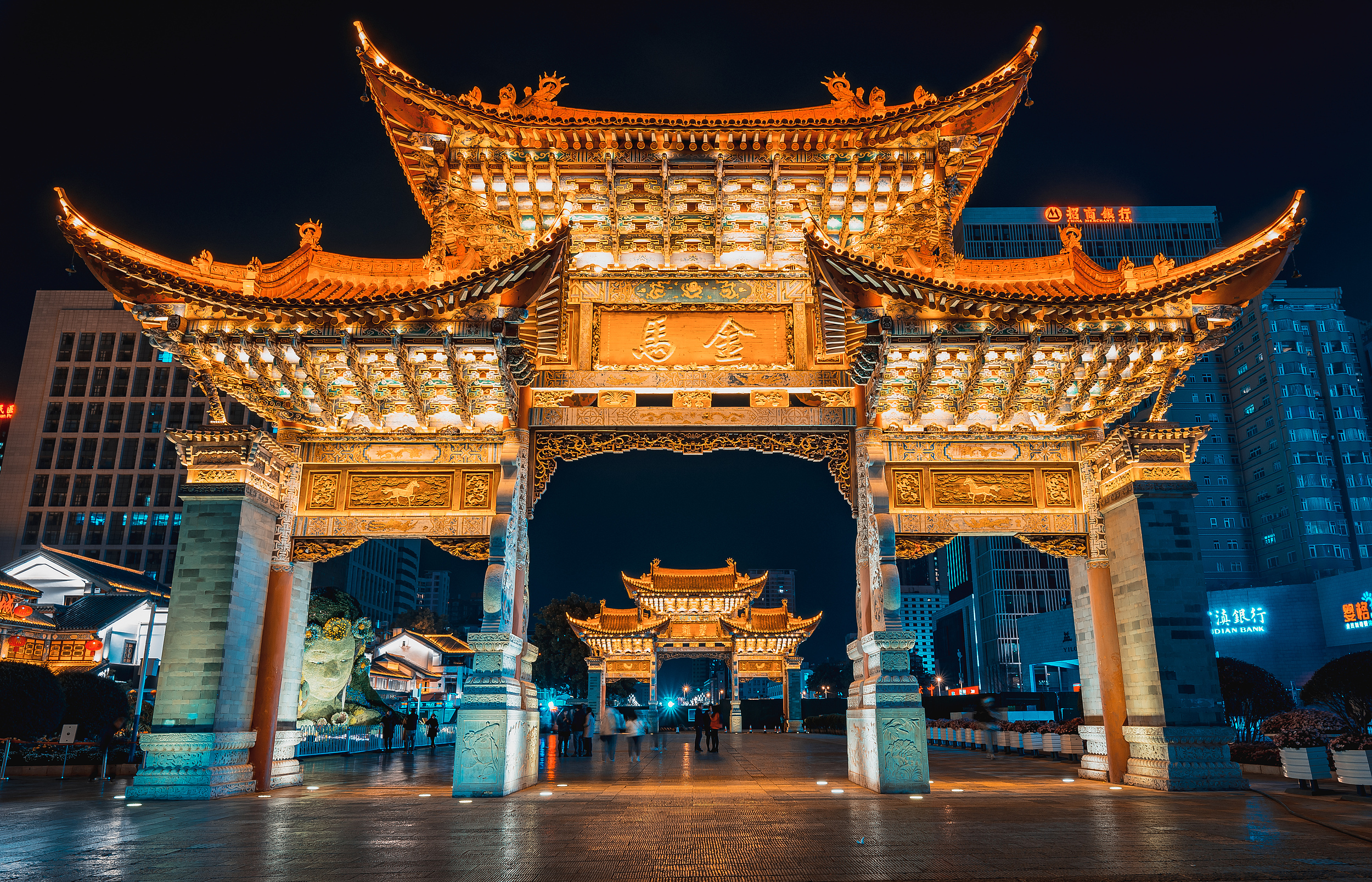
Kunming's iconic ancient architectural complex, known as the Golden Horse and Jade Rooster Memorial Archways, is particularly stunning at night.
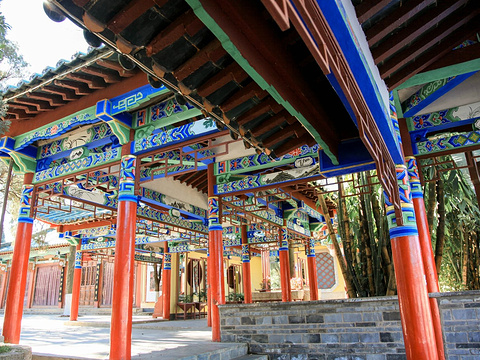
The ancient building from the Qing Dynasty is famous for its 180-character long couplet, and from the top, you can overlook the beautiful views of Dianchi Lake.
Subway fare: 2-8 yuan
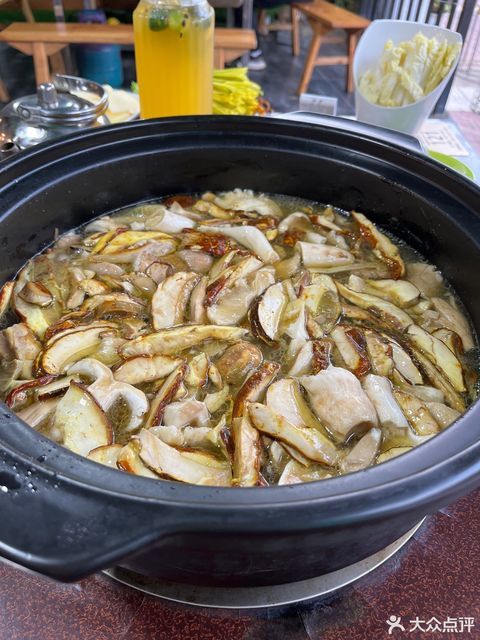
The soup base is made from a variety of wild mushrooms, incredibly delicious, a must-have in autumn.
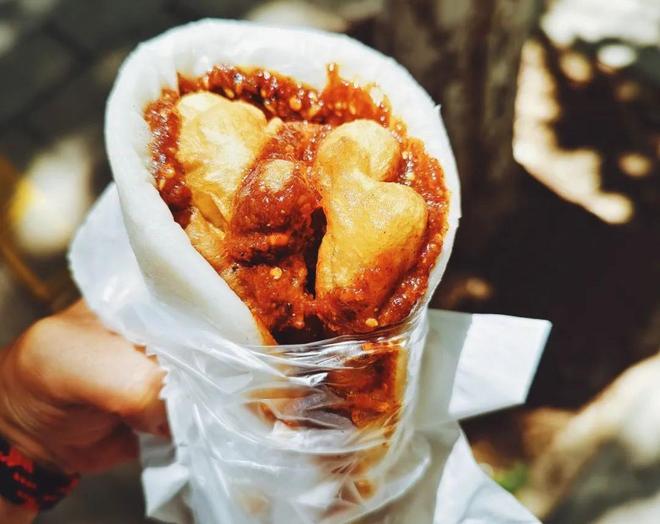
Street snack: glutinous rice grilled and coated with sauce, crispy on the outside and chewy on the inside.
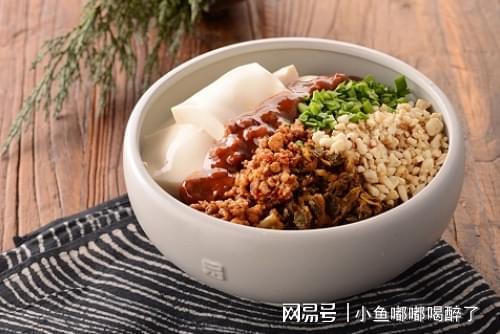
Smooth tofu pudding paired with rice noodles, sour and spicy, is the locals' top choice for breakfast.