
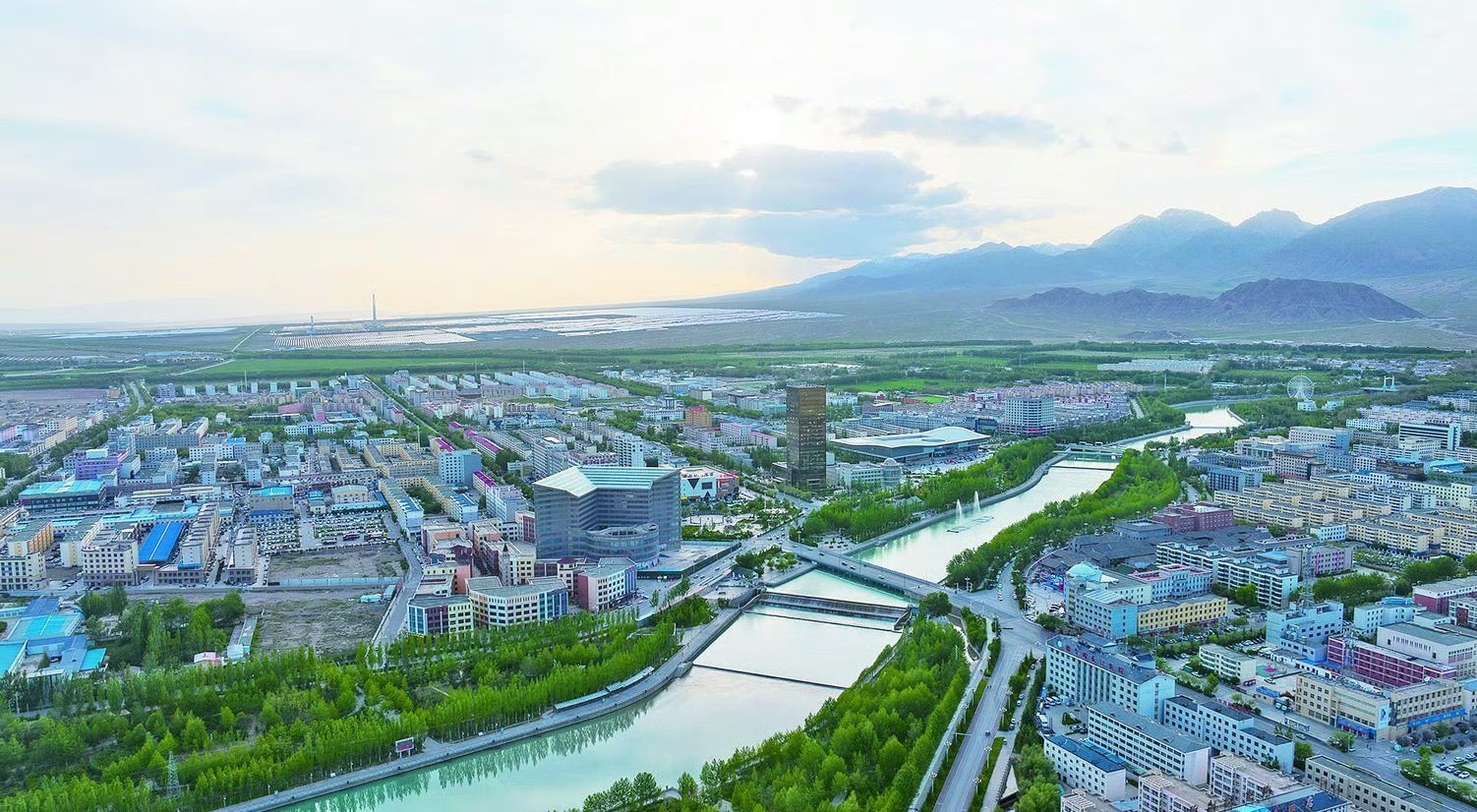
Haixi Mongolian and Tibetan Autonomous Prefecture is located in western Qinghai Province, deep in the Qinghai-Tibet Plateau, with an average altitude of over 3,000 meters. It has a typical plateau continental climate with abundant sunshine, large temperature differences between day and night, and scarce rainfall.
Haixi has a long history and was an important passage on the ancient Silk Road. As early as the Han Dynasty, this area was inhabited by the Qiang people. In 1954, the Haixi Mongolian, Tibetan, and Kazakh Autonomous Prefecture was established, and in 1985 it was renamed Haixi Mongolian and Tibetan Autonomous Prefecture.
Haixi has a diverse culture, with traditional festivals such as the Mongolian Nadam Fair and the Tibetan Horse Racing Festival. Special local dishes include hand-grabbed lamb, butter tea, highland barley wine, yak jerky, and liangpi (cold noodles), each with a unique flavor.
Modern Haixi has developed rapidly by leveraging its abundant salt lake resources, oil and natural gas, and solar energy industry. Golmud City has become an important transportation hub and industrial city on the Qinghai-Tibet Plateau, and tourism is also thriving.
The best time to visit 海西 is Best from May to October.
From May to June, temperatures rise and grasslands turn green, making it a good time to enjoy plateau spring scenery. There are fewer tourists, suitable for those who prefer quiet travel.
July to August is summer in Haixi, with cool and pleasant weather, lush grasslands, and frequent events like the Nadam Fair. It is the peak tourist season, but sun protection and warm clothing are necessary.
September to October offers clear autumn skies and colorful salt lakes, a paradise for photographers. However, the temperature difference between day and night is large, so warm clothing is recommended.
During the Western Han Dynasty, the Haixi area was a nomadic region of the Qiang people, under the jurisdiction of Jincheng Commandery.
On January 25, 1954, the Haixi Mongolian, Tibetan and Kazakh Autonomous Prefecture was officially established.
In 1985, the Haixi Mongolian, Tibetan and Kazakh Autonomous Prefecture was renamed Haixi Mongolian and Tibetan Autonomous Prefecture.
Recommended places to visit
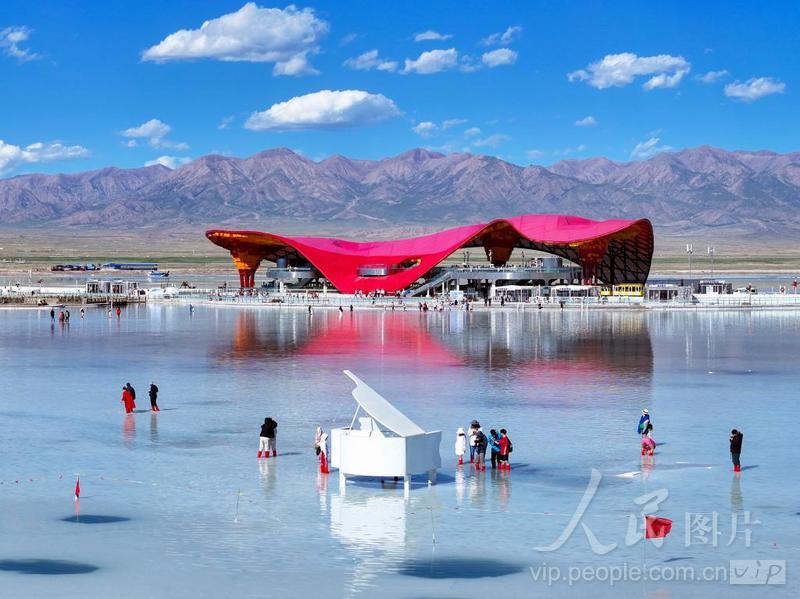
Chaka Salt Lake is one of the four major salt lakes in the Qaidam Basin, known as the 'Mirror of the Sky', with a lake surface elevation of 3100 meters and an area of 105 square kilometers.
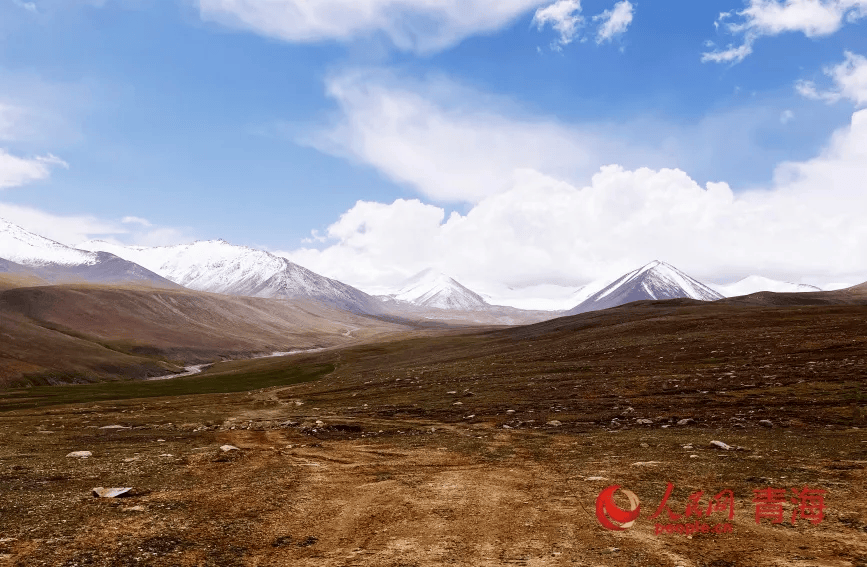
The Kunlun Mountains are known as the 'Ancestor of All Mountains', an important birthplace of Chinese mythology, with the main peak Yuzhu Peak at 6178 meters.
Explore rich intangible cultural heritage and traditional crafts
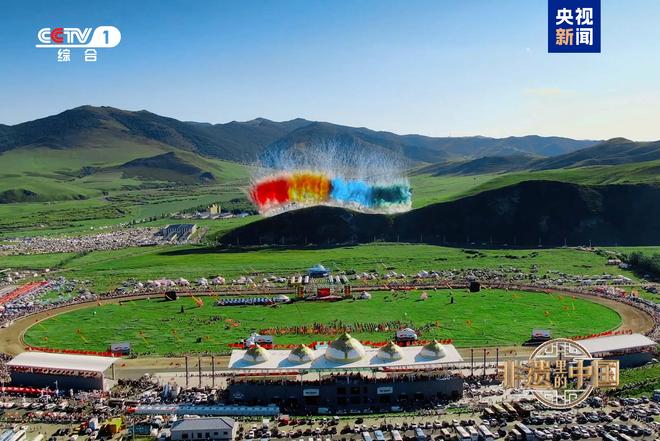
Traditional Mongolian sports and entertainment event, including horse racing, wrestling, archery, listed as national intangible cultural heritage.

Tibetan heroic epic, widely spread in Haixi Tibetan areas, the longest epic in the world, listed as UNESCO intangible cultural heritage.
Must-know transportation for exploring the city
Flights to Xining, Xi'an, Chengdu, etc., about 12 km from the city center.
Economy class about 500-1500 RMB
The Qinghai-Tibet Railway passes through Golmud, with direct trains to Lhasa, Xining, etc., with Golmud Station.
Hard seat about 200-400 RMB
Long-distance buses connect all counties and cities within Haixi, with Delingha and Golmud as main hubs.
Fare about 30-200 RMB depending on distance
Taste the most authentic and popular local specialties
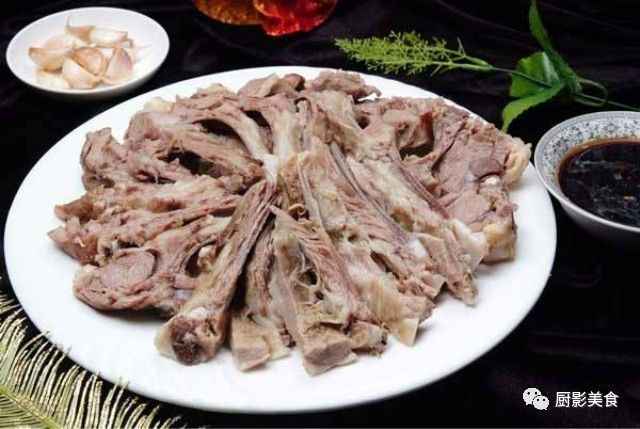
Choose high-quality plateau lamb, boiled in plain water and eaten with salt, tender and authentic.
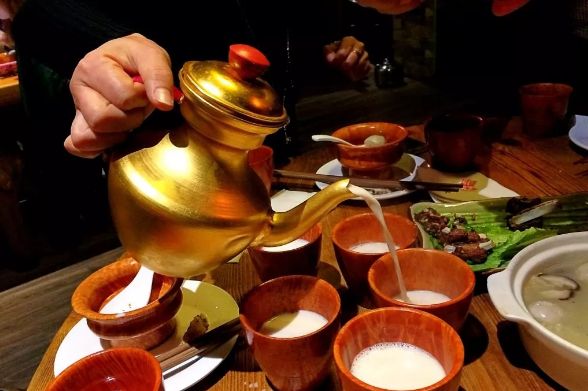
Made from brick tea, butter, and salt, a daily essential for Tibetan herders, warming and refreshing.
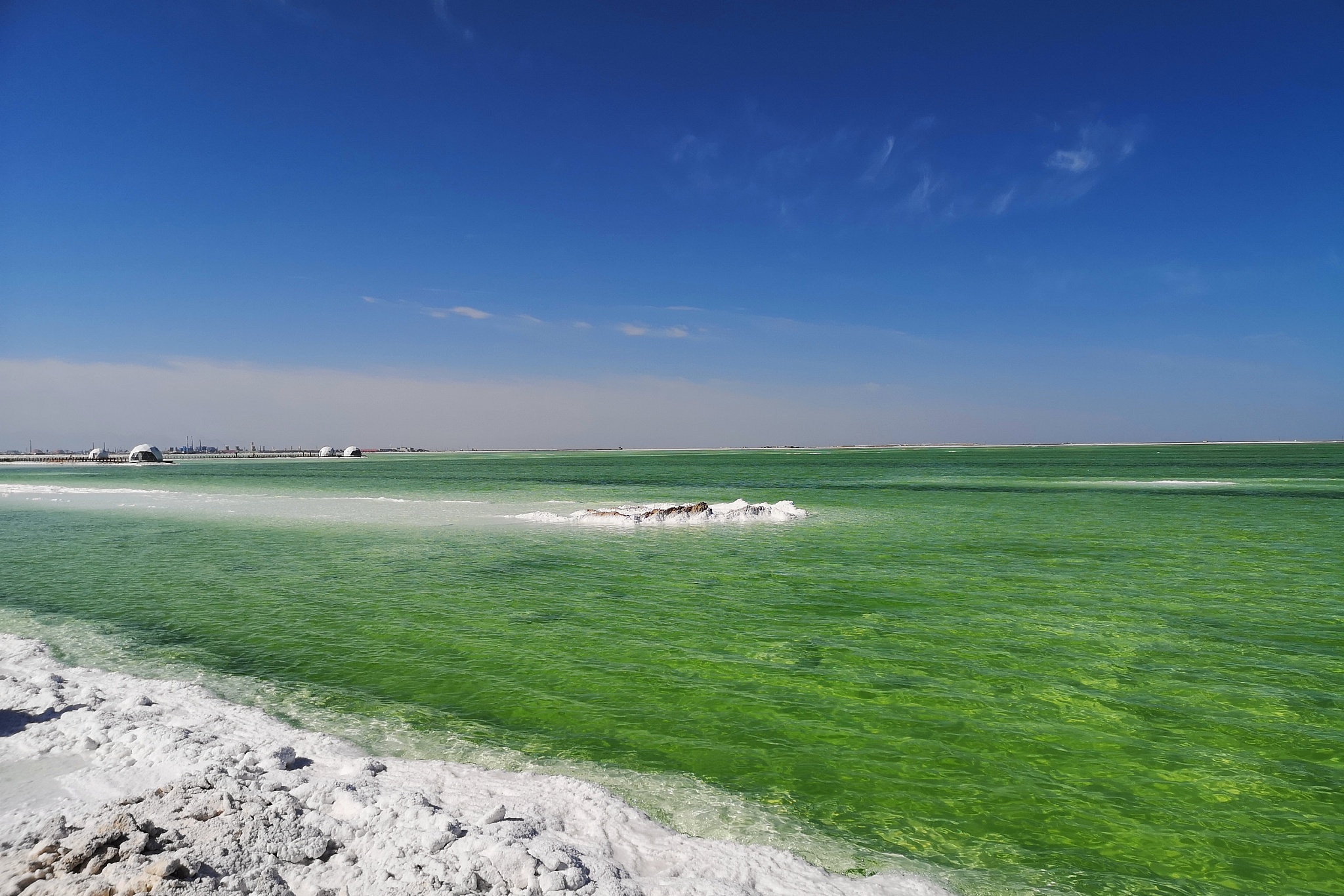
Qarhan Salt Lake is the largest salt lake in China, with a total area of 5856 square kilometers, featuring the famous 'Ten-Thousand-Meter Salt Bridge'.
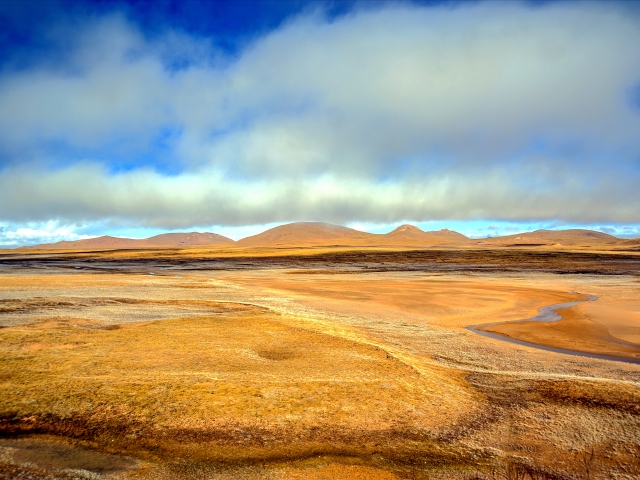
Hoh Xil is one of the largest and highest nature reserves in China, famous for rare wildlife such as Tibetan antelopes.
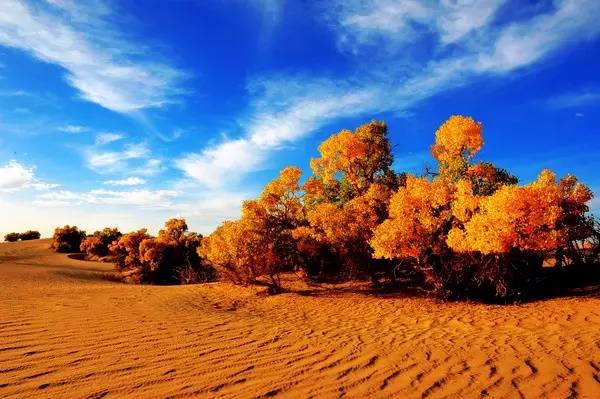
Golmud Populus Euphratica Forest is the highest-altitude poplar forest in the world, turning golden in autumn with magnificent scenery.
Brewed from highland barley, low alcohol content, mellow taste, a Tibetan hospitality favorite.
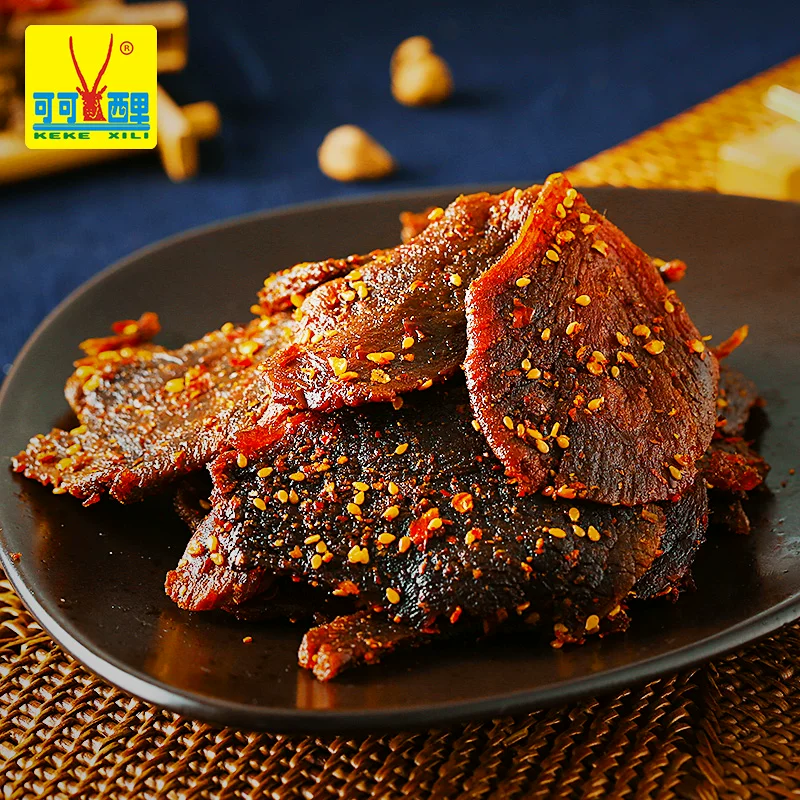
Made from highland yak meat air-dried, firm texture, rich flavor, a great travel snack.
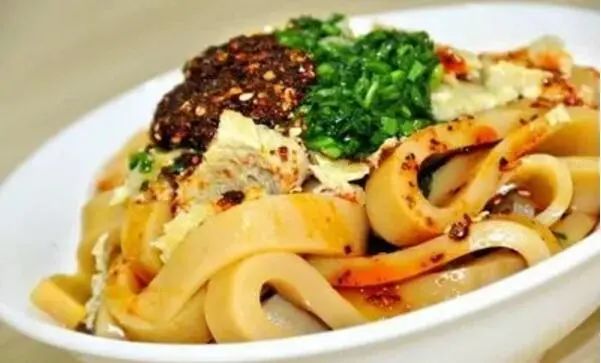
Steamed from wheat gluten, served with vinegar, chili oil, etc., refreshing and cool.